
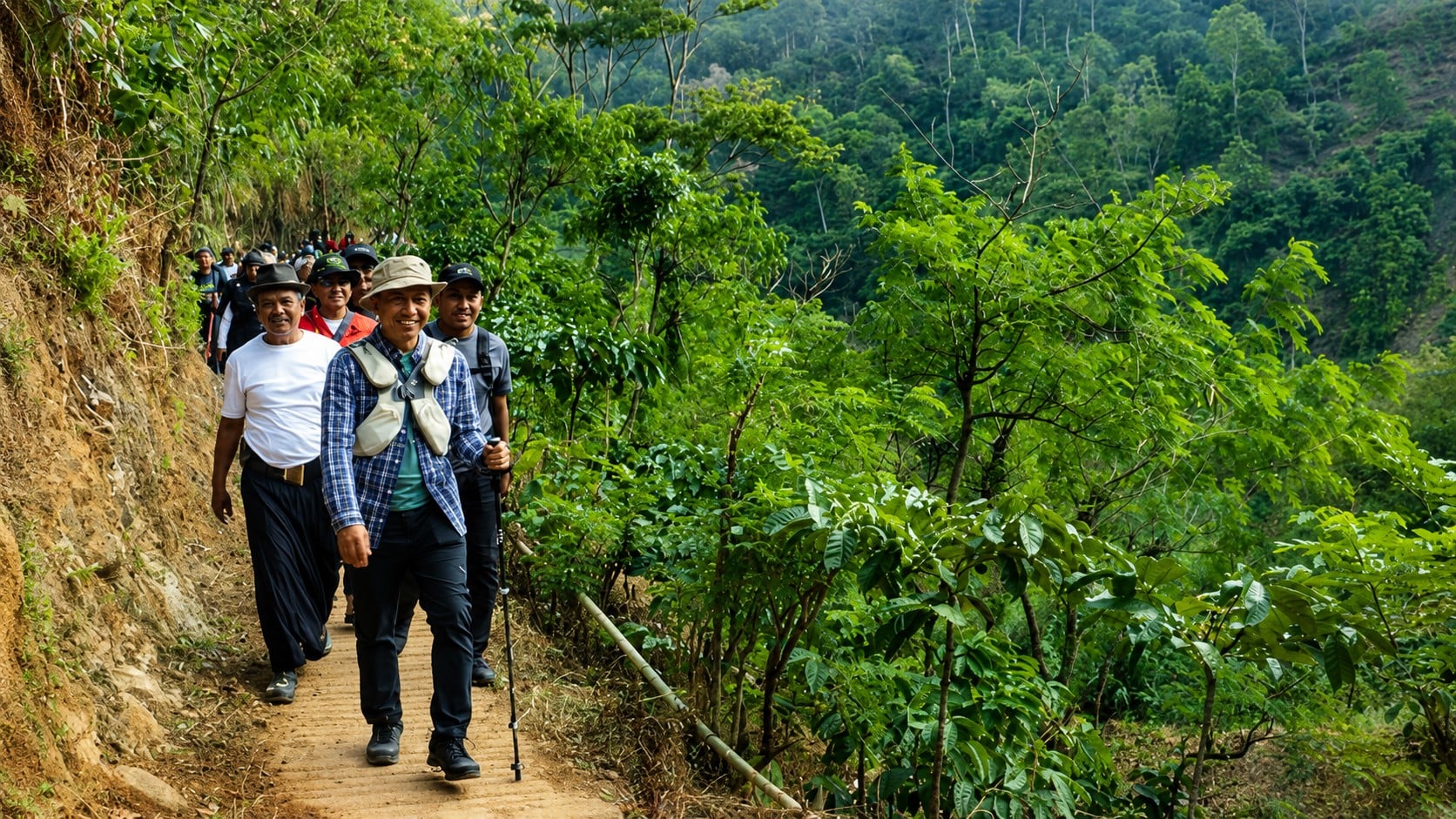
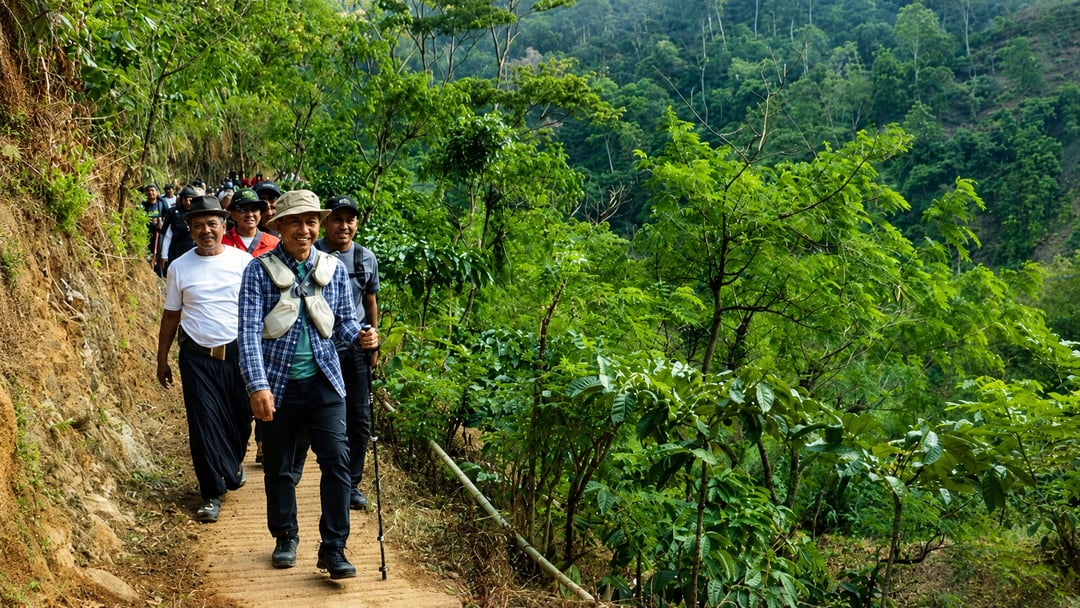
KUDUS – The sun had barely risen when hundreds of hikers began their ascent toward Songolikur Peak in Rahtawu Tourism Village, Gebog district, on Saturday morning. Among the group was Kudus Regent Sam’ani Intakoris, trekking alongside local residents, military personnel, volunteers, conservationists, and tourists from across the region. On the trails winding through the slopes of Mount Muria, the divide between officials and citizens seemed to dissolve as everyone moved in unison toward the summit.
The hike, titled “Climbing with the Regent,” was more than just a weekend fitness excursion. The journey to the summit, standing approximately 1,602 meters above sea level (masl), aimed to spotlight the natural tourism potential of the Muria Mountains while fostering economic opportunities for communities living on the mountain slopes.
The trek to Peak 29 offered an evolving panorama as the elevation climbed. Lush trees formed a natural canopy, the mountain air turned crisp, and the sounds of birds and insects provided a steady rhythm for the hikers.
At various rest stops, humble village kiosks served as meeting points where hikers engaged with locals. A cup of warm coffee, tea, or a bowl of instant noodles offered more than just a break; it highlighted how tourism creates vital economic circulation even along the hiking trails.
The atmosphere demonstrated that hiking serves not only as a way to enjoy nature but also as a bridge between tourists and the residents who act as guardians of the mountain range.
Upon reaching Peak 29, Kudus Regent Sam’ani Intakoris emphasized that the event was part of the Kudus Regency Government's broader effort to showcase the natural wonders of the Muria Mountains.
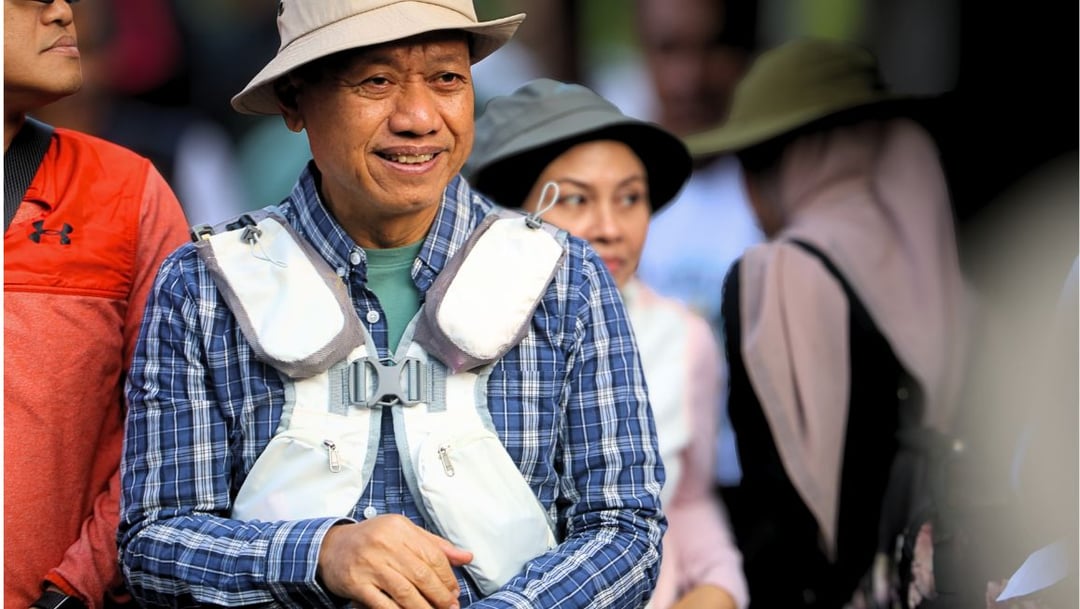
“Thank God we have reached Peak 29. The purpose of this is to promote exercise, recreation, and to introduce the various peaks of Kudus, including Peak 29. Let us protect the cleanliness and the environment, both in sports and in tourism,” Sam’ani said.
According to the Regent, the Muria Mountains offer numerous hiking destinations, each with unique characteristics, ranging from Natas Angin, Jembangan, and Argopiloso, to Songgo Langit and several other lesser-known peaks.
This diversity of trails serves as an asset for nature-based tourism development. However, such development must proceed in tandem with efforts to preserve the integrity of the forest region.
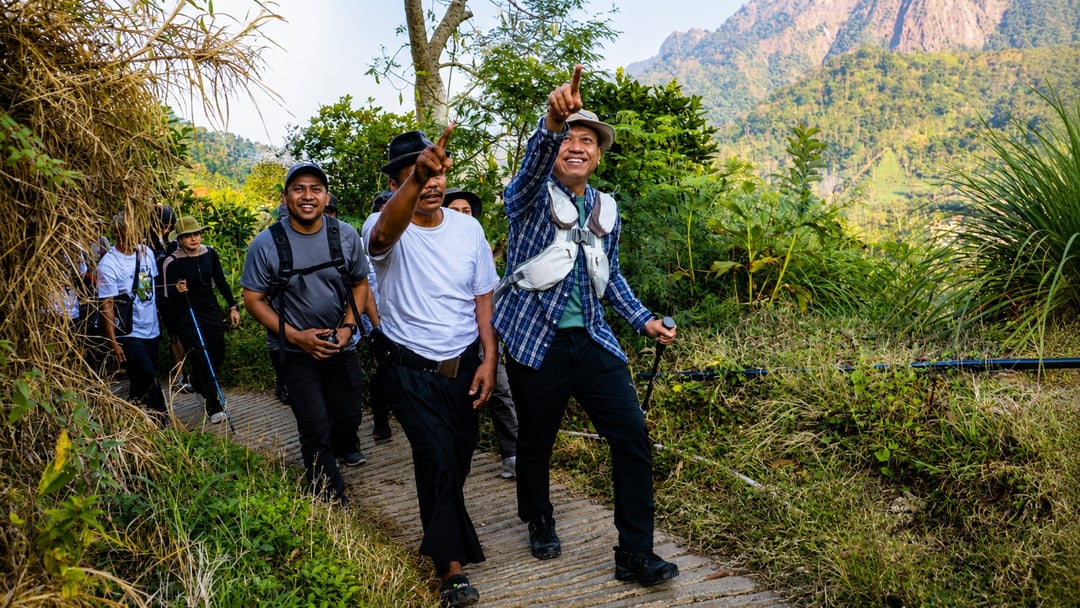
“We explore, but we do not destroy,” he asserted.
This message serves as a reminder that promoting natural destinations should not only focus on increasing visitor numbers, but also on the responsibility of protecting the ecosystem that remains the primary draw of the Muria region.
Beyond tourism promotion, Sam’ani emphasized that developing the hiking area requires adequate infrastructure support and continuously improved safety systems.
He expressed hope for improved access to tourist areas to make it easier for visitors to reach various trailheads. Simultaneously, security aspects require attention through the implementation of more modern hiking protocols.
“We need to refine hiking protocols to ensure no casualties occur. If possible, we should use GPS bracelets so that if a hiker goes missing, they can be located immediately. Infrastructure is also vital in supporting tourism,” he said.
These initiatives underscore that nature-based tourism development involves more than just destination promotion; it requires facilities that ensure visitor safety while exploring mountainous terrain.
The beauty of the Muria Mountains is also recognized by local forest management officials. Ternadi Forest Management Resort Chief (KRPH), under the Muria Pati Ayam Forest Management Unit Section (BKPH) and Pati Forest Management Unit (KPH), Teguh Jumadi Yanto, noted that the authenticity of the landscape is the area’s greatest strength.
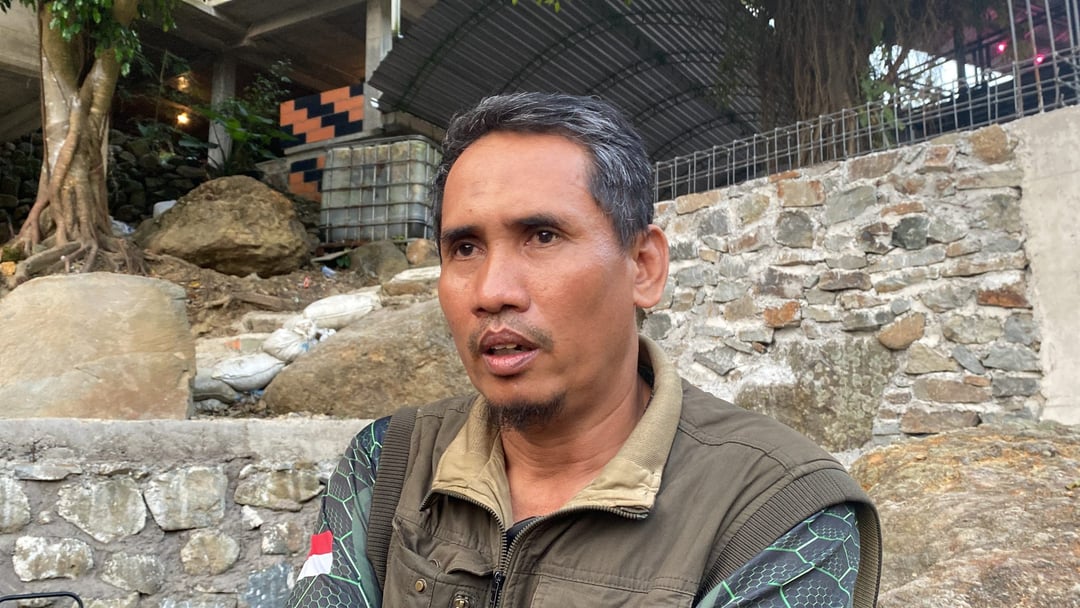
Activities range from hiking and religious tourism to trekking, offering panoramas ideal for photography and videography.
“The appeal of Mount Muria lies in its pristine natural atmosphere and views that serve as perfect spots for photos and videos,” he stated.
Amid growing public interest in nature-based tourism, the preservation of such protected areas remains a critical value that must be maintained.
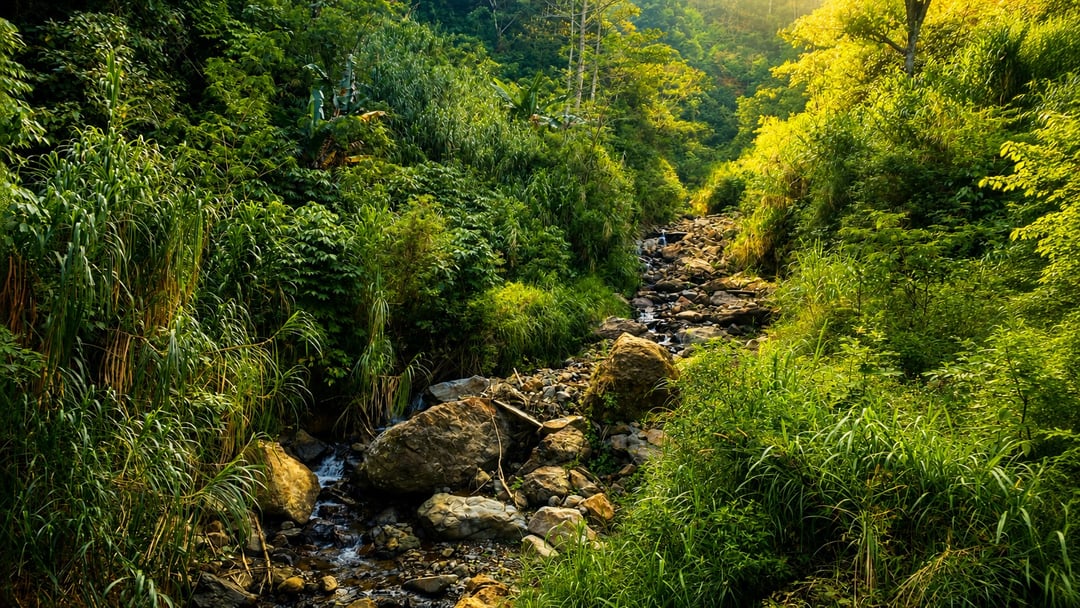
According to Teguh, the development of nature tourism must be balanced with efforts to preserve the forest area. To this end, his team continues to educate the public and stakeholders through tree-planting initiatives and regional monitoring.
He also reminded every visitor to adhere to safety regulations while on the hiking trail.
“Do not damage nature, do not litter, do not smoke indiscriminately, and continue to respect the surrounding environment,” he urged.
This appeal is a vital part of cultivating a culture of responsible tourism. Forest conservation depends not only on the area's managers but also on the conduct of everyone who comes to enjoy the beauty of Muria.
The surge in hiking activity has had a direct impact on small businesses along the trail.
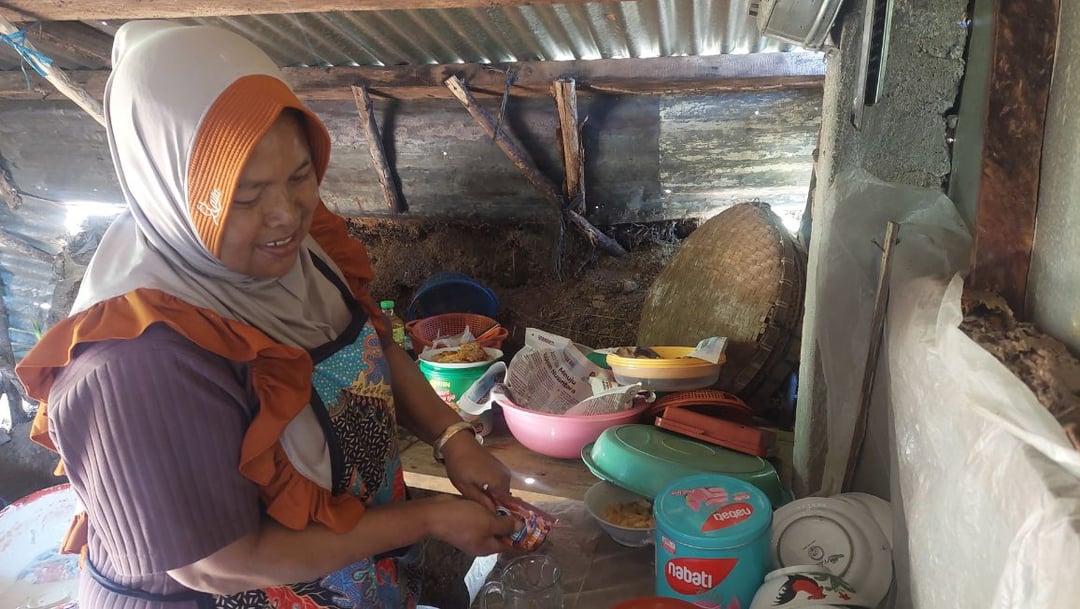
Sukatmi, who owns a stall at Post 4 on Puncak 29, said she has been serving hikers for seven years. She noted that events that draw large numbers of visitors contribute to increased sales.
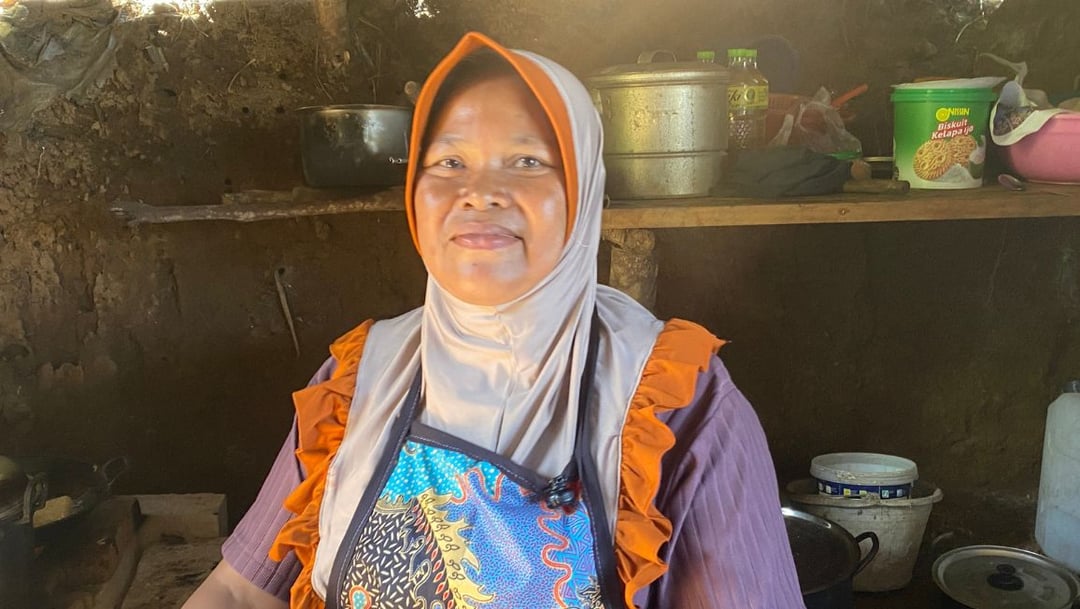
“When there are events like this, thank God, it gets busy. The best-sellers are fried snacks, coffee, hot tea, instant noodles, and cold drinks. I hope more events like this are held; when it is busy, sales go up,” she said.
For the residents of the Muria slopes, hikers are more than just passing visitors. Their presence is a part of the local economy that helps sustain small businesses in the mountain region.
The allure of Muria also extends to tourists from outside the region. Among them is Amana Restu Aulia, a participant from Demak who decided to join the activity after seeing the Regent of Kudus’s post on social media.
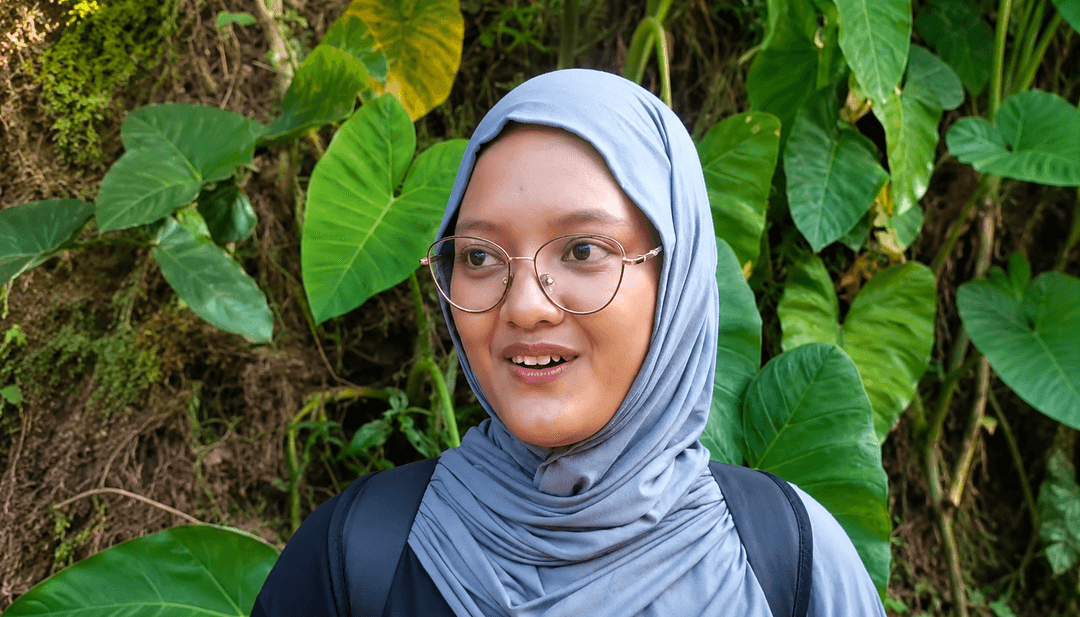
“I was interested after seeing the Regent's video on TikTok, so I immediately wanted to try it. I enjoy hiking and have been to Andong, Ungaran, and Lawu; this is my second time on this Route 29. The trail is good, the nature is pristine, and the air is cool,” she said.
Amana's experience illustrates how social media has become a primary driver for people to discover natural tourist destinations. When information is paired with positive visitor experiences, an area's appeal can reach a broader audience of potential travelers.
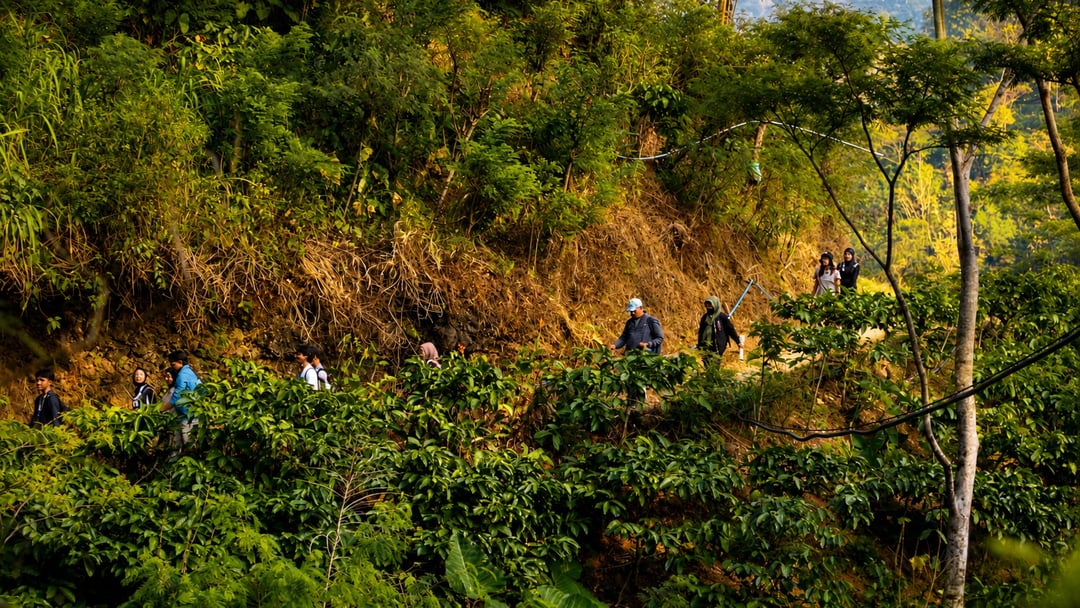
The journey to Puncak 29 reveals that nature tourism is about more than just reaching a mountain's summit. Along the trail, there are stories of local residents operating small stalls, forest managers preserving the area, local guides introducing the nuances of each route, and visitors drawn by curiosity.
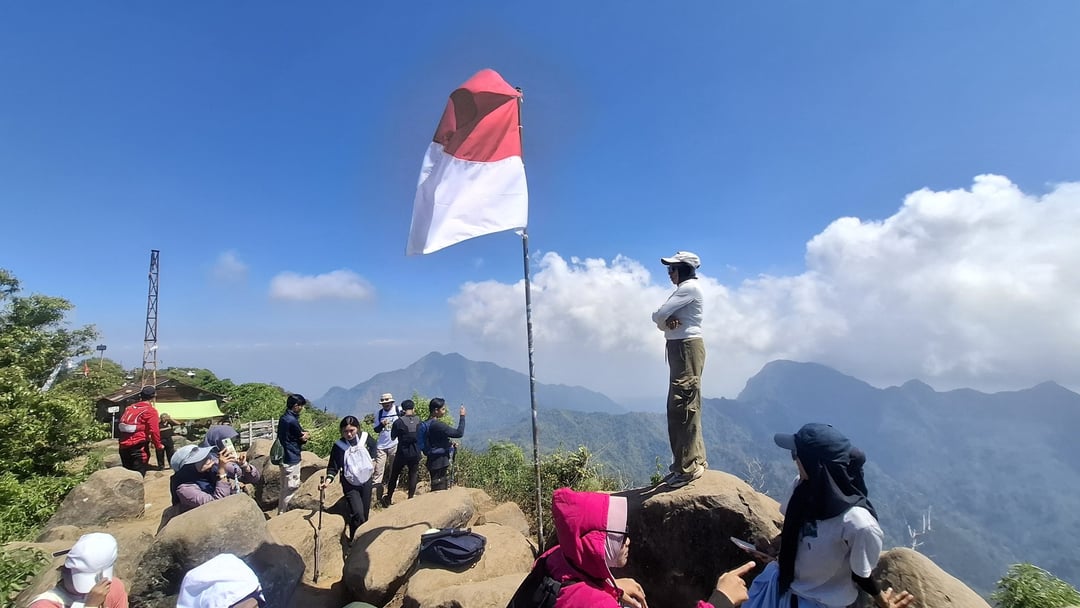
Through the “Hiking with the Regent“ initiative, the Muria Mountains demonstrate how sports, recreation, environmental conservation, and community empowerment can coexist. Every step on the trail does more than bring hikers closer to the peak; it connects them with the lives of the local community that grows alongside nature.
If consistent efforts are made to strengthen infrastructure, improve hiking safety, and preserve the region, Muria has the potential to develop into a premier nature tourism destination while maintaining its environmental integrity. Ultimately, the strength of this area lies not just in its mountain peaks, but in its ability to offer an experience that bridges humanity, nature, and the lives of those on the mountain slopes. (ITN/mainkekudus)