
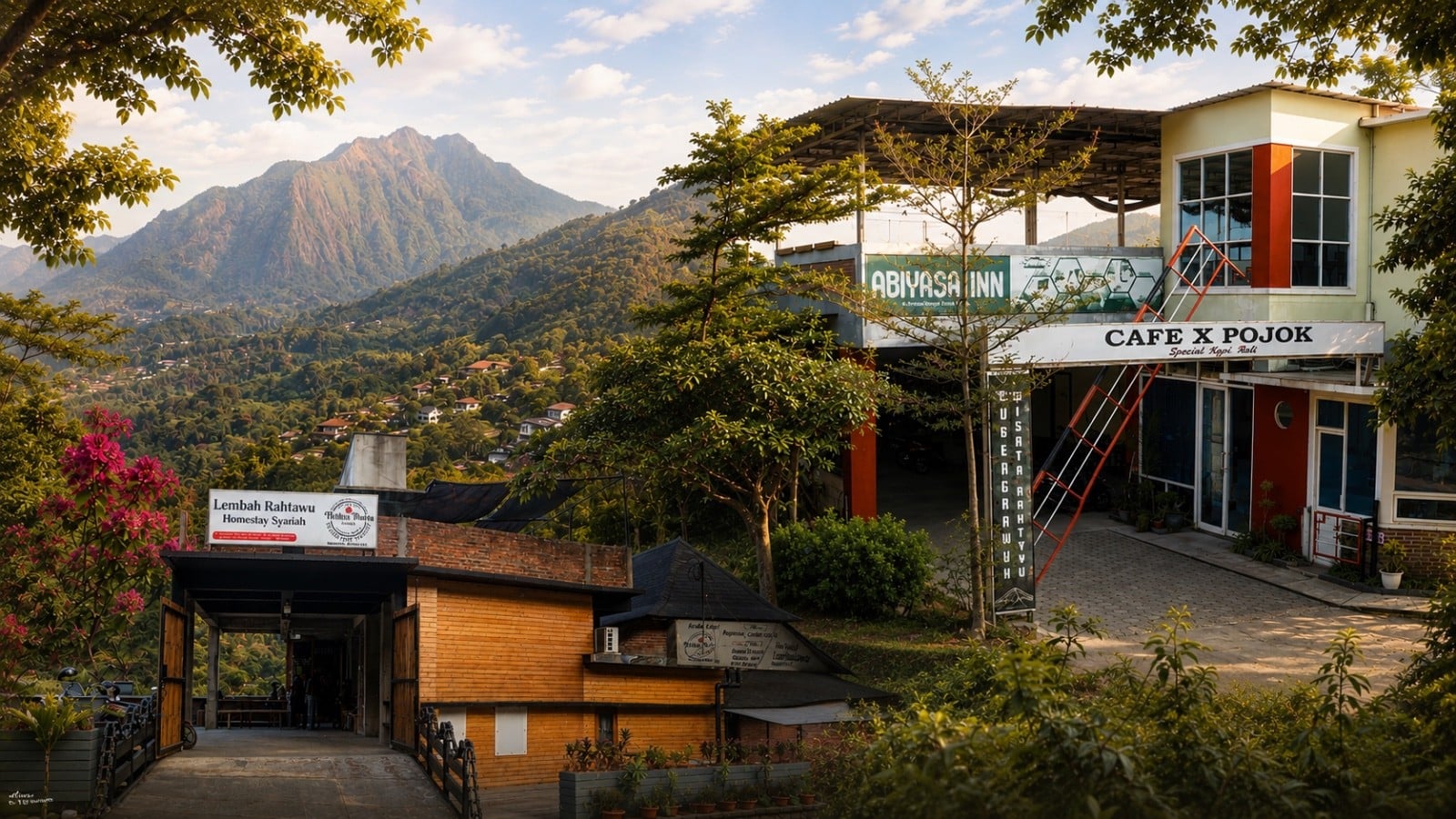
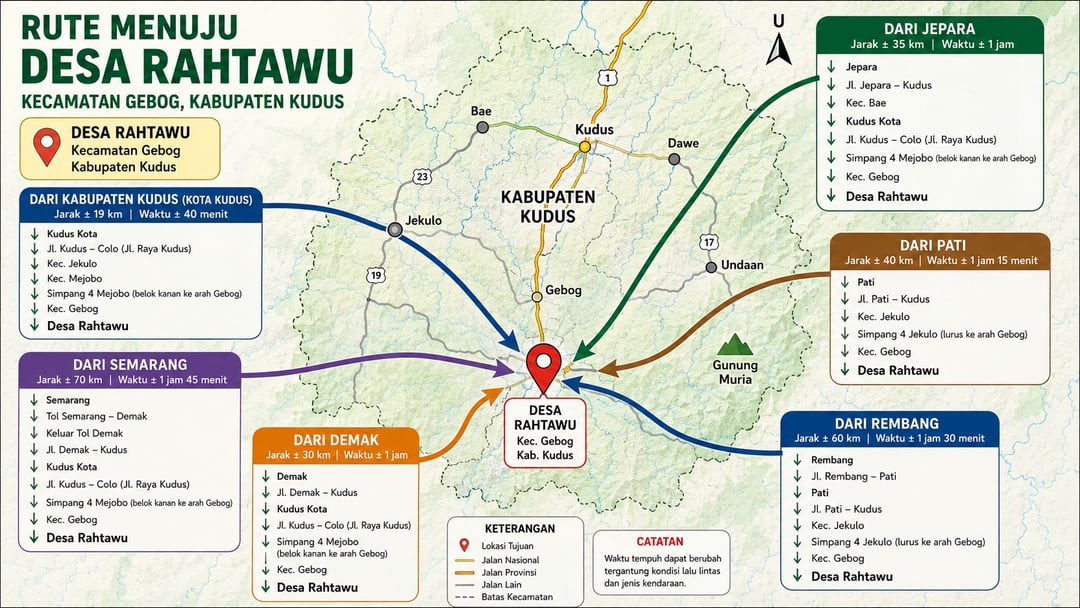
KUDUS – The journey to Rahtawu Village, Gebog District, Kudus Regency, takes visitors to the foothills of Mount Muria. Winding roads, mountain ranges, cliffs, and flowing rivers define the trip before reaching the tourist village area.
For tourists seeking an extended stay, lodging options become part of the experience. In Rahtawu, accommodations are more than just places to rest; many are built to blend with the natural surroundings, while some local residents have begun offering their homes as homestays.
This development reflects Rahtawu’s transformation from a destination known primarily for religious tourism and hiking into a village offering a diverse range of recreational activities. Rivers, local cuisine, lodging, traditions, and hiking trails are now integrated into a single tourist experience.
Septian, a tourist from Semarang, visited Rahtawu with his wife and child. Before his trip, he researched accommodation options online and ultimately chose Lembah Rahtawu Homestay.
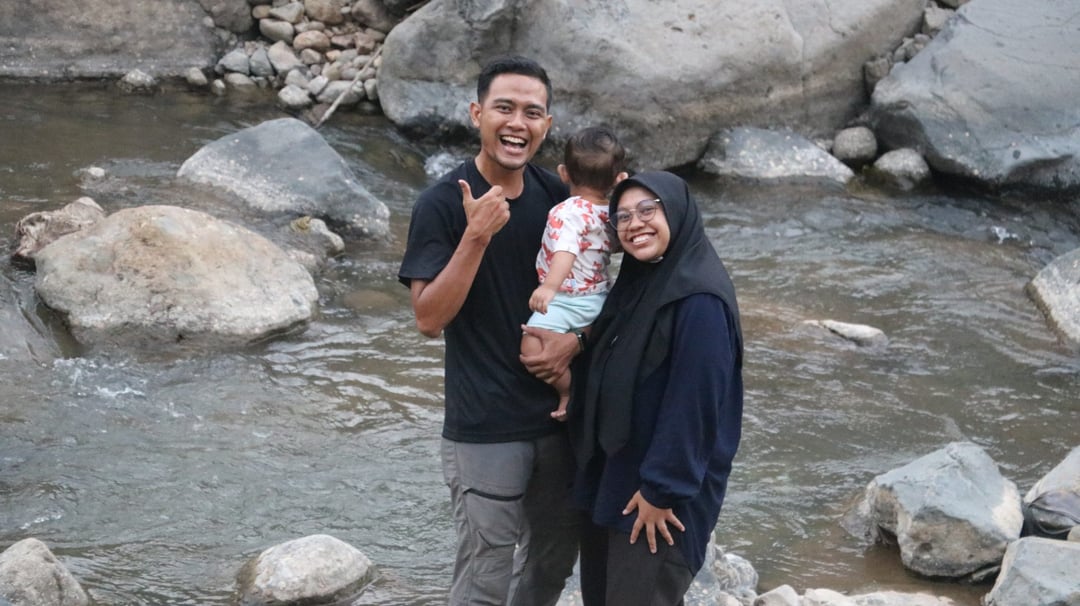
Upon arrival, he found the room spacious, the climate comfortable, the parking ample, and the location easy to navigate via Google Maps. Room rates were also a key factor in his decision.
However, the highlight for him was the atmosphere surrounding the lodging. Lembah Rahtawu Homestay is located near a river, allowing the sound of flowing water to be heard from the property.
For Septian, the sound of the river provided a welcome escape from his daily life in Semarang, offering a restful environment far removed from the city's noise.
This experience makes Lembah Rahtawu Homestay a top consideration for his next visit to the area.
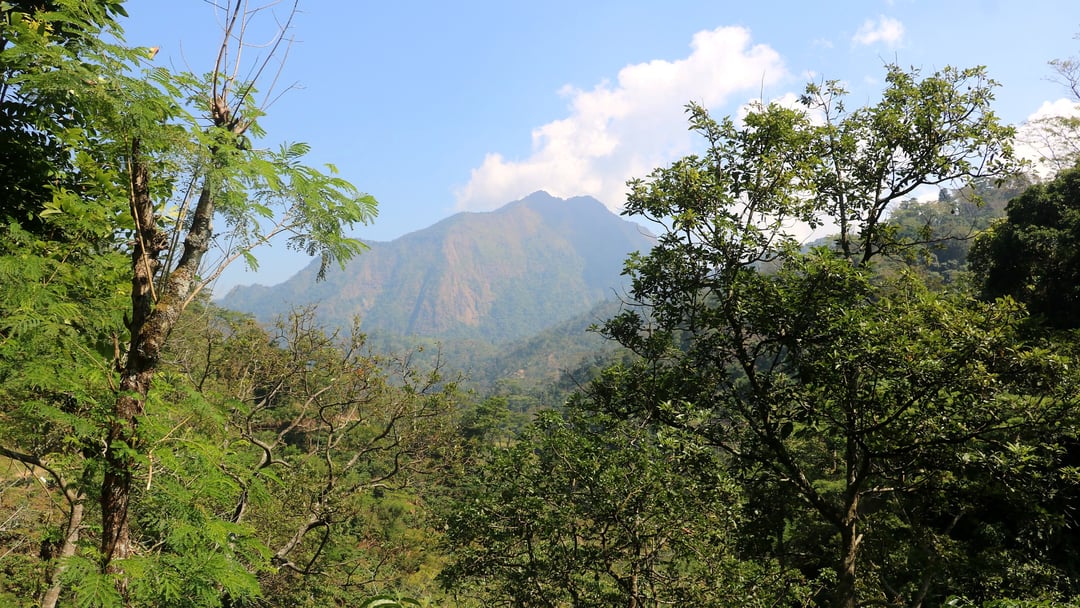
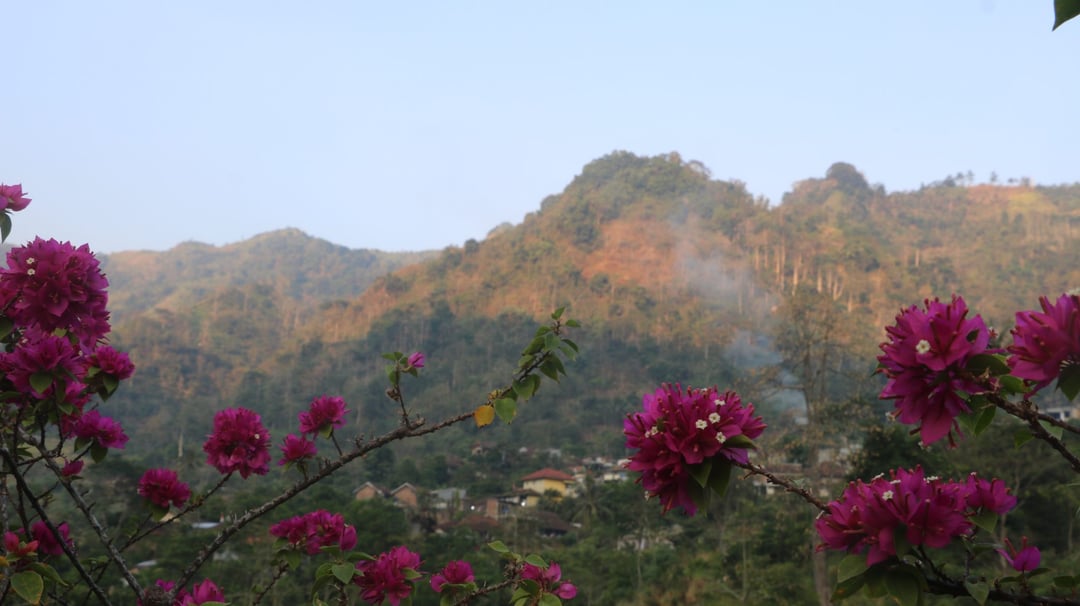
Rahtawu is located approximately 20 kilometers from Kudus City. The area is surrounded by mountain ranges and features pristine, clear rivers. The Kali Gelis spring also originates in the Rahtawu area.
The natural features turn the journey into the village into a travel experience of its own. After passing the welcome gate, visitors are greeted by cliffs on one side of the road and steeper terrain on the other.
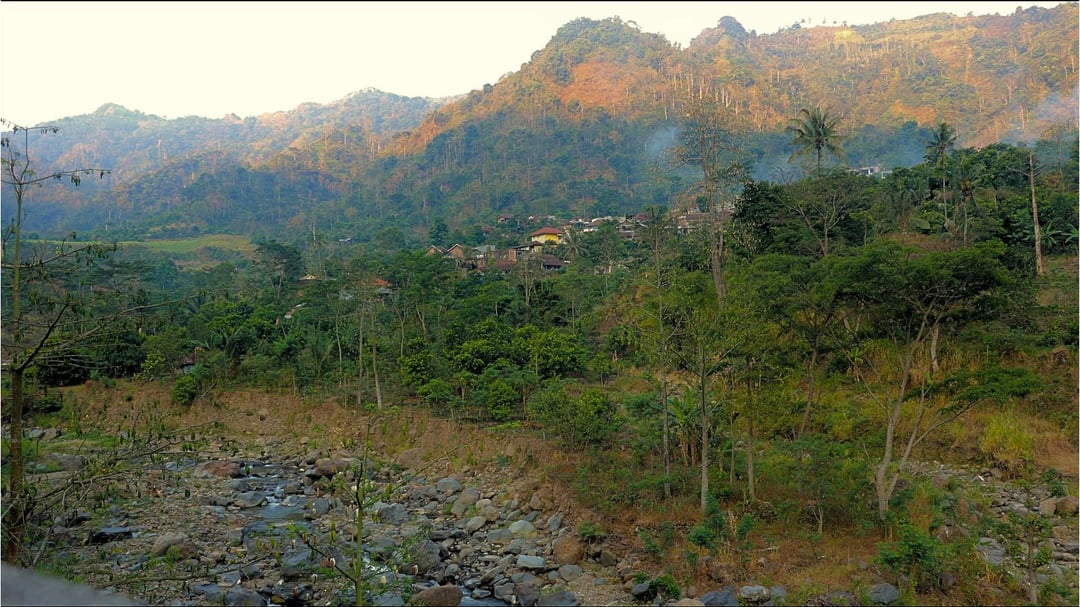
Along the journey, there are several stops worth visiting. Among them is Kedung Gong, a natural pool featuring cool, refreshing spring water.
For outdoor enthusiasts, Rahtawu serves as a gateway for treks to Puncak 29 and Natas Angin. Those seeking a more relaxed experience can enjoy the river scenery and local culinary offerings.
Beyond its mountainous landscape, Rahtawu holds historical narratives regarding the village's origins.
According to local folklore, the name Rahtawu is linked to the birth of Abiyoso, the son of Sakri. Legend says that during the birth, Sakri’s wife suffered from severe hemorrhaging.
Sakri attempted to menawu, or drain away, the overflowing blood. This event inspired the name Rah-Tawu, which eventually evolved into Rahtawu.
This story remains a key part of the local oral tradition, coexisting with the village's growth as a tourist destination.
In addition to its origin story, the area features several historic sites named after ancestors of the Pandawa, such as Eyang Sakri, Pikulun Naradha, and Abiyasa. Despite these references to shadow puppet (wayang) characters, local tradition maintains that wayang performances are prohibited in Rahtawu Village.
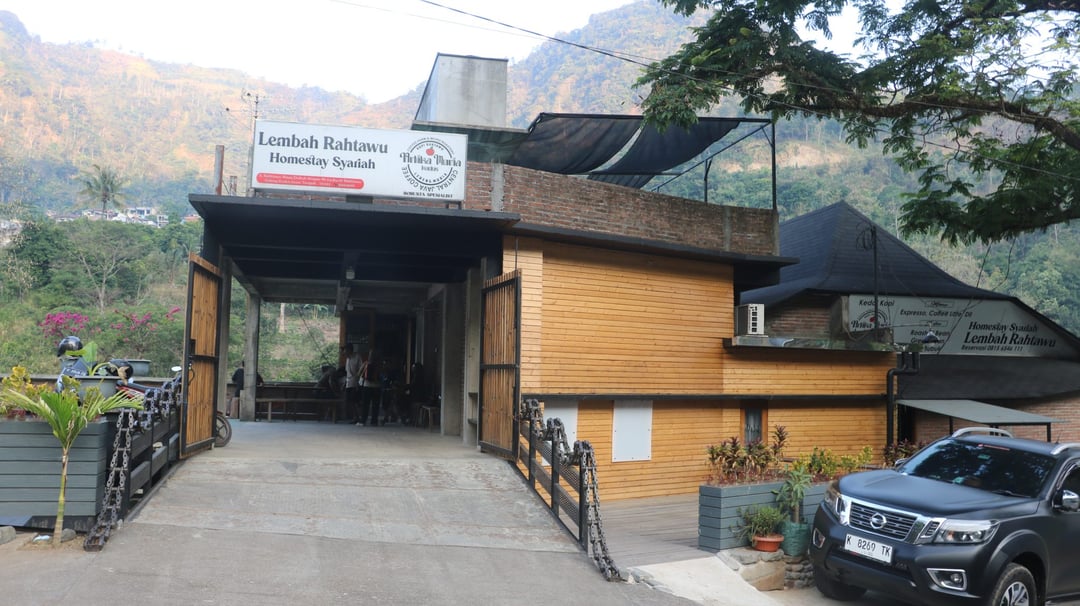
The rise of lodging in Rahtawu has its own narrative. Lembah Rahtawu Homestay was initiated by Sukari, a resident of Gondosari Village, Gebog District, in 2020, as the Covid-19 pandemic disrupted various sectors of the economy.
Before developing the homestay, Sukari operated a furniture business and worked as a contractor. The pandemic hit the construction sector hard, leading him to observe many workers from various regions being laid off.
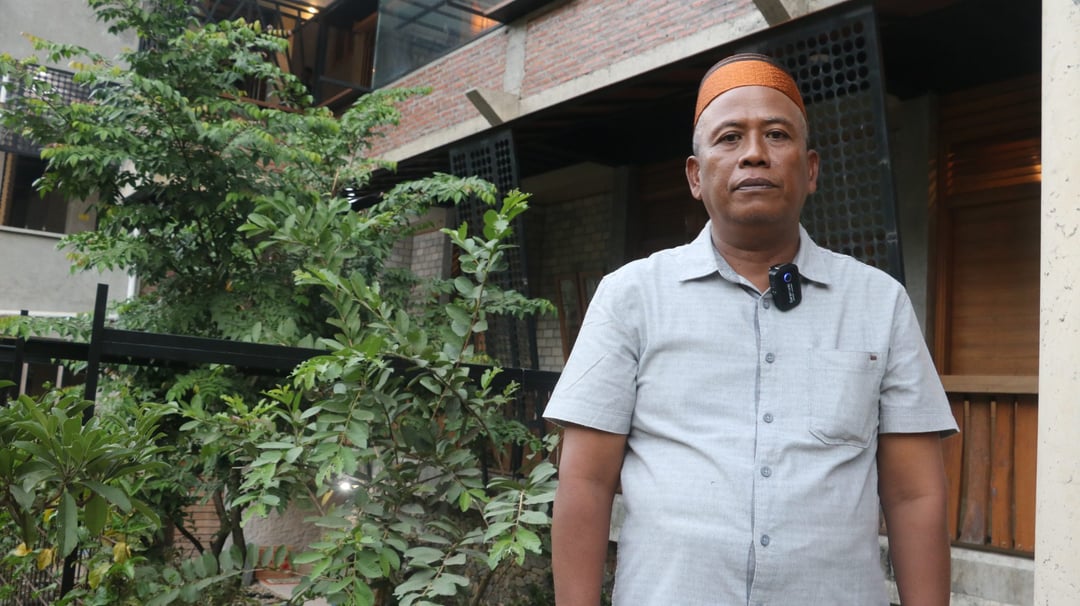
The concept for the lodging was developed in Rahtawu, with Sukari drawing on his background as a furniture entrepreneur to influence the building's design.
Wood waste from his own workshop was repurposed for the walls and interiors. The structure features an industrial ethnic aesthetic and does not use air conditioning, relying instead on the cool mountain air to ensure guest comfort.
Lembah Rahtawu Homestay offers five single-bed rooms, five double-bed rooms, and a gazebo. On-site amenities include a riverside restaurant, free Wi-Fi, a prayer room, and parking facilities for motorcycles and cars.
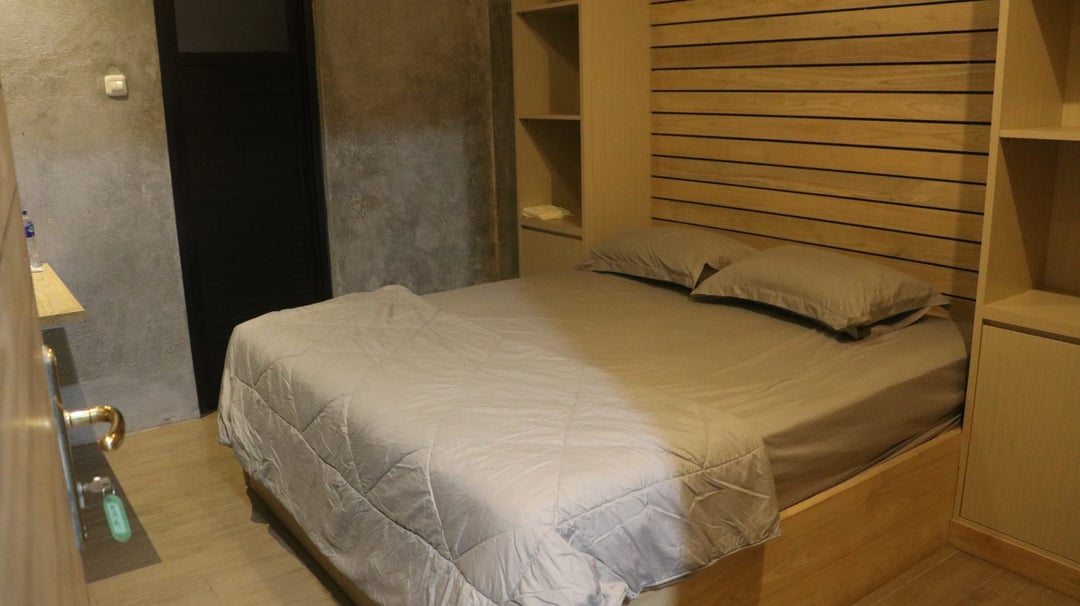
Room rates range from Rp250,000 to Rp350,000 depending on the selection. Guests also have access to the nearby river for wading or swimming.
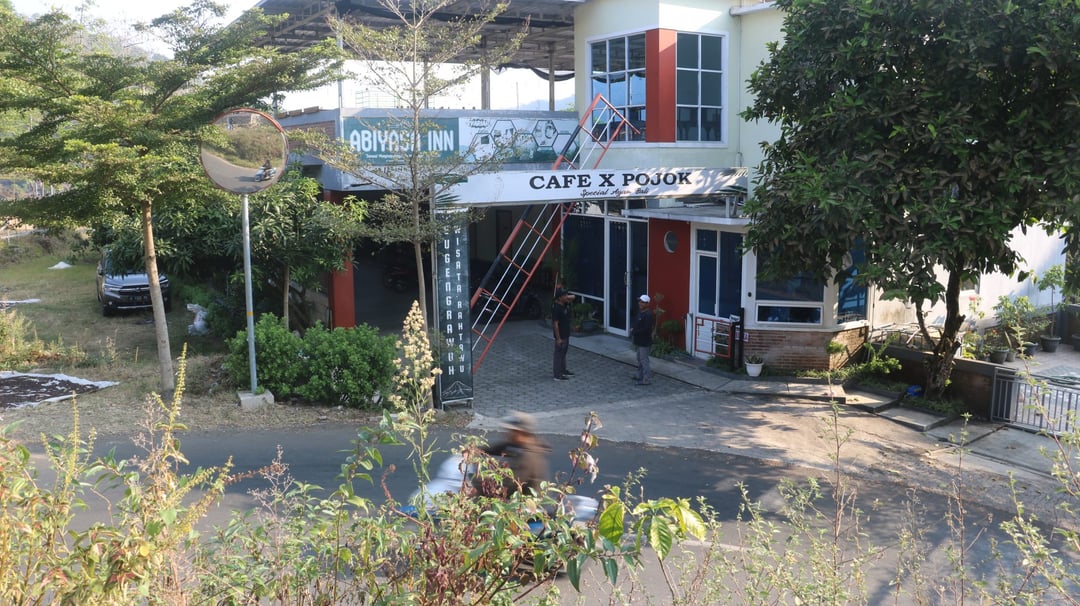
In addition to Lembah Rahtawu Homestay, Abiyoso Inn is another lodging option in the area. Managed by Sumiyanto, also known as Yanto, the inn retains a rustic village ambiance.
Abiyoso Inn features 11 rooms and one additional unit, with rates ranging from Rp250,000 to Rp350,000 per night. Guests can choose from various amenities, including rooms equipped with air conditioning or bathtubs.
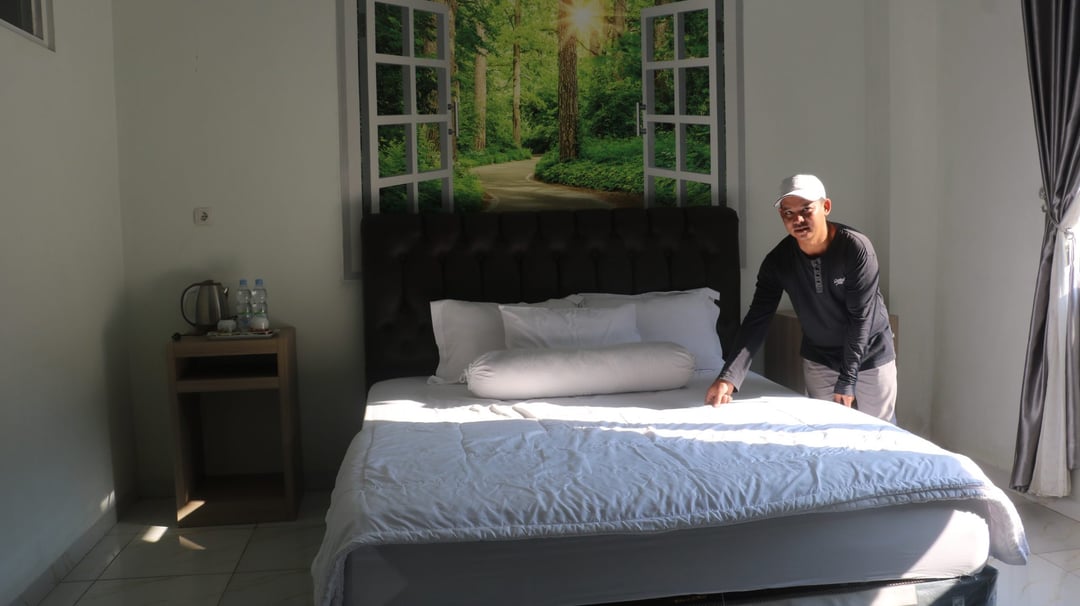
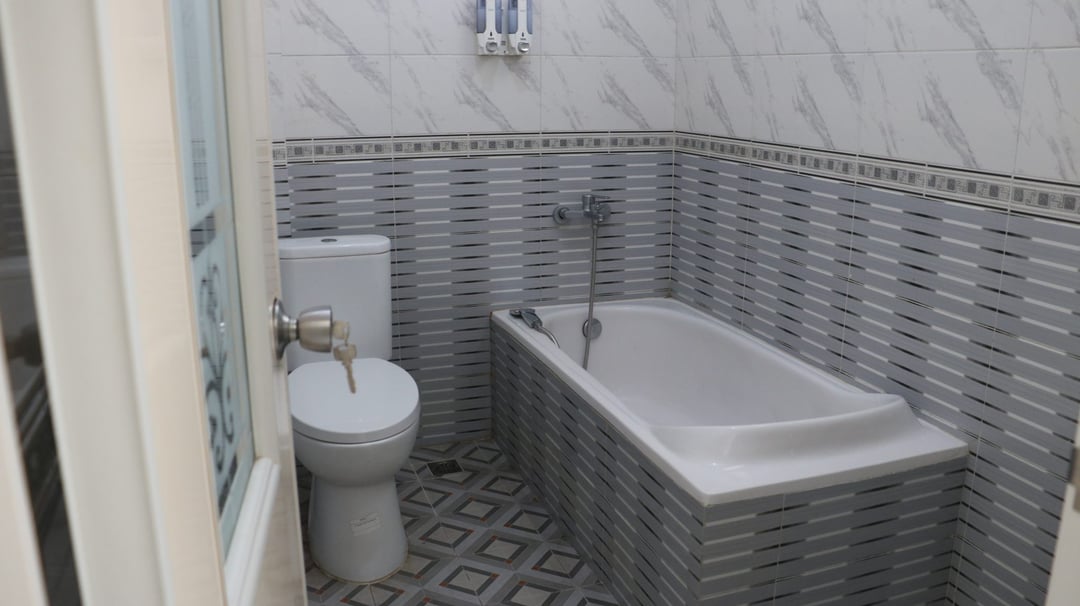
However, some guests prefer rooms without air conditioning, opting to experience the natural mountain air directly.
According to Yanto, the mountain vistas surrounding the area are a key draw for visitors. The lodging is designed to evoke a home-like atmosphere rather than that of urban accommodations.
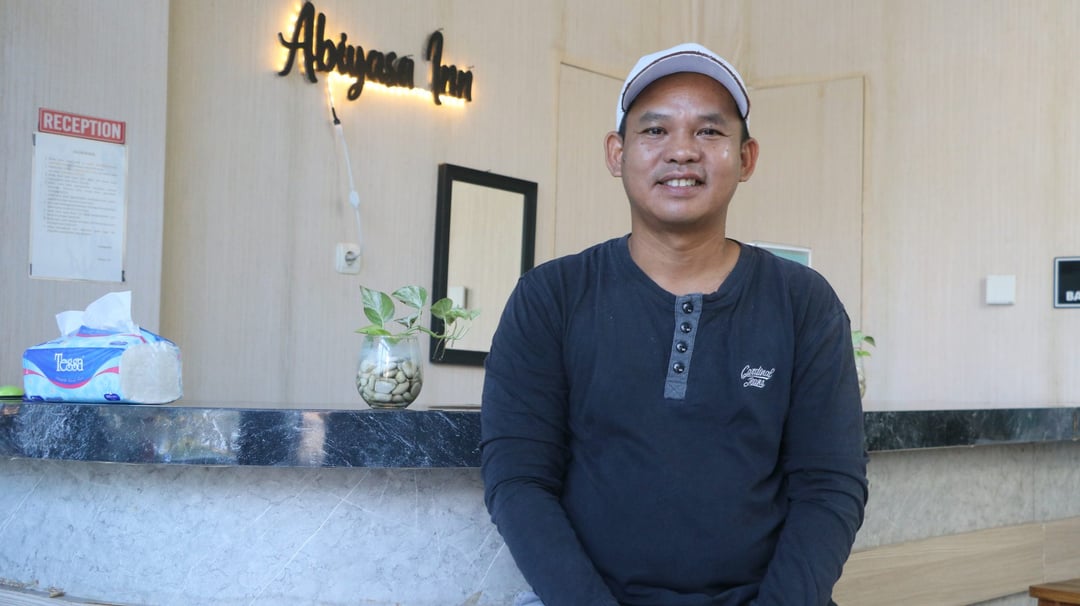
Dining options follow the same concept, with home-style dishes such as local fried rice and free-range chicken served to guests.
The tourism experience in Rahtawu extends beyond the lodging. Visitors can enjoy local culinary specialties featuring *enthog* (Muscovy duck) while relaxing by the river.
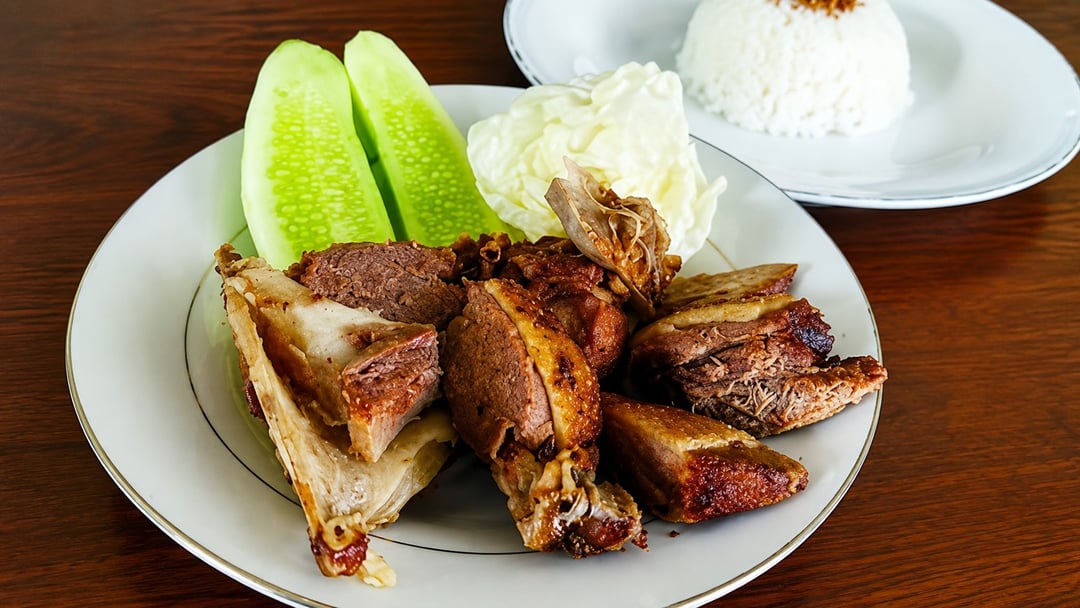
This setting combines two distinct activities in one location, allowing tourists to dine while taking in the mountain scenery and flowing river.
Support facilities in the tourist area continue to grow, with parking, prayer rooms, restrooms, rest areas, restaurants, and inns readily available for visitors.
Travelers arriving by public transport can continue their journey from Gebog District Terminal via motorcycle taxis or other local transport to reach Rahtawu. Meanwhile, visitors from outside the area can use private vehicles and rely on digital map applications for directions.
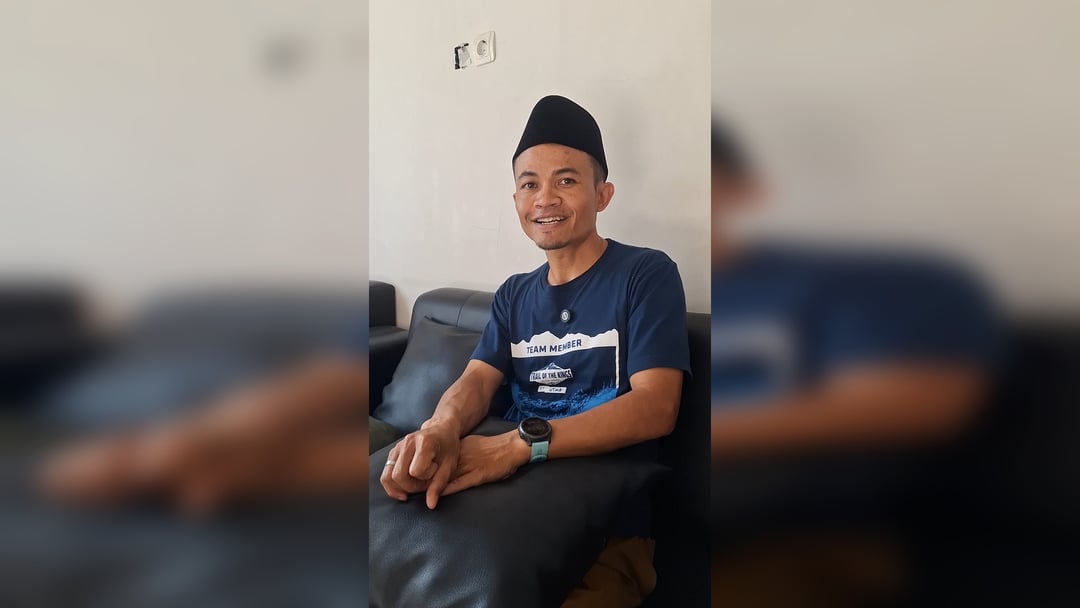
Arief Wismoyono, a traveler from Bandung, arrived in the Rahtawu area by motorcycle. Before his trip, he researched the destination using Google and TikTok.
Based on his experience, the area is accessible by two-wheeled vehicles. While the roads are winding, he noted that the trip remains relatively safe if taken at a leisurely pace.
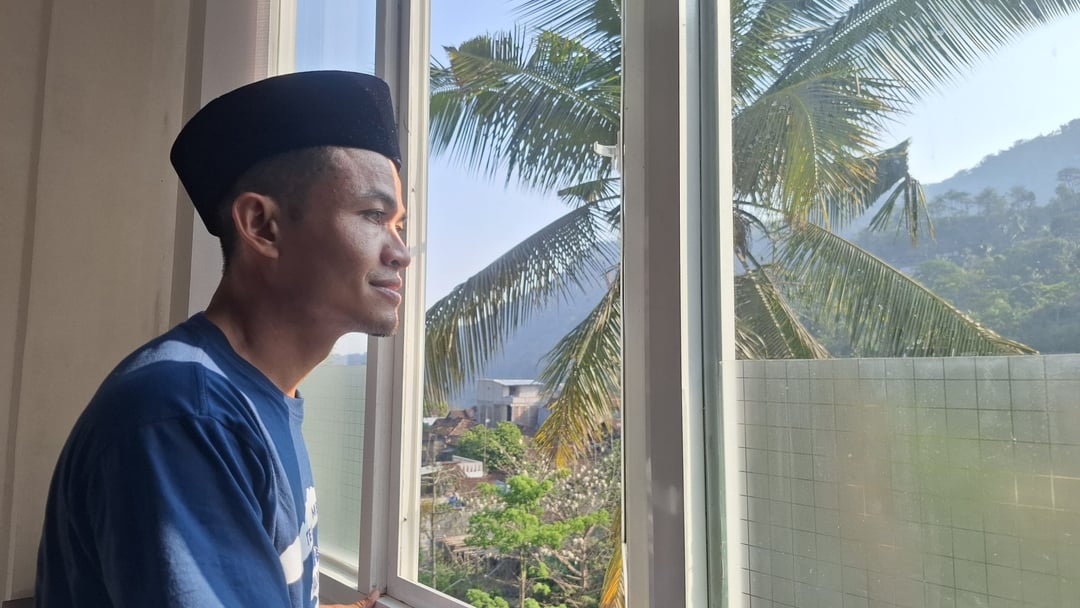
Upon arriving at his lodging, Arief appreciated the cleanliness of the room, the lush surroundings, and the spacious parking area. The environment, removed from urban noise, made for a comfortable stay.
The presence of out-of-town visitors indicates that Rahtawu has become more than just a destination for residents of Kudus and surrounding areas. According to the Rahtawu Village Government, many tourists arrive from Kudus, Jepara, and Pati, though visitors from other cities and abroad are also common.
Yuli Muhammad Rif’an, a Welfare Staff member for the Rahtawu Village Government, explained that tourism development has progressed alongside a shift in how the community views its regional potential.
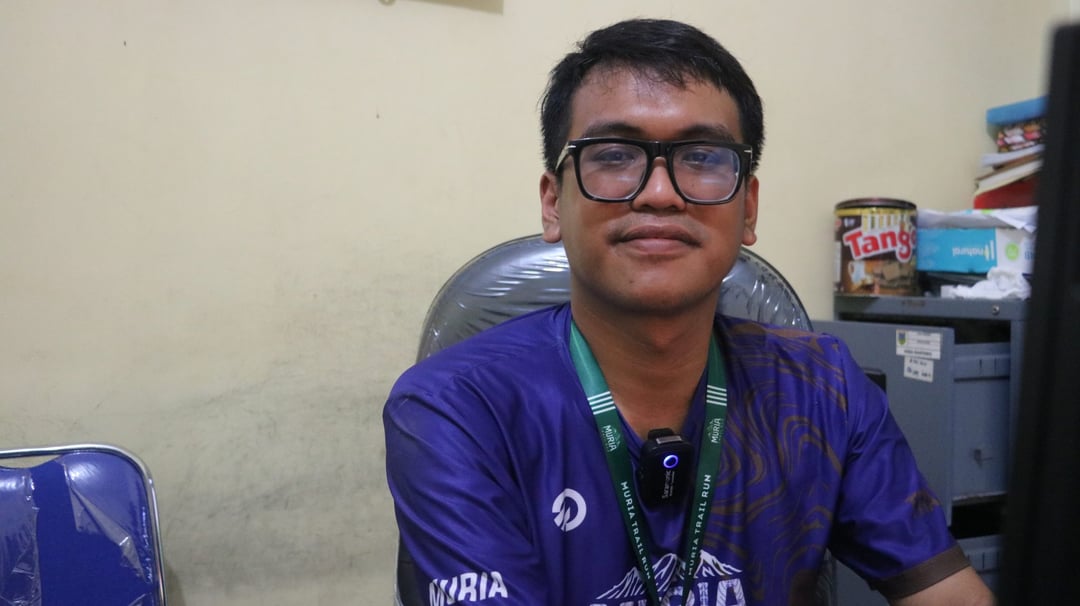
Rahtawu was previously known primarily as a center for religious tourism and hiking. Over time, the community began developing its river resources, mountain landscapes, culinary offerings, and accommodations.
Social media has played a key role in promoting these locations. Sites featured in online content attract visitors eager to see them firsthand.
The growth of tourism has also encouraged residents to expand their businesses. Small food stalls have begun adding amenities, including swimming pools and river-based recreational areas. Some residents have also begun offering independent tour packages.
Accommodations are not strictly the domain of commercial developers; several residents have started opening their homes as homestays, increasing lodging options for tourists while creating new income opportunities for the local population.
Tourism in Rahtawu remains deeply rooted in local tradition. One prominent example is the Sedekah Bumi ceremony, an annual expression of gratitude for the region's agricultural abundance.
The tradition involves a communal feast where a buffalo is sacrificed and the meat is distributed among the villagers.
The annual Gebyar Langen Beksan Tayuban also takes place, utilizing the traditional Tayub dance art form native to the Pantura region to celebrate the harvest.
These traditions highlight that Rahtawu's tourism development extends beyond infrastructure; it remains intrinsically tied to the community's social fabric and customs.
Tourism growth has created new demands for Rahtawu. The village government recognizes the need for higher operational standards, improved human resource quality, and greater adaptability to evolving tourist needs.
At the same time, the environment remains inseparable from tourism activities. The rivers, mountains, cool climate, and hiking trails remain the village's primary draws.
Consequently, the development of lodging and tourism enterprises must align with environmental conservation and community life. The experience of local resident Sukari, who repurposed wood waste from a furniture business, serves as a model for sustainable resource utilization.
Rahtawu now offers more incentives for extended stays, including riverside lodging, village atmosphere, local enthog (muscovy duck) cuisine, natural springs, hiking trails, historical sites, and ongoing community traditions.
For visitors, a trip to Rahtawu offers a mountain getaway without sacrificing creature comforts. For residents, this development provides opportunities to grow businesses based on existing local potential.
From winding rivers to family homes converted into homestays, Rahtawu’s tourism evolution is defined by diverse activities. While lodging is a significant part of this shift, the natural landscape and local life remain the defining elements of a visit to this village. (JMY/mainkekudus)