
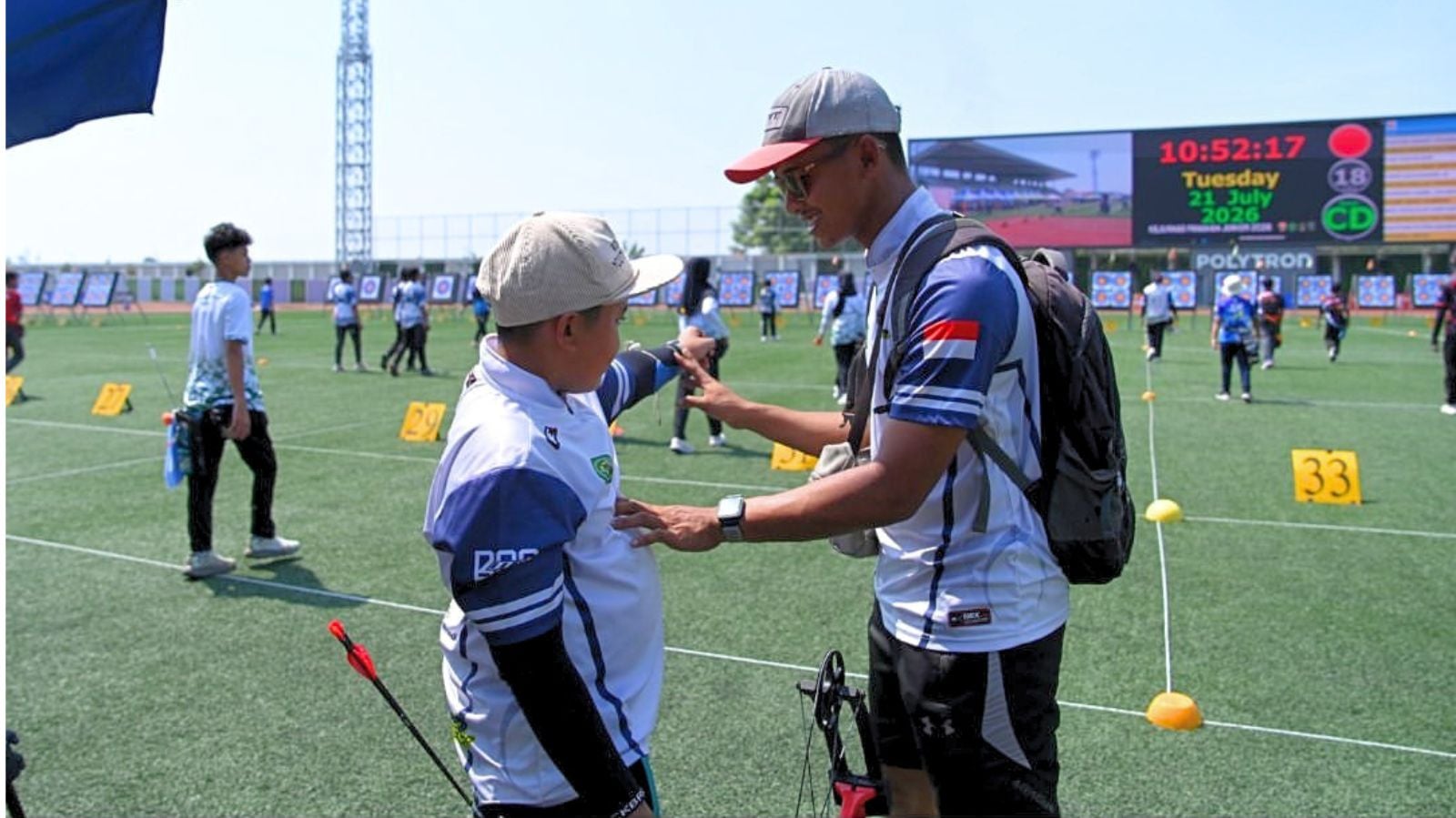
KUDUS – Applause always follows every arrow that hits the mark. Athletes are called to the podium, medals are awarded, and achievements become the stories they take home. However, behind every success, there is a figure who often stands a few meters behind the firing line. Their role is not always visible, but it is an essential part of the process that enables an athlete to develop.
In archery, success is not determined solely by precision. The coaching process begins long before an athlete competes. Basic techniques, discipline, concentration, and emotional control are learned through gradual training. Throughout this process, the coach serves as a guide, helping the athlete grow not only as a competitor but as an individual.
One person fulfilling this role is Ahmad Abdul Aziz Muslim. The 38-year-old from Klumpit Village, Kudus Regency, works daily as an administrative staff member at the Kudus Social Services Agency. After his duties as a civil servant conclude, he spends his time at the archery range, mentoring dozens of children learning a sport that prioritizes composure, accuracy, and concentration.
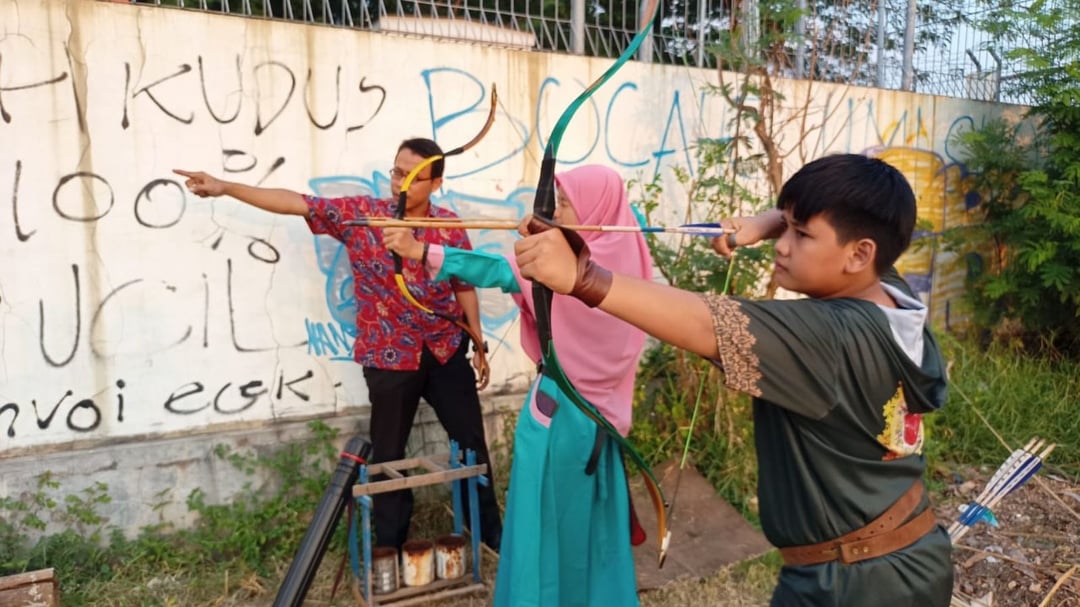
For Aziz, being a coach is about more than teaching how to draw a bow and release an arrow. He believes that athlete development must also encompass character building from an early age.
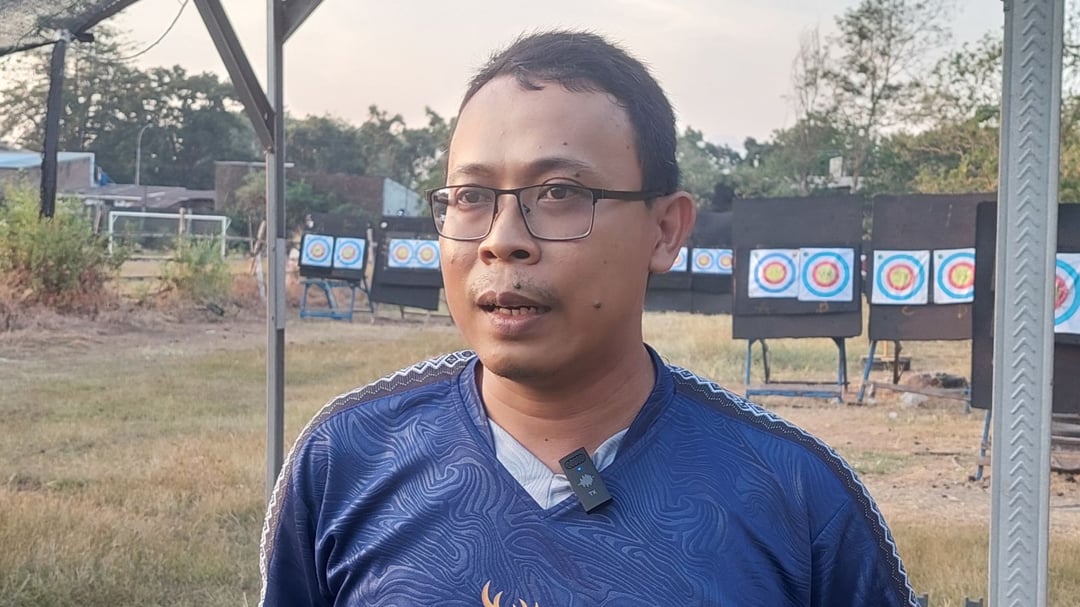
“The first thing we teach is not how to shoot, but ethics, manners, and how to respect one another. Children must learn to support each other rather than look down on their peers,” he said.
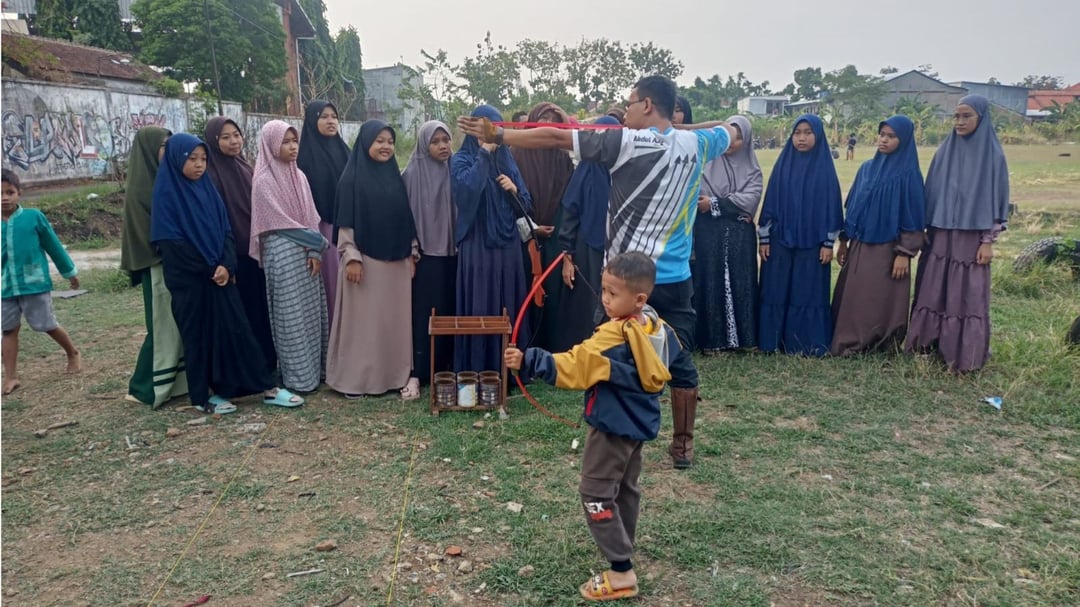
Aziz’s journey into archery began in 2016. Driven by curiosity about the sport, he became active in establishing a traditional archery community in Kudus. Together with his peers, he introduced archery to the public and organized a Java-wide traditional archery championship in 2017, which drew approximately 250 participants from Central, West, and East Java.
Aziz also secured second place at a traditional archery championship in Sragen in 2018. However, his experience as an athlete has only reinforced his belief that success on the field is inseparable from a daily training regimen.
At that time, the number of archery coaches in Kudus was limited. This condition prompted Aziz to pursue coaching certification, eventually obtaining a license from the Central Java chapter of the Indonesian Traditional Archery Arts Federation (Fespati). Since 2022, he has been actively coaching at the Panahmu Club and several schools in Kudus.
His motivation is simple: to provide broader opportunities for children to learn archery.
“Every child has the opportunity to learn archery. The important thing is that they master the correct techniques from the start and learn to independently maintain their equipment,” he said.
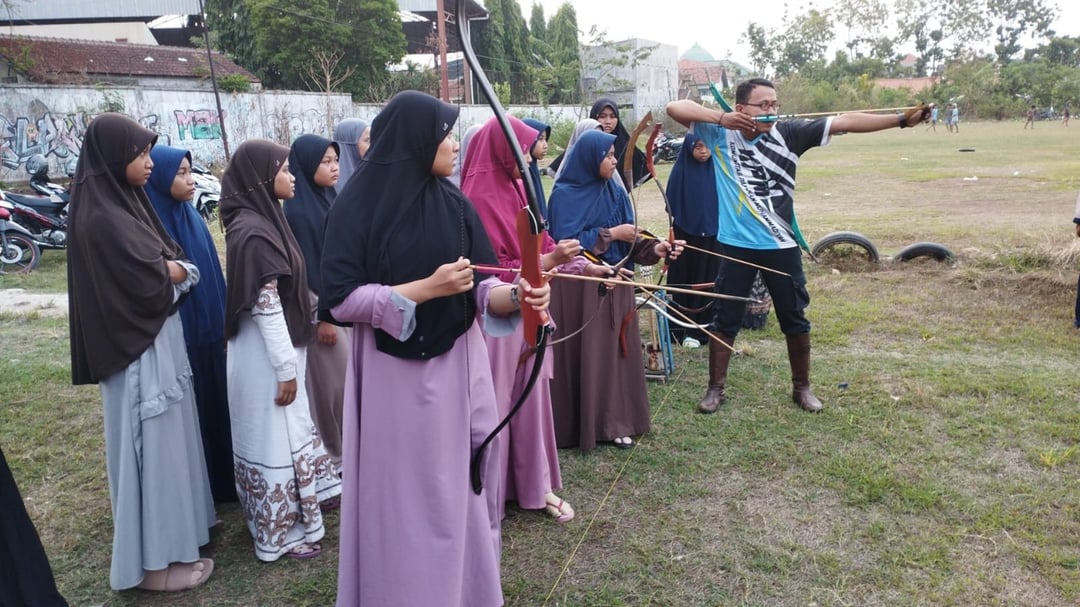
Currently, Aziz mentors approximately 40 athletes ranging from primary school age to adulthood. According to him, every child possesses different characteristics, abilities, and learning styles, meaning they cannot be coached with a one-size-fits-all approach.
Before determining a training method, he observes the personality of each athlete. Children who are overly dependent on their peers, for example, will have their practice schedules separated to encourage independent learning. They are also encouraged to participate in various tournaments to build confidence in competition environments against opponents from other regions.
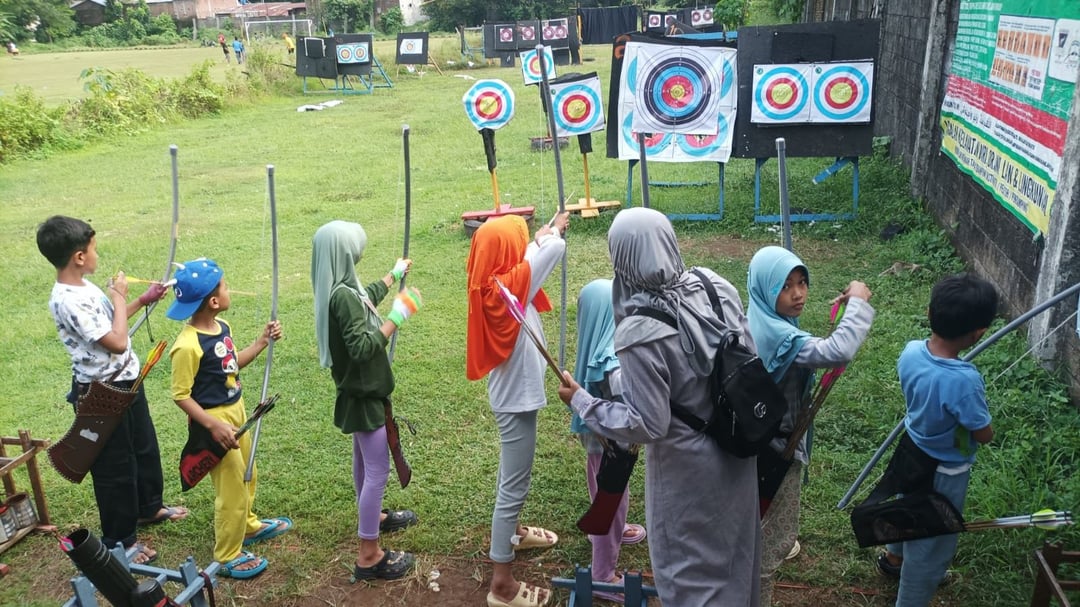
“Every child has different potential. Some are physically strong, while others need to build their mental fortitude first. A coach's duty is to find the best way to unlock that potential,” he explained.
Evaluation is also a key component of the training. Each session concludes with results recorded in a logbook. These records allow for regular monitoring of an athlete's progress.
If training results decline, Aziz does not immediately assume the athlete's ability has dropped. He first investigates the cause—whether it stems from technique, concentration, physical condition, or psychological factors. In this way, every athlete receives guidance tailored to their individual needs.
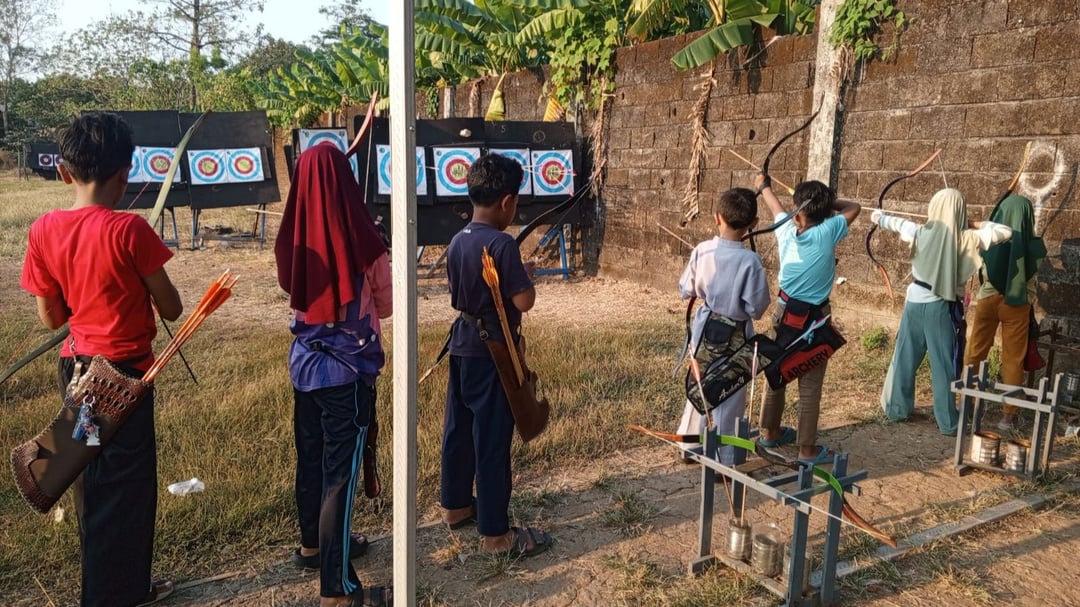
For Aziz, discipline is not built through punishment. He chooses to lead by example before asking athletes to do the same.
He consistently strives to arrive early, maintain a neat appearance in his uniform, and strictly adhere to field regulations.
“If the coach is late, how can we expect the children to be disciplined?” he said.
In archery, discipline is also tied to safety. Athletes must follow commands precisely while on the firing line or retrieving arrows from the target area. Minor errors can pose risks to themselves and others.
To keep training sessions engaging, Aziz occasionally integrates games into his drills. He sets varied targets with simple challenges and small rewards for successful athletes, helping to maintain the students' enthusiasm.
Aziz's approach has made a tangible impact on one of his proteges, Ahmad Maulana Umar Al Fatih. According to Fatih, archery training is not just about mastering technique, but also about building positive habits.
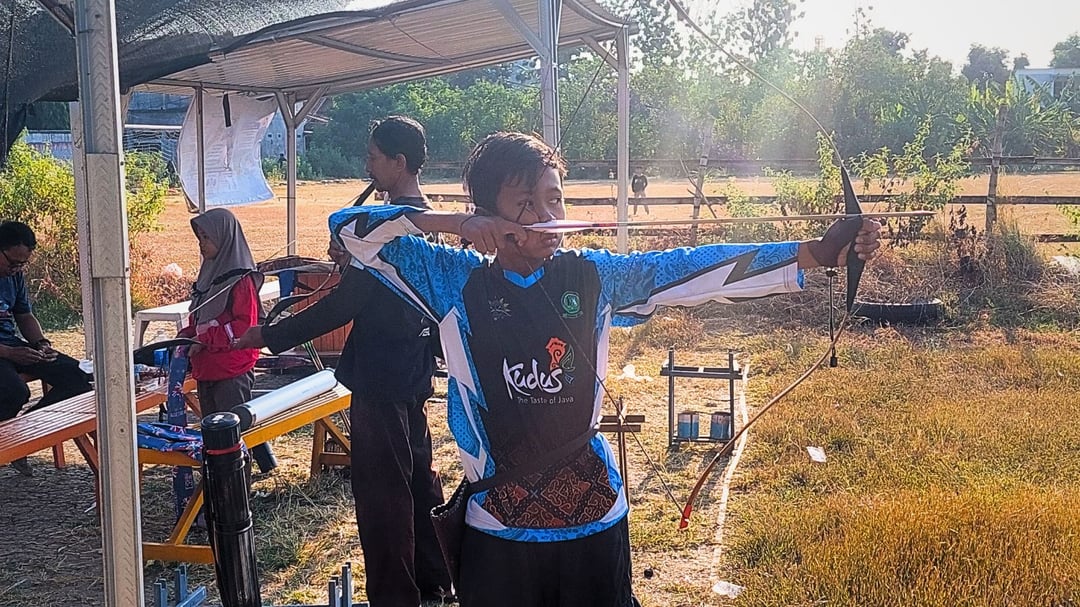
“What I have learned most is how to remain consistent, disciplined, and focused. There are often challenges during training, and if we succeed, we usually get a reward,” he said.
Fatih noted that his coach always reminds them not to be complacent after achieving success. He has since applied this mindset to his daily life.
“Now, I am more focused and disciplined, not only during training but also at home and school,” he added.
This transformation is also recognized by Fatih's father, Ahmad Noor Fajrin. He entrusted his son to Aziz due to the coach's extensive experience, professional certifications, and effective communication throughout the training process.
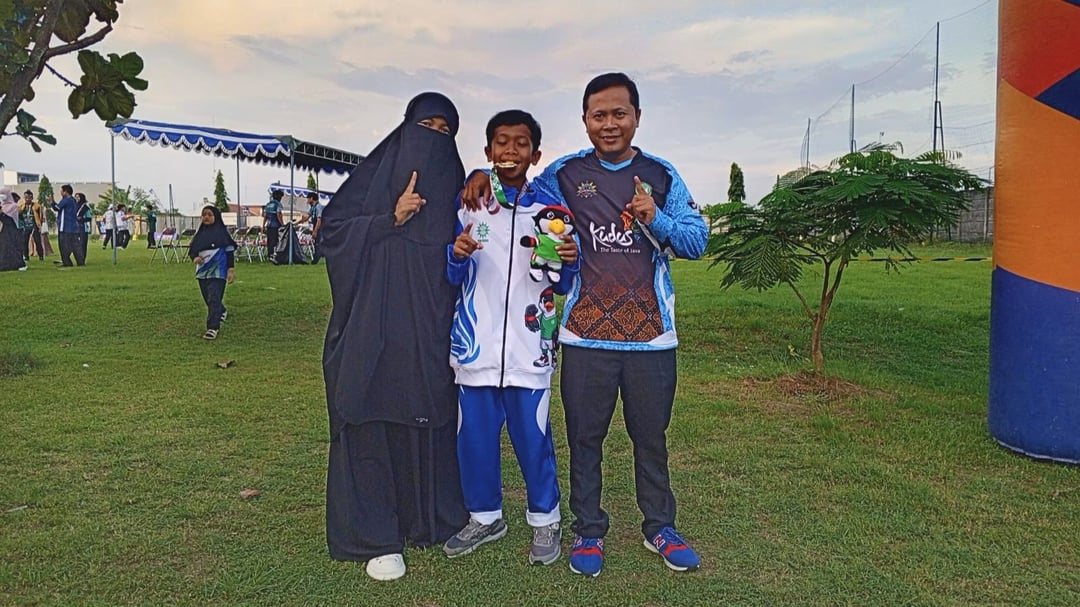
“Initially, he lacked motivation. But after seeing results and winning, he is now much more enthusiastic about training. Communication with the coach has also been excellent,” he said.
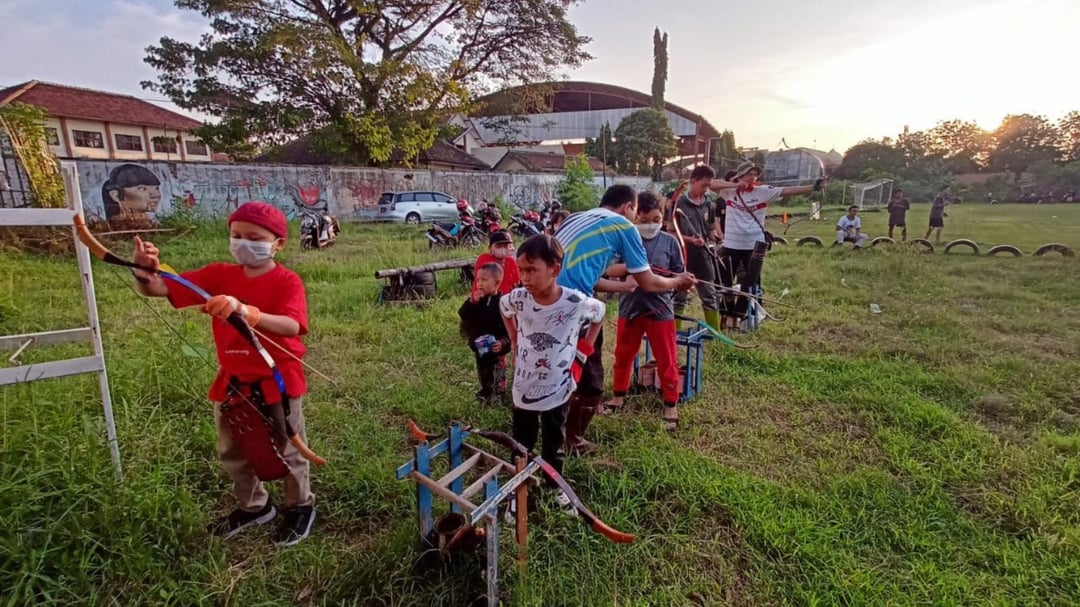
The training process implemented by Aziz is beginning to show results through the achievements of his athletes. Fatih has secured another opportunity to compete in the National Championship in Malang. Other athletes, such as Mikyal, previously earned third place in a national championship, while Devan, Safea, Shanum, Santi, and Zainal have also achieved success in various regional and national competitions.
However, Aziz emphasized that every achievement is part of an ongoing learning process that must be sustained.
“New, more talented athletes emerge every year. That is why I always remind them to stay humble, keep training, and continuously evaluate themselves,” he said.
Bambang Widjanarko, chairman of the Kudus Regency chapter of the Indonesian Archery Association (Perpani), identified coach quality as a pivotal factor in athlete regeneration. He noted that coaches are responsible not only for creating training programs but also for designing development stages that cover equipment familiarity, physical conditioning, technical proficiency, mental toughness, and character building.
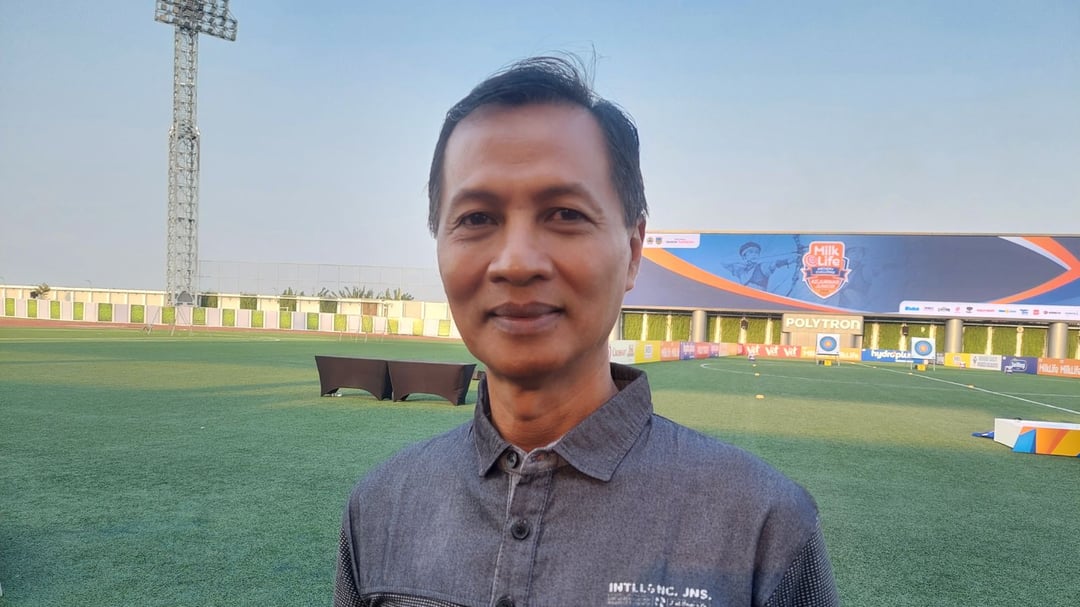
“Children cannot simply be told to shoot. They must gradually learn the equipment, understand techniques, and build discipline, patience, and competitive mental strength,” he explained.
He acknowledged that archery development in Kudus faced challenges following the passing of senior coach Hadi Sunaryo. Currently, regeneration is underway with the arrival of several coaches holding national licenses. Training for physical education teachers, facilitated by the Djarum Foundation, is also helping to expand archery programs in schools.
Furthermore, the biannual MilkLife Archery Challenge has significantly boosted children's interest in the sport. This increase in participation brings new challenges, as the demand for certified coaches continues to rise.
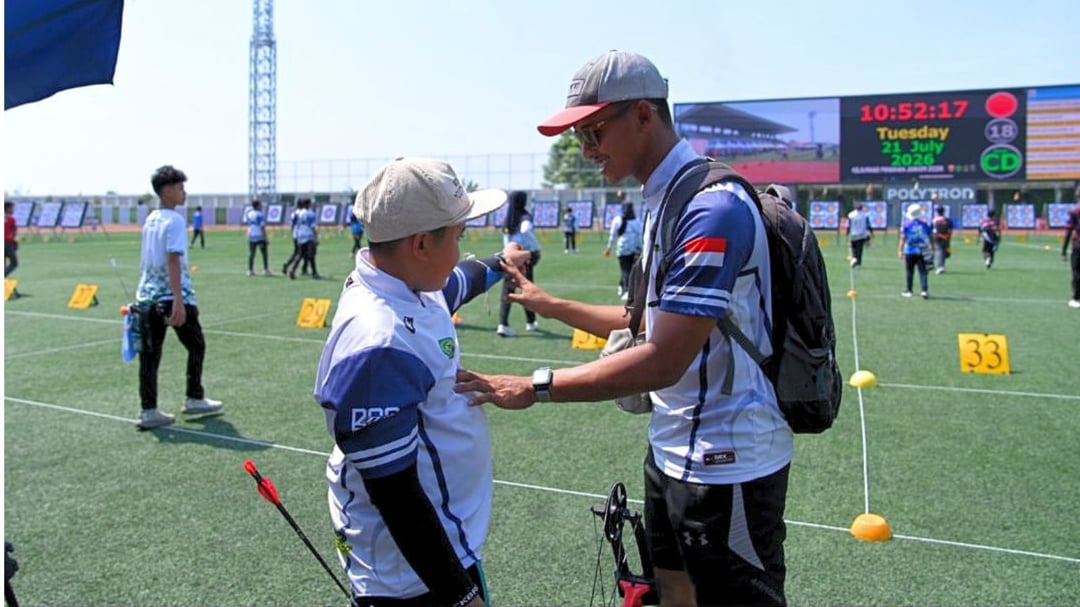
Despite the circumstances, Aziz remains committed to his daily field routine. He observes each athlete as they draw their bows, refining their posture, correcting fundamental techniques, and offering encouragement when performance falls short of expectations.
For him, archery training extends beyond high scores or medal tallies. The daily regimen serves as an opportunity to instill discipline, patience, responsibility, and humility in his athletes.
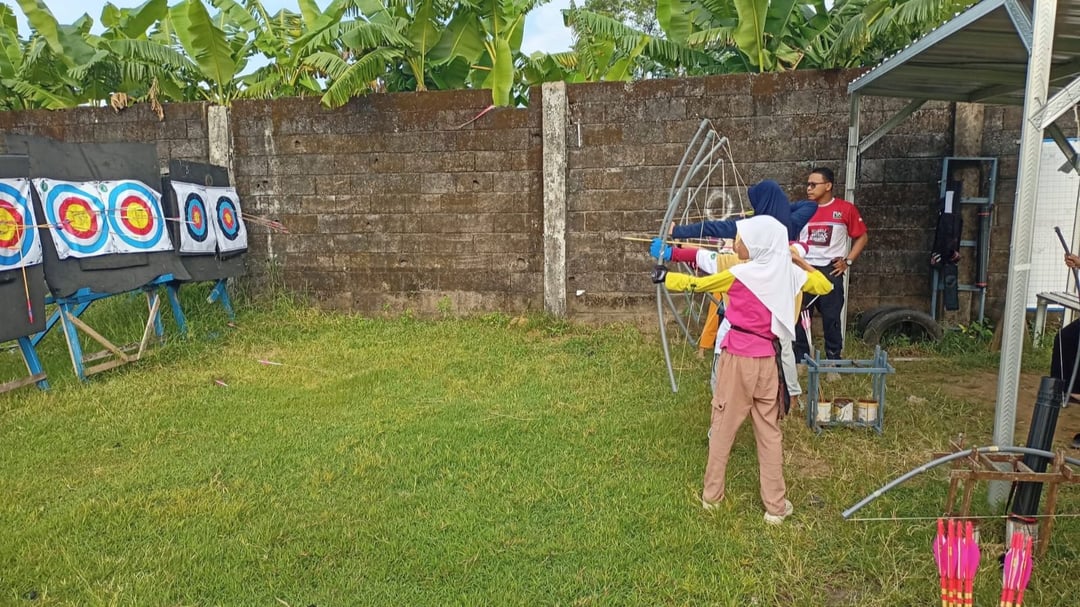
When the athletes eventually leave the competition arena, the goal is for these core values to remain ingrained in their everyday lives. Ultimately, a coach measures success not merely through athletic achievement, but through the character cultivated throughout the training process. (FZ/mainkekudus)