Kudus – Thunderous applause and cheers filled the stands at Supersoccer Arena in Kudus on Saturday (June 27, 2026). On the pitch, players from the MilkLife Soccer Challenge (MLSC) All Stars battled for a spot in the final. Yet, behind every tackle, pass, and save lies another equally compelling narrative: stories of families who have sacrificed time, effort, and even their livelihoods to support their children in chasing their dreams.
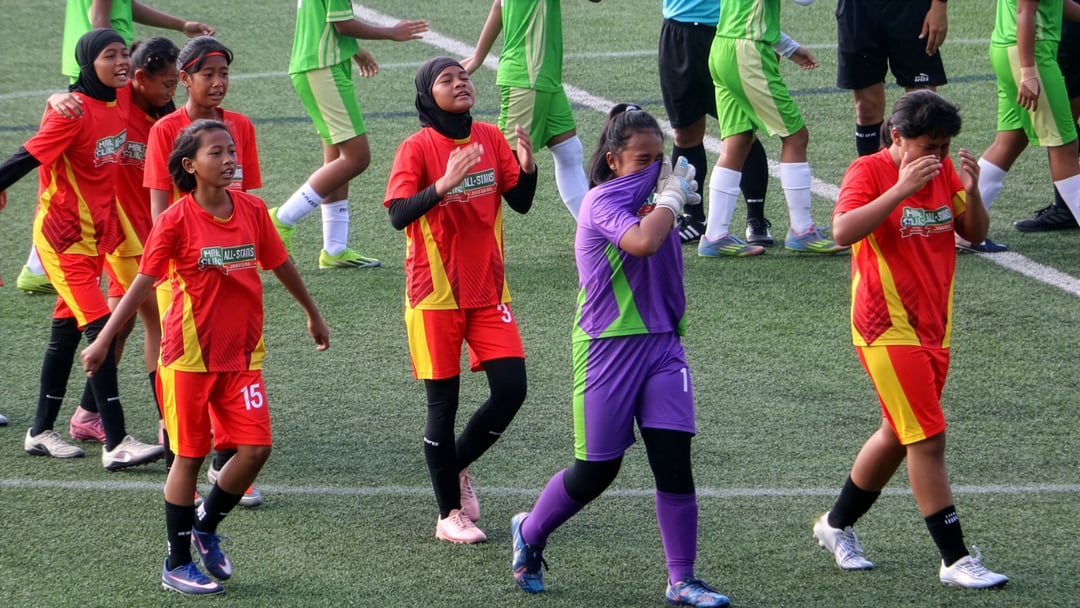
One such story comes from the Jakarta All Stars supporters' section. There, Marno cheered tirelessly for his daughter, Siti Hawa Faadiyah, the team's reliable left-back who displayed great spirit throughout the match. His voice was among the loudest in the stands.
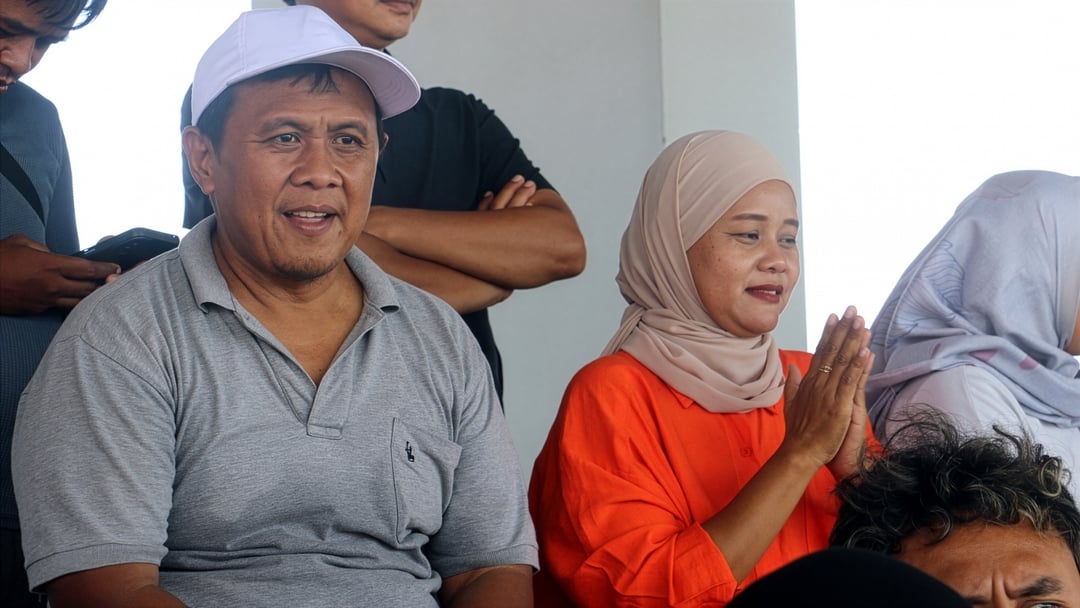
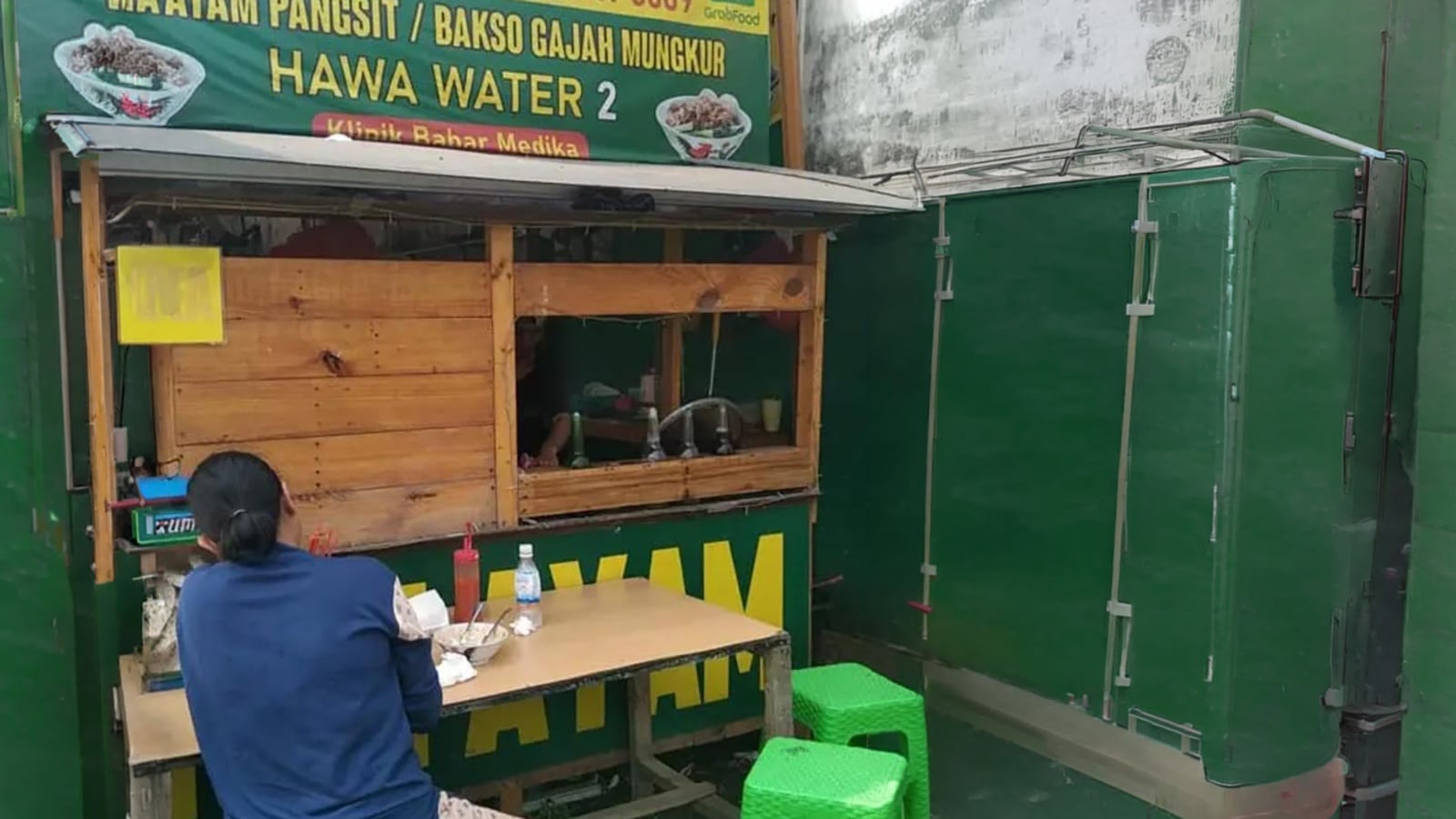
Marno’s journey to Kudus was more than just a trip between cities. He traveled from Depok with a significant decision: to ensure he could watch his daughter play, the chicken noodle seller chose to close his stall for four days.
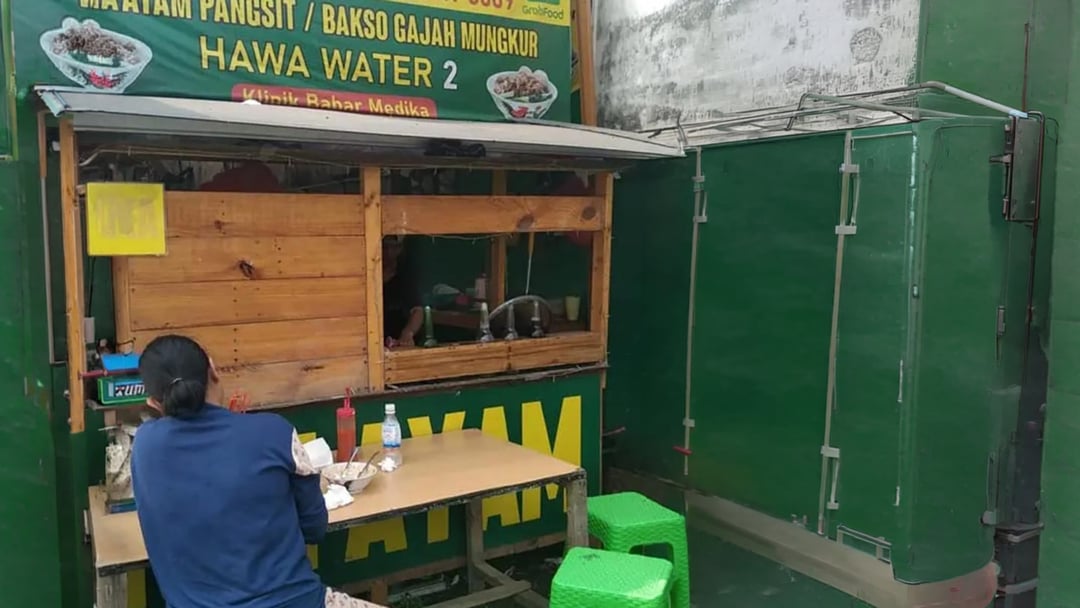
For him, the opportunity to witness Hawa compete on the field is far more valuable than the daily earnings from his business. Parental support, he believes, is a vital part of a child's pursuit of their goals.
"I have been here since last Thursday. Back home, I have closed my chicken noodle stall for four days. My focus right now is fully on supporting my daughter so she can perform at her best on the field," Marno said with a bright glint in his eyes.
The journey was not made alone. Marno brought his extended family to Kudus, with Hawa's grandmother and uncles filling the stands to offer their support. Their presence provided a heartwarming touch to the intensity of the semifinal match, illustrating that the path of a young athlete is often a shared family endeavor.
For Marno, the positive changes in Hawa since she began playing soccer matter far more than the match results. The fifth-grader at SD Mampang 1 has grown into a more disciplined person with a more structured daily routine, he noted.
He observed that Hawa’s sleep schedule has become more regular, while her screen time has decreased significantly as she spends more time training and resting.
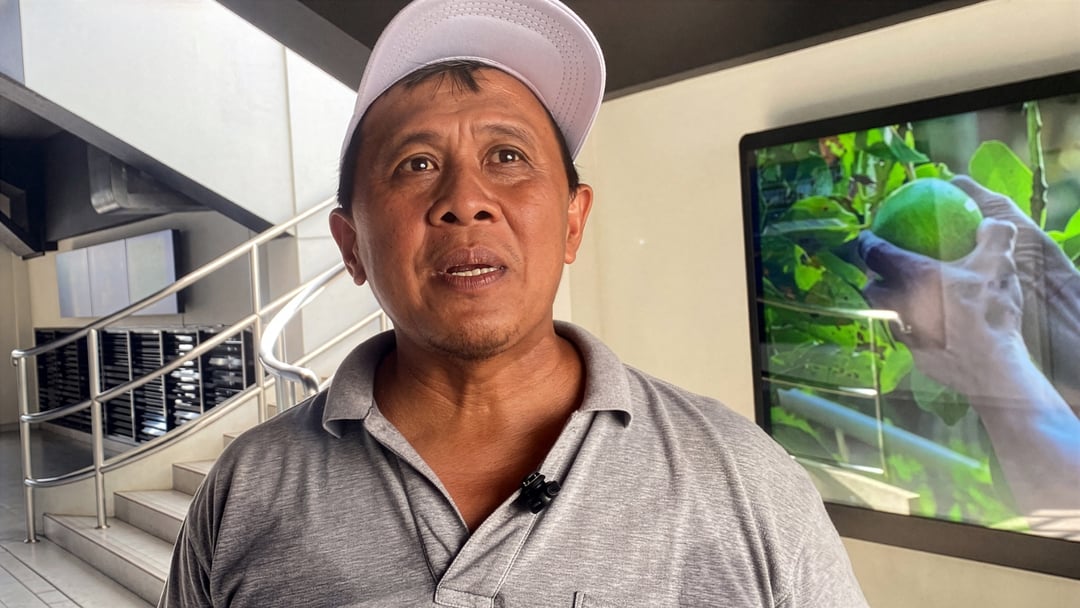
“I believe this league is an excellent platform. From talent scouting to this national level, it is very beneficial for the children. Since focusing on soccer, my daughter has become more disciplined, keeps a regular sleep schedule, and her gadget use has dropped drastically. There have been many positive changes,” he added.
These improvements have solidified Marno's commitment to supporting his daughter's athletic path. He is optimistic about the future of women's soccer in Indonesia, noting that it now has a clearer direction. He believes that the ongoing development programs provided by the Djarum Foundation offer hope that talented children have a clear pathway to grow.
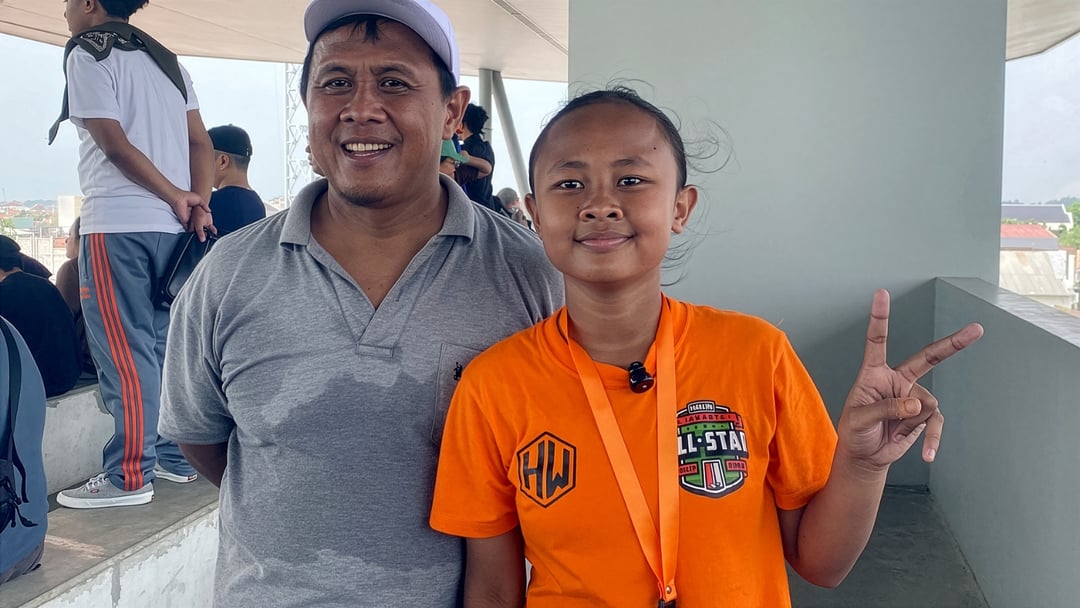
Meanwhile, 11-year-old Hawa values having her family in the stands. As the youngest player on the Jakarta All Stars squad, she says her parents' support motivates her every time she steps onto the field.
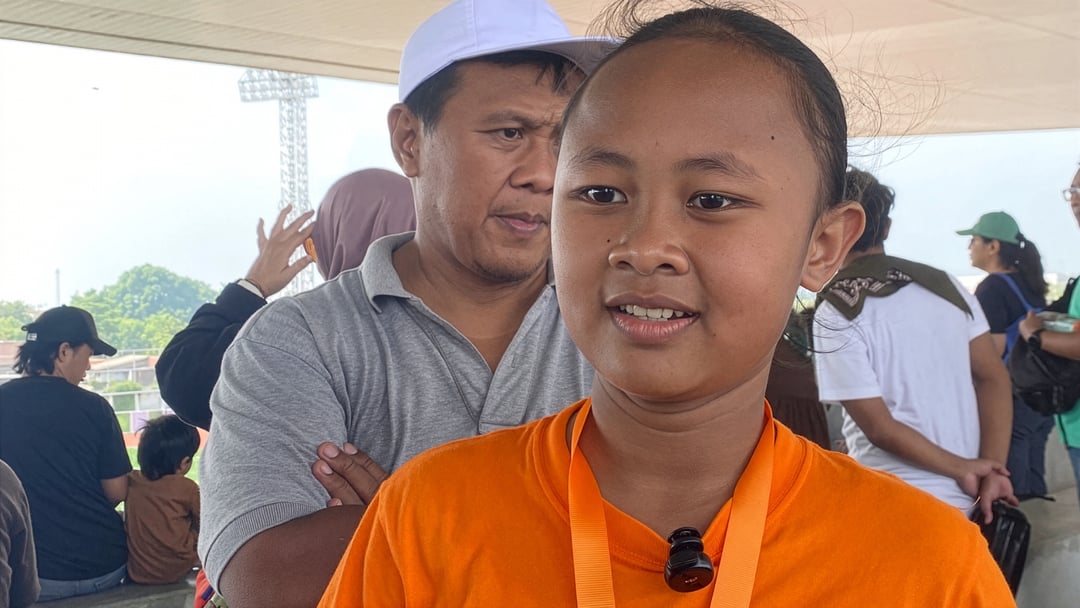
After helping her team secure a spot in the finals, Hawa noted she could still hear her father cheering for her throughout the match.
“I could hear my father cheering the loudest on the field. It is incredibly heartwarming to have my parents here. Before every match, I always ask for their blessings and prayers to ensure everything goes smoothly and to secure a victory,” Hawa said proudly.
For Hawa, the long journey her family made to Kudus is a profound expression of love that cannot be measured. Consequently, she dedicated her semifinal win to them as a tribute to their unwavering support and sacrifices.
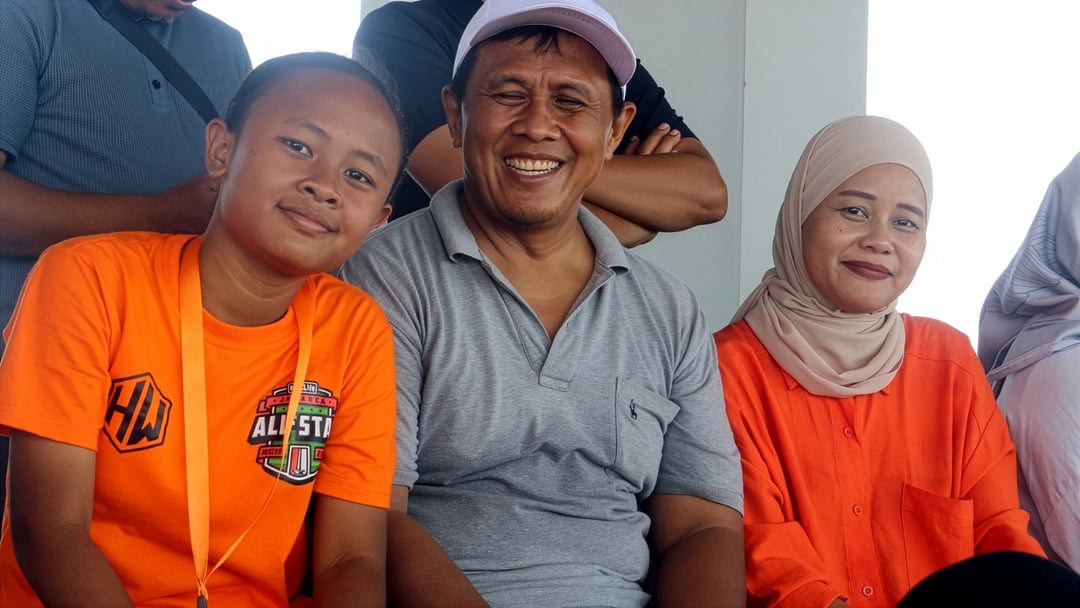
Despite having secured a spot in the final, Hawa remains focused on the next challenge. She is committed to continuous learning, rigorous training, and delivering her best performance alongside her teammates.
“My goal is to provide my best. I will continue to work hard and play better so that our team can emerge as champions in the final. Thank you for all the support provided,” she concluded with optimism.
The story of Marno and Hawa demonstrates that the journey of a young athlete is never solitary. Behind every match is a family fighting in its own way—setting aside businesses, enduring long travels, and sacrificing time to offer encouragement from the stands.
This type of support is vital to the growth of Indonesia’s women's football ecosystem. When development, competition opportunities, and family involvement align, every small step taken on the field not only yields achievement but also fosters character, discipline, and new hope for the next generation of female footballers. (JMY/DN/mainkekudus)