
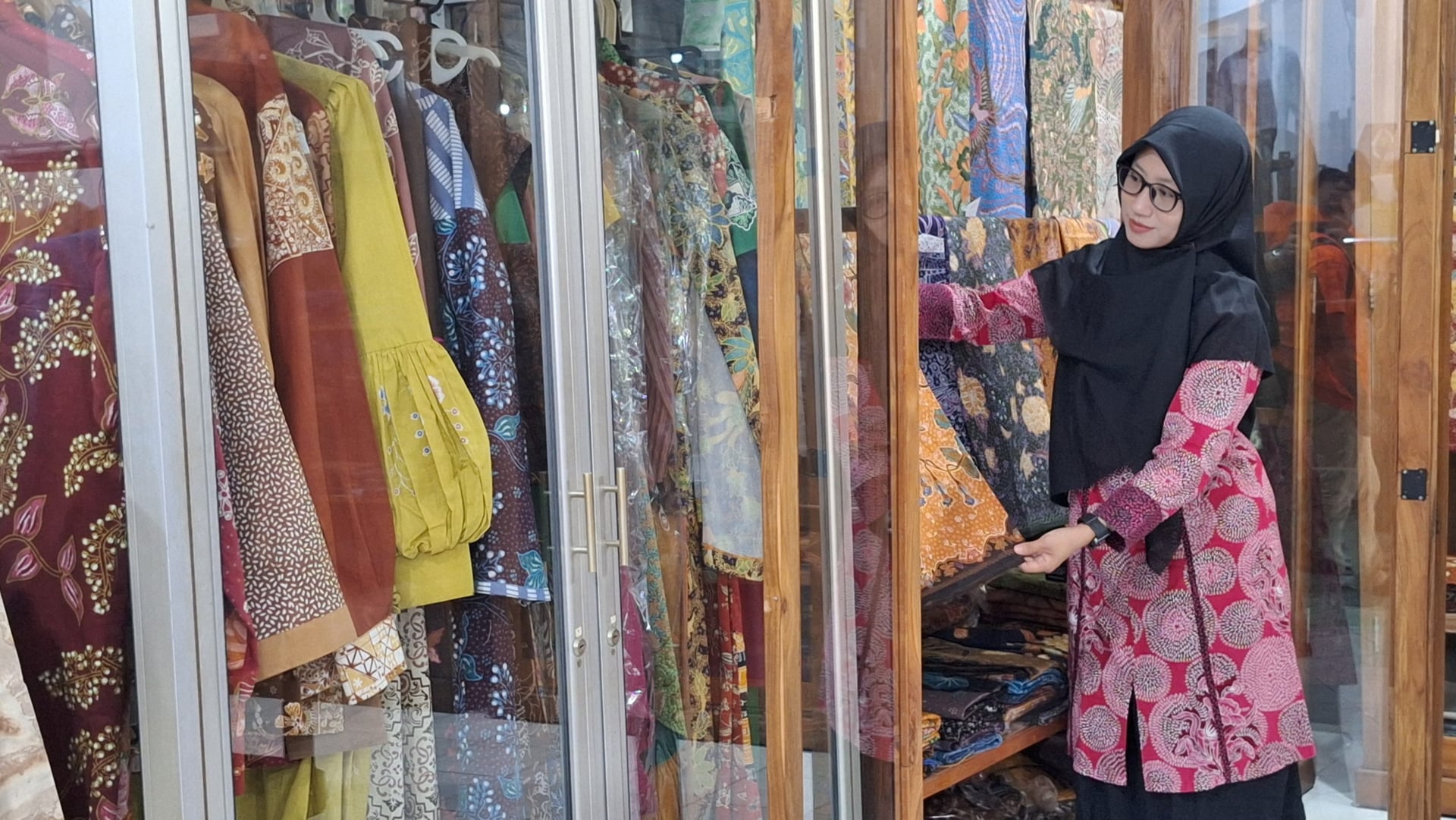
KUDUS – Kudus Batik has a long history as part of the coastal batik tradition. Its heritage is reflected in the motifs, colors, and cultural influences that evolved within coastal regions. However, there was a period when the production of Kudus Batik became increasingly rare. This decline eventually prompted various parties to revitalize and redevelop the region's traditional craft.
Among those efforts is Alfa Shoofa Batik Kudus, a business established in 2008 by husband and wife duo Ummu Asiyati and Fatchur Rochman.
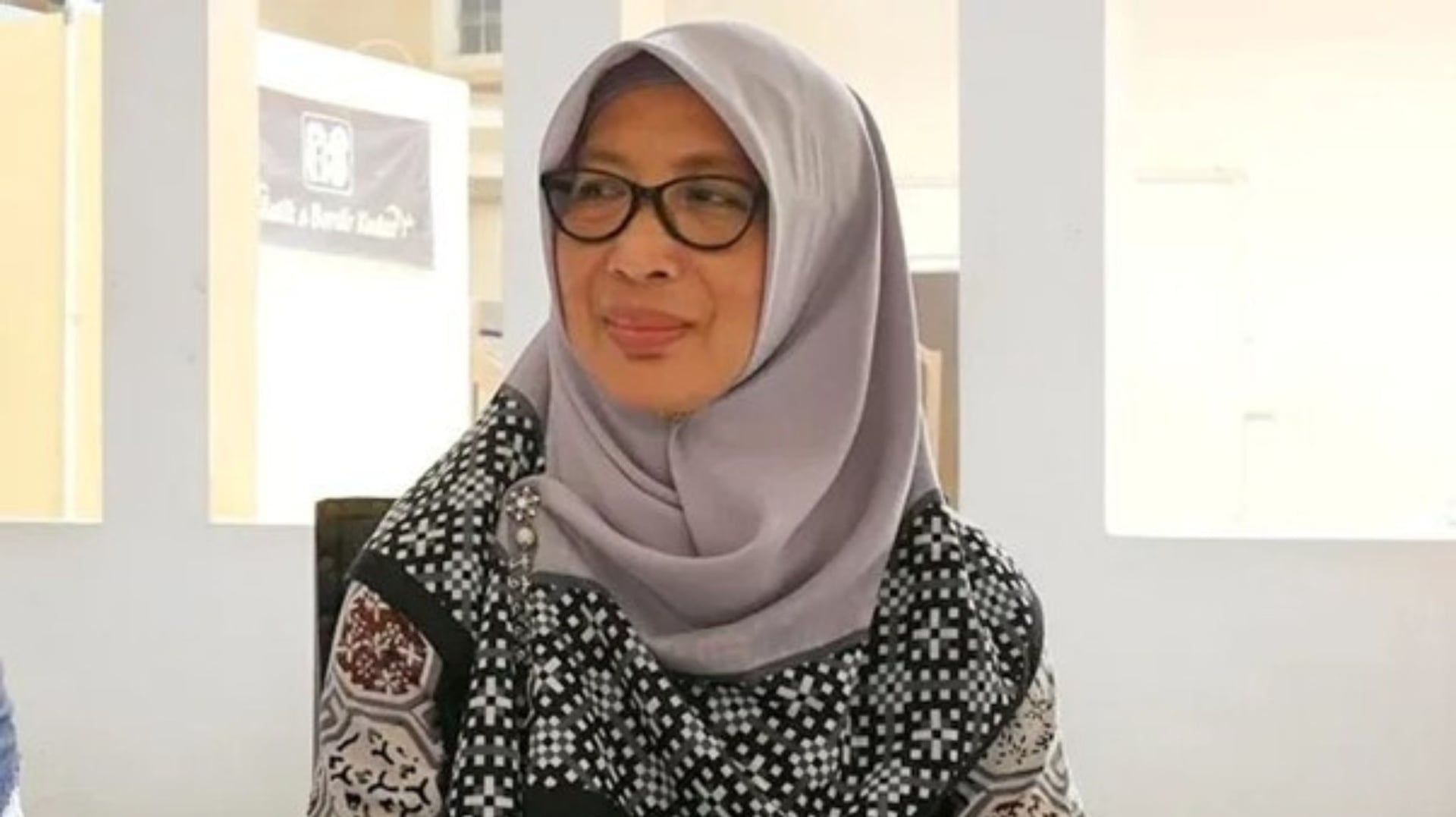
Before entering the batik industry, the family had been operating an embroidery business since 1992. The Alfa Shoofa production house and gallery are located at Jalan Sudimoro No. 178, Gribig Village, Gebog District, Kudus.
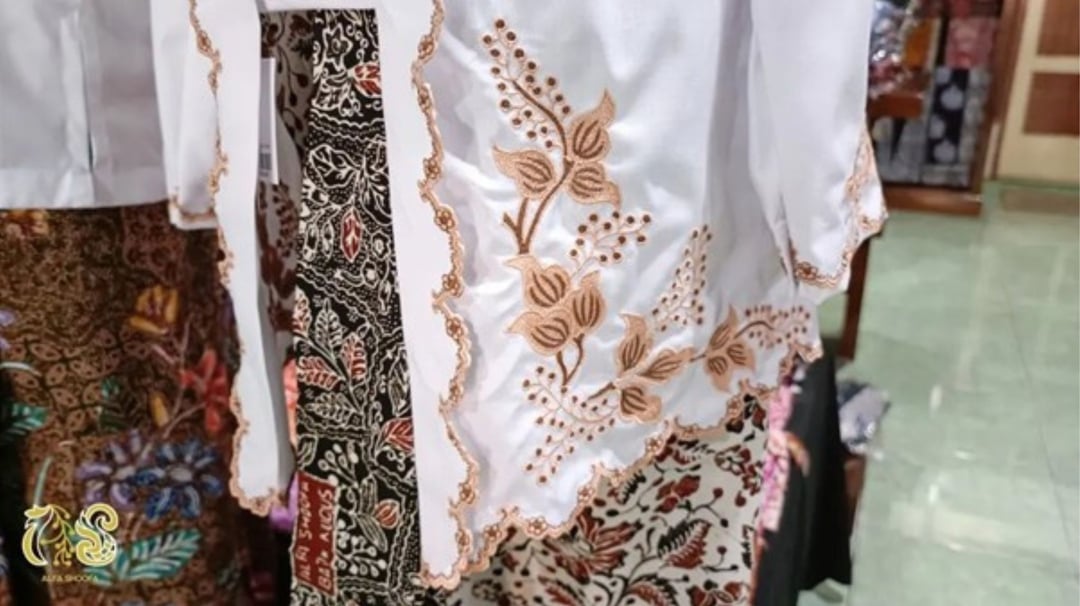
The transition from embroidery to batik began with business travels and interactions with customers from various regions. During exhibitions outside Kudus, the founders were frequently asked about the status of traditional Kudus Batik. These inquiries motivated them to trace the origins of long-lost batik motifs.
Fike, a manager at Alfa Shoofa, noted that questions regarding Kudus Batik surfaced whenever they showcased their embroidery products at exhibitions.
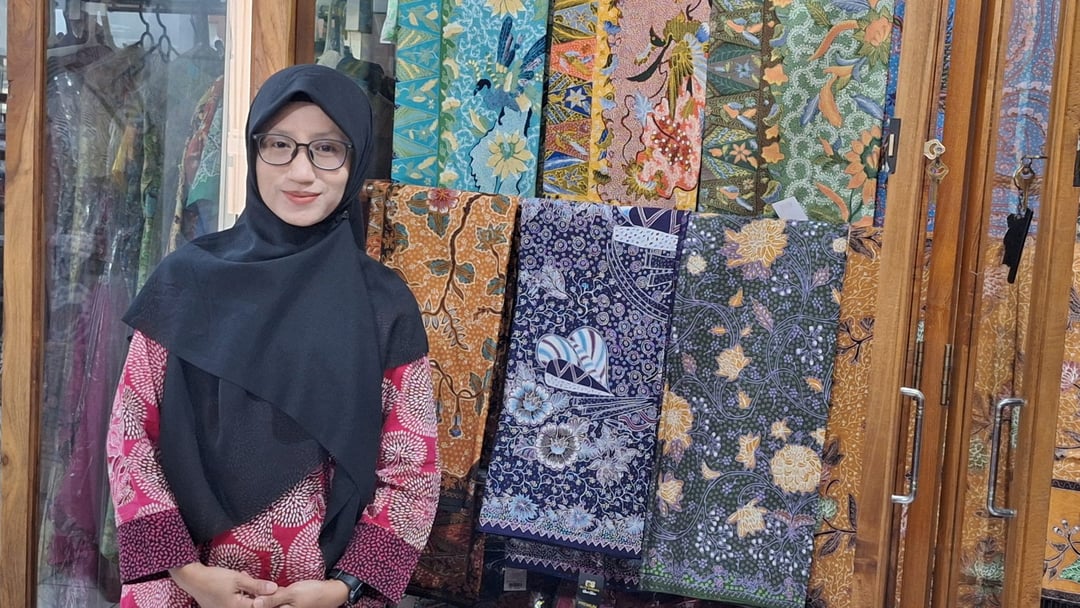
“That sparked a thought: indeed, what happened to Kudus Batik? We hadn't heard anything about it for a long time,” Fike said.
This question initiated an extensive research process. The management began seeking information on historical batik motifs and identifying the local artisans who once produced them. At that time, Fike noted that items marketed with Kudus motifs were primarily limited to printed textiles.
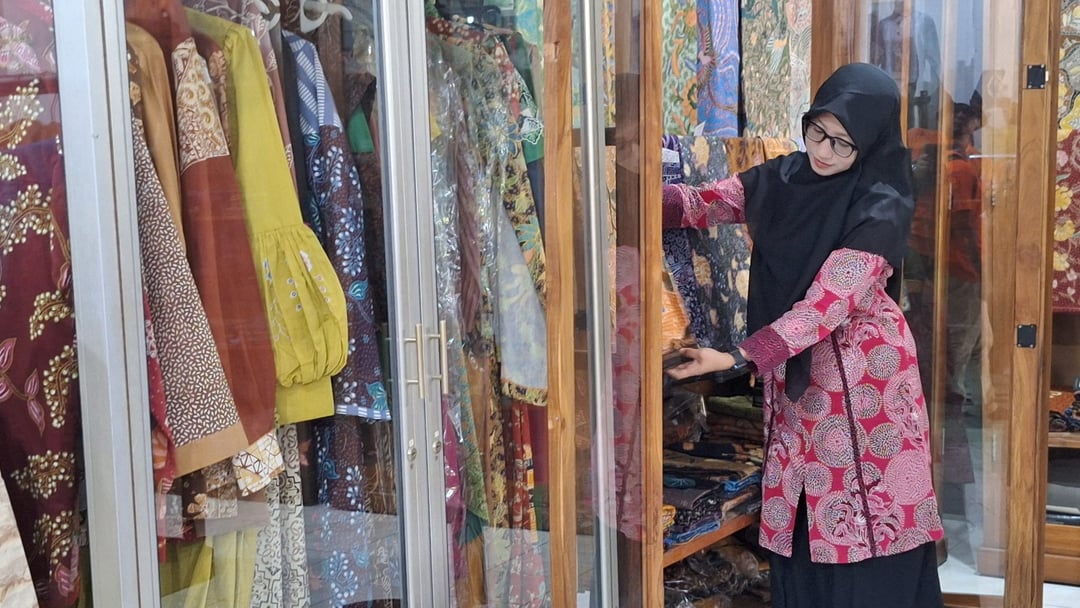
The search revealed that active batik artisans were difficult to find. This prompted management to consult with elders to learn and document traditional motifs and production processes.
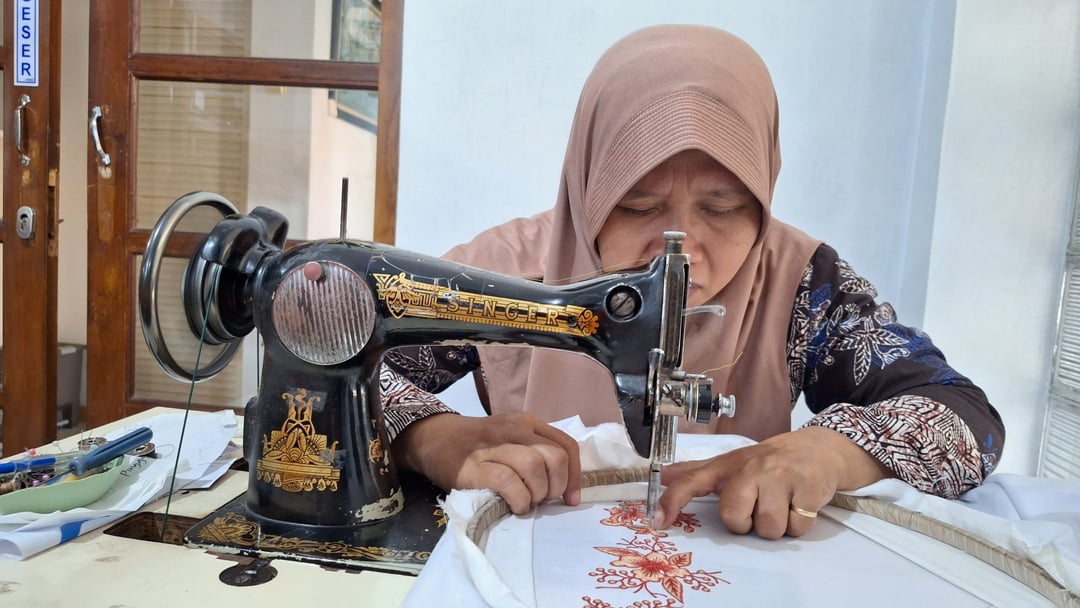
Alfa Shoofa started as an embroidery enterprise in 1992, eventually expanding through exhibitions that connected the business with a wider consumer base.
These interactions sparked questions about Kudus-made batik. Management subsequently began searching for heritage motifs and individuals with knowledge of traditional Kudus batik.
The research process began around 2005. Fike explained that while they reached out to elders who had previously produced batik, most were no longer active.
Consequently, they undertook a self-directed study by gathering information from elders, analyzing historical articles, and attempting to recreate ancient batik motifs.
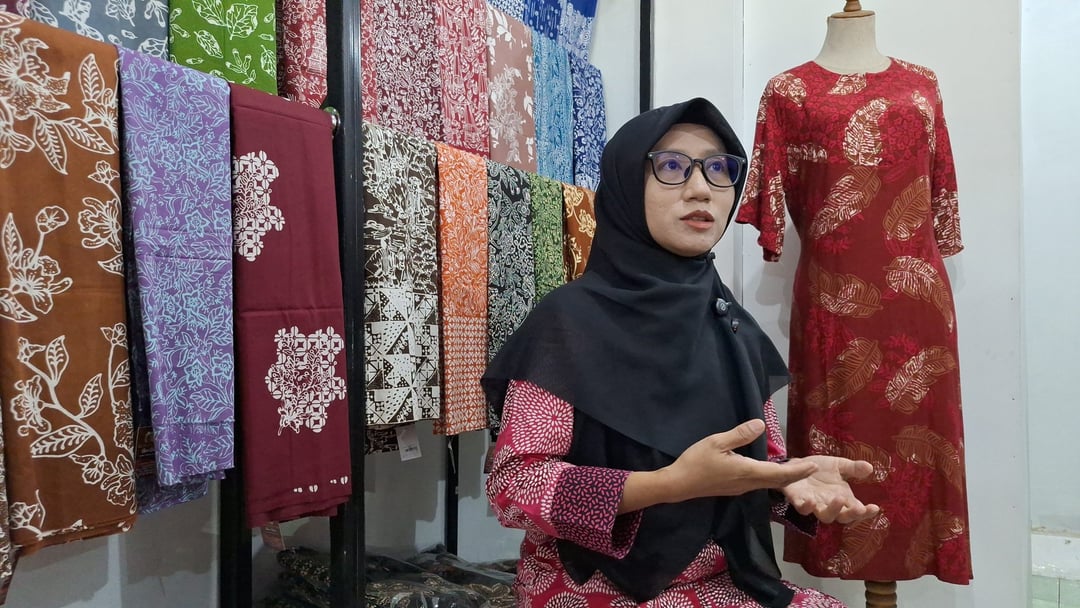
"We first reproduced the original motifs, learned how to create them, and studied their historical context," said Fike.
The effort went beyond merely replicating patterns; the management also sought to understand why Kudus batik had nearly gone extinct. Their investigation fueled a commitment to restore the local industry.
"We felt that Kudus batik had to be revived. We could not allow it to disappear," Fike said.
In 2008, Alfa Shoofa began to formalize its Kudus batik production. Ummu Asiyati contributed to these efforts by studying batik techniques across various regions, including Semarang, Bandung, Yogyakarta, and Cirebon.
Drawing from this training, Alfa Shoofa developed its production to include both hand-drawn (tulis) and stamp (cap) techniques, creating both reproduced classic designs and new motifs that reflect Kudus' cultural identity.
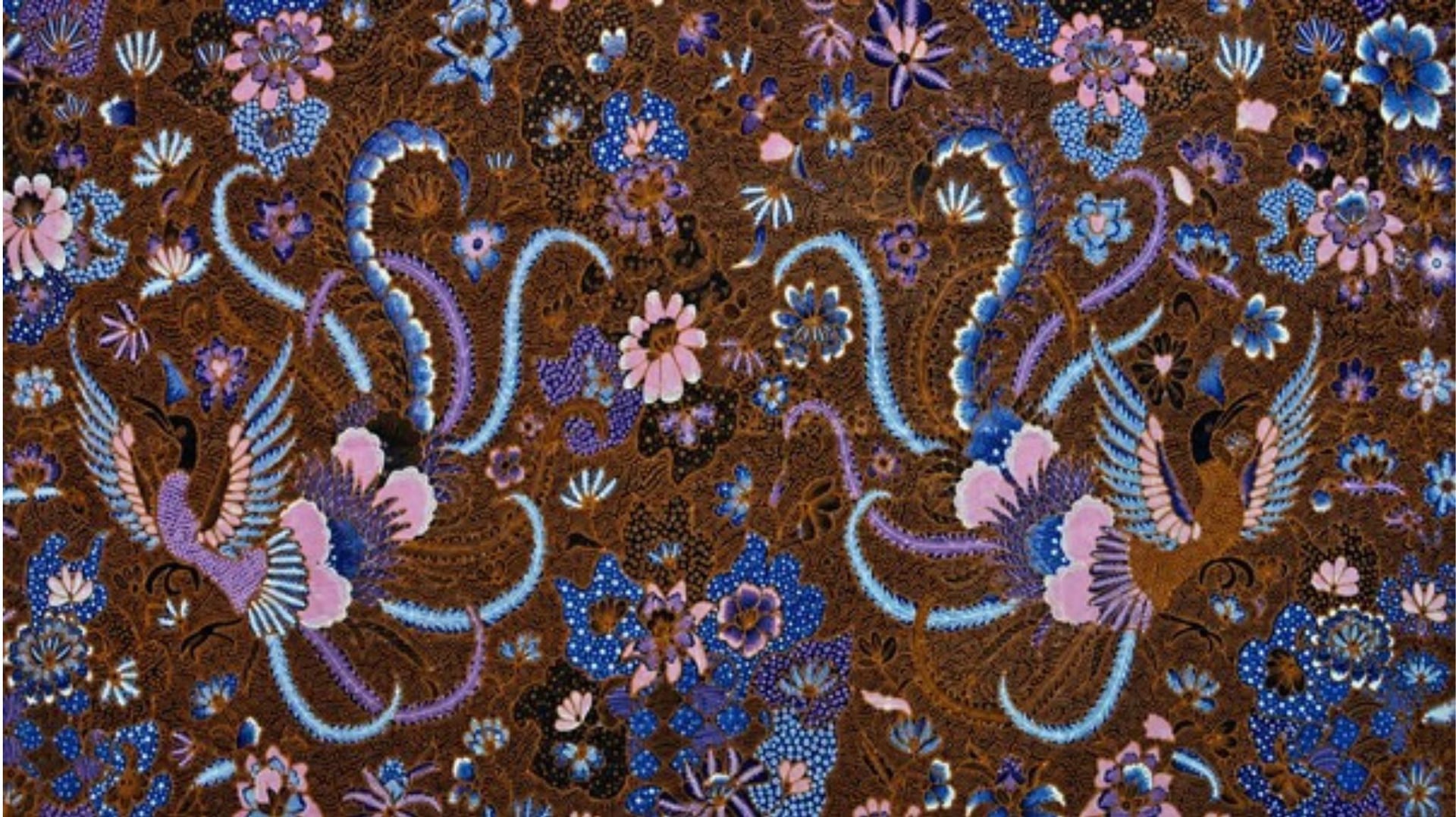
The decision to produce authentic batik is a cornerstone of Alfa Shoofa’s business mission. Management maintains that Kudus batik must be defined not only by its motifs, but also by its traditional craftsmanship.
Fike noted that during their research, it was far easier to find printed textile products marketed as Kudus-style than actual handcrafted batik.
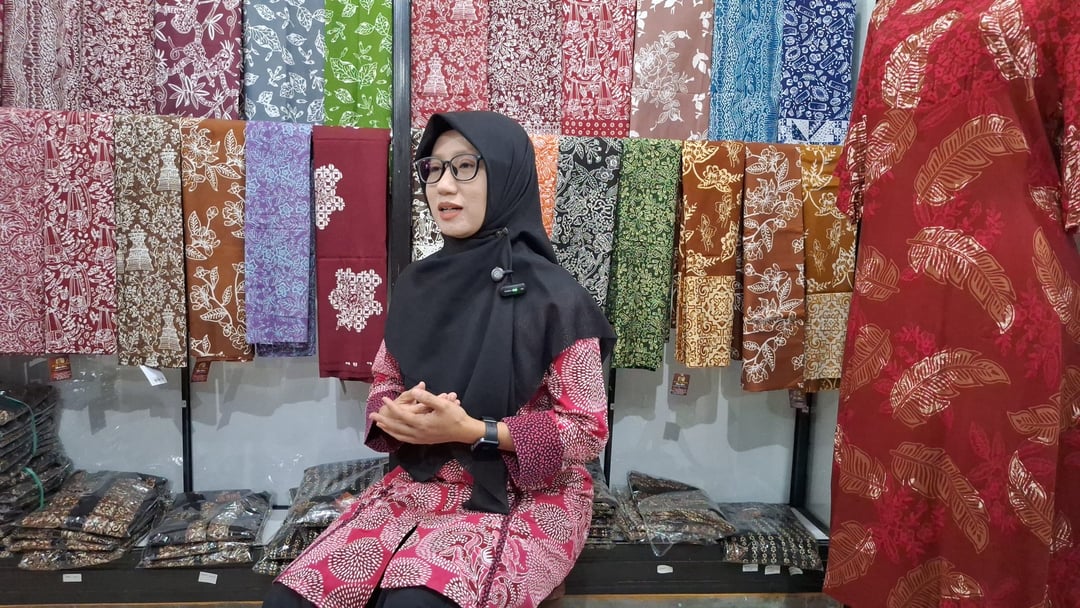
“We do not want Kudus batik to be undermined by printed versions again. We are committed to ensuring our batik is authentic,” said Fike.
This commitment now drives Alfa Shoofa’s production strategy. The batik is created using natural fibers such as cotton or silk, with hot wax used to apply the intricate patterns.
The process begins with design and tracing, followed by the application of hot wax using a canting tool or copper stamp. The fabric then undergoes dyeing and boiling to remove the wax, with the process repeated as needed to achieve the required colors and designs.
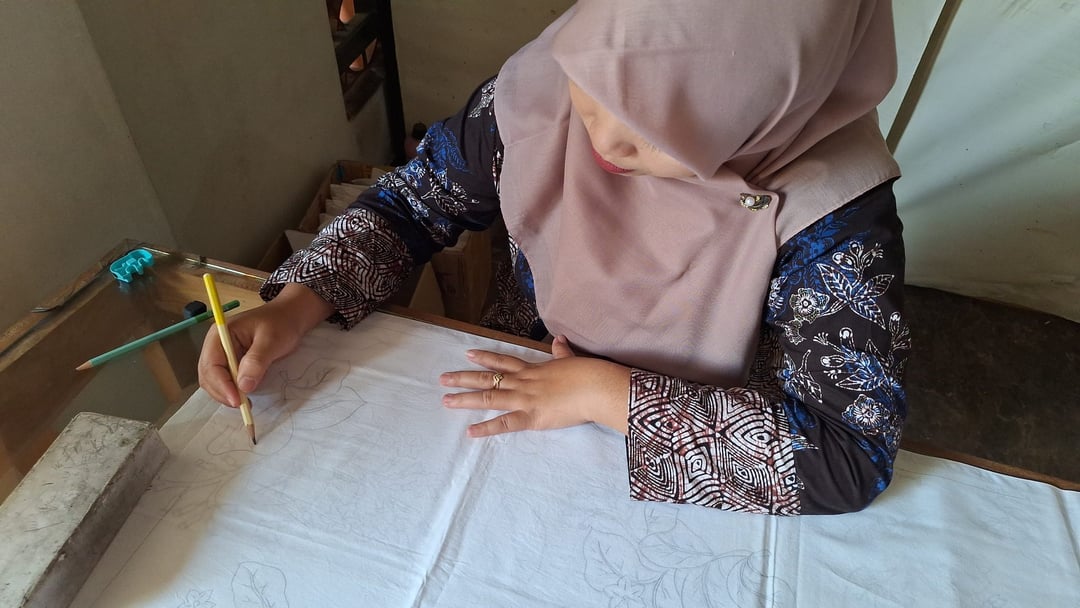
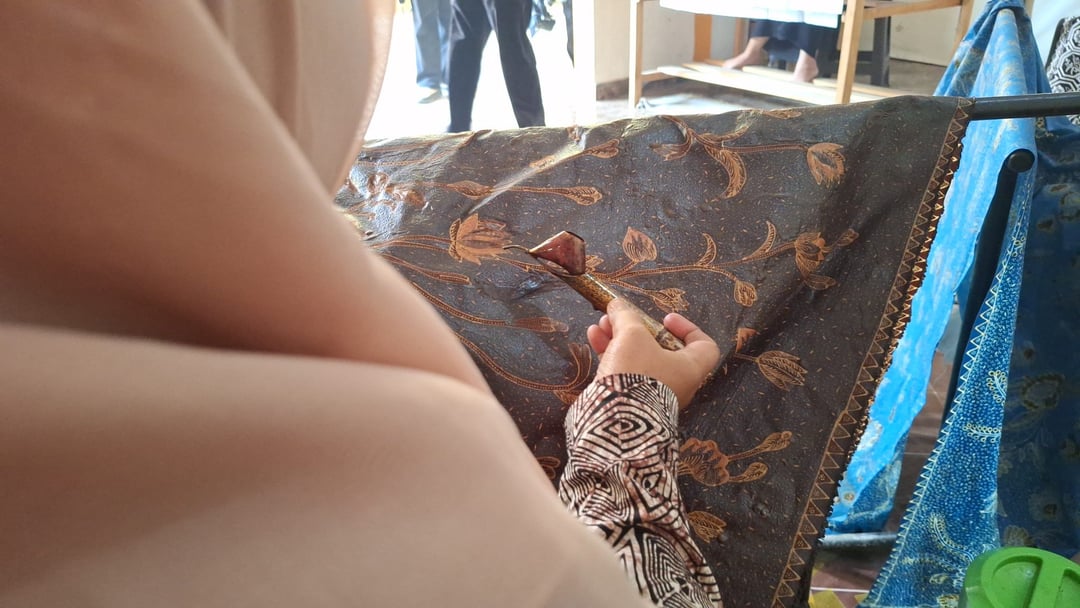
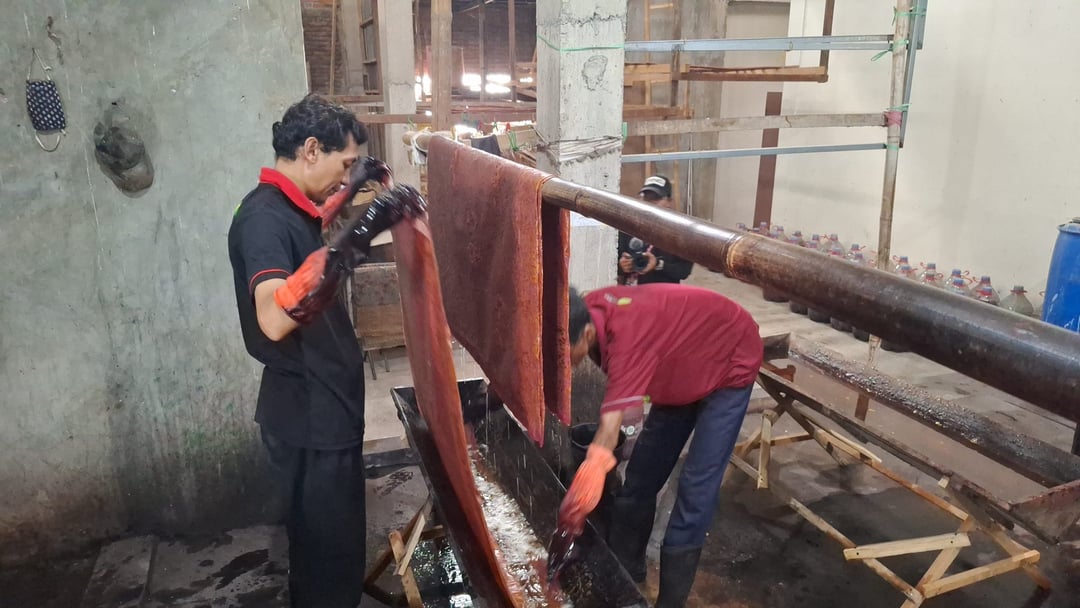
Production times for batik vary significantly based on the method. Simple stamped batik (batik cap) can be completed in approximately one day. Simple hand-drawn batik (batik tulis) requires about a week, while complex designs can take between six and eight months to produce.
These production timelines also influence pricing. Classic hand-drawn batik can range from IDR 1 million to IDR 2 million or more, depending on the intricacy of the motif and production stages.
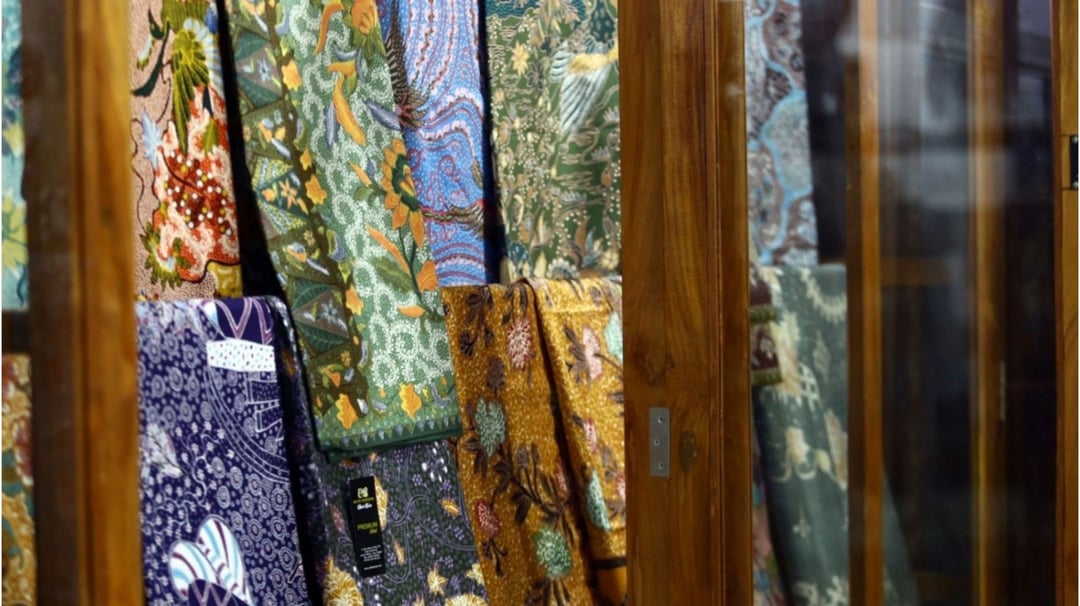
Research into historical motifs has provided Alfa Shoofa with deeper insight into the characteristics of Kudus Batik. Fike explained that Kudus Batik is classified as coastal batik (batik pesisiran).
This classification results in shared stylistic traits with batik from other coastal regions, particularly regarding color palettes and stylistic influences.
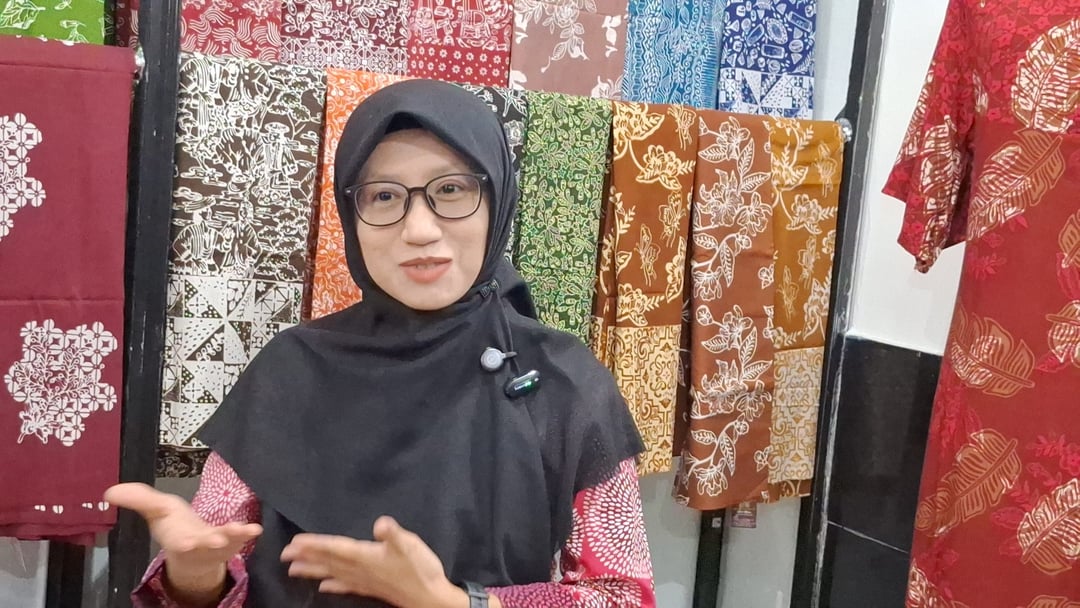
"Coastal batik, such as that from Pekalongan, shares some color similarities with batik from other coastal areas like Kebumen or even East Java," Fike explained.
These characteristics differ from the distinct stylistic traditions found in regions like Yogyakarta or Solo.
Regarding motifs, historical Kudus Batik frequently features floral designs. Based on research into historical articles studied by Alfa Shoofa, there is evidence of European influence in several patterns.
"Older motifs tend to favor floral designs, and based on our study of historical documents, these appear to reflect European influence," said Fike.
Some motifs also incorporate calligraphic forms, though floral elements remain the most prevalent in research into traditional designs.
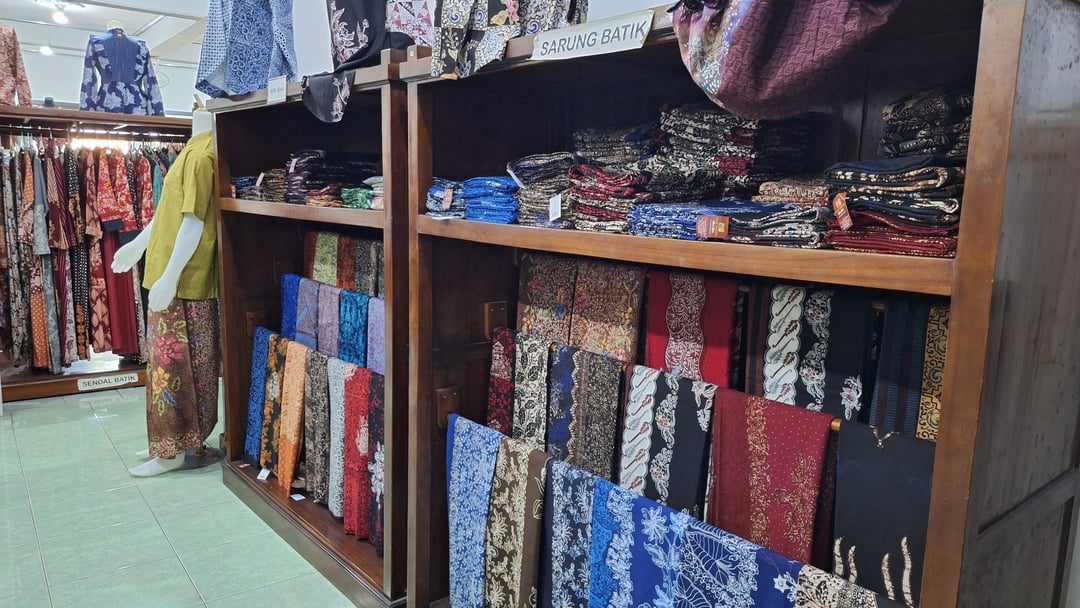
According to Fike, these patterns are part of the motifs that have developed within the Kudus community. Consequently, their use is not restricted to any one manufacturer.
“These are motifs of the Kudus community, and they cannot be patented. Everyone has the right to produce them,” she said.
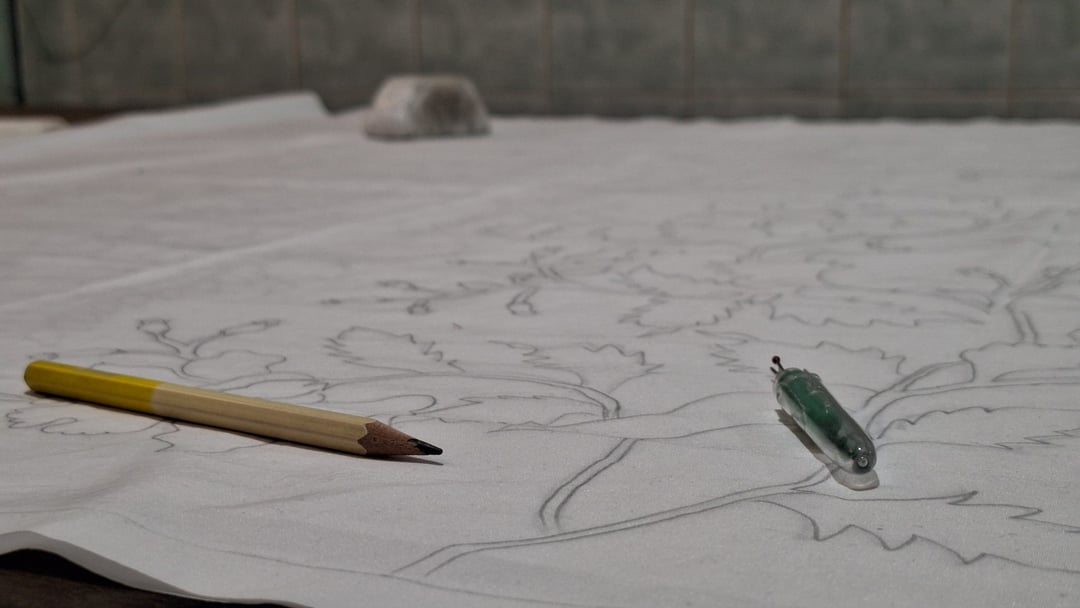
The evolution of batik goes beyond simply reproducing old motifs. Alfa Shoofa is also developing new designs by incorporating various elements associated with Kudus.
Cloves and tobacco are among the elements used in new design developments. The GK3 icon has also been incorporated into motif explorations. Additionally, there is the Parijoto motif, which draws inspiration from a fruit synonymous with the Mount Muria region.
These developments aim to create designs relevant to contemporary times. While traditional motifs remain a subject of study, other local elements are being translated into modern aesthetics.
As a result, Kudus batik is no longer merely a reproduction of past patterns. Regional identity is also being fostered through designs applied to both fabrics and ready-to-wear products.
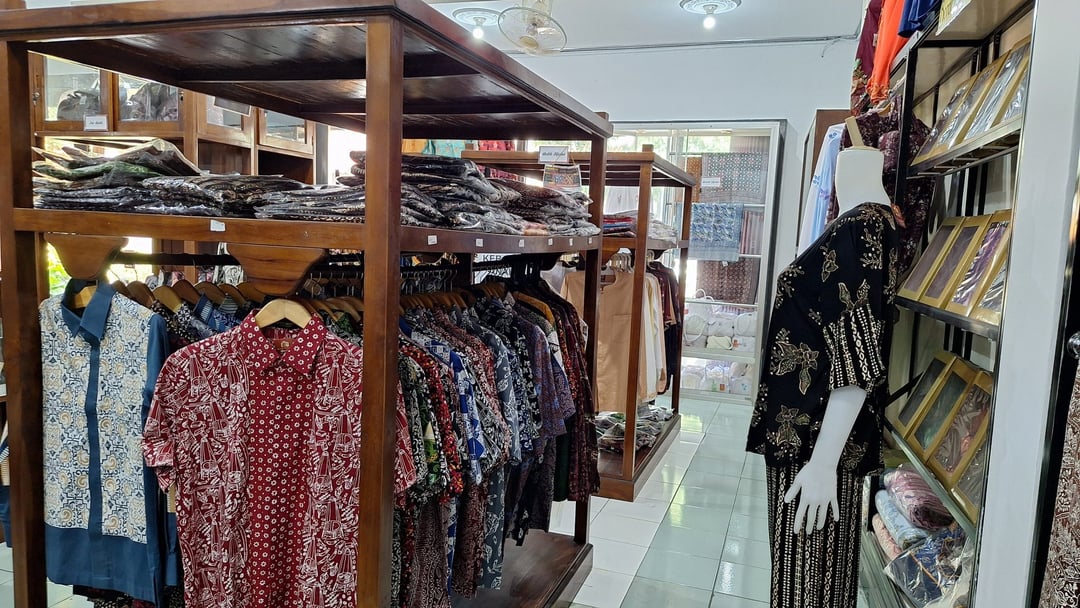
Alfa Shoofa’s product line has expanded from batik fabric and embroidery to a diverse range of items. Batik is now crafted into ready-to-wear clothing, prayer garments (mukena), kebaya, and various souvenirs.
These product offerings cater to the needs of both Kudus residents and visitors. Those traveling to Kudus often seek batik as gifts, while local consumers can select motifs suitable for various occasions.
Stamped batik (batik cap) is the preferred choice for consumers seeking products with shorter production times. Conversely, classic hand-drawn batik (batik tulis) requires more time, as it involves intricate wax-resist application and repeated dyeing processes.
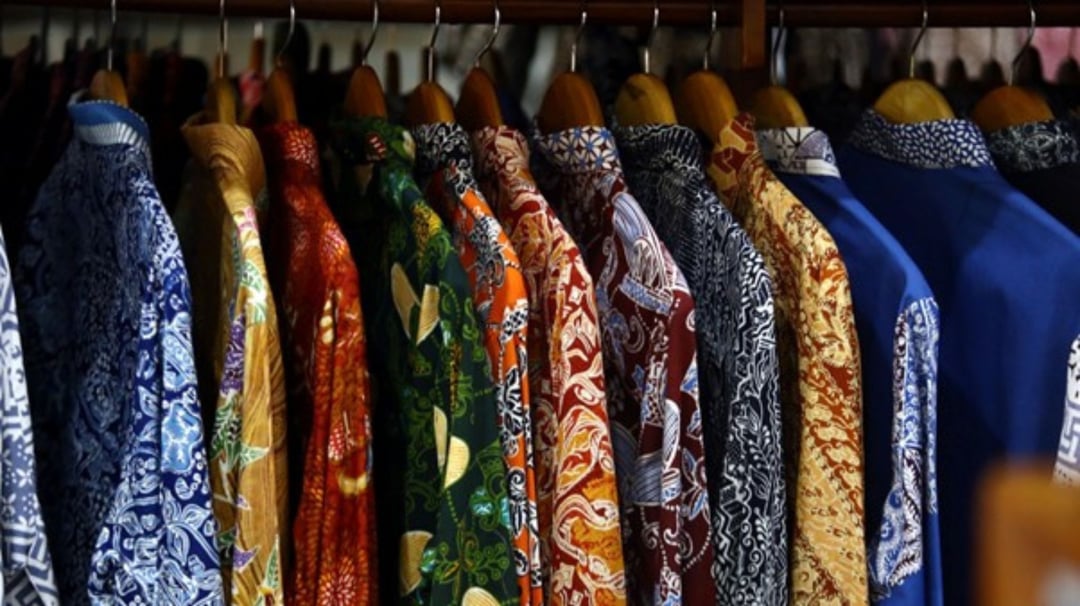
Production time is determined by design complexity. More detailed patterns and additional coloring stages increase the time required for completion.
These production differences influence pricing. Simpler products are priced more affordably, while classic hand-drawn batik can cost millions of rupiah.
Sporting events in Kudus have increased the flow of visitors from outside the region. Athletes, officials, support staff, and spectators are not only visiting match venues but also exploring local businesses and product centers.
For Alfa Shoofa, this environment creates opportunities to introduce their batik to consumers drawn to the city by sports events.
A notable example was the cultural visit by the Malaysia U-16 Women's National Team during the Caffino Srikandi Merdeka Cup in August 2026. This visit allowed Alfa Shoofa to showcase its products and Kudus Batik to an international audience previously unfamiliar with the brand.
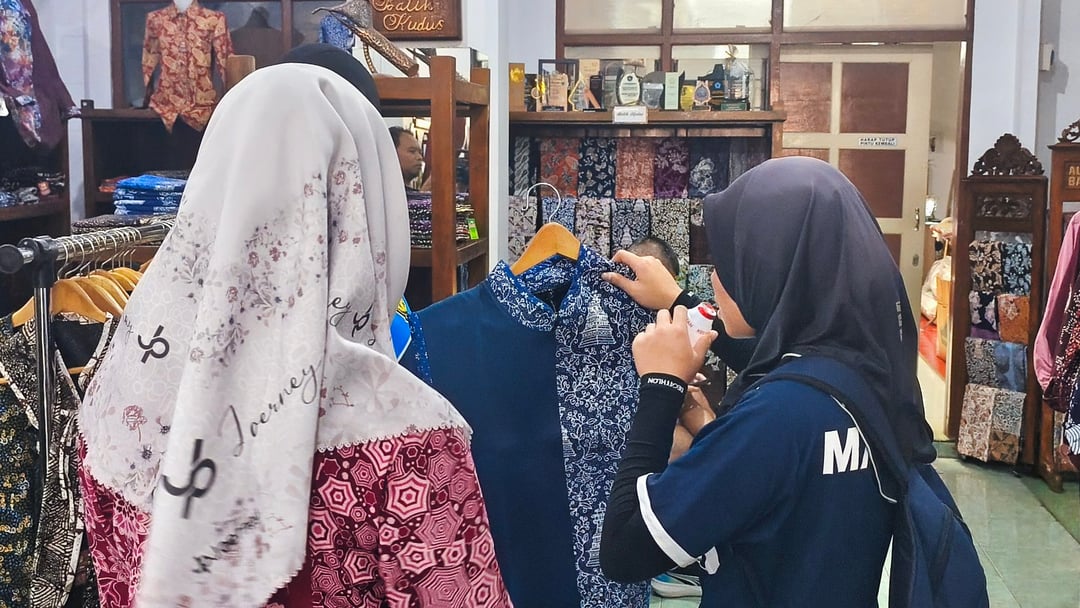
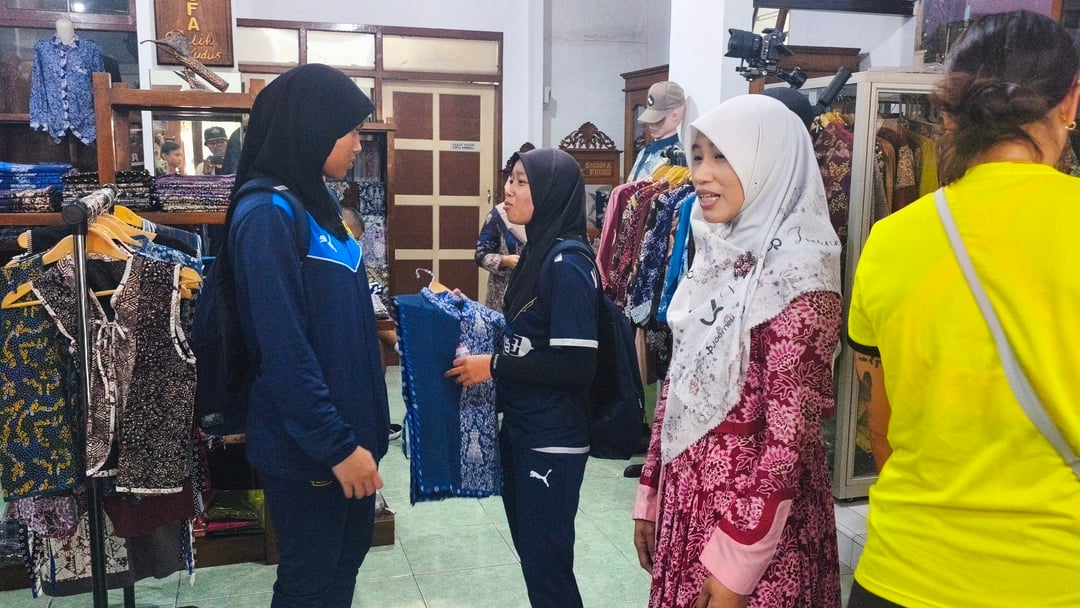
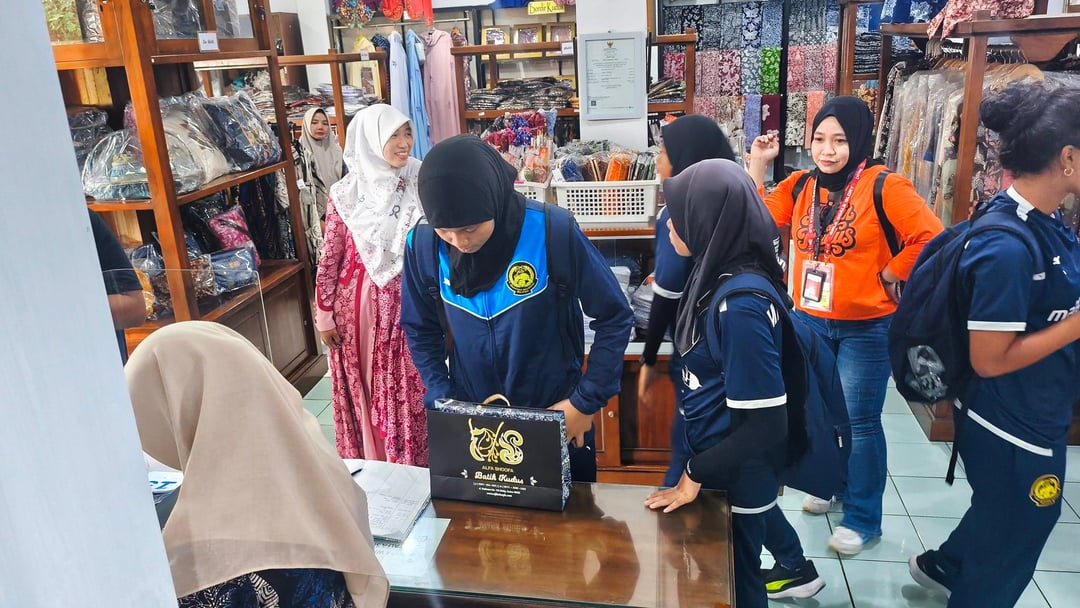
Sporting contingents can provide an immediate economic boost through retail purchases. Furthermore, these visits expand awareness of both the Alfa Shoofa brand and Kudus Batik.
Batik serves as an ideal souvenir because it is deeply connected to the regions travelers visit. Visitors arriving for competitions have the opportunity to take home products associated with Kudus.
This trend illustrates how sports events drive economic activity beyond the arena. As contingents arrive from outside the region, their needs boost various sectors, including dining, lodging, transportation, souvenirs, and handicrafts.
For Alfa Shoofa, sports events provide a gateway to new markets. Athletes and spectators coming to Kudus for tournaments are introduced to batik as a local artisanal product.
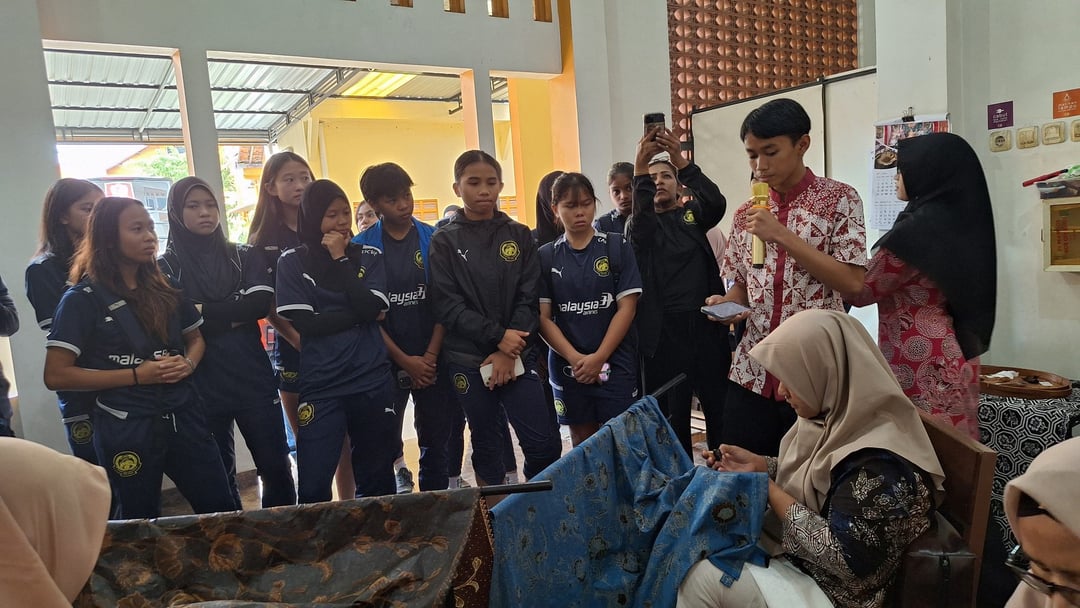
For Alfa Shoofa, the sustainability of batik depends not just on production volume, but on passing down the knowledge of its creation.
Consequently, Alfa Shoofa hosts educational tours, interns, and vocational students, using these programs to showcase the intricacies of the hand-drawn batik process.
Visitors gain insight into the materials, hot wax application, the use of the canting tool, dyeing, and the final dewaxing phase. This education demonstrates that the value of batik extends far beyond the surface design.
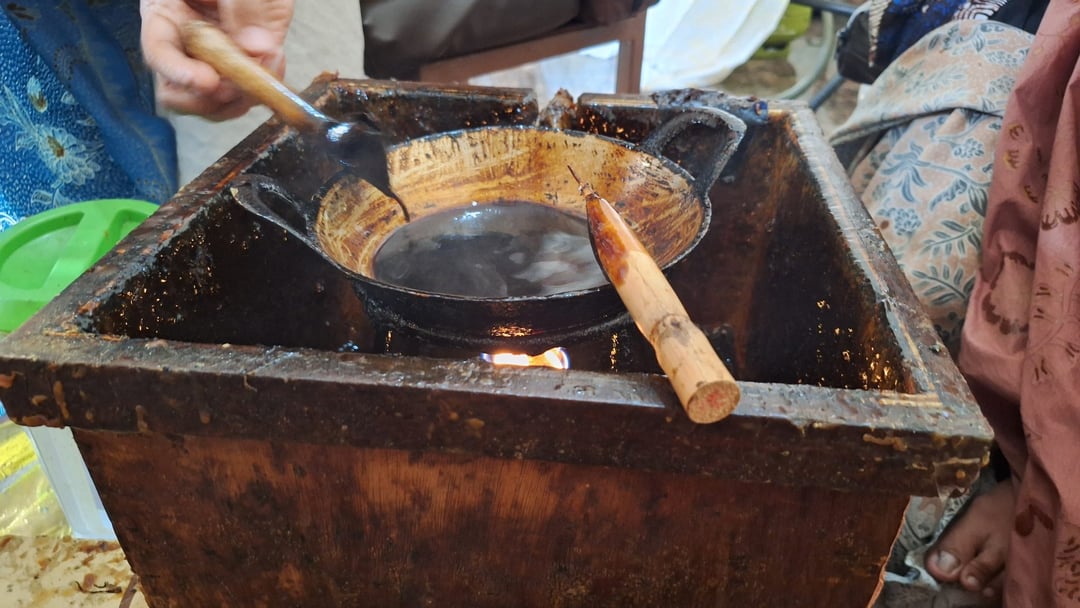
Education is also vital for distinguishing authentic batik from mass-produced printed fabrics. For the management, transparency regarding the process is essential to promoting Kudus Batik.
Encouraging the use of batik in daily life is another form of preservation. Batik remains an appropriate choice for various family gatherings and cultural traditions, including birth and wedding ceremonies.
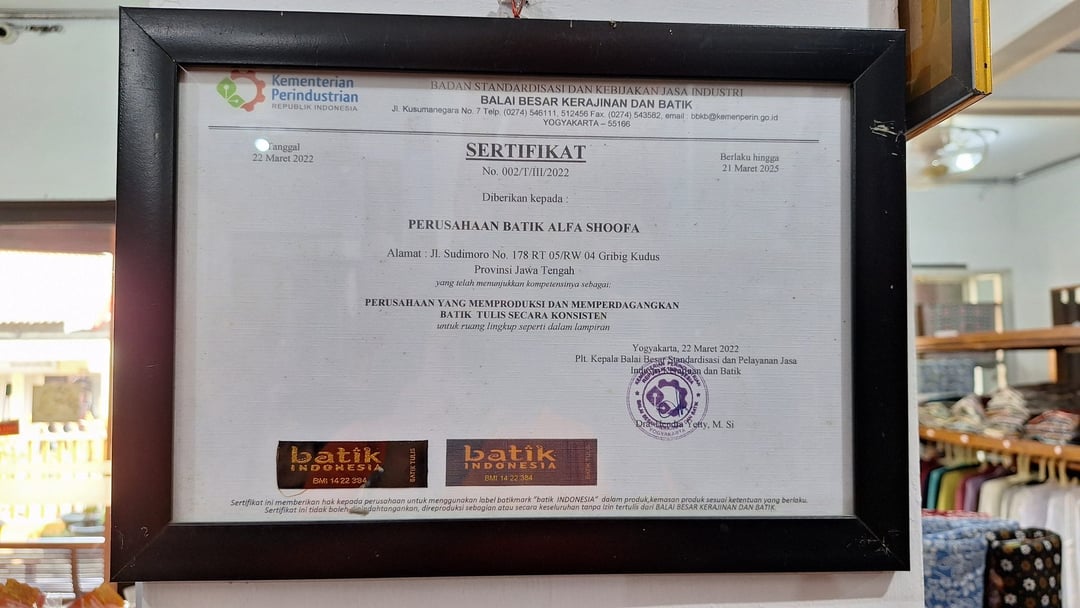
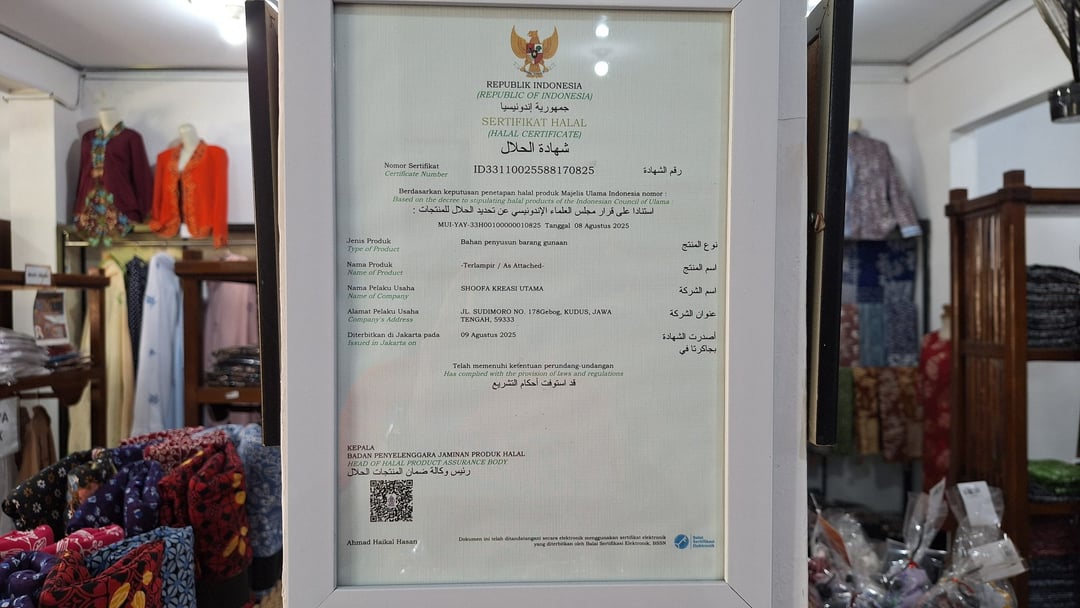
Efforts to maintain product quality are upheld through rigorous standards and certifications. Alfa Shoofa has secured Indonesian Batik (BMI) certification and the Batik Mark label for its stamped and hand-drawn batik products. The company’s official website also displays these BMI certifications as part of its product documentation.
Various products have also undergone laboratory testing. Additionally, select products have received halal certification, covering both the raw materials and the production processes utilized.
These standards provide consumers with valuable information regarding their purchases, which is particularly essential when a single motif can be produced using different techniques.
For Alfa Shoofa, the production process is integral to preserving Kudus batik. The brand continues to study traditional motifs and utilize authentic production techniques, while simultaneously developing new patterns that incorporate local elements.
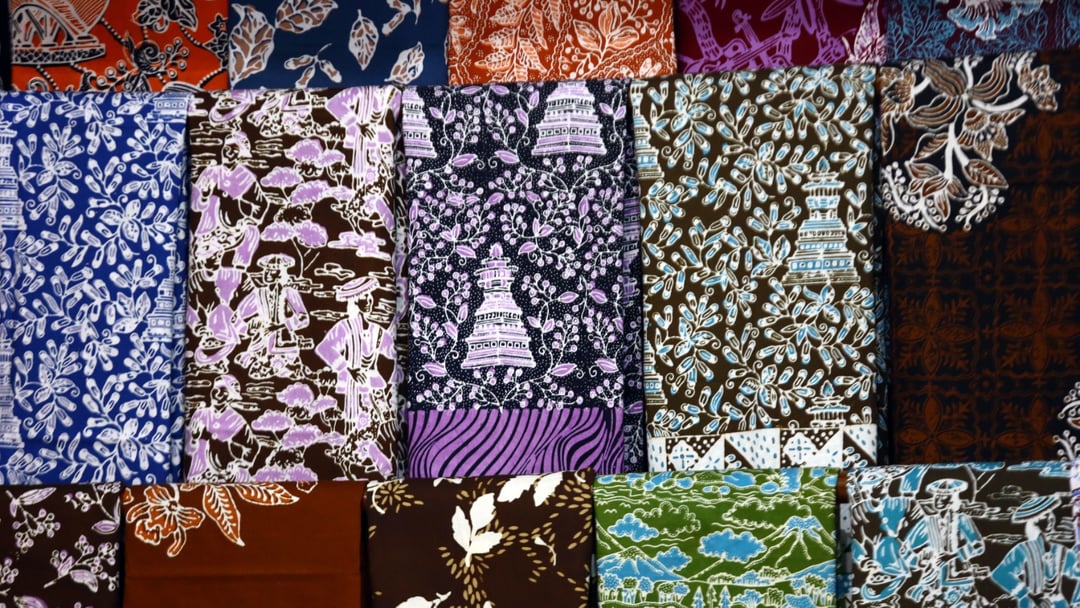
Alfa Shoofa’s journey began with an embroidery business in 1992, which evolved into a quest to track down increasingly elusive Kudus batik. By 2005, the team began researching antique motifs and consulting with elders before launching serious production of authentic batik in 2008.
For Fike, the journey was fueled by questions regarding the status of Kudus batik. These inquiries blossomed into a mission to rediscover traditional motifs, document history, and master historical batik techniques.
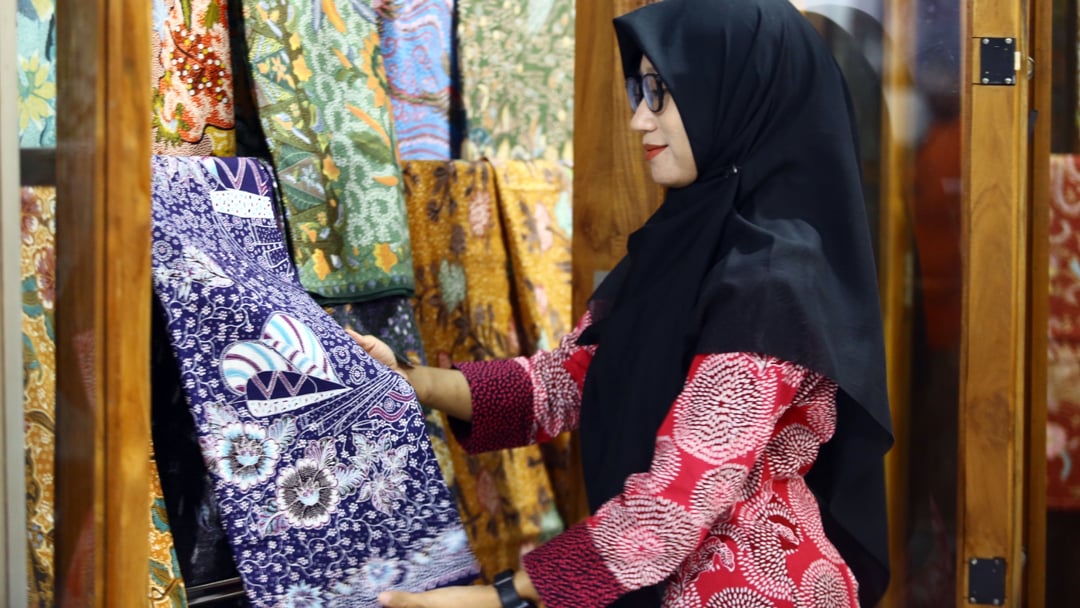
A commitment to authentic batik remains a core principle for Alfa Shoofa. Simultaneously, the brand continues to evolve Kudus motifs by integrating local symbols such as Parijoto, cloves, tobacco, and other regional identifiers.
Sporting events and visits from outside the region have provided additional opportunities for the brand to connect with new consumers. The visit from the Malaysia U-16 Women's National Team served as an example of how athletic events can introduce visitors to local products beyond the competition arena.
The preservation of batik ultimately relies on more than just storing the fabric. It must remain in active use, be studied, produced, and introduced to future generations.
Since expanding from an embroidery business established in 1992 into batik production in 2008, Alfa Shoofa has integrated the creation of authentic batik, motif development, education, and public outreach into its core business model.
Kudus batik has evolved beyond mere fabric designs. It embodies history, production techniques, artisan expertise, consumer demand, and a dynamic economic activity that adapts to the evolving needs of the Kudus community and its local events. (SNS/OEB/redaksimkk/mainkekudus)