
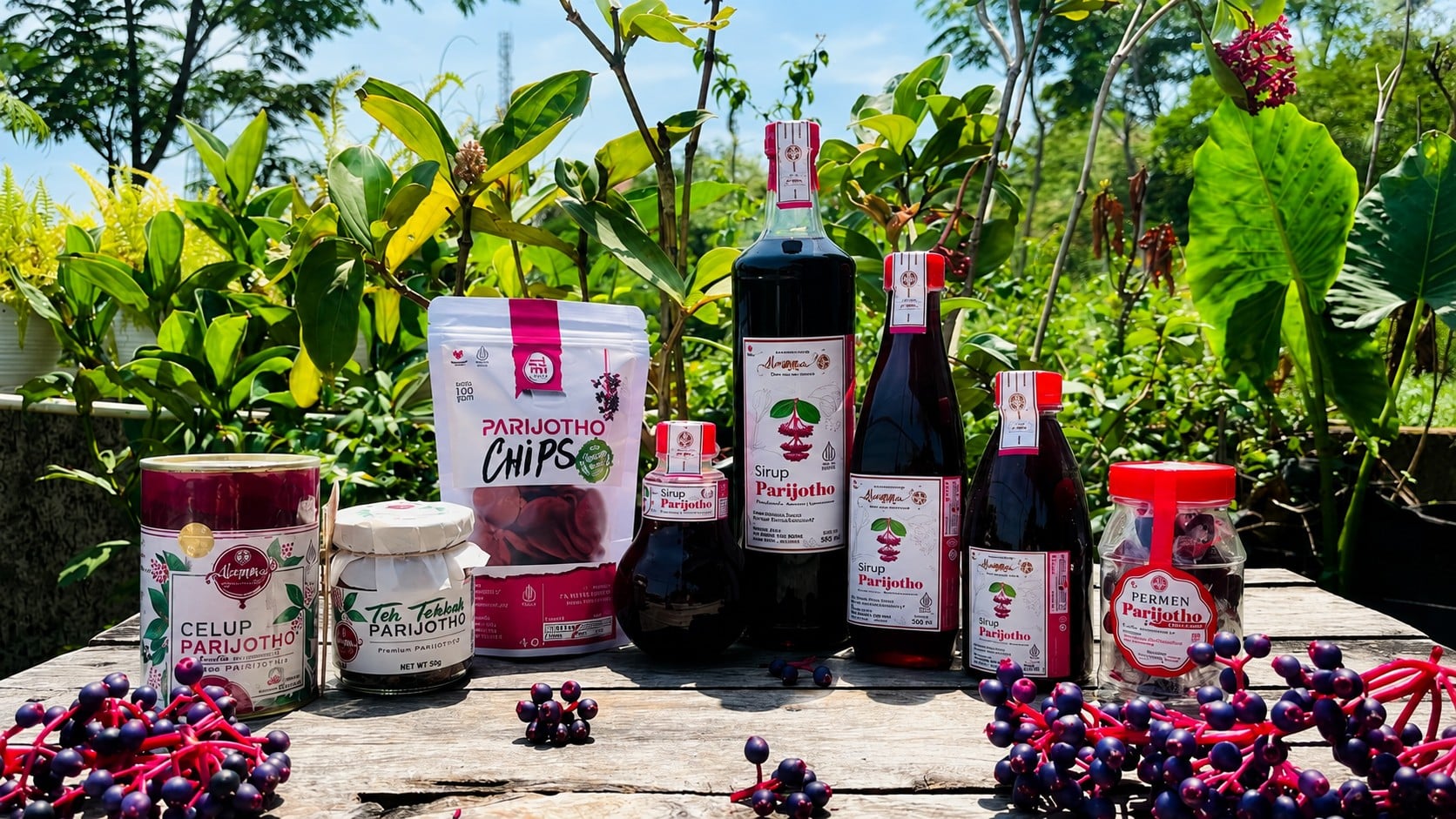
Kudus – On the slopes of Mount Muria, the path to the Sunan Muria tomb offers more than just cool mountain air and pristine forest views. Amidst the lush vegetation grows a small, purplish-red fruit that has long been intertwined with the lives of local residents: the parijoto.
For the people of Muria, the parijoto is more than just a forest plant. It is deeply rooted in oral history passed down through generations—spanning the spread of Islam, local traditions, and the philosophical values embedded in regional culture. For years, the parijoto was known primarily as a wild fruit growing on the mountainside, central to local folklore.
Now, a new chapter for this fruit has begun.
Thanks to the creative efforts of residents in Colo Village, Dawe District, the parijoto is no longer enjoyed merely as a seasonal fruit. It is now processed into various food products, most notably parijoto syrup. What was once a wild fruit gathered only during harvest season has become a signature beverage that promotes the name of Kudus while creating new economic opportunities for the community on the slopes of Mount Muria.
Parijoto (Medinilla speciosa) is a plant that grows naturally in moist mountain environments. In Kudus Regency, its habitat is strongly associated with the slopes of Mount Muria, particularly in Colo Village, Dawe District. The fruit is small and spherical, growing in dense clusters like miniature grapes, turning a purplish-red when ripe.
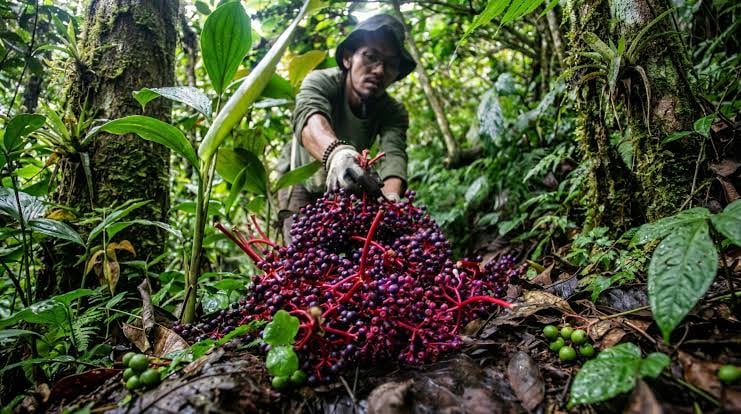
In Muria's local tradition, the parijoto is inseparable from the figure of Sunan Muria. Oral history suggests the plant has been known since the spread of Islam in the region, with the fruit believed to have been planted and introduced to the community as part of life on the Muria slopes.
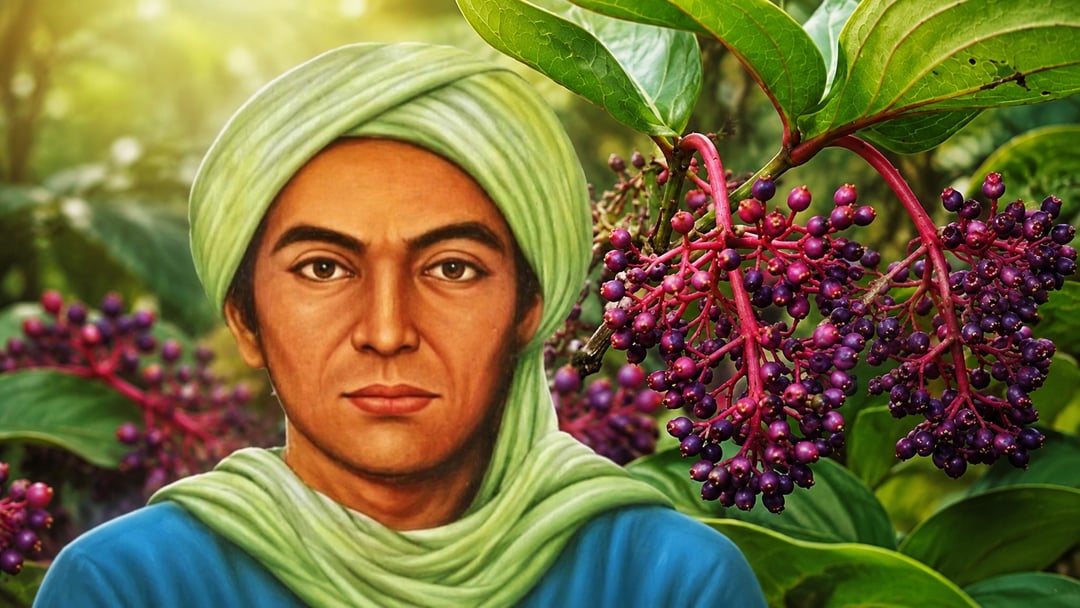
The name “parijoto” is also associated with Javanese songs containing moral lessons on the importance of controlling desire, anger, and greed. These values imbue the fruit with meaning that transcends its function as a forest product.
Furthermore, the fruit has been subject to various local beliefs for centuries. Most famously, there is a conviction that pregnant women who consume parijoto will give birth to healthy, beautiful children. This tradition persists today, even as its scientific benefits continue to be studied.
Despite its rich cultural significance, the parijoto is not easily consumed raw.
Its natural flavor is astringent, acidic, and slightly bitter. This profile has historically made it more suitable for traditional medicine or special occasions rather than daily consumption.
Change arrived when local residents began processing the fruit into more palatable food products.
Syrup has emerged as one of the most successful innovations.
By processing the fruit with added sugar, the distinct astringency of the parijoto is transformed into a sweet and refreshing drink, while retaining the characteristic touch of acidity that defines the fruit.
This innovation has brought about broader changes. Parijoto is no longer sold only as fresh fruit during harvest season but has evolved into processed products with a longer shelf life. This development ensures the signature Muria fruit can be enjoyed year-round while cementing its status as a staple souvenir of Kudus.
The journey of parijoto syrup did not begin in a massive industrial facility. It stemmed from a desire to address the underutilized potential of local produce.
A key pioneer in parijoto syrup production is Triyanto R. Sutardjo, a local entrepreneur from the tourism village of Colo in the Dawe District.
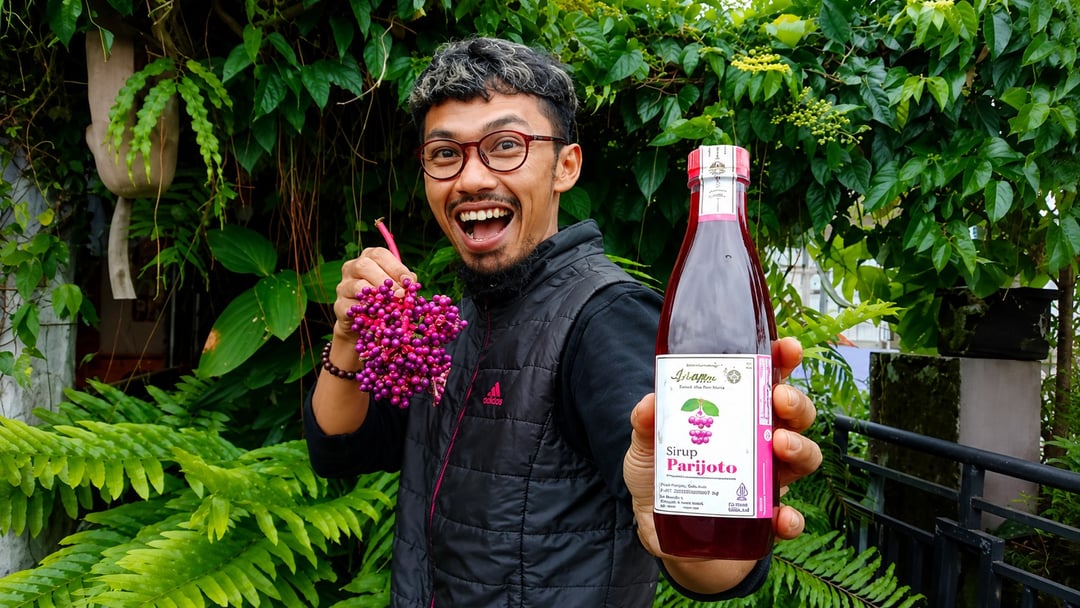
Around 2015, he noticed large quantities of parijoto going to waste during harvest season due to limited demand. Alongside his wife, he began conducting simple home experiments to transform the fruit into a syrup that would be more accessible to the public.
Repeated trials eventually yielded results. The parijoto syrup received a positive reception and gradually became recognized as a signature product of the slopes of Mount Muria.
The venture continued to grow. In 2017, Triyanto established a production facility and began developing a range of parijoto-based products through his business, Seleksi Alam Muria (Alammu).
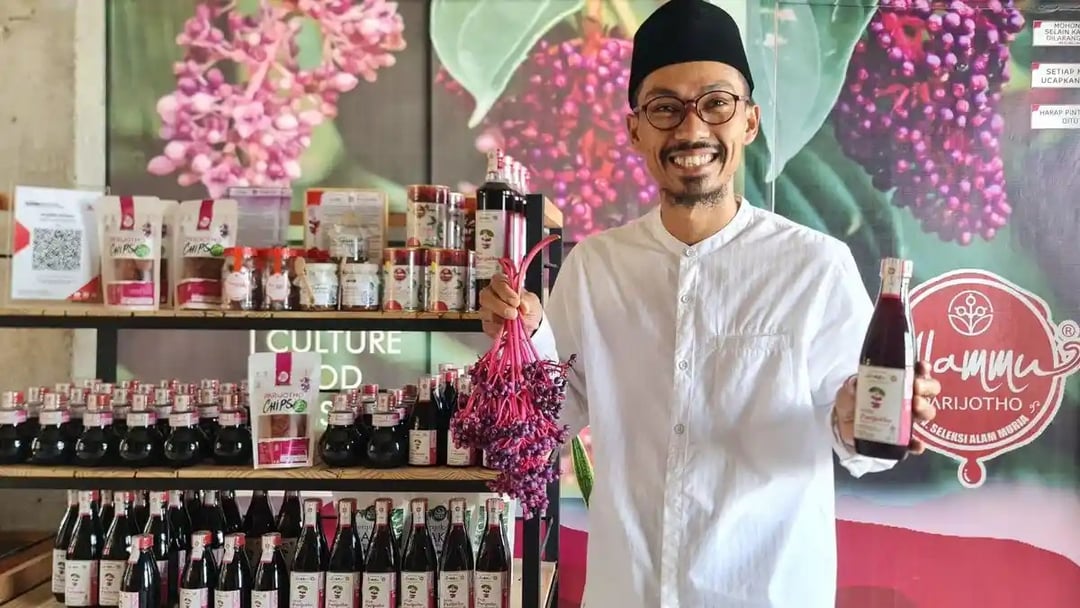
Beyond syrup, the production house has expanded its line to include parijoto tea, chips, candy, jam, and kombucha. These products are now distributed to various regions across Indonesia.
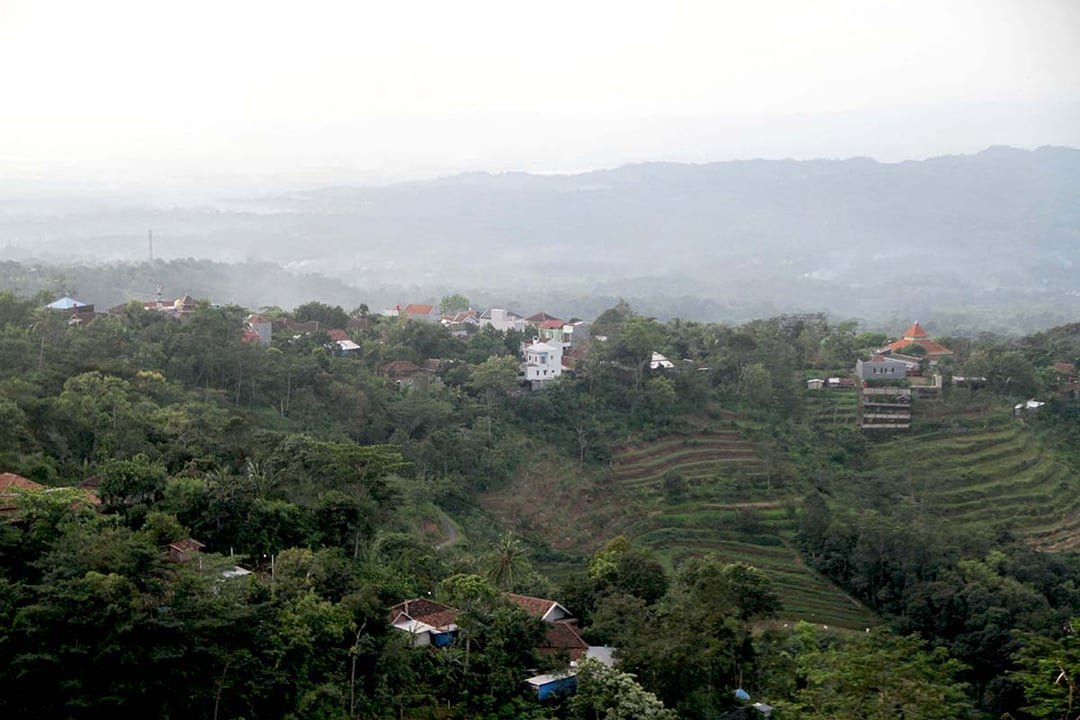
All production processes take place in Colo Village, which serves as the natural habitat for the parijoto plant.
Freshly harvested fruit is thoroughly washed, crushed, and pressed to extract the juice. This juice is then cooked with sugar for several hours until it reaches the desired consistency. After a filtration process, the syrup is bottled for market distribution.
This method effectively extends the shelf life of a fruit that was previously only available during specific seasons.
Behind every bottle of syrup lies a meticulous process—from harvests by the community on the slopes of Muria to a consumer-ready product that serves as a hallmark souvenir of Kudus.
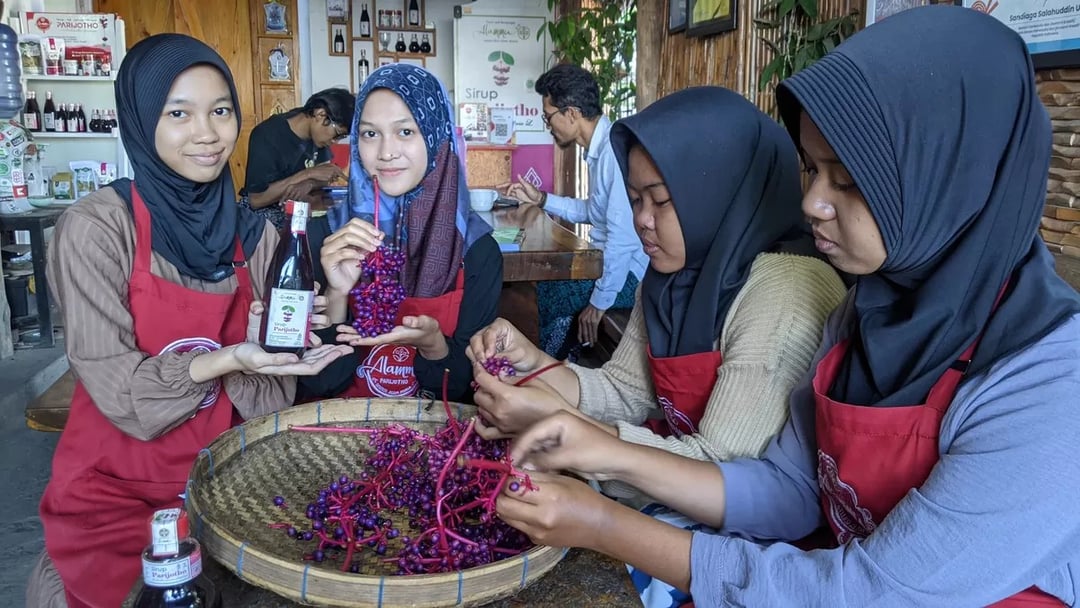
The growth of the parijoto syrup industry is not only producing new goods but also creating added value for the local community.
Triyanto’s venture involves residents of Colo Village across the entire production chain, from harvesting the fruit to processing and packaging.
This community involvement illustrates how a local commodity once used only sparingly can drive new economic opportunities through innovation rooted in regional potential.
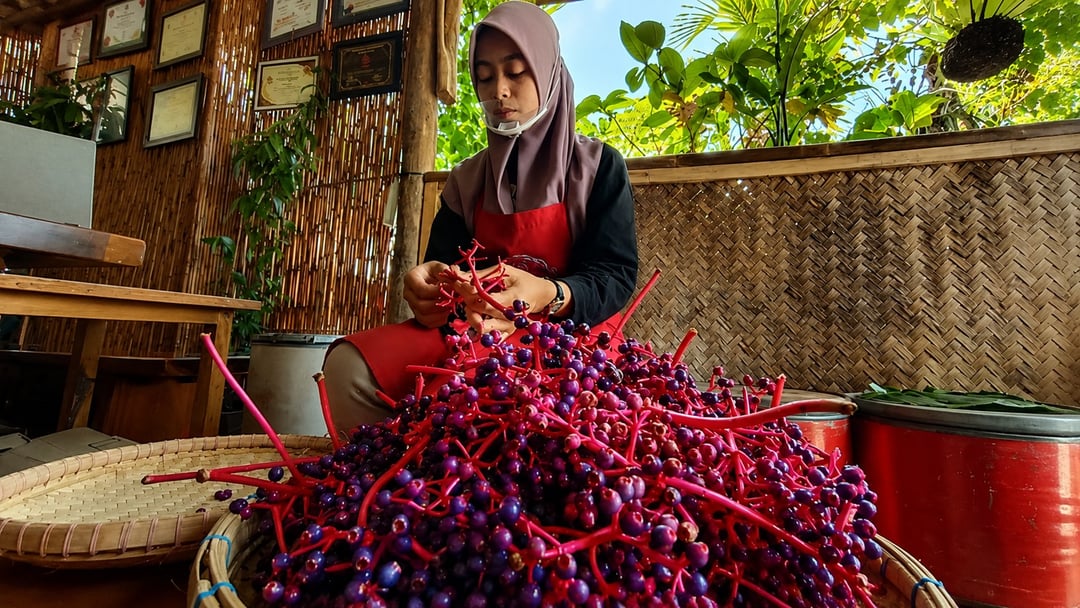
As parijoto-based products gain popularity, various community groups, micro-enterprises, and universities have begun developing similar innovations. Beyond syrup, the market now offers tea, jam, chips, candy, and fermented products, expanding the range of parijoto-based items.
This diversification ensures that the fruit, which is abundant during specific seasons, maintains its market value year-round, while reinforcing its status as a hallmark of Kudus’s biological wealth.
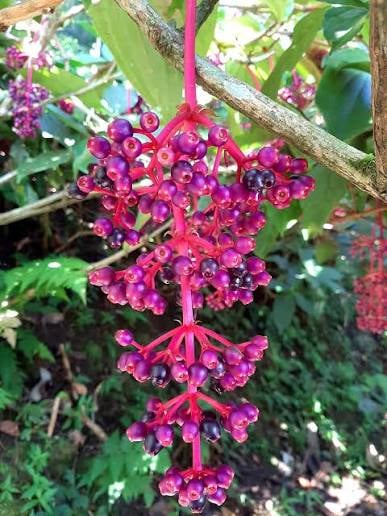
Beyond its role in local tradition, parijoto is increasingly being examined from a scientific perspective.
Research indicates that the fruit is rich in bioactive compounds, including flavonoids, saponins, tannins, polyphenols, and antioxidants. These findings serve as the basis for ongoing investigations into its potential health benefits.
In traditional practice, parijoto has long been believed to boost immunity, alleviate canker sores, and is featured in various customs related to pregnancy.
However, these potential benefits still require further clinical study to confirm their efficacy through scientific standards.
Parijoto syrup is now widely available at gift shops throughout Kudus and in the tourism areas on the slopes of Mount Muria.
The product comes in a variety of sizes, with market prices fluctuating based on bottle volume and brand.
Small 100 to 250-milliliter bottles generally retail between Rp 15,000 and Rp 45,000. Mid-sized bottles of approximately 350 milliliters are priced between Rp 30,000 and Rp 63,000, while large 500-milliliter containers range from Rp 55,000 to Rp 95,000 per bottle.
This variety in sizing and pricing makes parijoto syrup accessible to a wide consumer base, whether as a Kudus specialty souvenir or for daily consumption.
At various souvenir centers, this product is frequently sought by consumers familiar with parijoto through Muria community traditions or information regarding its potential benefits. However, claims about the health benefits of parijoto still require further clinical research for scientific verification.
Parijoto syrup demonstrates that local heritage does not have to remain a relic of the past.
Through community-led innovation, a fruit once known primarily for its folklore is now available in a form integrated into daily life. Each bottle captures the essence of the Muria mountain slopes, local wisdom, entrepreneurial creativity, and the extensive process of transforming forest produce into value-added goods.
The evolution of parijoto into syrup illustrates that preserving local wealth does not always require maintaining traditional forms. By bridging tradition with innovation, this heritage from the slopes of Mount Muria remains relevant to future generations while providing economic benefits to the communities that maintain it.
Article sources: https://tourism.kuduskab.go.id/id/olahan-parijoto/ , https://muria.tribunnews.com/2024/04/04/kisah-triyanto-jatuh-bangun-racik-sirup-parijoto-penyubur-kandungan-dari-lereng-muria , https://muria.suaramerdeka.com/muria-raya/0713068563/berawal-dari-mitos-buah-parijoto-diolah-menjadi-berbagai-produk-turunan