
KUDUS – The final whistle marked the end of the match, but for hundreds of young female players gathered in Kudus for the MilkLife Soccer Challenge (MLSC) All Stars 2026, it served as the beginning of a much longer journey.
Over the course of a week, the pitch was defined by more than just inter-team rivalry. Girls from various regions arrived with a shared ambition: to play football, develop their skills, and one day represent the national team. Simultaneously, the tournament provided a significant economic boost to the Kudus Regency, impacting local hotels, small businesses, and the tourism sector.
The MilkLife Soccer Challenge All Stars 2026 final on Sunday afternoon (June 28) ended in a tense stalemate. With the match between All Stars Kudus and All Stars Jakarta locked at 1-1 after regulation time, the host team, Kudus, eventually clinched victory in a penalty shootout.
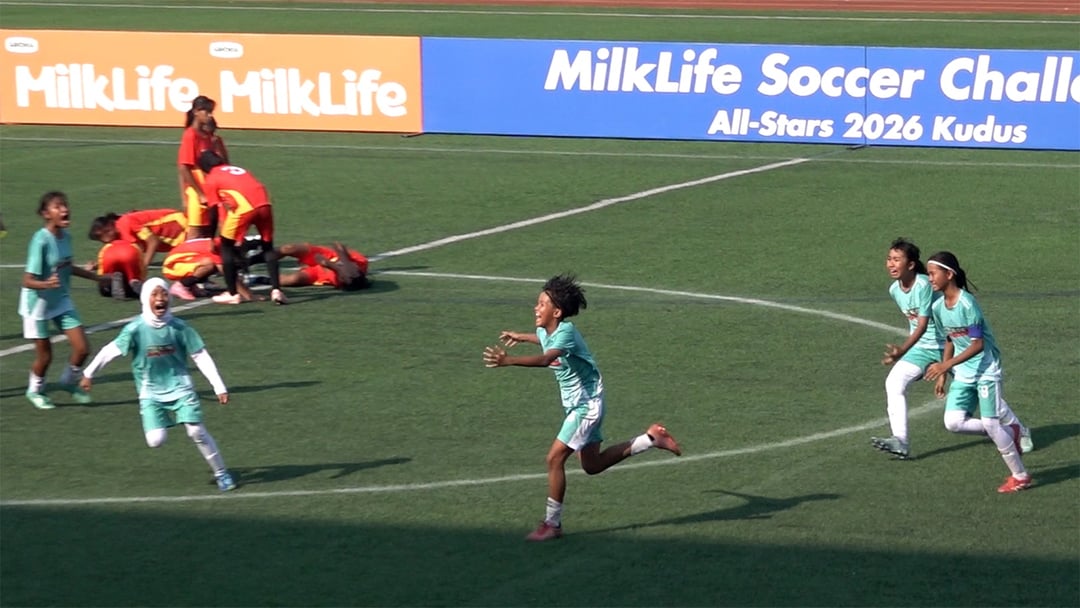
The win represents more than just a trophy; it signifies the emergence of a new generation of Indonesian women's football talent currently being groomed for the professional level.

The MilkLife Soccer Challenge All Stars 2026 is part of the Women’s Soccer Trilogy, a development series running from June to August 2026. Following the conclusion of the MilkLife Soccer Challenge All Stars on June 23–28, the series continues with the HYDROPLUS Soccer League All Stars 2025/2026 from July 5–12, before culminating in the Srikandi Merdeka Cup, which will feature teams from across Indonesia and abroad.
For MilkLife Soccer Challenge Program Director Teddy Tjahjono, the atmosphere throughout the tournament serves as a clear indication that the development program is yielding results.

"This is a long-term process that shows real progress. Compared to last year, both the quality of play and the number of participants have improved significantly. We are very optimistic that the future of women's soccer in Indonesia will be much brighter," Teddy said at a press conference following the match.
According to Teddy, building an ecosystem for women's soccer goes beyond improving the technical skills of players. Competitive mentality and international experience are also essential components of the process.
As a result, top-performing players will have the opportunity to participate in The SingaCup in Singapore as part of their advanced training.
"The goal is to provide international experience, foster confidence, and refine their technique at a higher level," he added.
Beyond the cheering crowds and the intense competition on the field, the MilkLife Soccer Challenge All Stars 2026 also demonstrates how sports can drive regional economic activity.
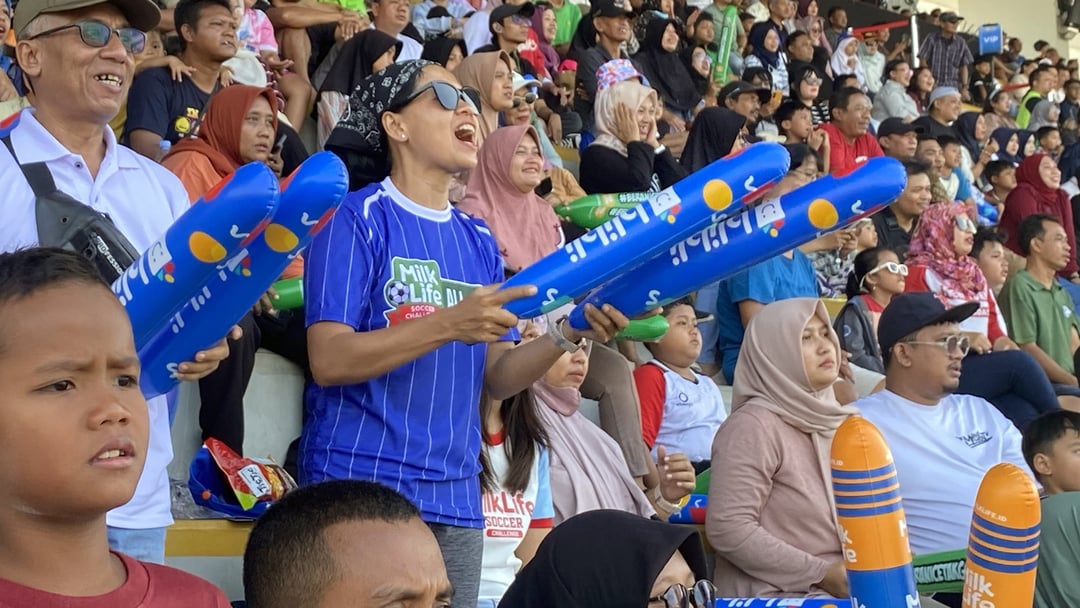
Community activity surged during the week of the tournament. The influx of athletes, coaches, families, officials, and spectators from various regions boosted the hospitality, culinary, and local business sectors.
For Kudus Regent Sam'ani Intakoris, the collaboration between the Bakti Olahraga Djarum Foundation and the Kudus Regency Government has yielded benefits that extend far beyond the pitch, positively impacting the wider community.

“Today's match was extraordinary. It is a shared achievement. The economic impact on the community is palpable, with hotel taxes and regional revenue on the rise. This is the legacy we aim to leave behind: building a sustainable sports ecosystem where tourism growth goes hand-in-hand with public welfare,” asserted Sam’ani.
“When Sports Move, The City Moves” captures the impact currently being felt in Kudus. Sporting events are not just providing competition; they are driving sports tourism and boosting the local economy. As a result, Kudus' GDP has tripled compared to other cities due to these sports tourism activities.
Kudus Regent Sam’ani Intakoris also praised the Djarum Foundation's commitment to early childhood development, which he views as a vital foundation for the future of women's football in Indonesia.
“I am impressed by their deep commitment to the grassroots level. My message to the young players is: do not be afraid to score goals and have the courage to perform on the international stage. Let us nurture this women's football ecosystem together,” he urged.
For the girls filling the stands or watching from the sidelines, this tournament offers much more than mere entertainment. They see peers their own age chasing the ball, encouraging one another, and celebrating every goal with immense joy.
That sight, according to Teddy, is exactly what he hopes will foster new dreams.
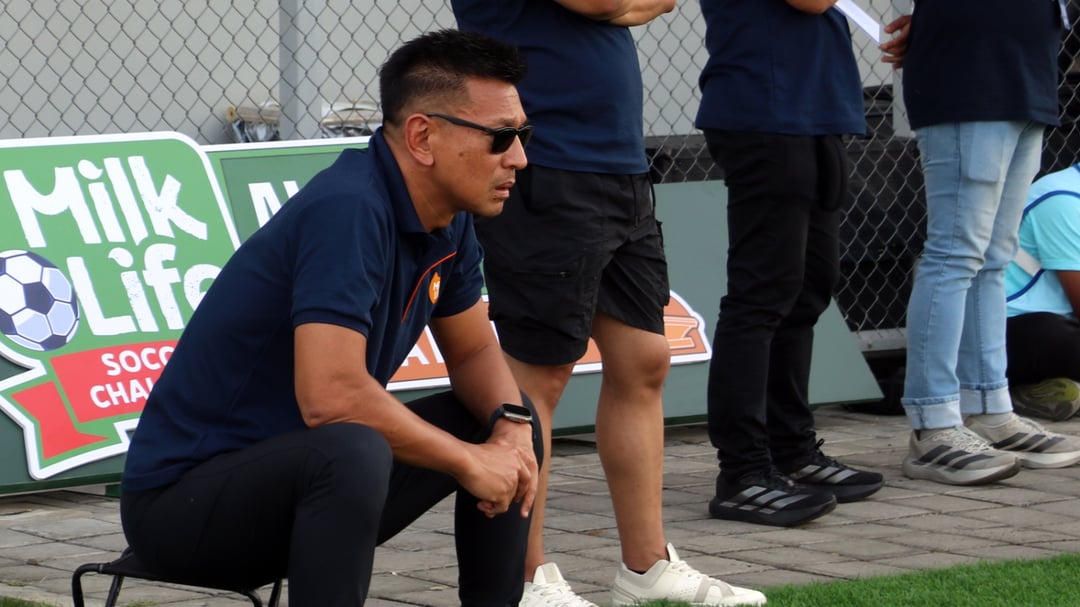
“To the young athletes, keep training. For those not yet playing, look at the joy and fun radiating from your friends on the field today. Let that be a magnet to start exploring football further,” he said.
The Women’s Soccer Trilogy serves not just as a series of competitions, but as an effort to build a sustainable women's football ecosystem. It provides space for young athlete development, opportunities to gain match experience, and generates economic impact through sports tourism.
In Kudus, these processes work in tandem. On one hand, young girls are given a stage to pursue their dreams on the pitch. On the other, sports activities stimulate the local economy. From a single match, more than just winners are born; there is a growing hope that women's football development will continue to flourish, while providing broader benefits for the region and future generations. (JMY/mainkekudus)