
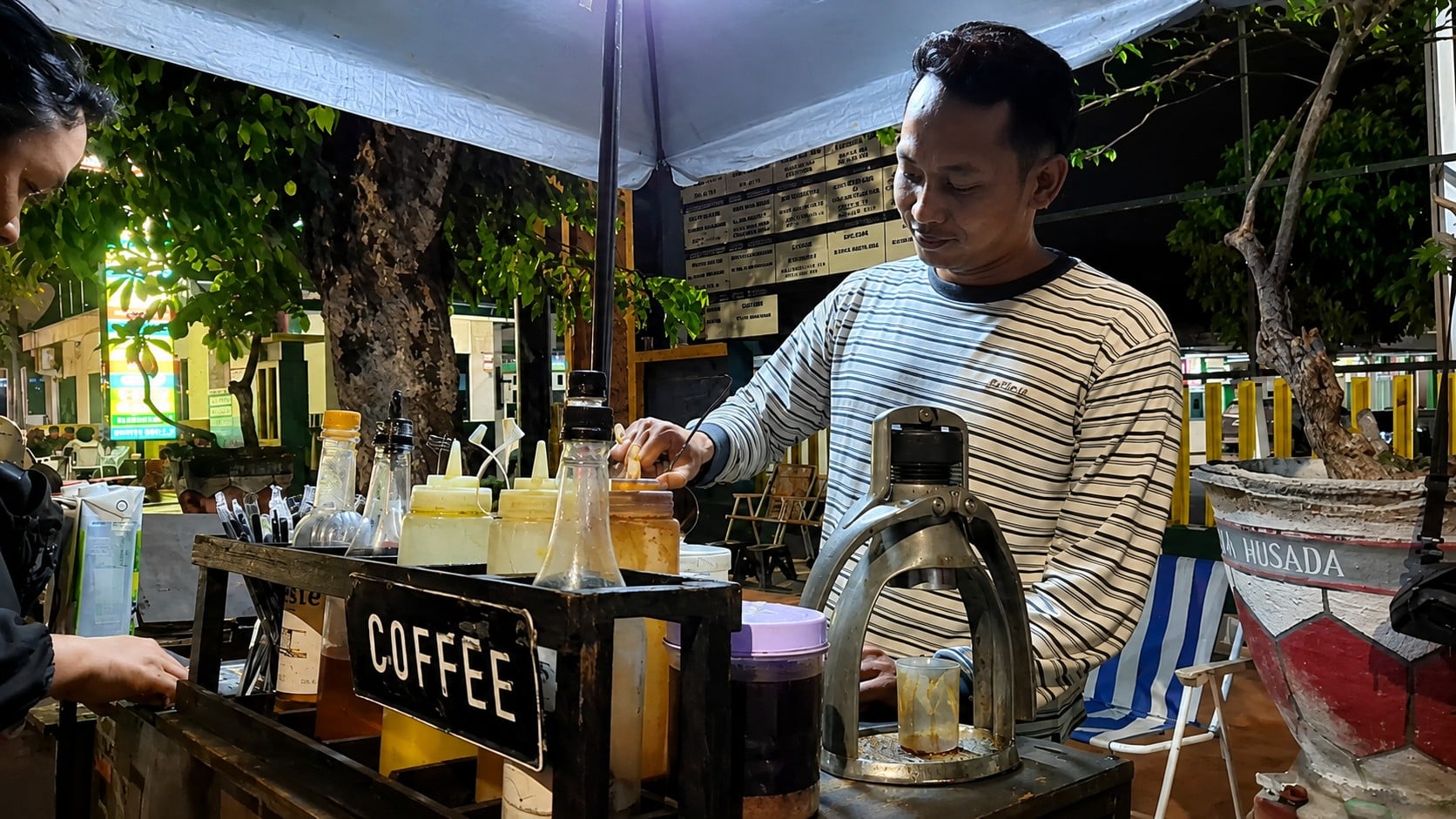
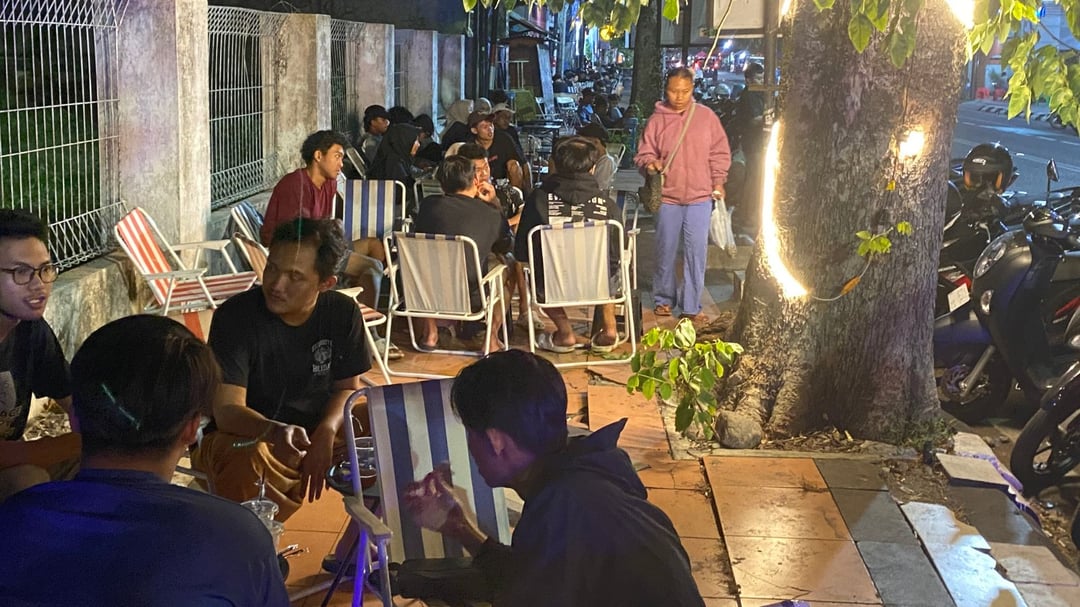
KUDUS – As dusk settles, streetlights illuminate the center of Kudus. The hum of traffic persists along Jalan Ahmad Yani, Simpang Tujuh, and Jalan Sunan Kudus. Yet, as the clock nears 7 p.m., the atmosphere undergoes a subtle shift. On the increasingly busy sidewalks, coffee carts set up shop. The scent of fresh coffee fills the air, folding chairs are arranged in rows, and animated conversations emerge among the passing crowds.
This phenomenon is known as street coffee, a concept featuring coffee served in public spaces—such as roadsides or sidewalks—using carts, small booths, or motorized vehicles. Beyond offering affordable prices, street coffee provides a simple, accessible communal space for all walks of life.
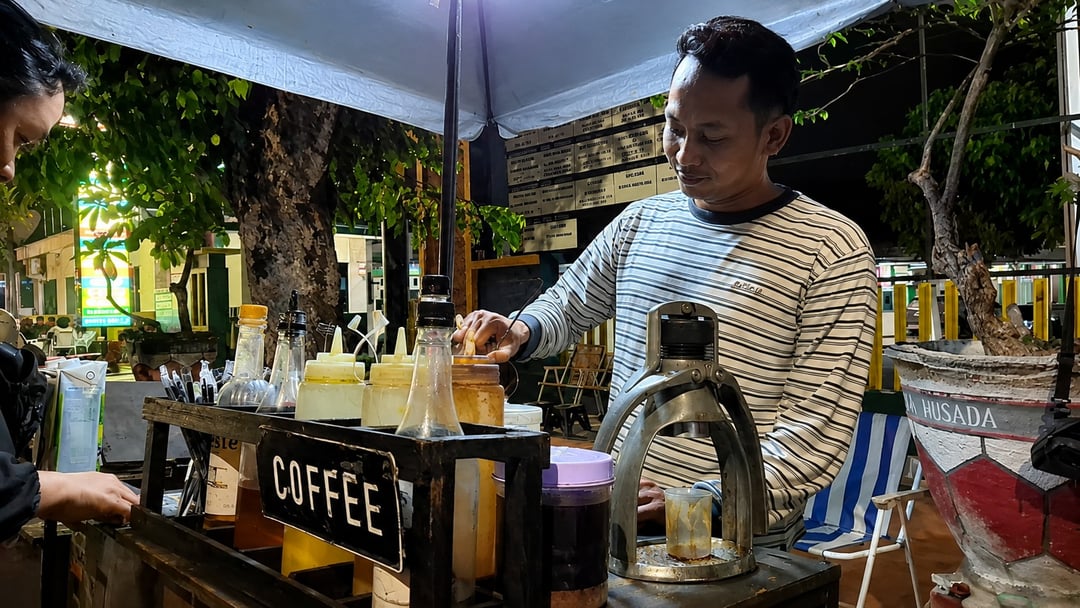
Nightfall marks the beginning of activity for Kudus's street coffee scene. The area serves as more than just a place to enjoy a cup of coffee; it is a public space that brings together entrepreneurs, communities, and tourists in the city’s vibrant pulse. Behind every served cup lies a story: the ambition of young entrepreneurs, the livelihoods of small traders, and a city center steadily evolving into a nocturnal tourist destination.
This phenomenon stems from the creativity of street coffee vendors leveraging the city's bustling nightlife. Today, approximately 77 coffee vendors operate across major streets, including Jalan Ahmad Yani, Simpang Tujuh, Jalan Sunan Kudus, and Jalan dr. Loekmonohadi. Their operations typically run from 7 p.m. until midnight, as city traffic thins and sidewalks evolve into meeting points.
The growth of this sector has drawn the attention of the local government. While street coffee is seen as an economic opportunity for the community, sidewalk activity must still preserve public space for pedestrians. The Kudus Regency Government has adopted a regulatory and guidance approach, allowing businesses to operate while maintaining public order. Through Regional Regulation Number 11 of 2017 concerning the Management and Empowerment of Street Vendors, activities on various streets are now governed by operational hours and licensing requirements. This approach aims to keep public spaces accessible to citizens while providing room for MSMEs to grow.
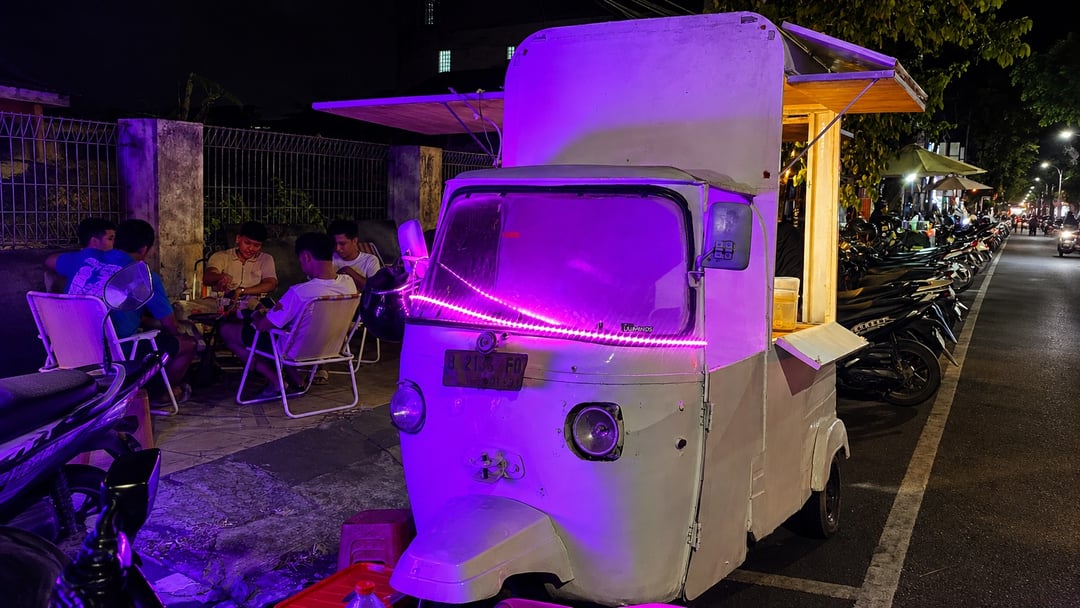
Among dozens of lined-up carts, Tinemu Coffee stands out. The name "Tinemu" is an acronym for "titik untuk bertemu" (a meeting point), a simple philosophy reflecting the hope that a cup of coffee can bring people together to share their stories.
"When my friends want to hang out, I direct them to our stalls. That is why we named it Tinemu, to give it a distinct identity as a place to meet," said owner Haidar Kamal.
The business did not emerge overnight. Haidar previously managed a coffee shop in Ngembalrejo, but chose to close it when the lease expired and operational costs mounted. He moved his indoor equipment to a simple cart—a decision that served as an unforeseen turning point.
Armed with his coffee-brewing experience and gear from his old shop, he opened a cart in downtown Kudus. The public response was overwhelmingly positive. Within a year, his business expanded to three street coffee locations and a coffee shop in the Megawon area.
According to Haidar, the city center has a unique character. Heavy daytime traffic transforms into an opportunity once the sun goes down.
"It is congested with vehicles during the day, but at night, it becomes a comfortable space. It is close to the Simpang Tujuh Town Square, so many people stop by after their daily activities," he explained.
The clientele is diverse, ranging from students and office workers to young families, motorcycle communities, and tourists visiting Kudus, all filling the folding chairs each evening. Although the cart opens at 7:00 PM, the atmosphere typically peaks between 7:30 PM and 9:00 PM.
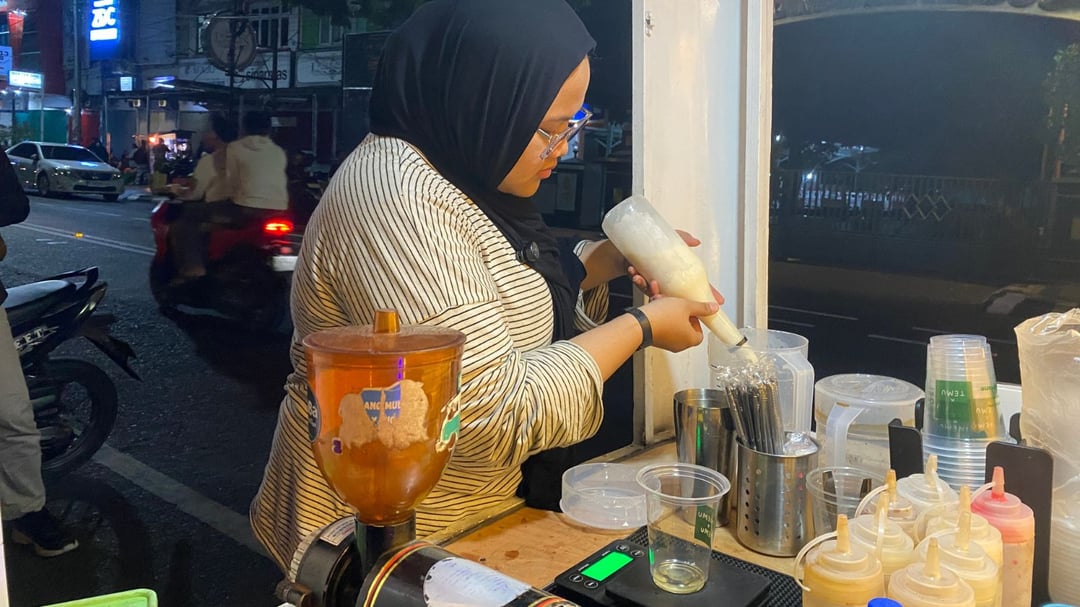
Behind every cup served, Haidar strives to maintain ties to the local economy. All coffee used comes from Muria coffee beans supplied through local roasteries. For him, the decision is not just about taste, but also a form of support for coffee farmers on the slopes of Mount Muria.
"The local government's policy encourages us to use local coffee. This means we are indirectly supporting Muria coffee farmers. The benefit extends beyond just us; it reaches the farmers as well," he said.
The Kudus Regency Government continues to promote the development of Muria Coffee as a premier local product. Coffee cultivation on the slopes of Mount Muria has been passed down through generations since the late 19th century and is now a commodity highlighted in various MSME promotional activities. The hundreds of hectares of coffee plantations on the slopes of Mount Muria provide a steady supply for local businesses, including street coffee outlets.

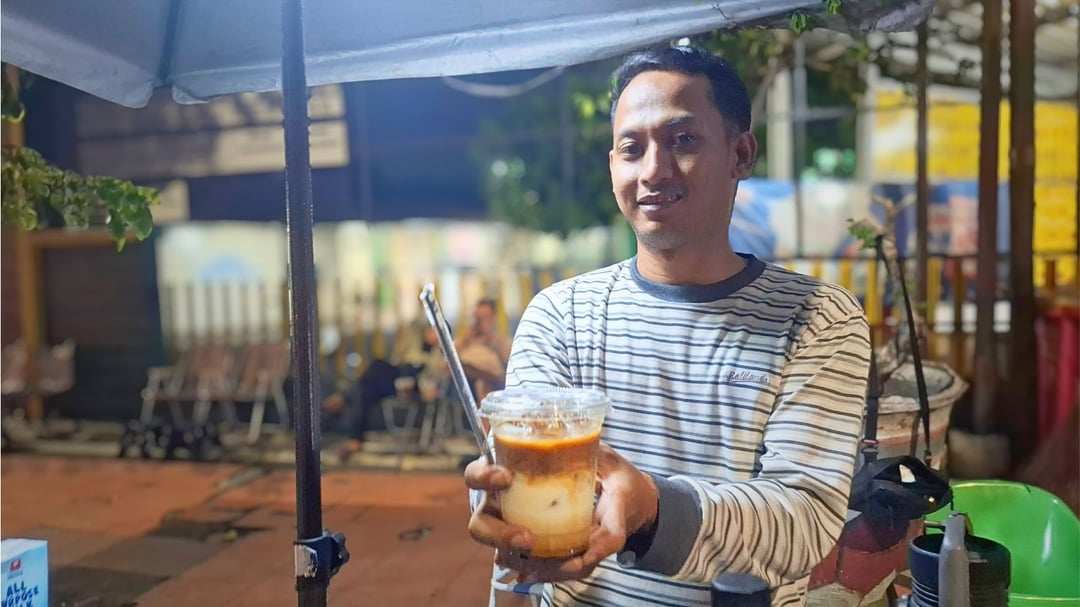
The most popular item at Tinemu Coffee is the iced coffee milk, priced at Rp13,000 per cup.
"We have never claimed our coffee is the best, but the coffee milk is indeed the most frequently ordered because customers find it fair value for the price," Haidar said.
Beyond coffee quality, the affordable price is a key reason many young people choose to spend their evenings here. For just over ten thousand rupiah, they can enjoy a drink made with local beans while socializing in an open-air setting.
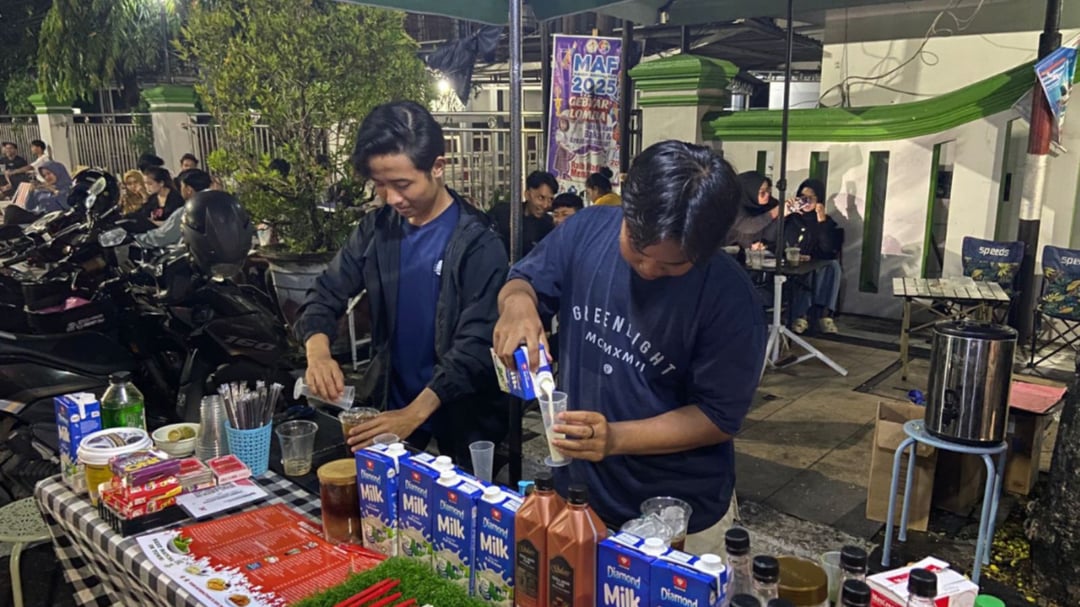
Behind every cup served, there is a nightly learning process. Shafira Ramadhani is one of the faces helping to animate the street coffee scene. Although she has been a barista for two years, she has only been with Tinemu Coffee for four months, yet she finds it a distinct experience compared to working in a traditional coffee shop.
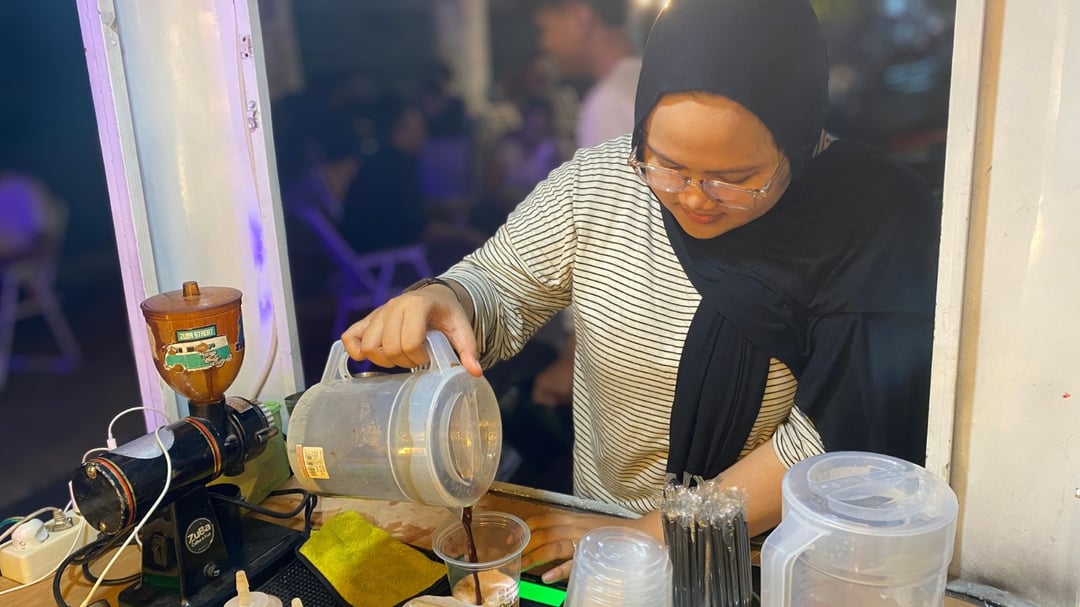
She believes that being an open-air barista involves more than just brewing drinks. Each night, she encounters a diverse range of people. Some customers stay only briefly, while others linger for hours chatting with friends. She even maintains contact with some tourists from other regions after connecting on social media.
"What I enjoy most is meeting new friends. I talk to different people almost every night, which has given me a lot of experience," she said.
For Shafira, every customer is an opportunity to learn. She frequently discusses flavor preferences with visitors and, if feasible with available ingredients, tries to accommodate custom requests even if they are not on the official menu.
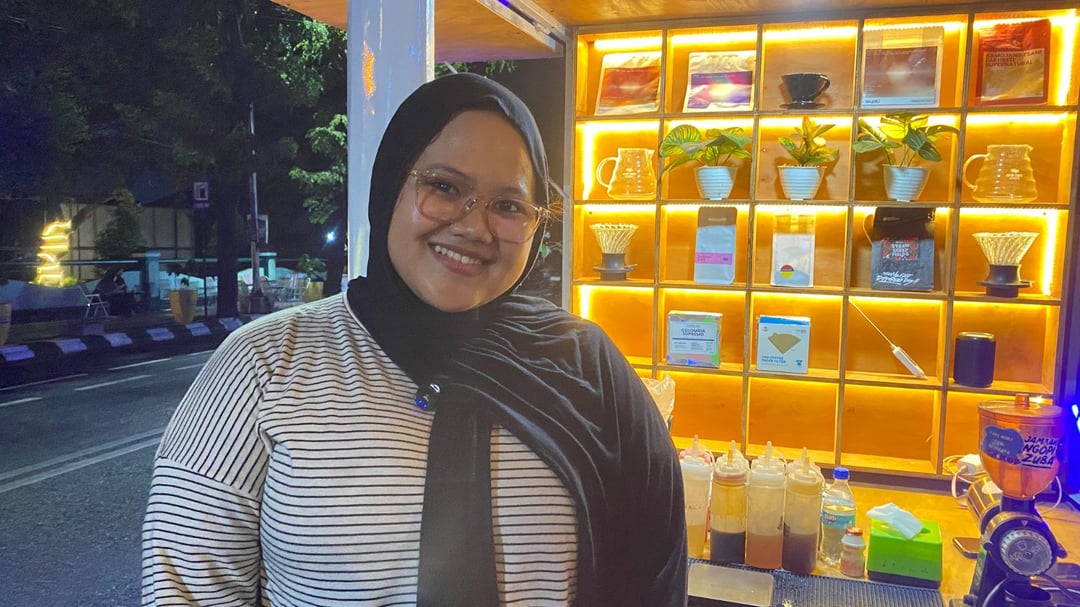
“I am still learning. Sometimes I ask customers what kind of coffee they prefer. If I can accommodate their request even if it is not on the menu, we try our best,” she said.
Such interactions provide a distinct atmosphere rarely found elsewhere. The bond between barista and customer extends beyond mere transactions, evolving into familiar nightly conversations.
The popularity of street coffee has also benefited neighboring businesses. Not far from the coffee carts, the aroma of nasi uduk and ayam penyet attracts visitors looking for a meal after enjoying their coffee.
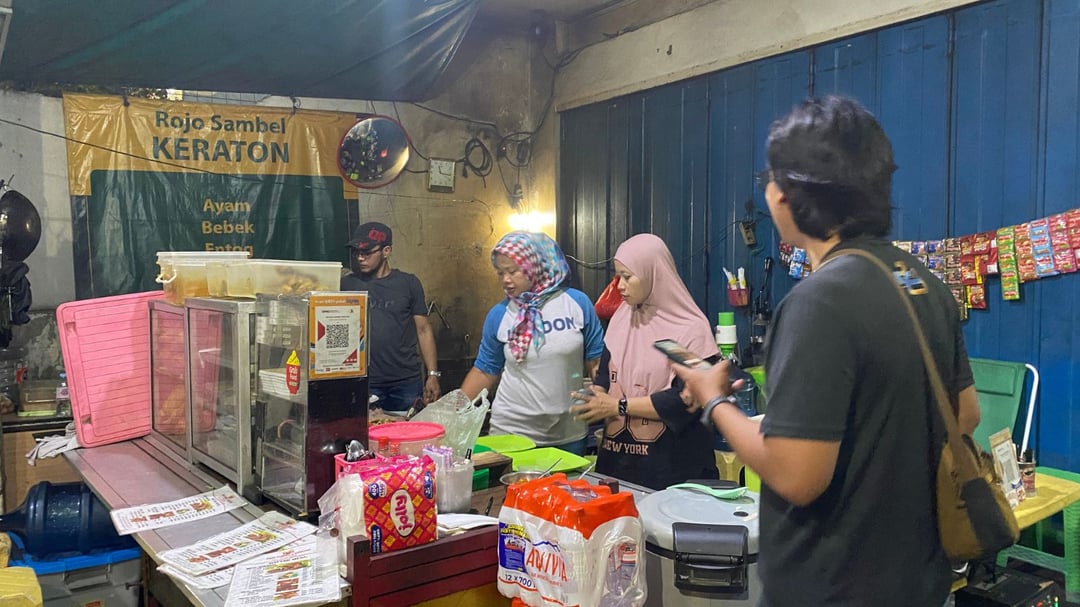
Shofa is one vendor who has felt this impact. For the past five years, she has relied on selling food in the street coffee district. Unlike most tenants focusing on beverages, she chose to serve heavy meals, identifying an untapped market opportunity.
“On this coffee street, most vendors sell coffee. After drinking coffee, people usually look for a meal, so they stop by here,” she explained.
Her menu is diverse, featuring ayam penyet, bebek penyet, catfish, fried eggs, and nasi uduk. The variety of options allows visitors to stay in one place to continue their conversations over dinner.
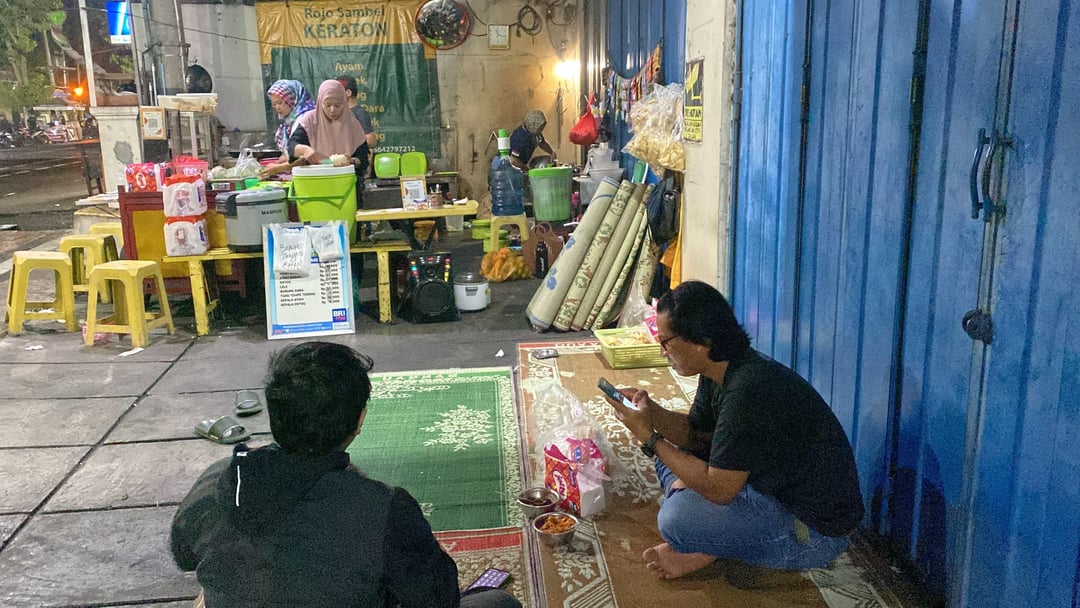
For Shofa, weekend nights are the most anticipated time. The number of visitors typically surges as more young people and families spend time in the city center.
“On Saturday nights, many young people go out, so sales increase. The street coffee scene has greatly helped our business growth,” she said.
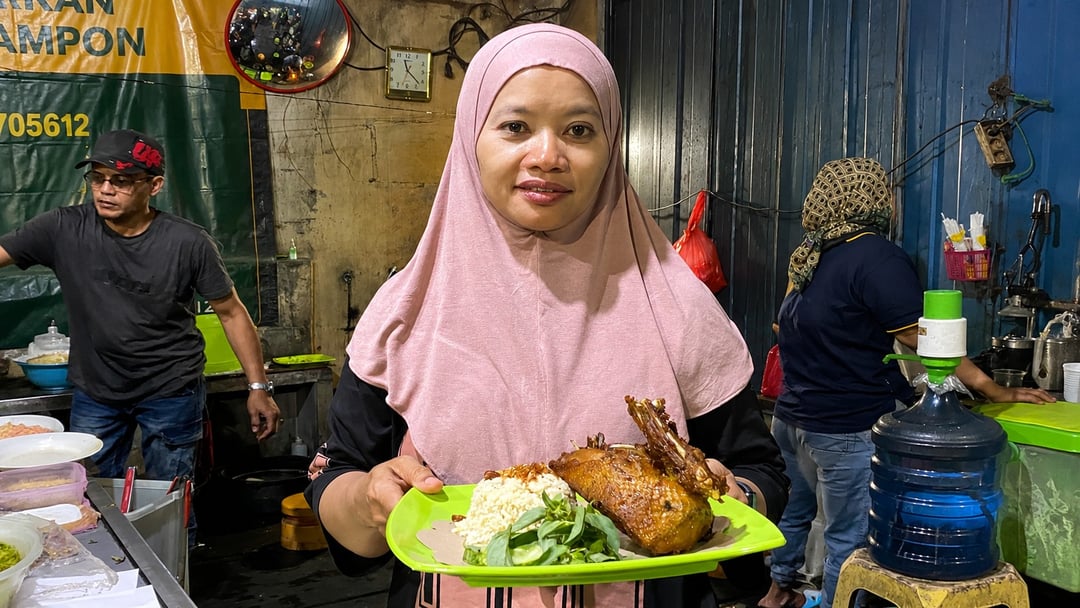
Despite this, weather remains an unavoidable challenge. When it rains, foot traffic declines, causing business activity to slow.
“When it rains, sales drop. There is nothing we can do; it is beyond our control,” she said.
Beyond food vendors, the rise of street coffee has created opportunities for other micro, small, and medium enterprises (MSMEs). Throughout the area, visitors can find traditional food carts, fried tofu sellers, various snacks, and traditional drinks. With prices ranging from Rp 10,000 to Rp 30,000, the area is an accessible destination for a broad range of consumers.
For Joni Kamal, street coffee offers a unique appeal compared to indoor cafes. He visits nearly every week to enjoy the night atmosphere while having a cup of coffee.

“I enjoy the ambiance. Sitting back and watching the traffic pass by is pleasant,” he said.
He noted that open spaces provide an experience more connected to urban life.
“Here, you feel more integrated with the city. You feel the breeze and see people passing by, so it feels more alive,” he added.
This sentiment is reflected in the popularity of the area as a gathering point for various communities. Automotive enthusiasts, cyclists, photographers, and street musicians use the public space to connect after their activities. Occasionally, the sound of an acoustic guitar accompanies conversations, adding to the warm evening atmosphere in downtown Kudus.
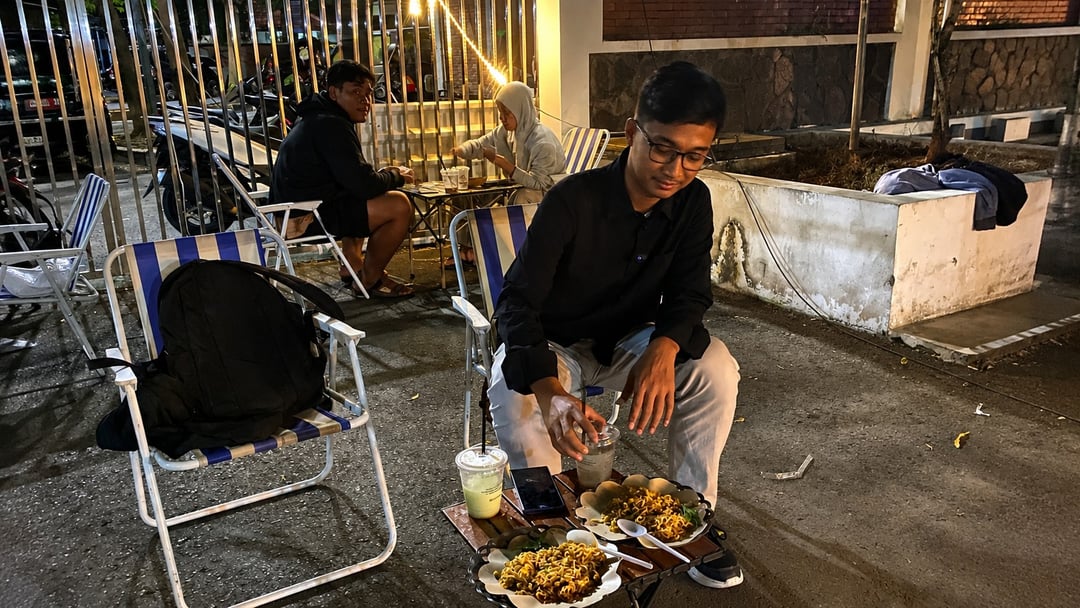
The street coffee scene is also bolstered by national-scale events hosted in Kudus. According to Haidar, whenever the city hosts sports championships, concerts, or other major events, evening foot traffic tends to increase as participants and spectators seek places to unwind after the programs conclude.
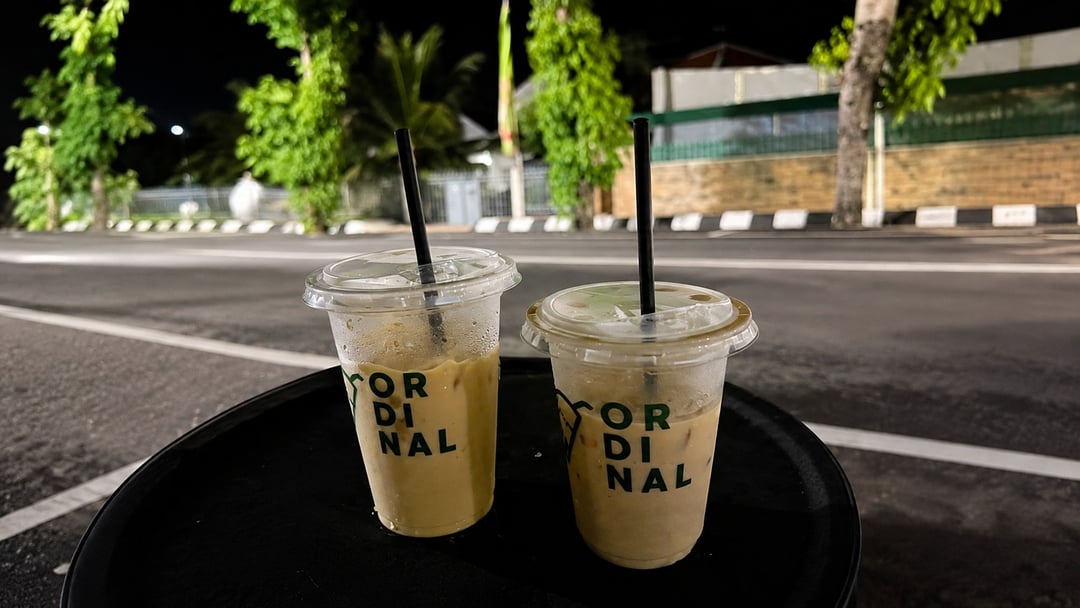
Nevertheless, he hopes for continuous improvement in area management so that economic activities can coexist with the sidewalk's primary role as a public space.
“I hope for better organization. Perhaps it could be modeled after Malioboro, with a more orderly layout that ensures comfort for both pedestrians and visitors,” he suggested.
This sentiment aligns with the Kudus Regency Government's strategy, which favors development and regulation over repressive enforcement. The government aims to support the growth of MSMEs while prioritizing pedestrian comfort, area cleanliness, and compliance with regulations governing street vendors.
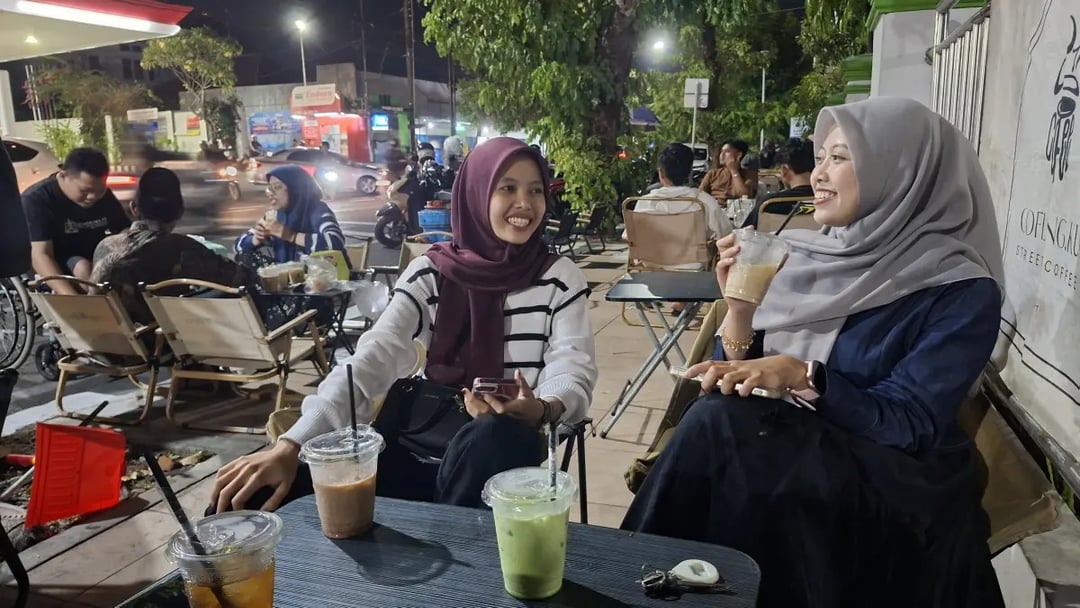
Approaching midnight, the carts begin to close one by one. Folding chairs are packed away, brewing equipment is cleaned, and the small lights atop the carts are slowly dimmed. The sidewalk, which bustled with conversation hours earlier, returns to a quiet public space.
Each night, this routine repeats. Baristas head home with new experiences, food vendors tally their daily earnings, local Muria coffee farmers see their harvests utilized by local roasteries, and customers carry home simple memories of shared conversations.
Ultimately, street coffee represents more than just a way to drink coffee outdoors. It illustrates how urban spaces can integrate economic activity, social interaction, and community creativity. On the sidewalks traversed by thousands daily, a cup of coffee binds countless stories, as the night in Kudus finds its pulse through those who gather, connect, and earn a living late into the evening. (ITN/mainkekudus)