
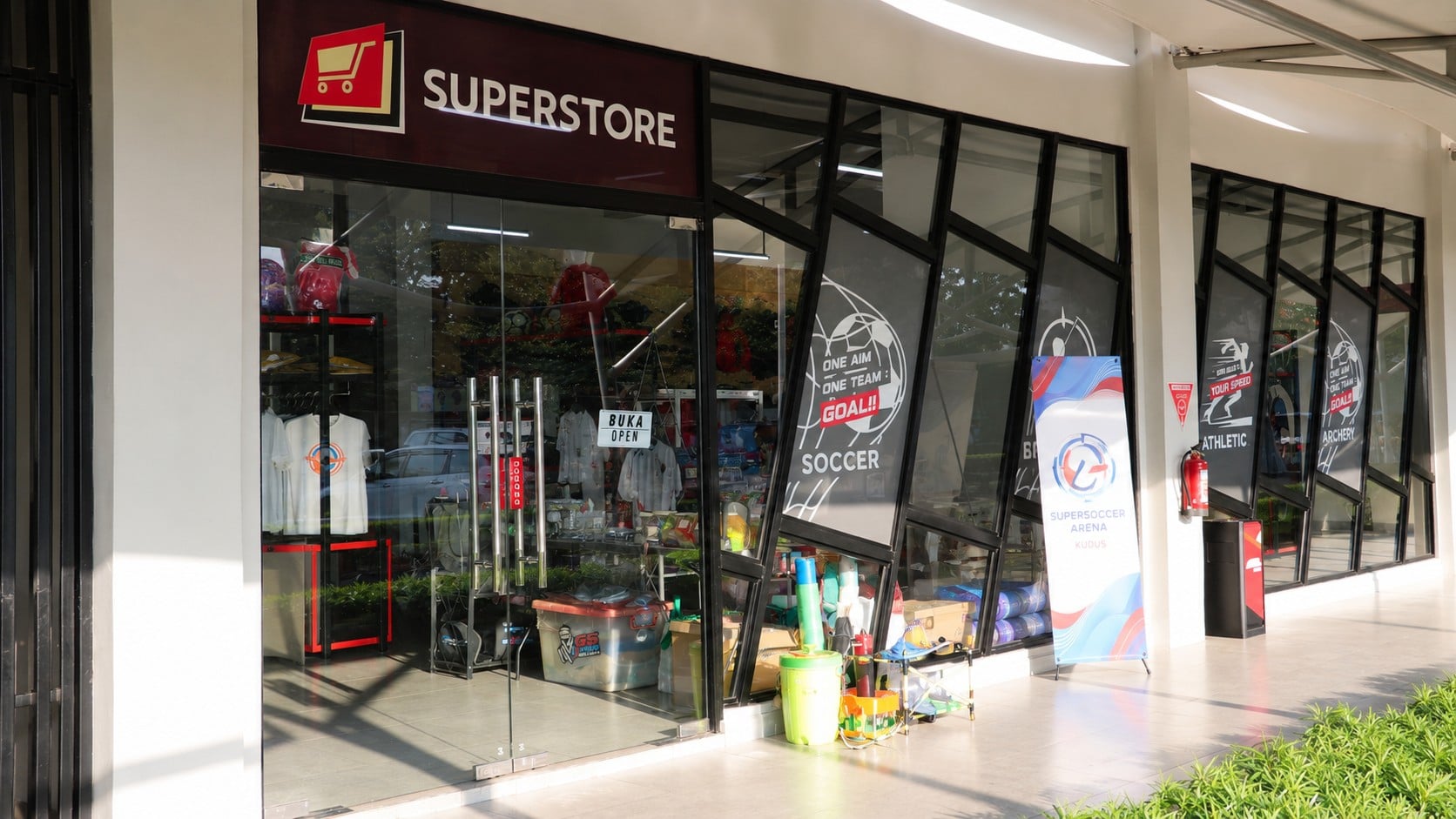
KUDUS – As hundreds of young athletes crowded the archery range at the Supersoccer Arena in Kudus, public attention was firmly fixed on every arrow aimed at the targets. Yet, within the same complex, another space proved equally active. The Superstore, a sporting goods retailer located within the Supersoccer Arena, served the needs of athletes, coaches, and parents throughout the 2026 National Junior Archery Championship. In addition to a wide range of general athletic gear, the Superstore offered specialized archery equipment, catering to everyone from beginners to high-level competitors seeking essential training and tournament supplies.
From July 22–29, 2026, the Supersoccer Arena hosted the MilkLife Archery Challenge 2026 National Junior Archery Championship, drawing 906 athletes from 29 provinces. Amidst the demanding tournament schedule, the Superstore became a popular hub for participants. Athletes visited to replace missing or damaged gear, consult on equipment specifications, and purchase souvenirs before returning home.
The presence of the store underscores that a sports arena serves more than just its primary function as a competition site. A surrounding ecosystem has emerged to support the needs of athletes. The Superstore functions as a vital part of this ecosystem, bridging the gap between championship operations and the essential supply chain required throughout the tournament.
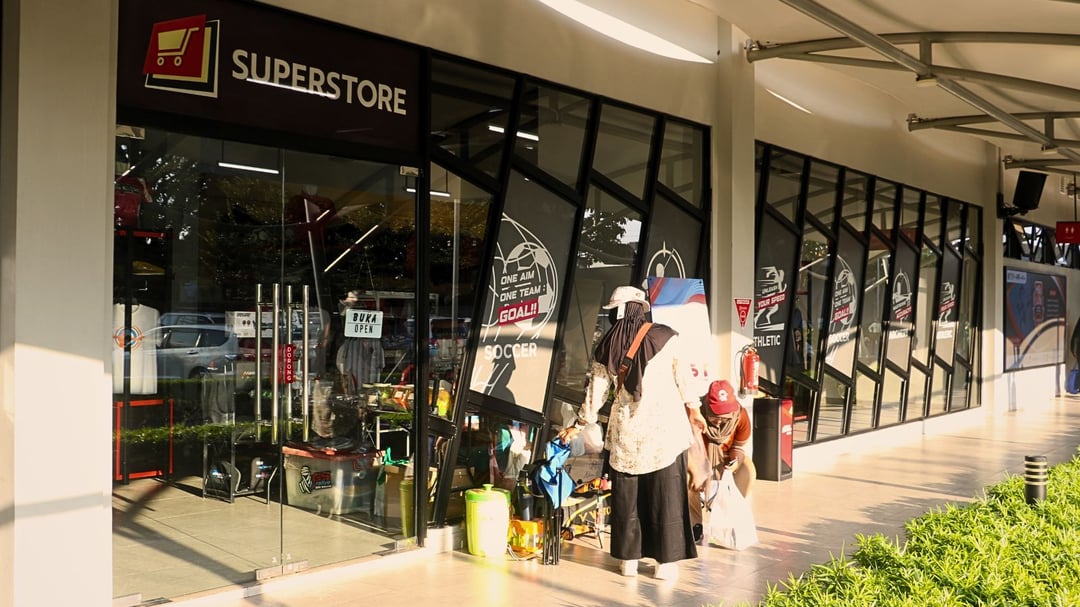
The store, which has been in operation since 2023, typically serves various sports including soccer, athletics, and archery. However, during the National Junior Archery Championship, the bulk of its operations were dedicated to archery needs.
Fendi, an administrator at the Superstore, noted that the championship provided an opportunity to partner with Fast Archery from Surabaya. This collaboration ensured that highly specific athletic gear was available to participants throughout the event.
According to Fendi, finger tabs and archery cases were the most sought-after items, as they are frequently needed by athletes during both official training sessions and active competition.
Under normal circumstances, the store primarily focuses on entry-level archery equipment to meet the strong local interest in the sport in Kudus. During the championship, the partnership with the Surabaya-based supplier successfully complemented this inventory by providing high-specification gear to competing athletes.
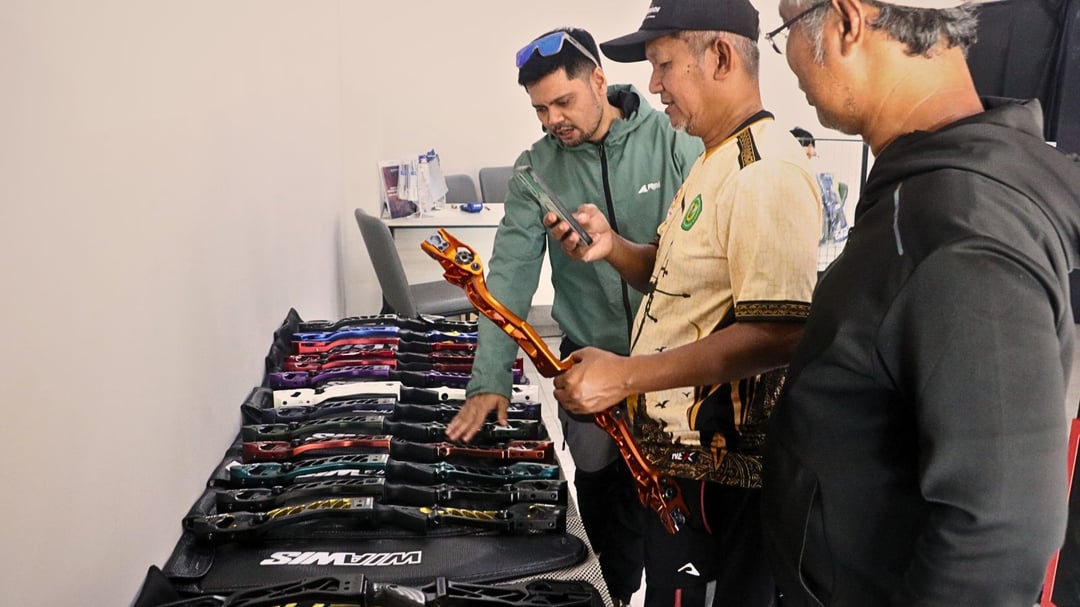
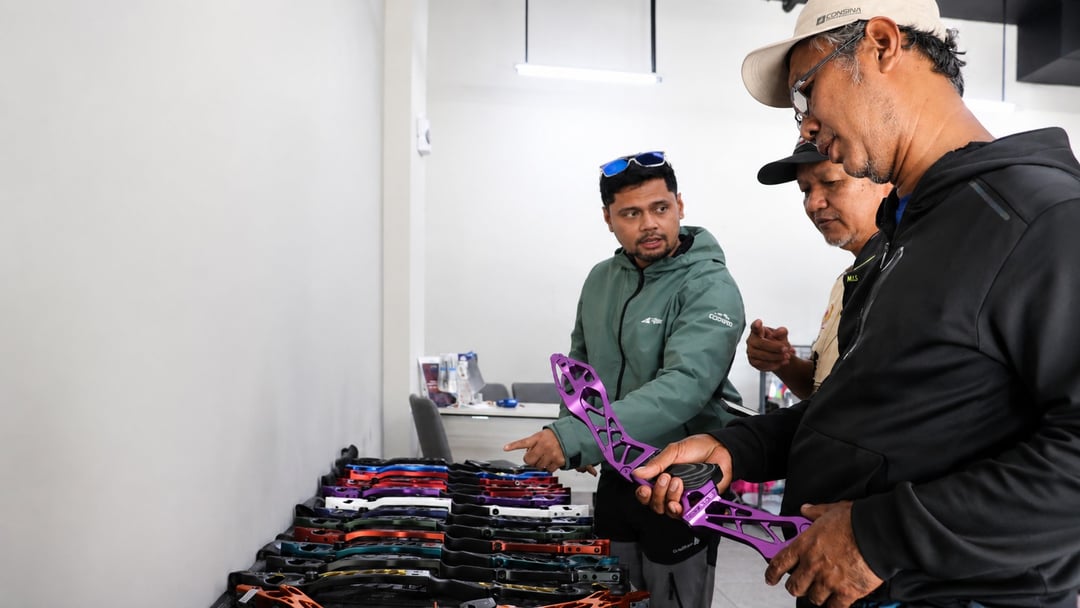
The activity within the store extends beyond simple retail transactions. Many athletes and their support teams visit to consult on equipment sizing, component compatibility, and selecting brands that best suit their specific needs.
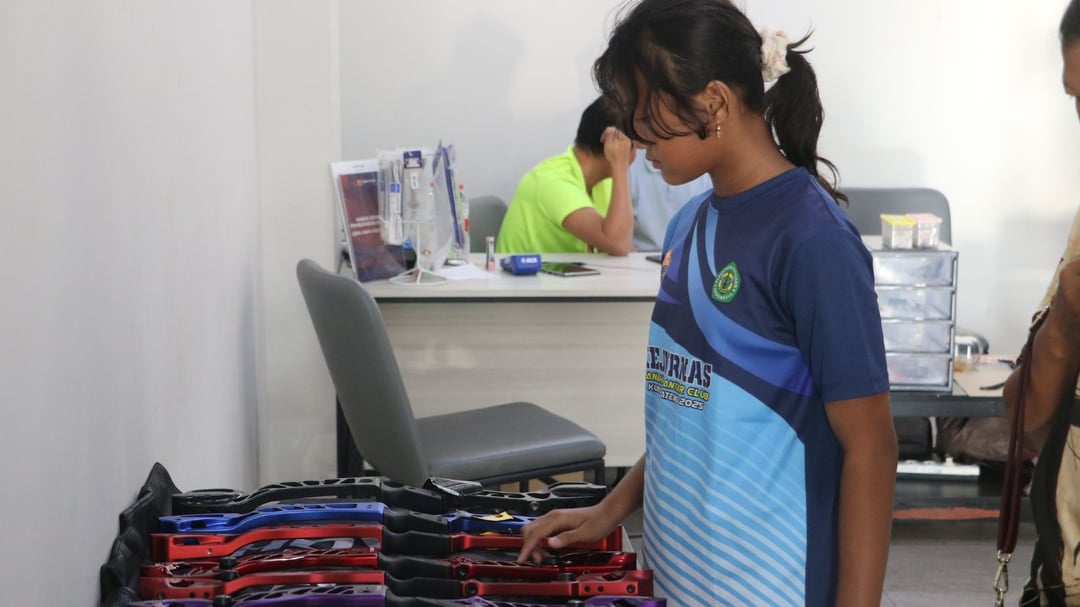
For sports like archery, selecting equipment is no simple matter. Every bow features unique dimensions, characteristics, and adjustments tailored to an athlete’s specific capabilities.
Because of this, Fendi always advises that purchases be made in consultation with a coach. He notes that an athlete’s personal preferences do not always align with their actual technical requirements. Coaches are better positioned to understand an athlete's development and the exact equipment specifications needed.
This same principle is why the store has yet to offer full bow maintenance services. Tuning and maintenance require specialized skills, so the team is continuing to study the intricacies of archery equipment before expanding their service offerings.
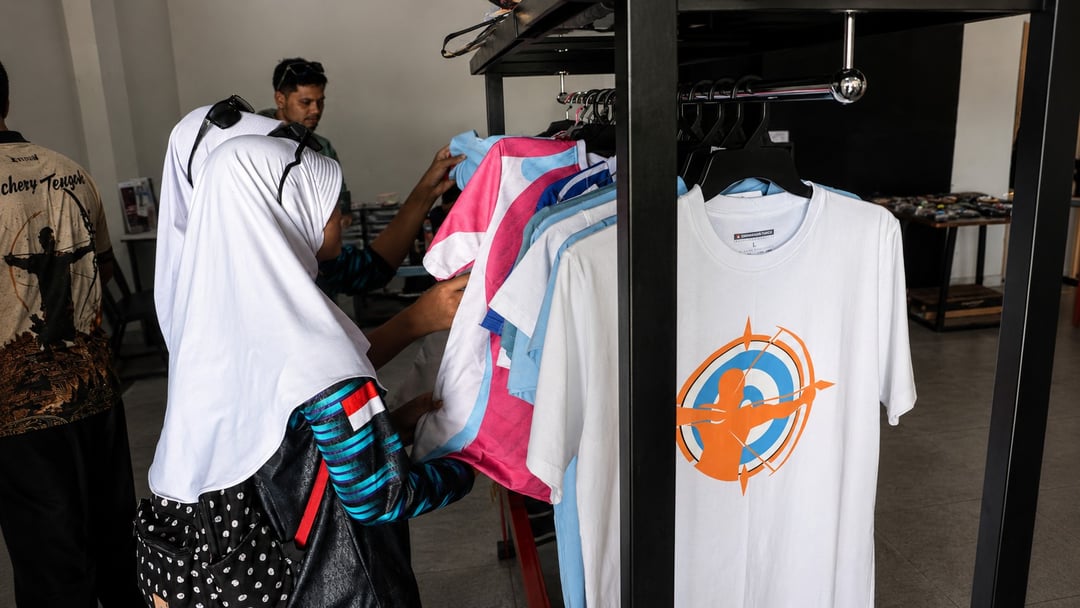
Meanwhile, demand for secondary merchandise has surged. Archery-themed t-shirts and jerseys are among the most sought-after products by tournament participants. The availability of direct-to-film (DTF) digital printing allows customers to have designs printed immediately without long wait times.
The high volume of visitors provides new insights for store staff. Every day, they interact with athletes, coaches, and parents from various regions, each with different backgrounds and needs.
Fendi says he uses these interactions to engage with guests, frequently asking about their experiences in Kudus and their impressions of the sports facilities provided.
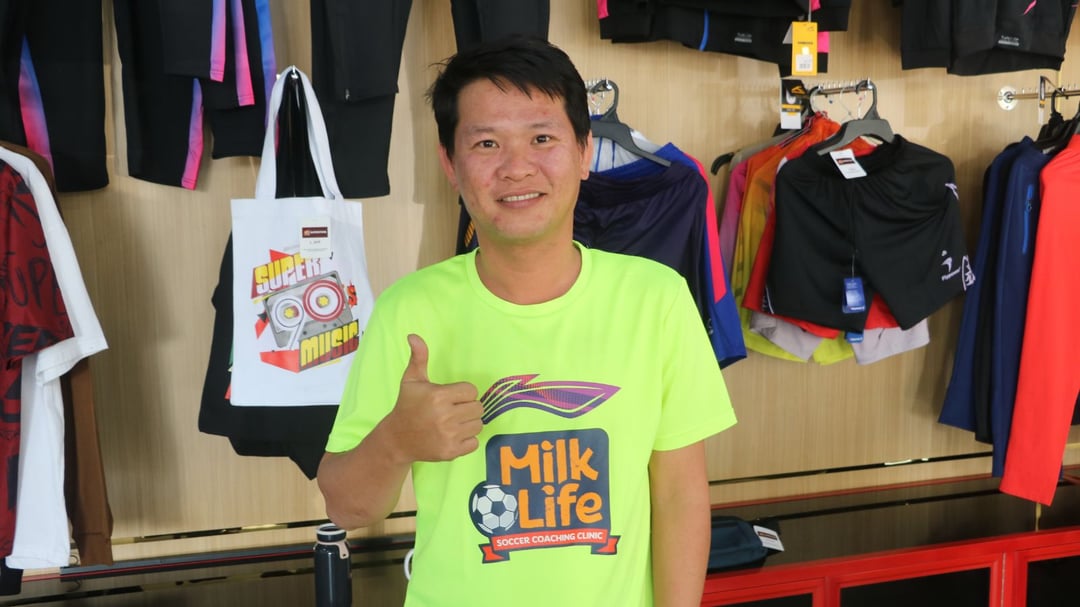
Through these casual conversations, he has gained significant insight into athlete requirements and a better understanding of how participants experience national championships.
Interactions with contingents from Papua, Kalimantan, Sumatra, Jakarta, Yogyakarta, and other regions have also broadened their perspective on the development of archery in Indonesia.
Fendi also noted a memorable experience with customers from Jakarta who had attended previous championships. They returned to purchase gear and even brought souvenirs from Kudus. For Fendi, these repeat visits serve as a testament to the quality of service provided.
For archery coaches, equipment is just as critical as physical conditioning and technical training.
Solo-based coach Fitra Wibowo Kusuma, who is accompanying five Central Java athletes, believes the quality of equipment directly influences an athlete's performance. According to him, coaches have a responsibility to guide athletes in selecting the right gear to ensure investments are effective.
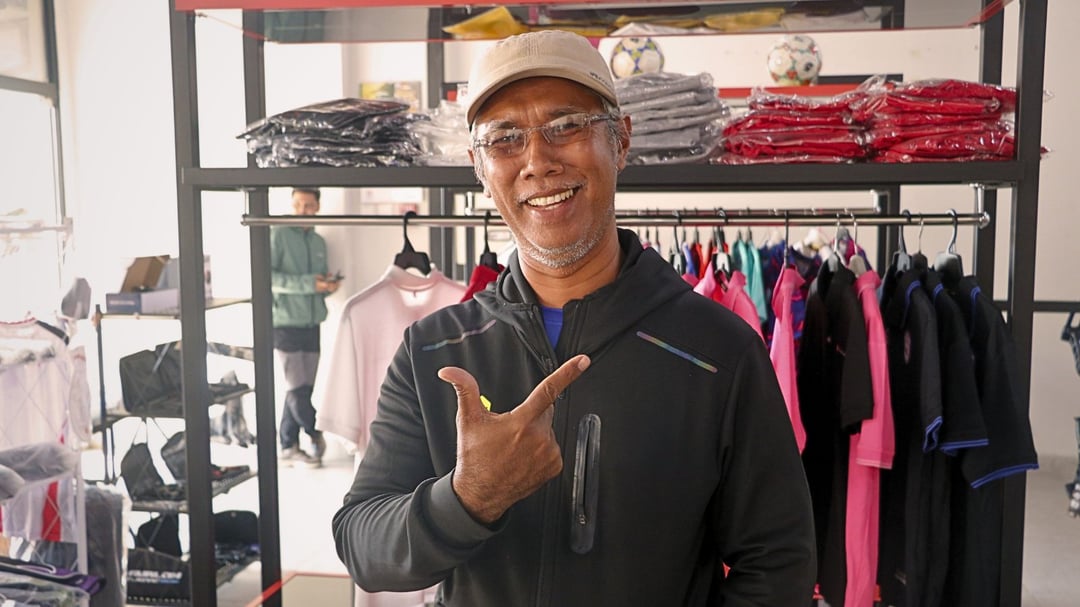
He notes that having equipment shops near the competition arena provides benefits beyond retail. Athletes can observe the latest technological advancements, compare products, and gather references before deciding to upgrade their gear.
National championships also offer coaches a platform to stay updated on equipment trends. Brands, materials, and innovations can be inspected firsthand without the need to attend specialized trade shows.
According to Fitra, these outlets serve as both product showcases and vital meeting points for manufacturers, coaches, and athletes. Even if immediate purchases aren't made, athletes leave with valuable references for future equipment needs.
In the modern era, athletes and coaches consider not only training techniques but also the continuous innovations from archery equipment manufacturers. Fitra highlights several brands that are standard in competition settings, including Hoyt, Win&Win (W&W), and Elite. These brands are widely recognized in the archery world for their consistent development of components such as riser, limb, and competition bows used in various international events.
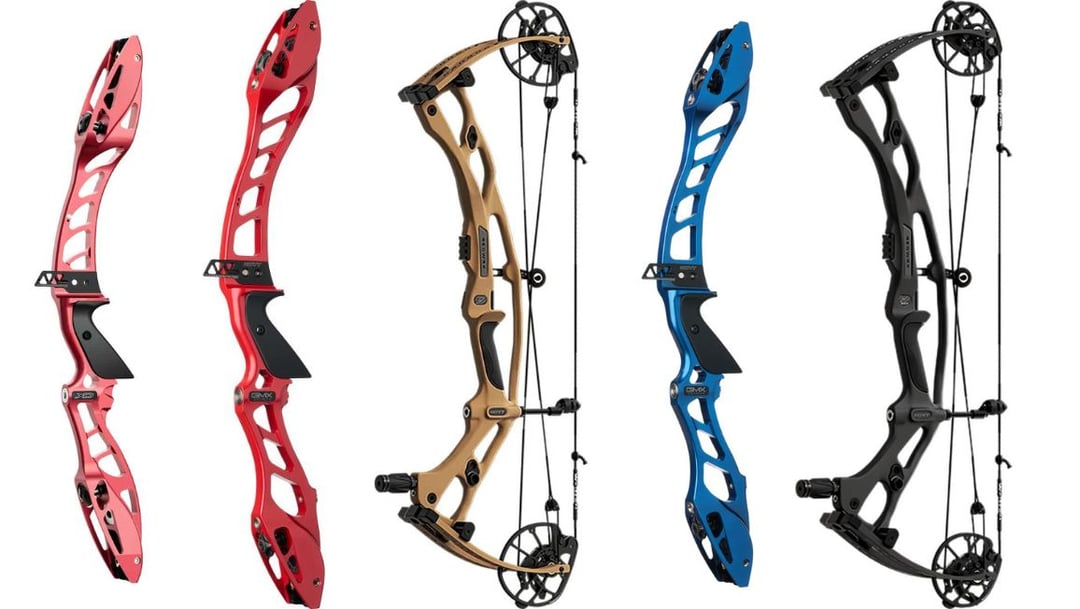
Hoyt is a U.S.-based archery equipment manufacturer established in 1931. The brand is renowned for developing bows with high levels of precision and stability, making them a staple in both recurve and compound categories. Hoyt is recognized for its stable and highly “forgiving” bows, a feature that makes them a preferred choice among elite athletes and professional archers.
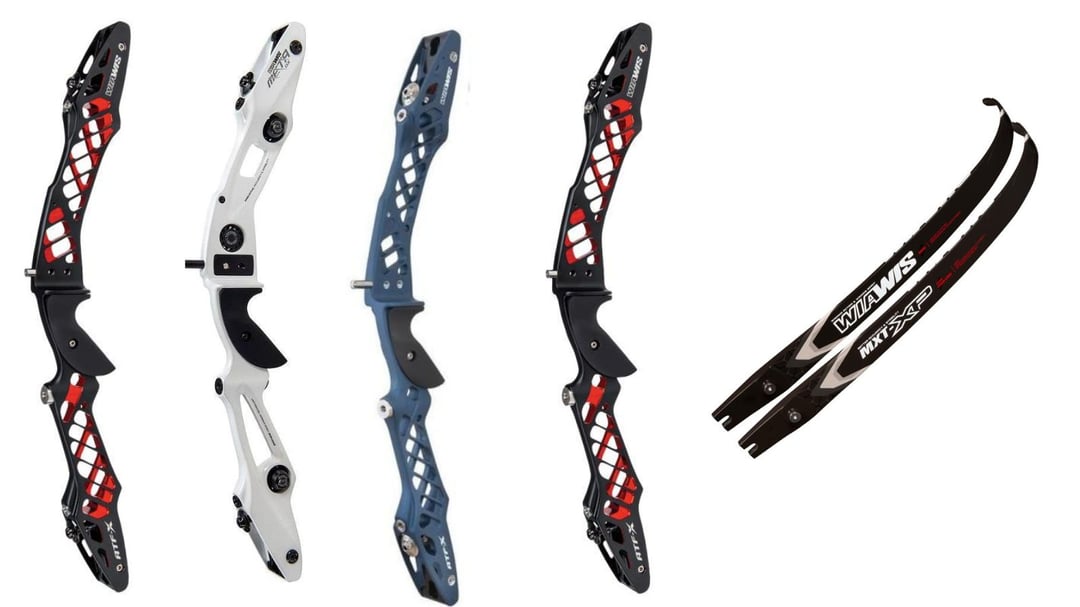
Meanwhile, South Korea’s Win&Win (W&W) has evolved alongside the nation’s robust archery tradition. Its products are highly sought after for their use of lightweight carbon materials, which effectively dampen vibration upon release. Win&Win is known for its modern designs and lightweight build, with many athletes favoring the smooth draw feel and rapid response during release.
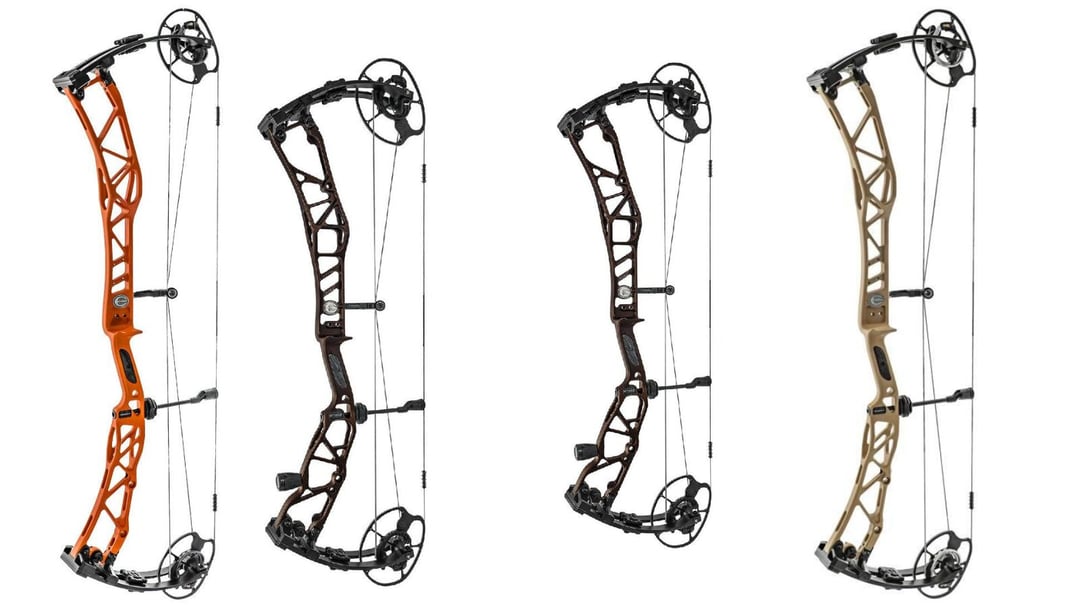
Elite, also from the United States, is recognized as a compound bow manufacturer focused on comfort during the draw cycle and ease of adjustability to suit individual athletic profiles. Unlike Hoyt and Win&Win, the Elite brand is particularly popular among compound archers, whether for target competition or hunting (where permitted).
According to Fitra, athletes choose these brands not merely for their reputation, but because their quality and consistency have been proven in various global competitions. Precision equipment assists athletes in achieving more stable and consistent shots, while a wide range of specifications allows coaches to tailor gear to an athlete's posture, draw weight, and shooting style. This is why coaches closely monitor technological advancements to provide accurate recommendations when athletes decide to upgrade their competition gear.
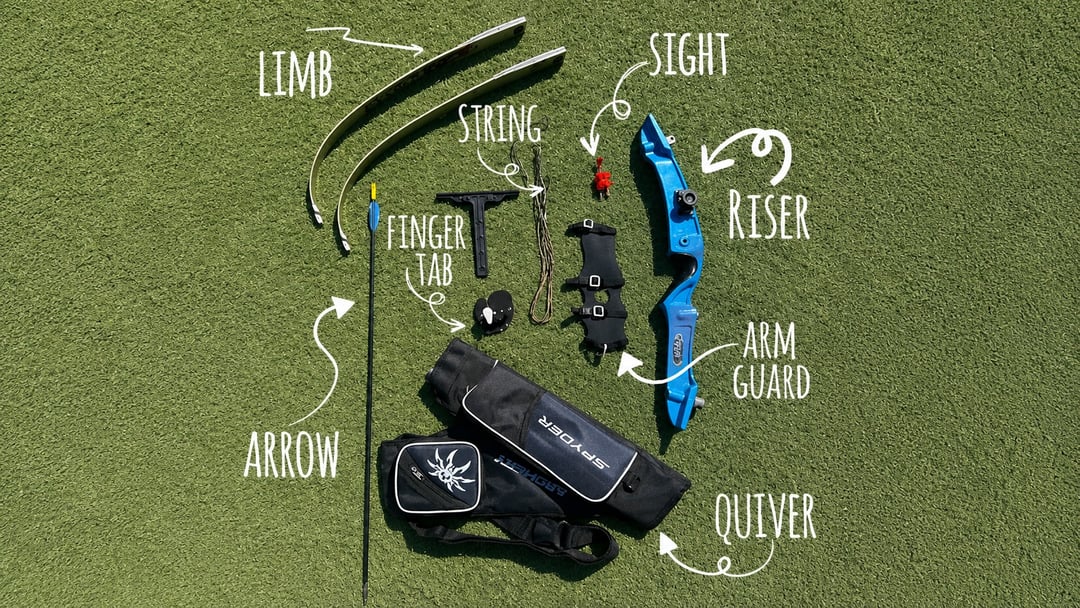
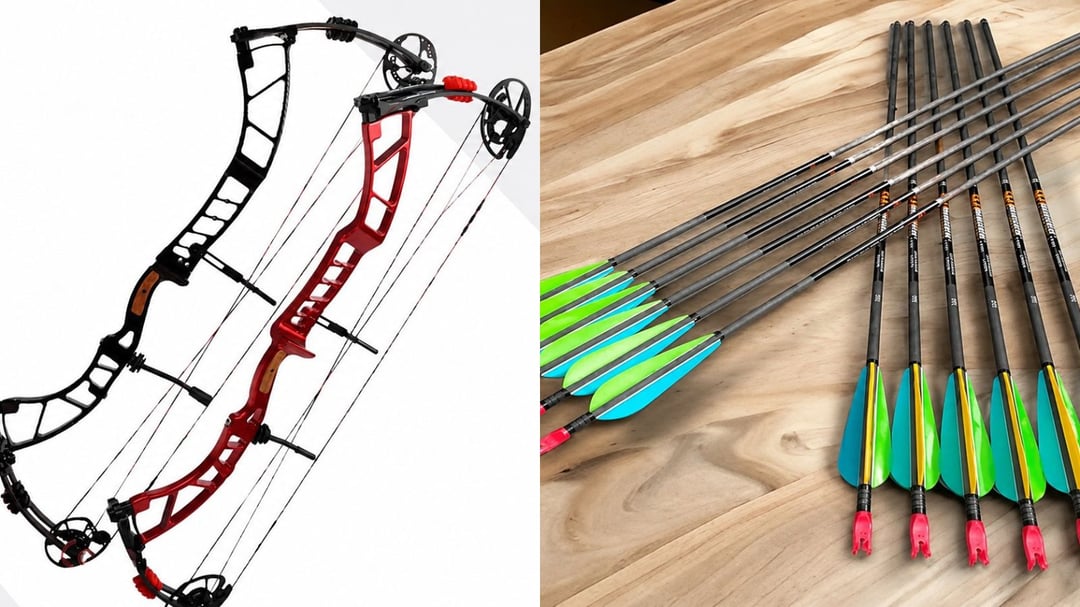
The precision of every arrow hitting its target depends not only on an athlete's skill but also on a complementary suite of equipment. Archery requires more than just a bow and arrows; each component serves a specific function, from ensuring accurate shots to maintaining the athlete's safety during training and competition.
The primary equipment includes the bow, which stores energy when the string is drawn before releasing it to propel the arrow. This energy is transferred through the string to the arrow, the projectile used to strike the target's center. These three components work in unison to define the quality of an athlete's performance.
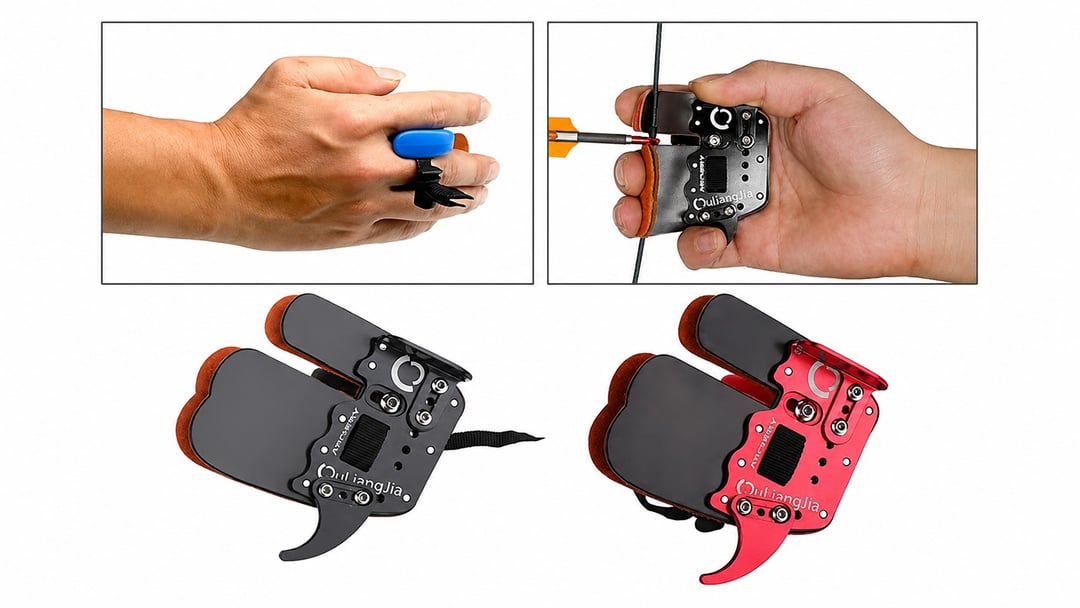
In addition to primary gear, athletes must utilize various pieces of personal protective equipment. The finger tab, worn on the three fingers used to draw the string, reduces pressure and friction, allowing for a more comfortable and consistent release while preventing abrasions or injuries from repetitive use.
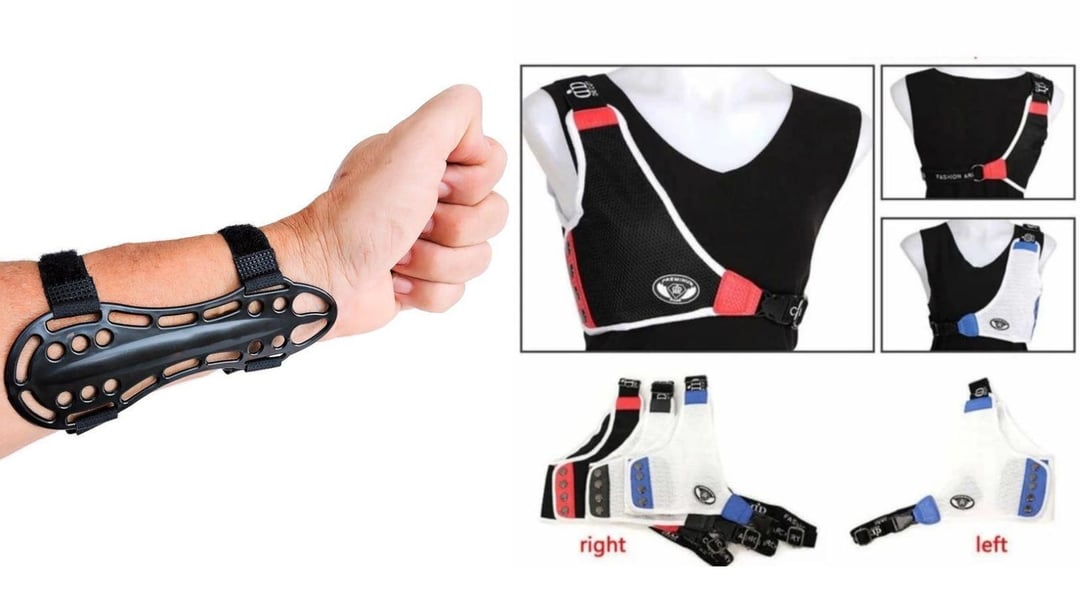
Other essential items include the arm guard, which protects the inner forearm from the bowstring upon release. Meanwhile, the chest guard keeps clothing secure against the body, ensuring it does not interfere with the bowstring's path. With proper equipment, athletes can ensure safety while maintaining consistent performance throughout a competition.
For athletes, having a sports supply shop near the competition arena provides a sense of security that is invaluable.
Bagus Aditya Santoso, an archer representing the Central Java contingent, is among those who have utilized the shop. During breaks in his match schedule, he purchased a finger tab and a keychain.
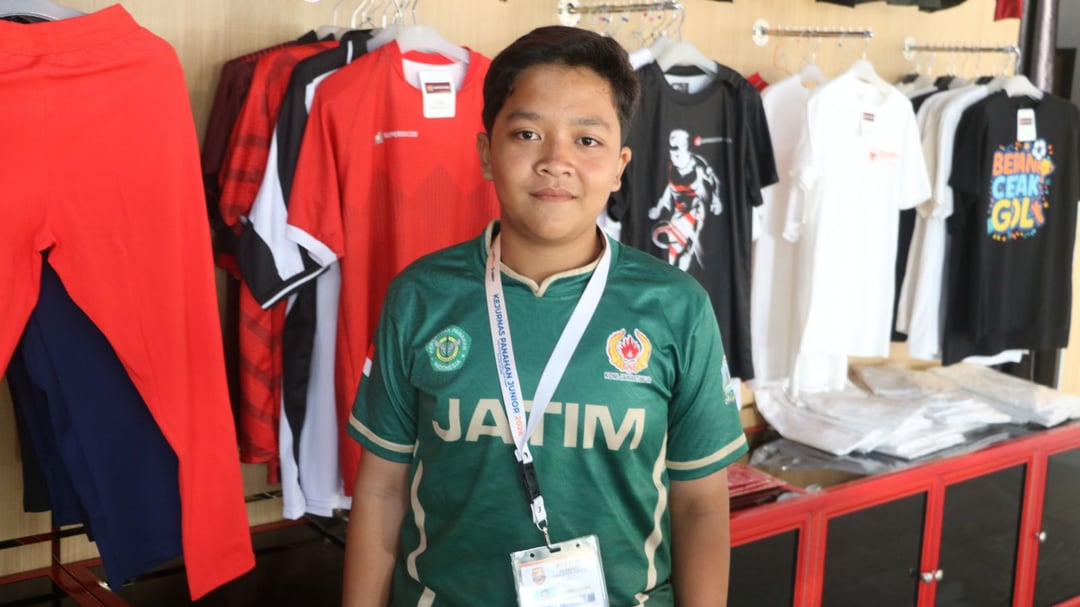
According to him, the reason for shopping there is simple: the products available meet his needs. He also had the opportunity to consult regarding prices and equipment specifications.
Most importantly, the store is located just a short distance from the competition site. Should any equipment failure occur, athletes do not need to travel to other cities to find replacements.
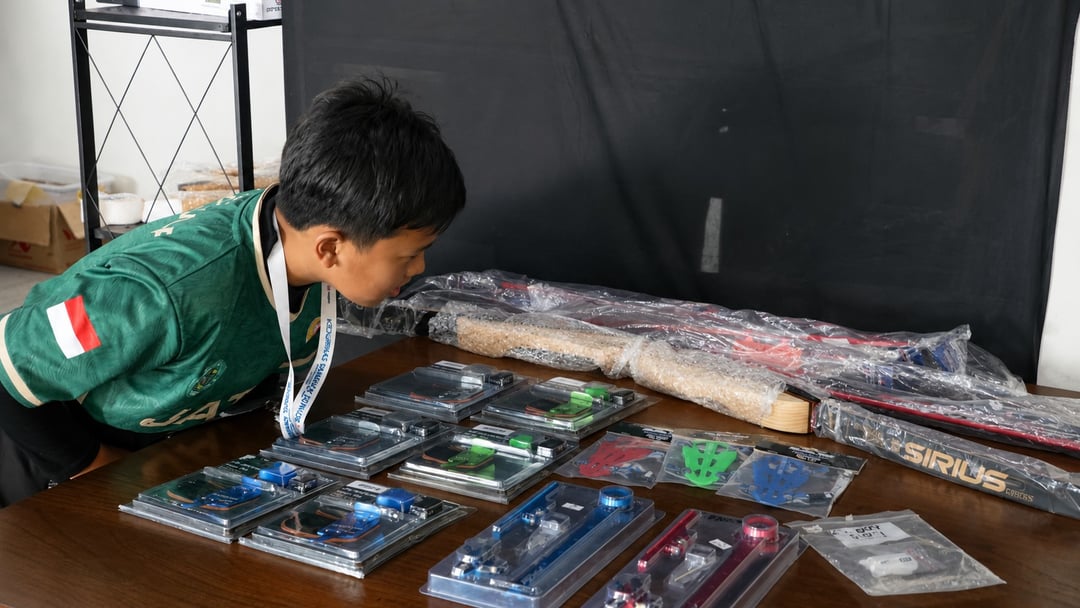
Bagus also noted that the variety of products available is quite diverse, ranging from limbs to various types of arrows. This availability helps athletes who need to replace equipment quickly without disrupting their focus during competition.
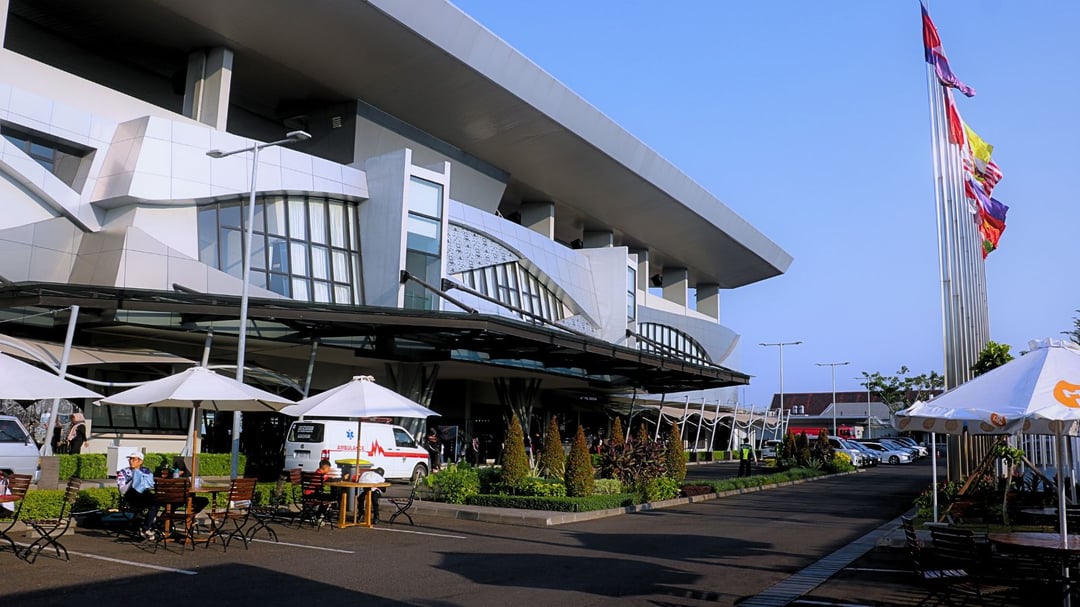
Beyond the competition between athletes, the Junior Archery National Championship serves as a catalyst for a vibrant array of surrounding activities.
Sports equipment retailers are an integral part of this ecosystem. Their presence ensures athletes remain competition-ready, provides coaches with essential gear references, and serves as a hub connecting businesses with archery communities from across the region.
For Kudus, this demonstrates that hosting such championships does more than just facilitate matches; it strengthens a mutually growing sports ecosystem. Behind every arrow launched toward its target, various stakeholders work to ensure athletes are equipped with the best possible gear.
While the competition arena may go quiet once the contingents depart, the connections forged between athletes, coaches, businesses, and the host city endure. From a sports shop in the corner of Kudus, the path to athletic success is nurtured through service, expertise, and the readiness to meet athletes' needs at their most critical moments. (JMY/HNR/mainkekudus)