
Kudus – The atmosphere in Kudus has transformed since the opening whistle of the 2026 MilkLife Soccer Challenge (MLSC) All Stars at the Supersoccer Arena. It is not just the field that is buzzing with the energy of young female players from across the country, but the local hotels and cafes are also seeing a surge in guests and activity.
The arrival of 12 teams from across Indonesia, coinciding with the school holidays, has brought new vitality to the city. Behind the matches held from June 23 to 28, 2026, lies the story of how a sporting event can deliver tangible impacts to the hospitality sector while boosting sports tourism in Kudus.
Since the tournament began on June 23, 2026, hotel occupancy rates in Kudus have steadily climbed. Hotels hosting the athletes reported reaching full capacity, while others noted a significant increase in guests compared to typical levels.
Among those benefiting is the @Hom Hotel Kudus. Achmad Annas, the hotel's marketing communication officer, stated that hosting the MilkLife Soccer Challenge All Stars has provided a direct boost to their business.
“Our occupancy rate currently sits at 90 percent, up from our usual average of around 60 percent. The majority of our guests are committee members, vendors, and event organizers involved in the MilkLife Soccer Challenge All Stars,” Annas said on Saturday (June 27, 2026).
Of the 87 available rooms, only nine remain vacant. This surge in occupancy has also driven increased demand for hotel facilities, particularly the cafe, which has become a favorite spot for guests to relax after tournament activities.
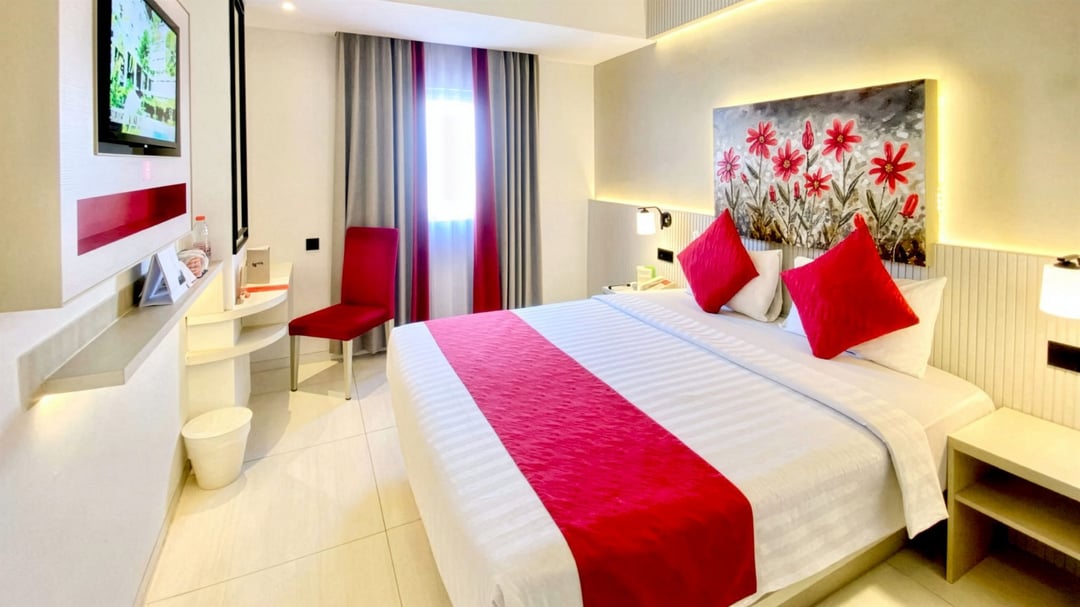
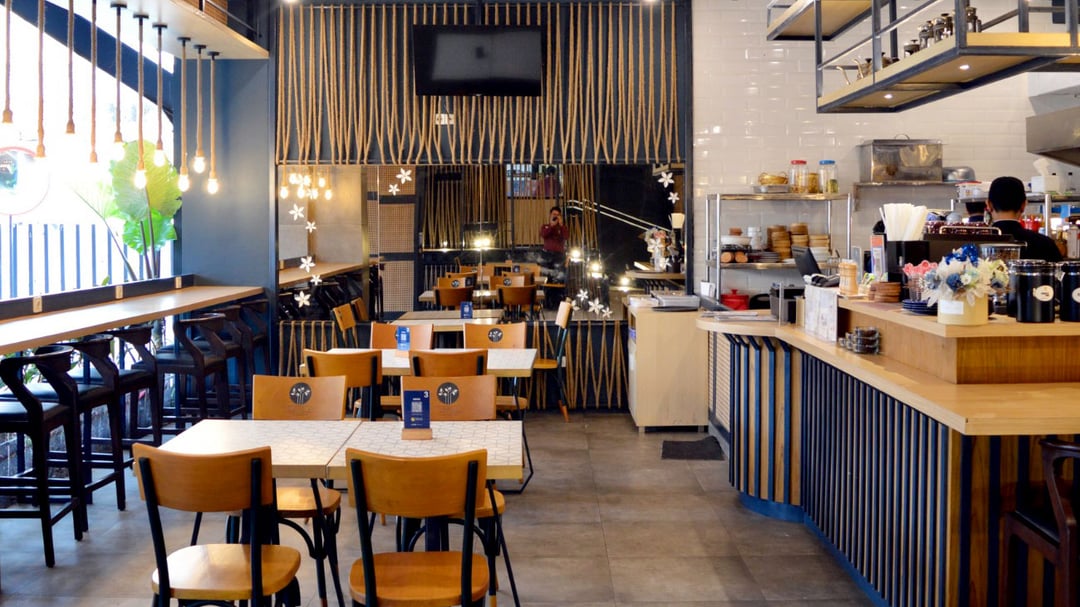
According to Annas, many guests have decided to extend their stay in Kudus. This suggests that such sporting events not only generate immediate demand for accommodation but also encourage visitors to spend more time exploring the city.
“Sporting events have a very positive impact on the hospitality industry. We hope to see more similar events held in Kudus to foster tourism growth and strengthen the local economy,” he added.

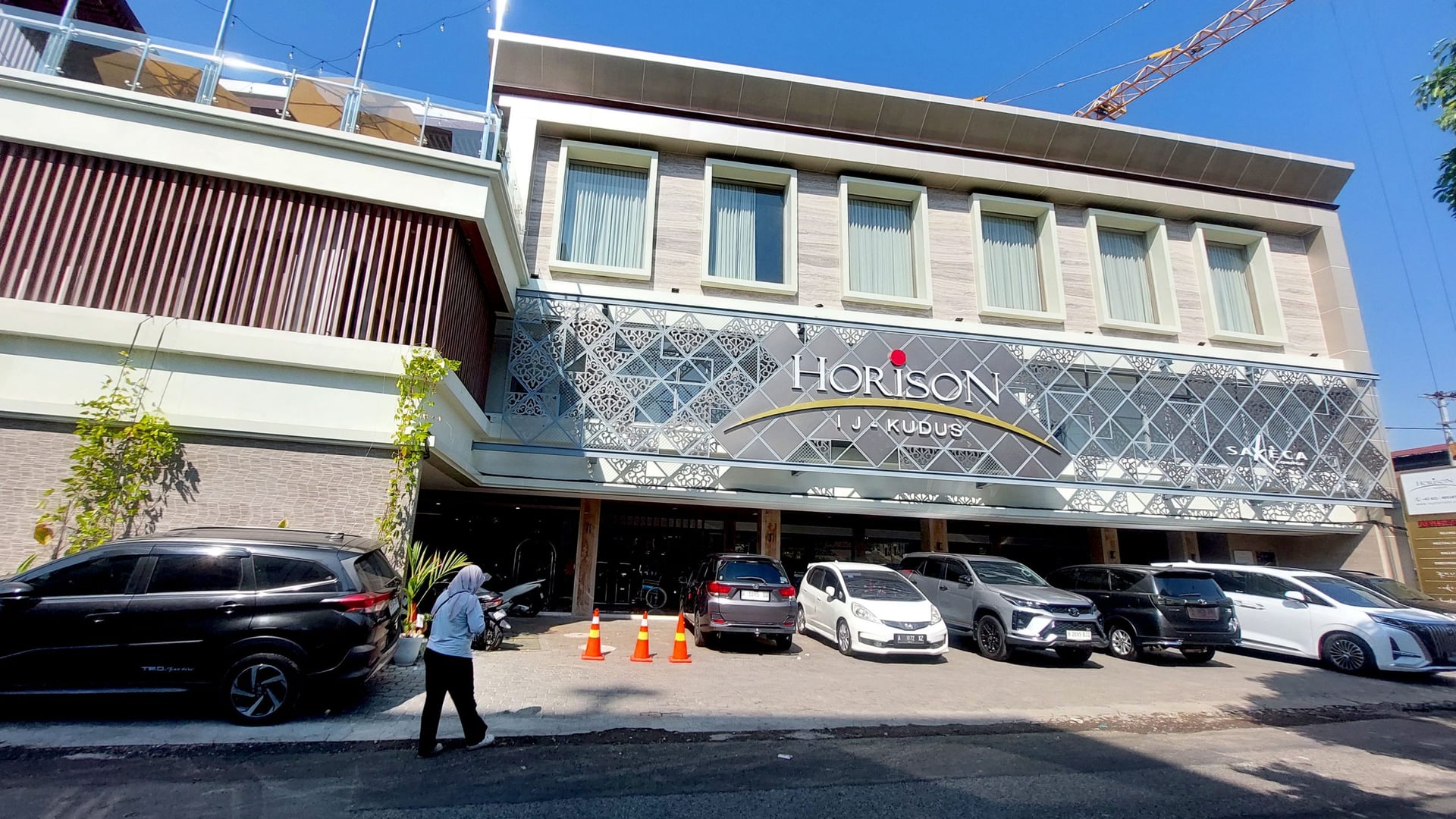
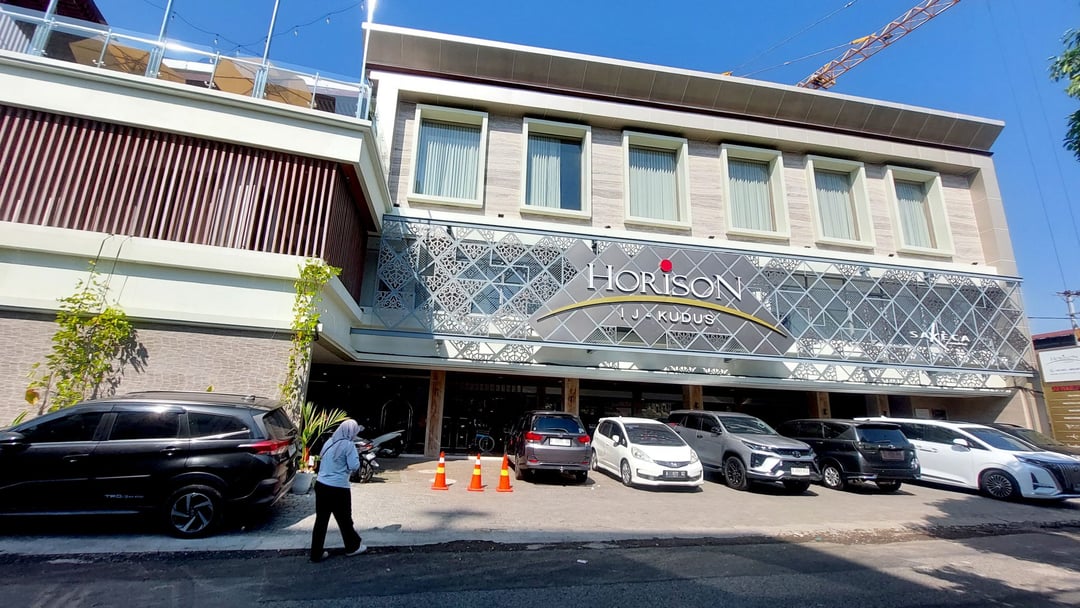
A similar trend was observed at Hotel Horison IJ Kudus. Sales and Marketing Manager Diah Kusumoningrum acknowledged that the MilkLife Soccer Challenge All Stars 2026 had a significant impact on hotel occupancy rates.
"Events hosted by Djarum certainly have a substantial effect on our hotel occupancy," she said.
During the tournament, occupancy rates ranged from 80 percent and even briefly reached 100 percent.
"Looking at the data, we saw an increase in occupancy during that period," she added.
Diah explained that guests over the past week were primarily event organizers and tournament staff, though families of the athletes also contributed to the rise in bookings.

"Coincidentally, our guests were not the participants themselves, but mostly the organizing committee and staff on duty throughout the event," she noted.
The surge in guests led to higher utilization of hotel facilities. The swimming pool was particularly popular, especially as the tournament coincided with school holidays.
"The facility most frequently used was the pool, especially since it overlapped with the school break, allowing many guests to relax with their families," she added.
For Diah, the growth of sports tourism in Kudus is a key driver for the hospitality industry. The opening of Hotel Horison IJ Kudus on April 22, 2026, was a strategic move to meet the rising demand for accommodation fueled by the city's increasing sports and business activities.
"Sports events in Kudus have a major impact on the hotel industry. We hope to see more national and international events hosted here in the future," she stated.
She believes the enthusiasm surrounding various sports agendas presents a growing opportunity.
"We are very excited to welcome events like MilkLife as they help boost our operations," said Diah.
To support this demand, the hotel is currently finishing an expansion project that will add approximately 70 rooms and various facilities to accommodate more participants and tourists.

“We hope this construction finishes soon so our facilities will be more complete and able to support future events,” he said.
The impact of hosting the tournament has also drawn attention from Muhammad Kirom, chairman of the Indonesian Hotel and Restaurant Association (PHRI) in Kudus Regency. According to Kirom, experience from past sports agendas shows that every national-scale event creates a ripple effect across multiple sectors.
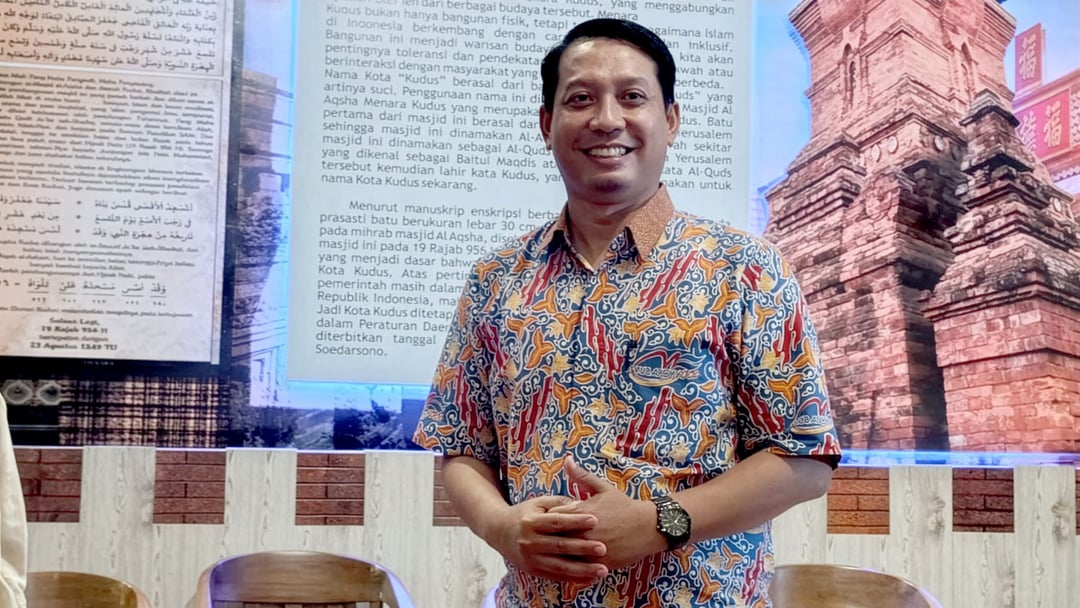
“Previous years have shown that whenever there is a major event, hotel occupancy increases. We are optimistic that this women's soccer competition will be an effective economic driver,” Kirom asserted.
He noted that the benefits extend beyond the hospitality industry. The culinary, transportation, and local MSME sectors also benefit from the increased mobility of guests visiting Kudus during the tournament.
Kirom added that hoteliers in Kudus have become increasingly experienced in catering to guests from various regions and even abroad. Such momentum provides an opportunity to strengthen Kudus's image as a destination ready for sports tourism.
“We continue to ensure optimal service so that guests take home a good impression. This is an opportunity for hotels, restaurants, and MSMEs to showcase the best of Kudus's hospitality,” he said.
He also mentioned that the impact of large-scale sports agendas extends beyond hotels and inns; boarding houses near the venue have also seen increased demand for temporary accommodation throughout the tournament.
The MilkLife Soccer Challenge All Stars 2026, held June 23–28, served as the opening of the Women's Soccer Trilogy in Kudus. Following this, the city will host the HYDROPLUS Soccer League All Stars 2026, scheduled for July 5–12, 2026.
The series will continue with the Srikandi Merdeka Cup from August 14–23, 2026. The tournament is expected to be a major draw, featuring youth women's soccer teams from various countries.
The sustainability of these sports events demonstrates that a competition does not end with the final whistle. The presence of athletes, organizers, families, and other stakeholders provides new momentum for the service, accommodation, culinary, and local business sectors in Kudus. At the same time, sports tourism continues to prove its role as a regional economic driver through a continuous series of events. (JMY/ITN/mainkekudus)