
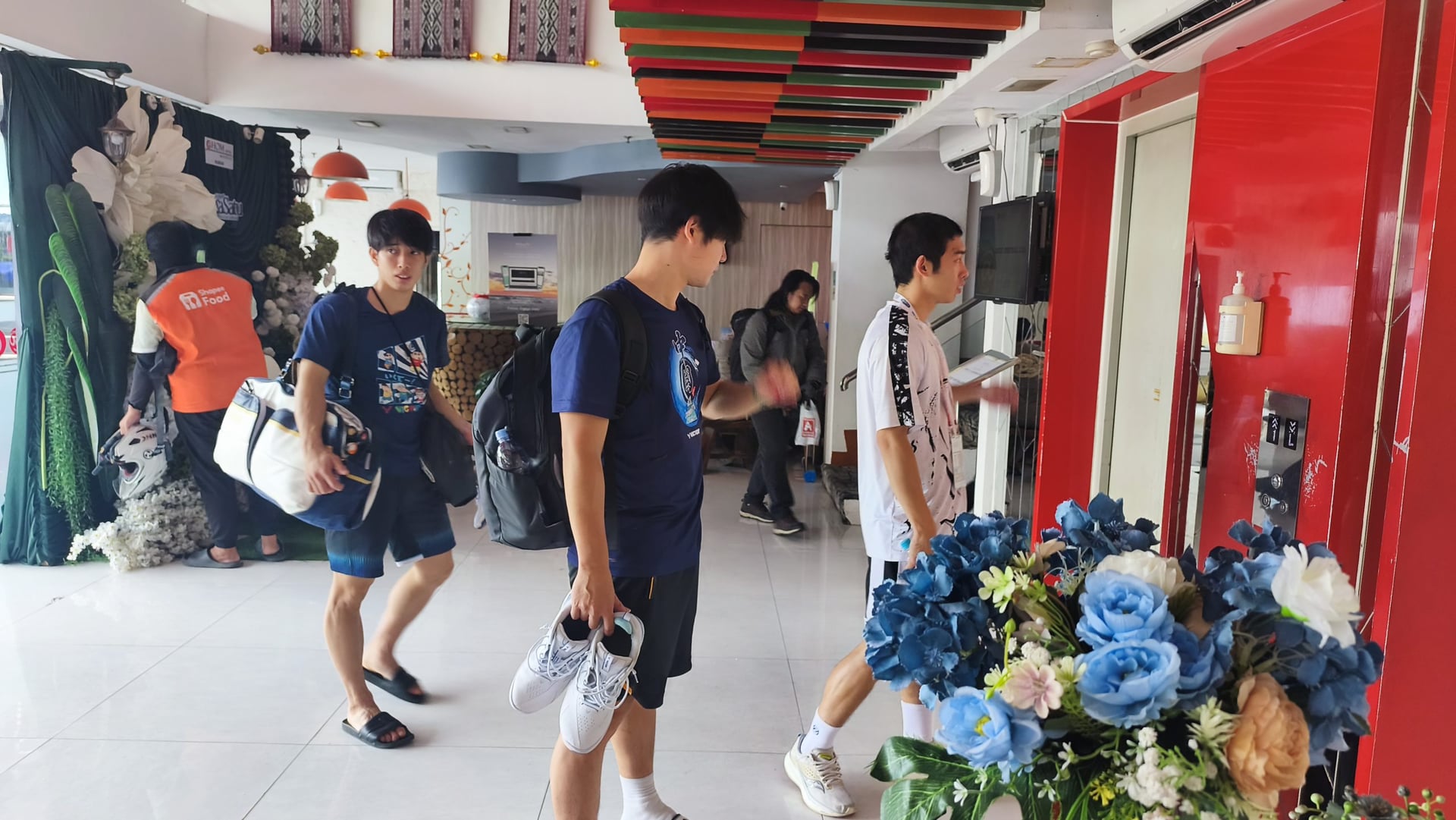
KUDUS — The Polytron Kudus Indonesia Masters 2026, held from October 20–25, 2026, offered more than just high-stakes rallies and powerful smashes at the GOR Djarum Arena 2 in Kaliputu, Kudus. Beyond the roar of the crowds filling the stands, a different kind of intensity unfolded behind the scenes in hotel lobbies and kitchens across this city known as the center of Indonesia’s clove cigarette industry.
For athletes arriving from across the country and abroad, hotel rooms serve as a critical sanctuary—a place to soothe strained muscles and refocus mentally before heading back to the court.
Competing in Kudus for the first time left a positive impression on Terry Hee. The Singaporean mixed doubles player noted that comfortable accommodations and attentive hotel staff were instrumental in maintaining his condition throughout the tournament.
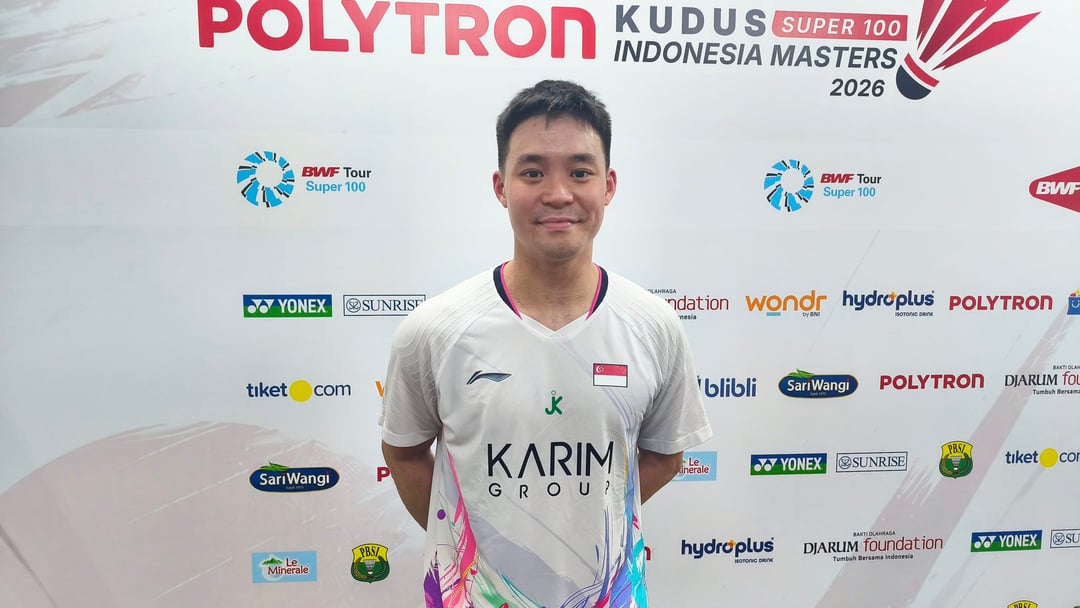
“The hotel facilities are quite good and comfortable. The staff have also been very helpful during my stay,” Hee said.
Due to a packed match schedule, Hee spent most of his time resting in his room. Fitness remains his top priority, leaving little time to fully utilize the hotel’s pool or gym. While he noted that the weather in Kudus can be quite hot, the enthusiasm of the local residents helped alleviate his fatigue.
“Even though Kudus is a small city, many supporters came to watch us. Thank you to everyone,” he added.
Similar sentiments were expressed by Ni Kadek Dhinda Amartya Pratiwi, a women’s singles player from Bali. For Dhinda, quality sleep is essential for recovery after matches.
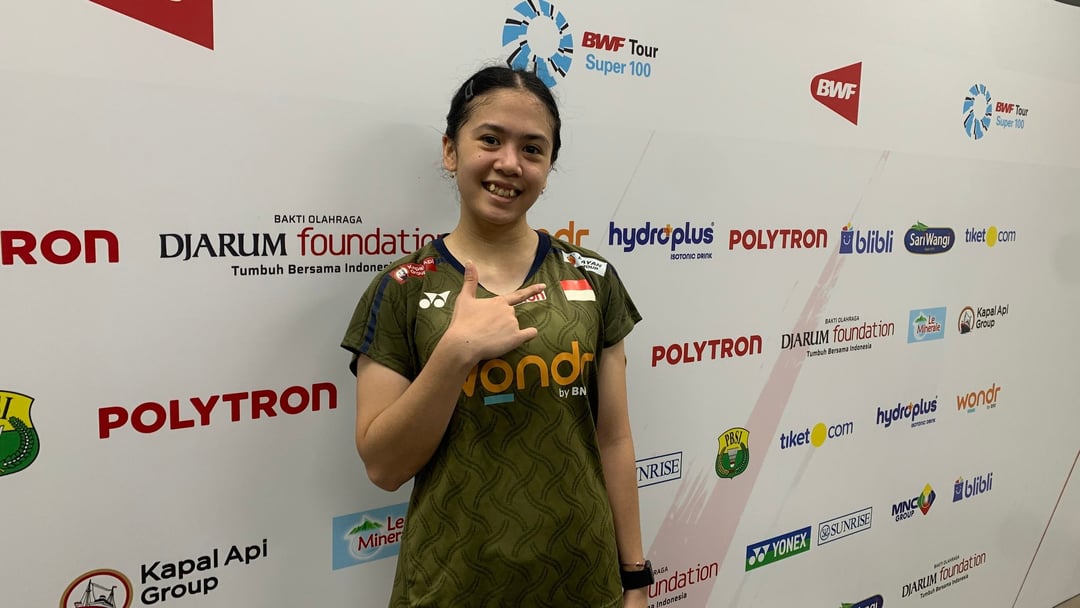
“Matches are often more draining than practice, even if training sessions are longer. For recovery, I also rely on my team,” Dhinda explained.
“So far, the hotel and its service have been comfortable,” she said.
Beyond accommodation comfort, the commute to the arena is another logistical factor during the tournament. Dhinda stated that the distance posed no significant hurdle to her match preparation, as she and her team are accustomed to adjusting their routines to meet competition demands.
Dhinda also praised the facilities at GOR Djarum Arena 2, particularly the spacious warm-up area. According to her, the ample space is vital for athletes to prepare effectively when multiple courts are in use simultaneously.
“The warm-up area is large and excellent. At some other venues, you only get one or two courts, which makes it difficult when there are many matches ongoing,” she explained.
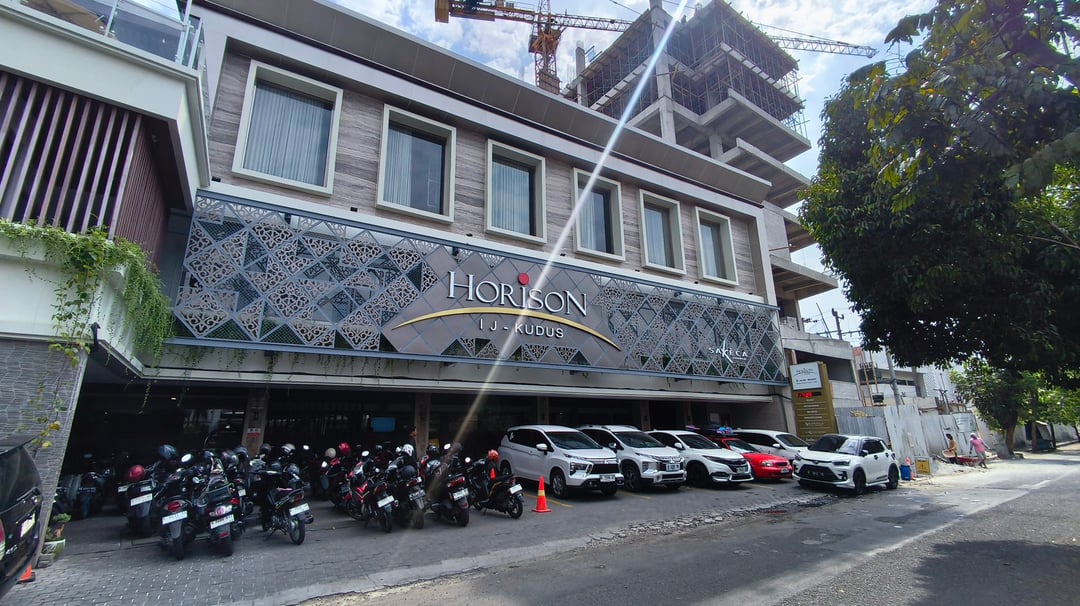
The international badminton tournament has provided a significant boost to the local hospitality sector. While organizers officially designated Sapphire Hotel, Hotel @Hom, and Hotel Griptha as official partner accommodations, many athletes and support staff have opted to book their own lodging independently.
Hotel Horison IJ Kudus is among the establishments hosting athletes outside of the official partner network. Diah Kusuma, Sales Manager at Hotel Horison IJ Kudus, reported that the hotel is currently accommodating 10 to 12 rooms for participating athletes. She noted that additional capacity was limited due to existing bookings from other guests.
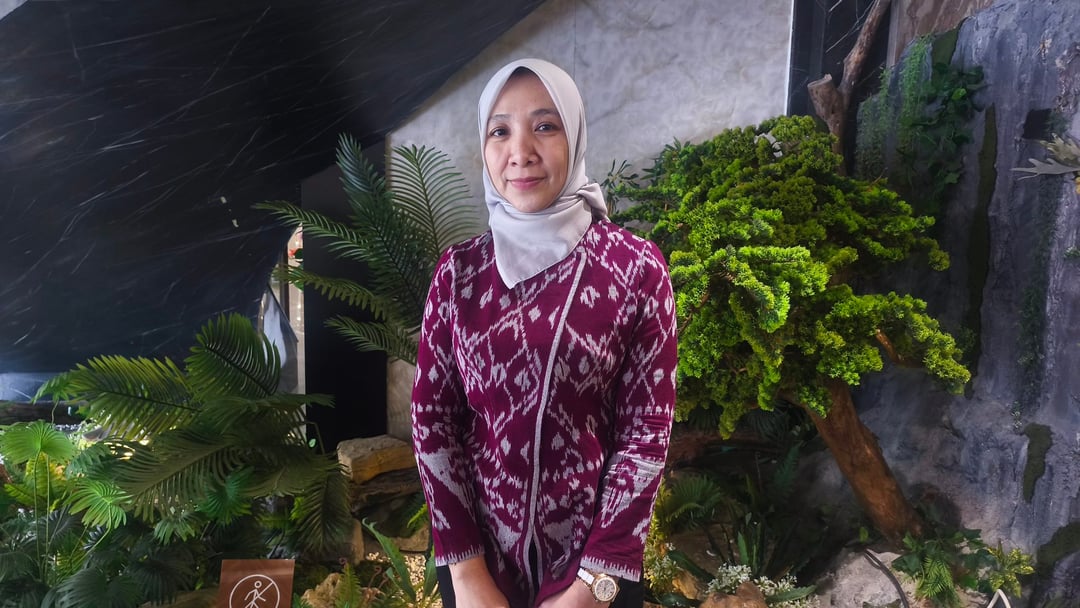
"We have 10 to 12 rooms occupied by athletes. While we would have liked to accommodate more, several rooms were already reserved by other guests," said Diah.
The hotel provides guests with access to fitness and swimming facilities. Athletes staying at the property receive a room and breakfast package, while the standard hotel menu remains available to all guests.
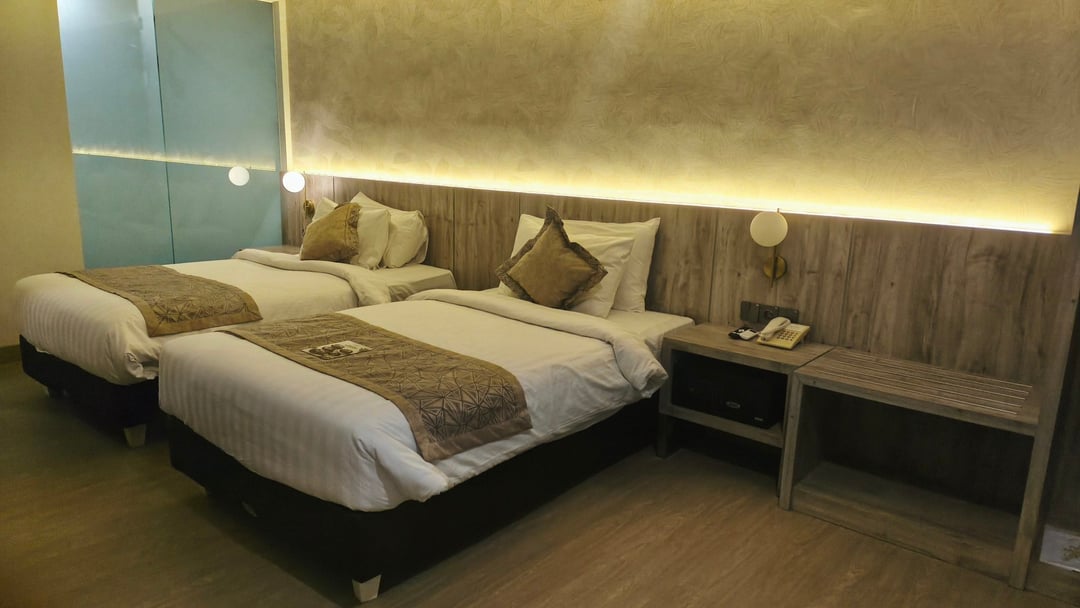
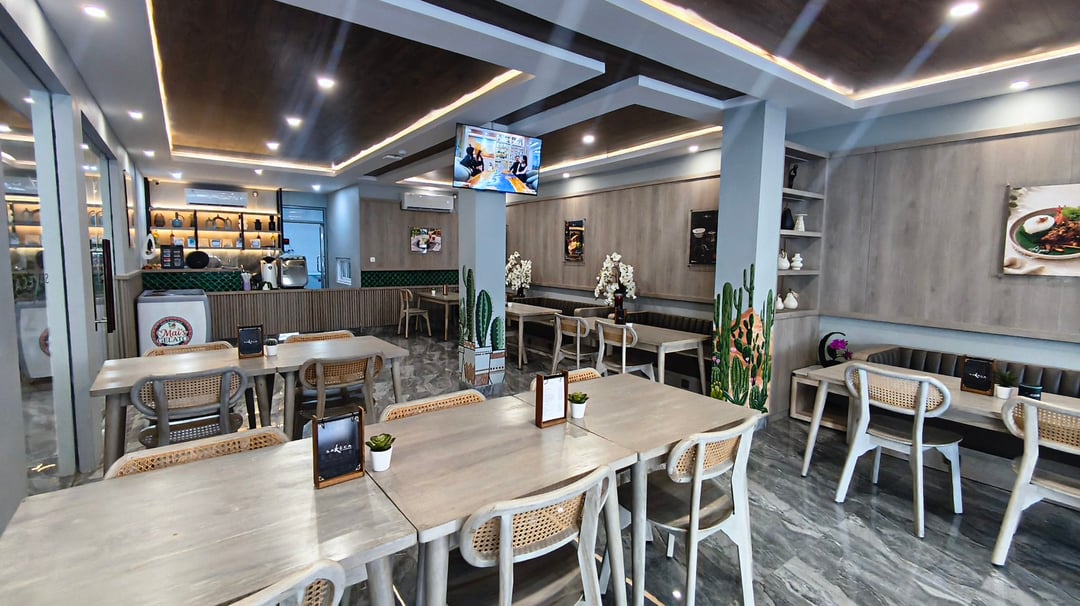
According to Diah, the tournament has contributed to a rise in occupancy rates. Hotel Horison IJ Kudus has seen a 30 percent increase in bookings compared to standard periods, particularly over the weekends.
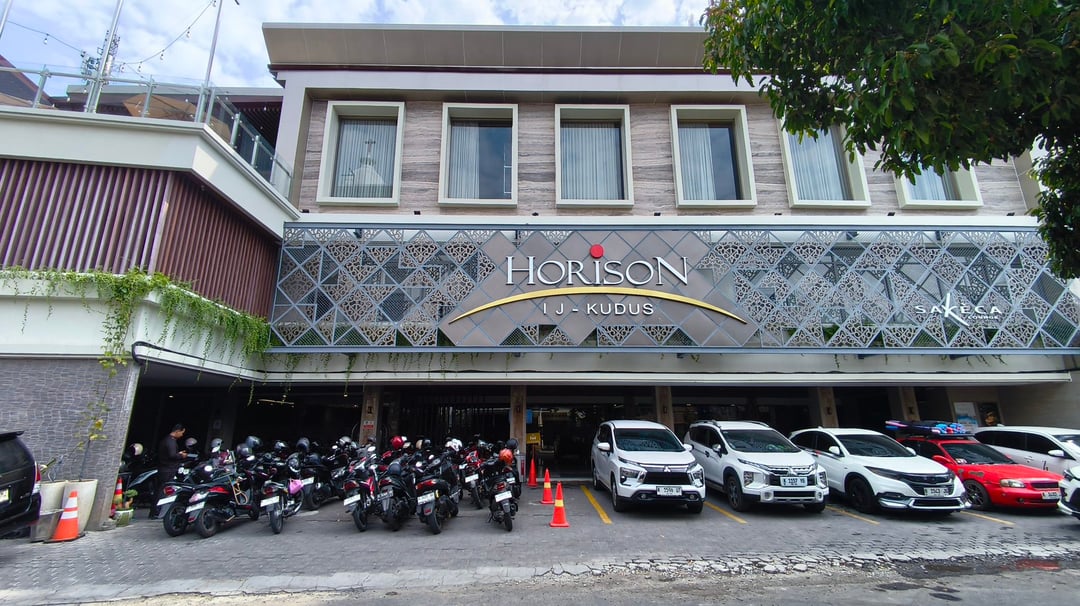
“Occupancy increased by about 30 percent compared to normal conditions. When events like this take place, hotel occupancy levels feel better, especially on weekends,” she said.
Diah hopes more large-scale events will be held in Kudus. According to her, sporting agendas provide opportunities for hotels to increase room occupancy and reach a wider guest market.
A dynamic shift was also seen at @Hom Hotel Kudus. Nova, Sales Manager at @Hom Hotel Kudus, noted that approximately 60 rooms were occupied by groups associated with the tournament. This group included athletes, officials, committee members, and liaison officers, meaning not all of those rooms were allocated solely for athletes.
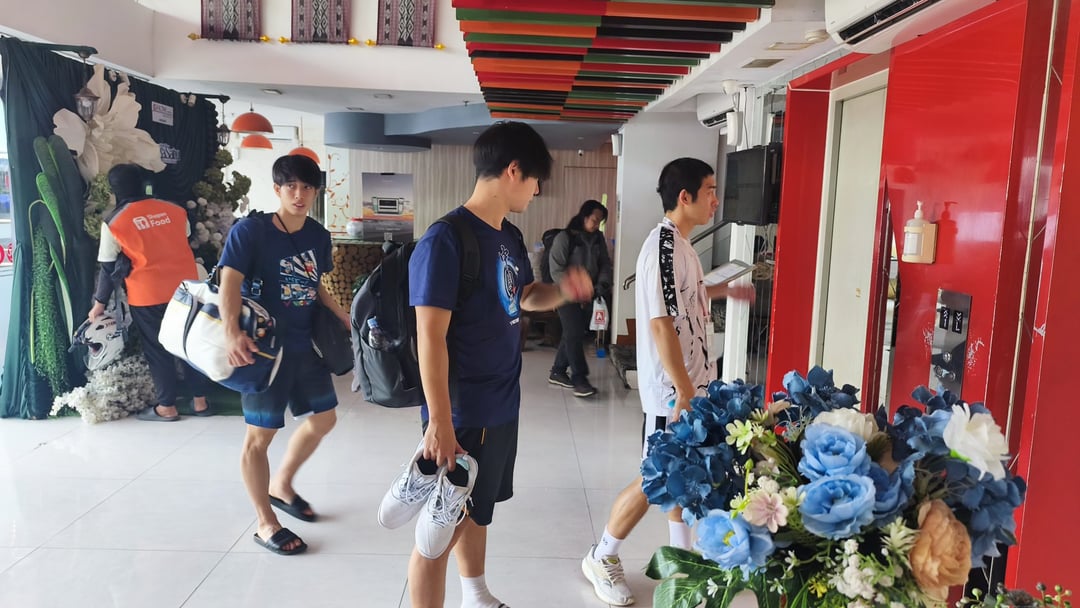
The hotel has a total of 87 rooms. During the tournament, occupancy reached full capacity, compared to the 50 percent average on regular days. The hotel continues to serve regular corporate and government guests, though it could not meet all additional room requests.
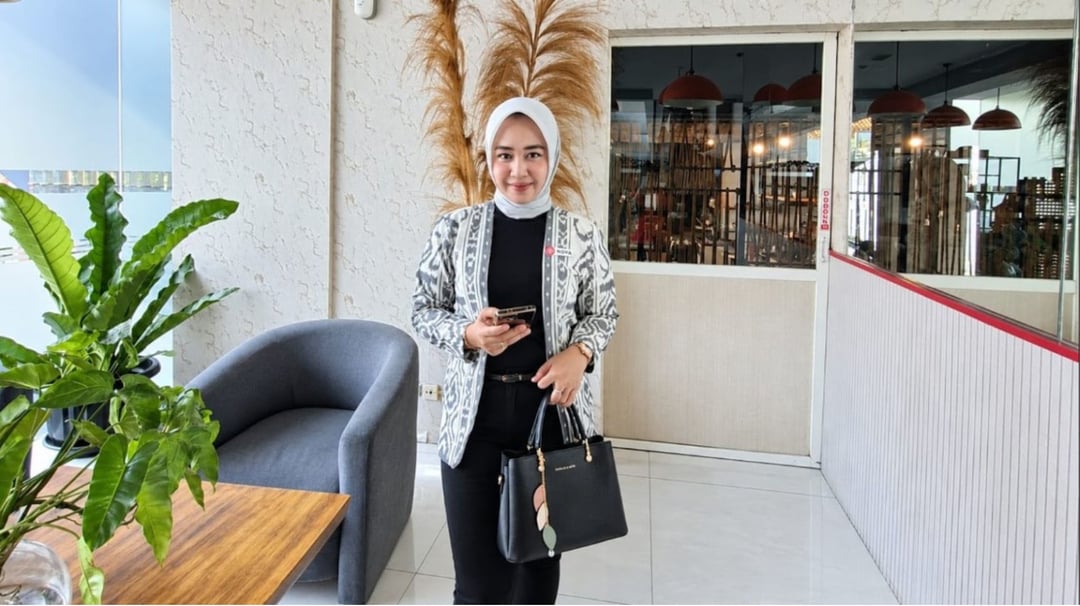
“Occupancy was full while the activities were underway,” Nova explained.
Beyond room availability, the management also paid close attention to the athletes' daily meal menus. Accommodation packages included breakfast, while lunch and dinner were available through the hotel’s restaurant and cafe at an additional cost.
The hotel maintained its regular menu, but after learning of requests for boiled eggs from the athletes, management began offering them daily as a food option throughout their stay.
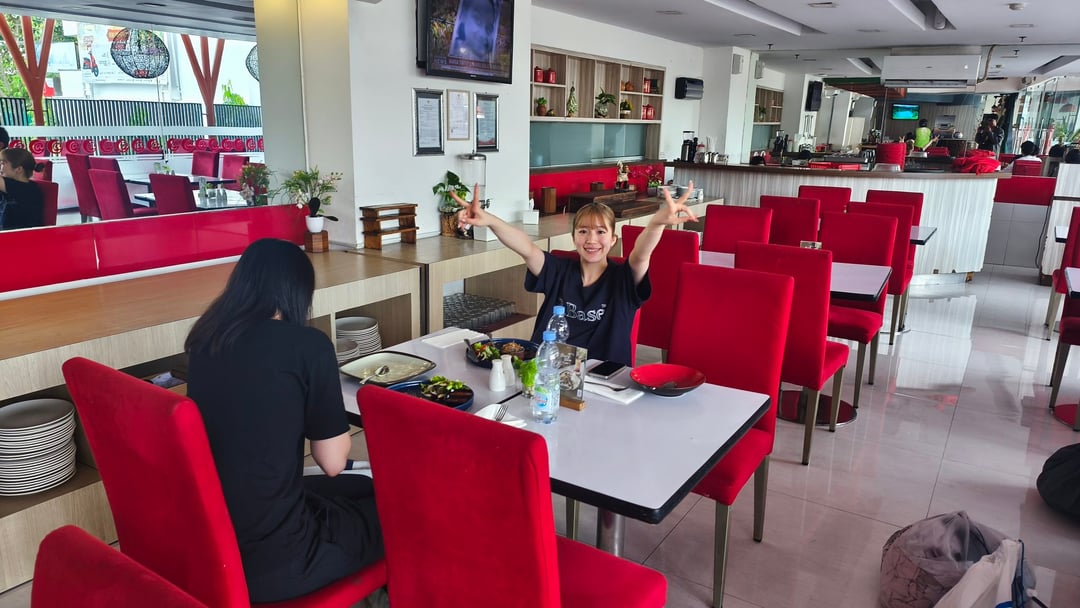
"Athletes requested hard-boiled eggs. To accommodate their dietary needs, we have made them available daily," said Nova.
Beyond catering, mobility for tournament participants is strictly managed. Transportation to the competition arena is supported by tournament liaison officers who provide two shuttle vehicles. These operate on a schedule from morning until night, as the hotel's three operational vehicles are insufficient to meet all shuttle requirements independently.
Nova noted that managing surges in demand during major events is a significant challenge for hotel staff. Since room capacity cannot be increased, maintaining facilities and room standards is essential to ensuring guest comfort.
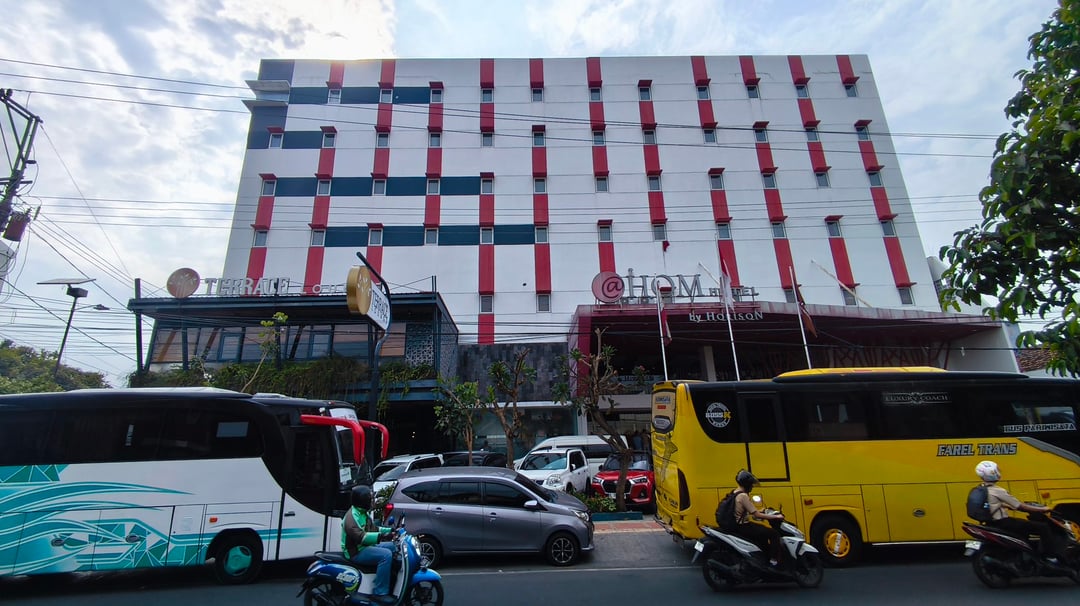
At @Hom Hotel Kudus, several groups checked in days before the competition, with some guests staying for up to nine nights to participate in the tournament series. Superior-type rooms have proven the most popular choice.
While the standard rate for a superior room is approximately Rp 475,000 per night, tournament groups receive negotiated contract rates, though the hotel declined to disclose the specific pricing.
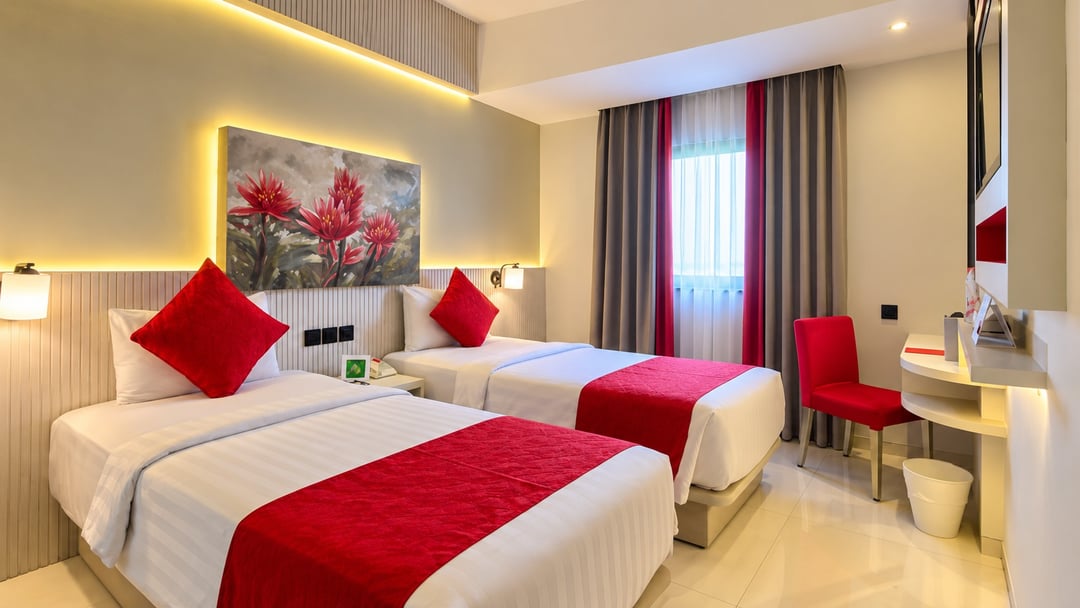
These extended stays highlight how tournament accommodation requirements differ from standard tourism. The need to manage preparation, recovery, and competition schedules transforms the hotel into a secondary headquarters for visiting teams.
For management, operational flexibility remains critical. Adjusting nutritional offerings, maintaining room readiness, and synchronizing transport with match schedules serve as challenges that help elevate the service standards of the local hospitality industry.
The successful execution of the Polytron Kudus Indonesia Masters 2026 ultimately stemmed from effective synergy between the competition venue and the city's supporting infrastructure. While the court served as the primary stage for athletic performance, hotels provided the essential foundation for player endurance behind the scenes.
The experiences of Terry Hee and Dhinda Amartya highlight how room comfort, sleep quality, and attentive service directly impact athletic performance. Furthermore, increased occupancy rates and upgraded facilities at Horison IJ and @Hom Hotel underscore the significant role sporting events play in stimulating the local economy.
The tournament demonstrated that success extends beyond trophies and scoreboards. It relies on a critical ecosystem of support—from pristine accommodations and hospitable staff to nutritional services—that works quietly to sustain athletes throughout their competition. (OEB/YSR/mainkekudus)