
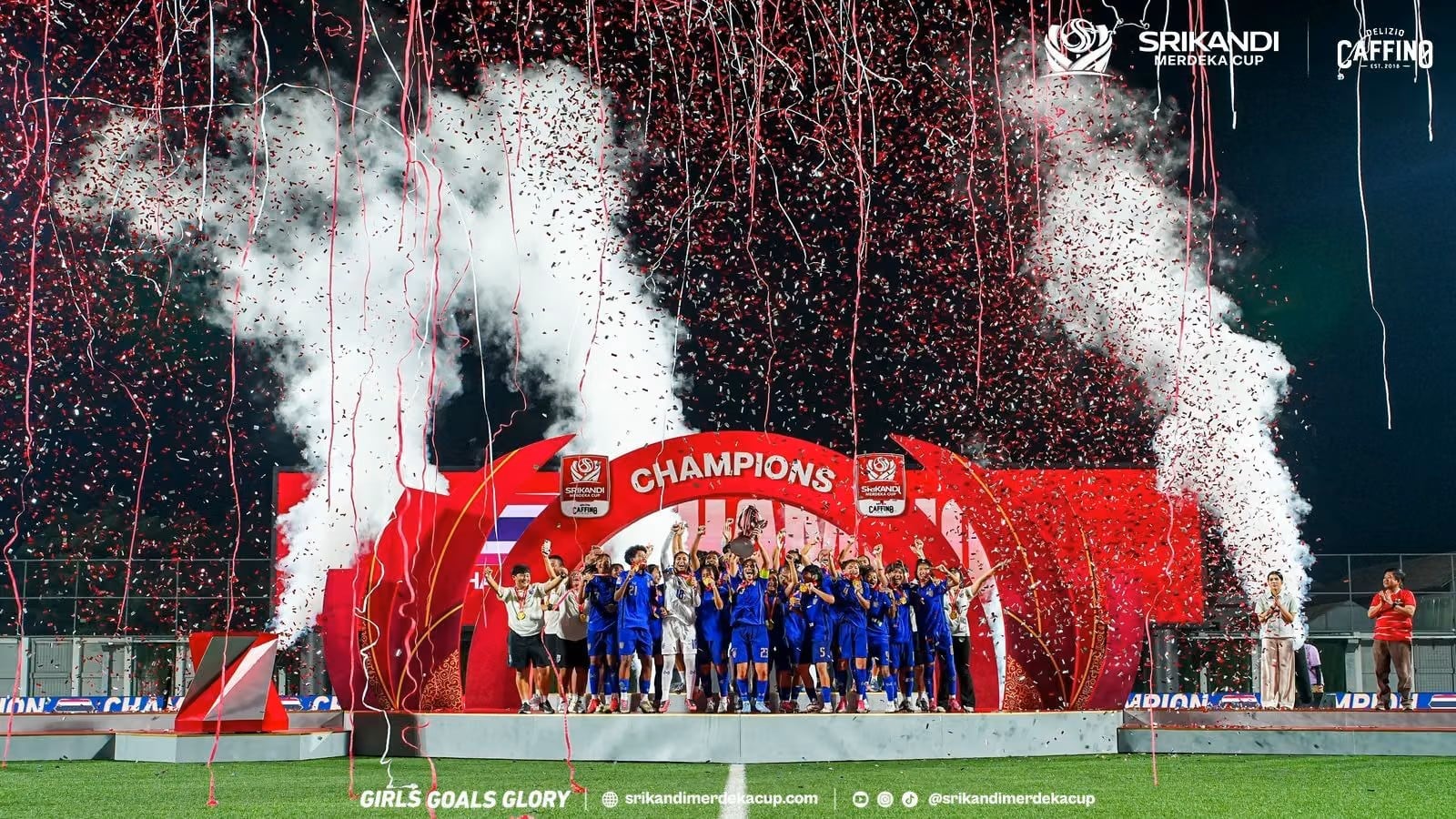
KUDUS – The trophies have been awarded. Players who traveled to Kudus for the tournament are now departing from their hotels to return home. The pitches, which for ten days were vibrant with matches, cheering crowds, and team activities, are slowly returning to their quiet state.
However, the experience of the 2026 Caffino Srikandi Merdeka Cup extends beyond the final whistle. Seven nations brought young players, coaches, staff, and their own unique stories to Kudus. They competed, lived together, engaged with the community, explored the surroundings, and participated in activities outside of the sport.
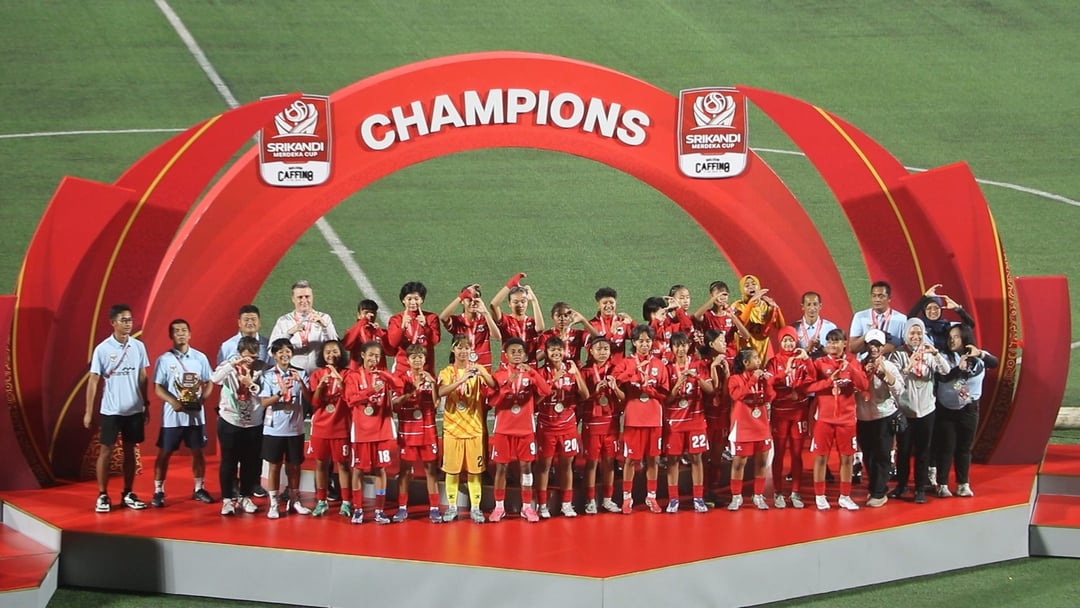
As they depart, they carry these experiences with them. For the athletes, competing against international opponents serves as a formative chapter in their young careers. For the people of Kudus, hosting teams from seven nations offered a rare opportunity to witness international women's football firsthand. For the region of Kudus, the event provided a valuable case study in hosting international sports competitions and developing local sports tourism.
For Nur Qalaysha Qaisara, the journey with the Malaysia U-16 national team was defined by more than just matches. The number 2 center-back highlighted the camaraderie built over nearly two weeks in Kudus.
From singing together on bus rides to shared meals and cultural immersion activities—such as learning the traditional art of batik—the players bonded throughout the tournament.
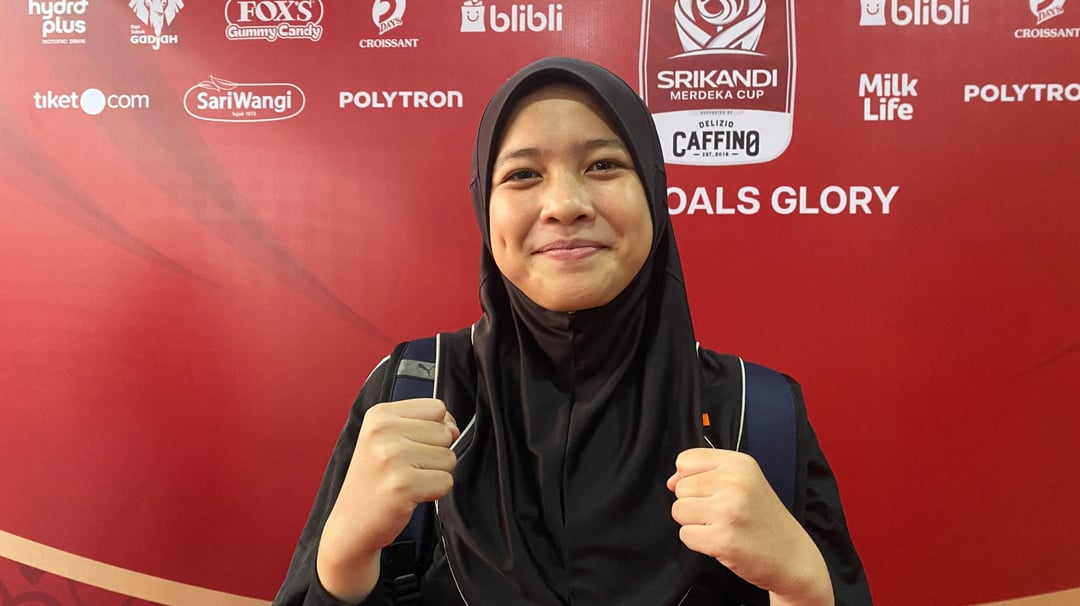
These activities provided a necessary balance for the young athletes, who spent most of their time focused on training and competition. These moments away from the pitch became cherished parts of their trip.
“We are Team Malaysia. We did so many things together, played together, and ate together. These are memories that are hard to forget,” recalled Qalaysha.
The experience of the Jordanian players offered a different perspective. Alma Odai Yousef Alsaify, a forward for the Jordan U-16 women's team, emphasized the warm hospitality she received during her stay in Indonesia.
While the team’s strict diet limited their ability to sample local culinary delicacies, the opportunity to connect with the local community left a lasting impression on Alma and her teammates.
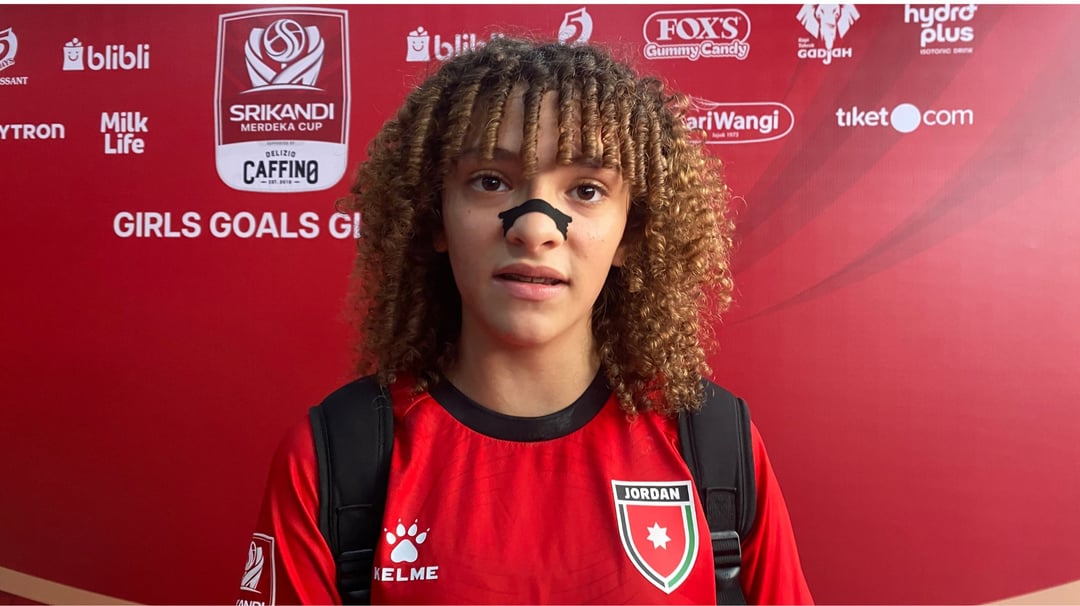
“I would like to thank the fans here and the people in Indonesia. Honestly, Indonesia is a place I would love to visit again for a proper holiday,” said Alma.
Kawinthida Kikuntod of the Thailand women's U-16 national team also shared her experience. During a break from the tournament schedule, she visited a local supermarket in Kudus to sample local fried chicken.
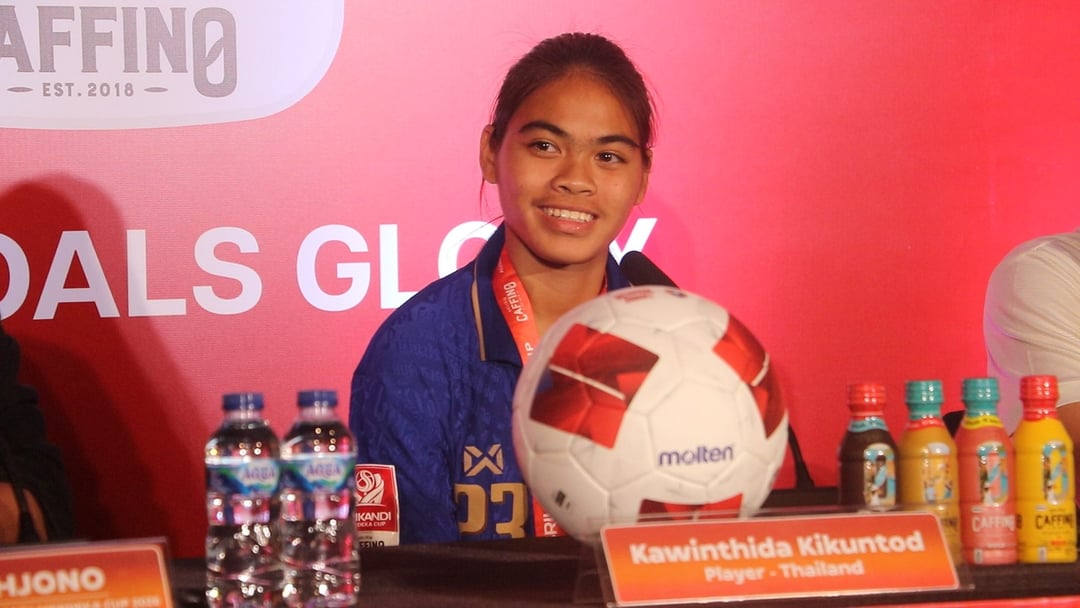
Such simple moments offer a perspective often absent from match reports. While the players arrived as competitors, their time in Kudus allowed them to engage with the rhythms of daily life in the host city.
These experiences align with the tournament's primary goal: providing young players with the opportunity to face opponents from different countries.
Fadilla, a striker for the Indonesia women's U-16 national team from Batubara Regency, North Sumatra, noted that matches against international teams have bolstered her experience and helped her develop greater assertiveness on the pitch.
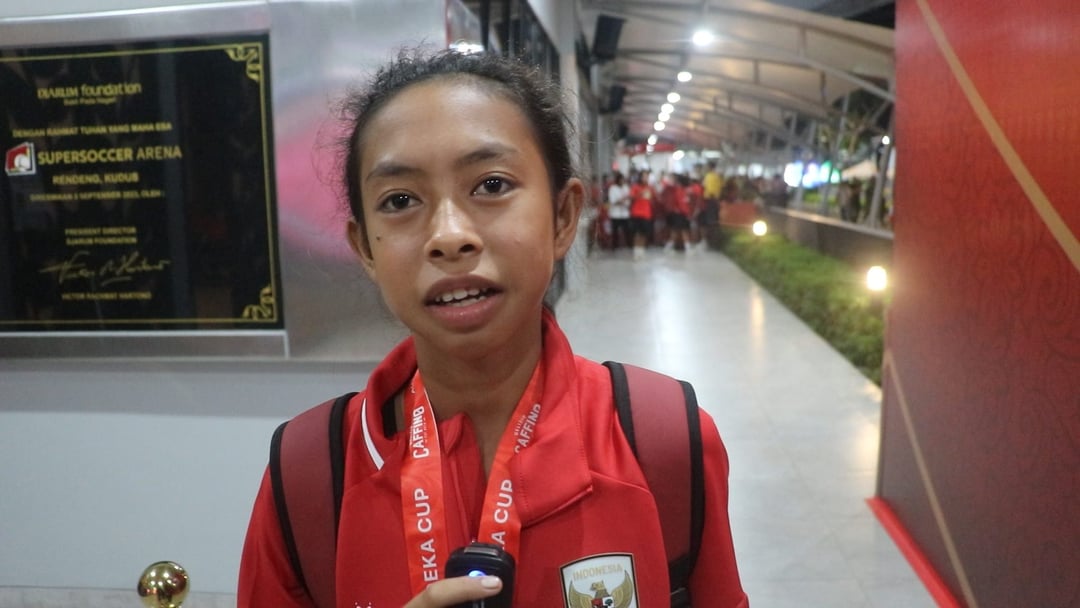
“I am very happy and believe we have done our best for the officials and coaches. The experience here has been invaluable, teaching me to be more assertive with my teammates. I am very proud to represent Indonesia at this level,” said Fadilla.
Such exposure is critical for players in their formative years. Beyond the technical challenges, they must adapt to varying match situations, pressure, communication styles, and tactical approaches that differ from those in their domestic leagues.
Malaysia U-16 national team coach Fairuz Montana Zainal Abidin hopes the experience gained in Kudus will serve his players well upon their return home. He urged the squad to use this tournament as motivation while maintaining strong discipline.
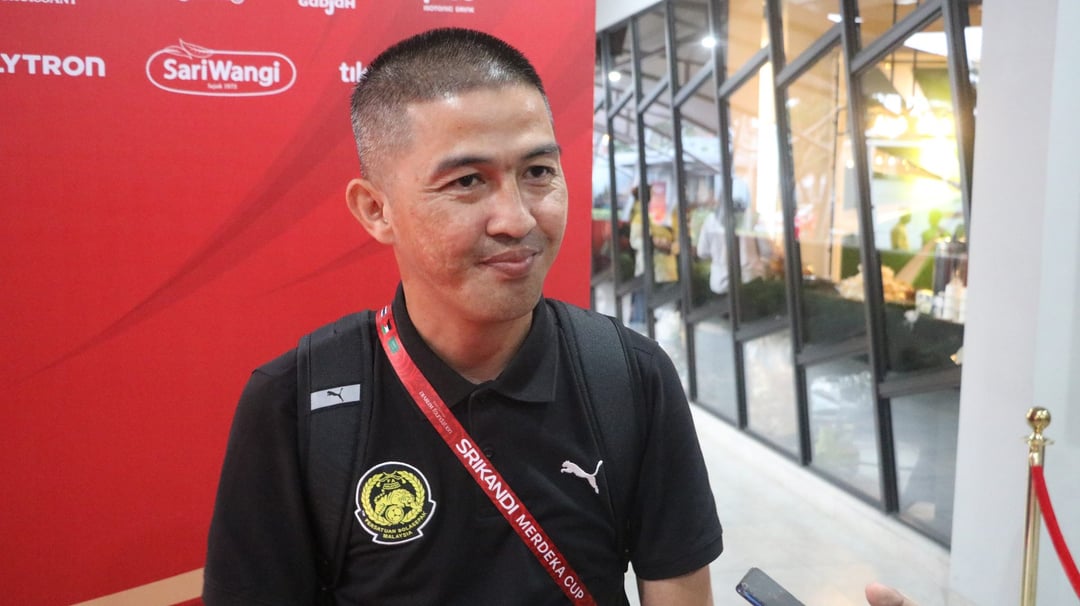
"For upcoming tournaments, I hope they use the experience in Kudus as motivation and as a positive tool for moving forward, especially given their young age," Fairuz said.
For the Thailand U-16 women's national team, the tournament in Kudus is a key step in their preparations for upcoming challenges. Coach Thidarat Wiwasukhu stated that her team will enter a training camp to prepare for the AFC U-17 qualifiers.

"We are certainly preparing for the AFC U-17 qualifiers, which will be hosted in Thailand. We will begin our training center next month with the goal of ultimately preparing for the World Cup," Thidarat said.
Each team departed with different objectives. Some took home technical evaluations, others gained valuable experience against international opponents, while many left with memories of the city where they competed.
For Indonesia, the opportunity to face seven different nations is part of a broader conversation regarding the development of women's football.
Indonesia U-16 women's national team coach, Timo Scheunemann, noted that player progress requires consistent, tiered competition. He emphasized that players must have opportunities to play from a young age before advancing to football academies and more competitive leagues.

“The more children who play, the better, and what is also important is that it is tiered. We have tournaments between elementary schools, and after that, we encourage them to join soccer schools (SSB),” explained Timo.
According to Timo, gaining playing experience must go hand-in-hand with character development. He noted that Indonesian players consistently demonstrate a fighting spirit in every match, without adopting the attitude of a star player.
For young athletes, the experience gained at the Srikandi Merdeka Cup does not exist in isolation. The tournament is part of a long-term process that requires routine competition, development in clubs and schools, and opportunities to face opponents with varying skill levels and playing styles.
This is where the value of an international competition for player development extends beyond the final scores. Players gain the chance to gauge their abilities in different situations and carry that experience forward to the next level of their careers.
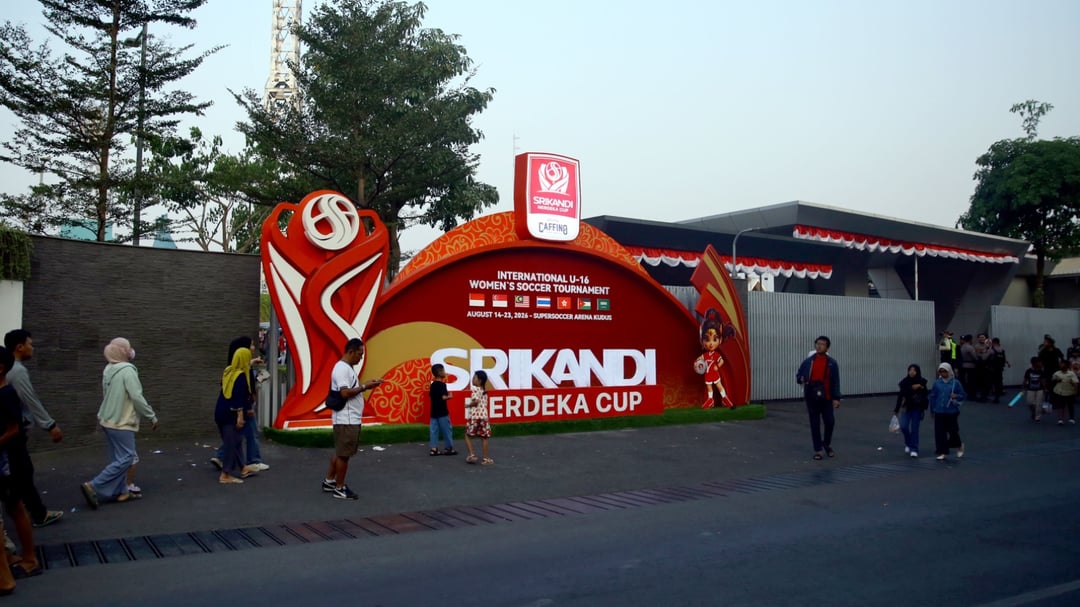
The Srikandi Merdeka Cup also provided Kudus with valuable experience as a host city. For ten days, the city served as home base for teams from seven Asian nations.
Caffino Srikandi Merdeka Cup Program Director Teddy Tjahjono described the event as the culmination of the Women’s Soccer Trilogy. He also highlighted the strong support from the local community, which filled the stands throughout the tournament.

“The Caffino Srikandi Merdeka Cup is the climax of the Women’s Soccer trilogy that we had planned. We are grateful for the support of the community, which consistently packed the stands,” Teddy said.
The enthusiasm displayed serves as a memorable experience for participants during their stay in Kudus. The international women's football matches were not only held before officials and teams but were also attended by the local community.
From the local government's perspective, Widoro Heriyanto, Head of the Sports Division at the Kudus Regency Education, Youth, and Sports Agency, noted that the arrival of international guests has provided a multi-sectoral impact.
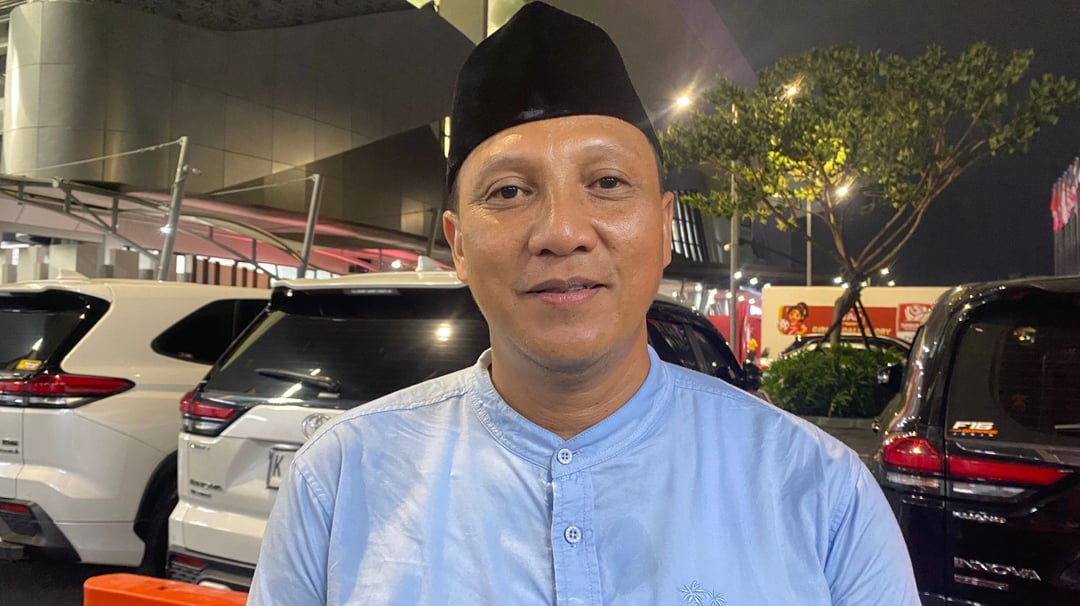
"This may be the first time such an international-scale tournament has been held in Kudus, Central Java, or even Indonesia. I believe the presence of our international guests has a profound impact on sports development, the SME sector, and tourism," Widoro stated.
The event highlights the synergy between sports and broader local activity. Athletes and officials require lodging, meals, transportation, and various services during their time in Kudus, while the community gains the opportunity to witness the matches and engage with the participants.
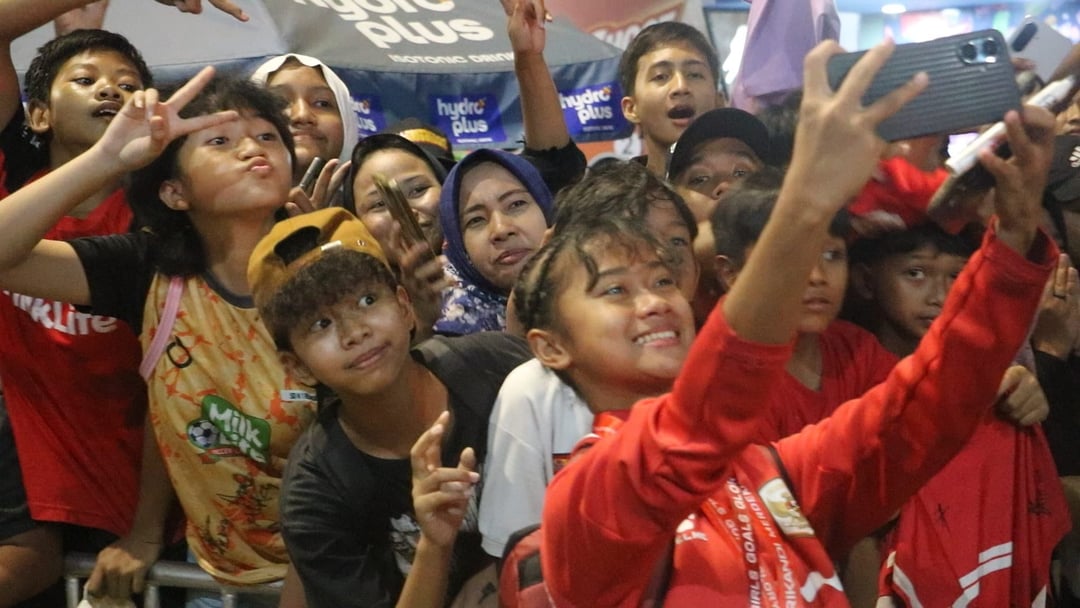
The participation of seven countries has brought international women's football closer to the people of Kudus. Children who previously only viewed the sport through screens now have the chance to watch players of their own age compete in person.
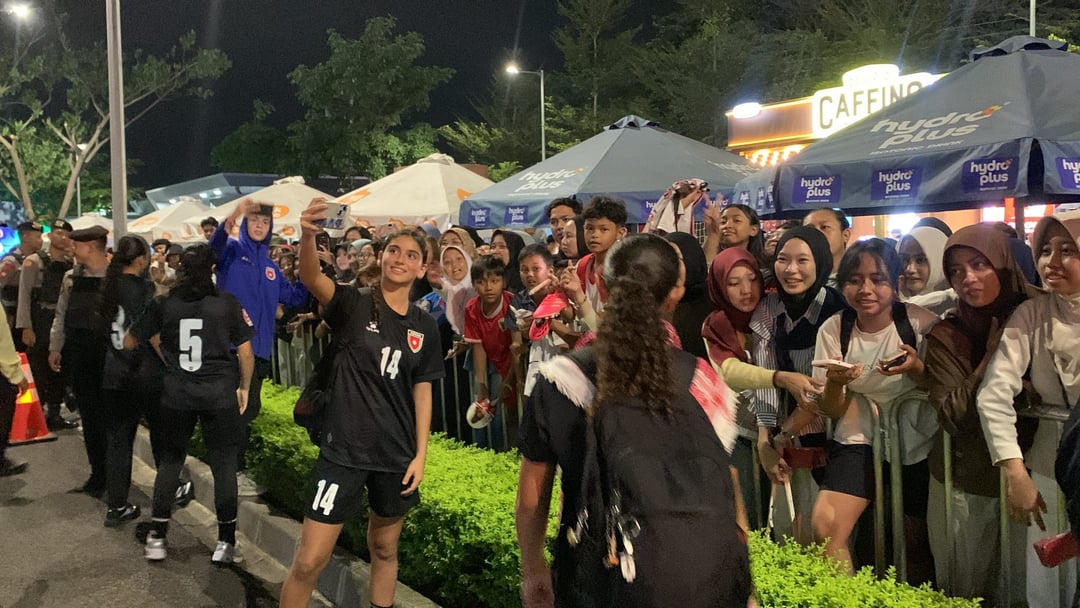
This experience is vital because sports growth is not limited to players already within a development system. Interest can also be sparked in children who watch, learn about the players, and feel inspired to take up the game themselves.
The event has fostered a wider ecosystem involving athletes, coaches, officials, volunteers, venue managers, local residents, schools, clubs, and SME owners.
Such gatherings ensure that a competition extends beyond the field. Players require support to compete, spectators seek venues to watch, and business owners capitalize on the increased economic activity generated by the crowds.
For Kudus, this experience serves as a benchmark for evaluating future hosting of international sporting events. While a single event provides a foundational experience, long-term success requires consistent competition, athletic development, facility readiness, community engagement, and a sustained synergy between sports and other sectors.
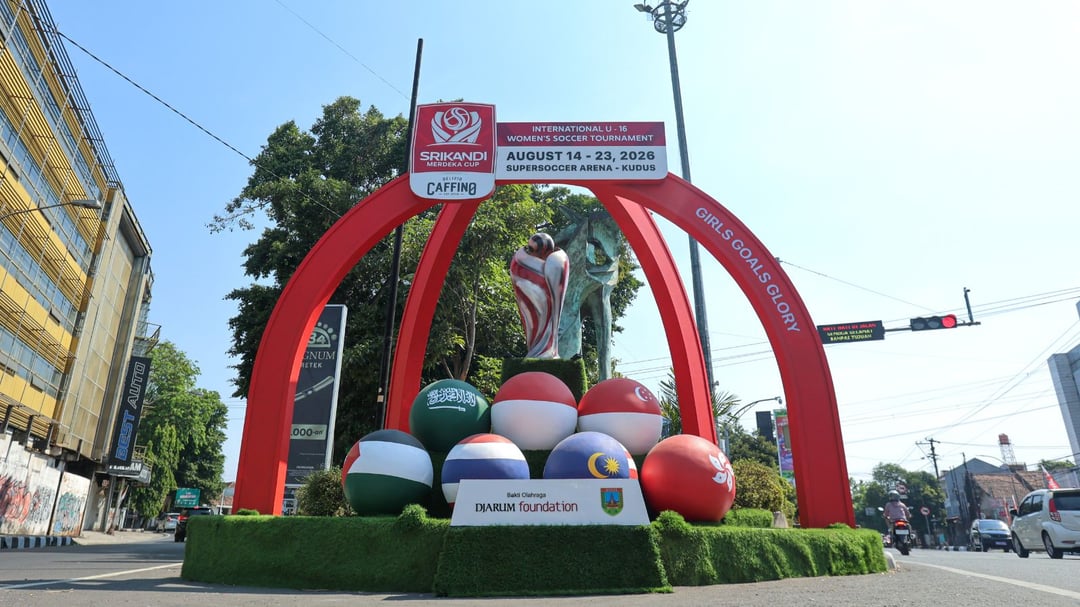
As players return to their home countries, the true impact of the event extends well beyond match statistics.
Qalaysha departs with cherished memories of team bonding and a batik-making workshop. Alma reflects fondly on the Indonesian people and expressed a desire to return. Kawinthida carries stories of daily life in Kudus, while Fadilla gains valuable experience as a young Indonesian player. For the coaches, the tournament provided crucial data for future preparations.
The residents of Kudus benefited from the opportunity to witness elite women's football from seven nations firsthand, while local children were inspired by close-up access to the international competition. Furthermore, local businesses and event staff gained experience in managing an international-scale event.
For Kudus, hosting this international women's football tournament provided vital insight into the interplay between sports, tourism, community development, and the local economy.
The lasting legacy of the Srikandi Merdeka Cup is not measured solely by the awarding of a trophy, but by the growth of the players, the professional development of the coaches, the inspiration fostered among the youth, and the institutional knowledge gained by Kudus as a budding venue for international football.
While the final match marks the conclusion of the competition, the experiences from the past ten days continue to resonate. Players have returned home with international experience, the community remains energized by the tournament, and Kudus has successfully added a new chapter to its ongoing efforts to develop its sports and sports tourism landscape.
Future initiatives will determine whether this experience remains a singular event or evolves into a sustained long-term development strategy. (JMY/ITN/mainkekudus)