
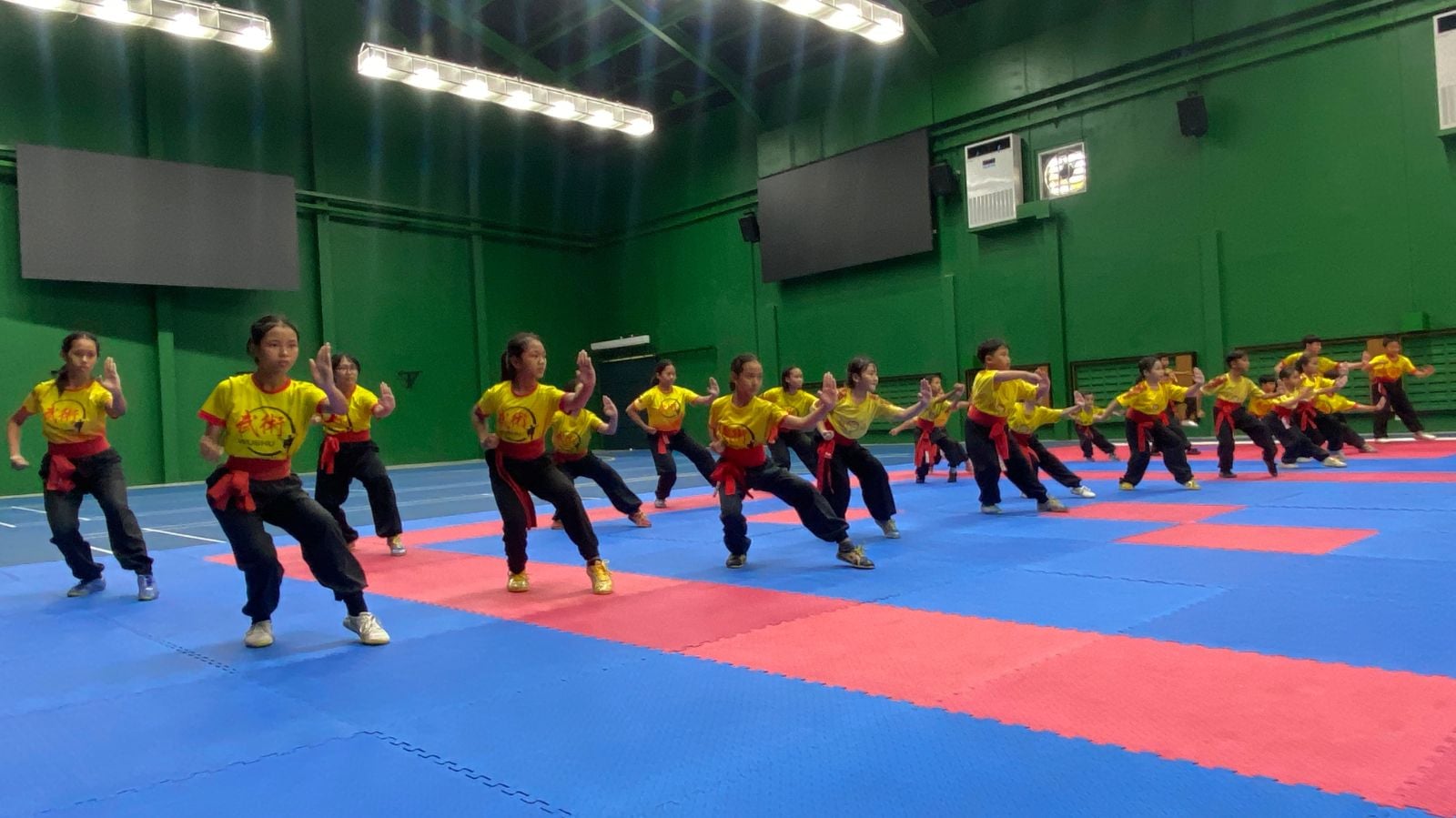
KUDUS – An athlete's success is forged far beyond the competition arena. Long before stepping onto the podium, athletes must endure rigorous, repetitive training, accept critical feedback, and address every weakness. Movements are studied, footwork is corrected, balance is maintained, and sequences are repeated until executed with precision.
This process defines the daily routine for Wushu Indonesia Kudus athletes. Training continues regardless of the competition calendar, with athletes attending sessions structured by age group, technical proficiency, and individual needs.
Through this systematic approach, the Wushu Indonesia Kudus Regency Board has built a progressive development program. Beginners are introduced to fundamental techniques, while those in the competition group focus on advancing their technical skills, physical conditioning, and mental readiness.
The effectiveness of this program was demonstrated at the 2026 PBWI Wushu Kungfu National Championship in Alam Sutera, Tangerang, held from July 22–27, 2026. Thirteen junior and senior athletes from Kudus participated, returning home with 15 medals: six gold, seven silver, and two bronze.
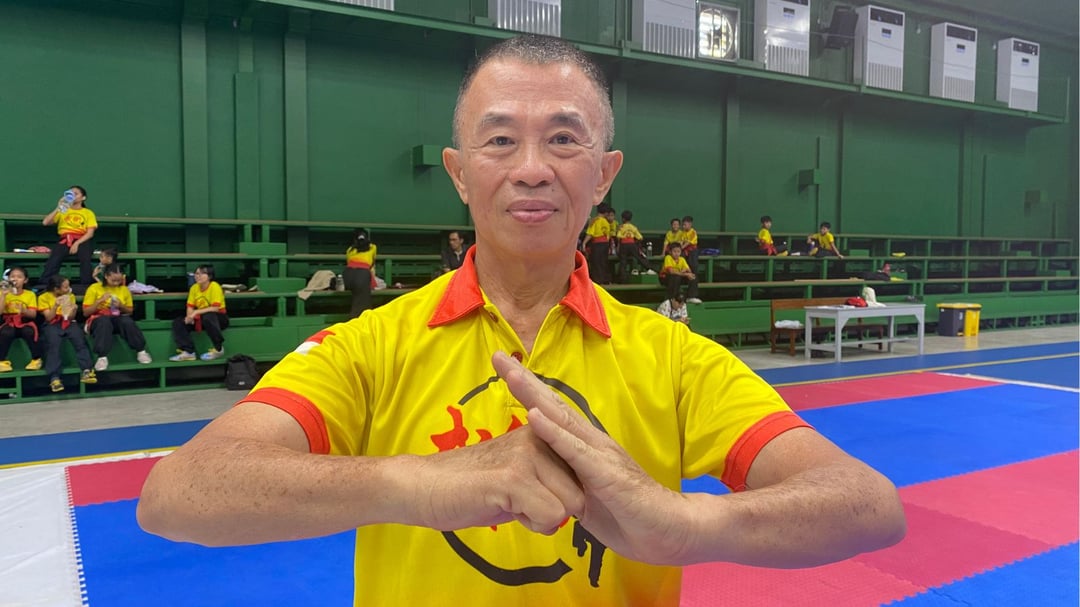
The results exceeded the team's expectations. Harjana Wijaya, founder and coach of Wushu Indonesia Kudus, stated that the team had aimed for three gold medals before departing for Tangerang.
“We set a target of three gold medals, but we secured six. It proves that our athletes have the potential to surpass expectations in this kung fu championship,” said Harjana.
The six gold medals were earned by four athletes: Gavrila Widhi Aurellia (two), Kenichi Rain Lie Listiyanto (two), Jessica Laurens Tannia (one), and Nindya Umi Abinaya (one).
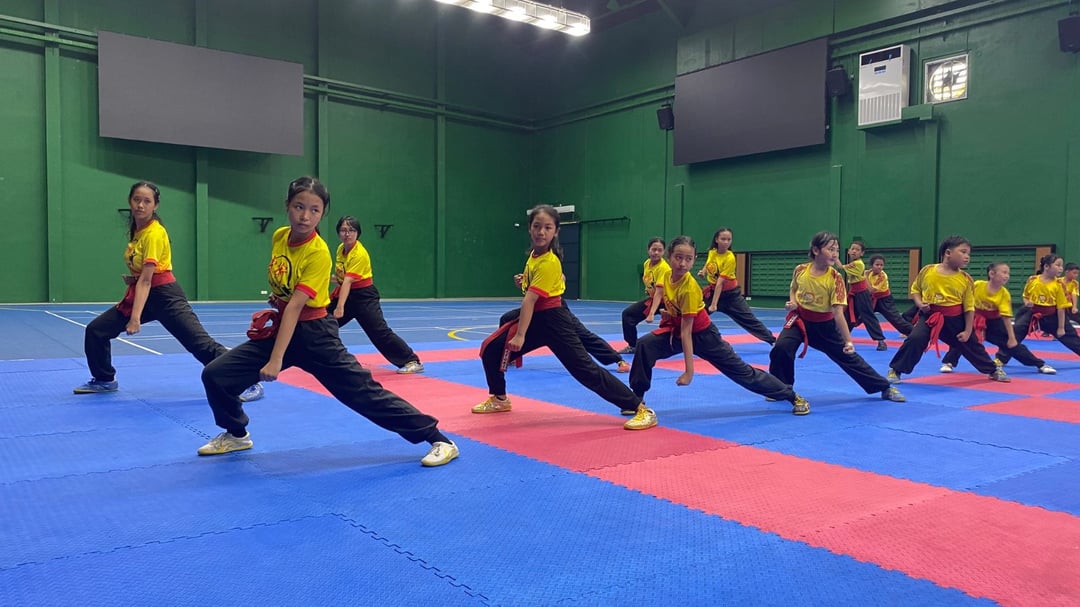
Harjana began actively developing Wushu Indonesia Kudus in 2008. In its early stages, participation was limited, but the subsequent achievements of its athletes increased the sport’s profile and attracted more children to training.
Training is not reserved for teenagers and seniors; children as young as first grade are integrated into the program to ensure continuous athlete development. Participants are categorized into Junior C, Junior B, Junior A, and Senior levels.
This classification allows coaches to tailor programs to the developmental stage of each athlete. Beginners receive different instruction than those preparing for competition, with material, intensity, and objectives adjusted to ensure steady, measurable growth for every athlete.
Children as young as six or seven can begin training. At this age, children are generally capable of understanding and following coaching instructions. However, individual readiness is always monitored, as children may vary in their ability to absorb lessons and adapt to training regimens.
Developmental programs are also offered through Kanisius Elementary and Middle Schools. These initiatives serve to introduce students to wushu while identifying promising young athletes. Schools act as an entry point for children to familiarize themselves with the characteristics of the sport before moving on to more structured training.
For new students, training begins with fundamental techniques and standard movements. Participants study footwork, stances, balance, coordination, and movement sequences. Once this foundation is established, instruction advances toward competitive requirements.
Errors are considered an integral part of the learning process. Improper foot positioning, unstable stances, or missed sequences are addressed through corrections and repetition. Coaches monitor an athlete’s progress based on technical precision rather than the speed at which they master the material.
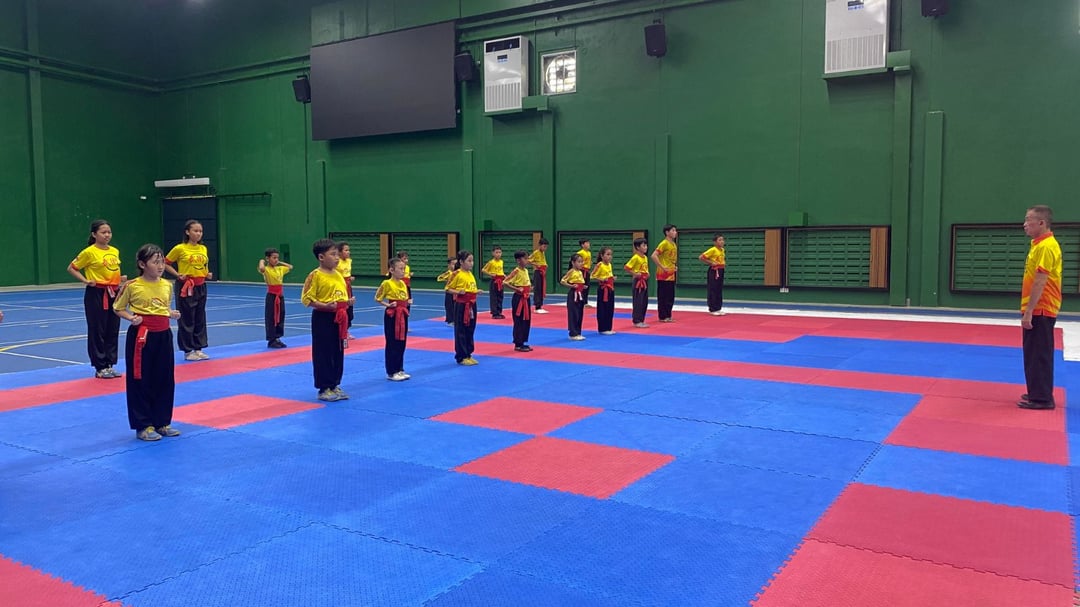
Consistency is vital to the development process. Wushu Indonesia Kudus athletes train five days a week in two-and-a-half-hour sessions. Training at the Hok Hien Bio Temple gym takes place on Mondays and Wednesdays from 3:00 PM to 5:30 PM WIB, and Thursdays from 3:30 PM to 6:00 PM WIB. Friday sessions are held at the GOR Arena 3 Djarum in Kaliputu from 3:00 PM to 5:30 PM WIB.
This schedule applies to both novice athletes and those preparing for championships, with programs tailored to the needs of each group. Beginners focus on fundamental techniques and movement standards, while competitive athletes work to refine their routines and increase precision.
Ahead of the 2026 PBWI Wushu Kungfu National Championship, preparations have intensified with a roughly three-month training camp. During this phase, training content is customized based on the specific events and needs of each athlete.
Competition preparation involves more than just repeating routines. Athletes must maintain adequate physical conditioning to execute sequences with stability. They must also sustain focus under the pressure of competition, including performing before judges and facing opponents from various regions.
For novice athletes, training starts with the basics. Footwork, stances, balance, and movement sequences are continuously refined through repetition. Once the technical foundation is built, training shifts toward competitive performance.
Harjana emphasizes mental preparedness as a core element established from the very beginning of training.
“We can always build up physical fitness. But if an athlete has good physical condition yet lacks mental strength, they can easily feel overwhelmed and forget their movements. Therefore, we prioritize mental development first,” he explained.
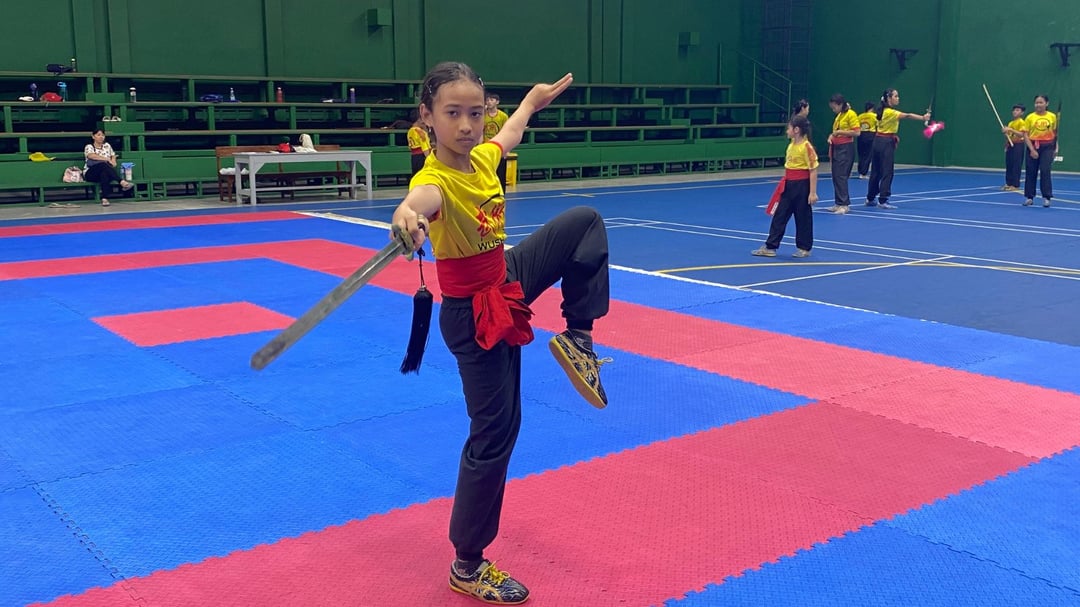
Every athlete's journey begins from a different starting point. Not every child arrives at the training ground with the immediate goal of becoming a champion. Some are drawn in after witnessing wushu movements, some are introduced by their families, and others join simply to explore a new activity.
Harjana previously mentored an athlete who quit after roughly three months of training, discouraged by the coach's stern demeanor. Parental encouragement ultimately led the athlete to return to the sport.
Upon returning, the athlete showed significant progress. Technical proficiency improved through consistent training. This experience illustrates that athletic advancement is not always instantaneous and that each child requires a unique period of adjustment.
"They are doing well now. Some who initially just wanted to try it out eventually develop into exceptional athletes," Harjana noted.
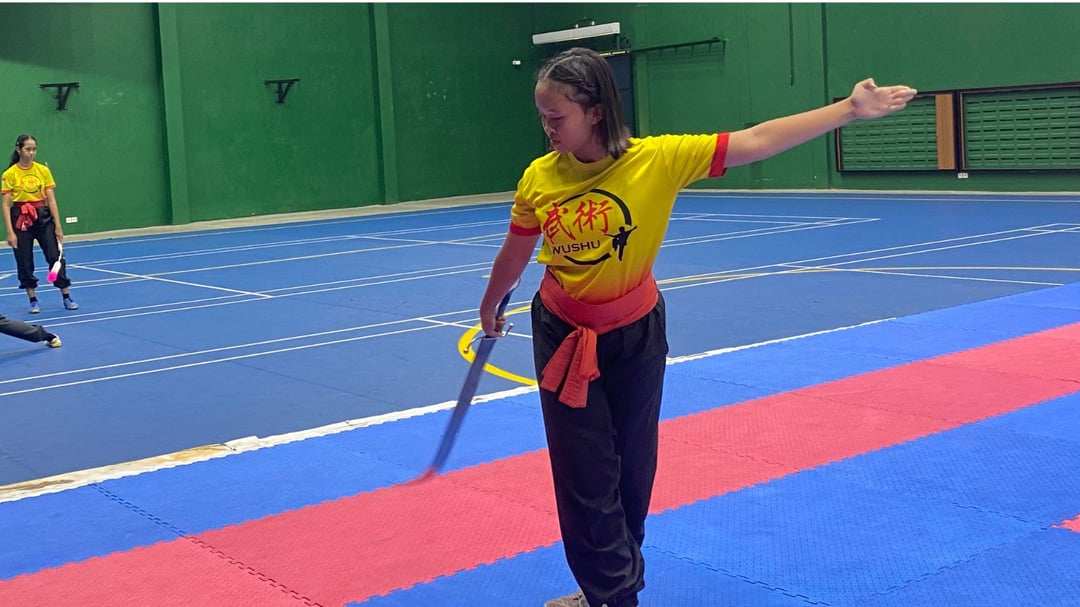
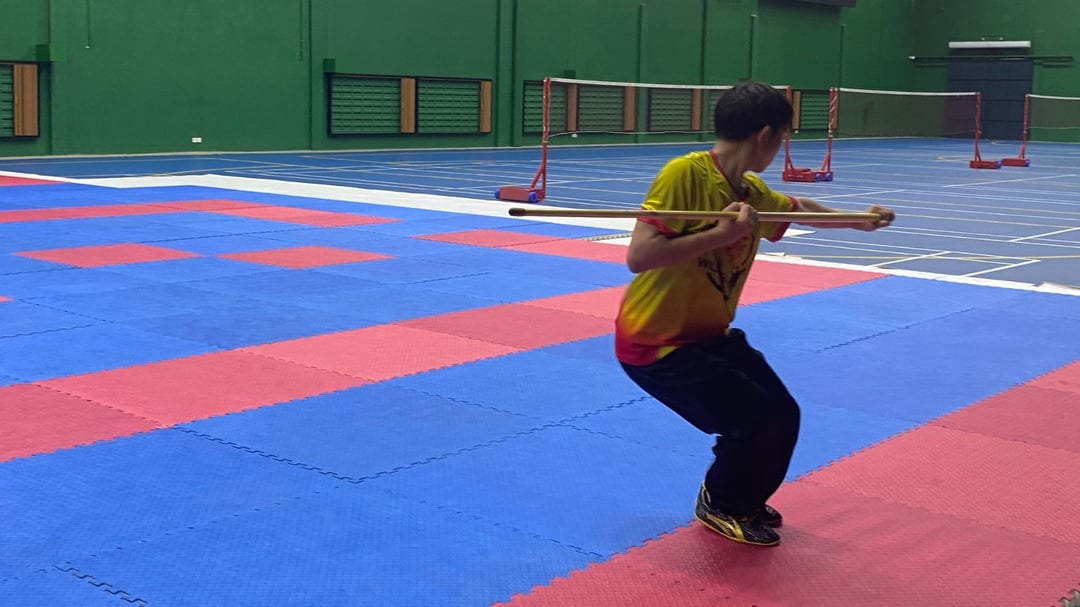
The gradual training model provides space for children to become familiar with wushu without the pressure of immediate competitive success. Beyond learning techniques, they must adapt to schedules, training protocols, the coach's temperament, and their peers. This process is a key factor in determining long-term potential.
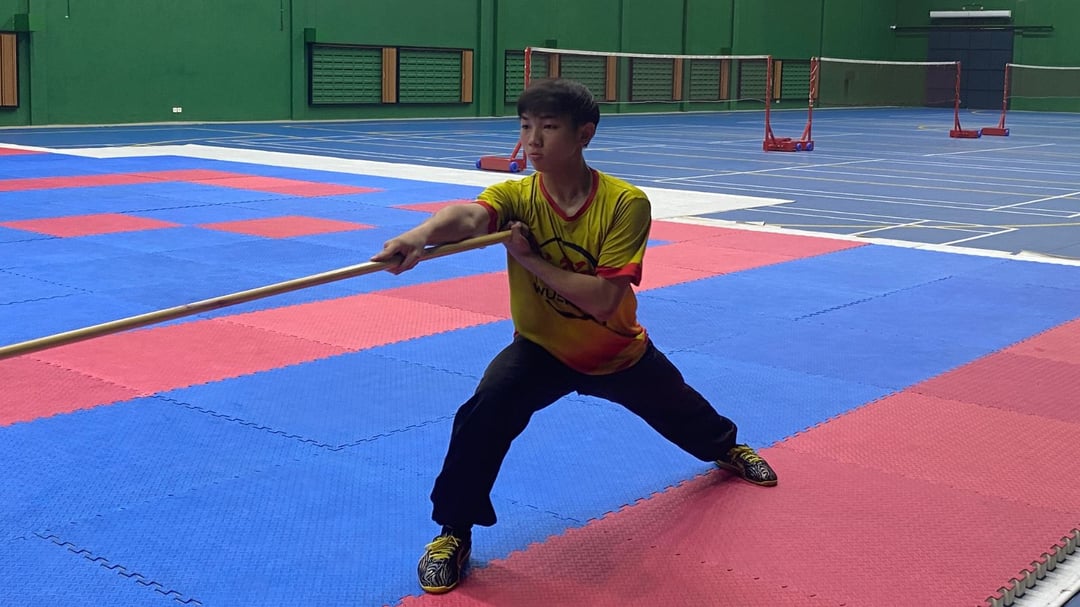
Kenichi Rain Lie Listiyanto is one of the athletes who has benefited from this development program. He trains five to six days a week, an intensity that serves as part of his preparation for competitions, including the 2026 PBWI Wushu Kungfu National Championship.
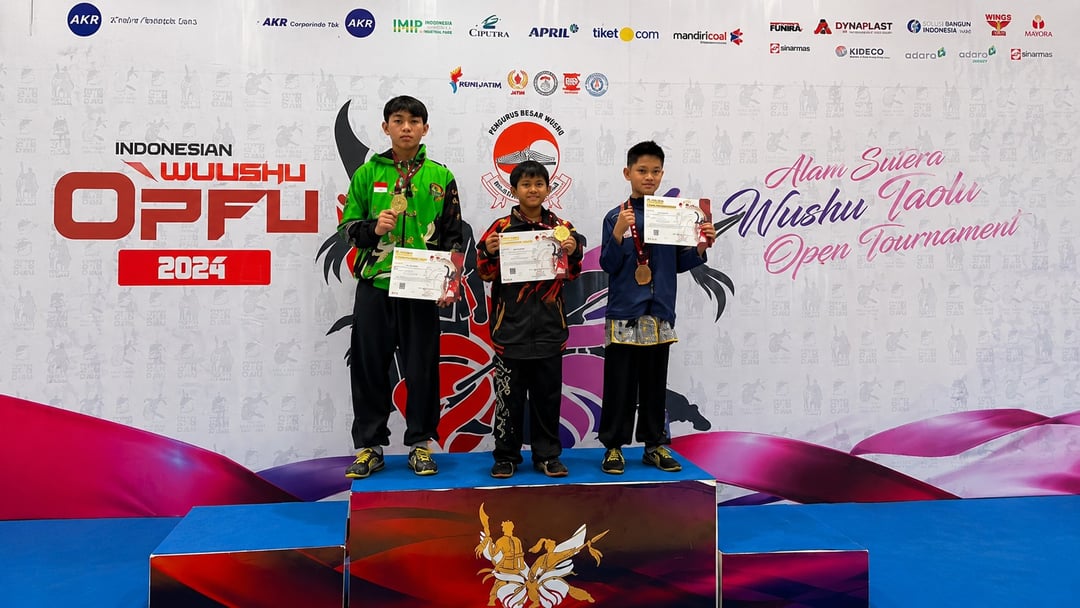
During the championship in Tangerang, Kenichi secured two gold medals and one silver. He competed against athletes from across the country in the national-level event. Each performance demanded high concentration to ensure the practiced movement sequences were executed precisely according to judging standards.
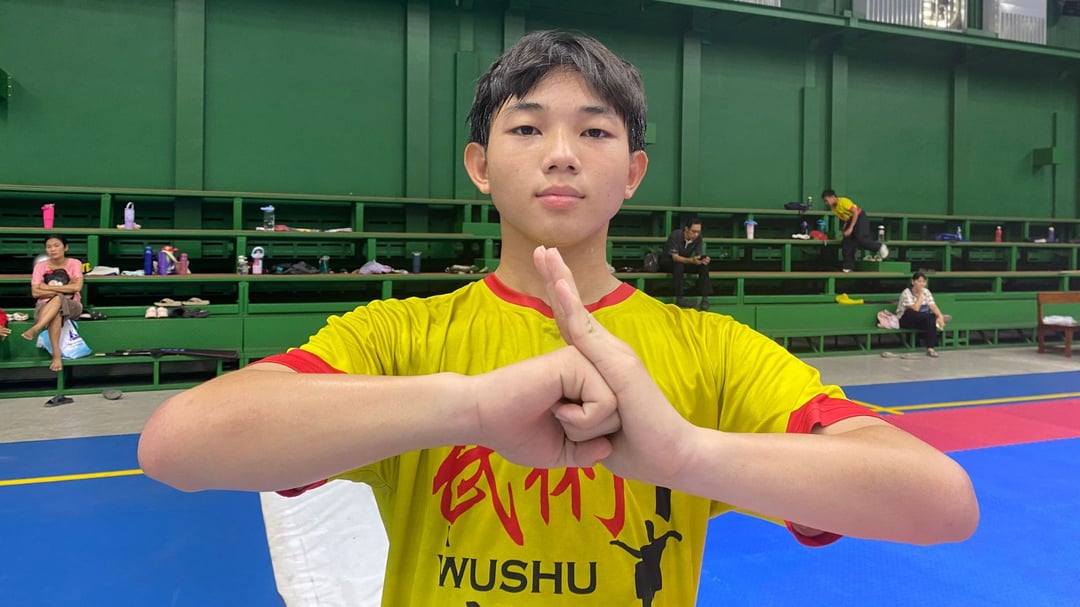
When the results were announced and his name appeared as a medalist, Kenichi gave a brief response to his achievement.
“I feel happy, a bit surprised, and proud,” Kenichi said.
Kenichi also credited the support of his coaches and parents as a vital part of his athletic journey. This backing helped him manage a rigorous training schedule, repeat movements, and maintain his physical condition. The three medals from Tangerang will serve as valuable experience for future competitions.
In the younger age category, Nindya Umi Abinaya has followed a different path. She was introduced to wushu through her family. Her mother admired the artistic elements of martial arts, while her father encouraged her to take up a sport. Wushu was selected for its blend of both.
Nindya began training in August 2022. Her interest grew because wushu is not merely about martial arts; it also incorporates artistry through form, rhythm, and intricate movement. Nevertheless, training remains challenging, particularly when it comes to memorizing numerous techniques.
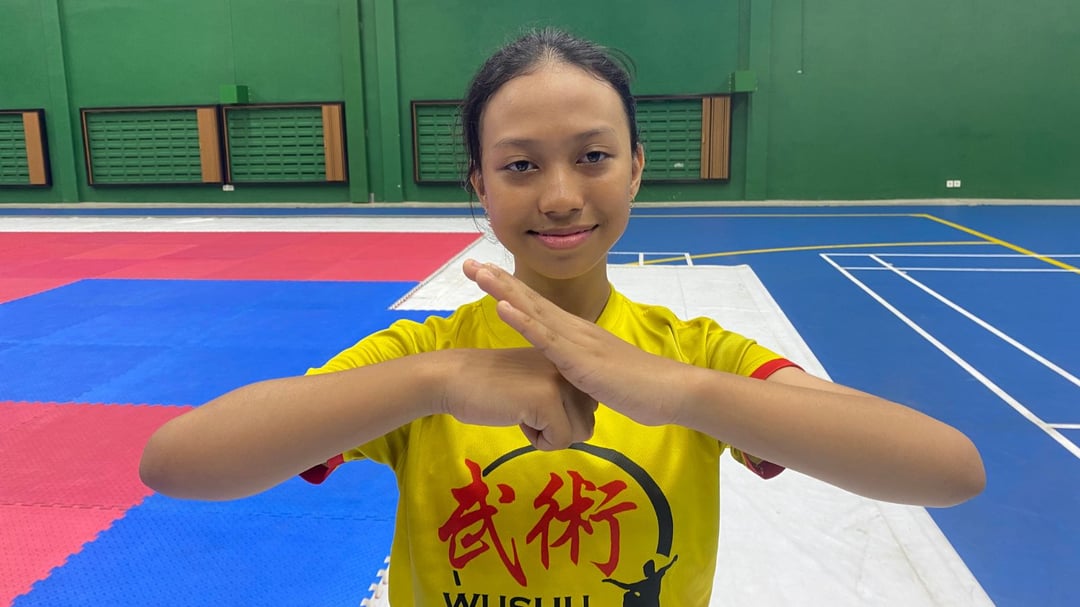
“In wushu, there isn't just one technique. You have to remember the movements. Sometimes during practice, I forget the moves,” she said.
Nindya has set a goal to represent her school and the Kudus wushu scene at the international level. To achieve this, she must commit to a long-term process: consistent training, improving her technical and physical skills, and gaining experience through various competitions.
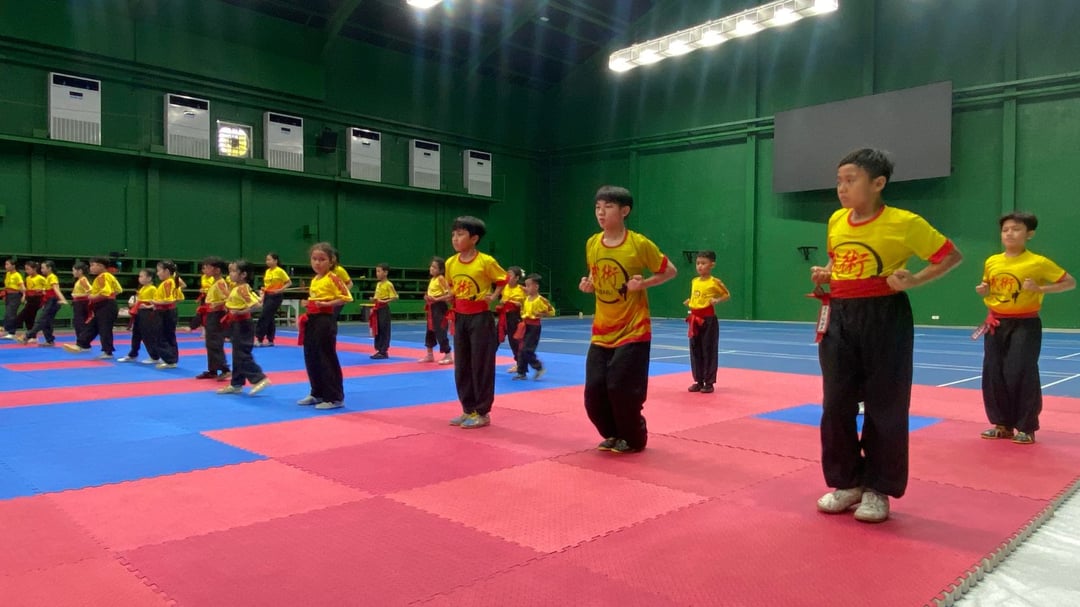
For Wushu Indonesia Kudus, junior athletes are vital to sustaining long-term development. While experienced athletes require advanced training programs, new recruits must focus on building a strong technical foundation. Both groups operate within a structured system with distinct objectives.
Recruitment is conducted periodically. As one group advances through training phases, the regeneration process continues with new incoming cohorts, ensuring a steady pipeline of talent independent of any single generation.
This structure ensures that training continues beyond those who have already medaled. As junior athletes progress toward competitive tiers, new participants begin by learning fundamental footwork, stances, and movement sequences. Each group follows a different stage, yet remains on the same developmental path.

The 2026 PBWI Wushu Kungfu National Championship resulted in 15 medals for the Kudus contingent. While this achievement reflects successful training, it also serves as a baseline for identifying areas needing improvement.
Harjana noted that the technical proficiency of Kudus athletes is strong, though further evaluation will focus on physical conditioning. Strength, endurance, and movement stability remain priorities to ensure athletes can maintain high-quality performances throughout matches.
The national competitive landscape is also a key concern for the coaching staff. DKI Jakarta, which claimed the overall title, serves as a benchmark for assessing opponent quality and identifying the standards Kudus athletes must reach.
“We continue to evaluate despite winning 15 medals, especially by observing DKI as the overall champion. We are analyzing their performance and determining what areas we need to improve,” he stated.
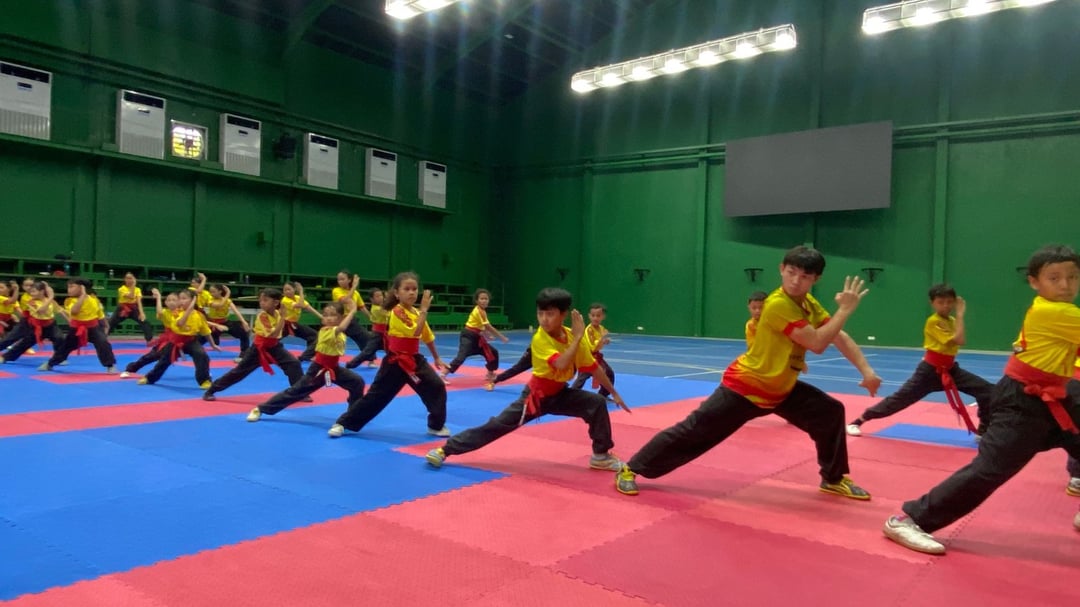
Students are at various stages of wushu development, ranging from beginners to those mastering techniques or preparing for competitive training. Regardless of their level, all athletes follow a rigorous process centered on discipline, repetition, and evaluation.
While podium finishes are the visible outcome of this commitment, the core work happens in the gym—refining movements, maintaining fitness, perfecting forms, building confidence, and preparing each new generation of athletes. (ITN/mainkekudus)