This nearly five-century-old structure serves not only as a center for worship and religious tourism but also as a testament to a cultural proselytizing mission that emphasizes respect for diversity.
Kudus, Central Java – Amidst the rapid pace of modern development, the Menara Kudus Mosque stands firm as a vital witness to the history of Islam in the archipelago. Located in Kauman Village, Kudus District, Central Java, the mosque—founded by Sunan Kudus in the 16th century—remains a premier religious tourism destination and an enduring symbol of cultural acculturation.
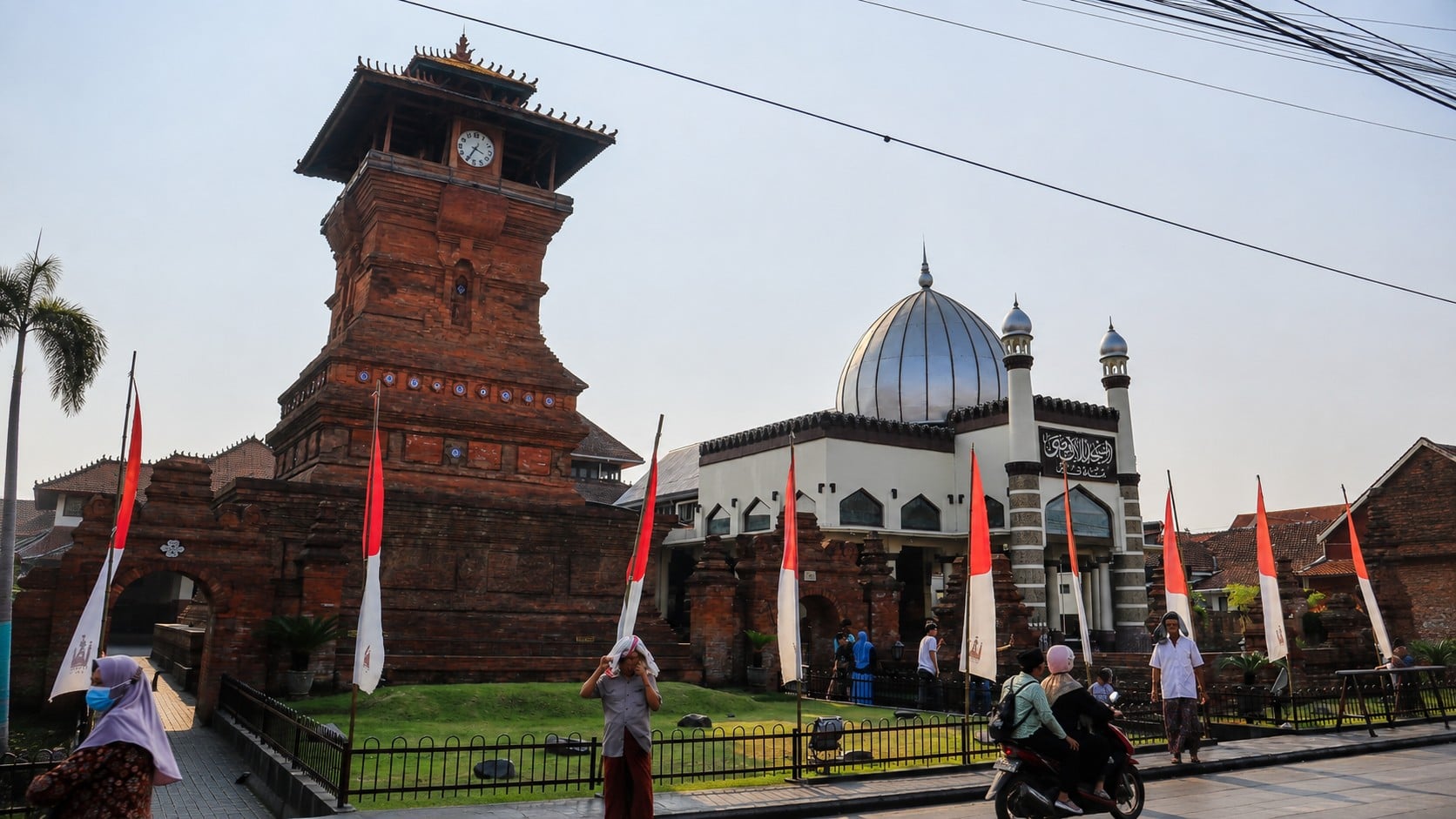
The Menara Kudus Mosque draws attention not only for its historical significance but also for its unique architecture. Its red-brick minaret, which resembles a temple, distinguishes it from other mosques across Indonesia. Beneath its grand facade lies a story of an evangelical strategy that prioritized cultural engagement and social tolerance.
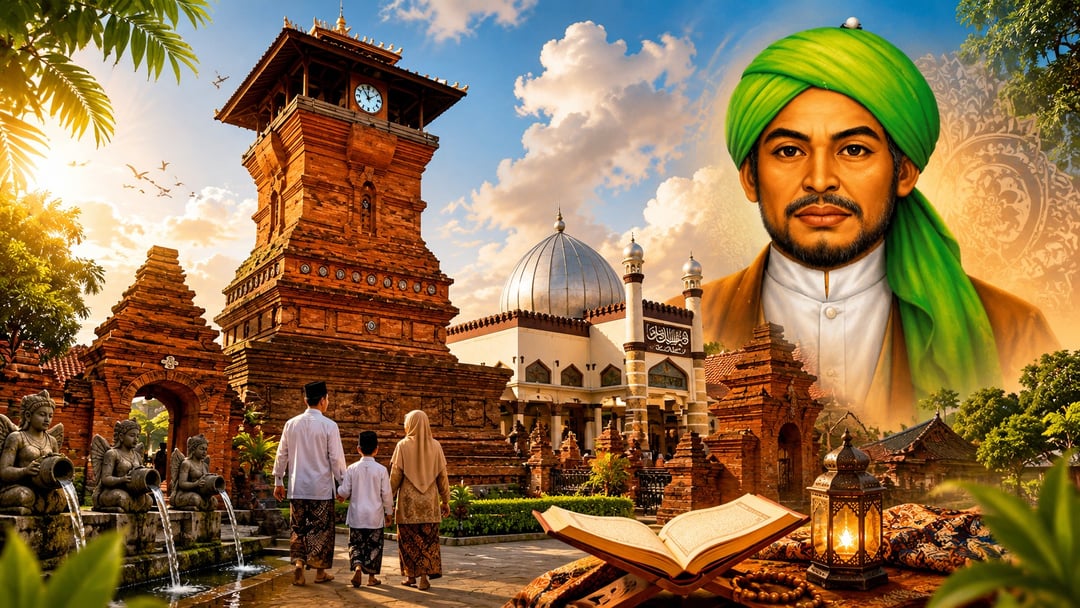
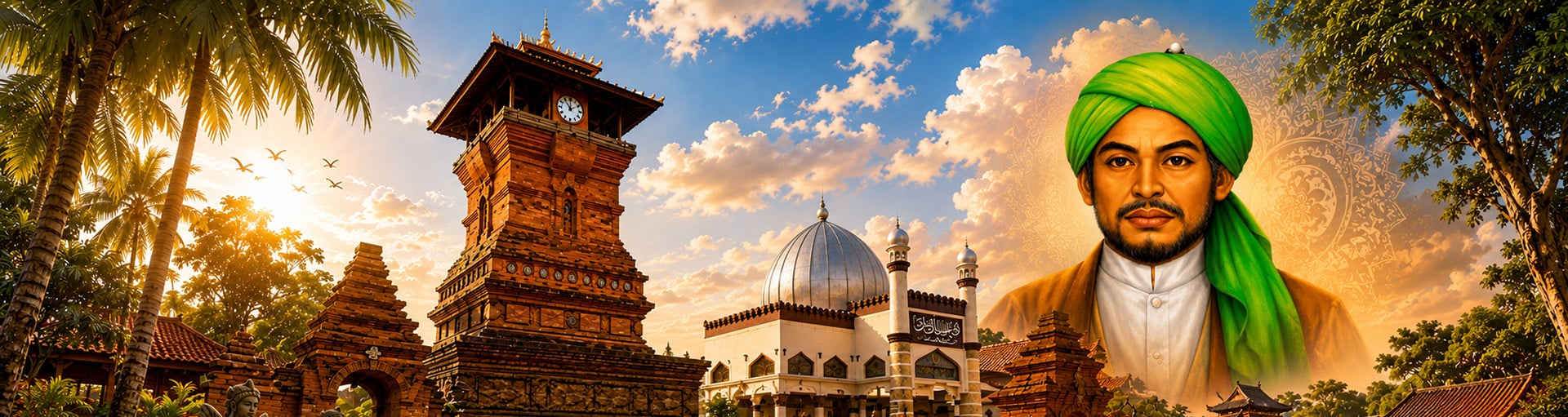
Officially known as the Al-Aqsha Manarat Qudus Mosque, historical records indicate it was established by Syekh Ja’far Shadiq, better known as Sunan Kudus, in 956 Hijri, or approximately 1549 AD.
During that era, Javanese society was deeply influenced by Hindu and Buddhist traditions. Rather than eradicating deep-rooted customs, Sunan Kudus chose an adaptive approach through cultural acculturation. This strategy is credited with making it easier for the local population to embrace Islamic teachings without discarding their prior cultural identities.
This cultural approach is clearly reflected in the mosque's architecture. The iconic minaret was constructed of red brick in a style reminiscent of Hindu-Javanese temples. Meanwhile, other architectural elements demonstrate a fusion of Islamic, Hindu, and Buddhist cultures coexisting within a single complex.
The uniqueness of the Menara Kudus Mosque lies in its ability to harmonize diverse cultural elements within a single space. The 18-meter-high minaret is the complex's most striking feature. Its temple-like form highlights a strong Hindu architectural influence, even as it serves its religious function as a mosque.
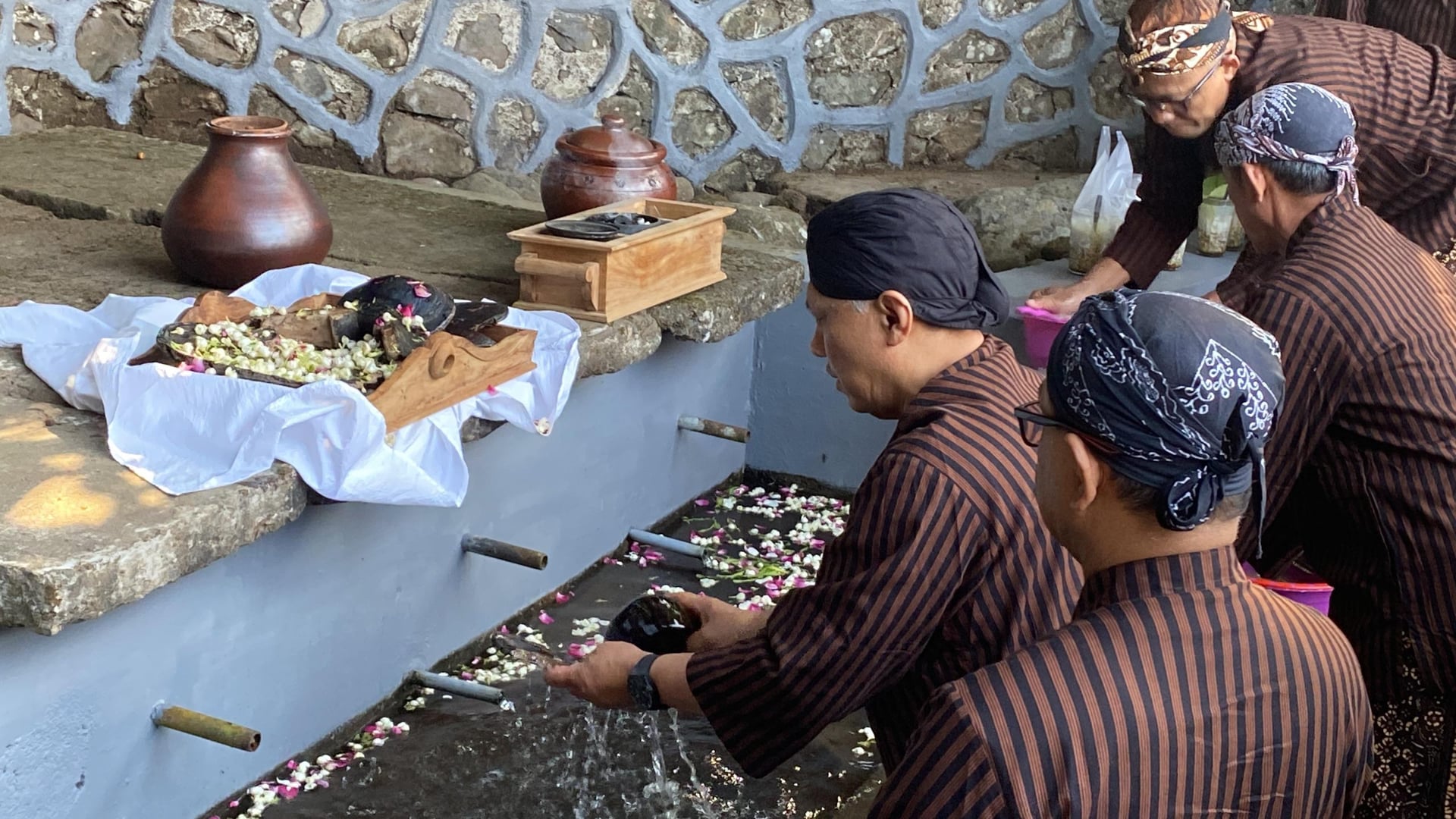
The mosque grounds also feature a paduraksa gate, a hallmark of Hindu-Javanese architecture commonly referred to by locals as the “twin gates.” Furthermore, eight ablution spouts adorned with statue-like ornaments reveal Buddhist influences in the construction.
This blend of elements is more than mere ornamentation; it reflects how Islam spread through Java via cultural dialogue rather than confrontation. These values have made the Menara Kudus Mosque one of Indonesia's most significant symbols of cultural integration.
Beyond its architectural uniqueness, the Menara Kudus Mosque remains synonymous with the values of tolerance passed down by Sunan Kudus.
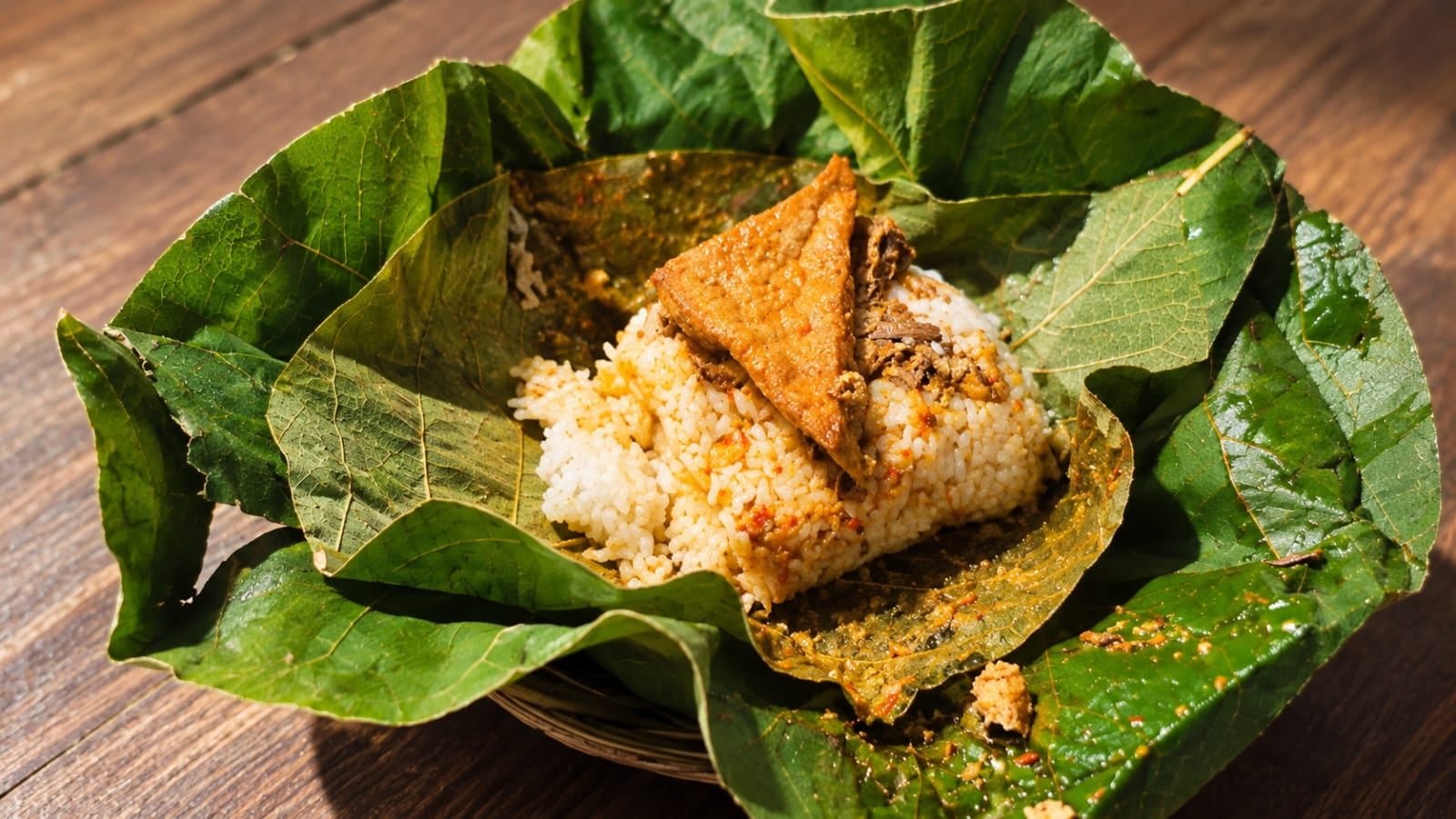
One of the most prominent traditions linked to Sunan Kudus is the prohibition against slaughtering cows for local consumption. In that era, the cow was considered a sacred animal by Hindus. Out of respect for those of other faiths, Sunan Kudus encouraged the use of buffalo as an alternative.
This tradition remains widely practiced in Kudus to this day. The values it embodies speak not only to culinary or social habits but also to the essential importance of respecting differences in a diverse society.
The legacy of tolerance is a primary reason why the Menara Kudus Mosque is widely regarded as a symbol of interfaith harmony. This message, handed down since the 16th century, remains relevant in Indonesia’s diverse society.
Currently, the Menara Kudus Mosque complex and the tomb of Sunan Kudus stand as one of the most frequented religious tourism sites in Central Java. Every day, pilgrims from across the country arrive to worship, pay their respects, and study the history of Islamic development in Java.
The area offers more than just a spiritual experience; it provides a historical journey illustrating how religion and culture can interact harmoniously. Many visitors arrive to view the iconic tower, ancient gates, and various architectural elements that remain well-preserved to this day.
The presence of Sunan Kudus’ tomb within the complex further enhances the area's historical and religious significance. It is little wonder that the Menara Kudus Mosque serves as a pivotal stop on the Wali Songo religious pilgrimage circuit in Java.
Nearly five centuries after its founding, the Menara Kudus Mosque remains a vital symbol in the history of Indonesian Islam. The structure demonstrates that the spread of religion can be achieved through a cultural approach that respects local traditions and societal diversity.
Amid the challenges of modern life, the legacy left by Sunan Kudus serves as a reminder that tolerance, respect for differences, and cultural dialogue are values that strengthen social cohesion. Through its architecture, traditions, and history, the Menara Kudus Mosque continues to remind us that diversity can thrive in sustainable harmony.