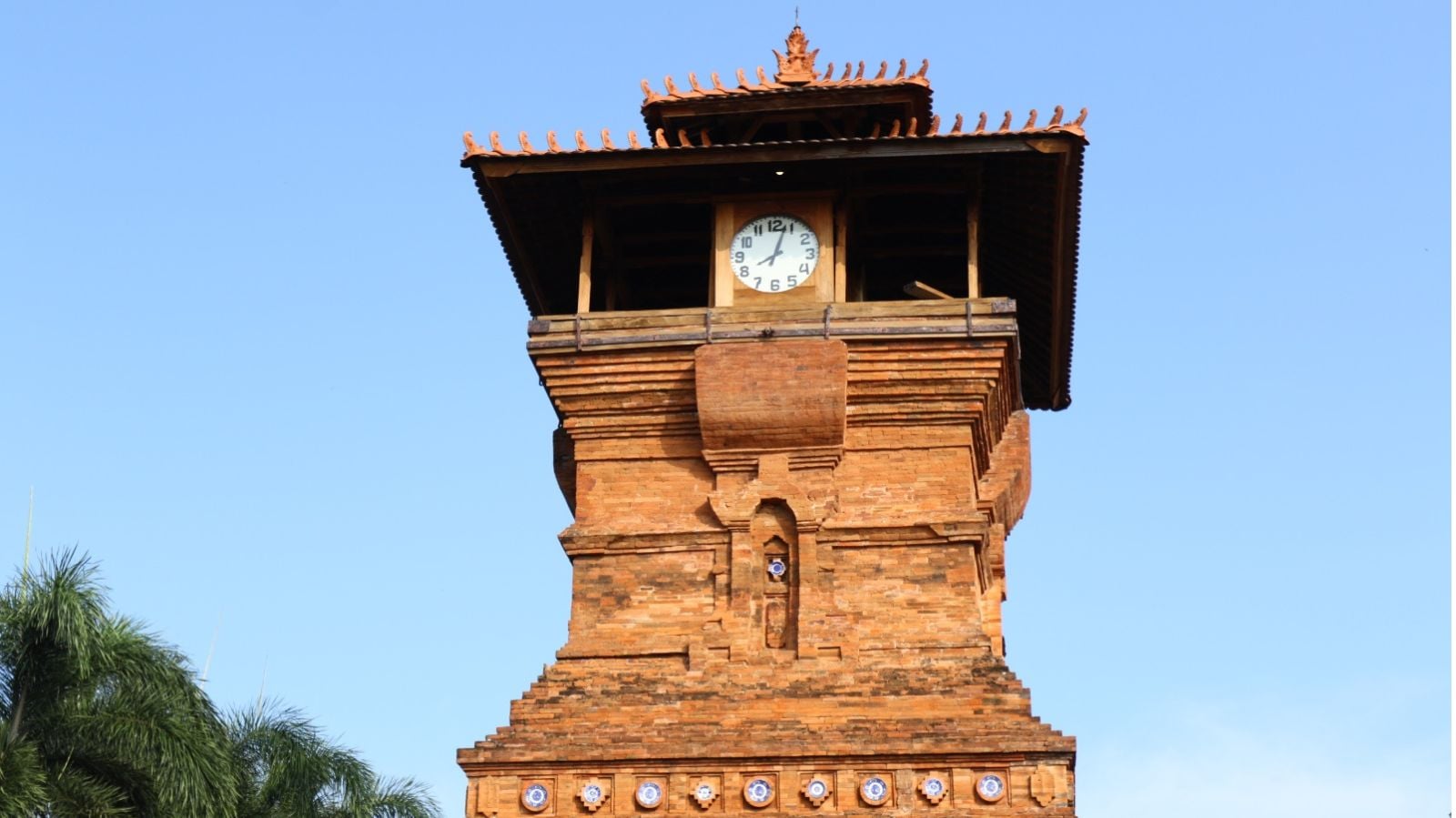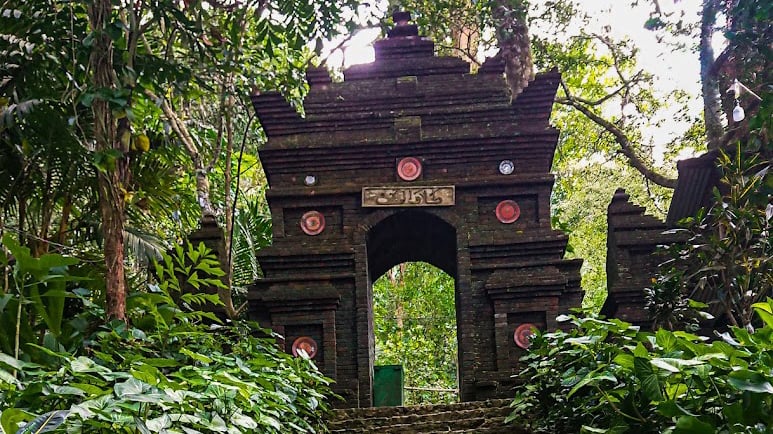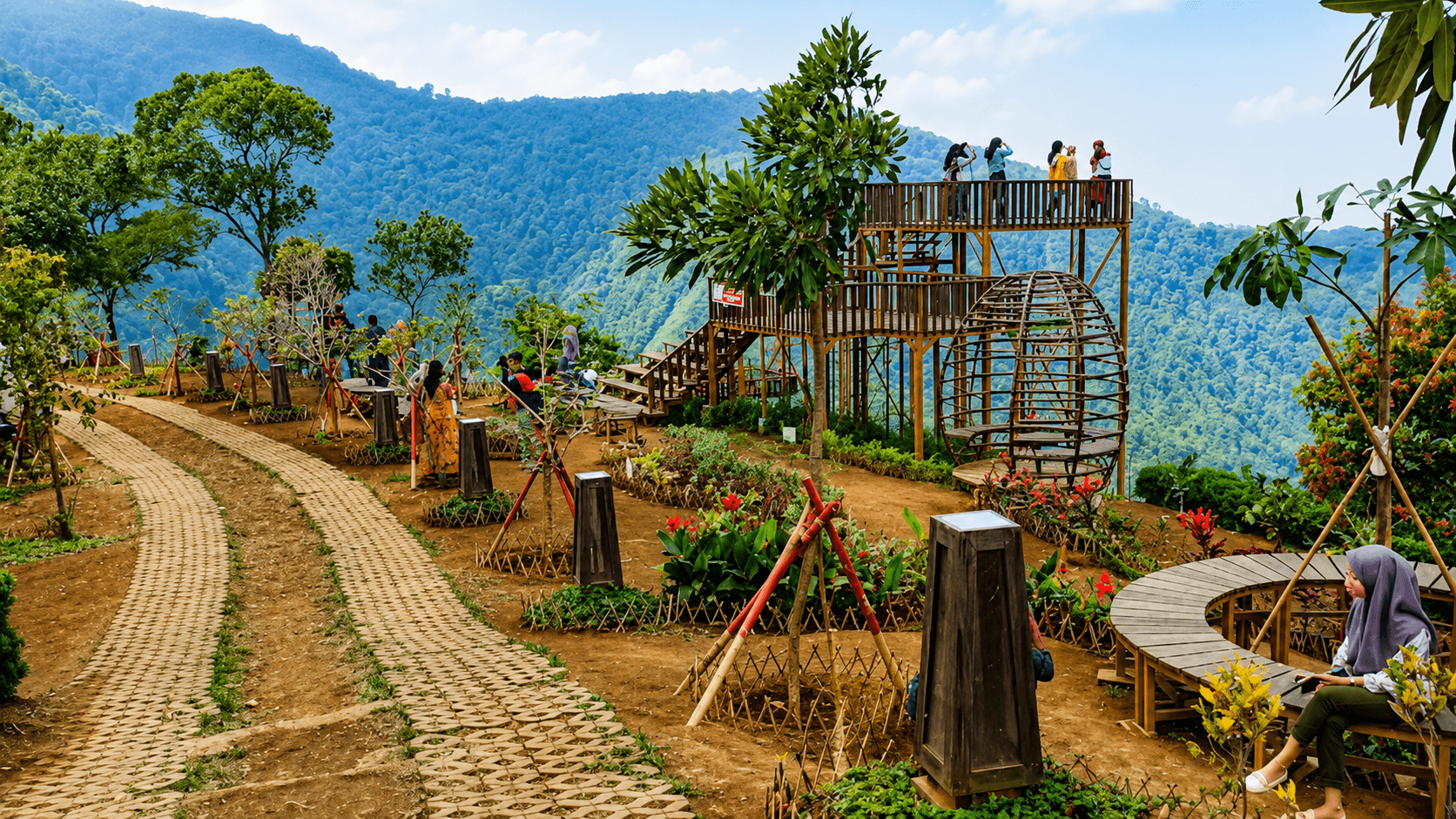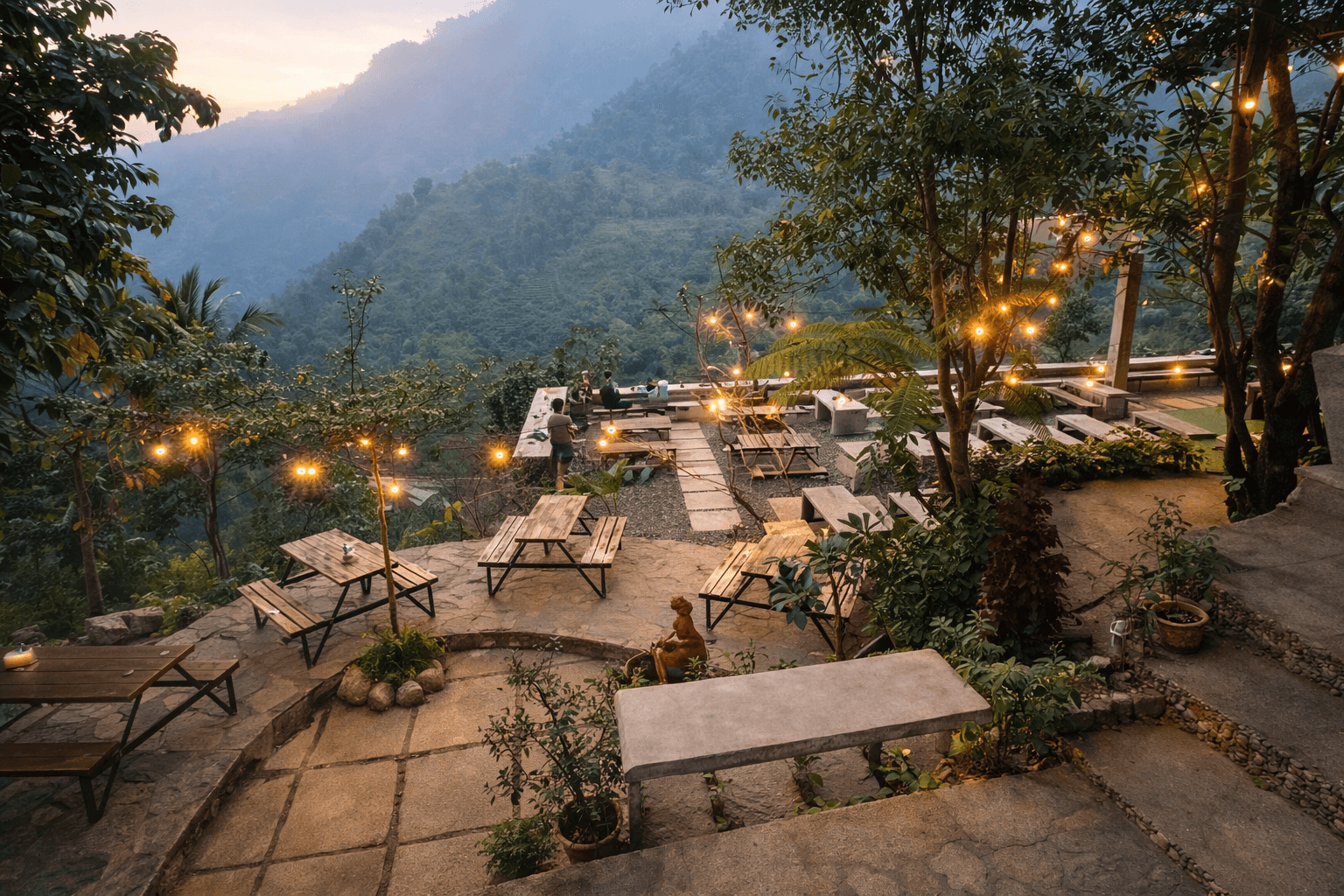
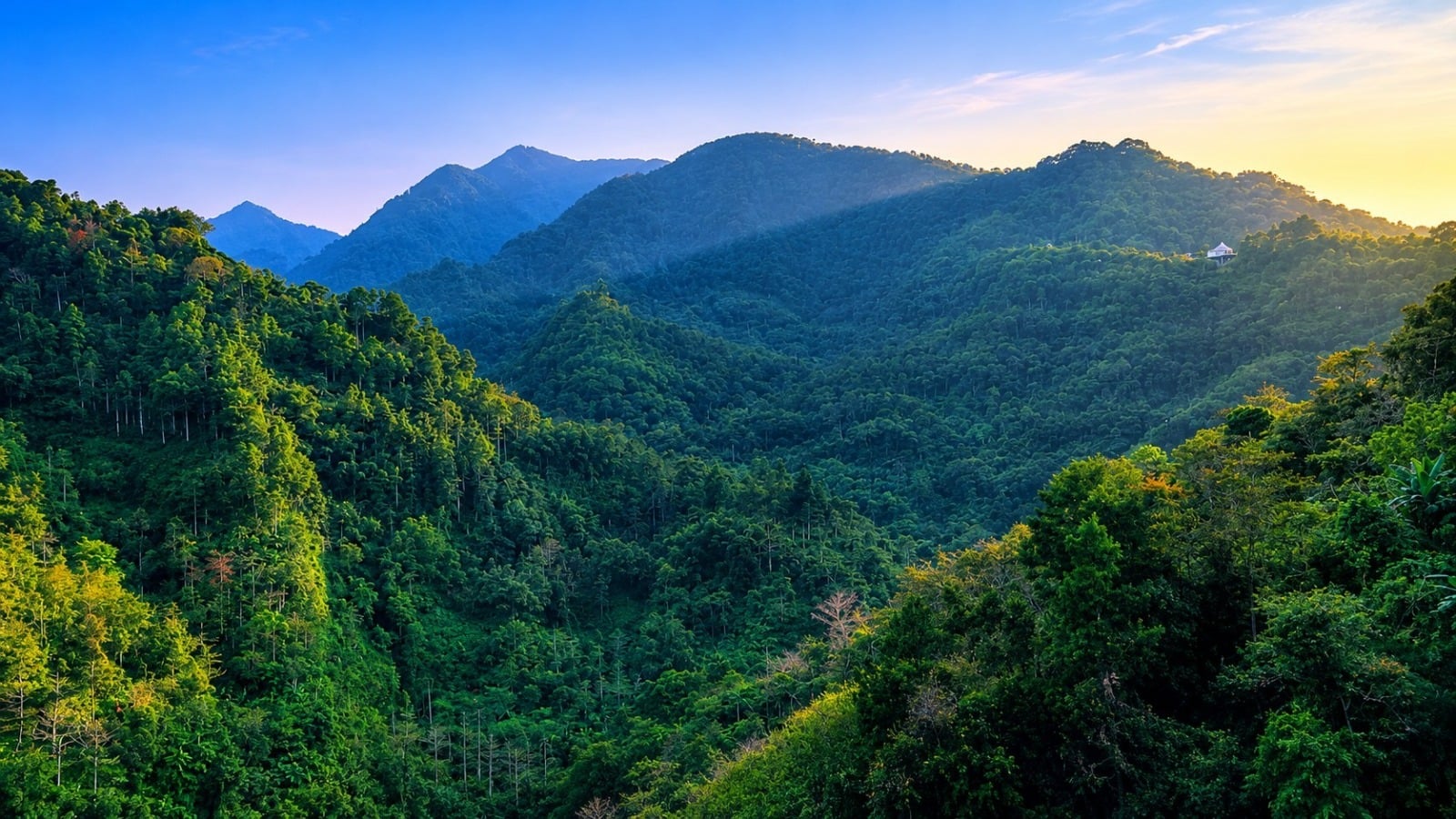
Kudus – Mount Muria has long been recognized as a destination for nature and religious tourism. Its hiking trails, mountain streams, and cool climate draw a steady stream of visitors each year.
However, the significance of Mount Muria extends well beyond its role as a tourist site. Spanning the districts of Kudus, Pati, and Jepara, the region serves as a vital lifeline for the local community. The forest preserves water resources and supports agricultural livelihoods, while its ecosystem provides a critical habitat for diverse flora and fauna.
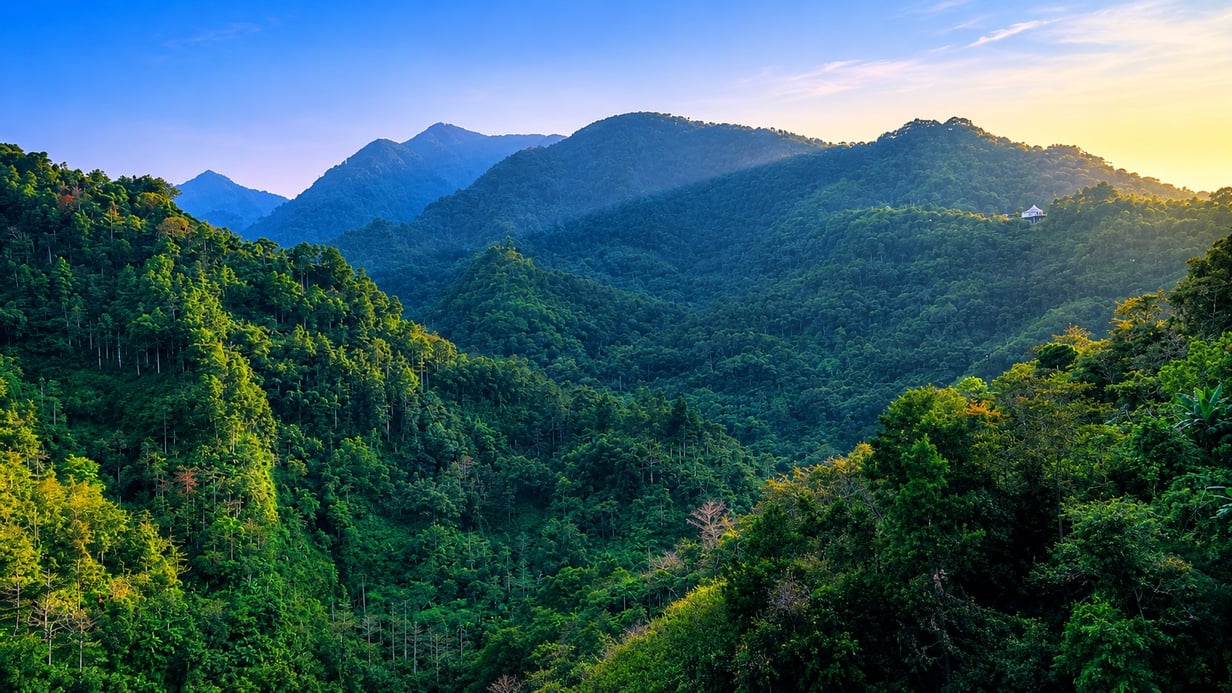
Despite these benefits, the region faces significant challenges. The Muria Conservation Activists (PEKA) report that approximately 9,000 hectares of forest have been damaged due to illegal logging. Restoration efforts are ongoing, including spring protection, reforestation, wildlife preservation, and community outreach to ensure that regional development remains compatible with conservation goals.
For residents living on the slopes of Mount Muria, the forest is more than just scenery; it is a source of water, agricultural support, and economic opportunity through tourism.
Teguh Jumadi Yanto, Head of the Ternadi Forest Management Resort (KRPH) under the Muria Pati Ayam Forest Management Unit (BKPH), stated that resource utilization must be balanced with preservation to ensure long-term community benefits.
“Mountain areas are generally utilized for tourism and agriculture, and we must derive mutual benefit from these activities to improve the economy while ensuring forest conservation.”
Kemirun, Rahtawu, Kec. Gebog, Kabupaten Kudus, Jawa Tengah 59333, Indonesia
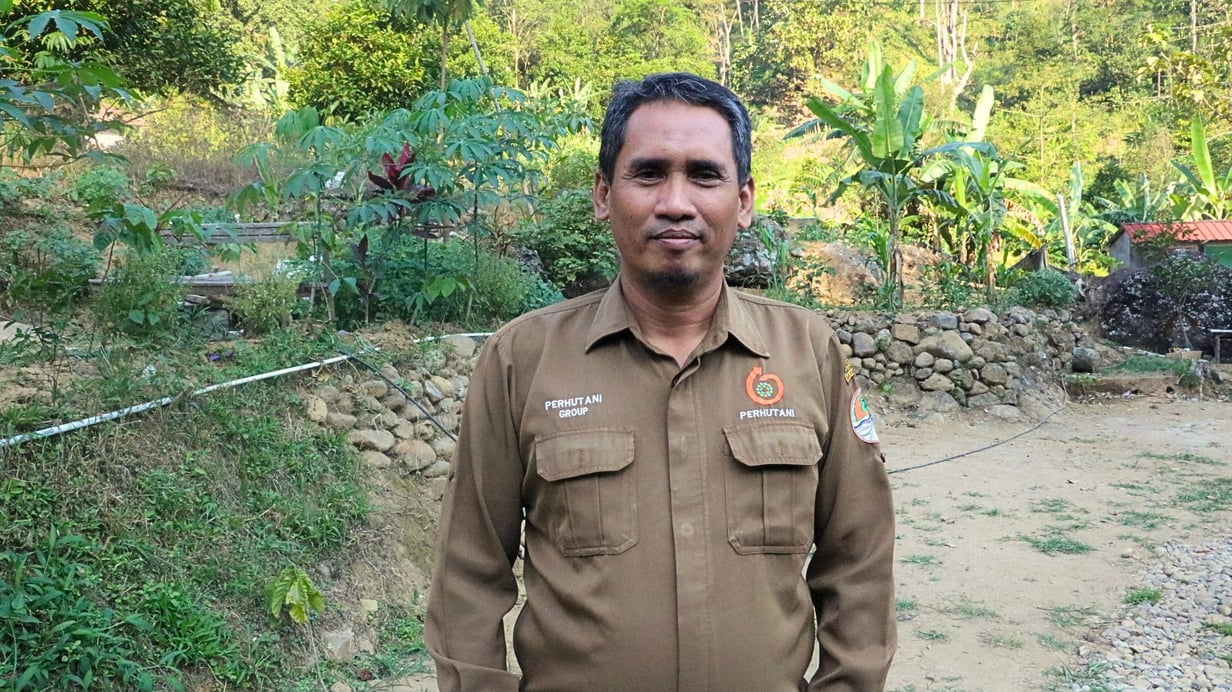
According to Teguh, maintaining a balance between tourism, agriculture, and conservation is the key to ensuring that both the ecological and economic functions of Muria can coexist.
He added that effective management requires broad collaboration between forest rangers, the local community, tourism operators, and visitors.
“Rangers cannot protect this vast forest area alone. Forest preservation must involve all stakeholders. Given the extreme terrain, steep valleys, shifting weather, and tourism activity, everyone must contribute to protecting the forest.”
According to Teguh, tourism and conservation should not be viewed as mutually exclusive. Both can coexist as long as the area is utilized responsibly.
“Tourism and conservation must support each other. If we want to utilize forest areas for tourism, we must also participate in their preservation, for example, by planting trees and coordinating with site managers.”
Rahtawu Village serves as a testament to Mount Muria, illustrating the deep connection between nature and local life. Beyond its reputation as a nature tourism destination, the village remains committed to upholding traditions, history, and cultural values passed down through generations.
Acting Head of Rahtawu Village, Ibnu Hajar, stated that the community views Muria as an integral part of their identity that must be protected.
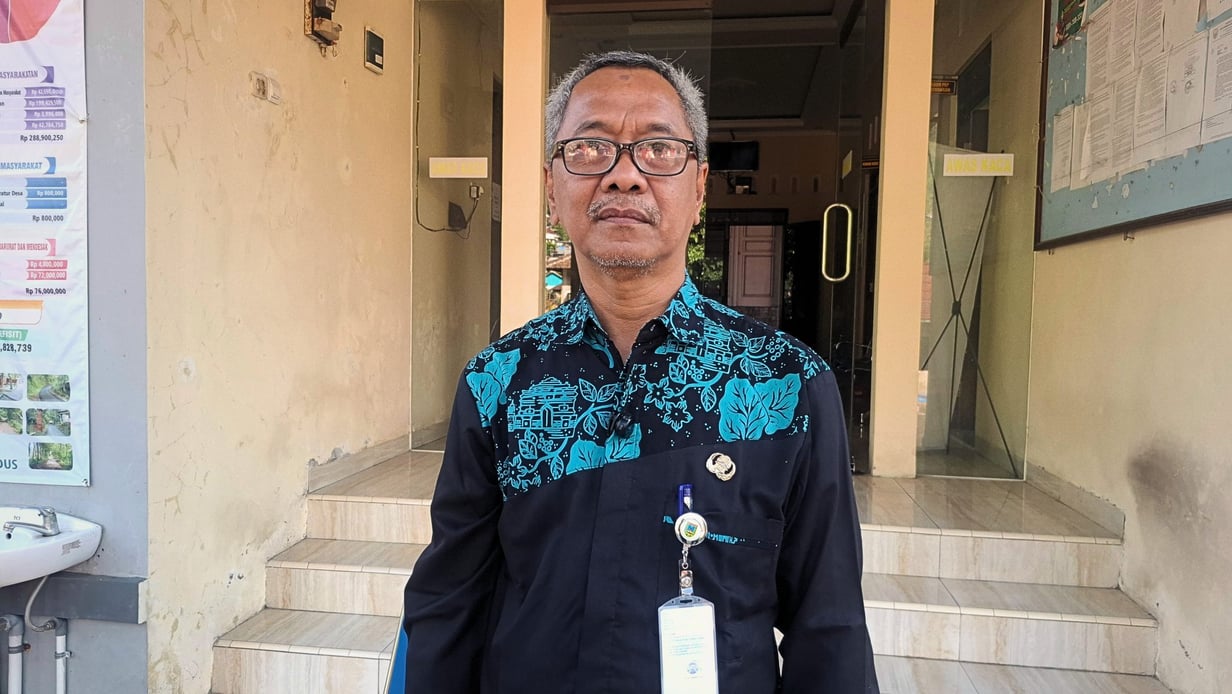
“For the community, Muria signifies the preservation of customs, traditions, and beliefs, such as the tombs of Sunan Kudus and Sunan Muria, as well as the Puncak 29 site.”
This awareness is also reflected in local agricultural practices. Many farmers are shifting from secondary crops to coffee, as it is considered more effective in stabilizing soil in landslide-prone areas.
According to Ibnu, this move helps maintain soil stability in areas susceptible to landslides.
“Maintaining these traditions helps keep the environment green and sustainable, given the landslide risks. Shifting from secondary crops to coffee helps retain the soil and moderate temperatures.”
The growth of tourism in Rahtawu has generated economic opportunities for many residents, from tour operators and culinary businesses to coffee farmers and local livestock breeders.
Ibnu explained that this potential has flourished alongside the village’s natural attractions.
“The development of nature tourism benefits the Rahtawu community, particularly through coffee cultivation. The focus here is on natural beauty, water sources, local cuisine, and specialties like Muscovy duck farming, which in turn boosts the local economy.”
Furthermore, traditions such as sedekah bumi (earth alms), tayub performances, and suronan remain integral to community life. For the residents of Rahtawu, cultural preservation and environmental protection go hand in hand.
Teguh Budi Wiyono, chairman of the Muria Conservation Activists (PEKA), explained that Muria possesses distinct ecological characteristics compared to other mountainous regions.
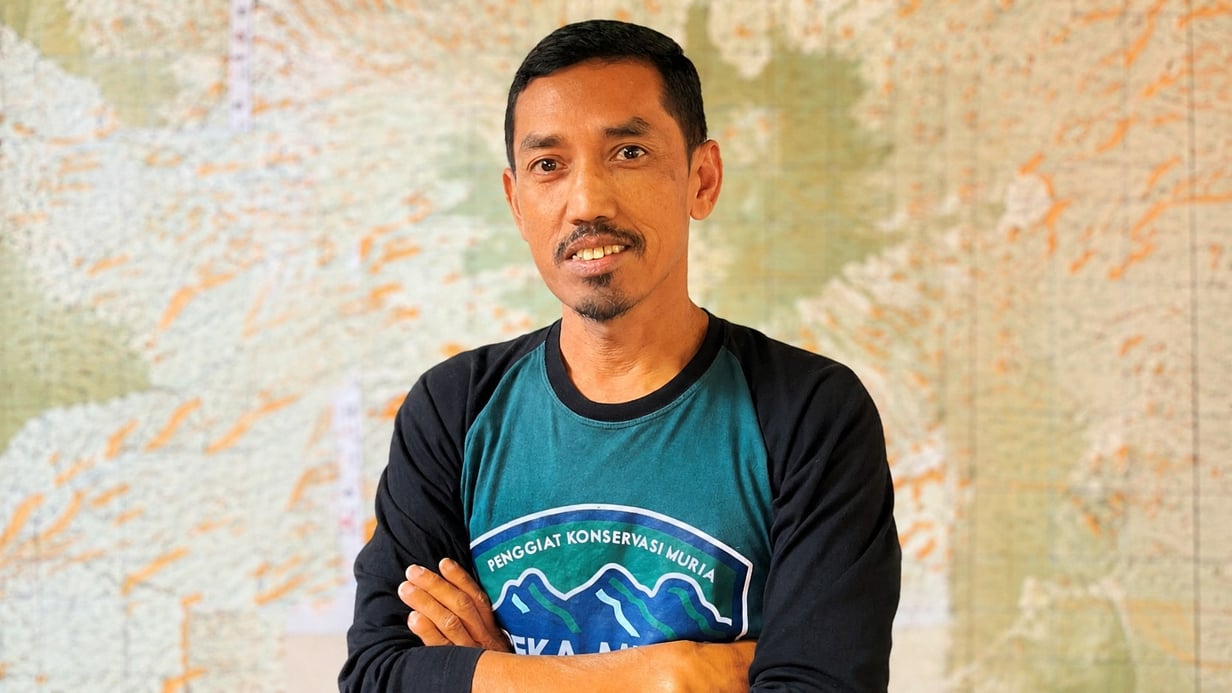
He noted that Mount Muria's geological history has shaped a biodiversity that persists to this day, including wildlife populations inhabiting the protected forest areas.
“Uniquely, there are still two villages that date back to before Mount Muria's eruption. The current landscape suggests the area was once separated by the Muria Strait. The slopes are still home to the Muria leopard and various other species. The region's character remains unique, with 32 percent of its protected forest cover still sufficiently preserved to sustain protected wildlife.”
The existence of protected forest areas serves as a vital factor in supporting the flora and fauna habitat on Mount Muria.
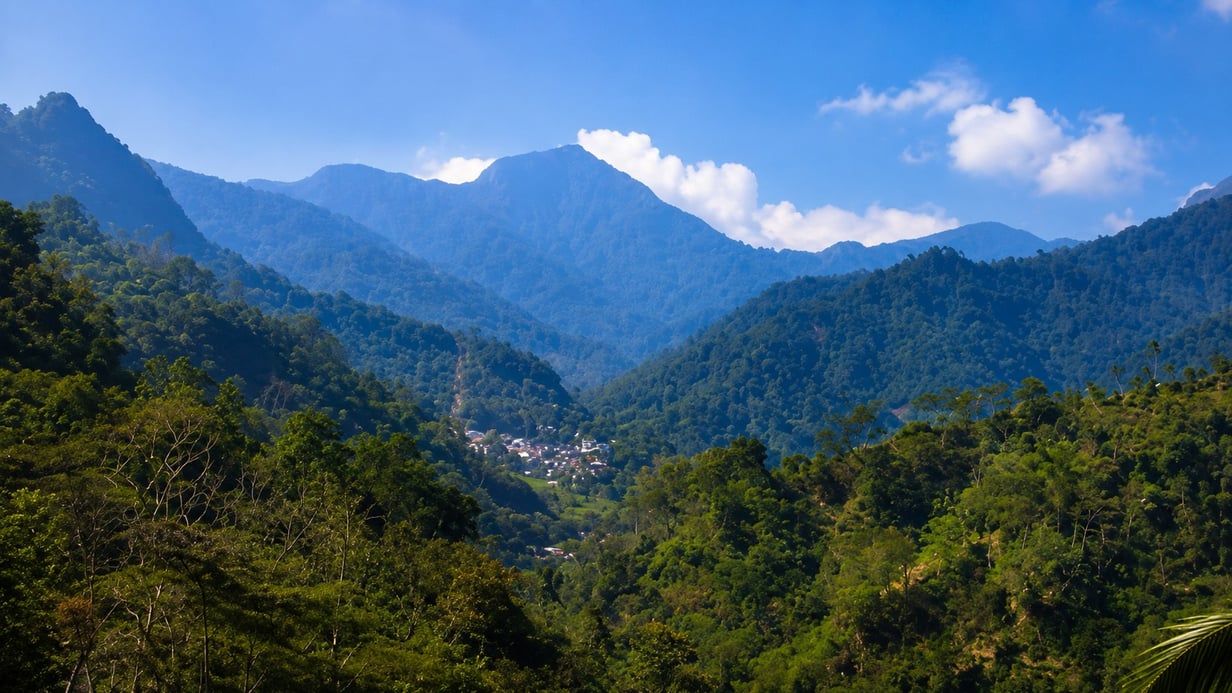
He also warned of challenges that require collective attention, ranging from forest degradation due to uncontrolled farming practices and landslide risks, to the exploitation of natural water springs.
“Environmental threats include forest damage caused by unregulated coffee planting, landslides in several villages on the edge of the Muria forest, and the exploitation of natural spring water.”
Increasing tourism activity brings greater responsibility for each visitor. Teguh Budi emphasized that both tourists and participants of the Muria Trail Run must strictly follow designated paths and avoid damaging existing vegetation.
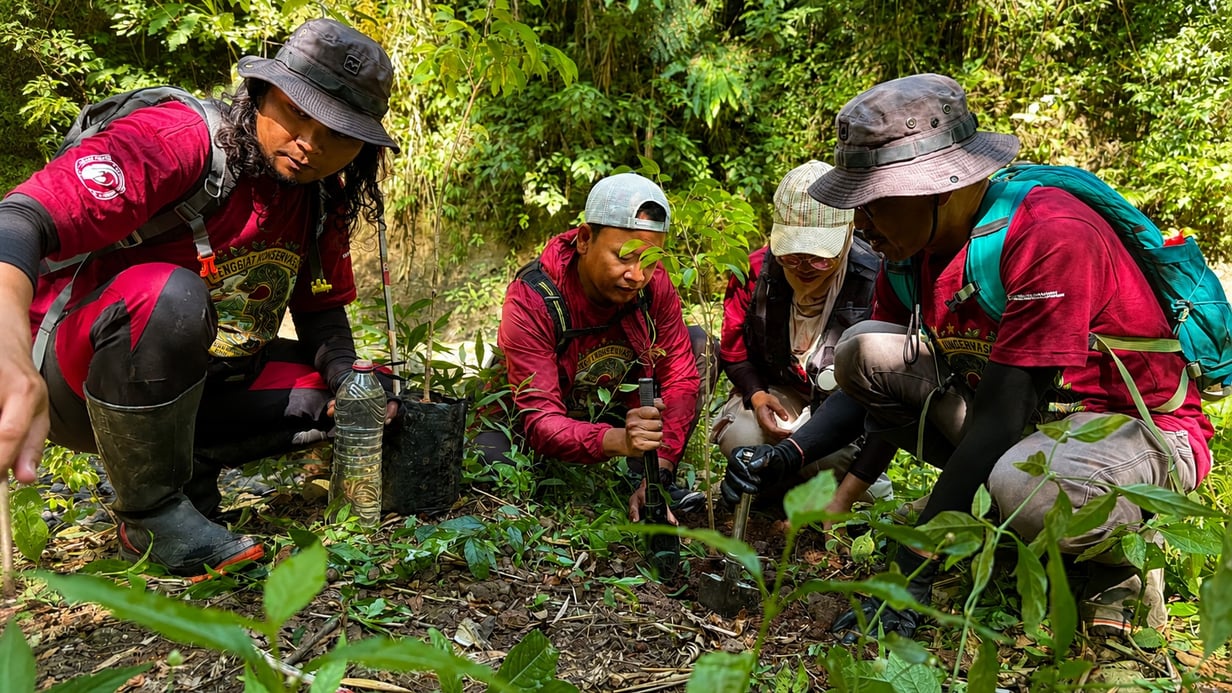
Teguh Budi Wiyono reminded tourists and event participants on Mount Muria to remain on designated trails and adhere to officials' instructions. Beyond managing terrain challenges, these precautions are essential to reduce the risk of encounters with wildlife still present in the forest.
“Visitors and participants from outside Kudus should follow posted guidelines and exercise caution. The area is home to wildlife. Furthermore, refrain from damaging plants, as some may be endemic flora of Muria. There are approximately 50 plant species, with some estimated to be over 100 years old.”
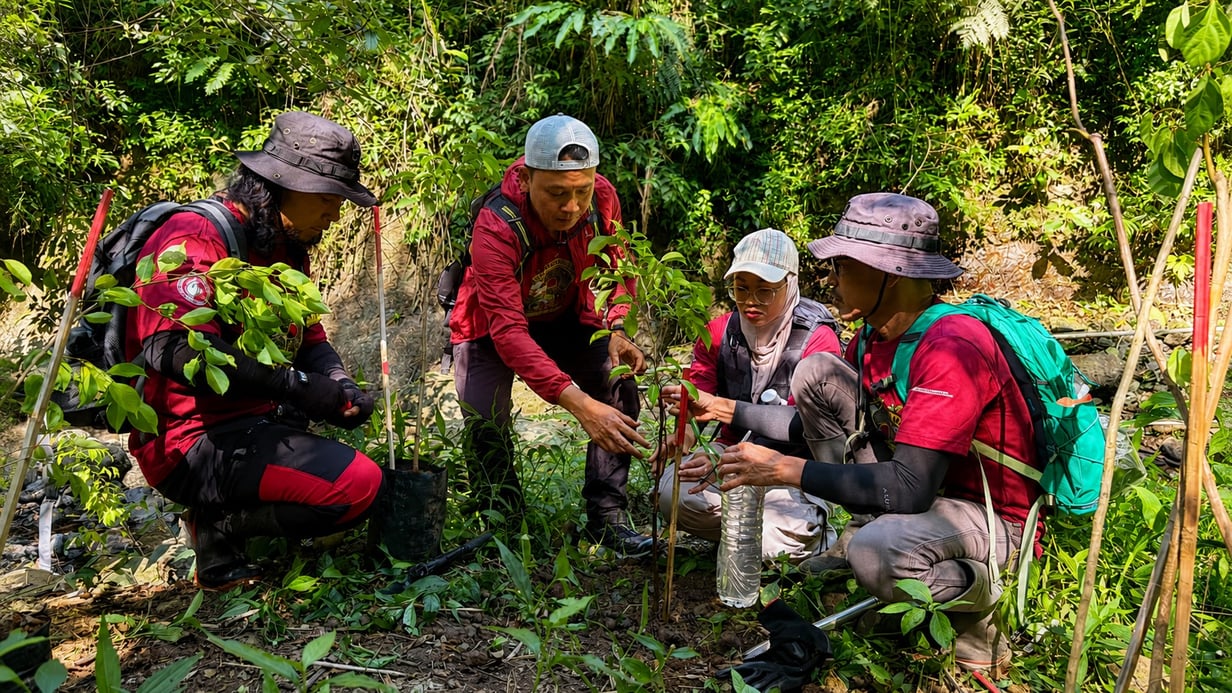
He also emphasized that coffee cultivation is permissible as long as it does not alter the forest's function or damage the environmental conditions.
“There is nothing wrong with the community wanting to grow coffee. The problem arises if the planting damages the land or the forest area. Coffee farming is allowed, but it must not destroy the forest. The most important thing is that water sources remain protected and the forest state remains unchanged.”
The vast expanse of Mount Muria means that conservation efforts cannot rely solely on forestry officers. Rugged terrain, rapid weather changes, and limited personnel necessitate the involvement of various stakeholders in protecting the area.
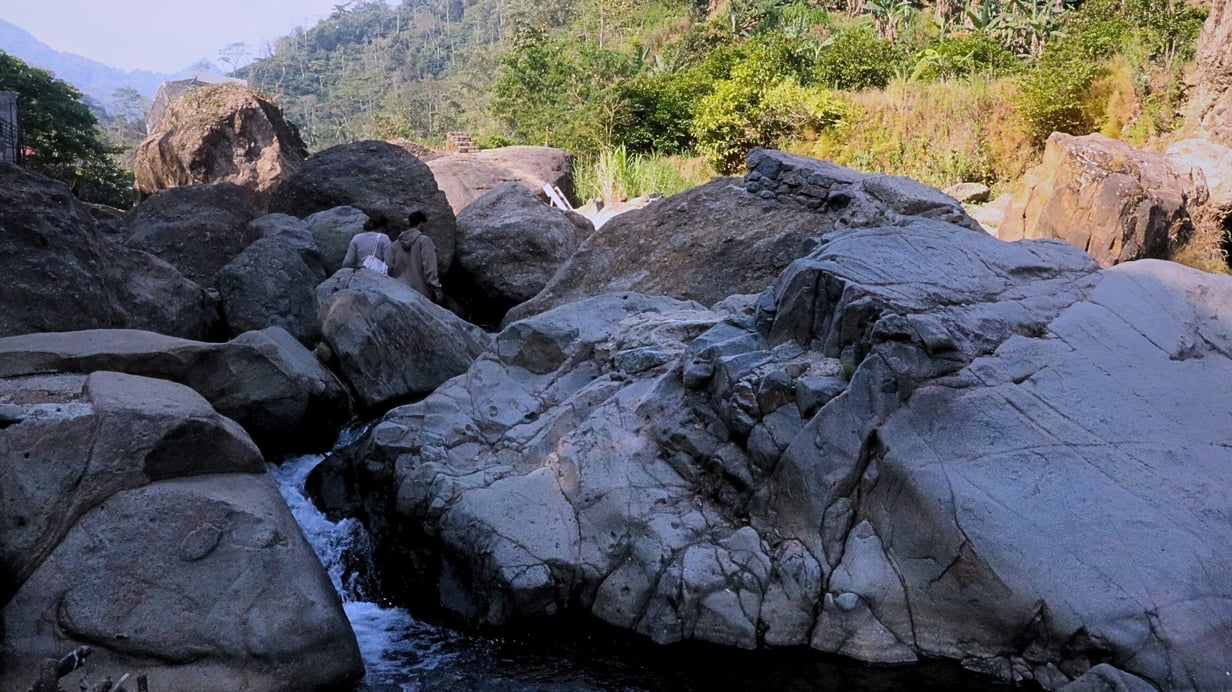
Beyond its natural beauty, Mount Muria holds significant ecological importance. Dr. Mochamad Widjanarko, a social psychologist at Muria Kudus University (UMK), explains that the role of Muria extends far beyond its function as a tourism destination.
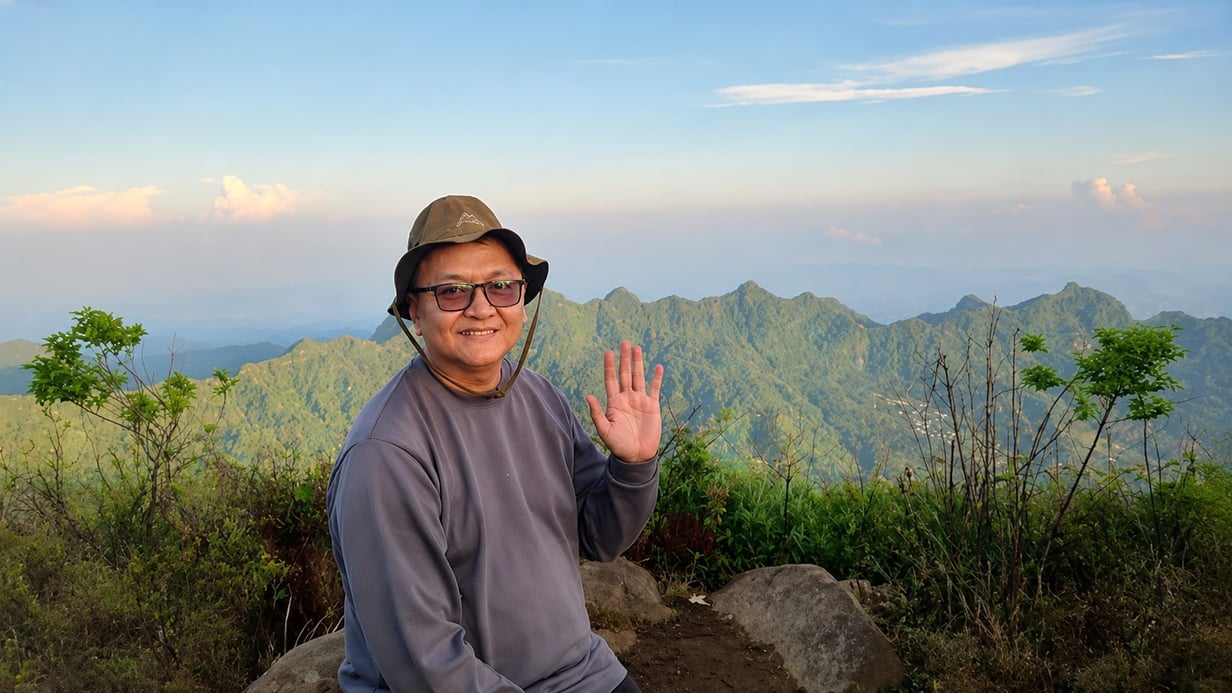
According to him, Muria serves as a critical water catchment area that supports the needs of communities in three regencies.
“The Muria ecosystem is unique; it was once an island separated from Java. The Muria region is vital as it acts as a sponge or water buffer for three regencies: Kudus, Pati, and Jepara.”
According to Widjanarko, safeguarding the Muria region requires collaborative efforts from various stakeholders, including local communities, Perhutani, village and regional governments, as well as environmental organizations.
“Conservation efforts rely on multi-stakeholder collaboration, involving residents in villages bordering the Muria forest, Perhutani KPH Pati, village and regency governments across three territories, and environmental groups dedicated to Muria.”
This collaboration is exemplified by the Muria Trail Run. The event transcends mere cross-country competition, serving as a platform to highlight the importance of preserving the Mount Muria area as a pillar of sustainable sports tourism.
Throughout the course, participants witness how forests, water springs, farmland, and community life are interconnected within a single landscape.
For runners, the experience extends beyond tackling inclines and descents. They see firsthand that the route traverses vital community living spaces, flora and fauna habitats, and a catchment area that provides essential water for thousands of residents.
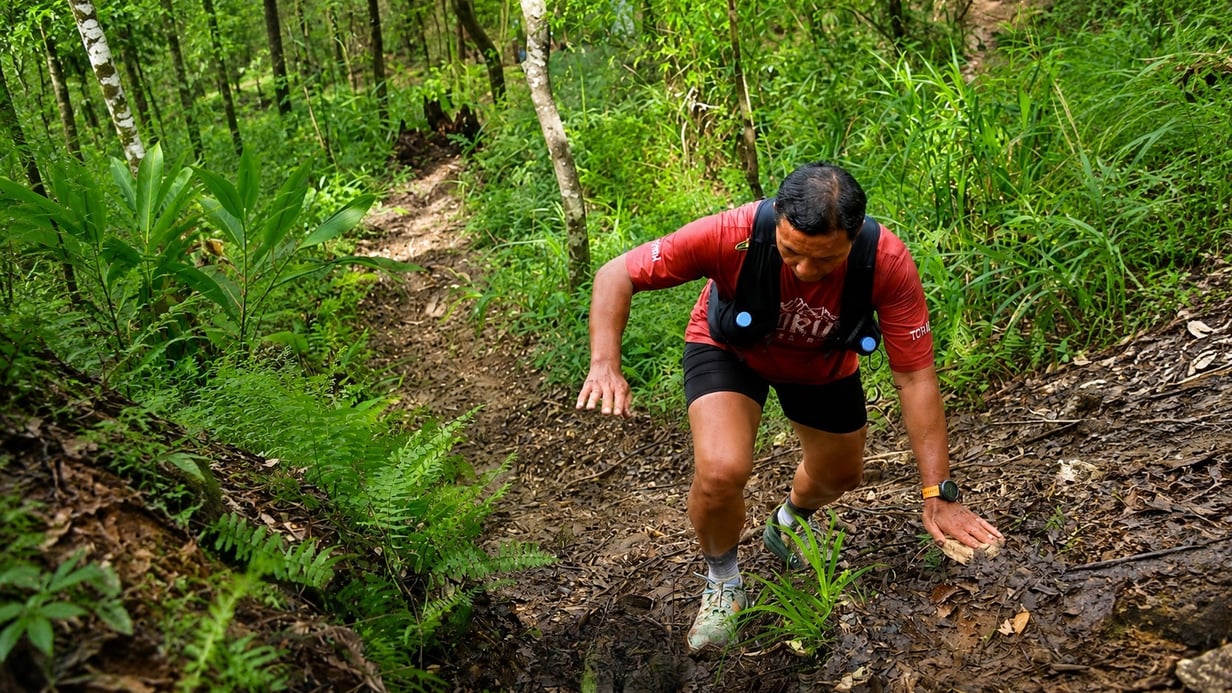
Additionally, the Muria Trail Run stimulates the local economy. The influx of participants creates opportunities for tour operators, homestay owners, restaurants, transport services, and local small businesses selling regional products.
The Muria Trail Run 2026, scheduled for August 1-2 in Rahtawu Village, Gebog District, features 8K, 15K, 30K, and 45K race categories. Beyond the competition, participants gain a deeper appreciation that the natural environment they enjoy is a shared responsibility to protect. (JMY/mainkekudus)