“The history of a city cannot be understood from a single source. Inscriptions, archaeological remnants, ancient manuscripts, and living cultural traditions must be read as a unified whole.” – Prof. Inajati Adrisijanti –
KUDUS – University of Gadjah Mada archaeologist Prof. Inajati Adrisijanti asserts that understanding a city requires more than just observing old buildings or reading historical records. A region's identity is forged through a long evolution that leaves marks on its landscape, traditions, culture, and way of life.
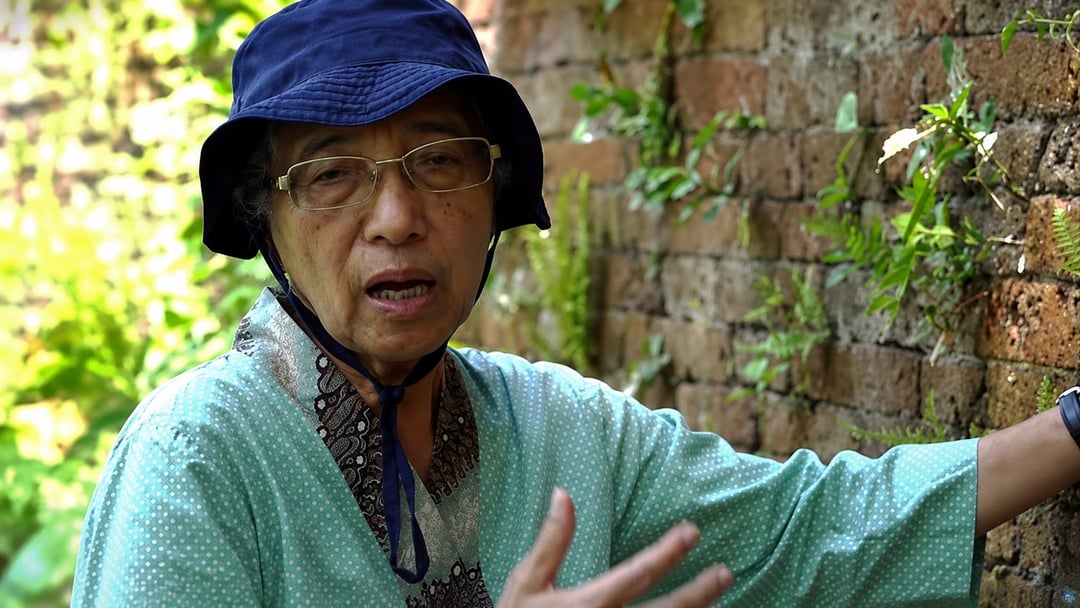
This perspective served as the central theme for the Seminar on the Kudus Anniversary Study. The forum, which brought together archaeologists, historians, researchers, cultural experts, academics, and local government officials, sought not only to trace the origins of Kudus but also to reconstruct the historical journey that shaped its character. By synthesizing data from inscriptions, archaeological finds, manuscripts, oral traditions, and contemporary cultural practices, experts aim to provide a more holistic understanding of the city's past.
A key focus of the study was the official date of the Kudus Regency Anniversary. For over three decades, the anniversary has been observed on September 23, in accordance with Local Regulation Number 11 of 1990. However, a re-examination of the inscription on the Mihrab of the Al-Aqsa Menara Kudus Mosque indicates that the date of 19 Rajab 956 Hijriah corresponds to August 23, 1549, in the Gregorian calendar. Based on these findings, experts have recommended shifting the anniversary celebration to August 23. This proposed change is intended not to alter known history, but to refine the date based on scientific analysis and stronger historical evidence.
The study also highlights that Kudus is defined by more than its reputation as a center for the clove cigarette industry or a religious tourism destination. As the smallest regency in Central Java, it possesses a rich cultural heritage—ranging from the etymology of its name and traces of cultural acculturation to its long-standing traditions of tolerance, culinary arts, and historical ties to the spread of Islam across the archipelago. These elements form the enduring identity of Kudus.
The history of Kudus is deeply rooted in its name. The term Kudus is believed to be derived from Al-Quds, the Arabic name for Jerusalem, meaning "the holy city." This reference appears in the Al-Aqsa Mosque inscription dated 956 Hijriah (1549 AD), which designates the area as Balad Al-Quds. This inscription serves as a vital resource for tracing the region's early development.
Nevertheless, Prof. Inajati emphasizes that an inscription cannot be viewed in isolation. Written records must be interpreted alongside archaeological evidence, settlement patterns, and evolving societal traditions to provide a comprehensive historical narrative. Consequently, the name Kudus represents not merely a geographic label, but a historical process that has unfolded over centuries.
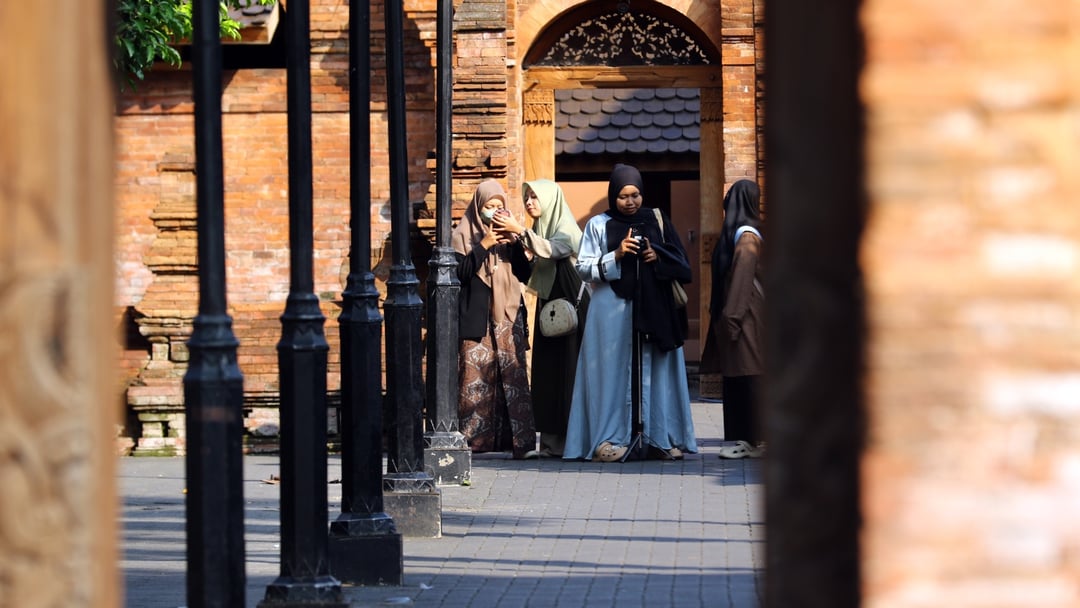
For the people of Kudus, this name evolved into a symbol reflecting values of sanctity, peaceful living, and respect for diversity. These values laid the foundation for various traditions that continue to endure today.
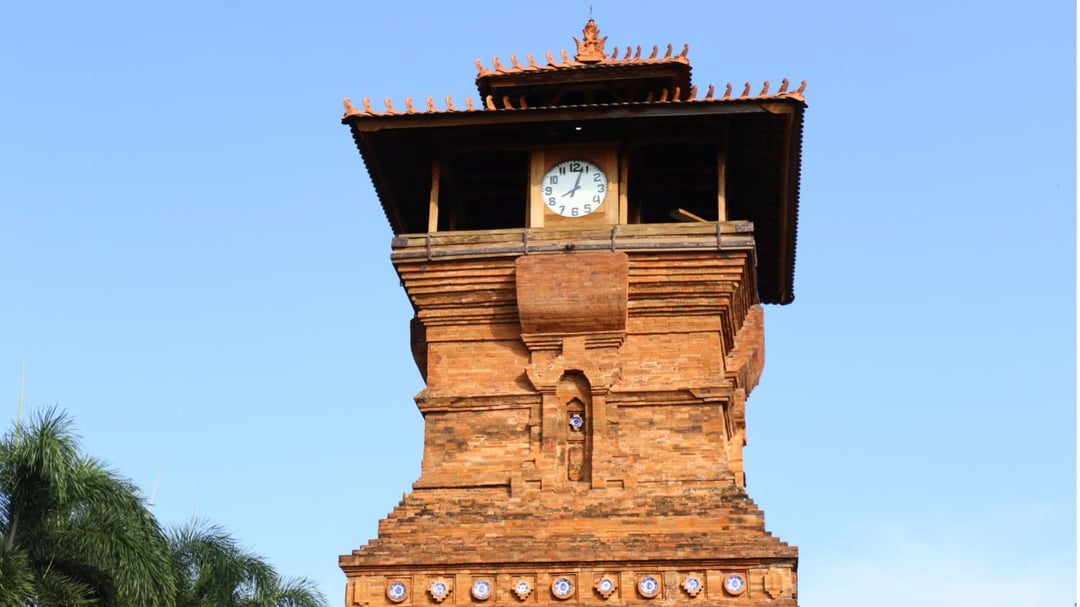
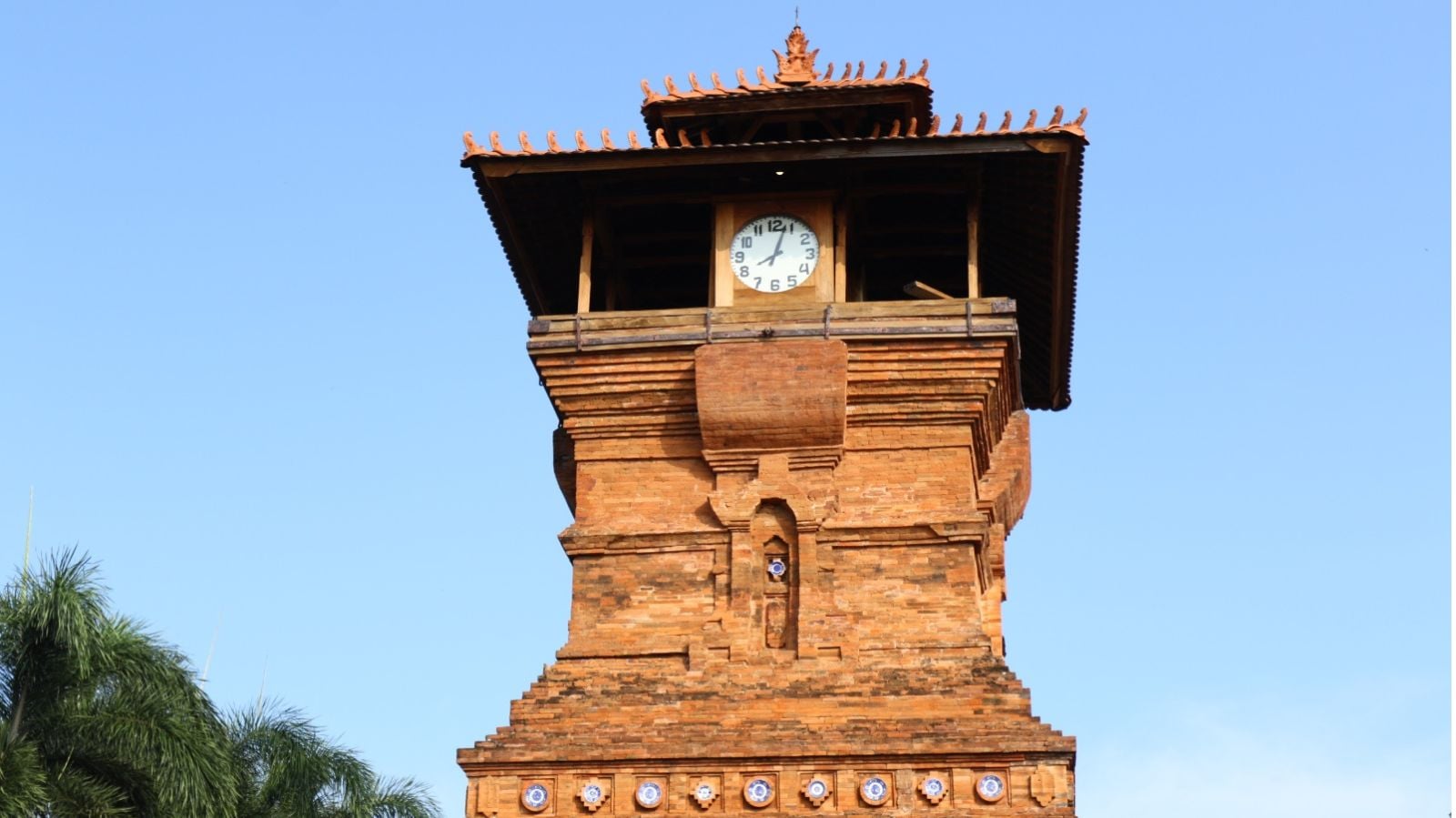
Few structures in Indonesia as effectively illustrate the convergence of two cultures as the Menara Kudus. Standing within the Al-Aqsa Mosque complex, the red-brick building showcases a synthesis of Hindu-Buddhist architectural elements with the functional requirements of an Islamic center of worship.
The tower’s temple-like form signifies that the spread of Islam in Kudus occurred through a cultural approach. Sunan Kudus did not abolish existing local traditions; instead, he embraced them as part of the propagation process. This approach facilitated the community’s acceptance of new teachings without feeling severed from their cultural roots.
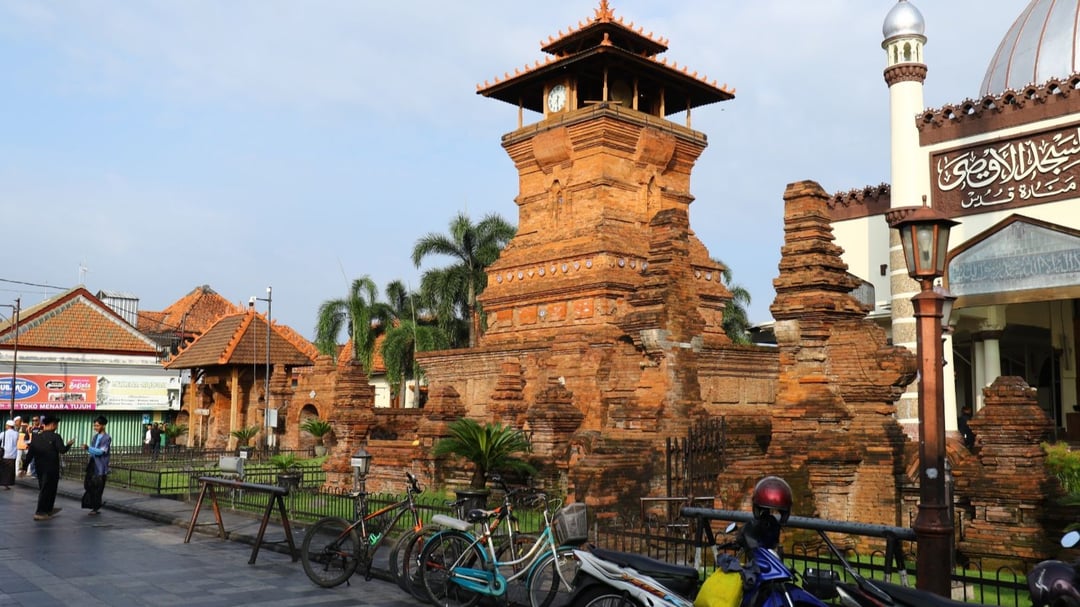
This value of acculturation remains tangible today. The Menara Kudus area serves not only as a religious tourism destination but also as a space where history, culture, and community life intersect. Daily, pilgrims, tourists, students, and researchers visit to witness firsthand one of the cultural icons that define the identity of Kudus Regency.
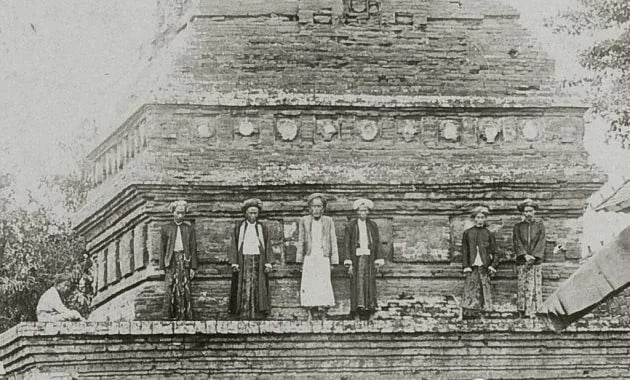
The discovery of an inscription at the Al-Aqsa Mosque dating back to 956 Hijriah further reinforces the role of the Menara Kudus (Kudus Tower) as a vital resource for tracing the city's historical origins. Abdul Halil, head of the Kudus Regency Culture and Tourism Office, stated that the Menara Kudus remains the primary reference point for understanding the history behind the city's founding.
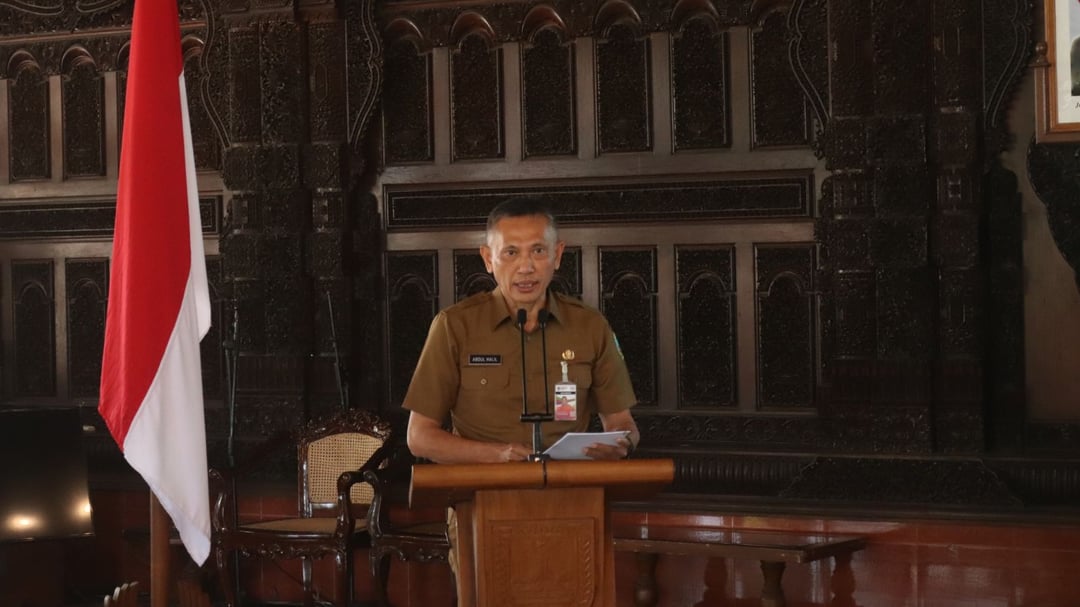
He noted that the Kudus Anniversary Study, which involved archaeologists, historians, cultural experts, and academics, represents a scholarly reconciliation of the region's history. The findings serve as a shared foundation for understanding Kudus's past, while remaining open to future revisions should new, scientifically verifiable evidence emerge.
“If any new, scientifically backed findings arise in the future, they can certainly be discussed again. For now, however, the agreed-upon study remains our point of reference,” he said.
More than just a building that has stood for nearly five centuries, the Menara Kudus continues to be the heart of the community. Daily activities—ranging from worship and pilgrimages to education, research, and tourism—coexist in the area, creating a space where history, religion, culture, and social life intersect. This is what makes the Menara Kudus not only a landmark of the city's inception but also a symbol of how historical heritage remains vibrant when it is nurtured and interpreted by generations of people.

Behind the growth of trade and religious life in Kudus lies a multigenerational philosophy known as Gusjigang. The term, derived from gus (having good character), ji (proficient in religious studies), and gang (skilled in commerce), has served as a moral compass for the community since the era of Sunan Kudus.
The philosophy teaches that an individual's success is not measured solely by their ability to earn a living. Good character and religious knowledge must walk hand-in-hand with an industrious spirit and entrepreneurial drive. As a result, Kudus's economic development has long flourished alongside its tradition of religious education.

Traces of this philosophy remain evident, particularly in the Kudus Kulon area. Mosques, traditional prayer houses, Islamic boarding schools, and commercial hubs thrive in close proximity, illustrating the intimate bond between the community’s economic activities and spiritual life. Many families continue to uphold the tradition of passing down both business acumen and religious education to the next generation.
These values ensure that "Gusjigang" is far more than a mere regional slogan. The philosophy remains vibrant in daily life and has been officially recognized as an Intangible Cultural Heritage of Indonesia, acknowledging a cultural legacy preserved across generations.
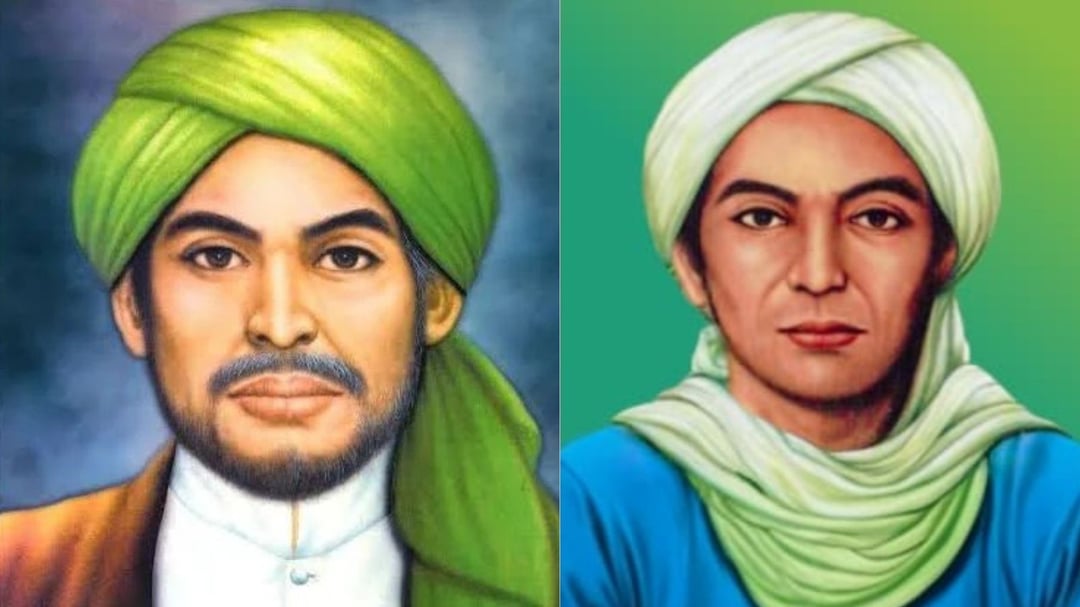
One of the unique characteristics distinguishing Kudus from many other regions in Indonesia is the presence of two members of the Wali Songo—Sunan Kudus and Sunan Muria—who both left significant legacies in the spread of Islam.
Sunan Kudus is known for advancing Islamic outreach in urban areas through education, trade, and cultural engagement. Meanwhile, Sunan Muria chose to reach rural communities on the slopes of Mount Muria using a more grassroots approach, integrating into daily life through agriculture, commerce, and the arts. These differing methods of proselytization complemented each other, effectively broadening the influence of Islam across Kudus and its surrounding regions.
To this day, the graves of both figures remain primary religious tourism destinations, drawing pilgrims from across Indonesia every year. Their presence has left behind more than just historical architecture or religious traditions; they established life values that continue to guide the people of Kudus in maintaining harmony, respecting culture, and building a cohesive society.
The legacy of these two Sunans eventually gave rise to various distinct Kudus traditions. Among them is the buffalo Qurbani tradition, which is still practiced today as a symbol of respect for community diversity.
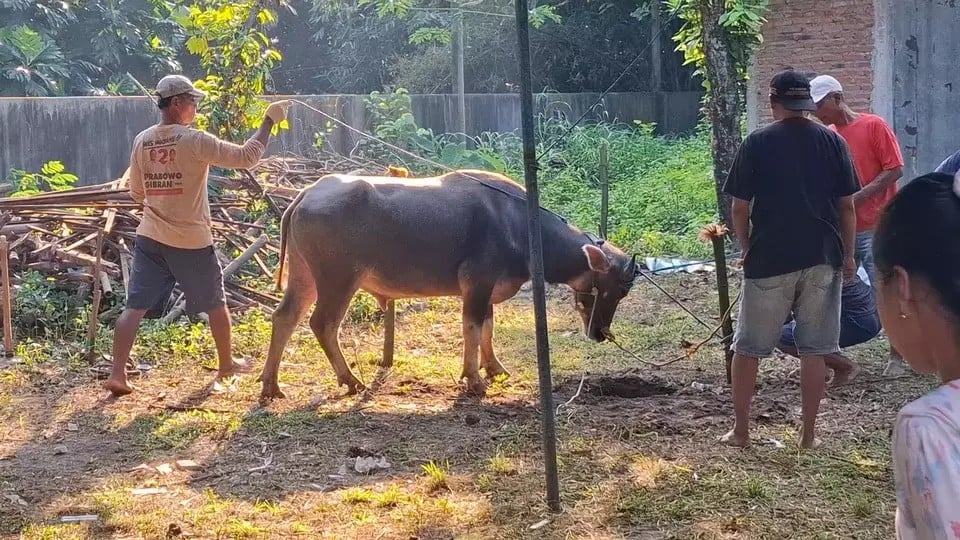
While the majority of Indonesian Muslims sacrifice cows or goats during Eid al-Adha, Kudus upholds a different tradition. Many in the city choose to sacrifice buffalo. This tradition is not rooted in religious mandate, but rather stems from the proselytizing approach championed by Sunan Kudus.
The Kudus Anniversary Study explains that Sunan Kudus discouraged the slaughter of cows as a gesture of respect toward the Hindu community, who held the animal sacred at the time. This approach was part of a proselytization strategy that prioritized respect for local culture and beliefs, allowing Islamic teachings to flourish without triggering social conflict.
The tradition persists today as a cornerstone of Kudus's cultural identity. Using buffalo for religious sacrifice conveys the message that diversity can be nurtured through mutual respect. This value is one reason why Kudus is often recognized for its long history of fostering harmonious coexistence amidst differences.
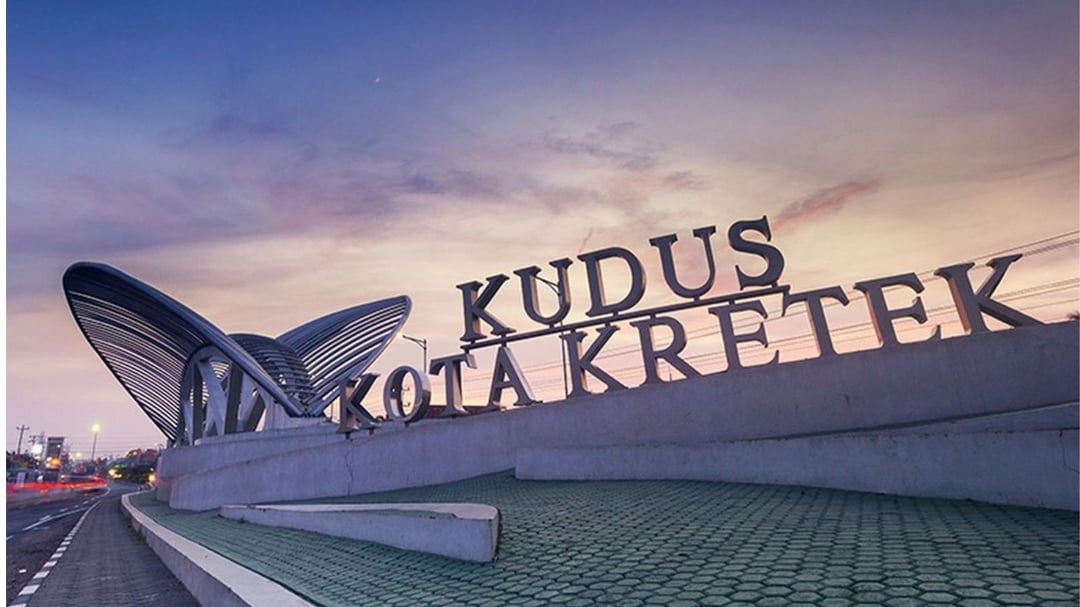
The entrepreneurial spirit fueled by the Gusjigang philosophy eventually birthed one of Kudus's most iconic identities: the City of Kretek. This moniker emerged not by chance, but from the long evolution of an industry that grew alongside the community.
According to historical records cited in the Kudus Anniversary Study, Haji Jamhari is credited with pioneering the blend of tobacco and cloves that became the kretek cigarette. From this simple formula, kretek grew into a major commodity that spurred trade and created widespread employment in Kudus.
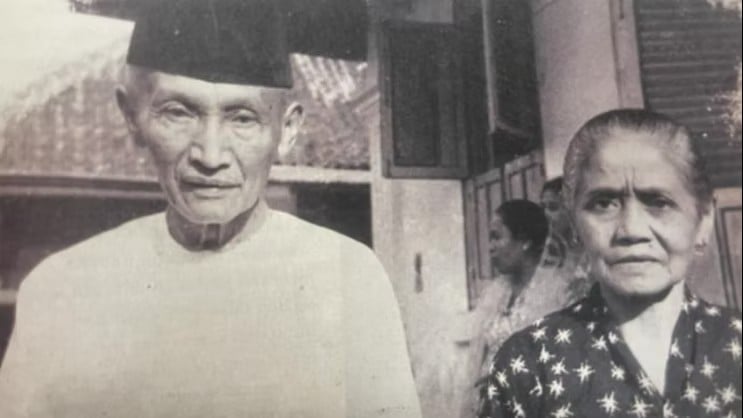
The rise of the kretek industry reshaped the city, stimulating economic activity, expanding commercial districts, and fostering a range of supporting businesses. Over time, kretek evolved beyond an economic product into an integral part of Kudus's social history, defining the rhythm of daily life.
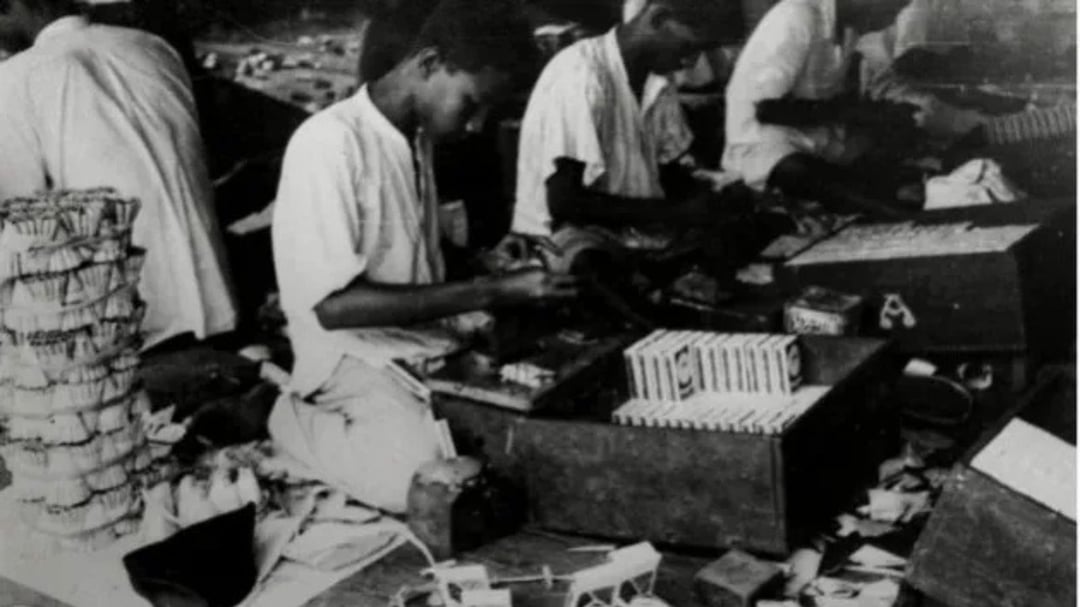
To this day, Kudus remains synonymous with the kretek industry. Several major cigarette companies rooted in the city continue to play a significant role in Indonesia's tobacco industry. However, for the people of Kudus, kretek is viewed not just as a commercial product, but as a vital part of the city's shared history.
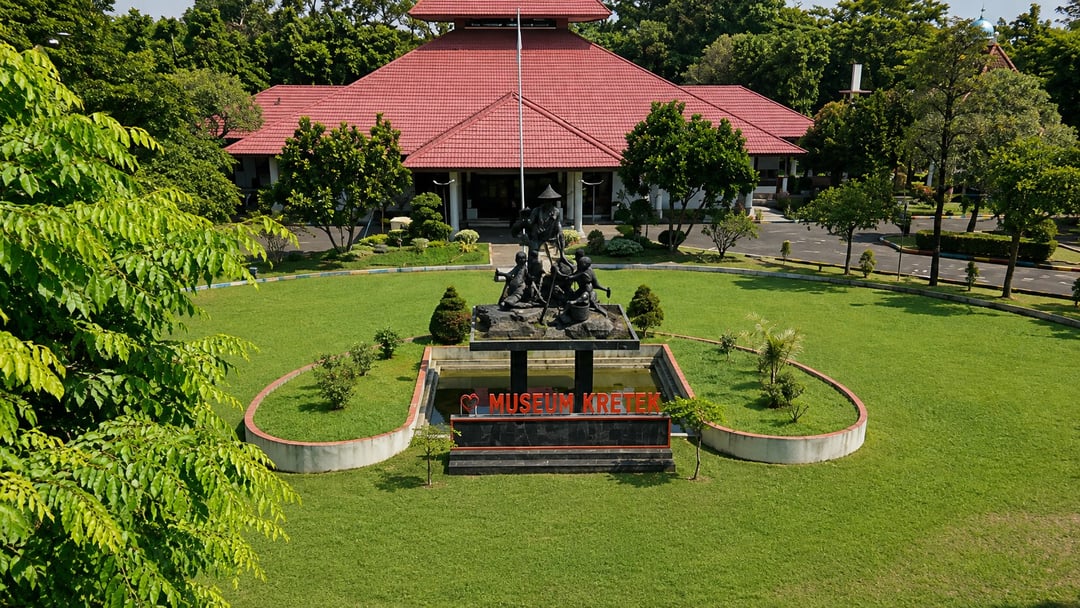
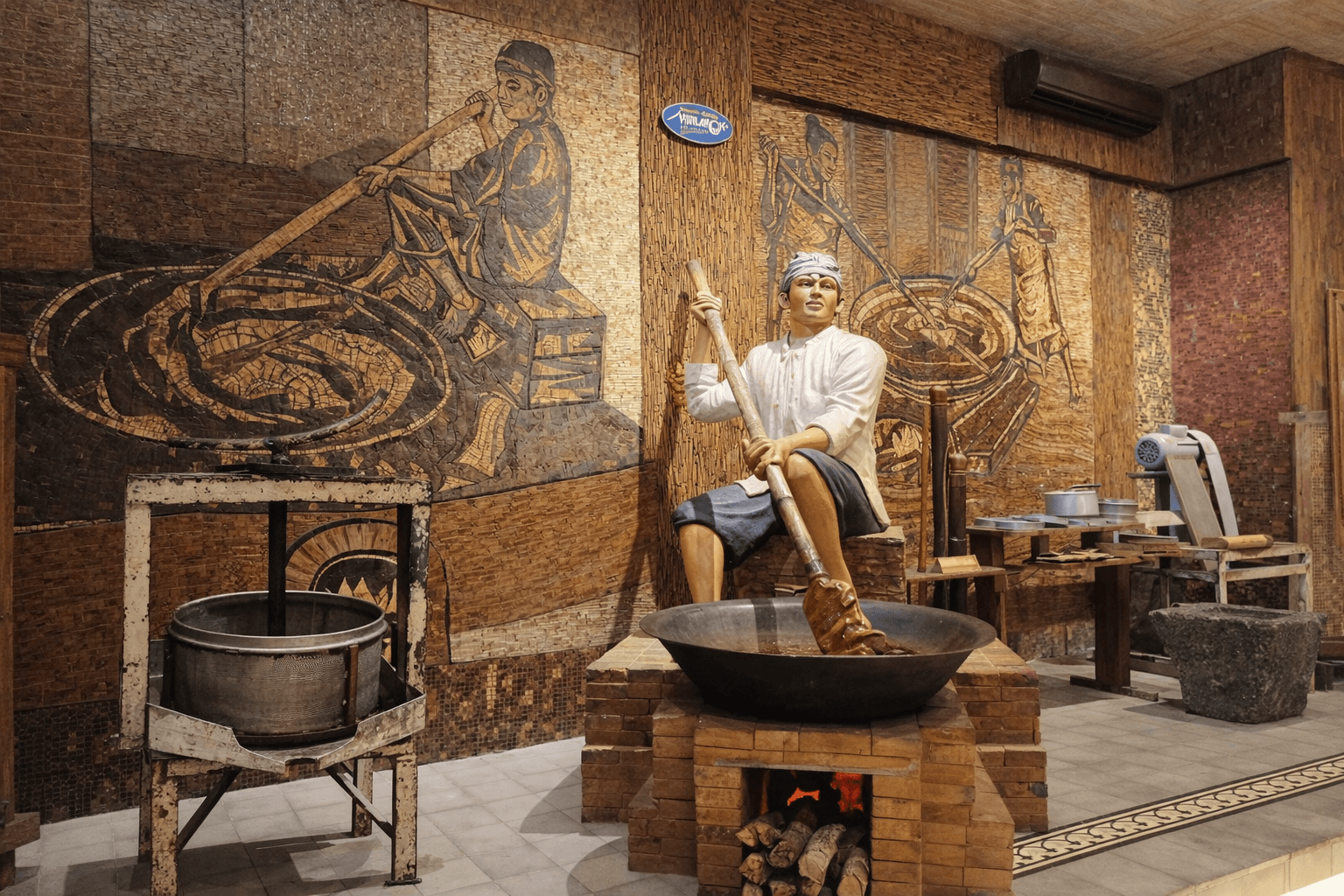
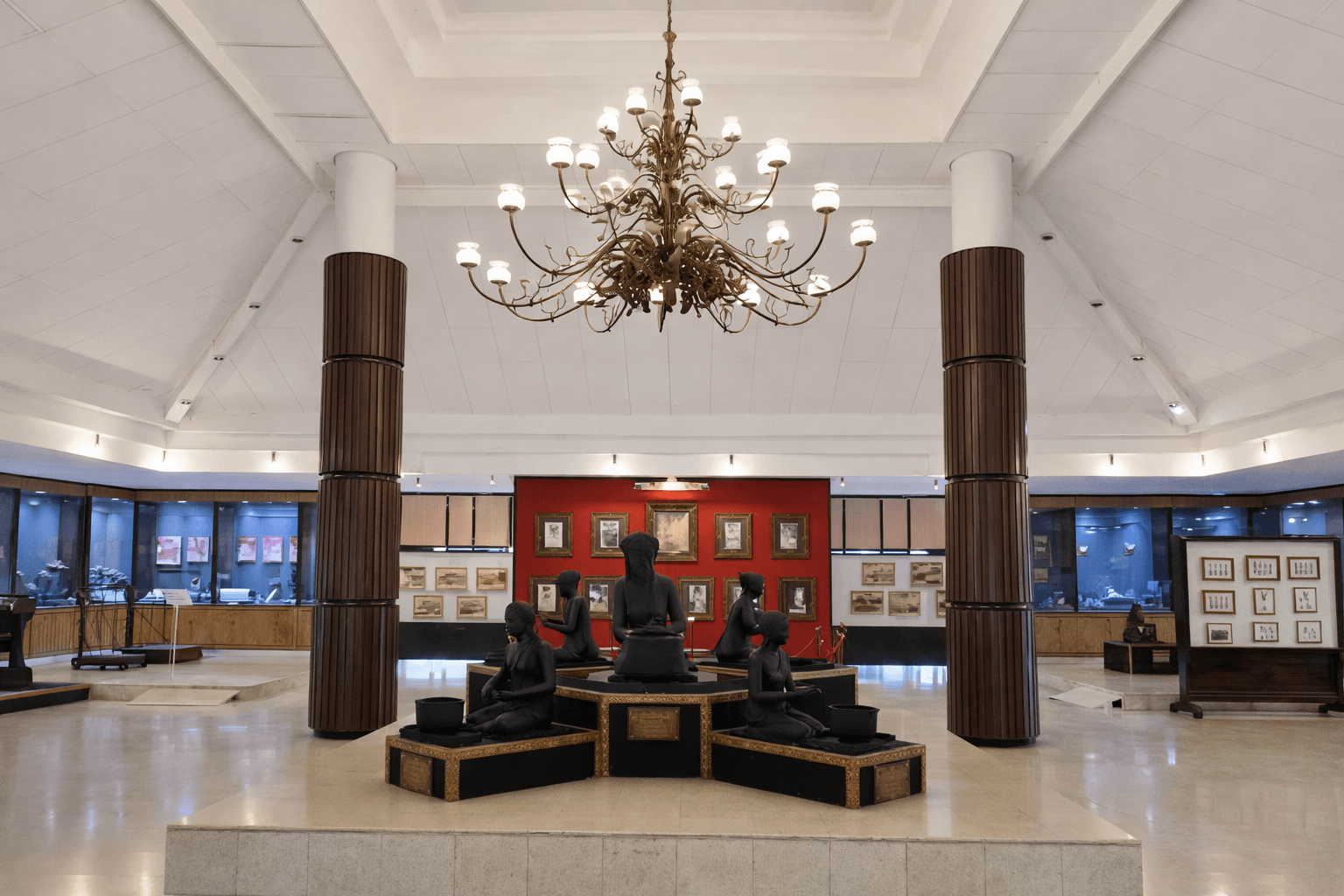
The extensive history of the kretek industry is preserved at the Kretek Museum in Kudus. Established on October 3, 1986, the museum serves as a repository documenting the evolution of kretek over time. Its collection includes traditional rolling tools, production machinery, dioramas of the manufacturing process, and historical packaging and promotional media that illustrate the industry's historical transformation. This information complements external research based on official museum data.
The presence of the museum underscores that the journey of kretek is not merely an economic activity, but an integral part of the cultural history of the Kudus community. Through its exhibits, visitors can understand how the kretek industry has evolved alongside shifts in technology, trade patterns, and social life.
The Kretek Museum reinforces the identity of Kudus as the City of Kretek. While the industry demonstrates the dynamics of economic growth, the museum acts as a guardian of collective memory, ensuring that this long history remains accessible to future generations.

Beyond kretek, Kudus is also known for jenang, a signature culinary treat that has been a part of local life for decades. Made from rice flour, coconut milk, and sugar, the delicacy is not only popular as a souvenir but also serves as a symbol of the community's dedication to preserving its culinary traditions.
The study on the Anniversary of Kudus notes that Kaliputu Village has long been established as a hub for jenang production. The skill of crafting jenang has been passed down through generations, allowing the trade to thrive to this day. This process demonstrates that a culinary tradition can endure as long as knowledge and craftsmanship are transferred from one generation to the next.

Residents of Kaliputu often use the expression, “Suk nek ono rejaning jaman, wong Kaliputu uripe seko jenang,” which translates to, "Even in the changing times, the people of Kaliputu survive through jenang." The phrase highlights the deep connection between the community and the jenang industry. For the locals, jenang is not merely food, but a source of livelihood and a fundamental part of their village identity.
Today, Jenang Kudus is available in a variety of flavors and packaging options. While adapting to modern times, the manufacturing process continues to employ traditional techniques passed down through generations, ensuring the authentic flavor remains preserved.
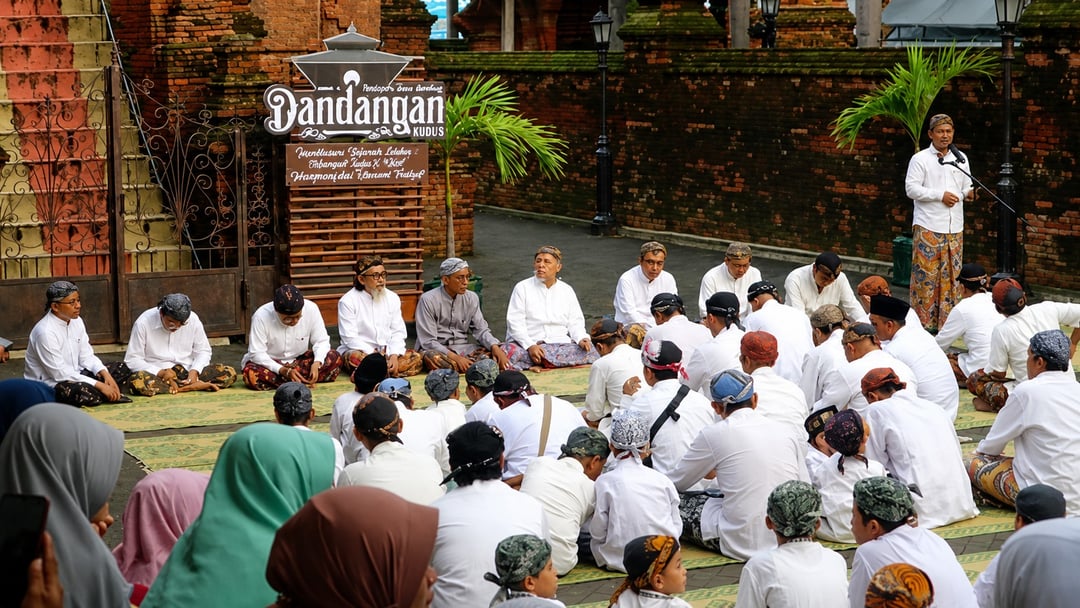
Ahead of Ramadan, Kudus becomes exceptionally vibrant. Thousands gather around the Menara Kudus area to participate in Dandangan, a centuries-old tradition held to signal the arrival of the holy month.
The tradition originated from Sunan Kudus’ practice of announcing the start of Ramadan by beating a drum. Over time, Dandangan evolved into a community festival featuring night markets, cultural performances, amusement rides, and various culinary and economic activities.
Beyond the festivities, Dandangan carries deep significance. It serves as a gathering space for people of diverse backgrounds and illustrates how cultural heritage can adapt to modern times while maintaining values dating back to the era of Sunan Kudus.
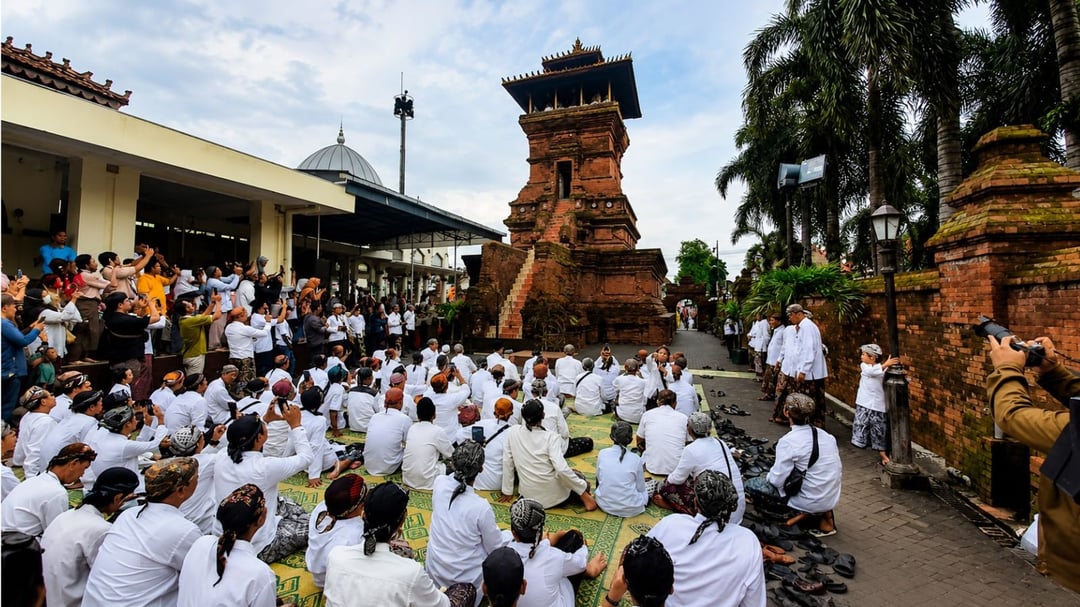
Dandangan is highly anticipated annually not only by local residents but also by tourists eager to witness a tradition that has become integral to the city's identity. Through this event, the community welcomes Ramadan while preserving a collective historical memory that remains vivid in modern life.

The exploration of Kudus extends beyond the city center. To the north, Mount Muria serves as the final chapter in the region’s narrative, where history, culture, and daily life intersect. Stretching across the Kudus Regency, the mountain range is recognized not only for its natural beauty but also as a historical center for the spread of Islam along the northern coast of Java.
The slopes of Mount Muria served as a base for Sunan Muria to disseminate Islamic teachings through methods closely attuned to the community. Unlike Sunan Kudus, who focused his ministry in urban areas, Sunan Muria integrated himself with farmers, traders, and artists. This approach allowed religious values to thrive within local life without displacing existing traditions.
The Colo region remains a primary destination for pilgrims from across Indonesia who travel to visit the tomb of Sunan Muria. The route to the area winds through mountainous roads, offering vistas of forests and plantations along the Muria slopes—a landscape that contrasts sharply with the urban environment of Kudus.
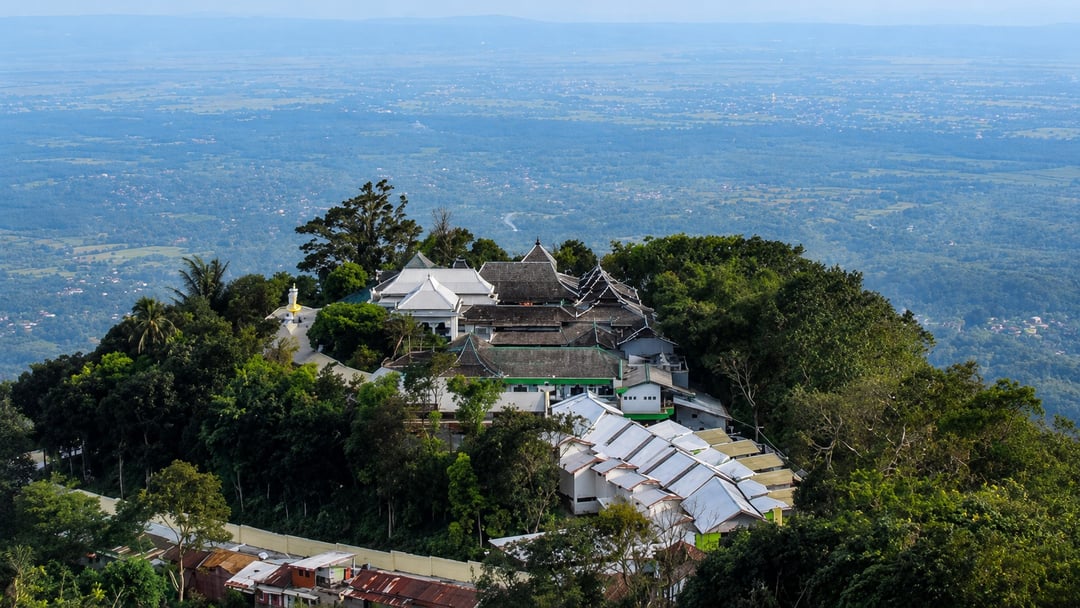
Beyond religious tourism, Mount Muria holds burgeoning potential for nature-based attractions. The Montel Waterfall is a popular destination, drawing visitors with its cool mountain air and well-preserved forest scenery. These natural sites bolster Kudus’s appeal, proving the region offers more than just history and culture; it boasts a rich natural landscape. This information complements research based on official Central Java tourism data.
Tourism growth on the Muria slopes has enabled local communities to develop various enterprises, including lodging, culinary businesses, and the sale of agricultural produce and handicrafts. This synergy between nature, culture, and economic activity demonstrates that historical heritage can thrive alongside modern development.
Kudus’s unique identity is not merely a relic of the past. The cultural heritage forged throughout history serves as a foundation for regional development, particularly in the tourism sector. The Kudus Regency government continues to integrate religious, historical, cultural, culinary, and natural attractions, ensuring each destination complements the others to provide a cohesive experience for visitors.
A journey through Kudus could begin at the Menara Kudus area to understand the history of Islamic propagation and cultural acculturation. From there, visitors can explore the Kretek Museum, which chronicles the industry that shaped the city’s identity, then visit the jenang centers in Kaliputu to witness a culinary tradition passed down through generations, before concluding the trip on the slopes of Mount Muria, where religious tourism meets natural beauty.
In recent years, the face of Kudus tourism has evolved through the hosting of national and international sporting events. Modern athletic facilities and recurring competitions have strengthened the city's position as a sports tourism destination in Central Java. This development does not overshadow established religious, historical, and cultural tourism but rather enriches the diverse range of experiences available to travelers.
Despite this progress, the identity of Kudus remains rooted in the values passed down by predecessors. The philosophy of Gusjigang continues to inspire the community’s approach to work and trade. The tradition of buffalo sacrifice remains a reminder of the importance of respecting diversity, while the Dandangan tradition persists as a communal gathering preceding Ramadan. The Menara Kudus and Mount Muria stand as enduring symbols that history will survive as long as it is upheld by the local people.
For Kudus cultural expert Sumarno, the strength of a region lies in more than just old buildings or artifacts. He believes cultural heritage remains vibrant as long as the values inherited from ancestors are practiced in daily life. This perspective serves as a reminder that cultural preservation is not merely about maintaining physical landmarks, but about nurturing the lifestyle, traditions, and local wisdom that define the identity of the people of Kudus.
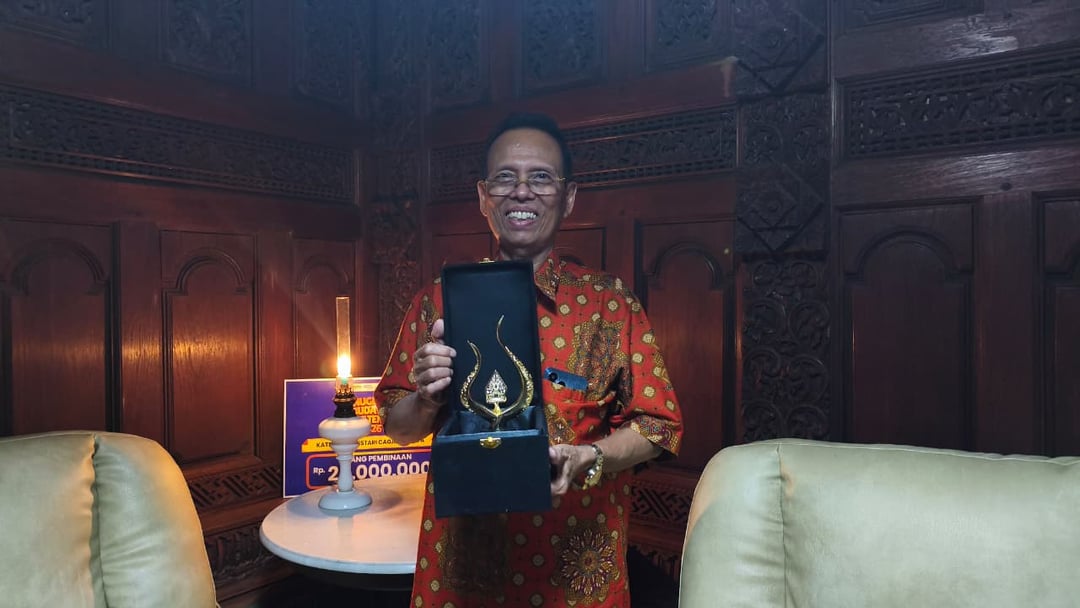
The perspectives of these academics and cultural experts serve as the foundation for the Kudus Regency Government in preserving and developing its cultural heritage.
Arief Zuli Tanjung, Head of the Culture Division at the Kudus Culture and Tourism Office, stated that culture remains sustainable when it adapts to contemporary challenges and provides tangible benefits to the public. Consequently, cultural preservation extends beyond protecting historical artifacts to leveraging digital media, audiovisual content, and engagement strategies that resonate with the younger generation, ensuring that Kudus' history and culture remain relevant in a changing world.
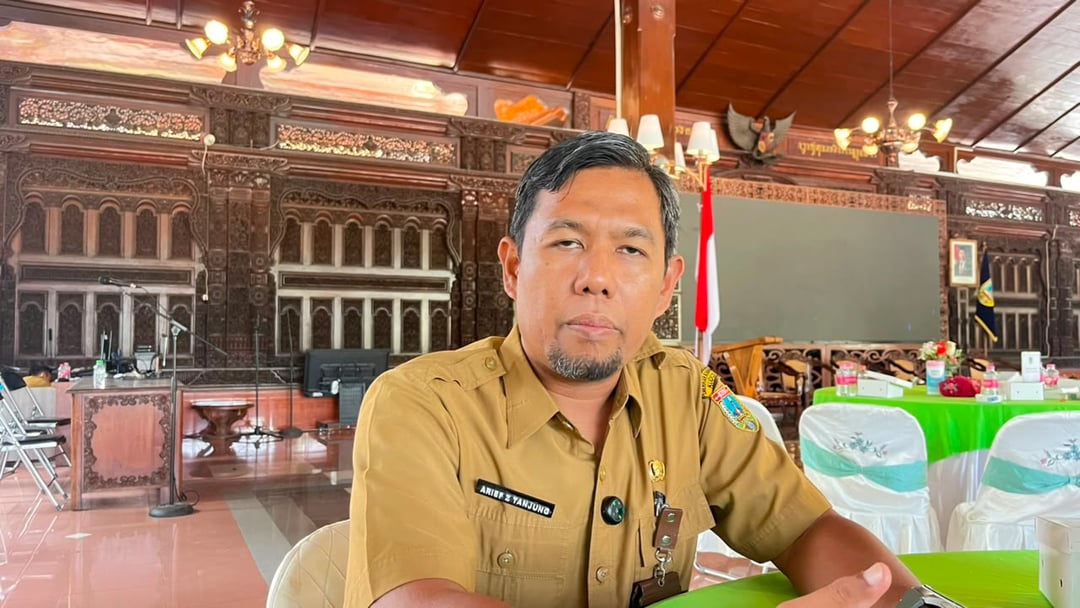
These efforts demonstrate that history is not confined to museums or heritage zones. Values derived from Kudus' long journey are kept alive through education, tradition, tourism, and daily community life.
The ten unique facets of Kudus illustrate that a city's identity is built over a long history. From the name Kudus, rooted in Al-Quds, to the Kudus Tower as a symbol of cultural acculturation, the Gusjigang philosophy, the legacy of two Wali Songo members, the buffalo sacrifice tradition, the rise of the Clove Cigarette City, the Clove Museum, the jenang center in Kaliputu, the vibrant Dandangan festival, and the landscape of Mount Muria, these interconnected narratives shape the face of Kudus today.
Amidst shifting times, these legacies are more than just historical records or tourist destinations. They persist through a community that maintains traditions, upholds noble values, and passes them to future generations. This defines Kudus not merely as a small regency on the northern coast of Central Java, but as a city that sustains its identity through the history, culture, and values embedded in the daily lives of its citizens.
The ten unique facets of Kudus show that a city's identity is shaped by a long history. The city's name, originating from Al-Quds, the Kudus Tower as a symbol of acculturation, the Gusjigang philosophy, the traces of two Wali Songo members, the buffalo sacrifice tradition, the emergence of the Clove Cigarette City, the Clove Museum, the jenang center in Kaliputu, the Dandangan festival, and the Mount Muria landscape are all complementary chapters. Each plays a role in forming the Kudus of today.
In an era of change, these legacies transcend their roles as mere historical records or tourist attractions. They remain vital through the community, which continues to practice and pass them down to subsequent generations. This distinguishes Kudus as more than just a small regency on the northern coast of Central Java, but as a city dedicated to preserving its identity through the history, culture, and values that enrich the lives of its people. (OEB/mainkekudus)