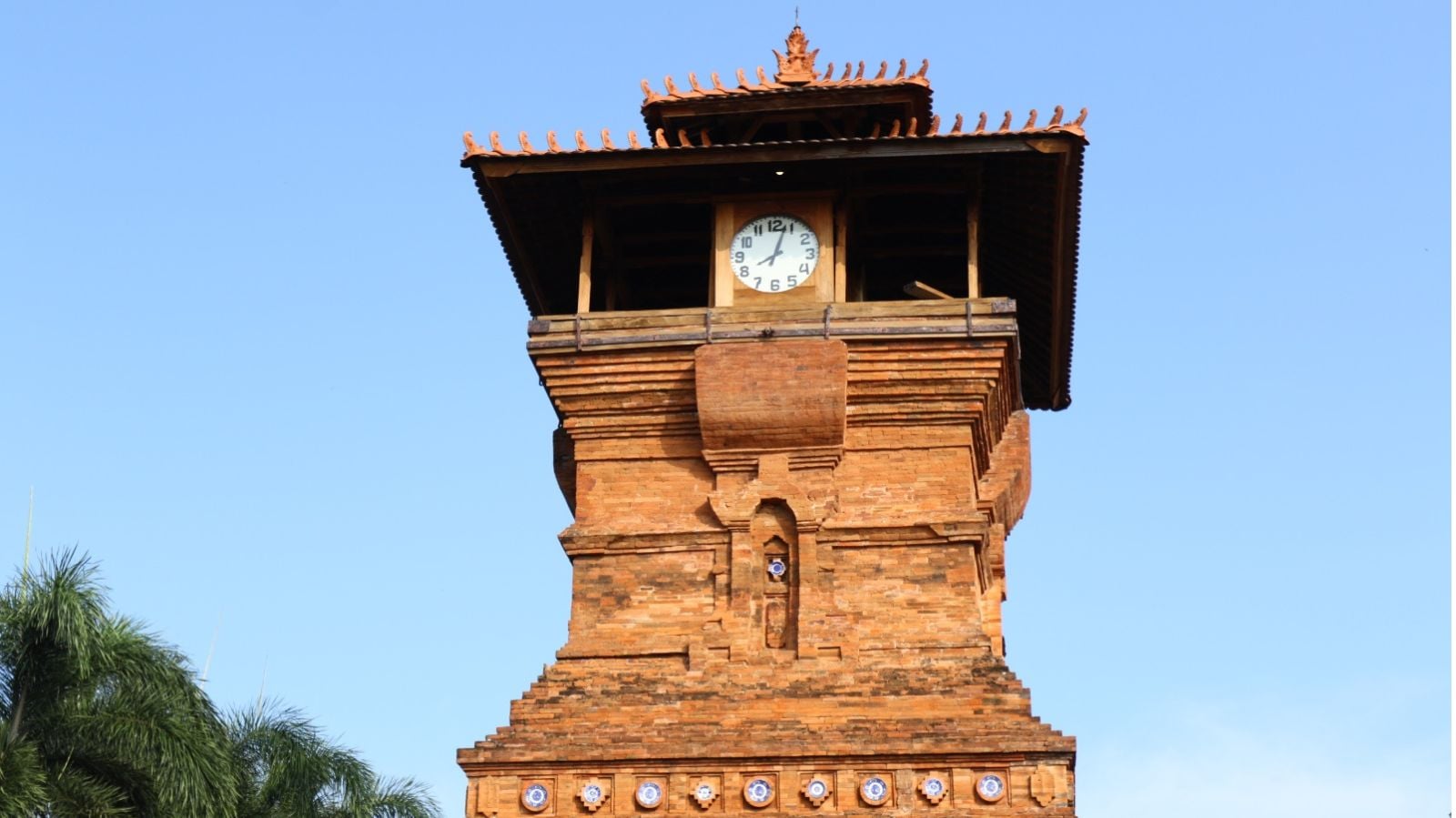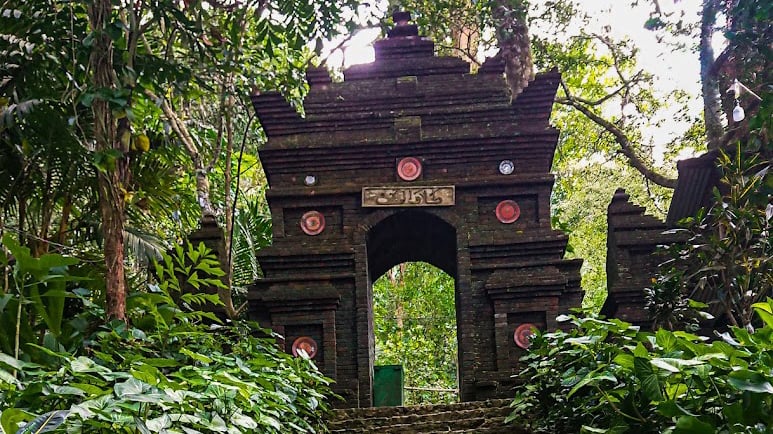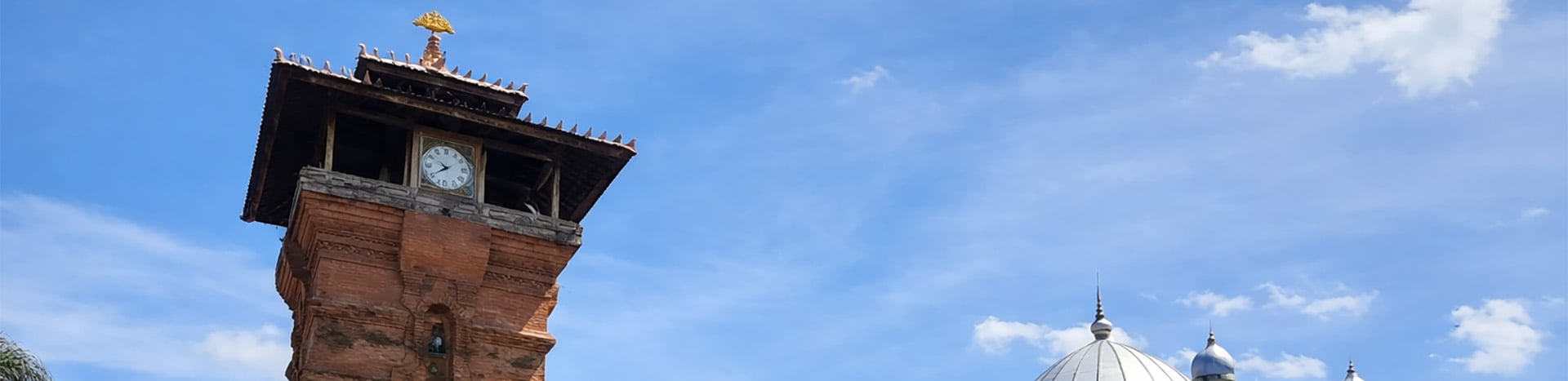
The Menara Kudus Mosque stands as one of the most iconic religious and historical landmarks in Kudus Regency. Renowned for its unique architecture, the mosque serves as a harmonious symbol of Islamic, Hindu, and Buddhist cultural integration dating back to the 16th century. It remains a vital center for worship and a living historical legacy.
The primary attraction of the Menara Kudus Mosque is its temple-like minaret. Its distinctive red-brick structure reflects the Hindu-Buddhist architectural influences present during the transition to the spread of Islam in Java.
The mosque was founded by Sunan Kudus, a member of the Wali Songo, whose wise and tolerant approach to proselytization became a cornerstone of social harmony during that era.
Beyond its role as a place of worship, the Menara Kudus Mosque serves as a hub for historical and cultural learning. Scholars and tourists visit to explore the acculturation process that has shaped the identity of Kudus as a religious and historical city.
Situated in the city center, the area surrounding the Menara Kudus Mosque is a vibrant hub of religious and economic activity. Its accessibility makes it a primary destination for both local and regional visitors.
"The Menara Kudus Mosque: A symbol of cultural harmony and spirituality that transcends time."
Jl. Menara No.25b, Pejaten, Langgardalem, Kec. Kota Kudus, Kabupaten Kudus, Jawa Tengah 59315, Indonesia