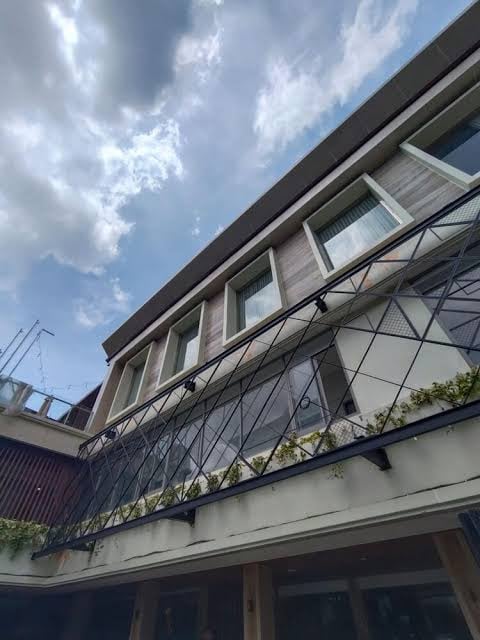
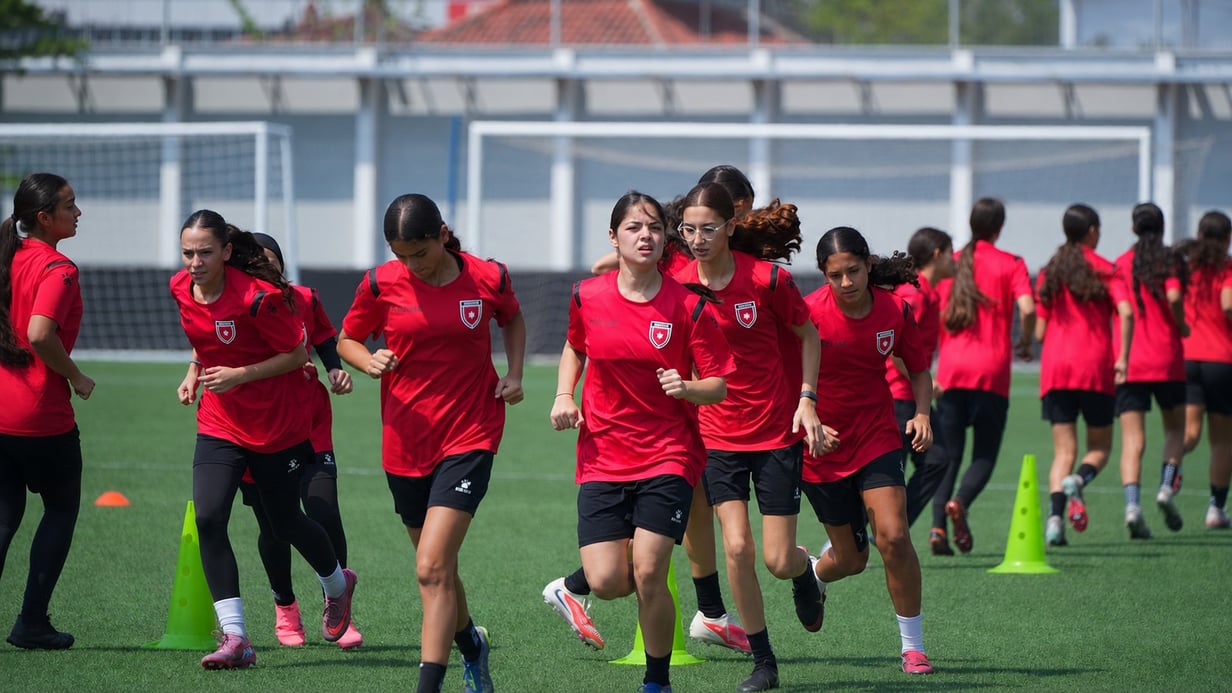
KUDUS — The Jordan U-16 Women's National Team required more than just a pitch to compete in the 2026 Caffino Srikandi Merdeka Cup. During their stay in Kudus, they also needed facilities for rest, meals, internal activities, recovery, and transport coordination to the venue.
Throughout the tournament, those needs were met by the Hotel Horison IJ Kudus. The hotel served as a base for players and officials to manage routines outside of training and match schedules.
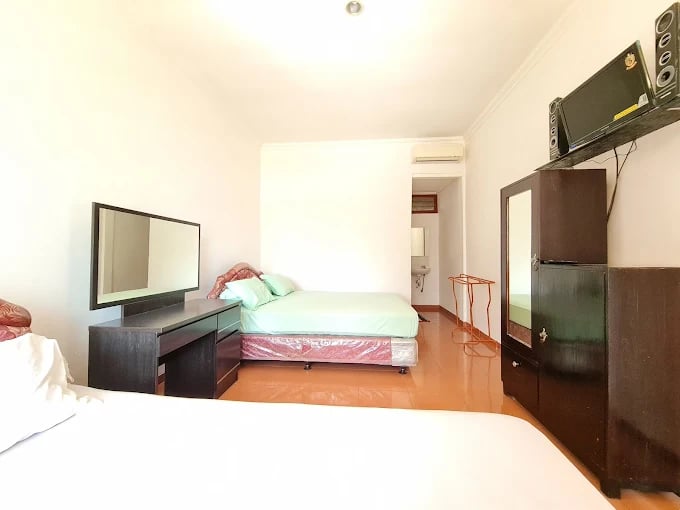
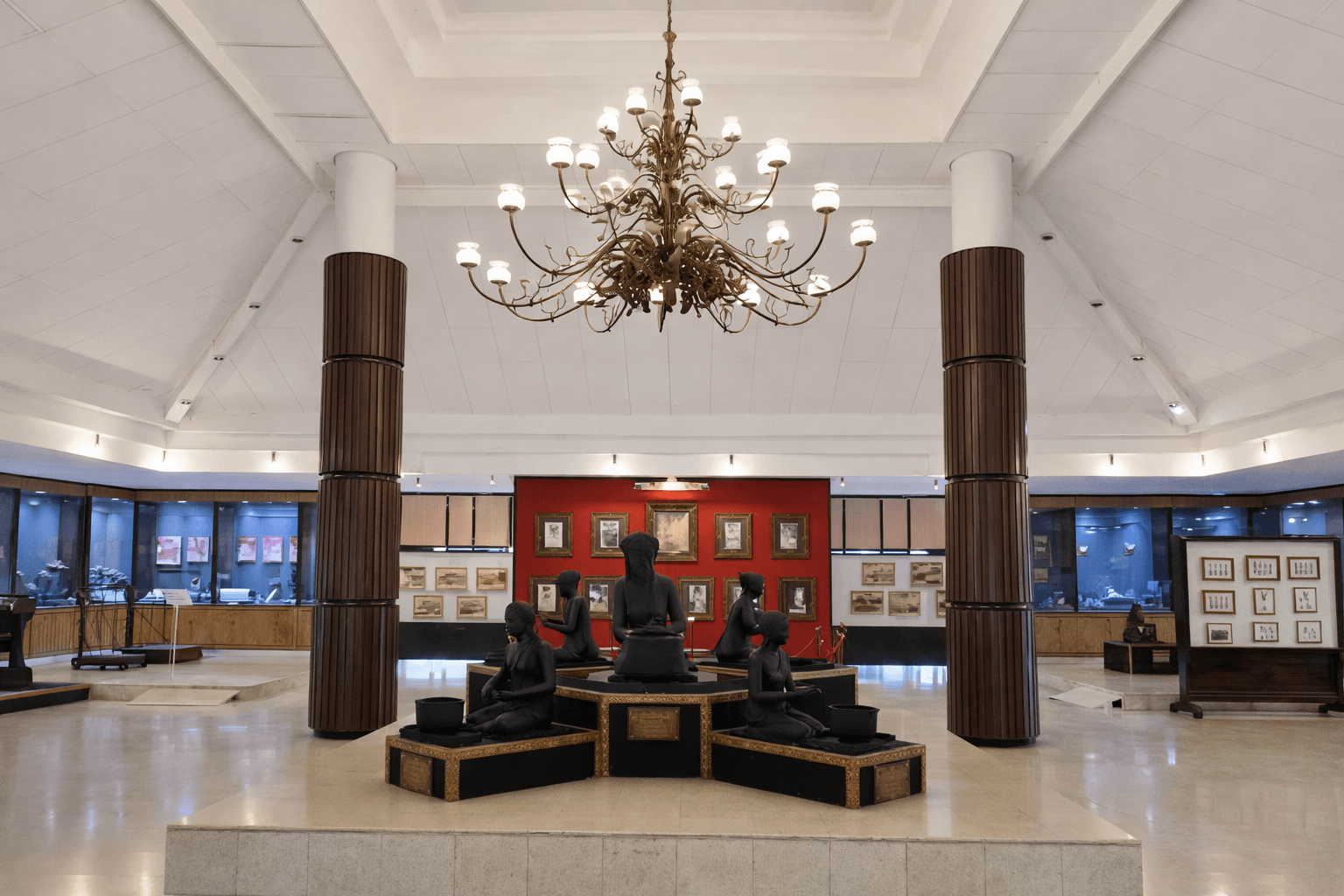
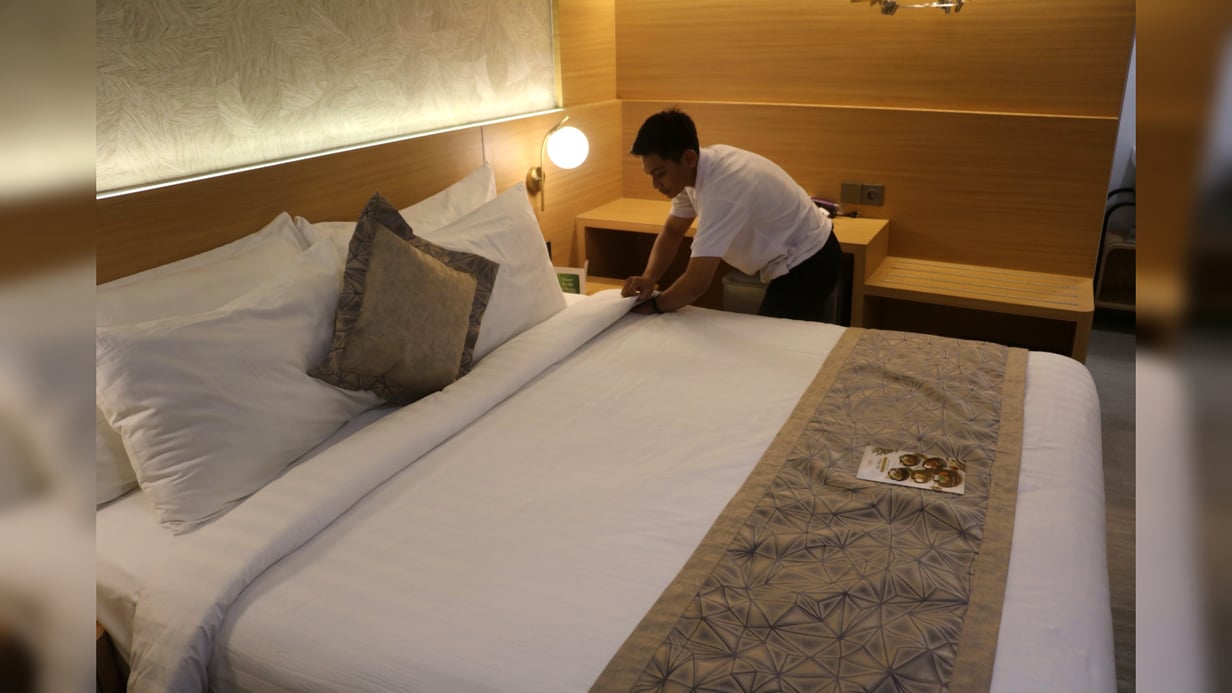
Hotel Horison IJ features 43 rooms, with approximately 23 Deluxe and Superior rooms utilized by the Jordan U-16 Women's National Team during their time in Kudus.
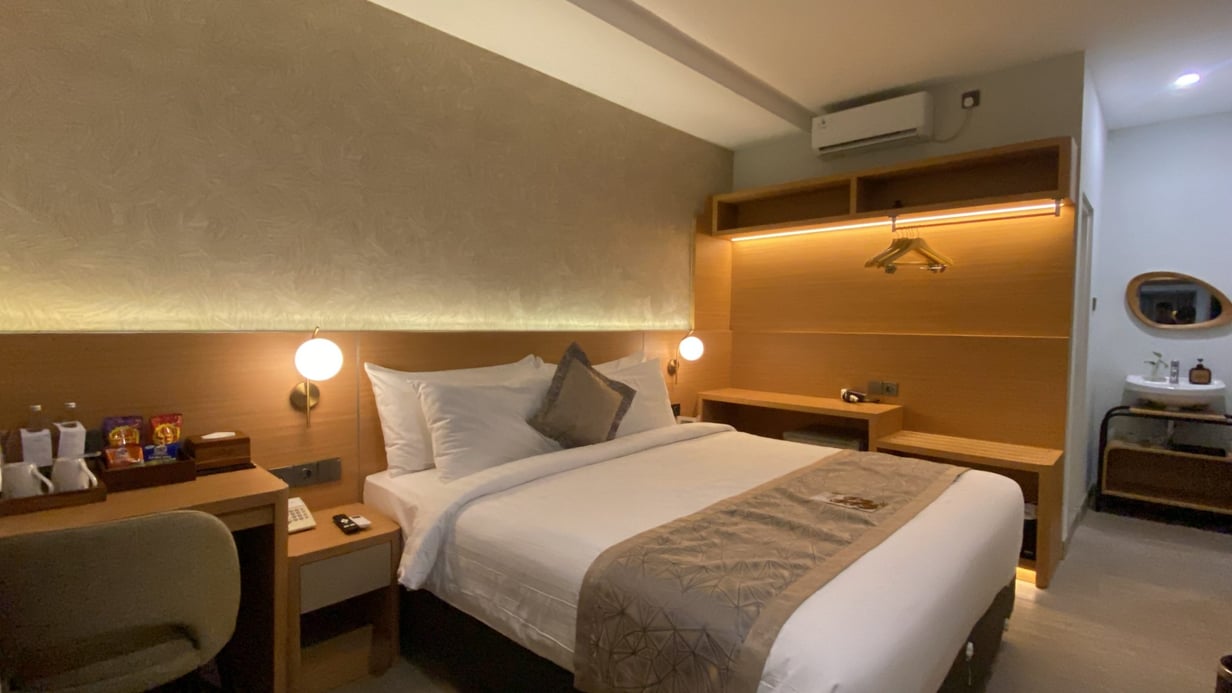
Hosting a team requires the hotel to adjust its standard service patterns. Daily routines, including meal times, are dictated by training and match schedules.
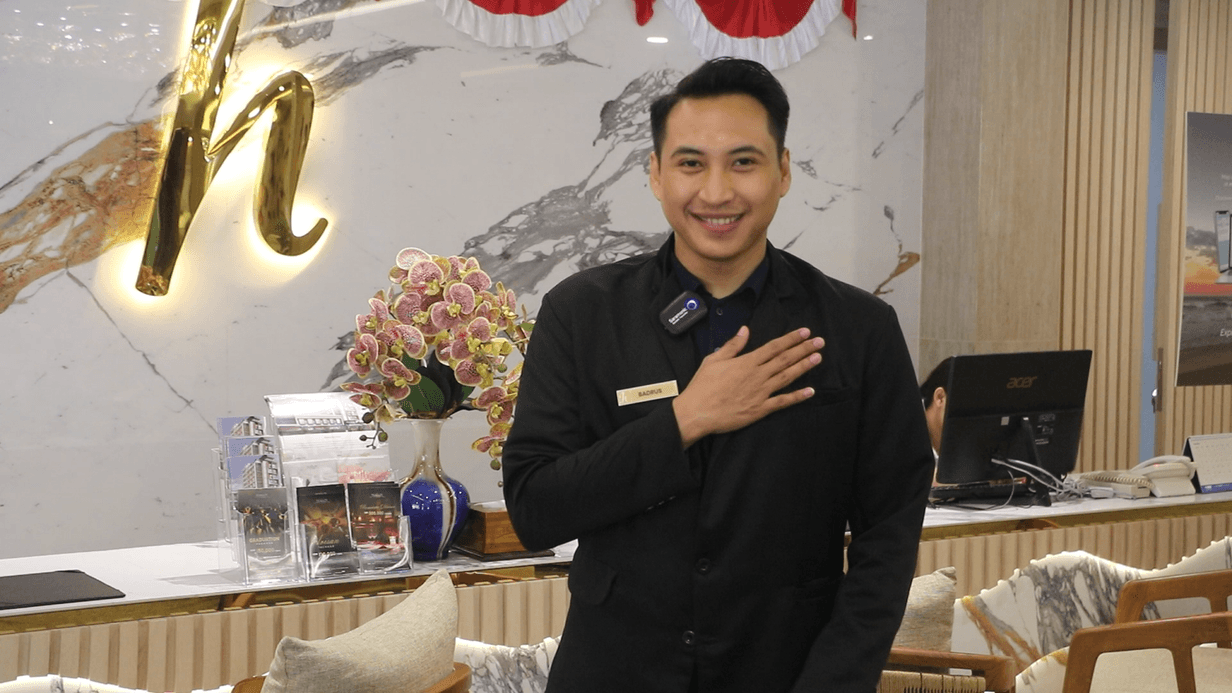
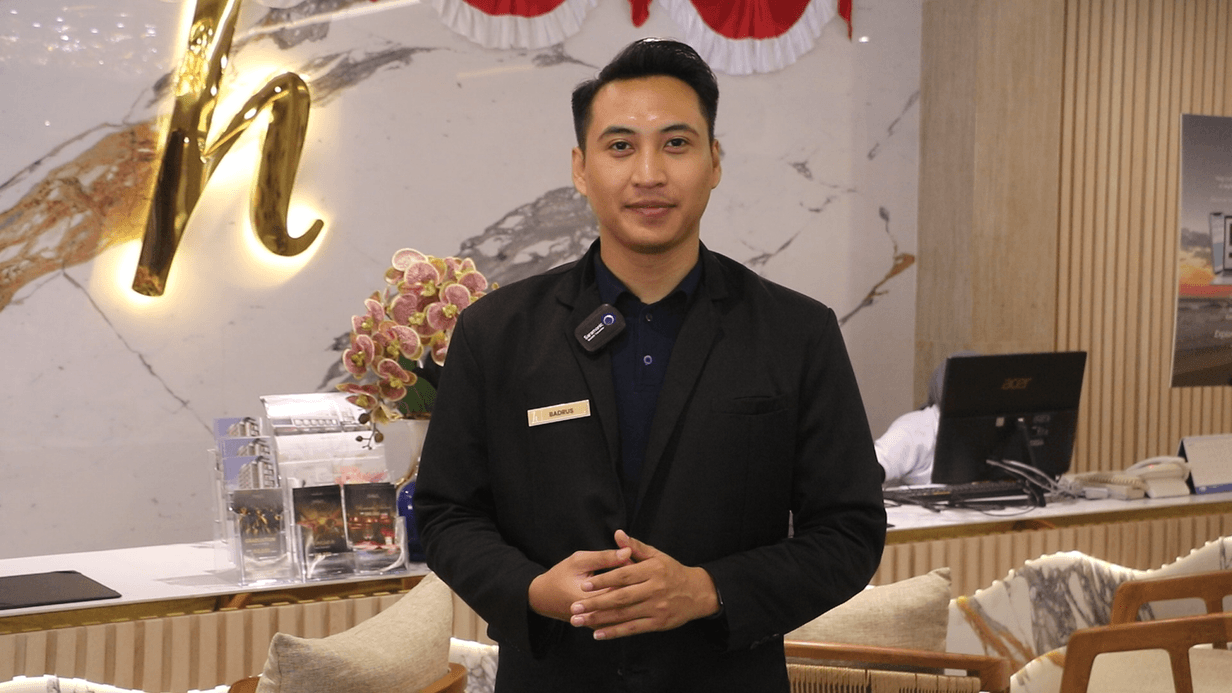
Badrus Shofa, Marketing Communication representative at Hotel Horison IJ Kudus, noted that breakfast for the team typically begins at 10:00 AM WIB, with lunch around 2:00 PM WIB, while dinner times are flexible to align with match schedules.
Given these requirements, the hotel cannot maintain its standard dining service hours, as players must adhere to a schedule that prioritizes team recovery and activities.
Jl. Kepodang No.12, Wergu Kulon, Kec. Kota Kudus, Kabupaten Kudus, Jawa Tengah 59317, Indonesia
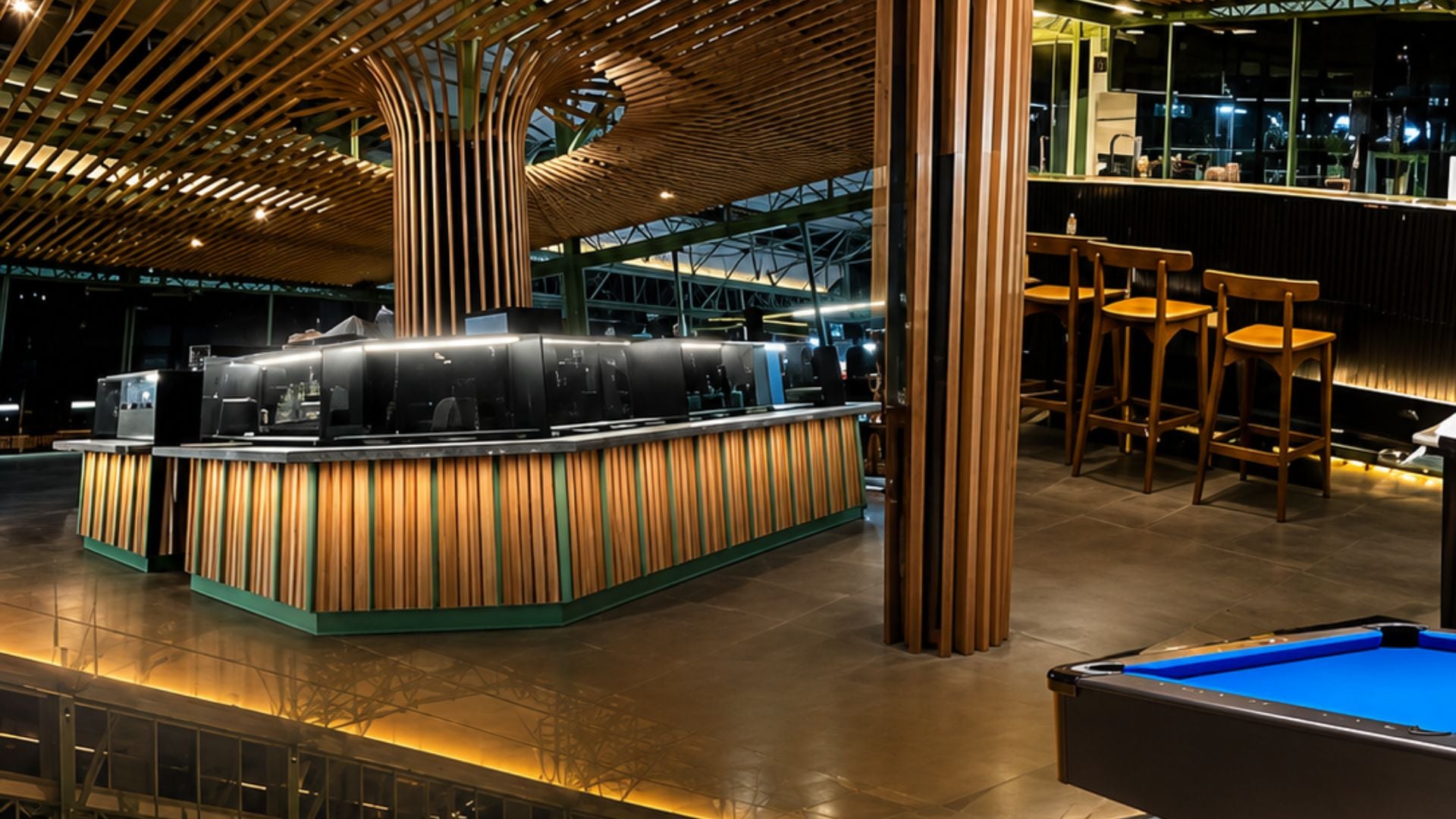
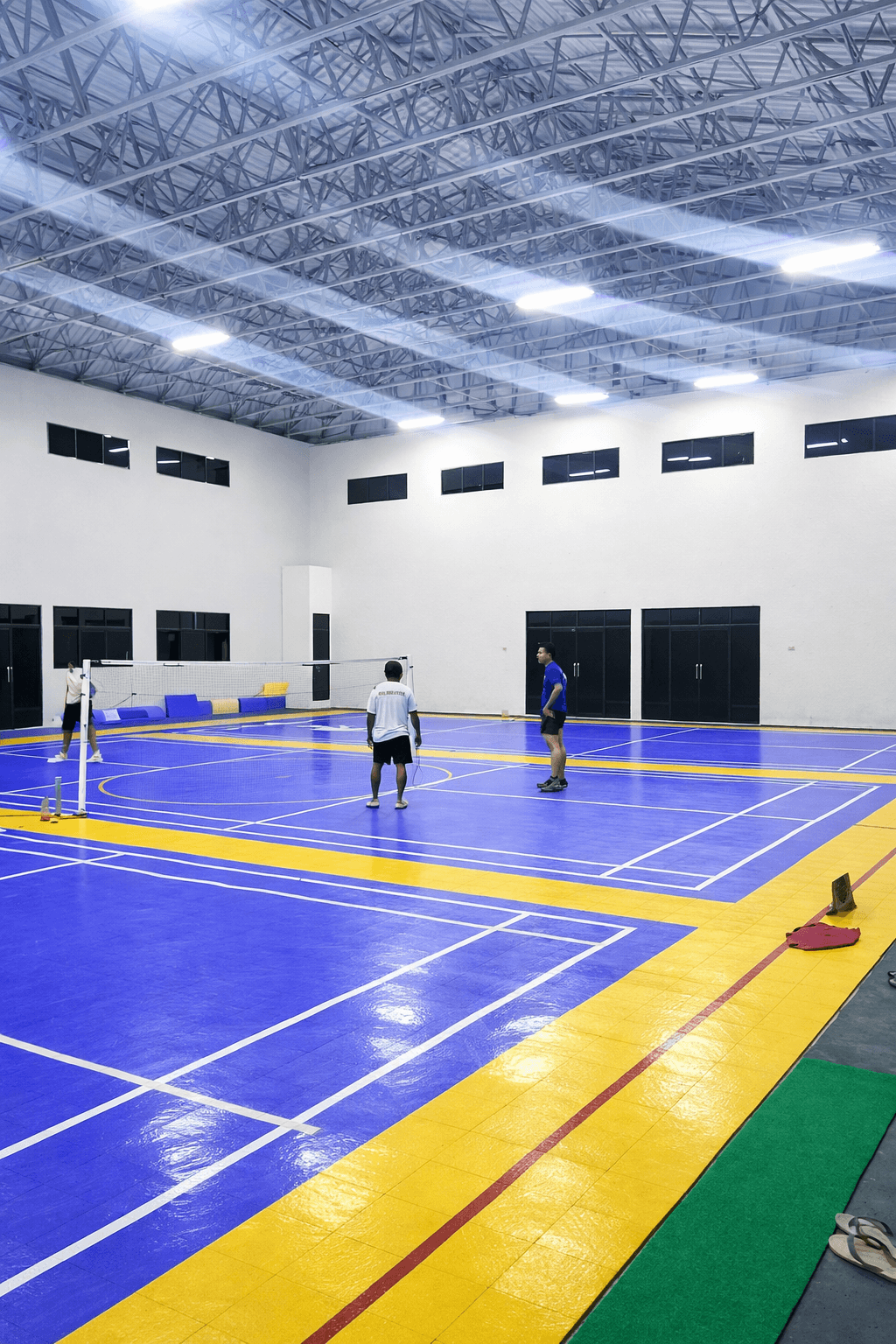
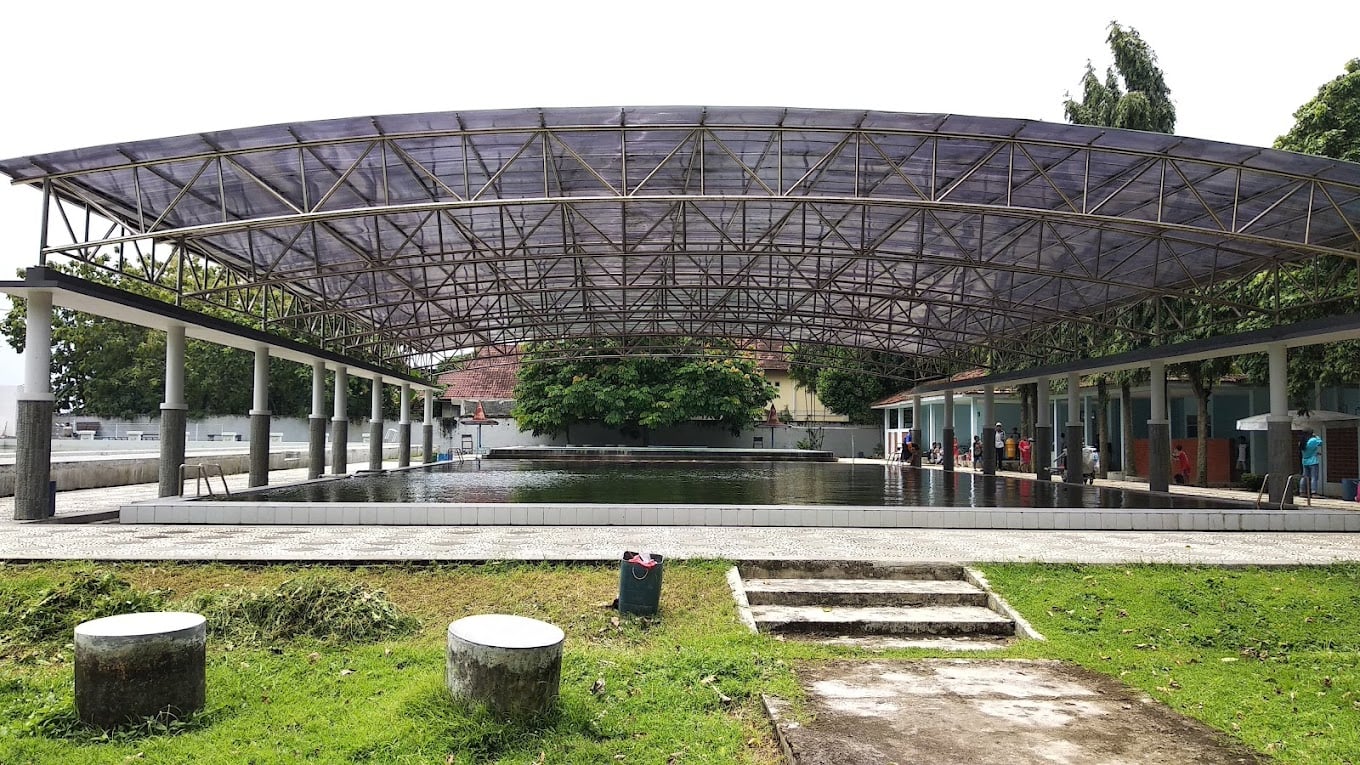
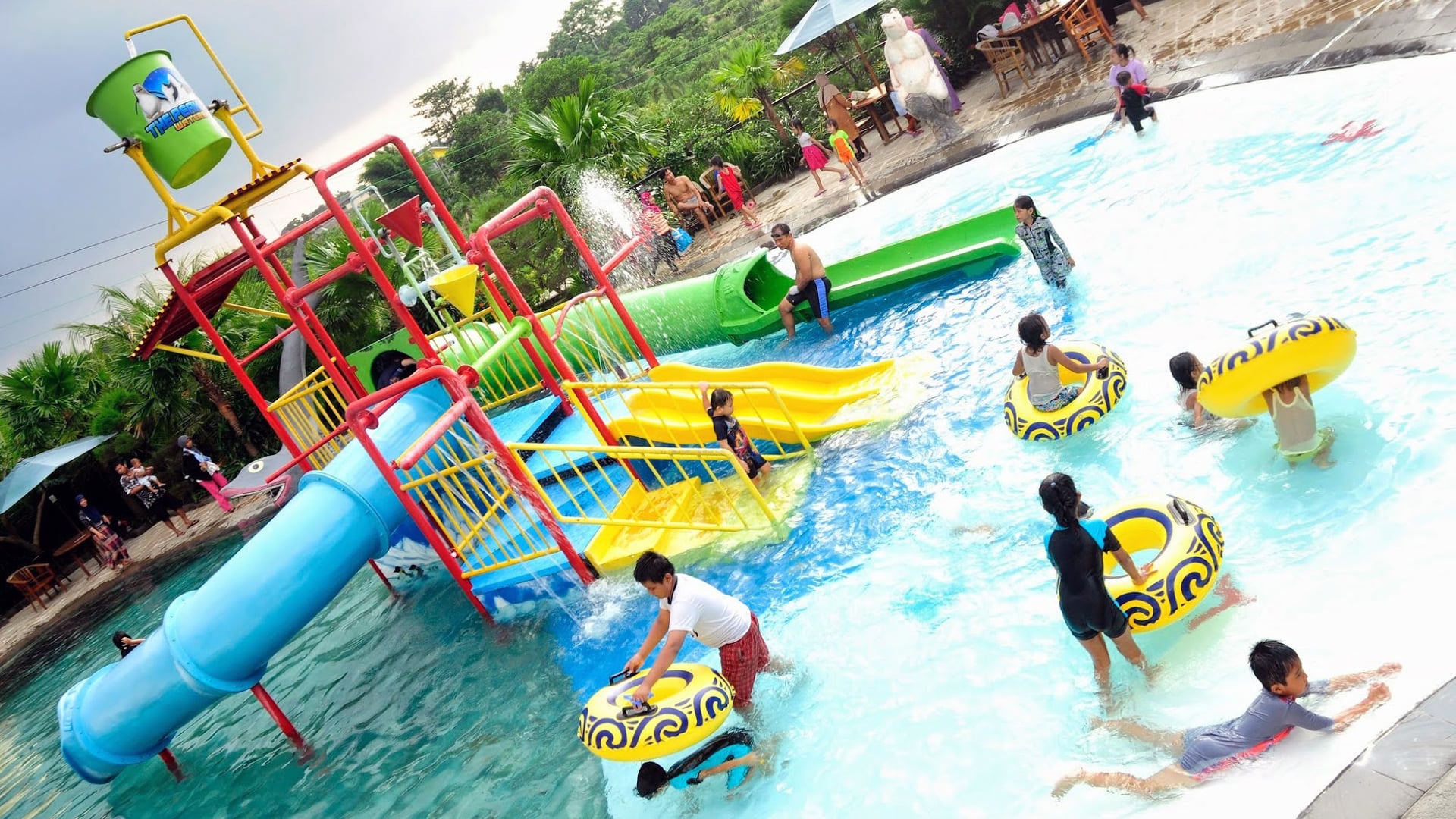
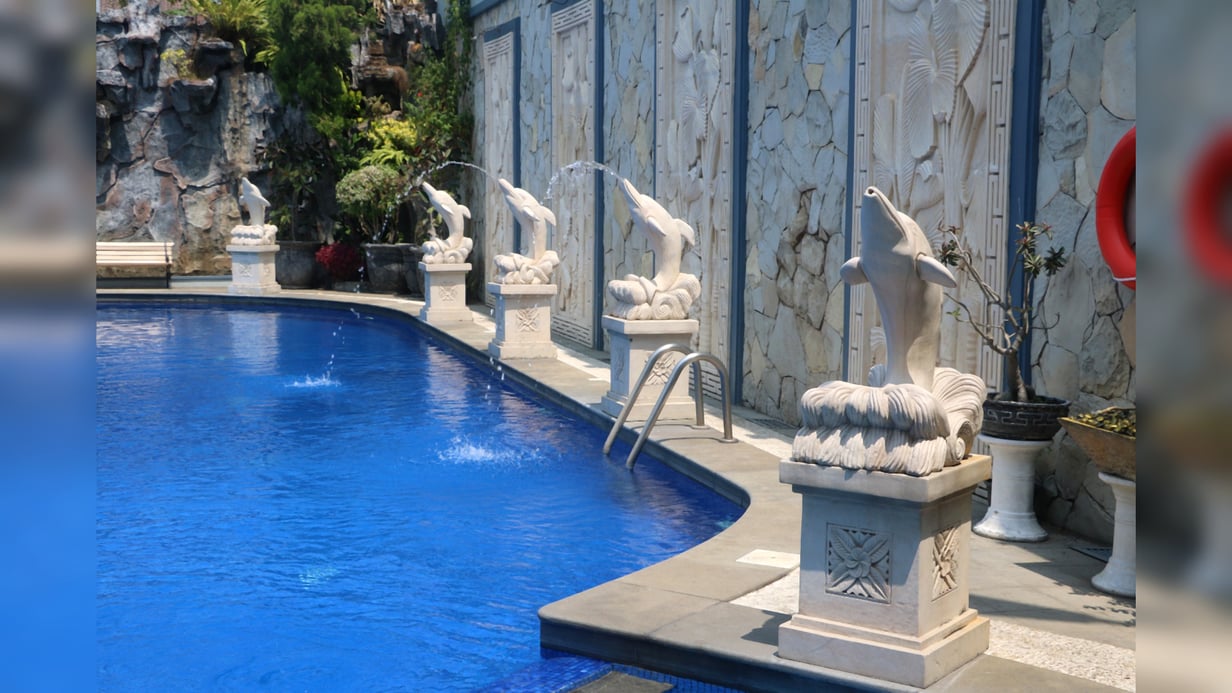
To support the delegation's activities, Hotel Horison IJ provides dedicated meeting rooms for breakfasts and internal briefings. Access to facilities such as the swimming pool and gym can also be scheduled around the players' training and recovery sessions.
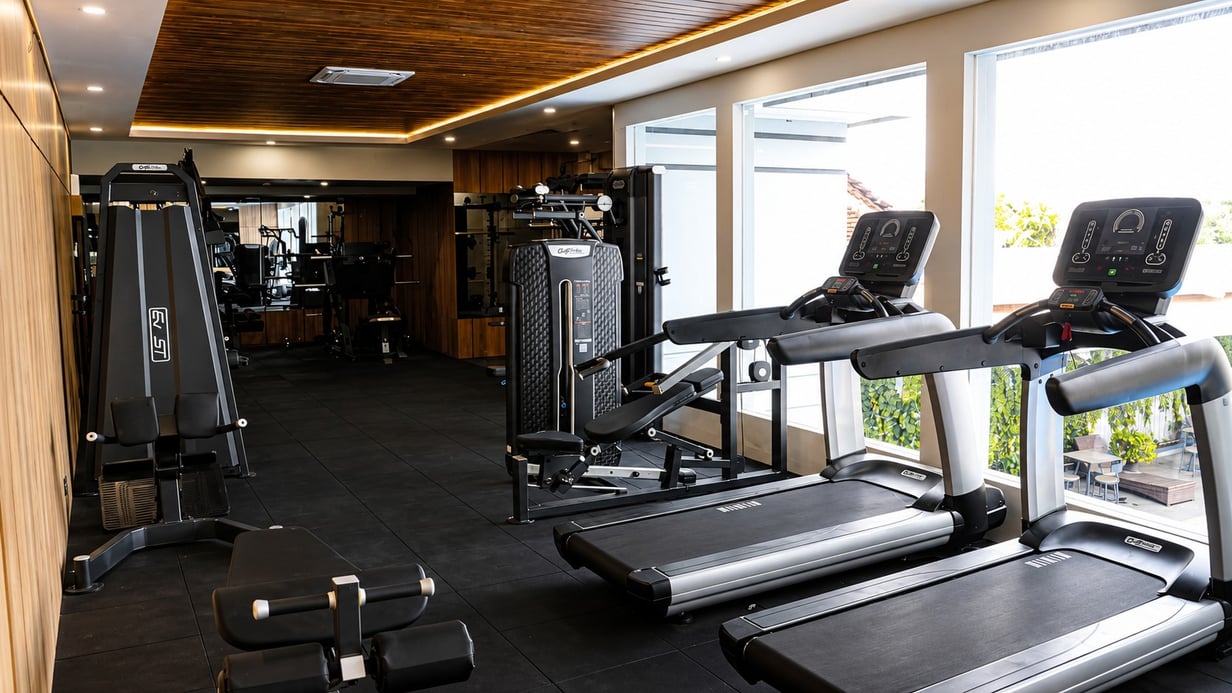
These facilities remain a primary option for players to utilize between training and matches before returning to rest.
The team's requirements are also reflected in the hotel's specialized food menu.
Hotel Horison IJ Executive Sous Chef Gading Ganesa and the Food & Beverage product team are coordinating closely with Jordanian coaches and nutritionists to finalize the players' meals.
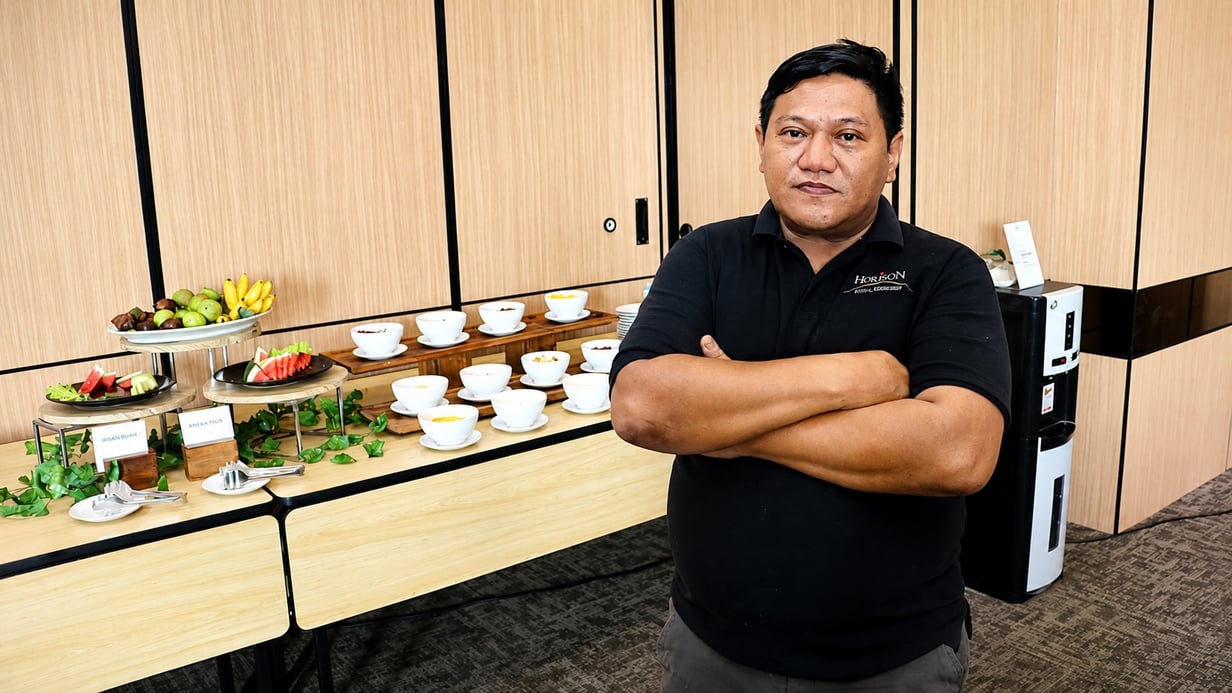
The dietary habits of the Jordanian players differ from those of typical Indonesian guests, with a focus on avoiding oily foods and emphasizing protein and complex carbohydrates in their daily menu.
For protein, the players favor beef, chicken, and shrimp. Carbohydrate sources include items such as Arabian bread, bagels, and potatoes, rather than relying solely on rice.
The hotel is also preparing tailored dishes such as biryani, kabsa rice, steak, roasted chicken, and various grilled items.
Players have even brought their own hummus from home.
While the majority of the menu is curated to accommodate the Jordanian team's preferences, the hotel occasionally incorporates local Indonesian cuisine with the approval of the coaching staff.
For the culinary team, these adjustments involve balancing the players' nutritional needs with their cultural eating habits, tailoring hotel ingredients and menus to meet the delegation's requests.
For breakfast, players frequently chose items including pancakes prepared by the Hotel Horison IJ pastry team, along with cheese, bread, and honey.
Interactions between players and staff extended beyond team requirements, revealing simple habits observed during the Jordanian contingent’s stay.
Language barriers were a common encounter. While many players were more fluent in Arabic, daily communication with hotel staff relied on Indonesian and English.
After a few days, several players began picking up common expressions used by staff.
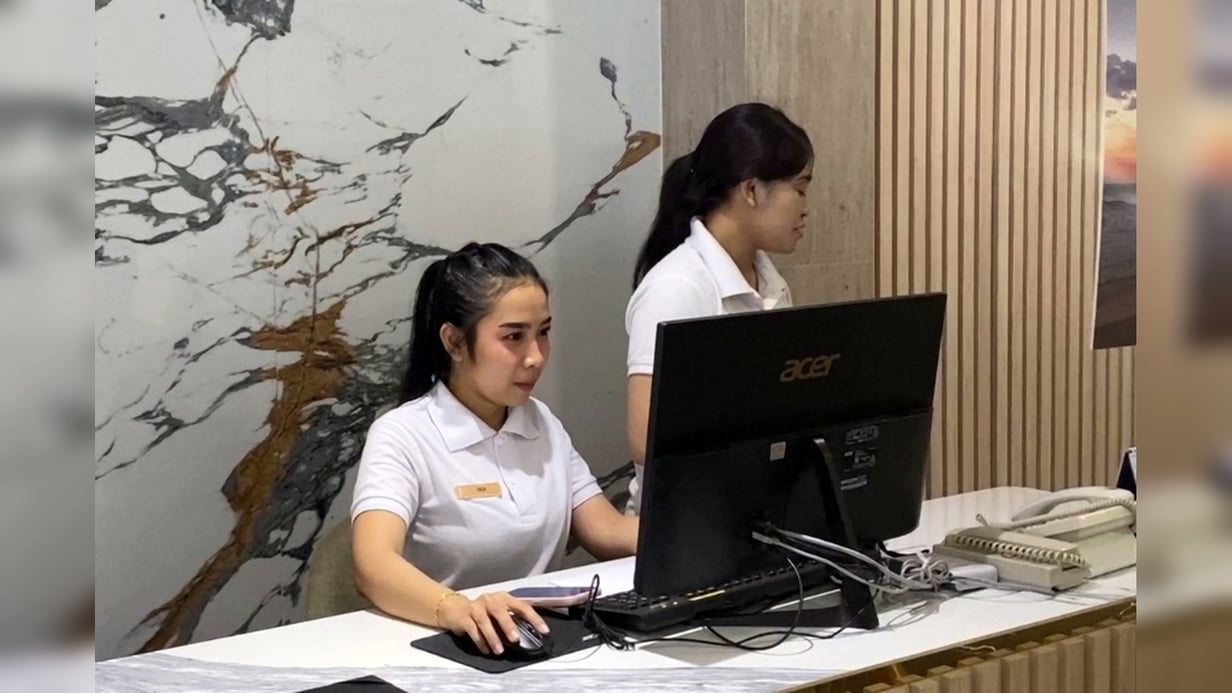
Badrus noted that some players even started using Javanese phrases such as “matur suwun” (thank you) and “sami-sami” (you're welcome) when interacting with hotel personnel.
These phrases were picked up through everyday conversation; players heard them repeatedly during service and eventually began using them themselves.
Staff also noted other habits, such as players frequently forgetting their key cards. To avoid locking themselves out and needing assistance at the lobby, players would sometimes leave their doors slightly ajar using a doorstop.
These minor quirks emerged alongside the team’s structured schedule of training, matches, meals, and rest.
The hotel's location served as a key consideration in managing the team’s schedule.
Hotel Horison IJ is located in the heart of Kudus, approximately 10 minutes from the Supersoccer Arena.
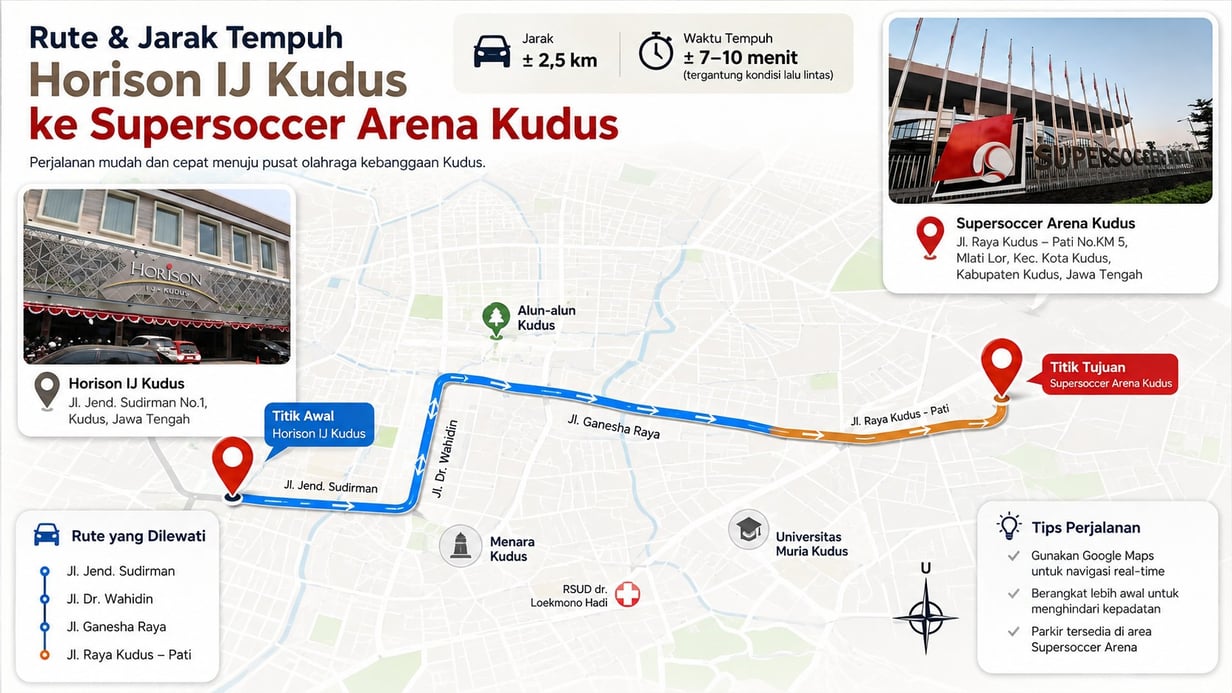
For teams with match schedules, transit times were adjusted to fit the agenda. Departures were planned around match times, while return trips factored in the physical condition of the players following a game.
The relatively short distance ensured the team faced minimal travel time to the arena.
After matches, players returned to the hotel for meals, rest, and recovery, with the following day’s agenda proceeding according to the team’s itinerary.
Consequently, convenient access from the hotel to the venue assists the team in effectively managing their schedule, from departure to their return following matches.
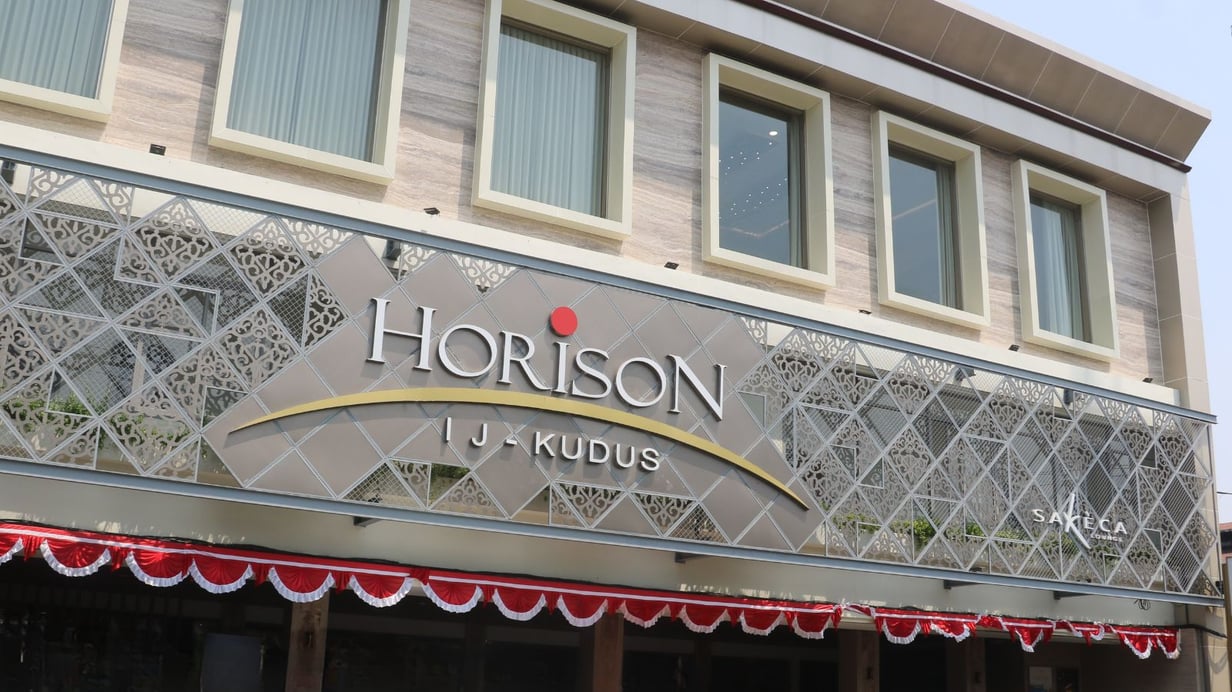
During their stay in Kudus, the Jordan U-16 Women's National Team requires more than just hotel rooms. They need a base that provides meals, meeting spaces, support facilities, and easy access to the Supersoccer Arena.
Rooms are utilized for rest, while the hotel’s restaurant and kitchen prepare meals tailored to the team's specific requirements. Meeting rooms serve for internal team activities, and facilities such as the swimming pool and gym are available under specific arrangements. Furthermore, the hotel’s location facilitates travel to the arena.
This operational approach distinguishes service for sports teams from that provided to leisure travelers. Meal schedules are subject to change, menus require consultation with coaches and nutritionists, specific facility usage must be managed, and rest periods are strictly prioritized.
The presence of an international team also offers new cultural interactions for hotel staff, involving different languages, dietary preferences, and customs throughout their residency in Kudus.
On a broader scale, the arrival of teams from outside the region and abroad generates demand for accommodation, food services, transportation, and various other amenities in the host city.
The hotel industry is among the sectors experiencing the most direct impact from these activities.
For Horison IJ, hosting the Jordan U-16 Women's National Team is part of the hotel's commitment to supporting sports activities in Kudus. Badrus expressed hope that the growth of sports tourism in Kudus continues, driving further collaboration with the hospitality sector.
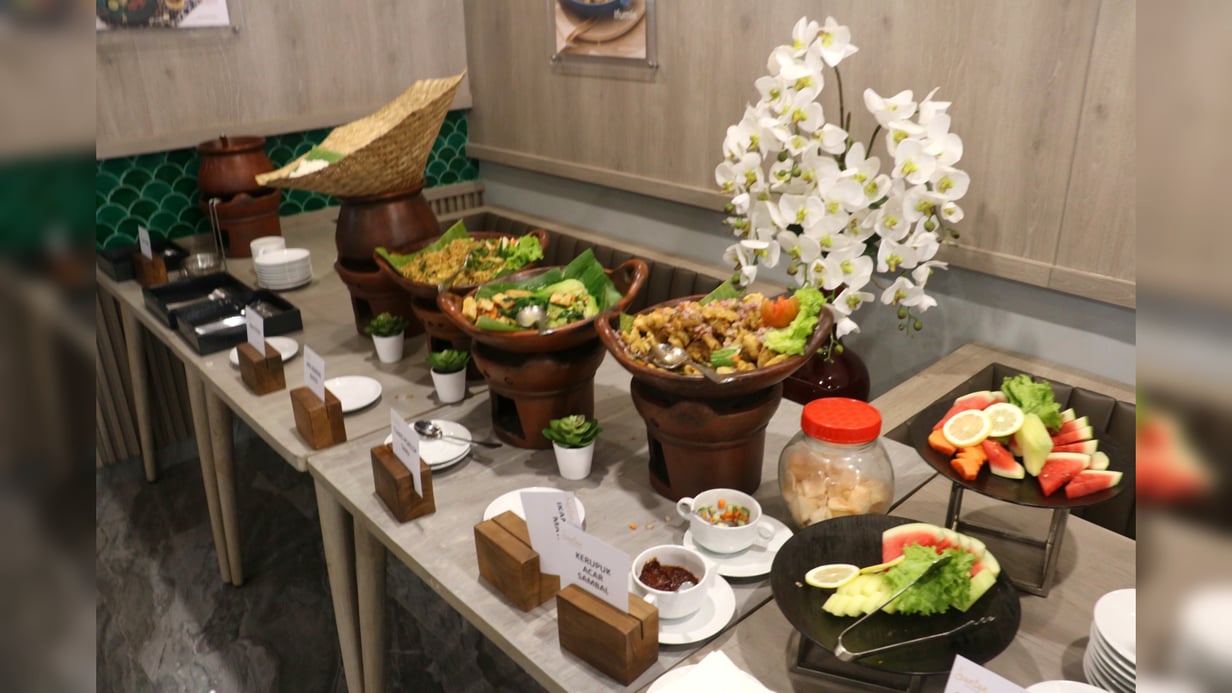
Throughout their stay, the Jordanian team followed a structured routine at Horison IJ: dining on a set schedule, resting, utilizing hotel facilities, interacting with staff, and commuting to and from the match venue.
While the hotel is not a match venue, it remained a hub for team operations for the duration of the tournament. (ITN/JMY/mainkekudus)