
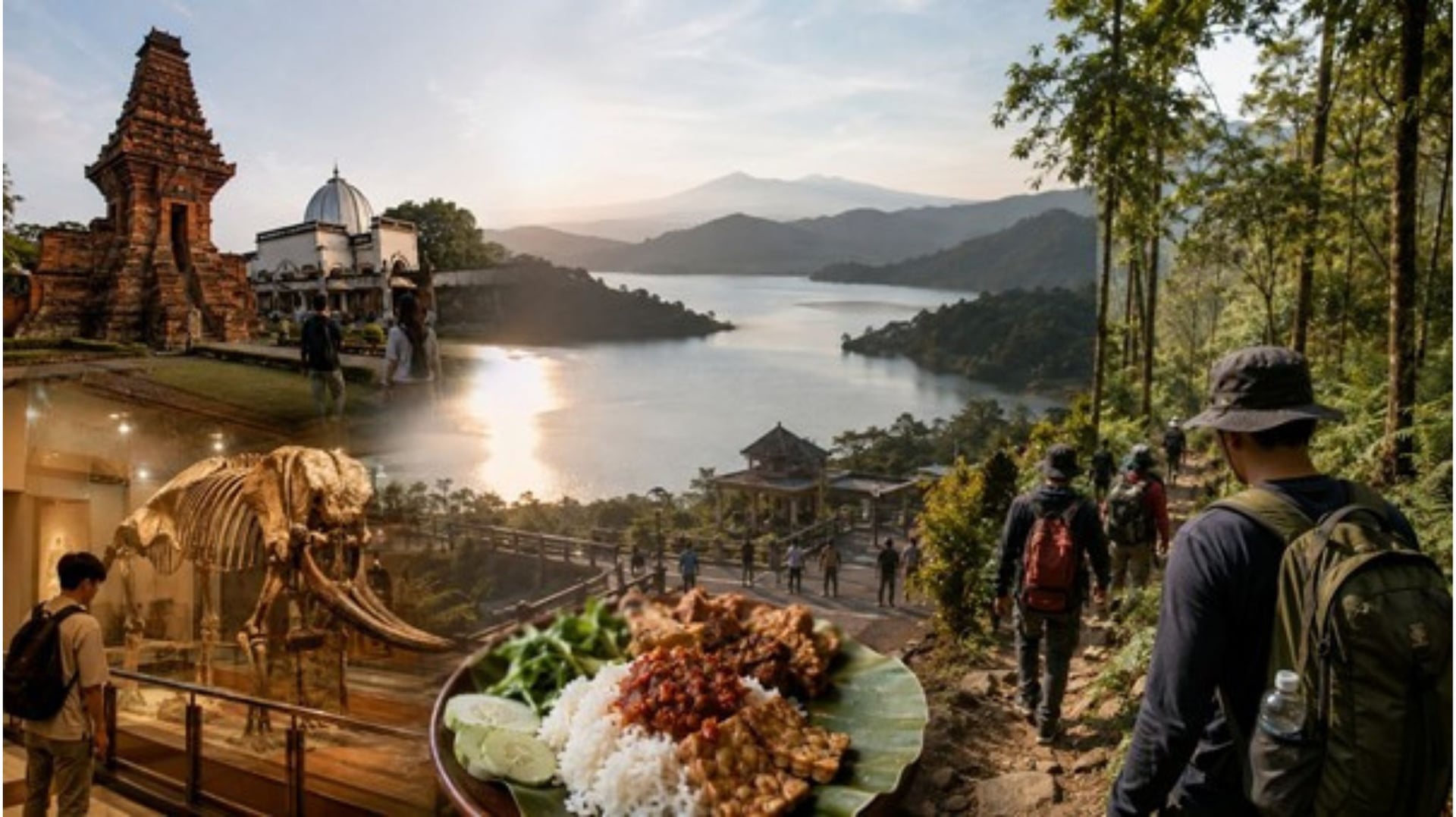
KUDUS — Three days and two nights is sufficient time to experience the diverse facets of Kudus Regency in a single trip. During this period, travelers can journey from the city center to religious sites, explore the history of the kretek industry, enjoy the atmosphere of the Muria mountain slopes, and even glimpse traces of prehistoric human life.
Planning such a trip involves more than just selecting destinations; factors like distance, routing, timing, and the character of each site are essential for an efficient itinerary. Some museums can be explored in an hour, while natural attractions may require more time, and tourist villages can easily occupy an entire day.
Abdul Halil, Head of the Kudus Regency Culture and Tourism Office (Disbudpar), noted that three days and two nights provide ample time to explore the unique offerings of Kudus.
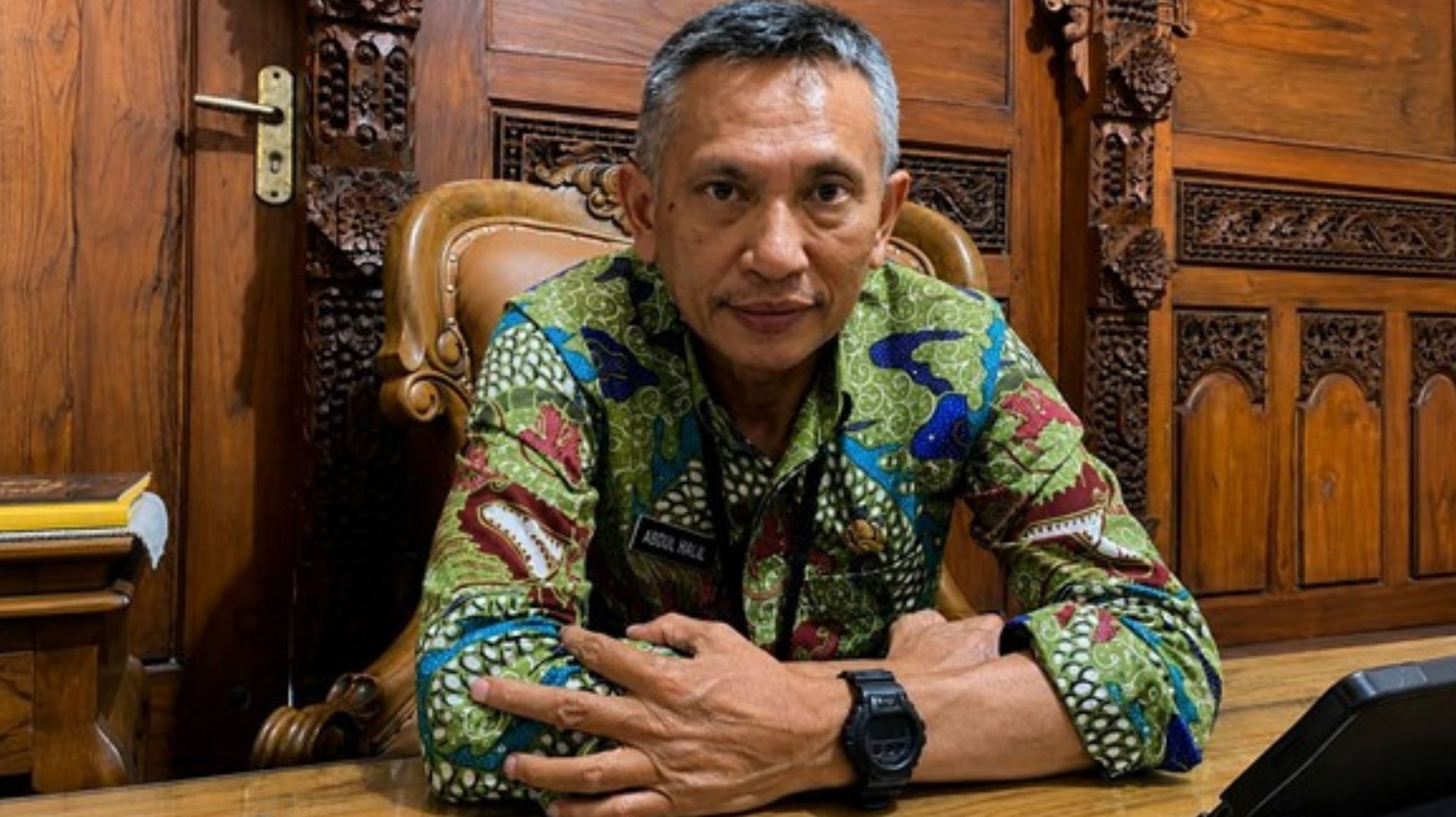
Within this timeframe, visitors can immerse themselves in history, culture, culinary delights, religious heritage, and nature, as travel distances between locations are relatively short. Destinations can be bundled into a cohesive itinerary to maximize time efficiency.
The trip can begin early in the morning. After arriving in Kudus around 8:00 AM, travelers are encouraged to enjoy a breakfast of Lentog Tanjung or Soto Kudus before starting their tour.
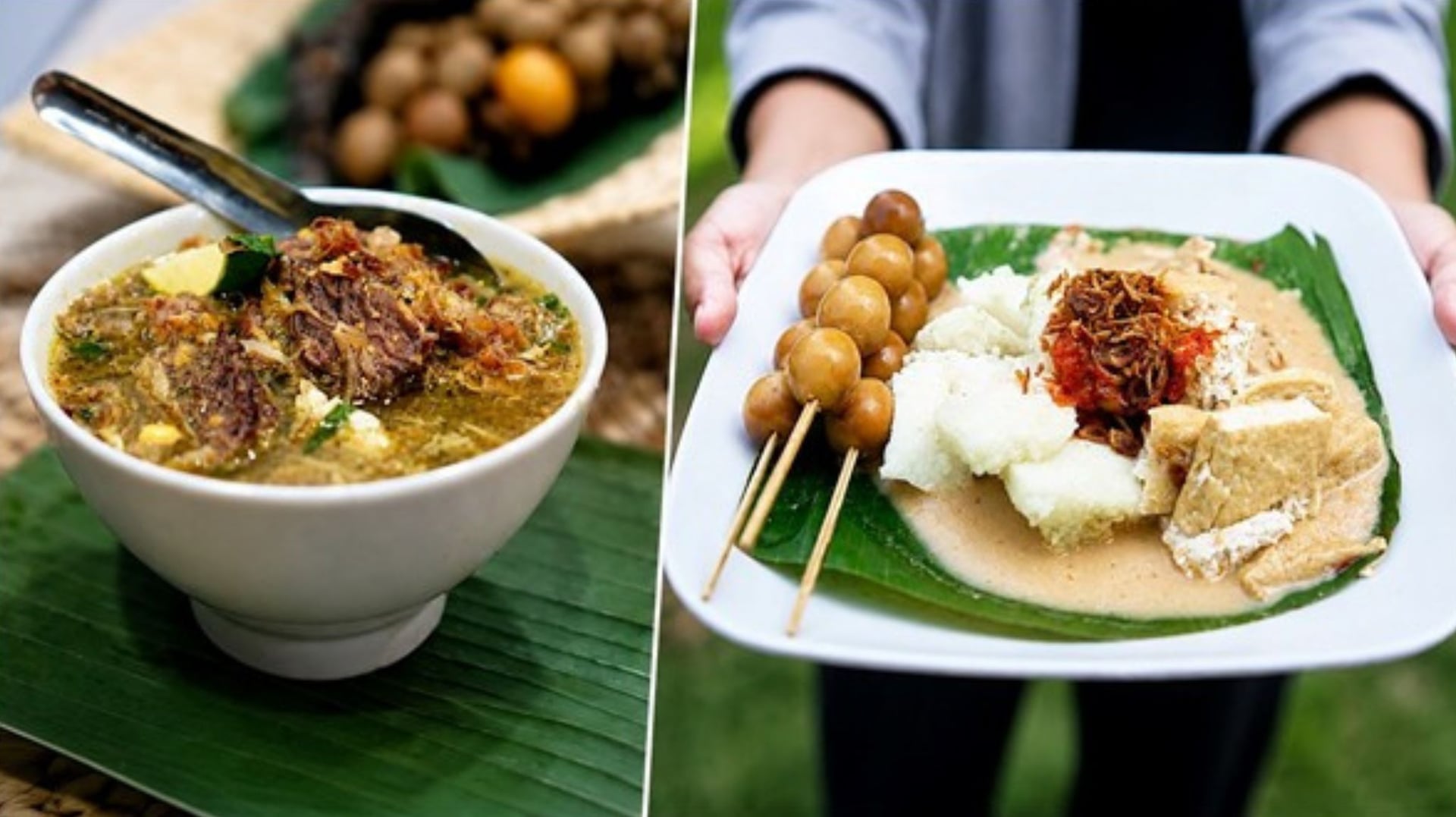
A portion of Lentog Tanjung typically costs between IDR 6,000 and IDR 10,000, depending on the stall and add-ons. A standard serving, priced at approximately IDR 6,000 to IDR 7,000, includes sliced rice cakes, young jackfruit curry, tofu, tempeh, and coconut milk broth. Some stalls offer double portions for IDR 12,000 to IDR 16,000. Side dishes such as quail egg skewers, chicken liver skewers, fritters, and crackers are available for IDR 2,000 to IDR 5,000 per piece.
Meanwhile, Soto Kudus generally ranges from IDR 10,000 to IDR 25,000 per bowl, depending on the meat selection and establishment. Chicken soto at local stalls or street vendors typically costs IDR 11,000 to IDR 15,000, while water buffalo meat soto ranges from IDR 15,000 to IDR 25,000. Side dishes, including shellfish skewers, potato cakes (perkedel), and tempeh, are usually priced between IDR 3,000 and IDR 7,000 per serving.
At Soto Kudus Bu Djatmi, a single portion ranges from IDR 20,000 to IDR 35,000. Chicken soto is priced at approximately IDR 20,000 to IDR 23,000, while water buffalo soto ranges from IDR 23,000 to IDR 35,000. Accompaniments include white rice for IDR 9,000, potato cakes for IDR 7,000 to IDR 10,000, various skewers such as tripe, lung, offal, and quail eggs for IDR 6,000 to IDR 13,000, and tofu or tempeh fritters for IDR 3,500.
For those wishing to enjoy Lentog Tanjung for breakfast, Lentog Tanjung Pak Solikin, located on Jalan GOR in Wergu Wetan, Kota Kudus district, is a recommended option.
Alternatively, visitors can head to the Lentog Tanjung Culinary Center or the Lentog Market in Tanjung Karang Village, Jati District, Kudus. This area features dozens of stalls serving local Lentog Tanjung. Notable spots include Lentog Tanjung Pak Ndek or Bu Ndek, Lentog Tanjung Pak Warsito or Bu Warsito, Lentog Tanjung Bu Sugi, Lentog Tanjung Sri Dewi, Lentog Tanjung Pak Kasrun, Lentog Tanjung Pak Di, and Lentog Tanjung Bu Karmisih.
With these options, breakfast becomes more than just a morning routine. Enjoying a bowl of Lentog Tanjung or Soto Kudus offers travelers an authentic taste of daily life in Kudus before continuing to their next destination.
From there, the journey can proceed to the Kretek Museum. Here, visitors can explore the history of the clove cigarette industry, a cornerstone of Kudus's heritage. The museum is located approximately 2.5–3 kilometers south of the Kudus city center or the Kudus Town Square, a trip of about 8–10 minutes.
Since public transportation options directly to the museum are limited and irregular, visitors are encouraged to use ride-sharing services or local motorcycle taxis from the city center.
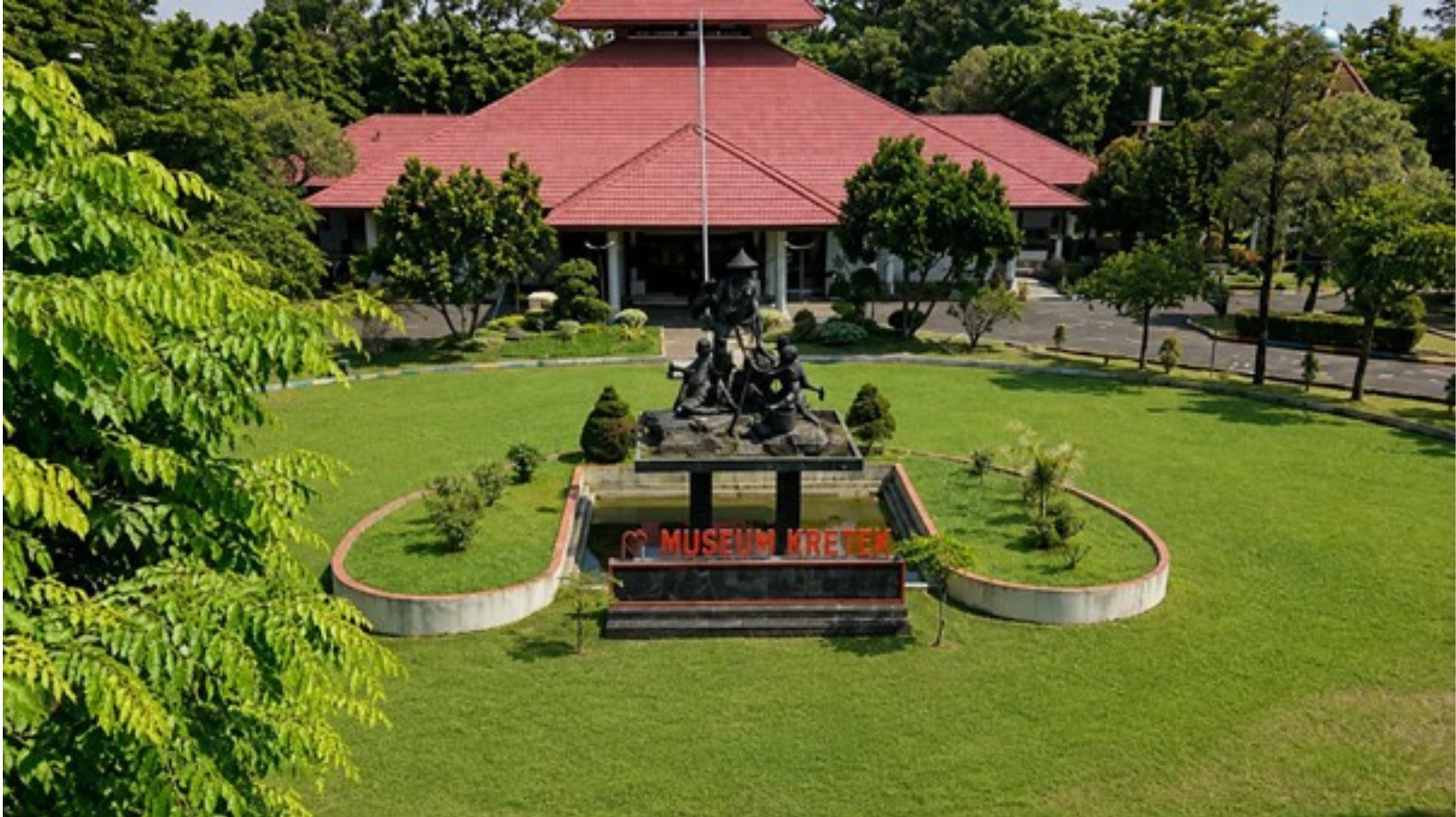
The museum offers more than just exhibits. Visitors can try their hand at rolling kretek using traditional tools and explore replicas of traditional Kudus houses.
After the Kretek Museum, the trip can continue to the Nitisemito House. This visit provides insight into the life of Haji Nitisemito and the evolution of the Kudus kretek industry.
Admission to the Kudus Kretek Museum is affordable, with tickets priced at Rp4,000 per person Monday through Saturday, and Rp5,000 on Sundays and national holidays. The museum is open daily from 8:00 a.m. to 3:00 p.m. WIB. A swimming pool is also available on-site for an additional entry fee of approximately Rp15,000 per person.
This itinerary ensures a balanced morning, blending culinary discovery with industrial history before moving on to a culturally distinct part of the city.
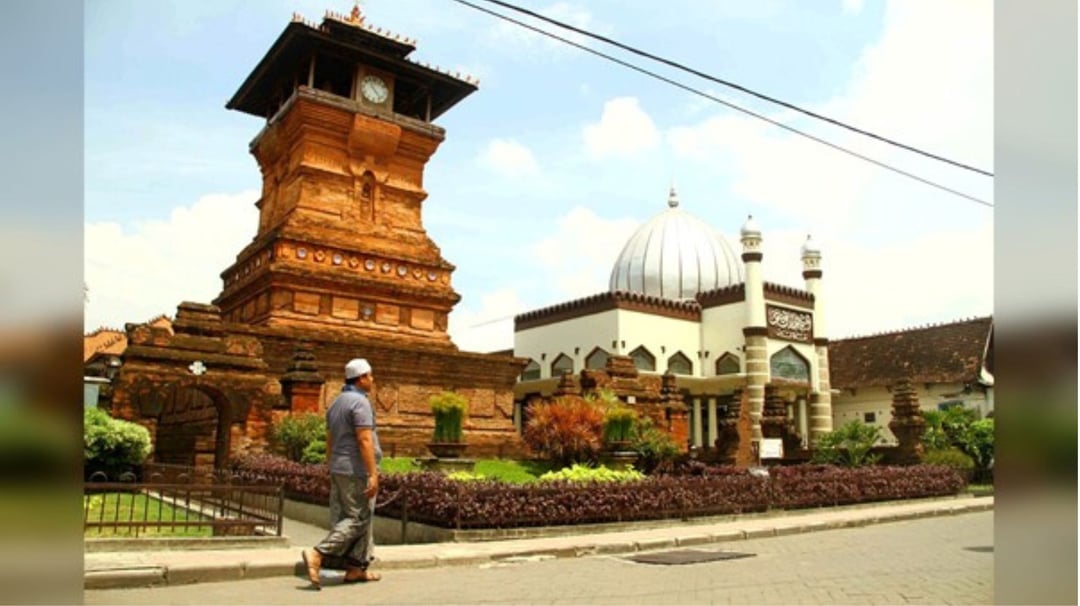
By midday, following rest, prayers, and lunch, the journey continues to the Al-Aqsa Menara Kudus Mosque and the Tomb of Sunan Kudus. Located 3.5–4 kilometers from the Kretek Museum, the area can be reached in about 10–15 minutes by vehicle, depending on traffic. This route transitions visitors from the city's industrial heritage to its religious heart. Travelers are advised to use ride-hailing apps or local motorcycle taxis, as public minibuses (angkot) to the Menara Kudus area are now rarely available.
There is no entrance fee to visit the Al-Aqsa Mosque tower and the Sunan Kudus Tomb. Pilgrims may provide voluntary donations and pay for parking if they bring private vehicles. The mosque and tomb complex are open to the public 24 hours a day.
Parking fees are approximately Rp 5,000 for motorcycles, Rp 10,000 to Rp 20,000 for cars, and around Rp 50,000 for buses.
The Kudus Tower is a significant historical and religious site in the city. Its architecture reflects a fusion of Islamic, Hindu, and Javanese influences, illustrating the cultural acculturation that has developed in Kudus.
After exploring the Kudus Tower area, travelers do not need to head directly back to their hotel. In the late afternoon, visitors can take a leisurely stroll through Kudus Kulon or the Old Town of Kudus.
The atmosphere of this historic neighborhood can be enjoyed while shopping for traditional jenang, Kudus batik, and various local small business products. Walking provides an opportunity to appreciate the surroundings after visiting local museums and religious sites earlier in the day.
The evening can be concluded by enjoying local culinary delights around Jalan Sunan Kudus. Sega Tahu is one popular option before travelers return to their hotels to rest.
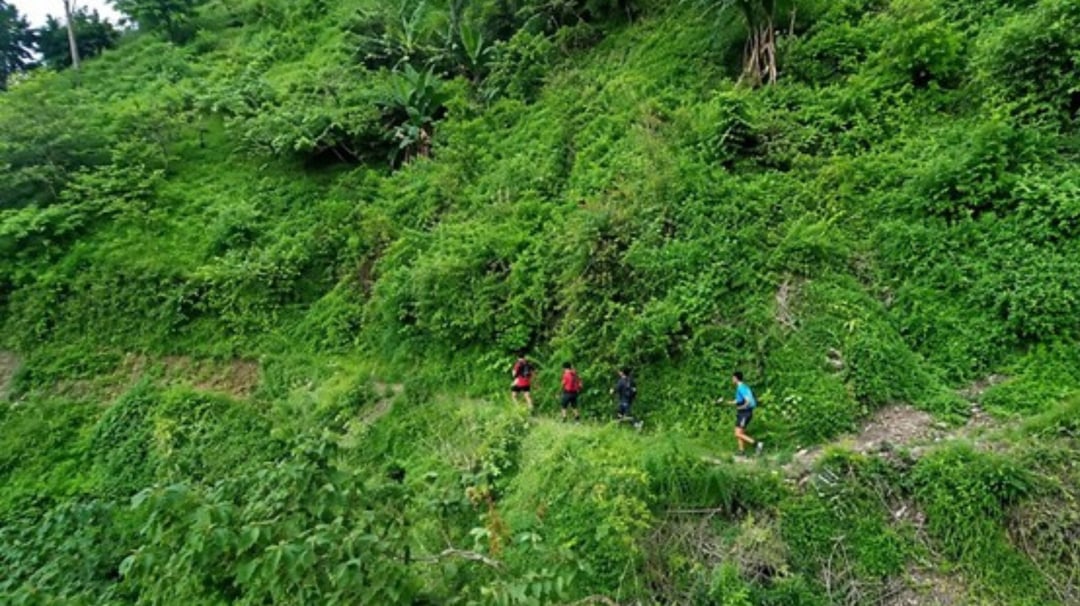
The second day takes the journey outside the city center. After breakfast and checking out, travelers can depart around 8:00 AM WIB toward the Mount Muria slopes.
The distance from downtown Kudus to the Mount Muria slope region is approximately 15–21 kilometers, with a travel time of 30–45 minutes, depending on traffic and the specific destination. The region is expansive, so travel times may vary, especially if the destination is in the Colo area, the Sunan Muria Tomb, or Kajar Village in Dawe District.
Travelers using public transportation can reach the Muria slopes from the Kudus city center via rural transit services that run toward Dawe District and the Colo area. Meanwhile, those arriving from out of town via the Bakalan Krapyak Terminal can continue their journey using connecting transit or shuttles to Colo and the Muria slopes. During times when public transit is limited, local motorcycle taxis or rental vehicles are available options.
Upon arriving at the slopes of Mount Muria, activities can begin with a soft trek to coffee and parijotho farms. This activity offers a unique experience, allowing visitors not only to enjoy the scenery but also to learn about the biodiversity of the Muria region.
Abdul Halil noted that soft trekking to parijotho farms is an experience that remains relatively unknown but is well worth trying. Visitors can explore the plantations while getting to know the local biota.
From the farms, the trip can continue to Pijar Park. This pine forest area offers cool air and panoramic views of the Muria slopes.
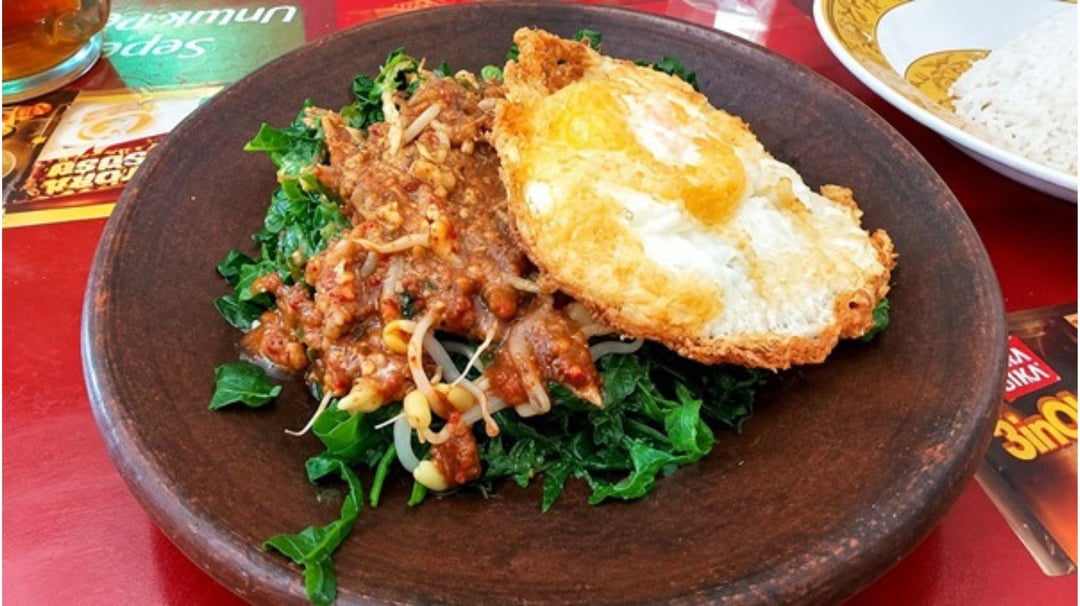
After exploring nature, travelers can rest while enjoying local Muria cuisine, such as pecel pakis. A portion of Colo-style fern pecel in Kudus is priced at approximately Rp 10,000. This price generally excludes additional side dishes such as fritters, eggs, or grilled chicken, which are available at stalls around the slopes of Mount Muria.
The journey continues to the Sunan Muria Mosque and Tomb. Beyond its status as a religious tourism destination, the area is nestled in a mountainous environment that offers an atmosphere distinct from the city center.
By late afternoon, tourists can explore the Colo area while shopping for local Muria souvenirs. Parijoto, Muria coffee, and various small-business products are available options.
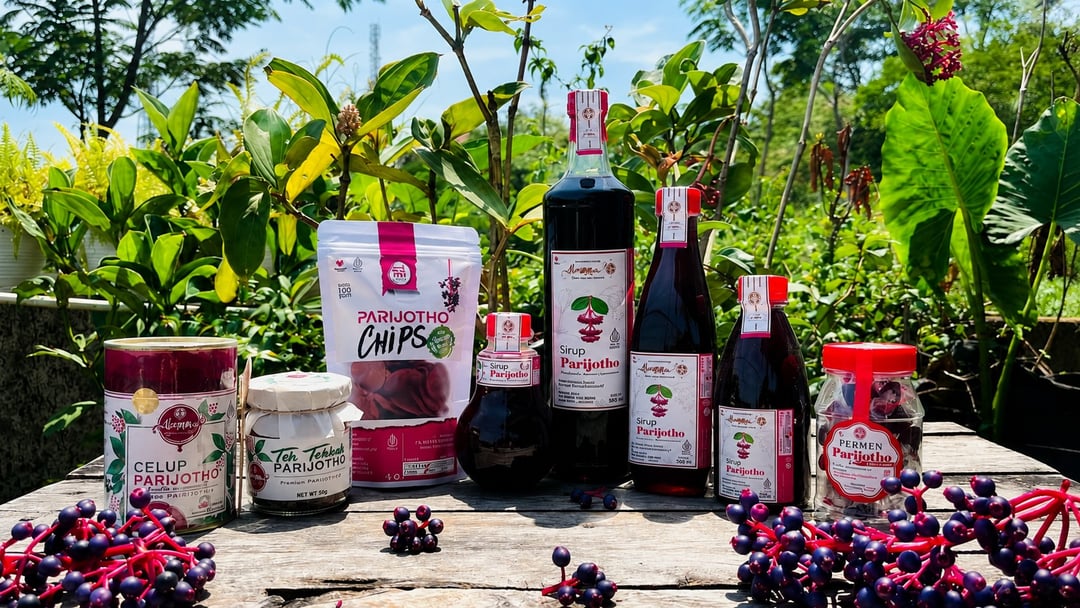
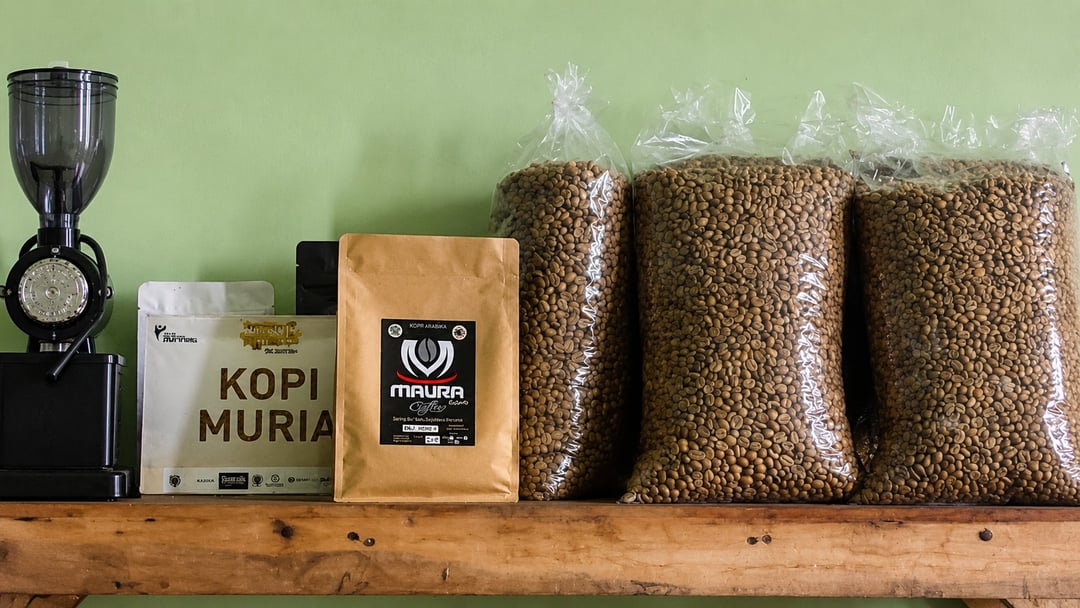
The evening can be spent enjoying Muria coffee before resting in the Colo area.
Two days of travel have already showcased the contrasting atmosphere of Kudus, from the downtown core to the slopes of Mount Muria. However, the current route does not encompass all available tourist areas.
Arus Harhara, Chairman of the Association of Tour Guides (GIPPTA), considers a three-day, two-night itinerary to be ideal for tourists, even if it does not cover every destination in Kudus.
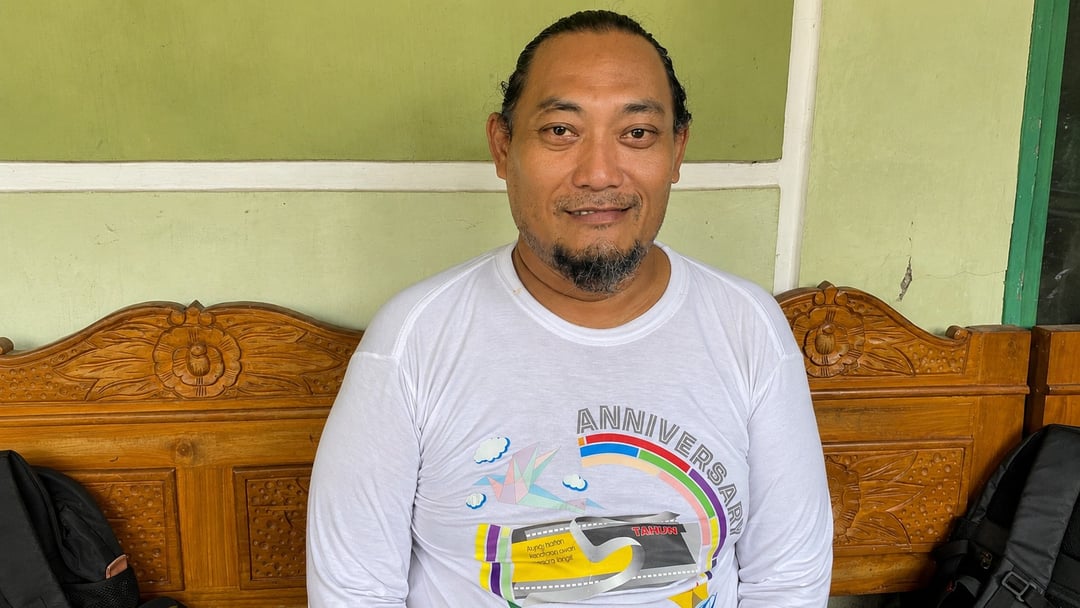
According to Harhara, tourism itineraries in Kudus can be divided into four routes starting from the zero-point at the Kudus Town Square.
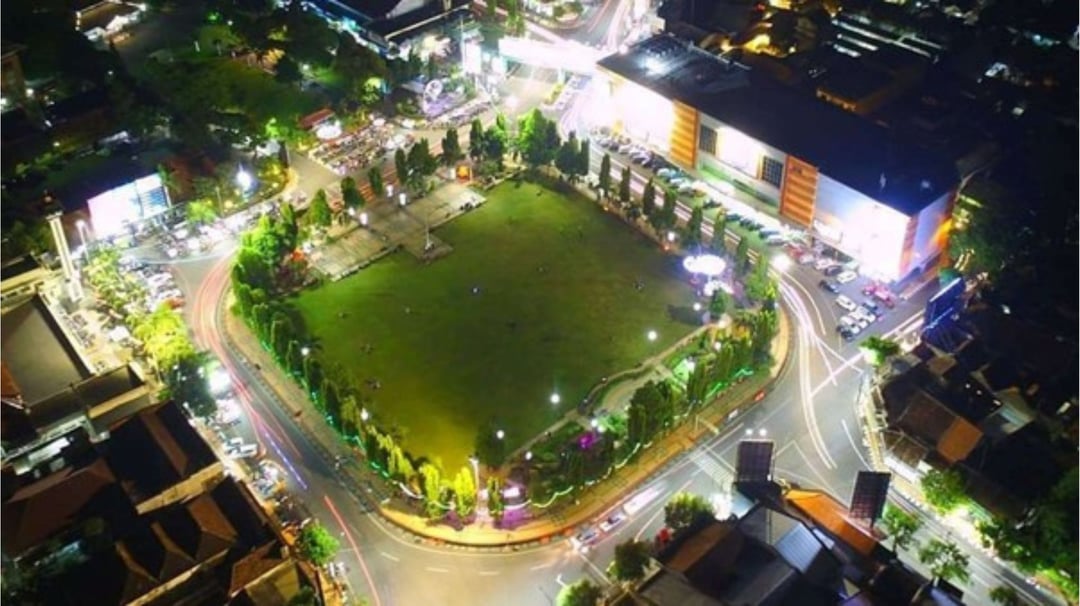
The first route is the Golden Route, which leads from the city center toward the Mount Muria area. The second is the Ancient Route, extending eastward to the Pati border.
The Pearl Route heads west toward the Jepara border, while the Diamond Route runs south toward the Pati and Grobogan borders.
This categorization helps tourists organize their itineraries by direction, minimizing backtracking during their travels.
Experts also suggest starting journeys at the most distant yet accessible destinations, such as the Patiayam Archaeological Site. Travelers may visit this site first before continuing toward the Muria region.
Such considerations make distance a key factor in itinerary planning. Tourists are encouraged to select locations not only based on their appeal but also on their strategic position within the overall route.
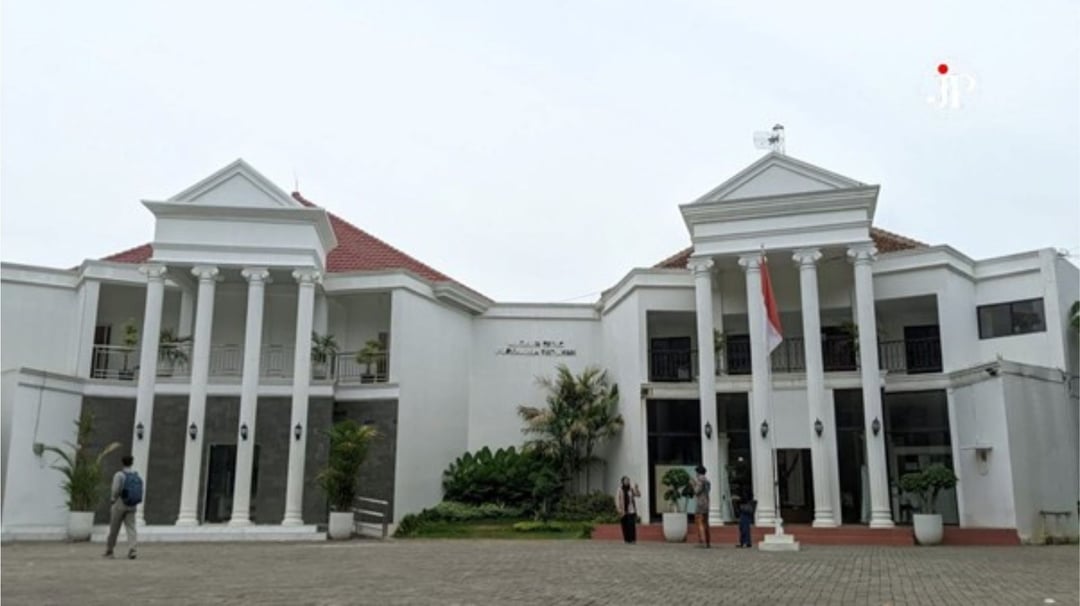
Day three begins with breakfast and check-out before traveling to the Patiayam Archaeological Site Museum in Kancilan Hamlet, Terban Village, Jekulo District, Kudus Regency.
Located approximately 12 kilometers from the Kudus City Center, the museum can be reached in about 23–26 minutes by motorized vehicle via the Pantura road or the Kudus–Pati main road. Travelers arriving at the Jati Kudus Bus Terminal can take local buses or rural transport serving the Kudus–Jekulo or Kudus–Pati routes, disembarking at Pasar Terban or the Terban village junction. From there, the final leg to the museum can be completed via motorbike taxi. Currently, no public transportation routes directly access the museum grounds.
Upon entering Terban Village, visitors can turn toward Kancilan Hamlet, where the museum is located less than a kilometer from the main road.
The museum acts as both a conservation center and an educational prehistoric tourism destination. Its collection includes thousands of ancient animal fossils estimated to be between 700,000 and 1 million years old. The museum was established by the Kudus Regency Government in 2009 to preserve prehistoric artifacts discovered on the slopes of the Patiayam Mountains.
To date, the collection has grown to over 13,000 prehistoric fossils. Highlights include tusks, molars, and bone fragments from Stegodon, Elephas, and Mastodon genera, as well as remains of ancient bulls, rhinoceroses, buffalo, deer, wild boar, and hippopotamuses.
Patiayam also houses fossils of shellfish, fish, and various marine animals. These findings provide evidence that the Patiayam region was once connected to the ancient Muria Strait. In addition to fossils, the museum preserves artifacts including stone tools associated with the culture of the ancient Homo erectus human.
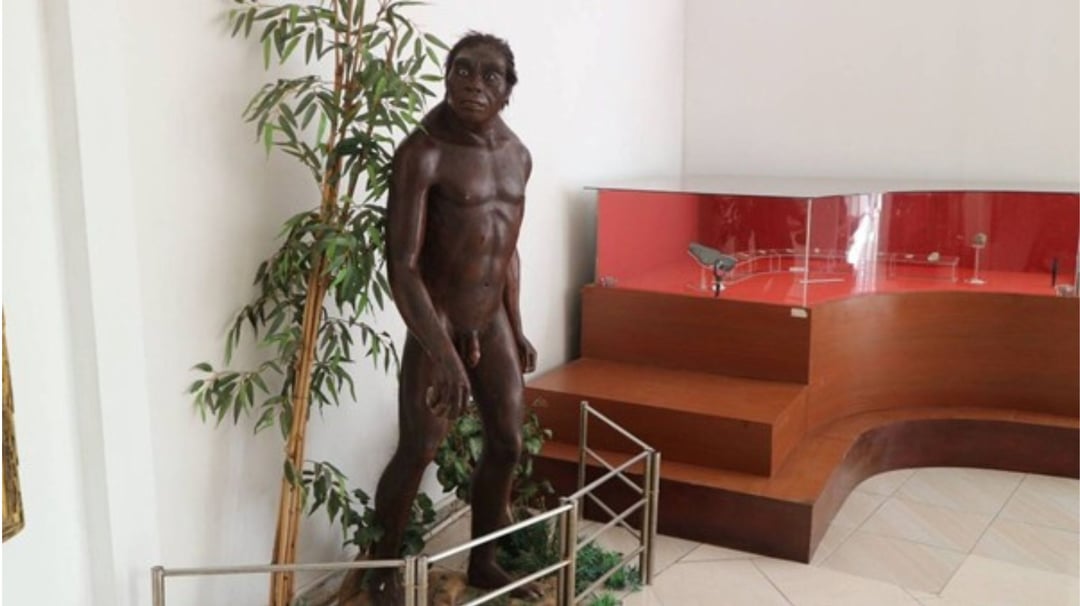
Many fossils in Patiayam were discovered in relatively intact condition after being buried by ancient volcanic material. This unique preservation makes the region significant for the study of prehistoric life.
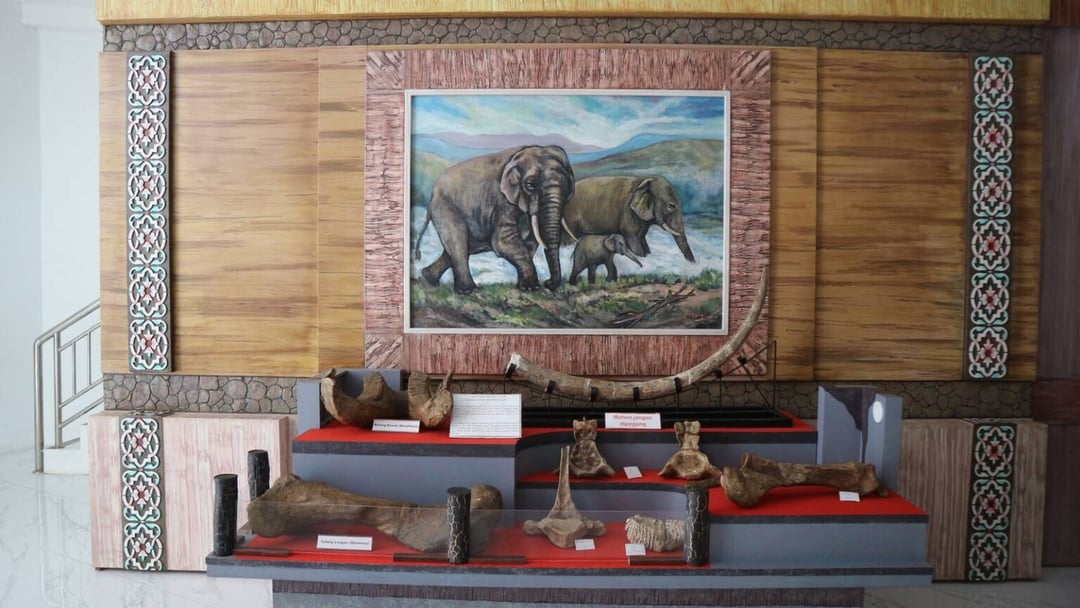
For tourists, a visit to the museum offers an insightful look into Kudus' history before proceeding to other destinations. Located approximately 500 meters from the main Kudus–Pati highway, the museum is identifiable by an elephant tusk-shaped gate.
The Patiayam Site Museum is open daily from 7:00 a.m. to 3:00 p.m. WIB. According to available information, there is currently no admission fee.
Following the museum visit, travelers may explore the Patiayam Hill area. For those seeking a more adventurous experience, jeep tours are available.
Travelers can continue from the Patiayam Site Museum to the Logung Reservoir, located approximately 9.3 kilometers away. The route via Jalan Bareng typically takes about 18 minutes by vehicle, depending on traffic. Upon arrival at the Logung Reservoir, visitors will find a scenic landscape featuring reservoir waters framed by green hills and the backdrop of the Muria Mountains. This route links the prehistoric Patiayam site with natural tourist attractions.
For those using public transportation, there is no direct service linking the Patiayam Site Museum to the Logung Reservoir. From the museum, travelers can take an ojek (motorcycle taxi) to the Kudus–Pati highway or the Bareng area. From the Bareng Sub-Terminal, public transport to the Dawe region is available via the Bareng–Colo route, which passes through the Kandangmas and Cranggang areas. As the Logung Reservoir is situated in Kandangmas and Tanjungrejo villages, local motorcycle taxis can be used to reach the site from those villages.
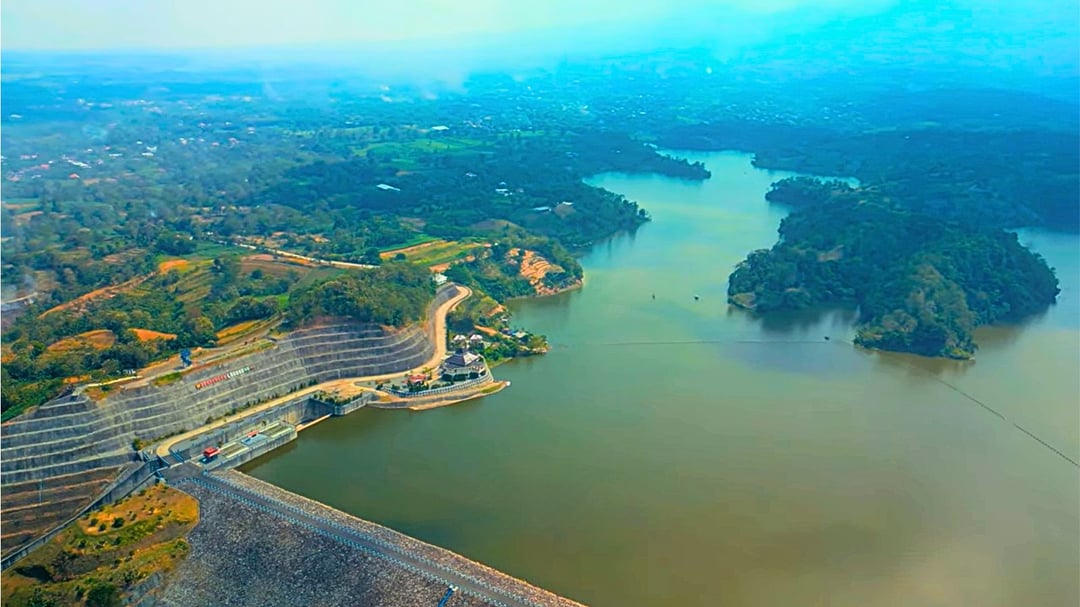
The Logung Reservoir area is accessible throughout the day. However, visitors wishing to enjoy boat rides and water activities should plan accordingly, as these generally operate between 7:00 a.m. and 4:00 p.m. WIB. Meanwhile, various destinations and accommodations in the reservoir's vicinity maintain their own operating hours.
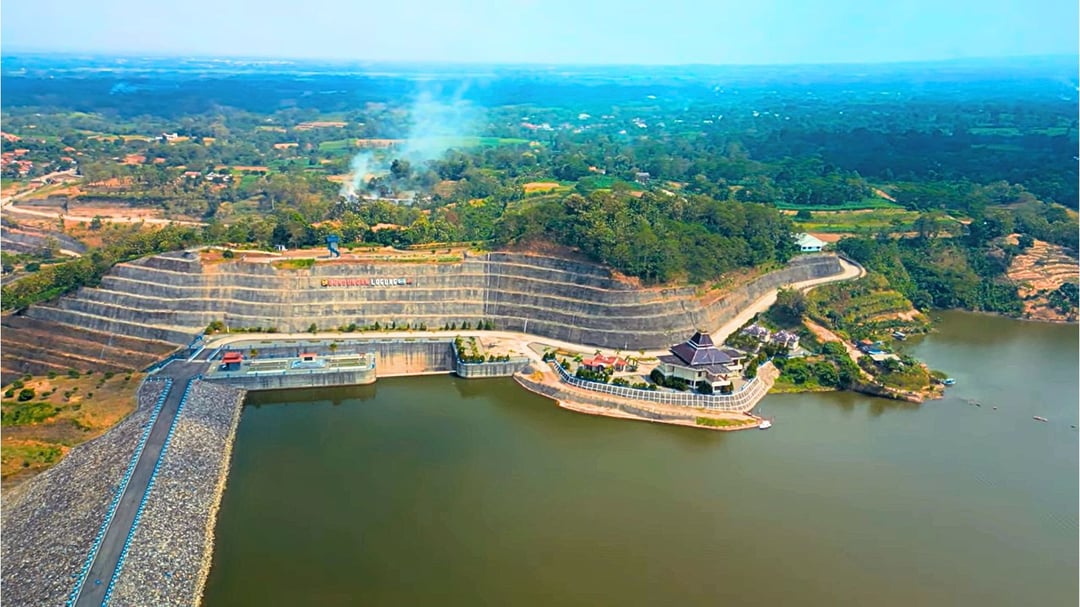
The entrance fee to the area is approximately Rp 5,000. Visitors can enjoy boat tours for a fee ranging from Rp 15,000 to Rp 17,000, or rent a speedboat for approximately Rp 80,000 to Rp 90,000. Alternatively, visitors can explore the area surrounding the reservoir by jeep for an off-road experience.
Morning and late afternoon are recommended for visitors seeking cooler conditions. The morning hours from 5:30 a.m. to 8:00 a.m. are ideal for viewing the sunrise, while the late afternoon from 3:30 p.m. to 5:30 p.m. offers a pleasant atmosphere to admire the Muria Mountains as temperatures become more comfortable.
After exploring the reservoir area, visitors can enjoy lunch before heading to their next destination. With its open-air environment and diverse activity options, Logung Reservoir serves as an ideal stop on any itinerary before returning to the city center.
Lunch can be enjoyed near the reservoir before continuing the journey to the Jenang Museum. There, visitors can learn about the history of jenang, a signature Kudus culinary specialty, and purchase local souvenirs. The museum is located approximately 14 kilometers from Logung Reservoir. Depending on traffic conditions, the trip takes about 26 minutes via local roads and the Pantura (Semarang-Tuban) route.
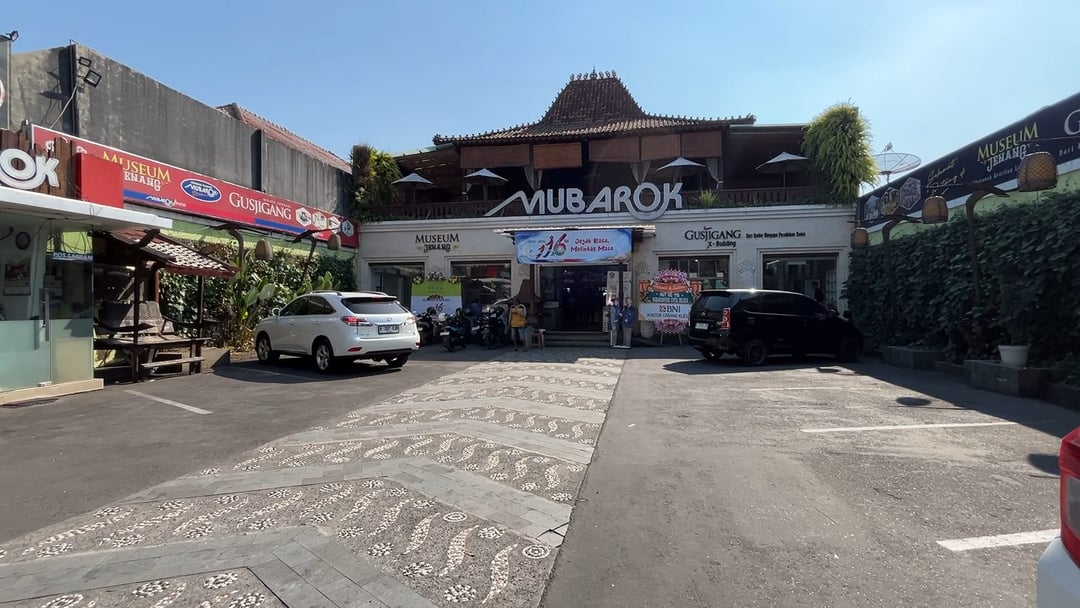
The visit to the Jenang Museum marks the conclusion of the primary three-day, two-night itinerary. The third day bridges two distinct worlds: the prehistoric traces at Patiayam and the vibrant culinary traditions of present-day Kudus.
This three-day journey, however, covers only a fraction of what Kudus has to offer. According to tourism data provided by Abdul Halil, the Sunan Kudus and Sunan Muria areas remain the most visited destinations. For natural and man-made tourism, Logung Reservoir, Pijar Park, and Rahtawu are among the sites that draw significant visitor interest.
Rahtawu is a top choice for travelers seeking a unique experience. This tourist village offers a blend of natural landscapes, local cuisine, and niche tourism activities. Due to its nature, Rahtawu is best suited for longer itineraries, allowing visitors to fully enjoy the area without the pressure of moving quickly to the next destination.
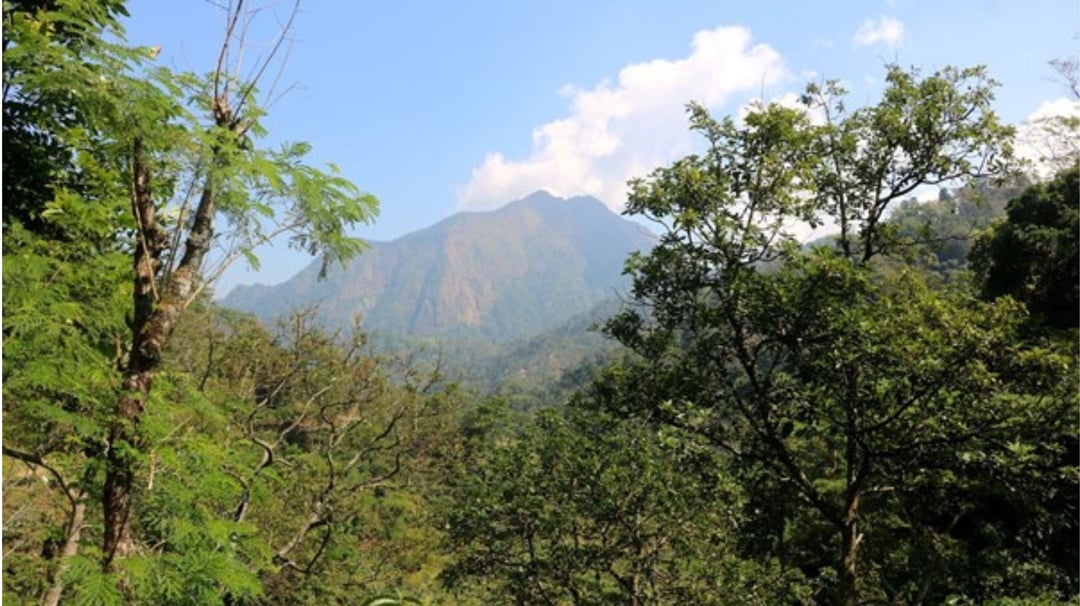
Accommodation options are available in the Rahtawu area. These include Lembah Rahtawu Homestay Syariah, located on Jalan Rahtawu Raya, Gn. Area, Rahtawu, Gebog District. Another option is Abiyasa Inn Syariah on Jalan Puncak 29, Krajan, Rahtawu. These lodging facilities provide viable options for tourists looking to extend their stay while exploring Rahtawu.
Trip duration should be tailored to planned activities. According to Arus Harhara, a museum visit typically requires about an hour, while natural sites generally take one to two hours. Conversely, tourist villages may require four to five hours or a full day, depending on the packages and attractions selected.
With a more flexible schedule, tourists can plan Rahtawu as a separate trip from a standard three-day, two-night itinerary or incorporate it into a longer stay in Kudus.
Local cuisine is an integral part of the travel experience as tourists move between districts. In the city center, sega tahu (Kudus-style tofu rice) is a recommended option. Prices range from IDR 9,500 to IDR 21,000 depending on the toppings. A standard serving of tofu and vegetables costs between IDR 9,500 and IDR 12,500, while adding an egg brings the price to IDR 11,000 – IDR 15,000. A complete portion with shrimp fritters costs between IDR 19,000 and IDR 21,000.
Other culinary options can be found along the route to the Tanjung area. Lentog Tanjung is a signature dish worth trying. The Kudus Regency Government has previously noted prices at approximately IDR 5,000 per serving, though rates may vary by vendor. The Tanjung area is located on the Kudus-Pati outer ring road, accessible via the intersection toward Purwodadi.
Traveling toward eastern and southern Kudus offers further dining choices featuring entog (Muscovy duck). Among these is Entog Goreng Bu Eny, located at Jalan Raya Pati–Kudus Number 228, Ngembal Rejo, Bae District.
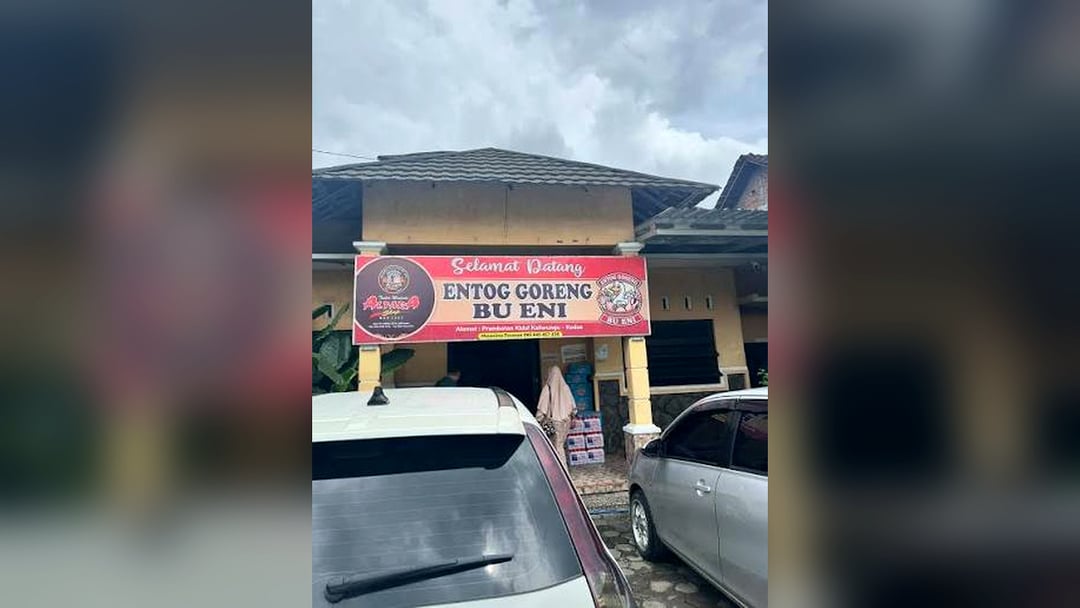
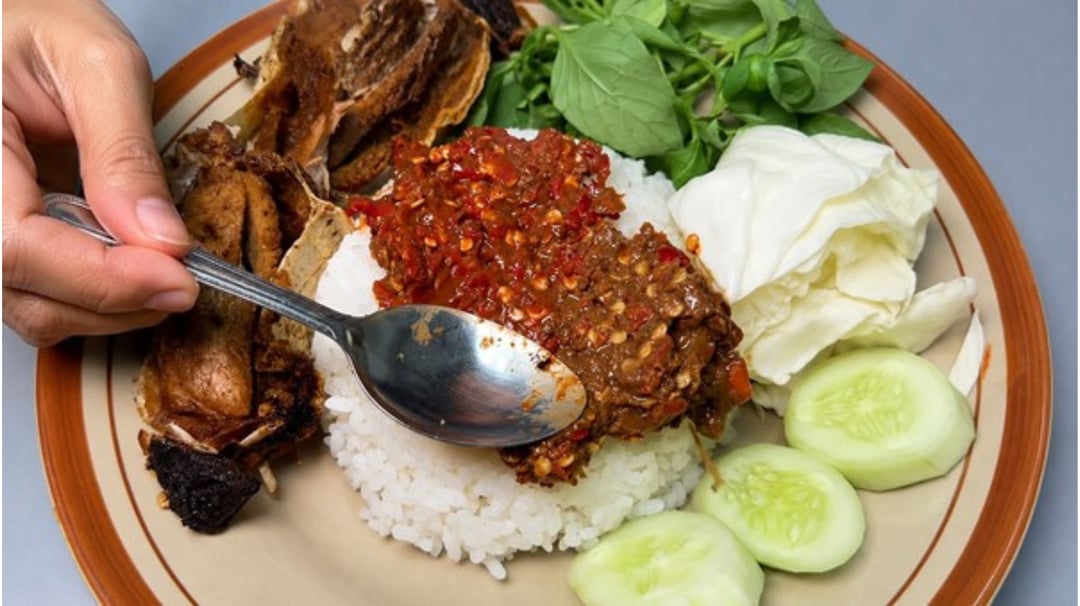
Based on 2026 data, the price of various fried Muscovy duck (entog) portions ranges from IDR 26,400 to IDR 30,000, while a single serving of rice is priced at IDR 5,000. Prices may fluctuate between dine-in purchases and delivery services.
As the journey continues into rural areas, *sego jagung* (corn rice) offers a more affordable dining option. A standard portion wrapped in teak leaves costs between IDR 3,000 and IDR 5,000. This dish is typically served with *urap* or *kuluban* (spiced vegetable salad), shrimp paste chili sauce (*sambal terasi*), salted fish or anchovy crackers (*peyek*), and savory fried bits (*kremesan*).
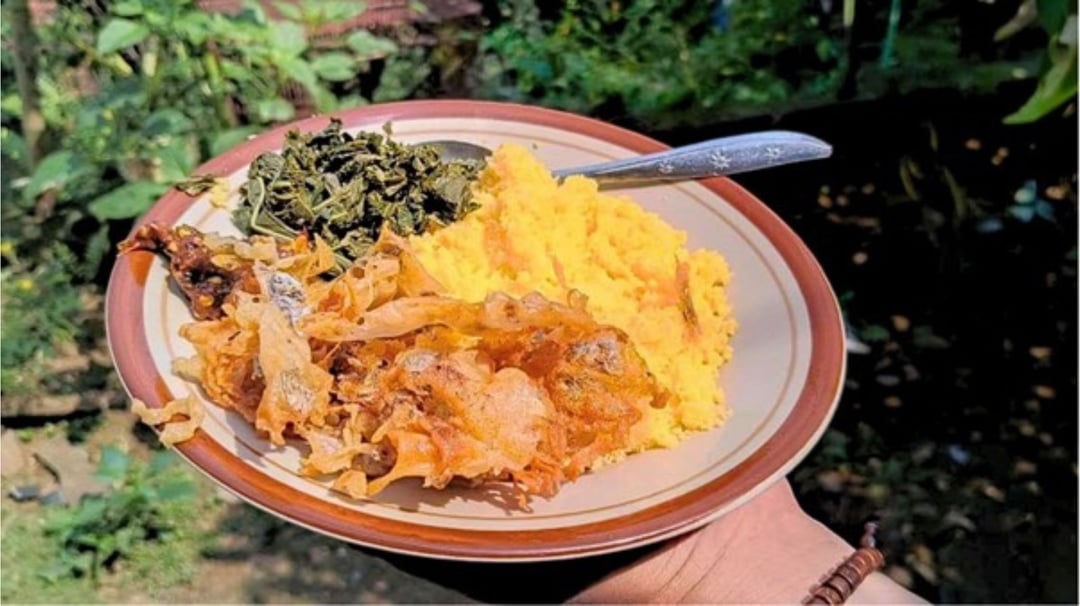
With added side dishes, the price of *sego jagung* at local stalls can reach IDR 6,000 to IDR 10,000. Options include *botok yuyu* (spiced field crab), snail curry, eggs, and various fritters such as *mendoan* and *gembus*.
One notable spot is Sego Jagung Mbah Sartinah in the Cranggang area, Dawe District, where a single portion costs between IDR 5,000 and IDR 6,000.
*Botok yuyu* can also be purchased as a standalone side dish for IDR 4,000 to IDR 7,000. This field crab dish is frequently served as part of a *sego jagung* set. A *sego jagung* package with *botok yuyu* ranges from IDR 10,000 to IDR 12,000 per portion, while versions including snail curry cost approximately IDR 15,000.
Warung Bu Sumiati in Undaan Lor is recognized for these offerings, providing *sego jagung*, *botok yuyu*, and snail curry as part of its local menu.
As the journey enters the Muria region, culinary options shift to reflect the mountain environment. *Pecel pakis* (fern salad) is available in Colo Village, Dawe District. This dish features fiddlehead ferns served with bean sprouts, peanut sauce, and a fried egg. According to Central Java tourism sources, *pecel pakis* is a hallmark delicacy of the Mount Muria slopes, though pricing is not specified.
*Jenang* remains a popular choice for tourists looking for souvenirs at the end of their trip. Available in the Kaliputu Tourism Village, Kota District, Kudus Regency, prices start at IDR 5,000 according to Jadesta, though costs vary depending on the product type and size.
In addition to these specific locations and prices, Abdul Halil highlighted that *enthog goreng* (fried Muscovy duck), *enthog gobyos*, *sego jagung*, *botok yuyu*, and river fish dishes remain traditional culinary staples for visitors to explore. Prices and locations for these items vary depending on the establishment.
These diverse options illustrate how local cuisine evolves with the traveler’s path—from *sega tahu* and *lentog* in the city to duck-based dishes on the eastern route, *sego jagung* and *botok yuyu* in rural areas, and *pecel pakis* on the slopes of Muria. These experiences are often capped off by purchasing *jenang* as a souvenir.
This approach transforms a culinary journey into an immersive experience, providing deeper insight into the regions visited, their raw ingredients, traditional preparation methods, and local customs.
A three-day, two-night itinerary captures several facets of Kudus in a single trip. The first day introduces visitors to the region's culinary scene, history of *kretek* (clove cigarettes), the Kudus Tower area, and the atmosphere of Kudus Kulon. The second day shifts the focus to the slopes of Mount Muria, covering destinations from the *parijotho* gardens and Pijar Park to the Sunan Muria area and Colo. The third day ventures further into prehistory at Patiayam before heading to the Logung Reservoir and the Jenang Museum.
This circuit weaves together history, religion, nature, culture, and culinary arts into a single itinerary. However, time remains a constraint, as not all destinations can be included in one trip. Several tourist villages and specific activities may even require longer visits.
One area recommended for an extended journey is Karangrowo in the Undaan district. This village is home to a Sedulur Sikep community, also widely known as the Samin people. In Kudus, Sedulur Sikep communities are established in villages such as Karangrowo, Larikrejo, and Kutuk.
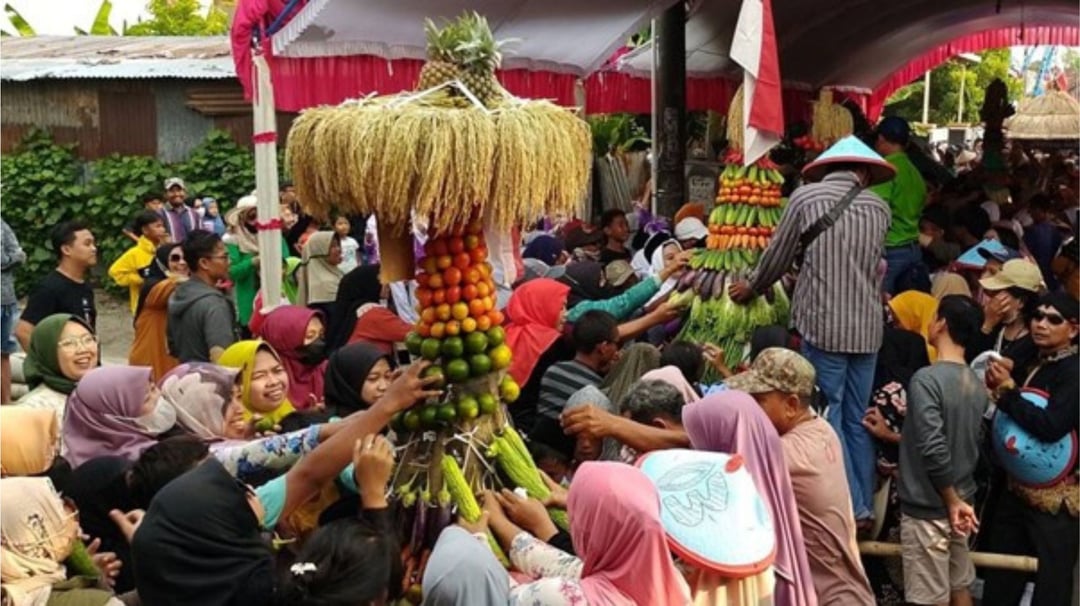
The Sedulur Sikep movement traces its history to the teachings of Samin Surosentiko in the late 19th century. These teachings emerged as a form of peaceful resistance against the Dutch colonial administration. This non-violent opposition included refusing to pay taxes, rejecting forced labor, and resisting the mandatory surrender of harvests.
These principles remain cornerstones of their community guidance. One such code, known as Angger-Angger Pratikel, dictates behavior to avoid envy (meri), malice (jail), theft (thuthuk), and dishonesty (pethak).
Honesty stands as a primary principle for the Sedulur Sikep. Consistency between words and actions is maintained in daily interactions. In conversation, members use Javanese ngoko (informal) with everyone, reflecting their belief in the inherent equality of all people before God.
A connection with nature is also integral to the life of the Sikep people in the Undaan area. Many work as traditional farmers, viewing the earth as Ibu Bumi (Mother Earth), the source of all life. This perspective informs their traditional agricultural practices and commitment to environmental sustainability.
Life values are also reflected in their wedding traditions. In Sikep culture, marriages are witnessed by the parents of both parties and solemnized before community elders. Their teachings emphasize bojo siji selawase, or one partner for life, strictly prohibiting divorce and polygamy.
Cultural identity is evident in their traditional attire. Men wear collarless, long-sleeved black or dark shirts, loose knee-length trousers, and headbands. Women wear batik sarongs paired with simple black or dark-colored kebaya.
For visitors, engaging with the Sedulur Sikep reveals a side of Kudus distinct from its museums, religious sites, and natural landscapes. Traditional Javanese houses, cooking over a pawon (wood-fired stove), local crafts, agricultural activities, and indigenous wisdom offer a unique experience for those visiting the region.
This immersion ensures that a trip to Karangrowo and its surroundings goes beyond merely visiting a location; travelers gain insight into the values, traditions, and lifestyles of a community deeply rooted in its local environment.
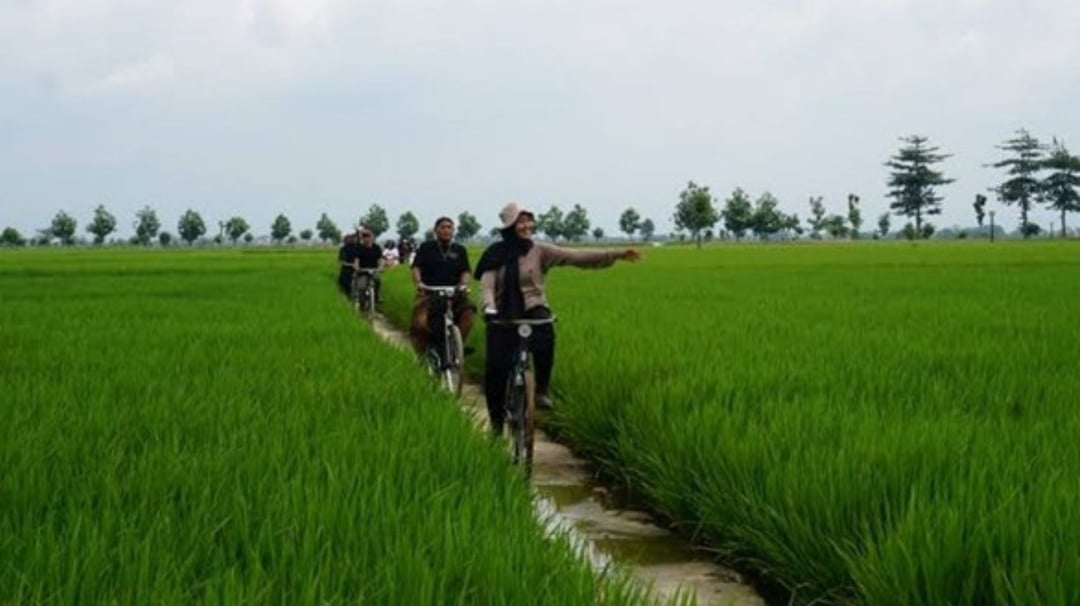
Karangrowo and its surrounding areas offer excellent alternatives for tourists looking to extend their travel itinerary beyond a standard three-day, two-night trip. These additions complement other destinations such as Rahtawu, which is known for its natural landscapes, local cuisine, and niche tourism activities.
Itinerary planning should account for direction, travel distance, visiting hours, and the desired type of experience. According to Arus Harhara, chairman of the Indonesian Tour Guide Association (GIPPTA), museum visits typically require about an hour, while nature sites generally take one to two hours.
Tourism villages may require four to five hours or even a full day, depending on the selected packages and available attractions.
Abdul Halil recommends that travelers utilize reputable guides or travel agencies to ensure access to accurate information and tailored services.
While three days and two nights is insufficient to experience all that Kudus has to offer, it provides enough time to explore various facets of the region—from the history of the kretek industry and religious sites to the slopes of Mount Muria, prehistoric sites, and local culinary delights.
Beyond the primary route, other travel options remain. Rahtawu offers natural beauty and specialized activities, while Karangrowo provides insight into community life through the lens of the Sedulur Sikep culture. Traditional culinary experiences can also provide opportunities to explore other areas.
Ultimately, a three-day, two-night trip is not the limit for discovering Kudus but rather an introductory journey that highlights a portion of the region's narrative. Countless paths, destinations, foods, traditions, and aspects of community life await exploration on future visits. (ITN/mainkekudus)