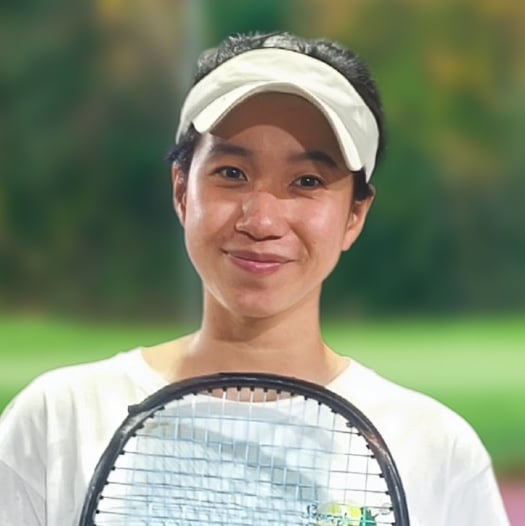
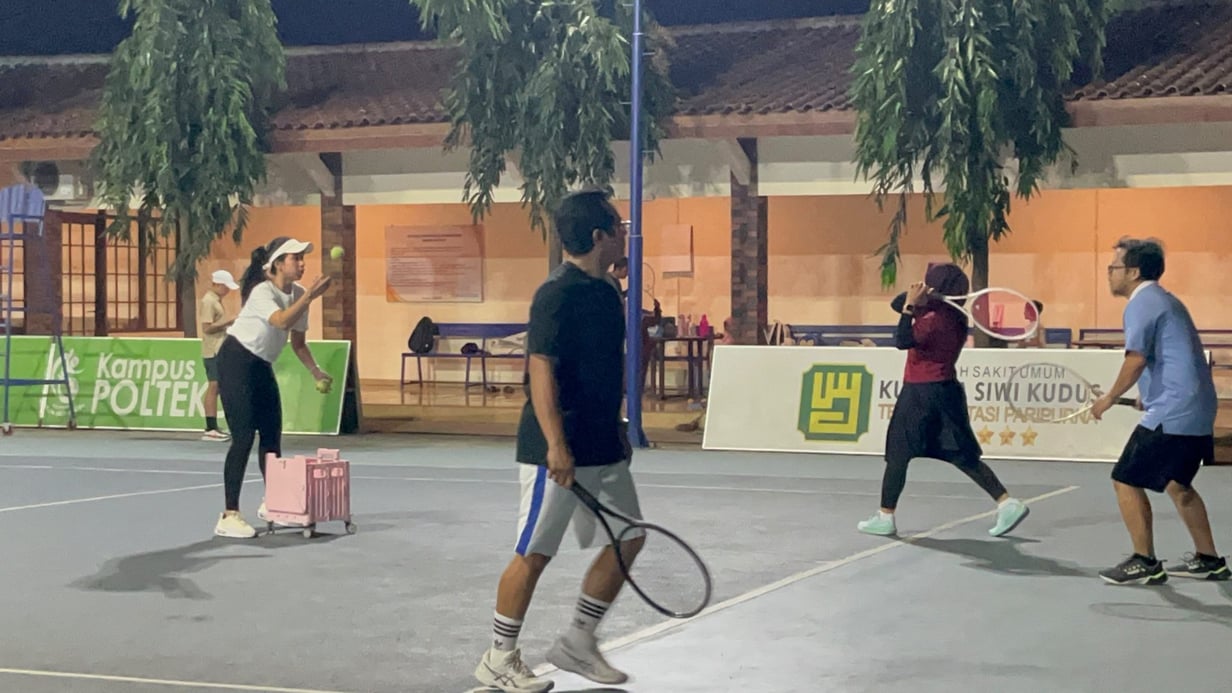
KUDUS – From the sidelines, Hanna Levina periodically halts the session to provide instruction. She observes the players' movements, corrects technical flaws, and allows the practice to resume. The 27-year-old from the Kota district in Kudus Regency currently serves as a tennis coach for Sweet Swing Tennis and the British School Jakarta.
Before entering the coaching ranks, Hanna pursued a career as an athlete. She began playing tennis at age five, advancing through rigorous training and various competitions, eventually competing in South Korea in 2016. After retiring from competitive play in 2019, she transitioned into coaching, leveraging her extensive experience as a player.
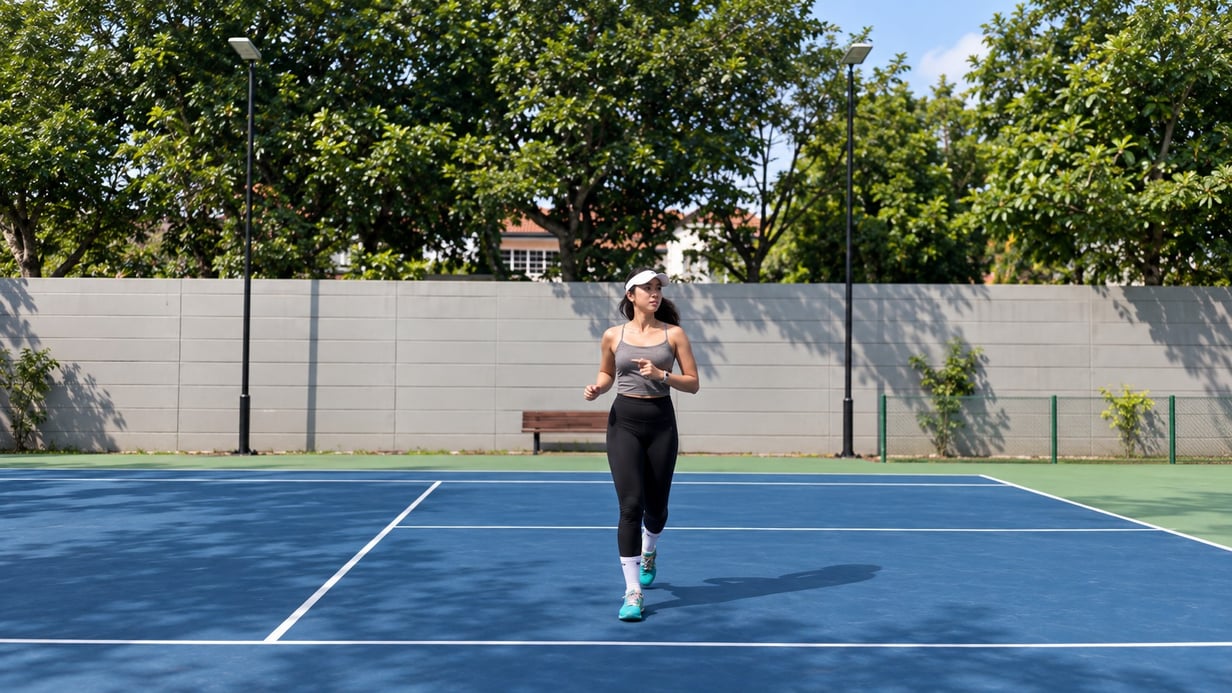
Her career has spanned various locations. Hanna coached in Singapore in 2025 before taking up her current post at the British School Jakarta. She integrates her background as a player into every environment she works in, while continuously refining her coaching methodology.
Sweet Swing Tennis serves as a platform for Hanna to share her expertise with players in Kudus. As the founder and head coach, she provides opportunities for the public to learn tennis, including those at the beginner level. She incorporates the wealth of knowledge gained from her time as both an athlete and a coach into the training programs she leads.
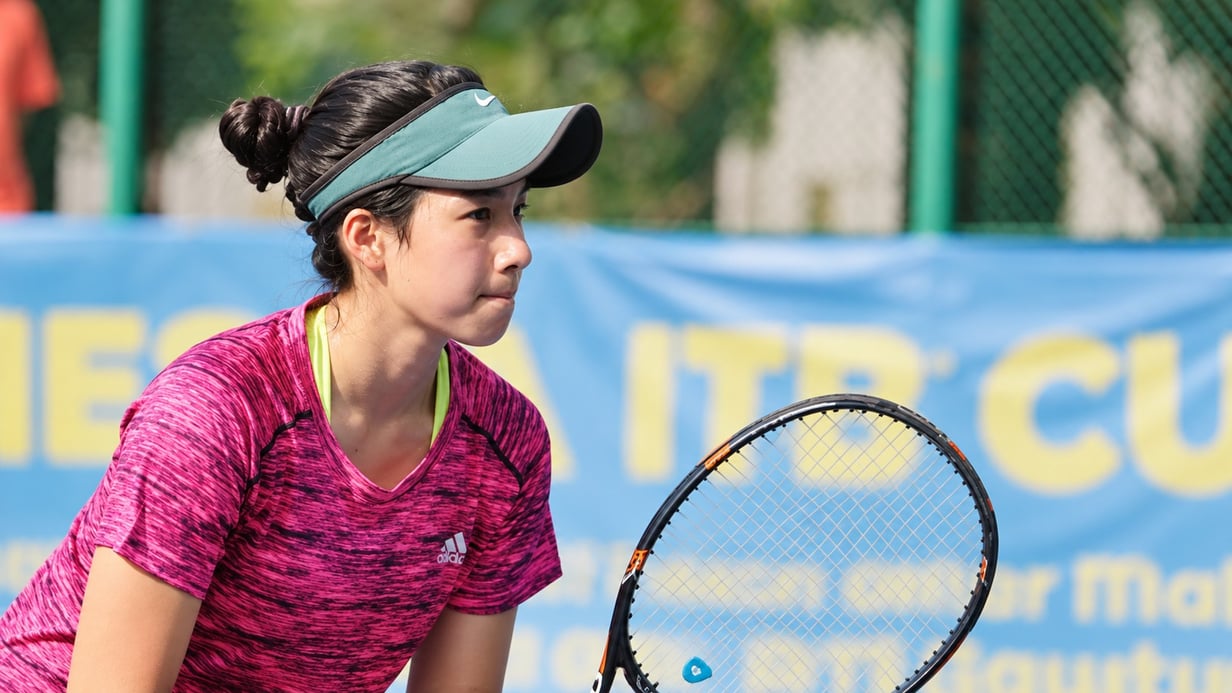
Hanna was introduced to tennis at age five when her parents suggested she try the sport because there was a court located near their home.
“At five years old, my parents suggested I try tennis because there happened to be a court near our house. I suppose they wanted me to have a positive after-school activity,” Hanna said.

Since then, tennis has become a staple of her daily routine. After school, Hanna would spend her afternoons training, while balancing her education alongside her commitments as an athlete.
Hanna attended school in Kudus from kindergarten through middle school. Upon entering high school, she opted for homeschooling in Jakarta to secure more flexible scheduling for her tennis training.
During that period, Hanna focused not only on training but also on competing. She participated in various championships, beginning to face opponents from a broader tennis circuit.
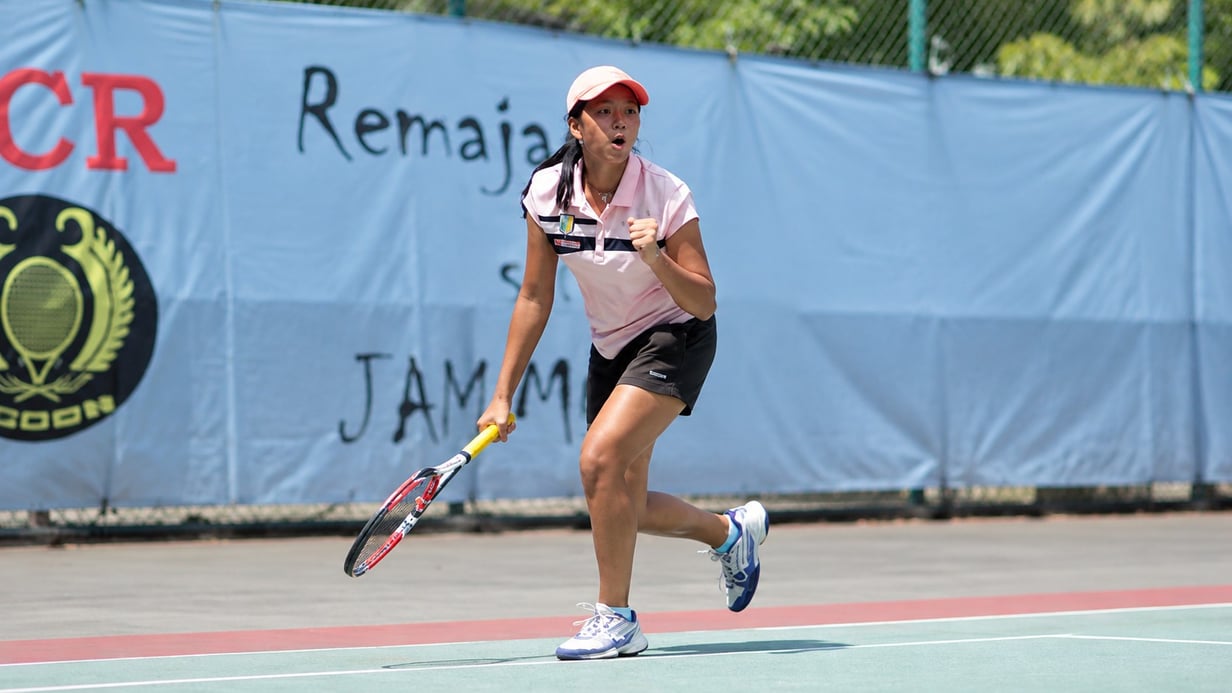
A particularly memorable experience occurred in 2016, when Hanna received a wildcard from tournament organizers in South Korea to compete in what she identified as the WTA Korea Open.
Although she was eliminated in the first round, the match provided her a firsthand look at how international players train and prepare for competition.
"I observed how these foreign players trained and the level of effort they put in. That was when I realized that what I had been doing in Indonesia was still far behind them," Hanna said.
The experience reshaped her perspective on her athletic journey. She realized that becoming a professional requires a long-term process, significant support, and readiness to face increasingly intense competition.
Around the age of 16, Hanna began planning for her future. She continued to play tennis while weighing education and career options beyond her competitive days.
Hanna went on to attend university, where she still managed to achieve success at the POMNAS event, but her competitive athletic career concluded in 2019.
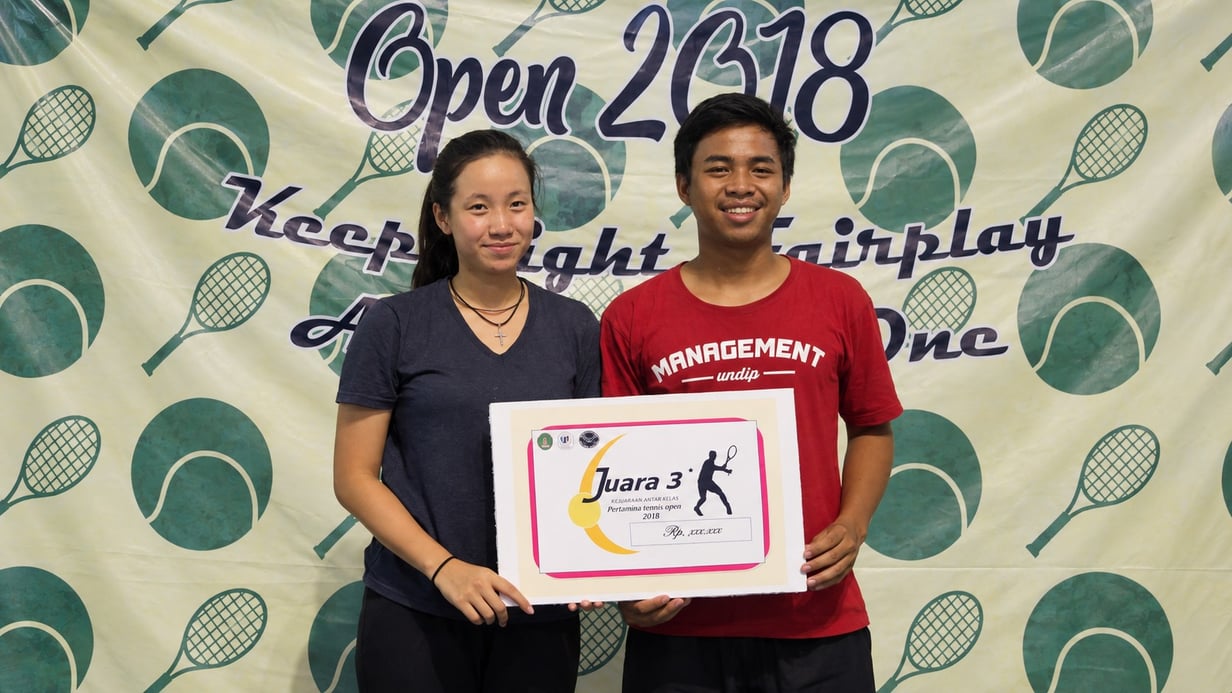
Recurring injuries, limited support, and financial constraints were among the primary challenges she faced throughout her athletic career.
“My tennis career didn't completely stop. I continued it, but I channeled it into other things,” Hanna said.
Those other pursuits eventually led to coaching. Initially, becoming a coach was not a planned career path.
Hanna began coaching after someone requested her help with tennis training. Through that experience, she found satisfaction in helping other players understand the game and improve.
“I had no intention of becoming a coach at first. In fact, I didn't even like it. But because someone wanted to train with me, I gave it a try. It turns out I enjoy helping people develop,” she noted.
In December 2024, Hanna began pursuing a coaching career in Kudus. Her experience as a player provided a foundation for understanding training from a different perspective.
She not only understands the technical aspects of the game but also knows what it feels like to undergo training, face matches, and navigate periods when progress as an athlete does not meet expectations.
For Hanna, this experience means that the coach's role extends beyond providing technical instructions. Coaches must also understand their players and foster effective communication to ensure successful training.
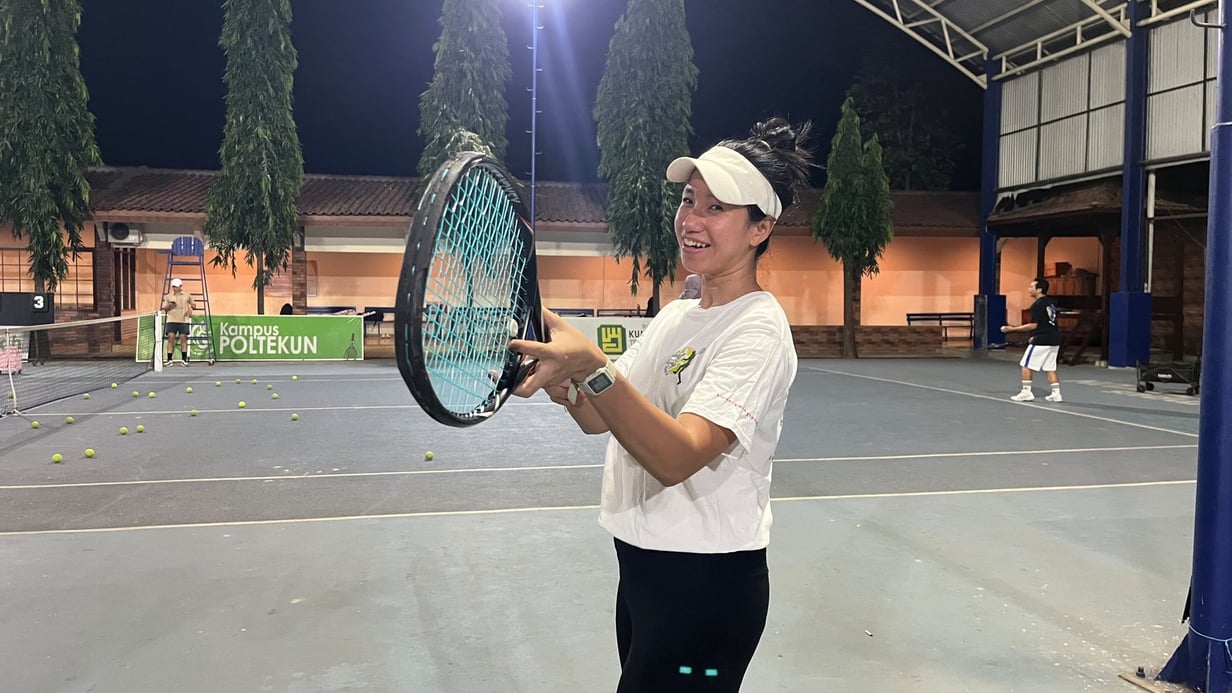
“A coach must have physical and mental stamina. But the most important thing is how we can connect with students, and how that communication and trust can be built,” she said.
Hanna’s coaching journey then expanded internationally. In August 2025, she received an offer to coach in Singapore for approximately one year.
This move placed Hanna back into a tennis environment with characteristics distinct from what she had previously encountered in Indonesia.
According to Hanna, there were noticeable differences in the training atmosphere. In Indonesia, interactions between coaches and participants tend to be more fluid, whereas in Singapore, sessions are more direct and focused on the provided curriculum.
These differences prompted Hanna to learn more as a coach. She recognized that training approaches cannot always be standardized for every player or environment.
Her experience as an athlete in Kudus, international match play, and the transition to coaching all served as assets during her time in Singapore.
For Hanna, changing environments does not mean abandoning past experiences. Rather, the experiences gained from all the places she has been become part of how she understands players and the training process.
Following her experience in Singapore, Hanna secured a coaching opportunity for a school team at the British School Jakarta.
This environment further broadened her expertise. While she previously focused on her journey as a player and tennis training, she is now learning to understand the needs of athletes within a school setting.
The shift from athlete to coach has allowed Hanna to view the sport from a different angle. While as a player she was accustomed to pursuing personal growth and match results, as a coach she must prioritize the development of others.
That experience reinforced Hanna's understanding that technical proficiency alone is insufficient for coaching. A coach must possess both physical and mental stamina, while also being capable of building effective communication and trust with their players.
Her journey from Kudus to Singapore and eventually Jakarta has been instrumental in shaping her perspective as a coach. Each environment has provided unique experiences that serve as preparation for the next chapter of her career.
Although she is now based in Jakarta, her ties to Kudus remain a significant part of her path. She was introduced to tennis at a court near her childhood home, growing through years of practice and competition before ultimately deciding to pursue a career in coaching.
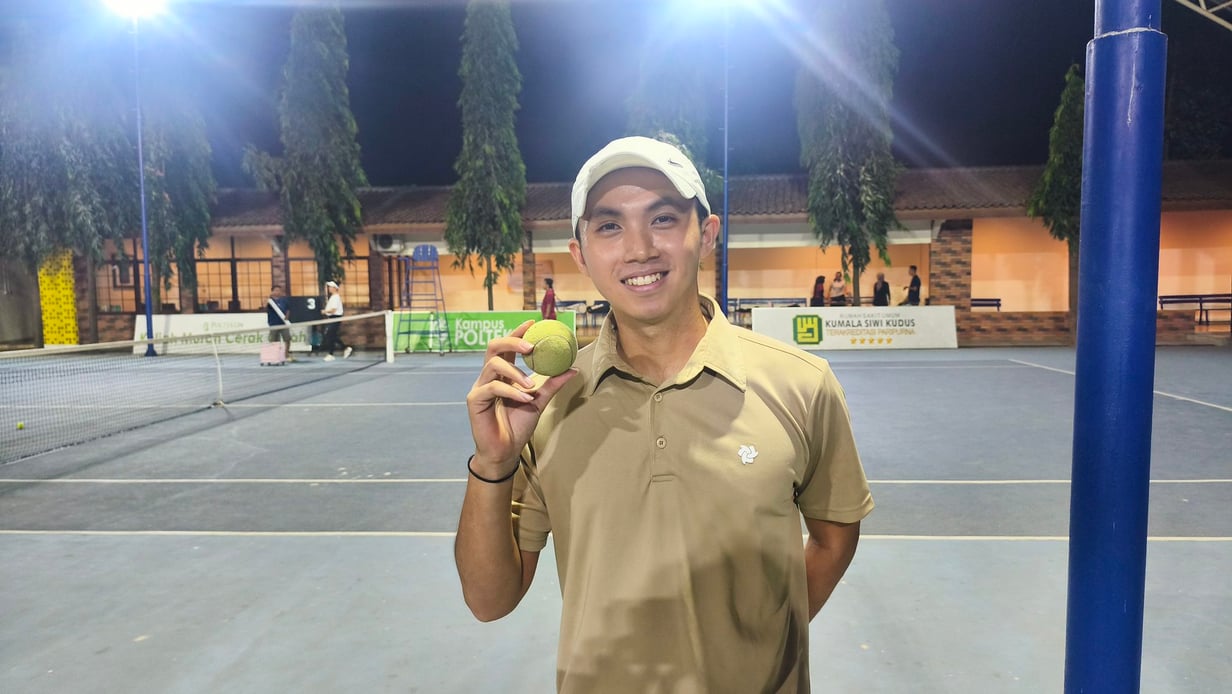
Hanna’s dedication as an athlete is remembered vividly by her brother, Sebastian Hansel, who is now a coach at Sweet Swing Tennis. Sebastian witnessed firsthand her commitment to the sport from a young age.
According to Sebastian, Hanna was known for her diligence and her commitment to giving her best performance in every match. From childhood through her teenage years, she consistently held top rankings.
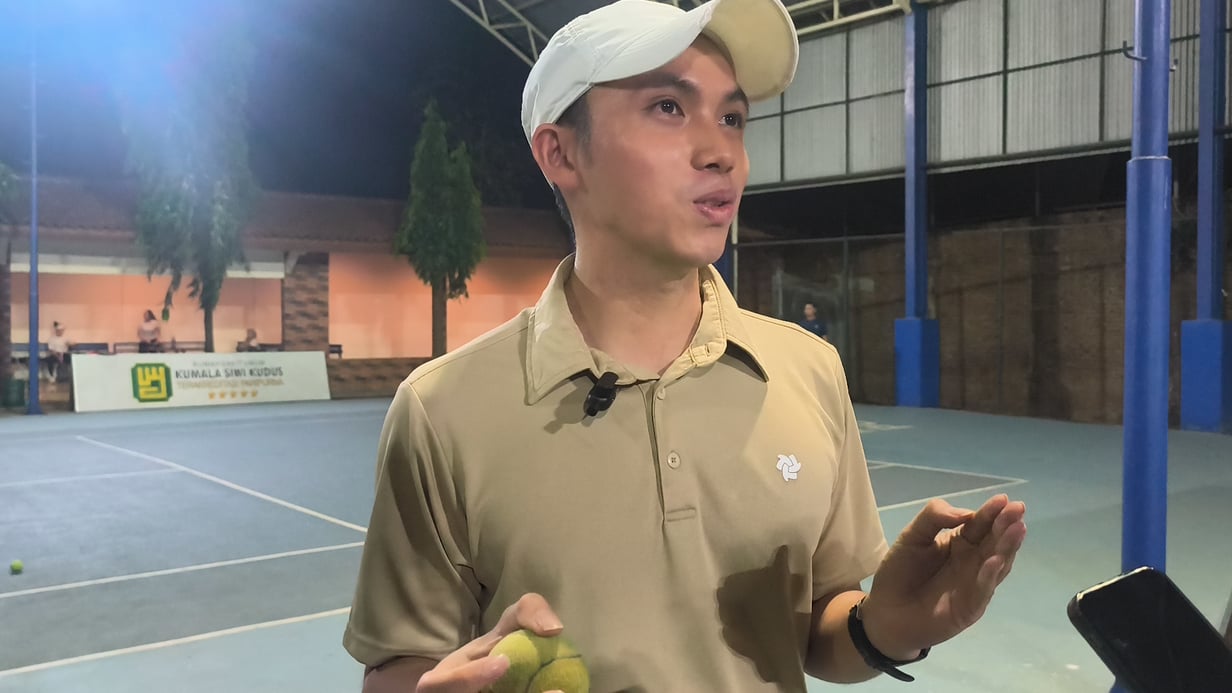
“From the Under-10 to the Under-16 categories, she was always ranked number one. She was diligent and always gave 100 percent in every match she played,” said Sebastian.
For Sebastian, Hanna is not just a sister but a significant influence who inspired him to take up tennis. He followed in her footsteps in both sports and academic pursuits, including studying English Literature.
Observing Hanna’s training and competition habits growing up was a key reason Sebastian chose her as a role model in his own tennis career.
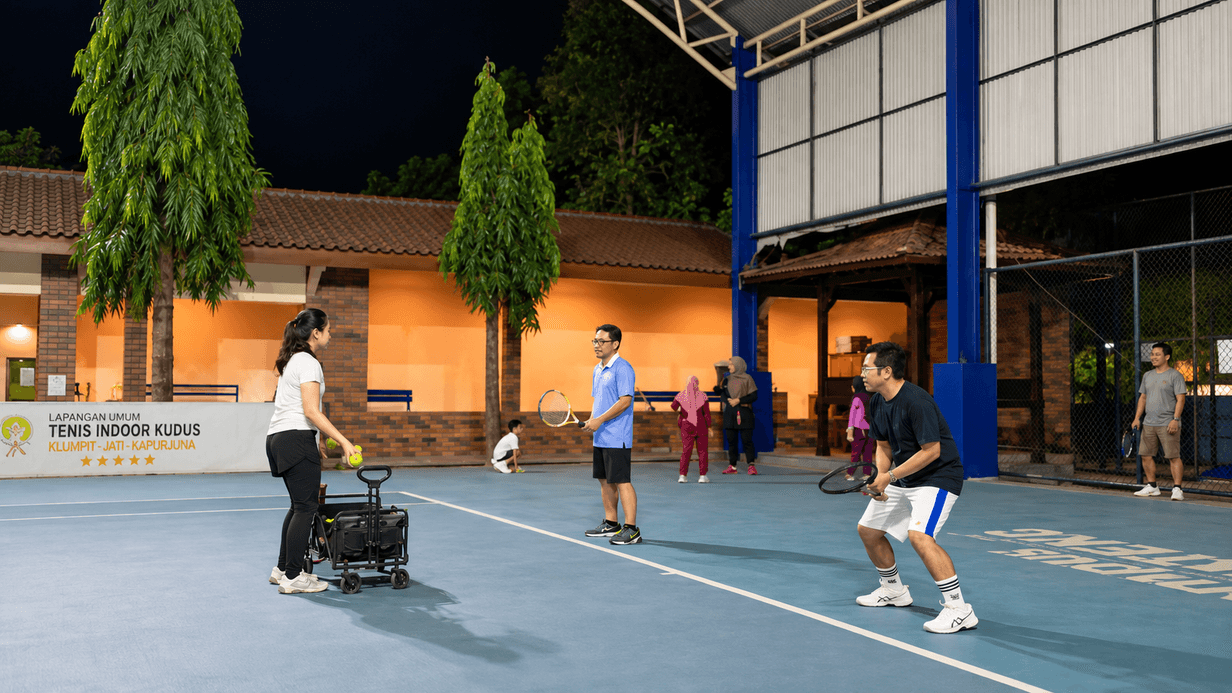
Hanna's experiences have convinced her that both young players and coaches from regional areas possess significant potential for growth.
According to Hanna, a career in tennis does not necessarily require beginning in a major sporting hub. Opportunities emerge for those with the drive to learn, train, and embrace new experiences.
She aims to channel this perspective into her renewed involvement in tennis in Kudus through Sweet Swing Tennis. Hanna hopes to make the sport more accessible to the public, particularly children who are being introduced to the game.
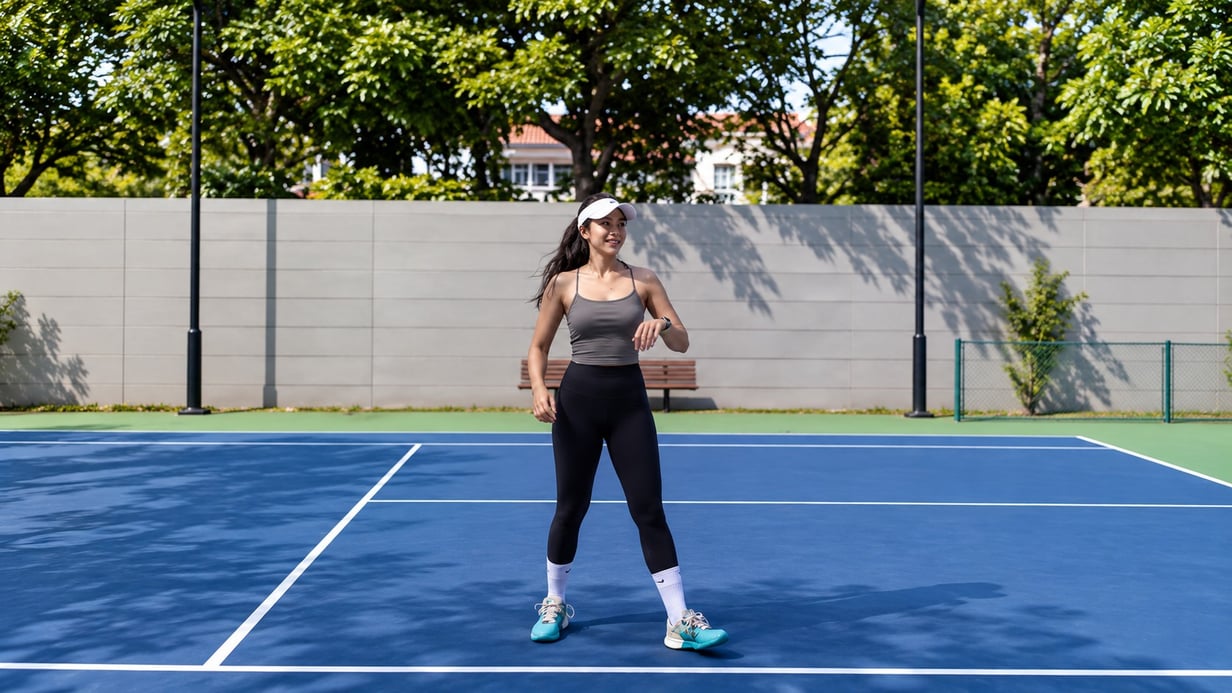
She now integrates the lessons learned from each stage of her career into her current work, focusing not only on technique and competition but also on the process of learning, adaptation, and creating opportunities for fellow players to thrive. (ITN/OEB/YSR/mainkekudus)