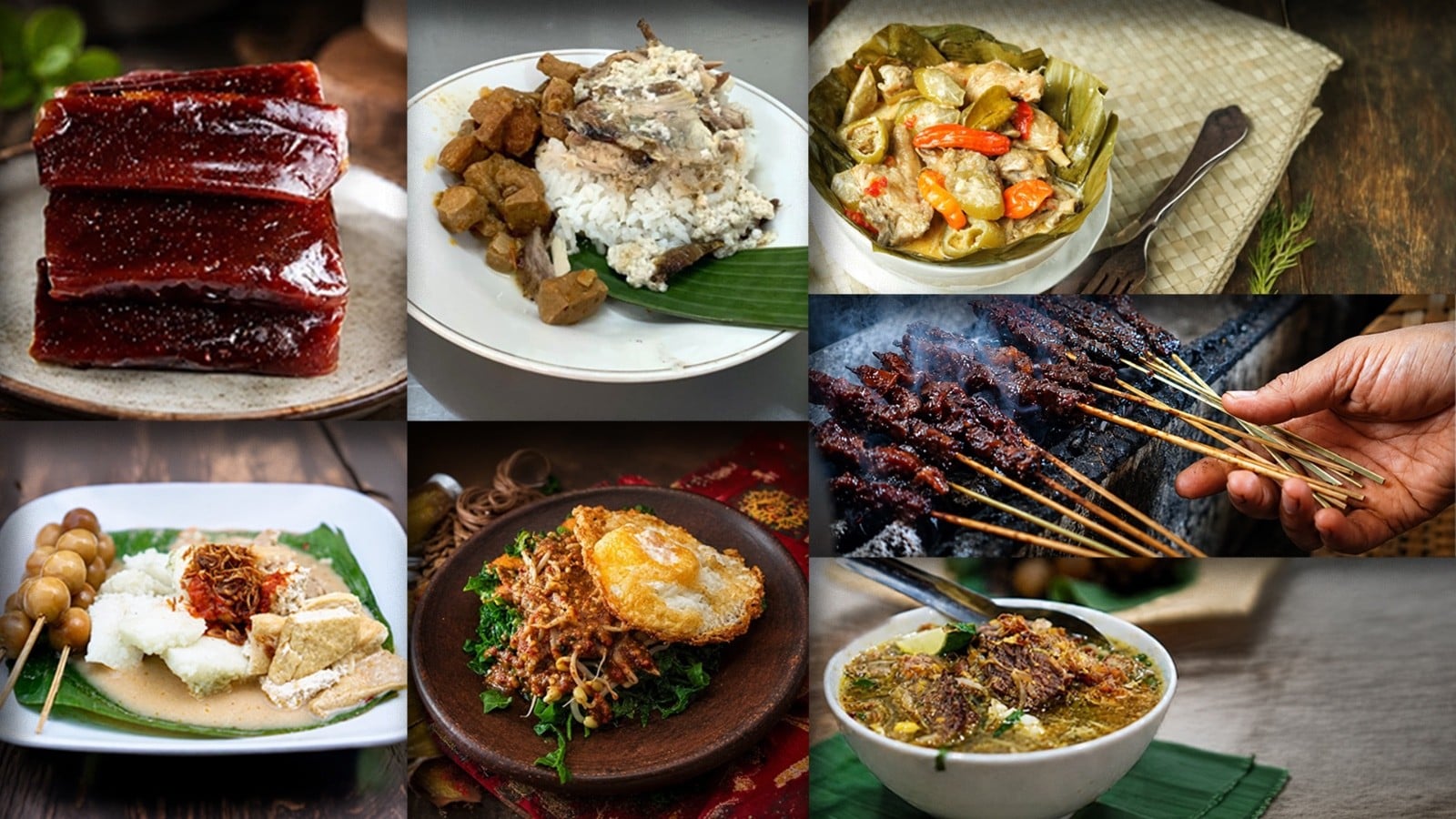
KUDUS – The fragrant aroma of Soto Kudus fills local eateries from the early morning hours. Elsewhere, buffalo satay sizzles over charcoal embers. By lunch, diners crowd shops serving garang asem and Opor Sunggingan, while many tourists opt for boxes of jenang as souvenirs before departing. For many, experiencing Kudus goes beyond its historical sites; it is also about embracing the culinary traditions deeply woven into the local way of life.

Culinary tourism has become a primary draw for visitors in Kudus. Whether pilgrims visiting the Kudus Tower and the grave of Sunan Muria, or attendees of national sports events, travelers frequently make time to enjoy local delicacies. Each dish tells a distinct story, reflecting history, culture, and traditions preserved through generations.
Bimo Sekti Bagus Tohari, Head of the Tourism Division at the Kudus Regency Culture and Tourism Office (Disbudpar), noted that culinary tourism is an essential component of the visitor experience. He emphasized that traditional food serves not merely as a travel amenity, but as a medium for introducing the history and culture of the local community.
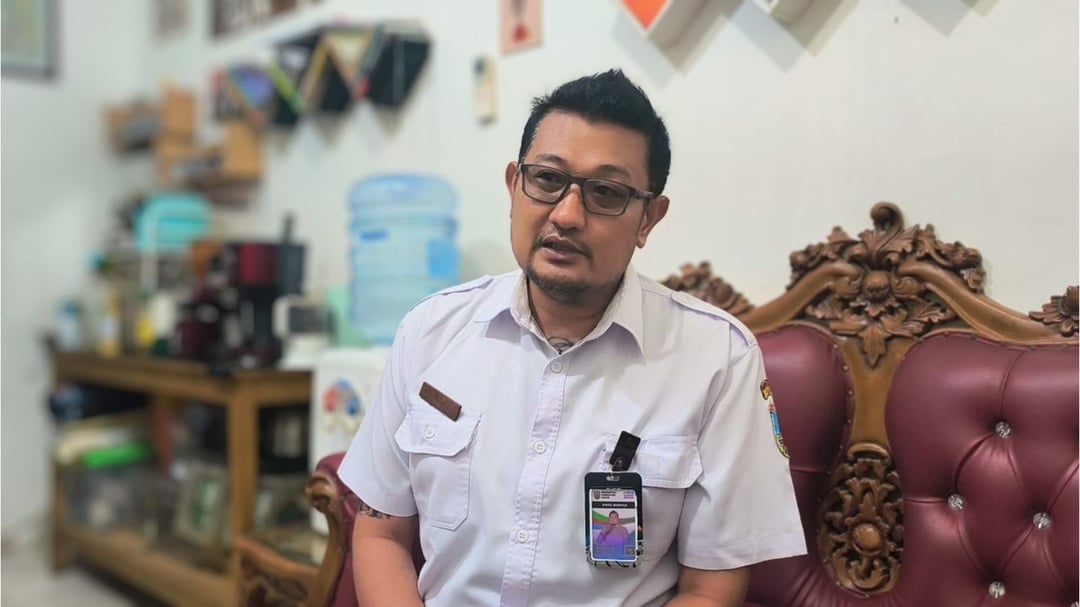
Tohari identified Soto Kudus, buffalo satay, and Lentog Tanjung as the most sought-after main dishes, with Jenang Kudus remaining the preferred souvenir. Athletes and participants visiting for competitions frequently dine on these local specialties once their events conclude.
The growth of the culinary sector also bolsters the local economy. Data from the Kudus Regency Manpower, Industry, Cooperatives, and SMEs Office (Disnakerperinkop-UKM), published in the June 2026 Open Data portal, shows over 27,000 active MSMEs in the region. Roughly 40 percent operate in the food and beverage industry, making it the largest business sector in the regency.
M. Faiz Anwari, Head of the Cooperatives and SMEs Division at the Kudus Disnakerperinkop-UKM, stated that the high number of culinary businesses underscores the pivotal role traditional food plays in the regional economy. The government continues to support the competitiveness of MSMEs through training, mentorship, promotional initiatives, and digital marketing outreach to help local products reach broader markets.

According to Faiz, preserving traditional culinary arts involves more than just maintaining heirloom recipes. Behind every food business lies the livelihoods of thousands of MSMEs that drive the local economy. Consequently, improving product quality is a priority to bolster consumer trust and expand market reach.
Meanwhile, the Department of Culture and Tourism curates businesses participating in promotional events and culinary festivals, evaluating them on taste, hygiene, presentation, and price. However, the government does not interfere with proprietary recipes, recognizing them as an essential part of a family’s culinary identity and heritage.
“We emphasize that the original menu must be preserved. Innovation is encouraged, but the signature culinary characteristics must remain intact,” said Bimo.
Beyond supporting business owners, the Kudus Regency Government has proposed buffalo-based dishes for designation as Indonesian Intangible Cultural Heritage. The proposal is currently under ministry review as part of broader efforts to safeguard the region's culinary legacy.
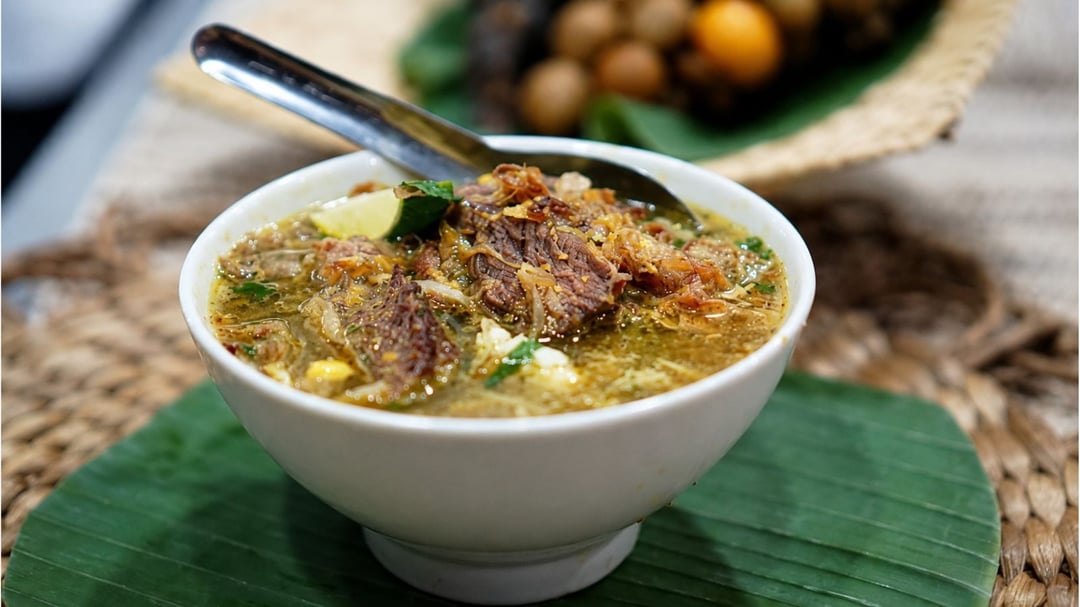
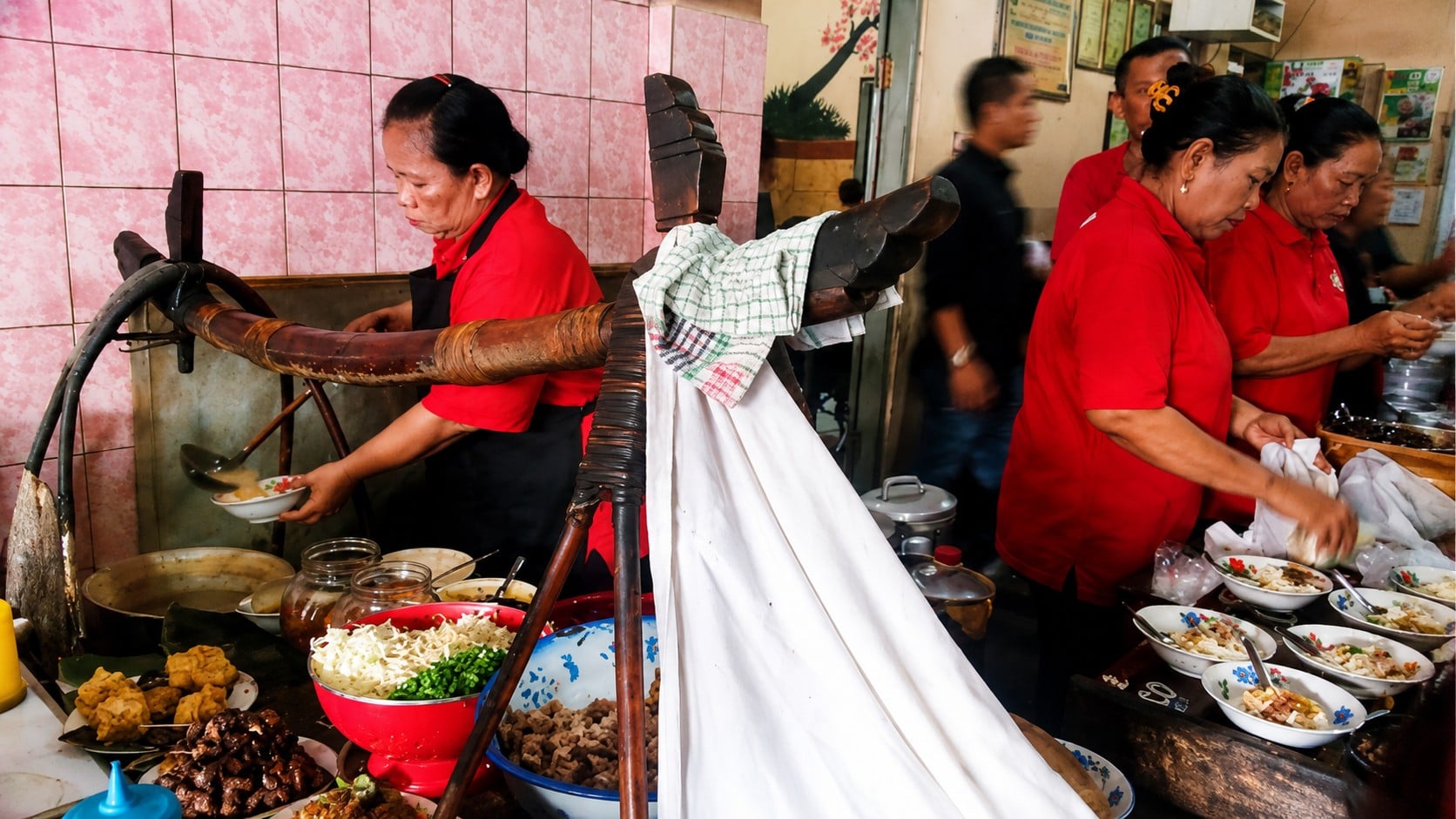
Among the traditional dishes of Kudus, Soto Kudus remains one of the most iconic. It is distinctly served in small bowls with a clear, spice-rich broth. Despite the compact serving size, the dish is packed with ingredients, including shredded chicken or buffalo meat, bean sprouts, scallions, celery, and fried shallots.
The use of buffalo meat is deeply tied to the history of Islam's spread in Kudus. This tradition originated from the teachings of Sunan Kudus, who respected the Hindu community by prohibiting the slaughter of cows. This legacy of tolerance continues today through various buffalo-based culinary preparations.
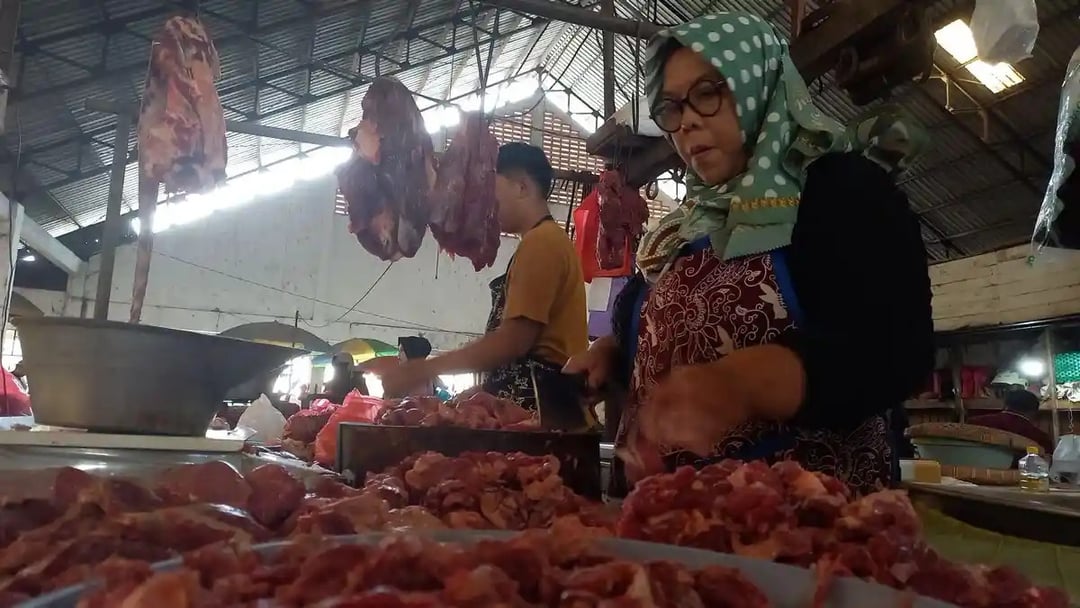
One establishment upholding this tradition is Soto Kudus Bu Djatmi on Jalan KH Wahid Hasyim, Panjunan. Operating since 1982, the shop continues to serve its signature Soto in small bowls, accompanied by an assortment of satays such as lung, intestine, quail egg, and potato cakes (perkedel). Its prime location near the Simpang Tujuh Town Square keeps the shop bustling, particularly during the lunch hour.
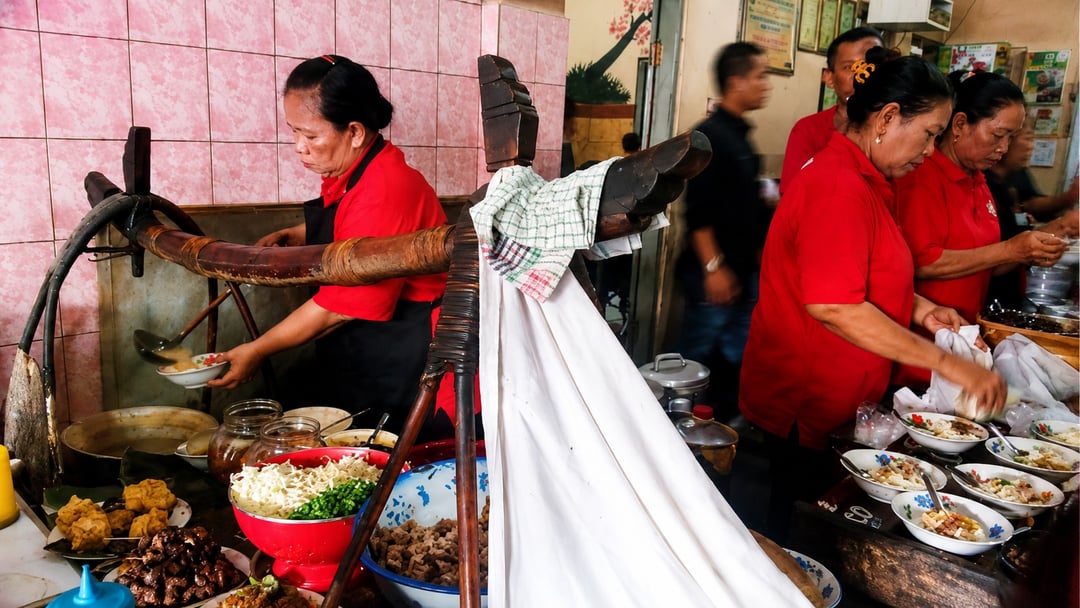
A bowl of Soto Kudus at various eateries in the Kudus Regency is relatively affordable, ranging from IDR 10,000 to IDR 35,000 per serving. Price differences typically depend on the choice of ingredients, portion size, and the establishment's location. Standard or small portions of chicken soto generally start from IDR 11,000 to IDR 20,000, while buffalo soto costs between IDR 25,000 and IDR 35,000 due to the higher value of the meat.
Diners can complement their meals with various side dishes, such as offal satay, potato fritters, and assorted fried snacks available at most Soto Kudus outlets.
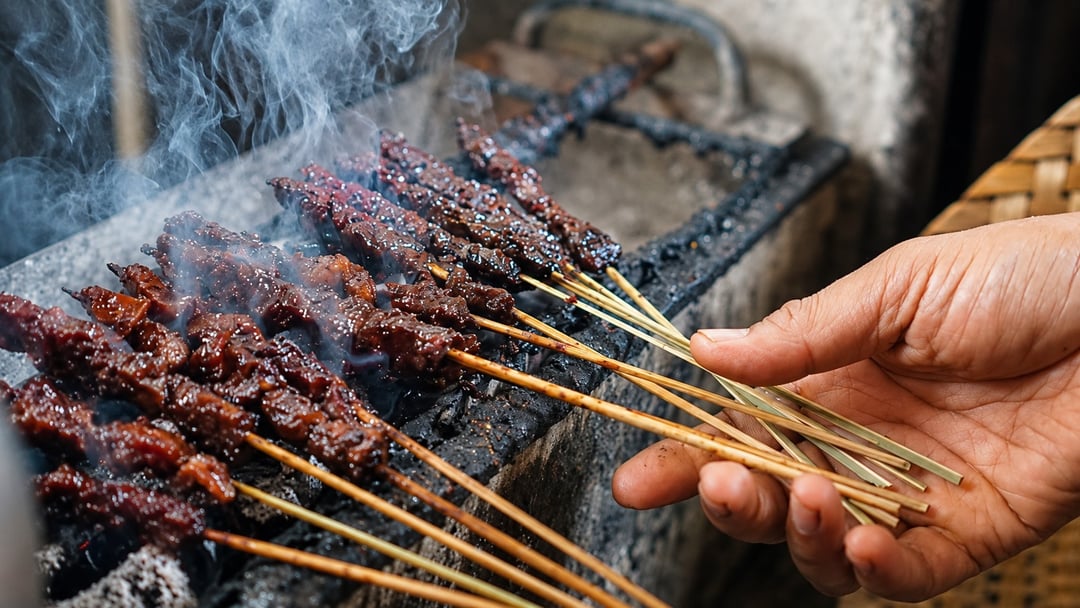
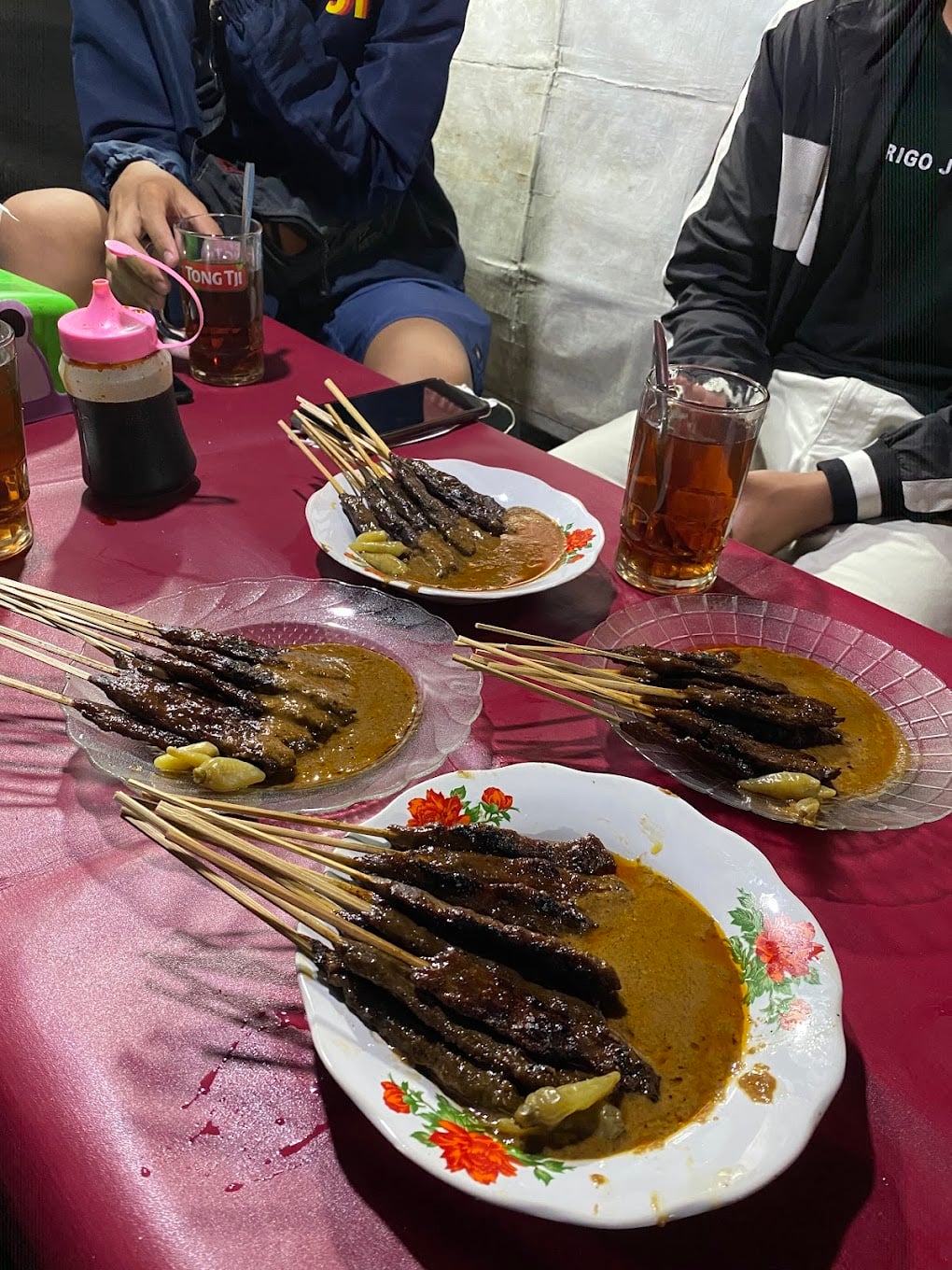
A similar historical significance is seen in buffalo satay. At first glance, it resembles beef satay, but the denser meat texture combined with spices creates a distinct flavor profile. According to Bimo, the character of buffalo meat cannot be replicated by beef, as it possesses a unique texture and taste.
This uniqueness makes buffalo satay a highly sought-after dish among tourists. Interestingly, every vendor employs different preparation methods—some flatten the meat before marinating it, while others grind it for tenderness. These varied techniques produce the signature flavors that define each individual eatery.
One well-known establishment is Sate Kerbau 57 on Jalan Kutilang, Wergu Kulon. Established in 1975 and now managed by the second generation of the founder's family, the shop continues to maintain the original, time-tested spice blend. Beyond attracting tourists, the stall remains a favorite among locals who have enjoyed its flavors for years.
The price of buffalo satay in Kudus varies depending on the number of skewers, portion size, and the establishment. A standard portion of 10 skewers typically costs between IDR 25,000 and IDR 40,000, excluding rice. Meanwhile, legendary shops or those offering larger portions may charge between IDR 50,000 and IDR 65,000 per serving.
For those seeking smaller portions, several stalls also offer retail options starting from IDR 9,000. These diverse price points ensure that buffalo satay remains accessible to everyone without sacrificing its authentic flavor.
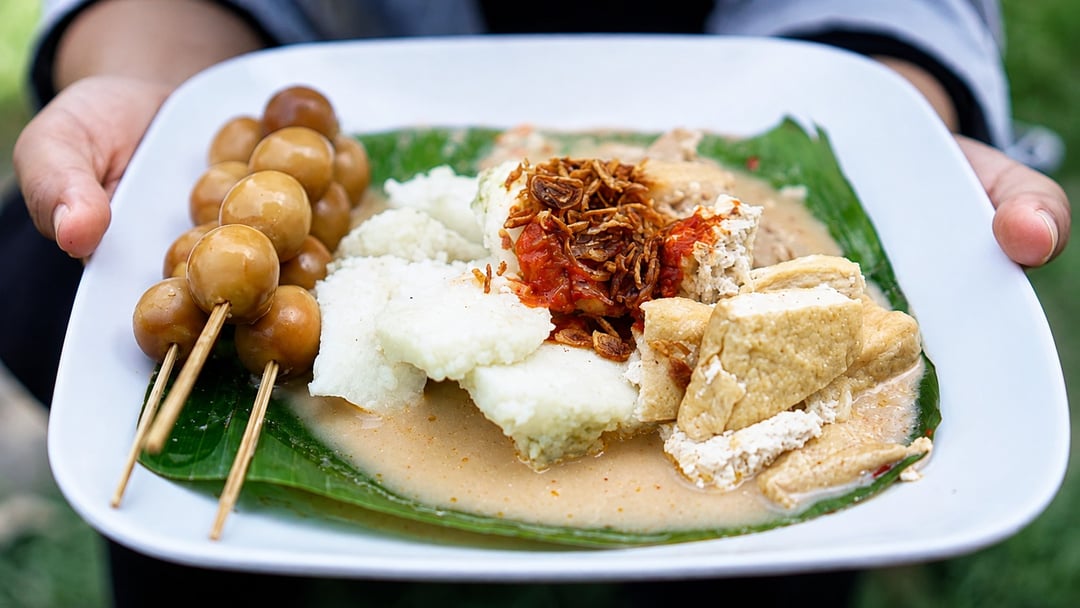
This dish consists of sliced rice cakes served with young jackfruit stew, tofu in coconut milk, sambal, and accompaniments such as quail egg skewers, chicken liver and gizzard, and fritters. Simple ingredients combined with a signature spice blend create a flavor profile that remains popular across generations.
The name "Tanjung" originates from Tanjungkarang Village in the Jati district, where the dish was first developed. Once a home-cooked meal sold locally, Lentog Tanjung has since become an iconic breakfast staple synonymous with Kudus Regency. Its enduring presence underscores the resilience of traditional food amid shifting consumer habits.
Lentog Tanjung remains a major culinary draw for tourists in Kudus, alongside Soto Kudus and buffalo satay. While the core ingredients are similar, every establishment offers a unique preparation. Diners often have favorite spots based on personal flavor preferences, reflecting a culinary diversity that local business owners have preserved for generations.
One well-known establishment is Lentog Tanjung Bu Ita, located in the Lentog Kudus market area. The stall opens at 6:00 a.m. and is typically crowded by 9:00 a.m., prompting many tourists to arrive early to ensure a full selection of side dishes.
Beyond its legendary status, Lentog Tanjung is a budget-friendly breakfast choice. Standard portions in Kudus Regency typically range from IDR 5,000 to IDR 8,000. Larger portions are available at various stalls for between IDR 12,000 and IDR 18,000. Accompaniments such as quail egg skewers, liver skewers, fritters, and crackers can be added for approximately IDR 2,000 to IDR 6,000, depending on the item.
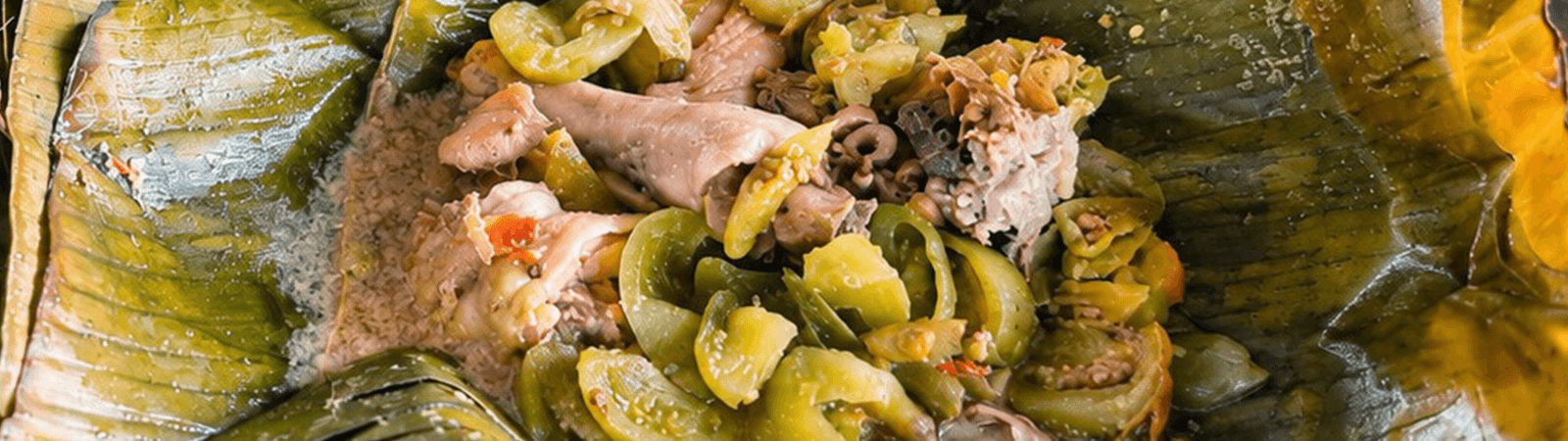
For lunch, the culinary focus shifts to Garang Asem. This chicken dish is cooked with coconut milk and spices, then steamed in banana leaves, resulting in a savory, tart, and mildly spicy flavor profile. The aroma released from the banana leaf wrapper upon opening is a defining characteristic that distinguishes it from similar dishes elsewhere.
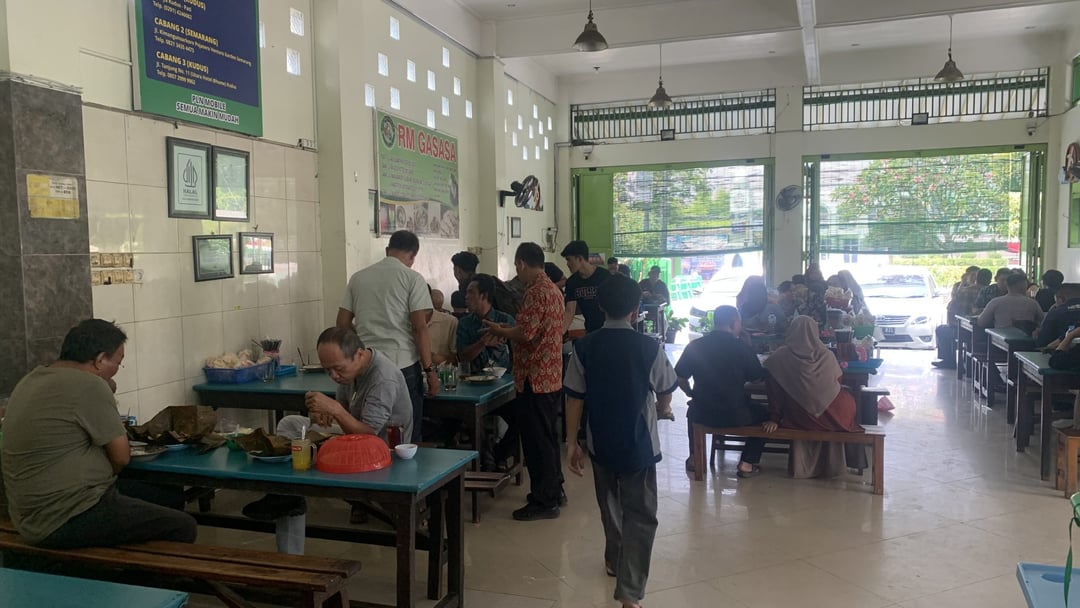
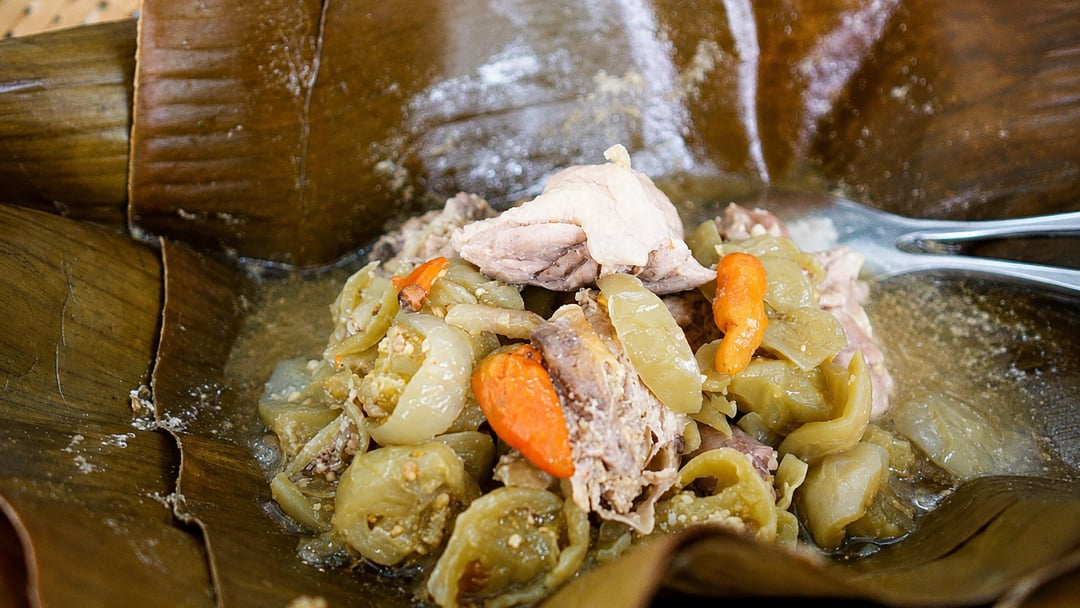
One eatery that continues to preserve this traditional dish is Garang Asem Gasasa on Jalan AKBP Agil Kusumadya. Established in 1977, the restaurant prepares its free-range chicken by simmering it until the seasonings are fully absorbed. In addition to the classic chicken version, diners can opt for giblet or chicken foot options, both of which are popular with customers.
A standard serving of Kudus-style garang asem typically costs between IDR 35,000 and IDR 53,000, depending on the establishment, the cut of chicken chosen, and the service method. These prices generally apply to free-range chicken dishes and do not include white rice. At Rumah Makan Sari Rasa Kudus, for instance, chicken or giblet garang asem is priced at IDR 37,500 per portion, while the chicken foot version is available for IDR 25,000.
Meanwhile, at RM Gasasa (Garang Asem Sari Rasa), prices for free-range chicken or giblet garang asem range from IDR 43,000 to IDR 52,500 per portion. At other local eateries in Kudus, garang asem is generally sold for between IDR 38,000 and IDR 42,000 per portion.
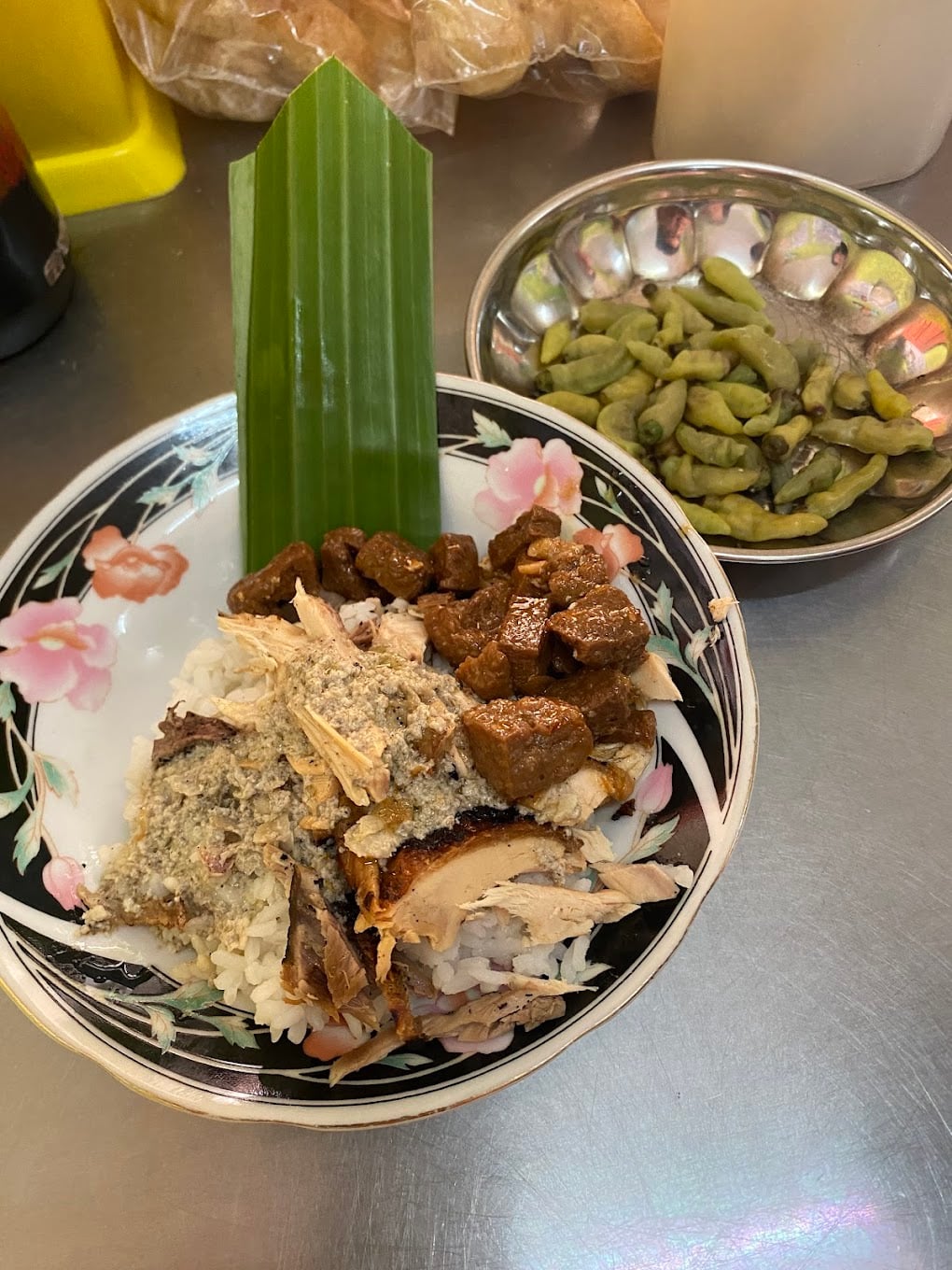
Nearby, Opor Sunggingan offers a flavor profile distinct from typical chicken opor. The chicken is cooked in a rich, spiced coconut broth and then grilled before serving, a process that imparts the dish’s signature smoky aroma.
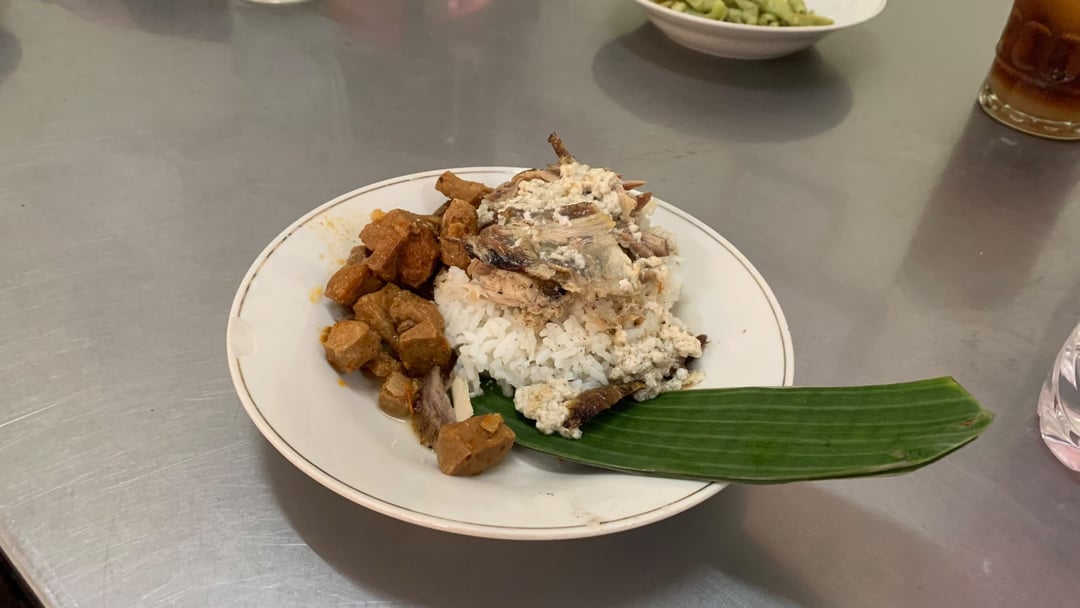
Now managed by the descendants of the founders, the Opor Sunggingan eatery remains dedicated to this traditional preparation method. Every morning through midday, the establishment sees a steady stream of local residents and tourists eager to experience this legendary regional specialty.
A single portion of Kudus-style Opor Sunggingan costs between IDR 16,000 and IDR 18,000. For that price, diners receive a serving of rice accompanied by shredded or pieces of smoked free-range chicken, rich coconut broth, and a side of spiced tofu.
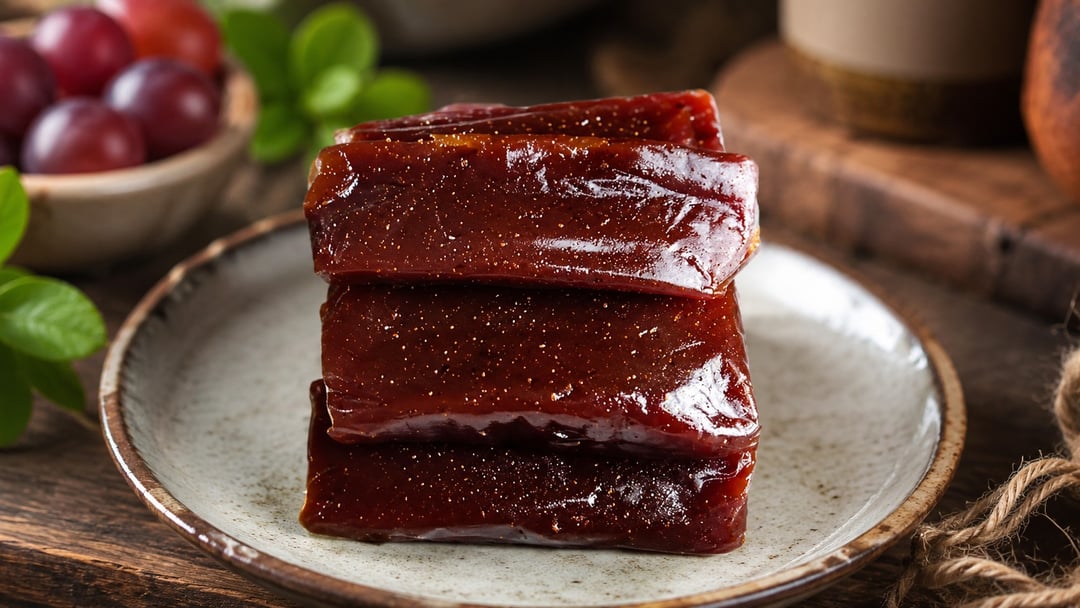
By late afternoon, many tourists begin shopping for gifts before departing Kudus. Among the various available options, Jenang Kudus remains the most popular item to take home.
Prices for Jenang Kudus at souvenir centers across Kudus Regency vary depending on the brand, size, and packaging. Small or tray-style packages generally range from Rp 15,000 to Rp 21,000, while boxes containing approximately 30 pieces or assorted varieties are priced between Rp 35,000 and Rp 45,000.
For those seeking larger quantities, one-kilogram plastic containers are available for between Rp 30,000 and Rp 50,000. These price points offer tourists flexibility when purchasing Jenang Kudus as a traditional souvenir to suit their needs and budget.
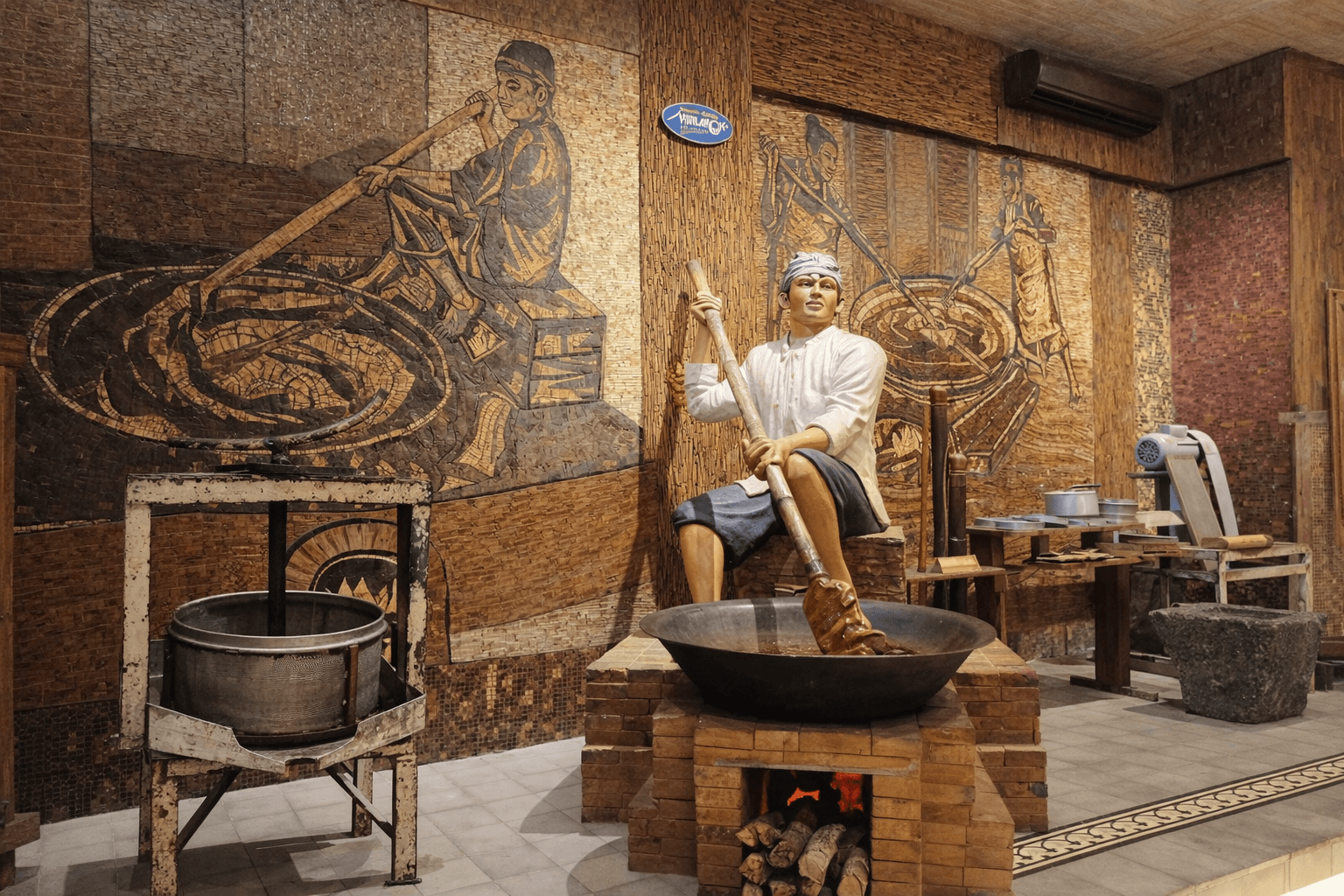
Jenang is more than just a snack made of glutinous rice flour, coconut milk, and sugar. Its production history reflects the evolution of a home-based industry that has grown into one of Kudus Regency's hallmark products. Established in the early 20th century, the industry now produces various brands distributed throughout Indonesia.
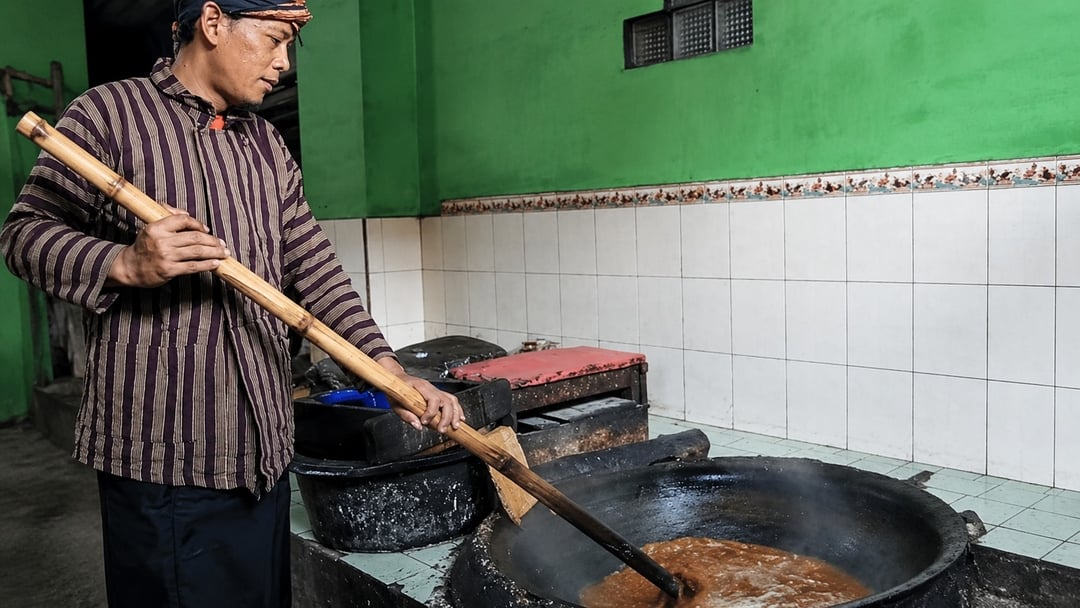
Visitors interested in this history can explore the Jenang and Gusjigang Museum. Located within the Mubarokfood complex, the museum documents the evolution of the industry from traditional methods to modern production. It also introduces visitors to the Gusjigang philosophy, a legacy of Sunan Kudus that emphasizes integrity, religious devotion, and a strong work ethic in trade.
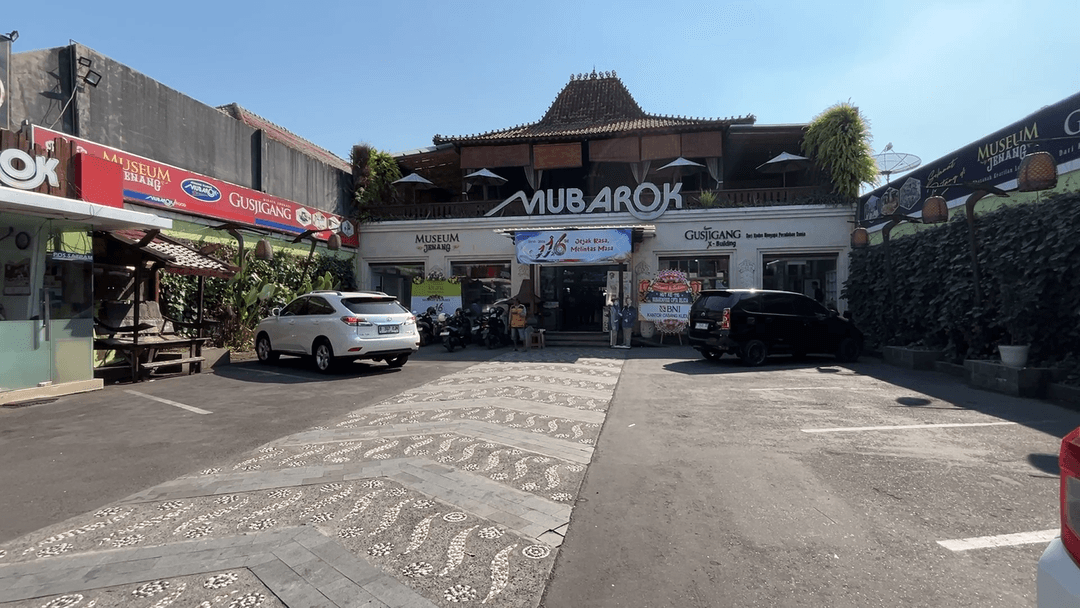
According to Bimo, Jenang Kudus remains a top choice for tourists seeking souvenirs. Meanwhile, Faiz noted that the industry's development proves that traditional culinary products can thrive provided quality is maintained.
Data from the Kudus Regency Manpower, Industry, and Cooperative Office shows that over 27,000 MSMEs were active as of June 2026, with roughly 40 percent operating in the food and beverage sector. This figures underscore the culinary sector's role as a key economic driver and a significant source of employment for local business owners in Kudus.
Consequently, the government continues to bolster business capacity through training, mentorship, promotional support, and digital marketing expansion. These efforts are intended to strengthen the competitiveness of local goods and preserve traditional culinary traditions in an increasingly crowded market.
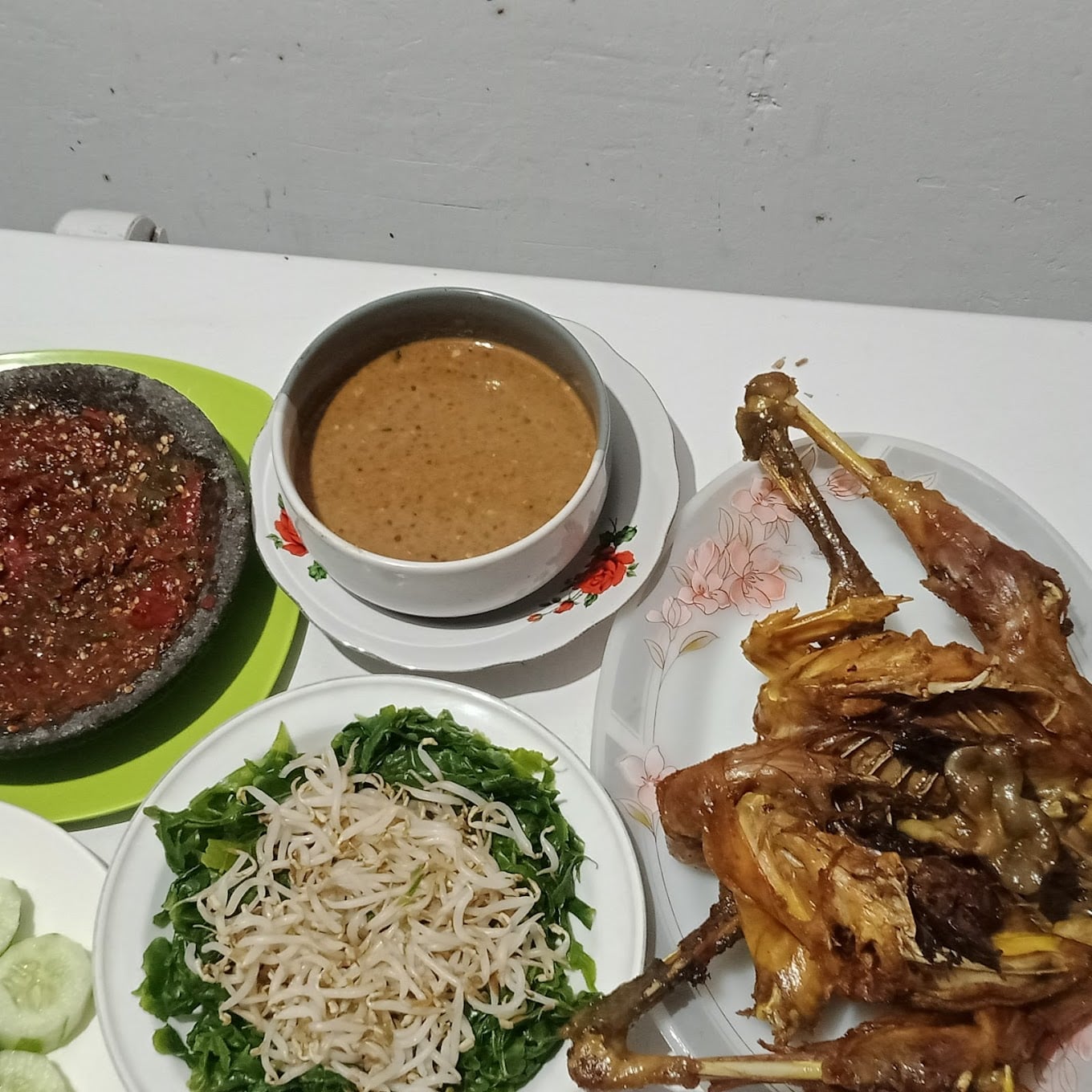
The culinary journey in Kudus extends beyond the city center. On the slopes of Mount Muria, tourists can find Pecel Pakis, a specialty dish of the Colo area. Unlike standard pecel, this menu features fern shoots, which grow abundantly in the mountainous region, as its primary ingredient.
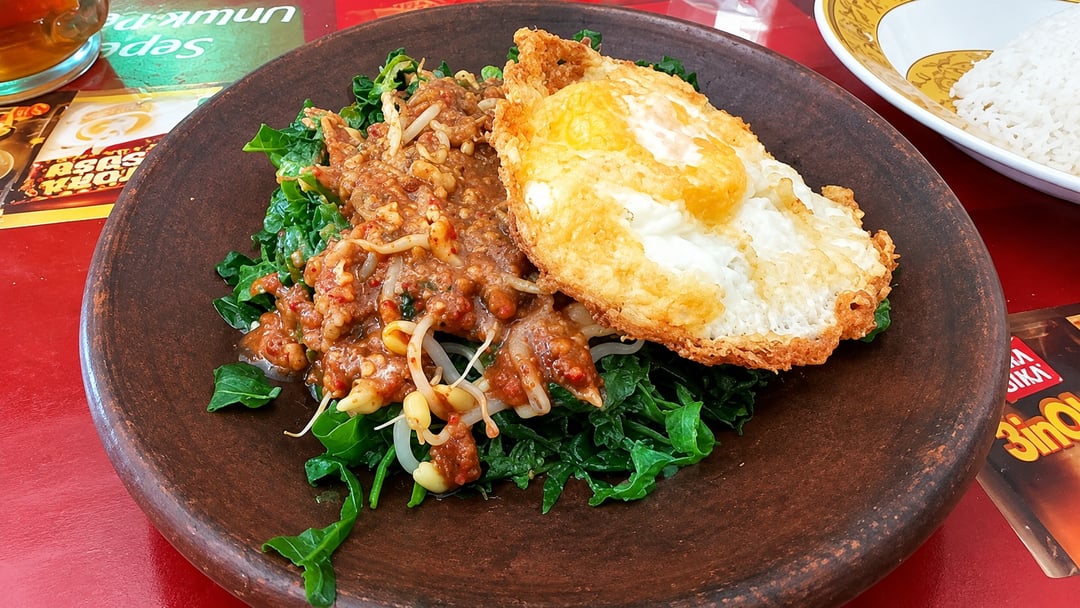
Fiddlehead ferns, known locally as pakis, offer a crisp, slightly chewy texture when paired with a savory peanut dressing. The simplicity of these ingredients remains the dish's core appeal, highlighting how the local community has sustainably utilized natural resources for generations.
A popular destination for this dish is the Pecel Pakis and Ayam Bakar Mbok Yanah stall in Colo Village, Dawe District. Located along the route to the Sunan Muria pilgrimage site, it serves as a frequent stop for travelers visiting the religious landmark.
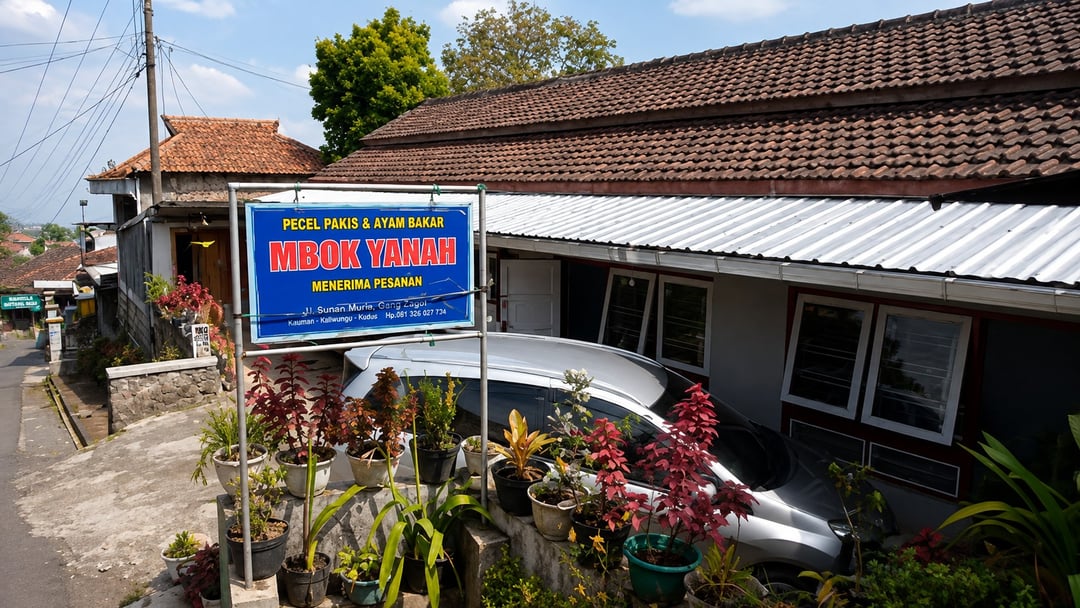
Colo's signature pecel pakis is also noted for its affordability, with a single serving typically priced between Rp 8,000 and Rp 10,000. Diners can add side dishes such as tofu, tempeh, crackers, or eggs for an additional Rp 3,000 to Rp 5,000 per serving. Visitors can enjoy this dish made with fresh, locally sourced ferns from the slopes of Mount Muria. For those unable to visit Colo Village, several stalls now offer delivery services through online platforms, making the dish accessible beyond its point of origin.
These seven culinary staples highlight the diverse heritage behind Kudus's food scene. While Soto Kudus and water buffalo satay are rooted in the tolerance values championed by Sunan Kudus, Lentog Tanjung reflects local breakfast traditions. Garang Asem and Opor Sunggingan preserve distinct, time-honored cooking techniques. Meanwhile, Jenang Kudus has evolved from a cottage industry into a regional flagship product, and Pecel Pakis reflects the resourceful use of local produce from the Muria slopes.
Despite the rise of modern dining options, these traditional eateries remain resilient. Most are still family-managed, safeguarding heirloom recipes, while the local government continues to support them through mentorship, business curation, and small-business development programs.
Ultimately, these dishes are more than just accompaniments to travel in Kudus; they are vessels of history, culture, and community effort passed down through generations. From Soto Kudus and water buffalo satay to Lentog Tanjung, Garang Asem, Opor Sunggingan, Jenang Kudus, and Pecel Pakis, these culinary icons form an essential part of the Kudus Regency identity that remains vibrant today. (OEB/mainkekudus)