Kudus – Among the diverse culinary landscape of Kudus, Soto Kudus Bu Djatmi remains a household name. Operating since the early 1980s, the establishment is renowned for its clear, spice-rich broth served with a choice of chicken or buffalo meat. Located on Jalan KH Wahid Hasyim No. 43 in the Panjunan area of Kudus, the family-run business continues to preserve the heirloom recipes that have defined its signature flavor for decades.
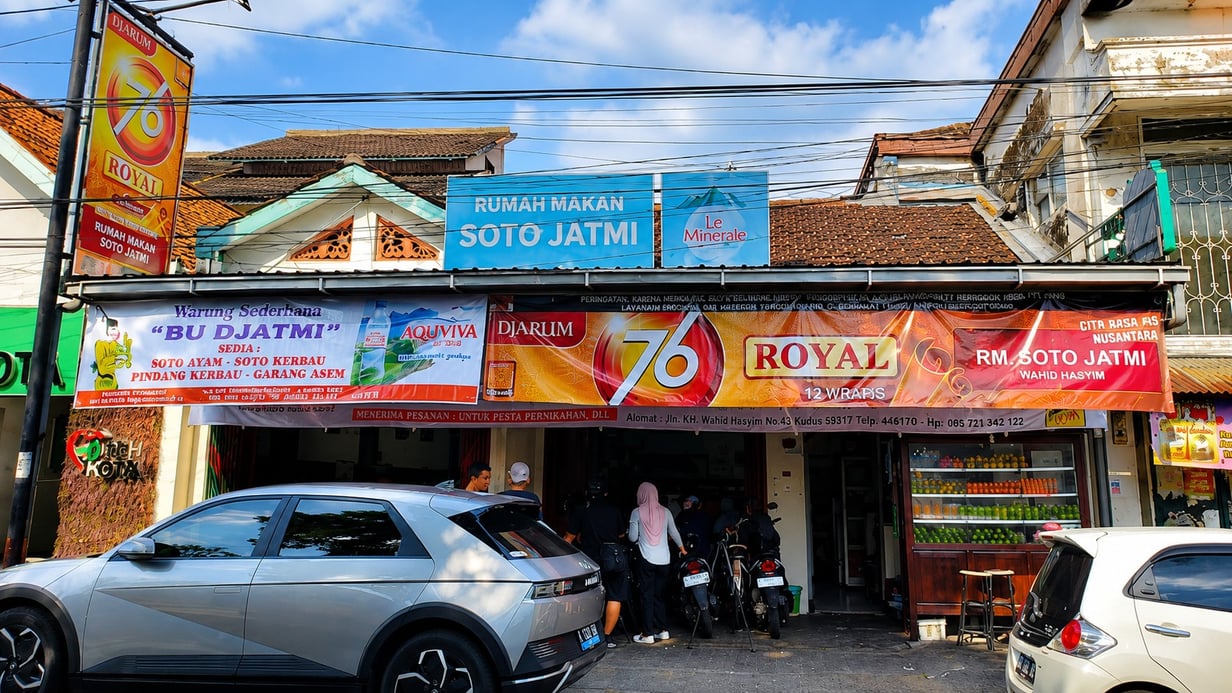
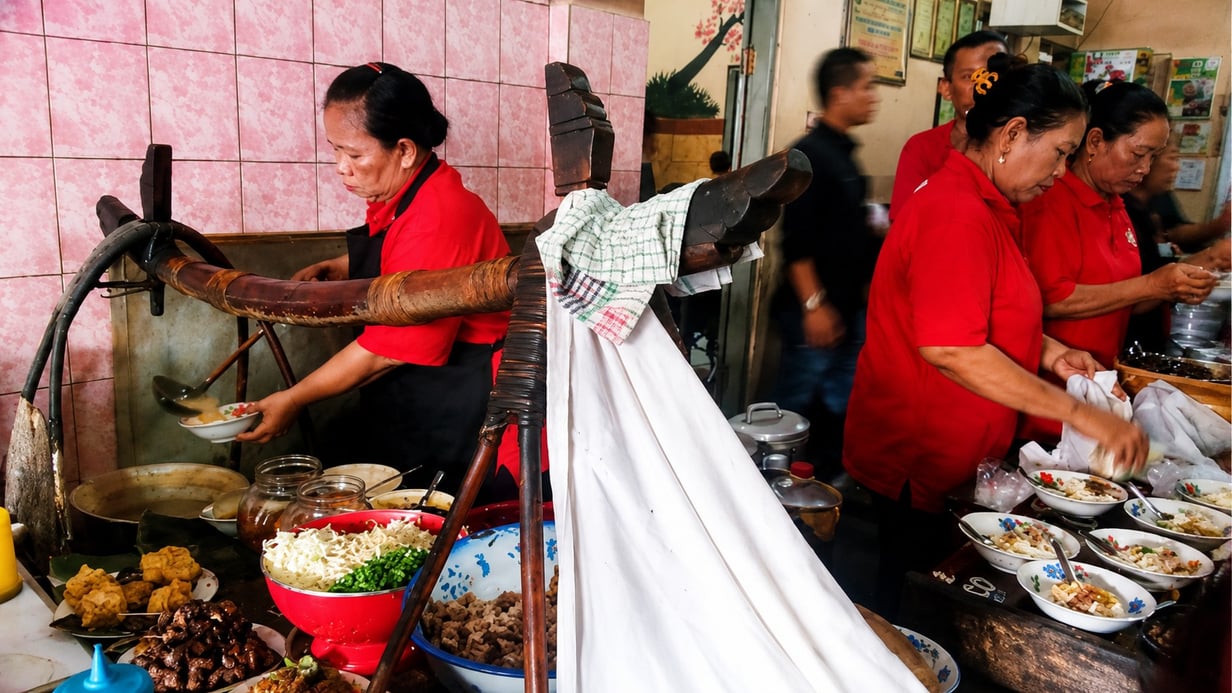
Soto Kudus Bu Djatmi is widely regarded as a legendary culinary destination in Kudus Regency. According to Adi, son of the founder, the business was established in early 1983 and has since grown into a staple for food enthusiasts. Adi noted that the enterprise began with his mother’s experience assisting other soto vendors. After marrying, his parents decided to strike out on their own, eventually founding what is now known as Soto Kudus Bu Djatmi.

In the early years, the couple divided their roles simply: his mother managed the cooking and general operations, while his father handled kitchen tasks and deliveries. This foundational effort helped the business expand and earn a reputation among patrons from across the region.
Jl. Kyai H. Wahid Hasyim No.43, Magersari, Panjunan, Kec. Kota Kudus, Kabupaten Kudus, Jawa Tengah 59317, Indonesia
Adi emphasized that the recipes used today remain unchanged, honoring the heritage passed down by his parents from previous generations. Maintaining the integrity of the recipe is essential, as the customer base has grown accustomed to the authentic taste.
“We maintain the exact composition of the recipe and are careful not to reduce ingredients because our customers are familiar with the specific flavor,” Adi stated regarding their commitment to quality.
When the business first launched, the menu featured only chicken soup made with free-range chicken. Over time, however, the family noticed a strong demand for buffalo meat soup among the local Kudus community.
Recognizing this market preference, the family introduced buffalo soup as an additional option. The new dish was well-received by patrons, broadening the appeal of Soto Kudus Bu Djatmi.
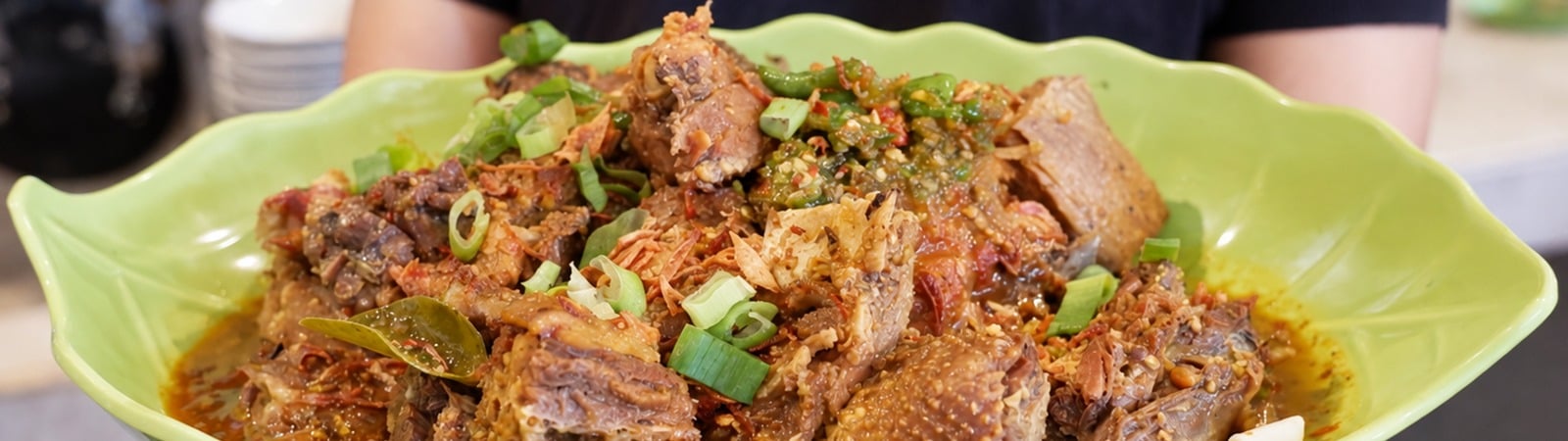
Today, the buffalo soup remains one of the shop's most signature dishes. While chicken soup is still available, the buffalo version is considered the most authentic and an essential part of the Soto Kudus culinary identity.
The use of buffalo meat in Soto Kudus is deeply rooted in local tradition. According to folklore passed down through generations, the practice dates back to the teachings of Sunan Kudus, who encouraged the community to abstain from slaughtering cows as a gesture of respect toward Hindus at the time. This tradition has cemented buffalo meat soup as a culinary heritage that reflects the cultural synthesis and tolerance fostered in Kudus over centuries.
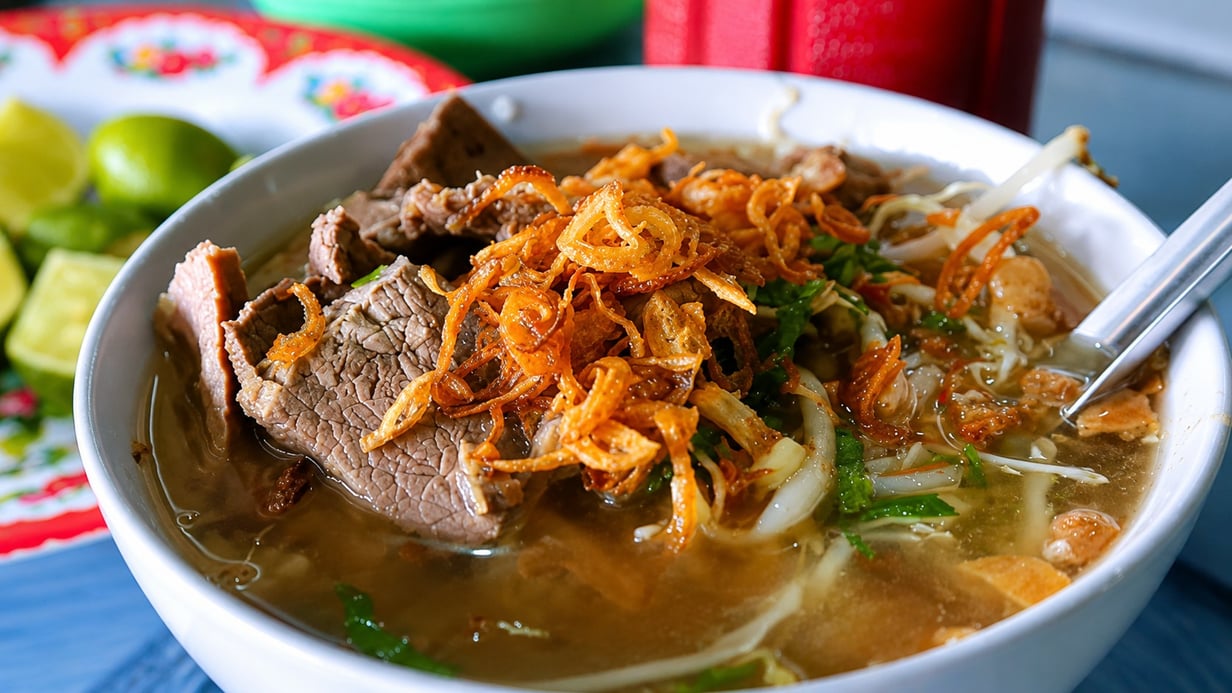
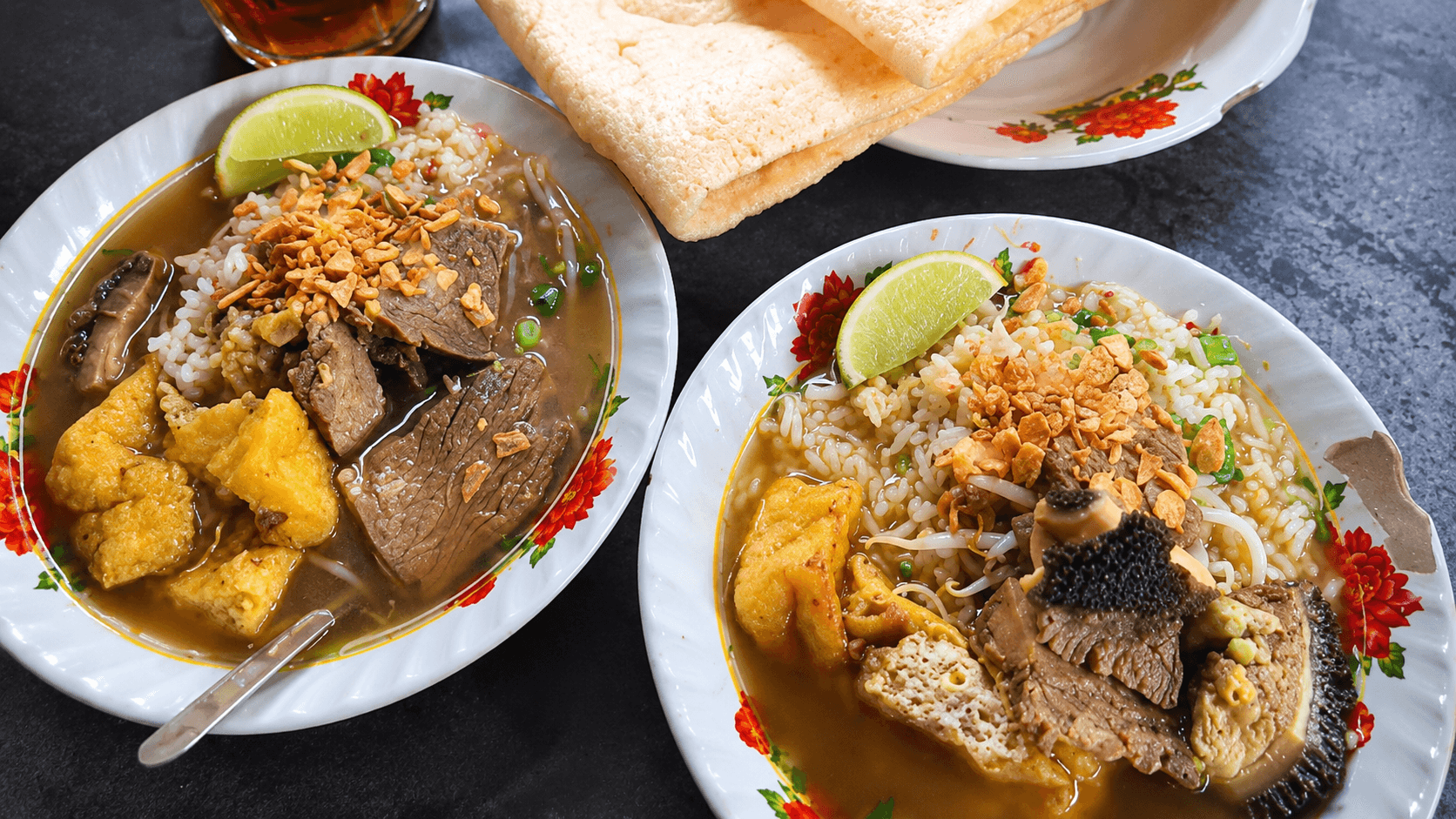
A defining characteristic of Soto Kudus Bu Djatmi is its clear, light broth. Free from coconut milk or heavy turmeric, the soup retains a clean, translucent appearance.
The broth is seasoned with a blend of spices, resulting in a fragrant aroma. Furthermore, the combination of sweet and savory notes characteristic of Central Javanese cuisine defines the flavor profile familiar to regular customers.
Patrons can choose between chicken or buffalo meat. For the buffalo version, the meat is carefully prepared to ensure a tender texture.
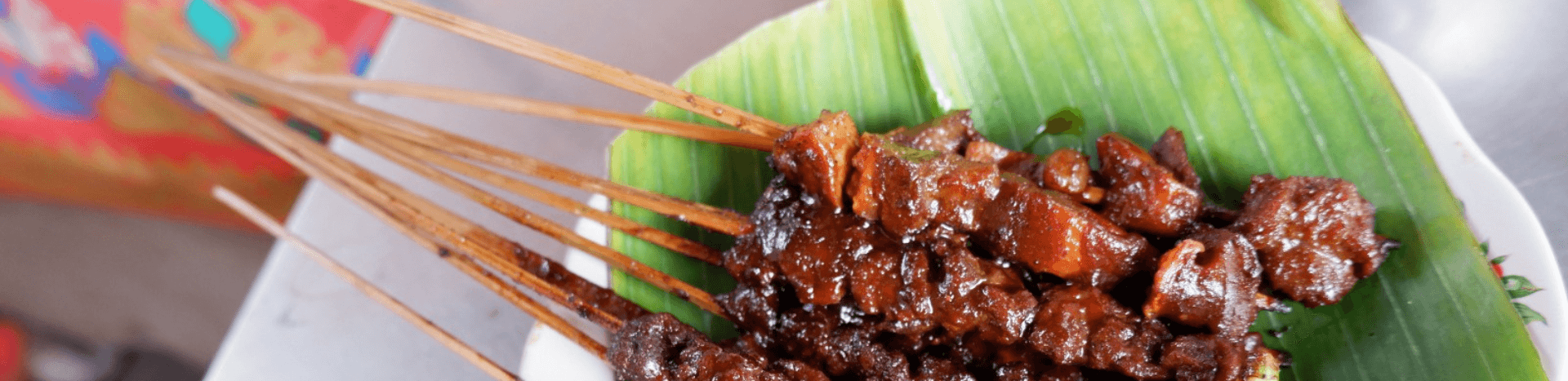
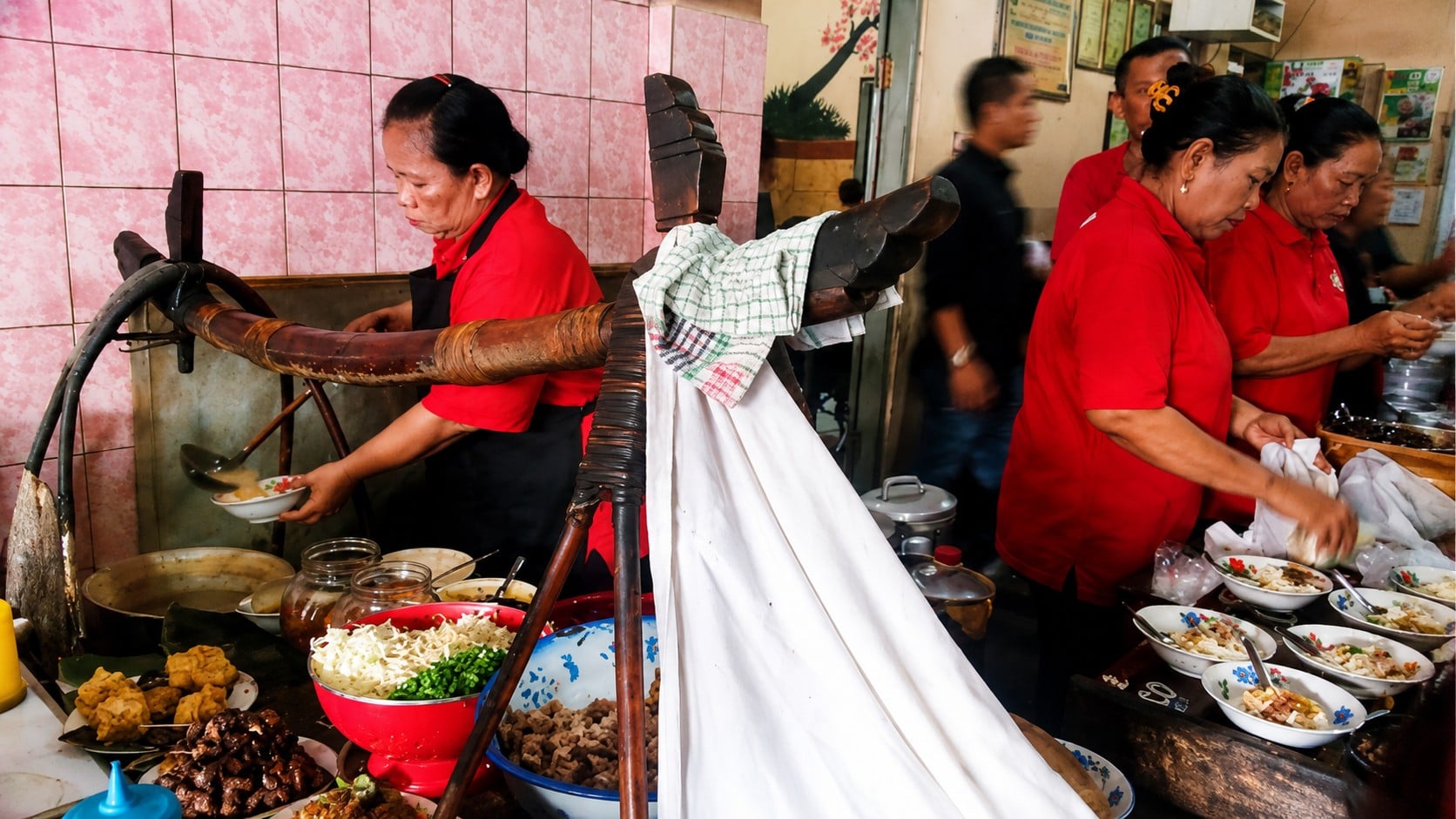
In addition to the main course, diners can enjoy an assortment of traditional side dishes typically served with Soto Kudus, such as lung satay, quail egg satay, potato fritters, offal, and crackers.
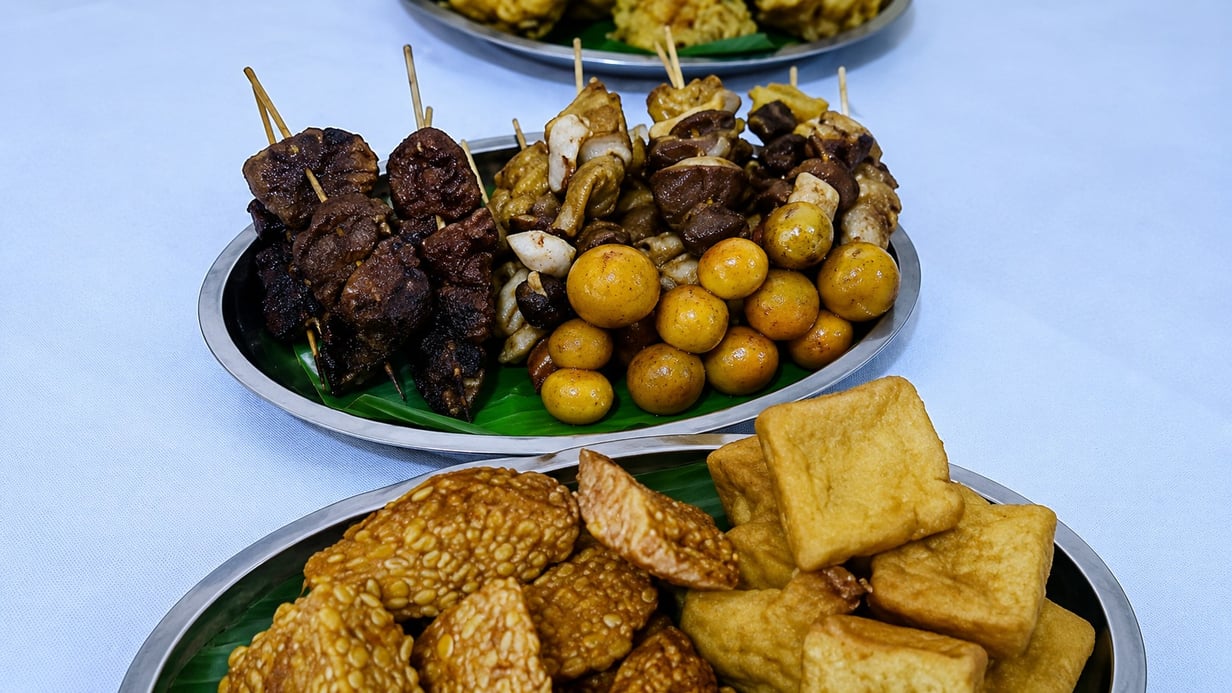
Lung satay is a popular complement to Soto Kudus Bu Djatmi, known for its savory flavor and tender texture.
Despite its widespread popularity, the family has opted not to expand the menu significantly. Adi explained that this decision was made to minimize potential food waste.
Consequently, the shop focuses on maintaining the staples already familiar to its customers. While some specialized dishes, such as buffalo pindang, can be prepared upon request, they are not part of the regular daily menu.
According to Adi, the decision also took into account other family members who sell pindang dishes, ensuring each business maintains its own distinct focus.

Over its years of operation, Soto Kudus Bu Djatmi has hosted visitors from all walks of life. Adi noted several public figures who have frequented the establishment.
The family has preserved a collection of photographs documenting various guests, serving as a visual history of the business's decades-long journey.
Beyond hosting high-profile guests, the eatery is well-known for its high foot traffic, particularly during breakfast hours.
The shop’s building, which retains its antique and authentic charm, remains an integral part of the dining experience offered to patrons.
Customer visits to Soto Kudus Bu Djatmi are also influenced by local activities in Kudus, including major sporting events.
According to Adi, large-scale sporting events draw visitors from across the region. He noted instances where guests traveled from as far as Kalimantan to attend specific competitions.
This influx of visitors has a direct effect on business activity. Adi reported that sales can surge four to five times during major sporting events hosted in the area.
This trend highlights how local events in Kudus significantly influence visitor rates at this long-standing culinary destination.
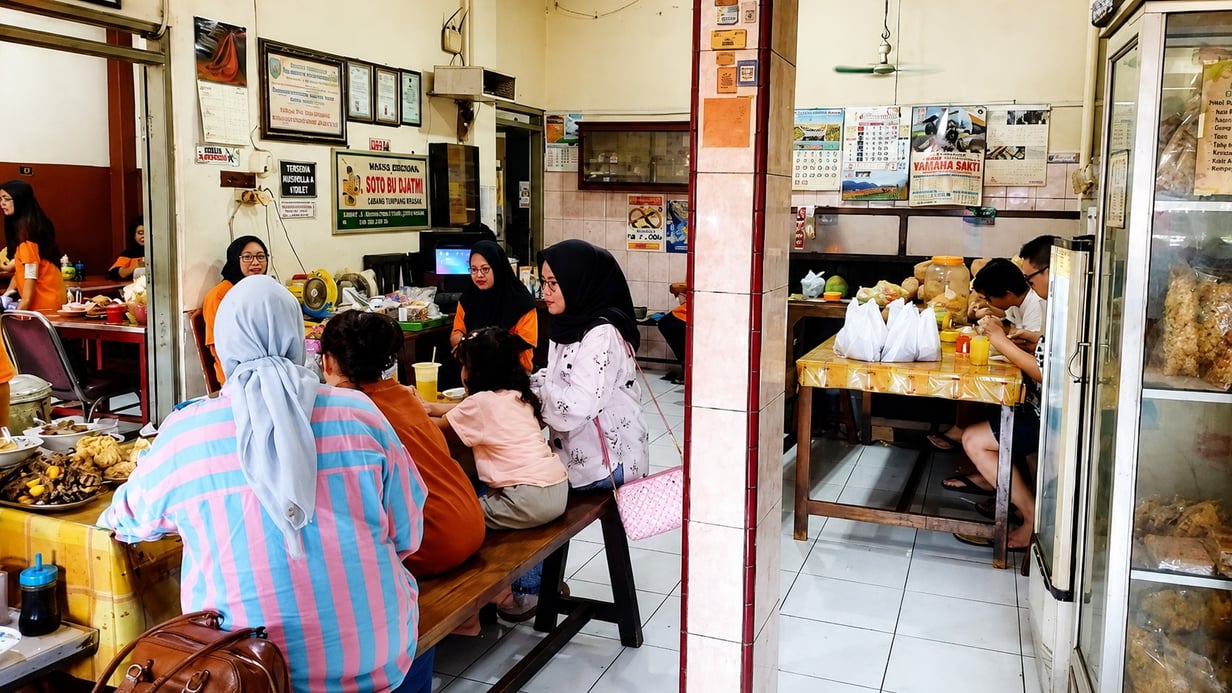
Beyond the family's history, customer experiences are a vital part of the story behind Soto Kudus Bu Djatmi.
A regular patron named Reza said he has visited the restaurant more than ten times, typically stopping by once a month.
Reza favors the chicken soto, noting that he avoids red meat. He continues to return because the flavor profile perfectly suits his palate.
Reza added that a standout feature of the soto at this shop is the unique and distinctive use of spices.
A similar sentiment was shared by Yoga Setiawan, who stopped for lunch with his wife and two children while traveling home to Kudus. Despite not yet reaching their final destination, the family decided to break their journey for a meal.

Yoga, who resides in Bandung, said that water buffalo soto is a must-have dish whenever he visits Kudus, noting that the local delicacy is not readily available in Bandung.
Meanwhile, his children preferred the chicken-based option. Beyond the soup, the family enjoyed several side dishes, including satay, eggs, and offal.
Soto Kudus Bu Djatmi continues to operate daily from 7:00 AM to 10:00 PM WIB. In addition to its main location on Jalan KH Wahid Hasyim No. 43, the eatery has a branch on Jalan Jenderal Sudirman, Kudus, and another reportedly located at the Kudus–Pati KM 2 area.
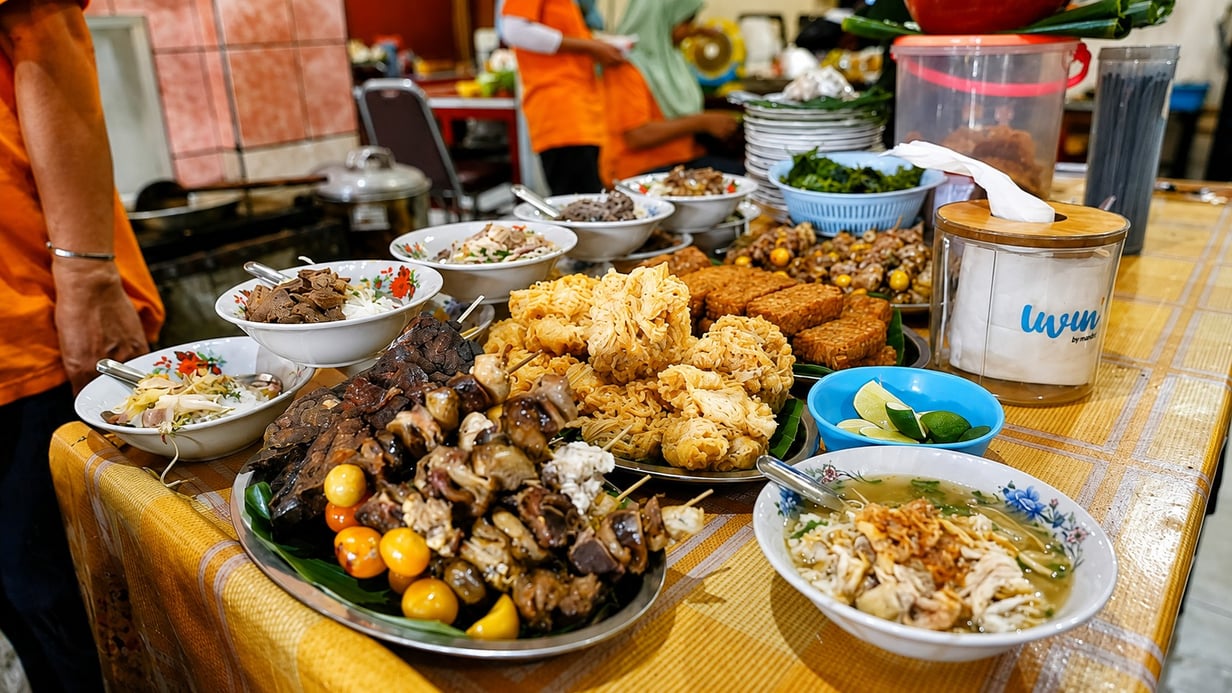
Pricing starts at Rp15,000 per portion for chicken soto and Rp16,000 for buffalo soto.
The menu offers a variety of sides, including rice (Rp9,000), lung satay (Rp13,000), intestine satay (Rp6,000), salted intestine satay (Rp6,000), offal satay (Rp6,000), and quail egg satay (Rp6,000). Diners may also add tofu and tempeh at Rp3,500 each, or potato fritters for Rp7,000.
For those favoring poultry and offal, chicken heads and wings are available for Rp8,500 each, alongside beef brain (Rp21,000) and chicken feet (Rp24,000). Fried bananas are also available as a snack for Rp9,000 per portion.
The family remains committed to preserving their ancestral recipes. Adi expressed his hope that these generational culinary traditions will continue to be maintained and passed down to future generations.
For many, Soto Kudus Bu Djatmi is more than just a restaurant; it is an essential part of the Kudus experience. Yoga Setiawan urged visitors to ensure they stop by for a bowl, noting the dish’s memorable and distinct flavor.
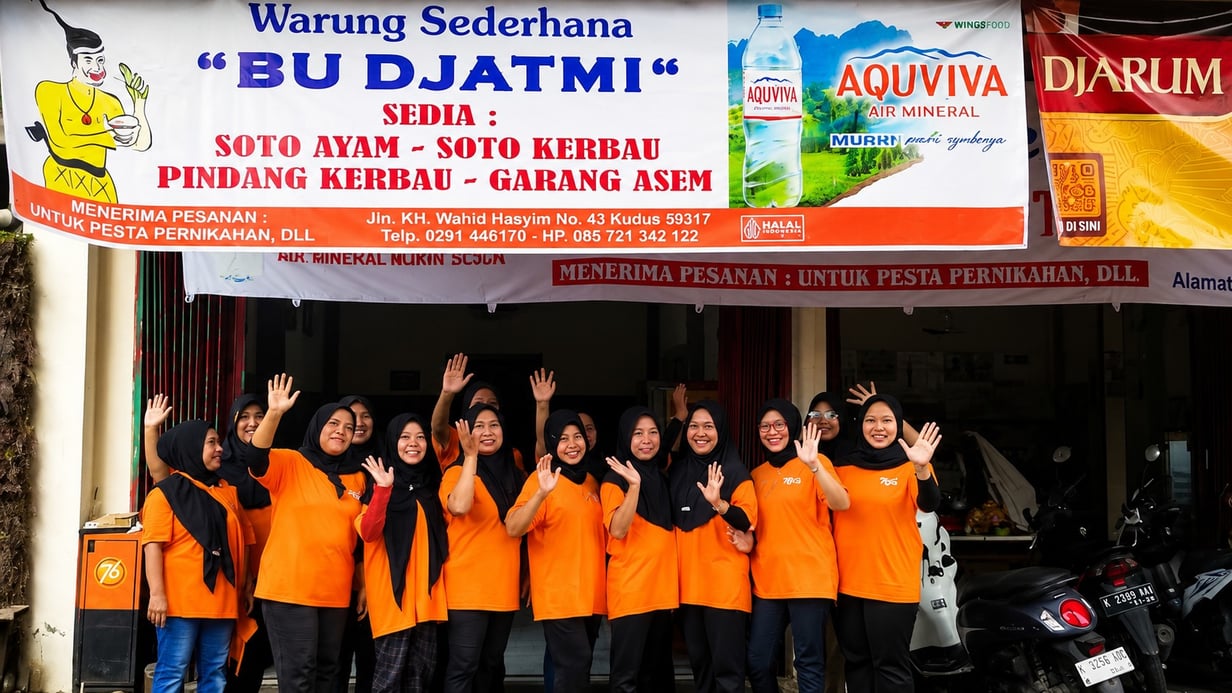
By maintaining its traditional family recipe, continuing to feature its signature chicken and buffalo soto, and enjoying steady patronage, Soto Kudus Bu Djatmi remains an enduring staple of the local culinary scene in Kudus. (sns/mkk)