KUDUS – After exploring various tourist destinations, travelers typically conclude their trips with one familiar ritual: purchasing souvenirs. In Kudus, that choice almost invariably leads to jenang, a sweet delicacy that has long defined the city's identity.
However, a different experience awaits visitors at the Jenang and Gusjigang Museum, located within the Mubarokfood Cipta Delicia complex at Jalan Sunan Muria No. 33A, Kudus. This public museum, inaugurated on May 24, 2017, as part of the Mubarok Business and Culture Center (MSBB) and managed by CV Mubarokfood Cipta Delicia, is open daily from 7:00 a.m. to 9:00 p.m. WIB with an admission fee of IDR 15,000 per person. Far beyond a simple souvenir shop, the museum invites guests to explore the history of jenang, understand the Gusjigang philosophy, and learn about the cultural evolution and societal life of Kudus passed down through generations.
The museum, inaugurated on May 24, 2017, as part of the Mubarok Business and Culture Center (MSBB), is managed by CV Mubarokfood Cipta Delicia. It serves as an educational space that weaves together the history of jenang, the development of Kudus City, and the philosophy of Gusjigang into a cohesive narrative. Interestingly, this journey does not begin in the exhibition hall.
Upon entering the museum, visitors are first greeted by a showroom filled with various products characteristic of Kudus. Glass shelves display multiple varieties of jenang, ranging from traditional flavors to innovative creations like jenang brownies, jenang chocolate, and other assorted snacks.
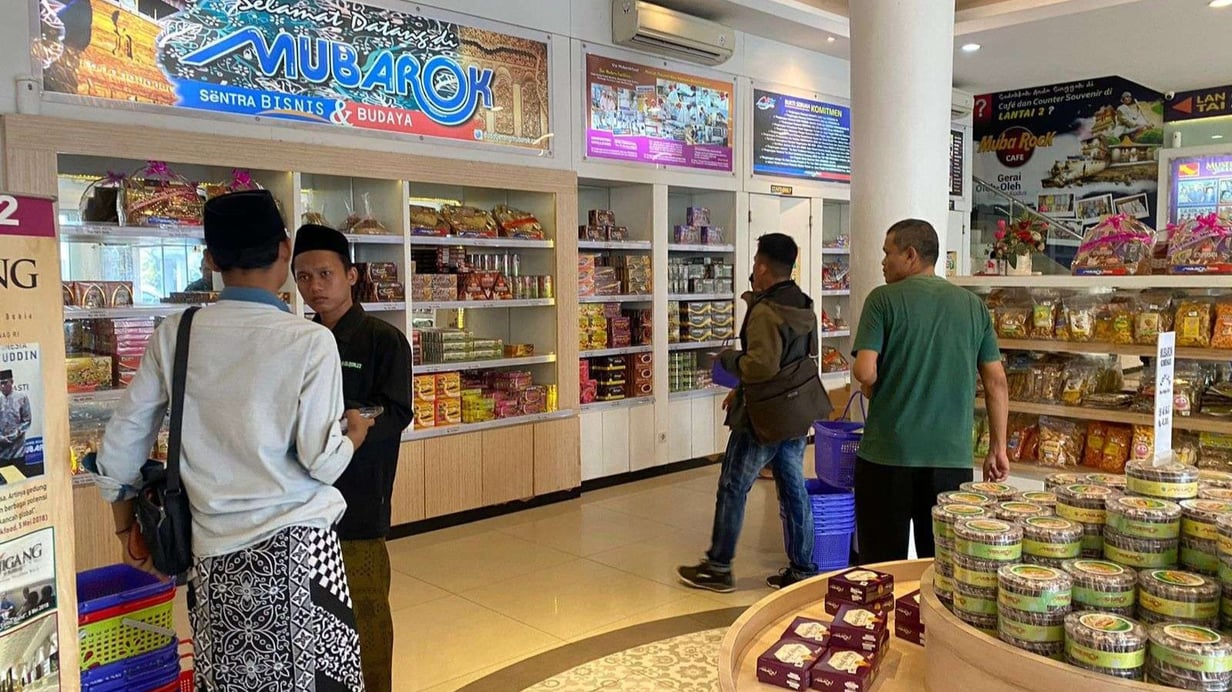
The atmosphere mirrors a modern souvenir center. For first-time visitors, the space may easily create the impression that the visit ends after selecting a few boxes of jenang to bring home.
Jl. Sunan Muria No.33, Glantengan, Kec. Kota Kudus, Kabupaten Kudus, Jawa Tengah 59313, Indonesia
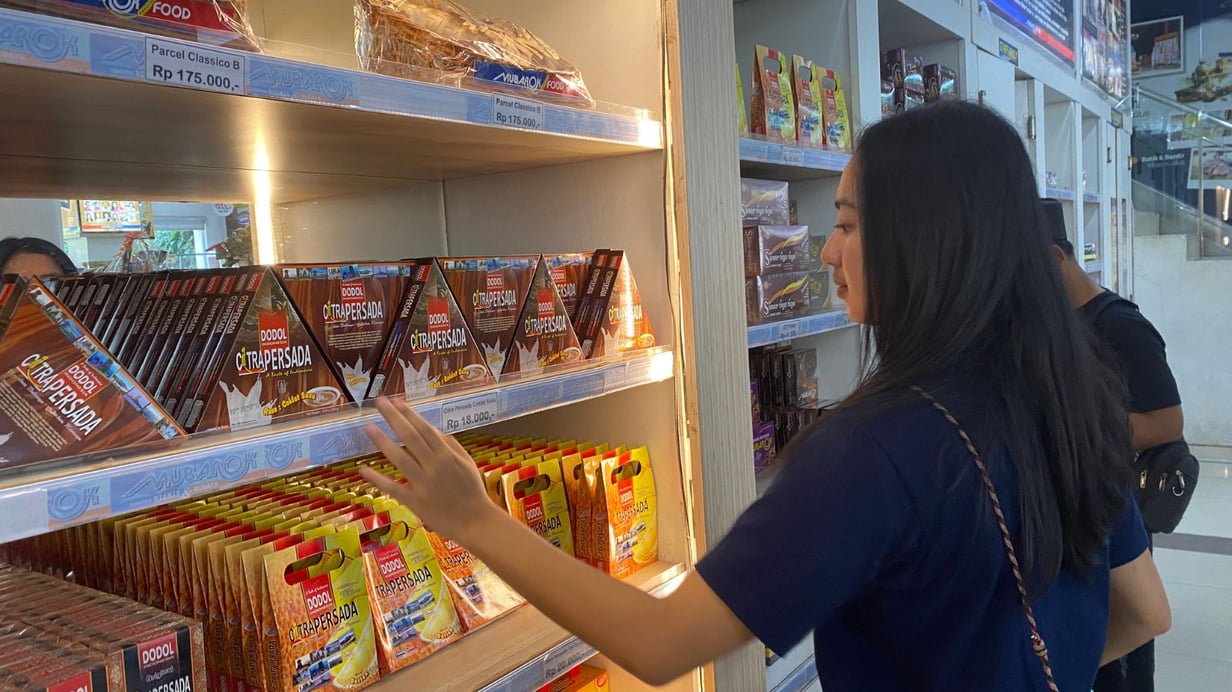
In reality, that room is merely an introduction. The true journey begins as visitors ascend to the second floor. There, the Jenang and Gusjigang Museum unfolds a deeper story, inviting everyone to understand that jenang is not merely a traditional food, but a vital chapter in the region’s historical narrative.
This concept was intentionally designed. The ground-floor showroom serves as a link between a living product within the community and the museum upstairs, which explains the historical, cultural, and values-based roots behind it.
Ultimately, the act of buying souvenirs becomes a gateway to gaining a deeper understanding of Kudus.
The museum’s origins are inseparable from the long journey of Jenang Mubarok. The company began as a home industry in 1910 and has continued to expand for more than a century. Upon reaching its 100th anniversary, the idea emerged to create a space that would not only preserve the company's history but also encapsulate the cultural journey of the Kudus community.
That vision was realized through the Jenang and Gusjigang Museum, which opened to the public in 2017. The museum documents the evolution of jenang over time while providing insights into the history of Islamization, local traditions, commerce, and the development of Kudus.
For Muhammad Fawwaz Daffa, the fourth-generation leader of Jenang Mubarokfood Cipta Delicia, the museum was never intended to be merely a culinary showcase.
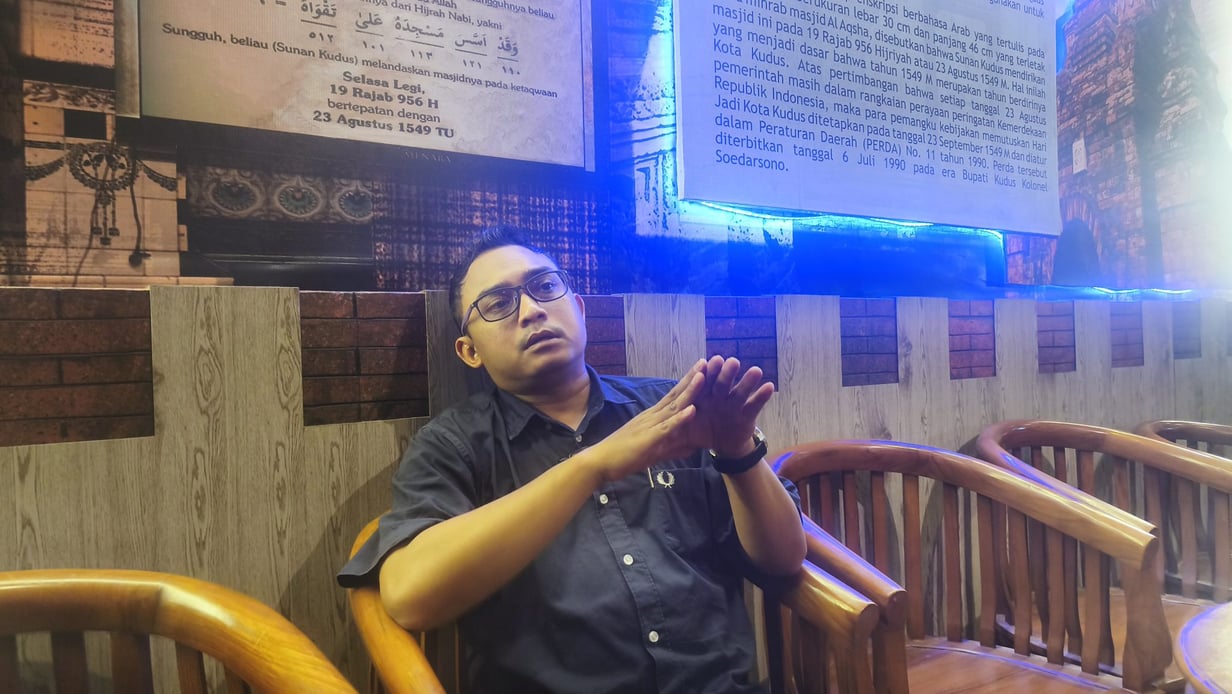
"The concept of the Jenang and Gusjigang Museum is to represent the cultural acculturation of historical Kudus. It explores the history of Jenang Kudus Mubarok, how Sheikh Ja'far Shadiq or Sunan Kudus spread Islam, and literature related to the culture and history of Islamization in and around Kudus," Daffa said.
This statement is key to understanding the museum's purpose. While the name "Jenang Museum" is displayed at the entrance, visitors quickly discover that the galleries tell a much broader story about the identity of Kudus.
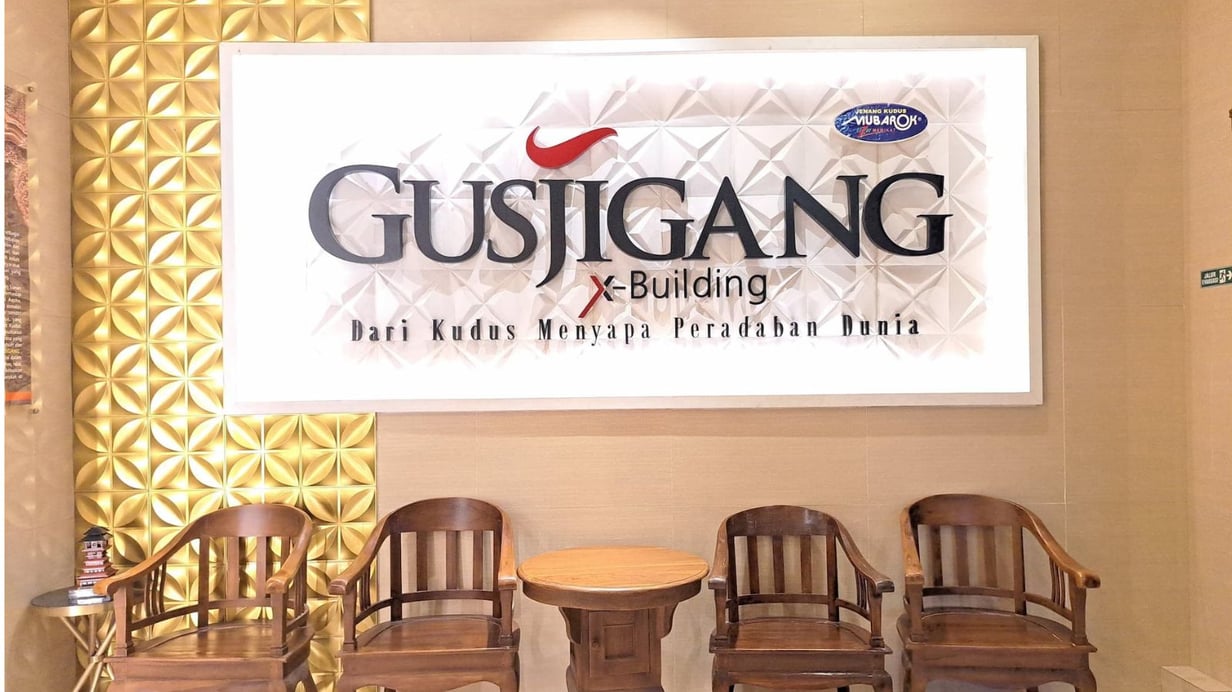
A common question from visitors is why the museum combines jenang and Gusjigang in its title.
The answer lies in their deep connection to the life of the Kudus community.
Gusjigang is a philosophy passed down by Sunan Kudus. "Gus" signifies having good character, "Ji" denotes religious proficiency, and "Gang" refers to skill in trading. These three values have served as guidelines shaping the character of Kudus residents to this day.
According to Daffa, Sunan Kudus taught that religious life is inseparable from the spirit of hard work and entrepreneurship. These values evolved alongside the city, which has long been known as a trading hub.
It is within this context that jenang finds its place.
Jenang is more than just a signature food sold as a souvenir. It was born from the trade traditions of the Kudus community, grew alongside the city's economic pulse, and became part of an identity passed down from one generation to the next.
The museum weaves the history of trade, the evolution of jenang, and the Gusjigang philosophy into a cohesive narrative. Visitors are not only introduced to Kudus' signature products but also gain an understanding of the values that shaped them.
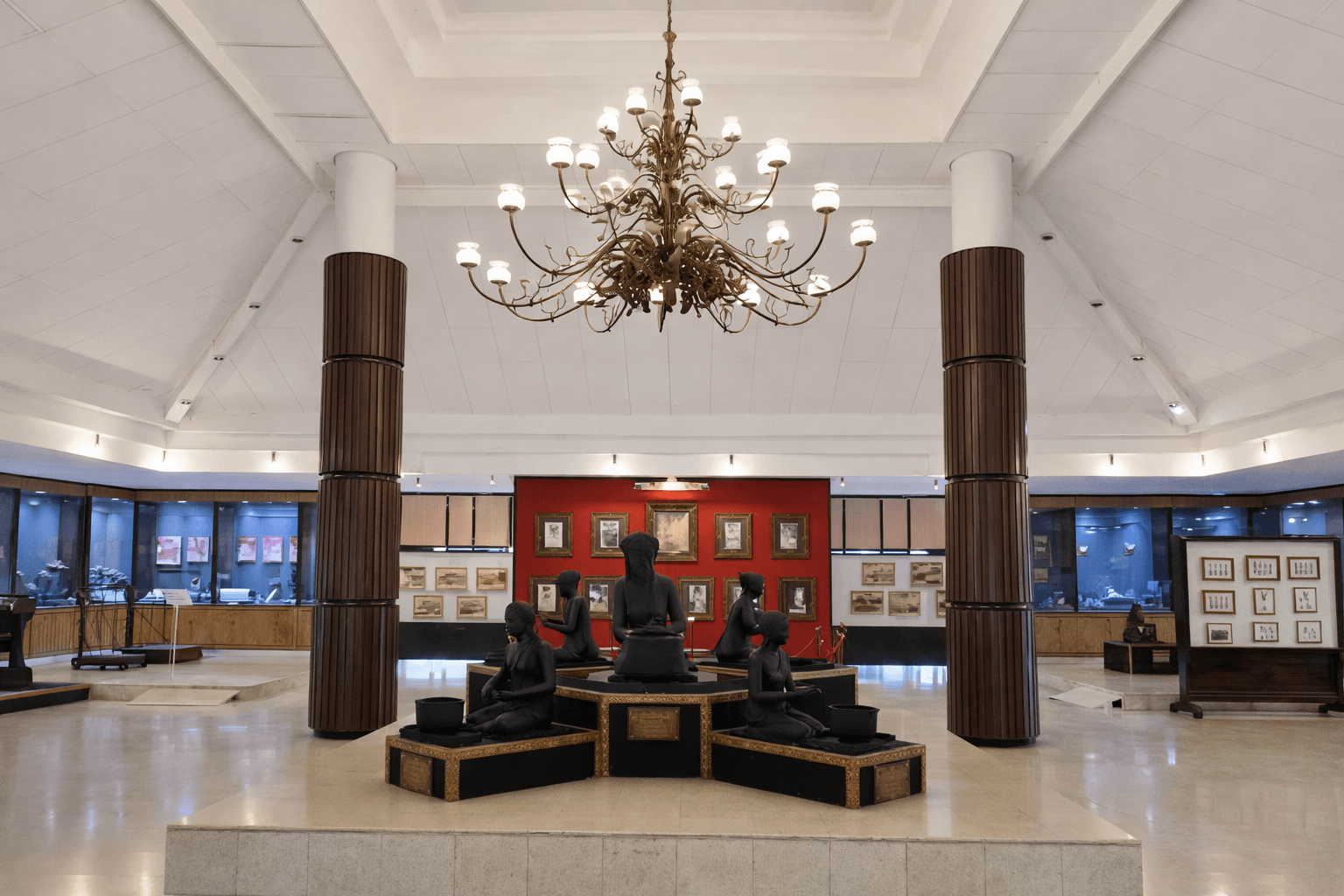
Entering the next exhibition hall, the atmosphere shifts. Various collections take visitors on a journey through the long history of Kudus City.
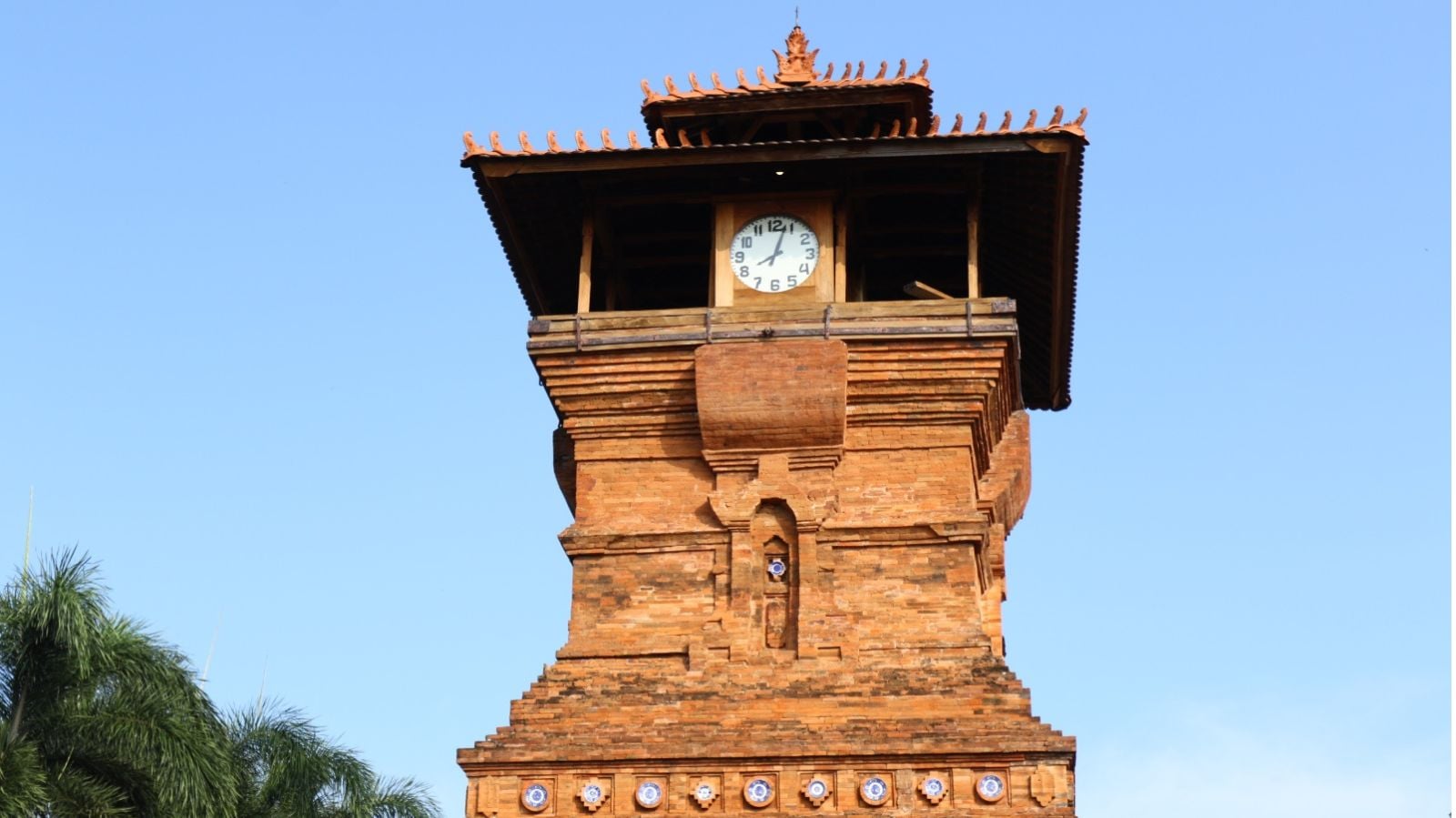
A miniature of the Menara Kudus greets visitors in one corner of the room. Nearby, a scale model of the Menara Kudus area helps visitors visualize the development of this historic district over time.
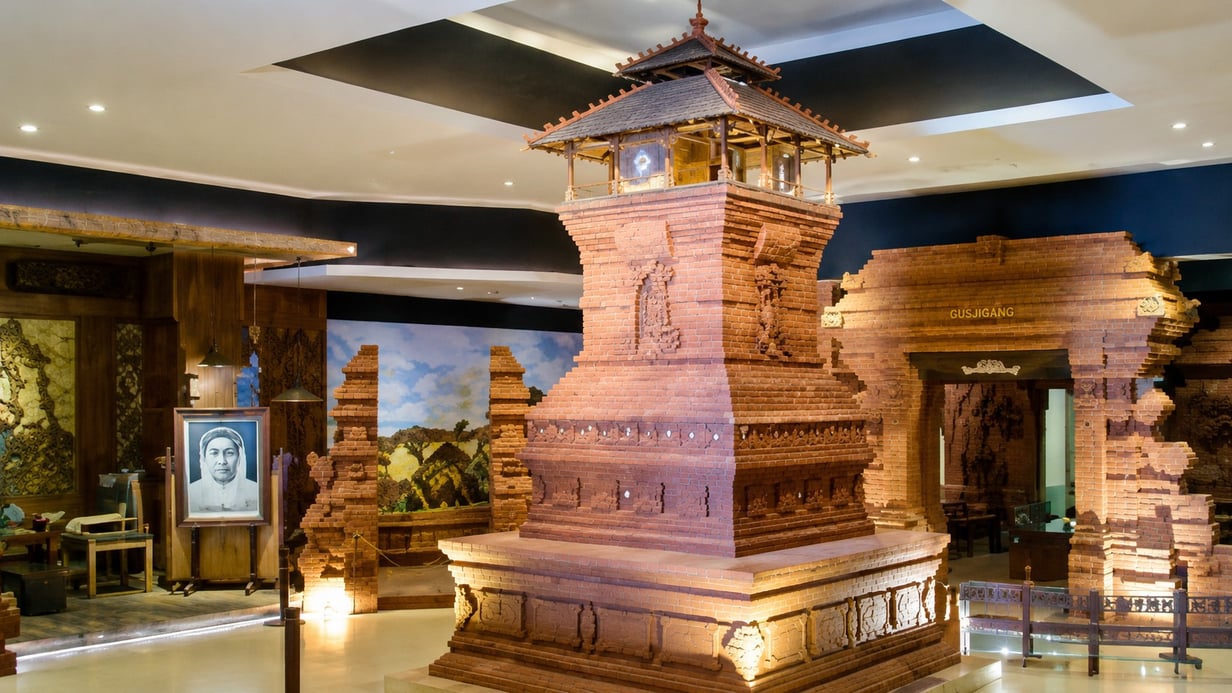
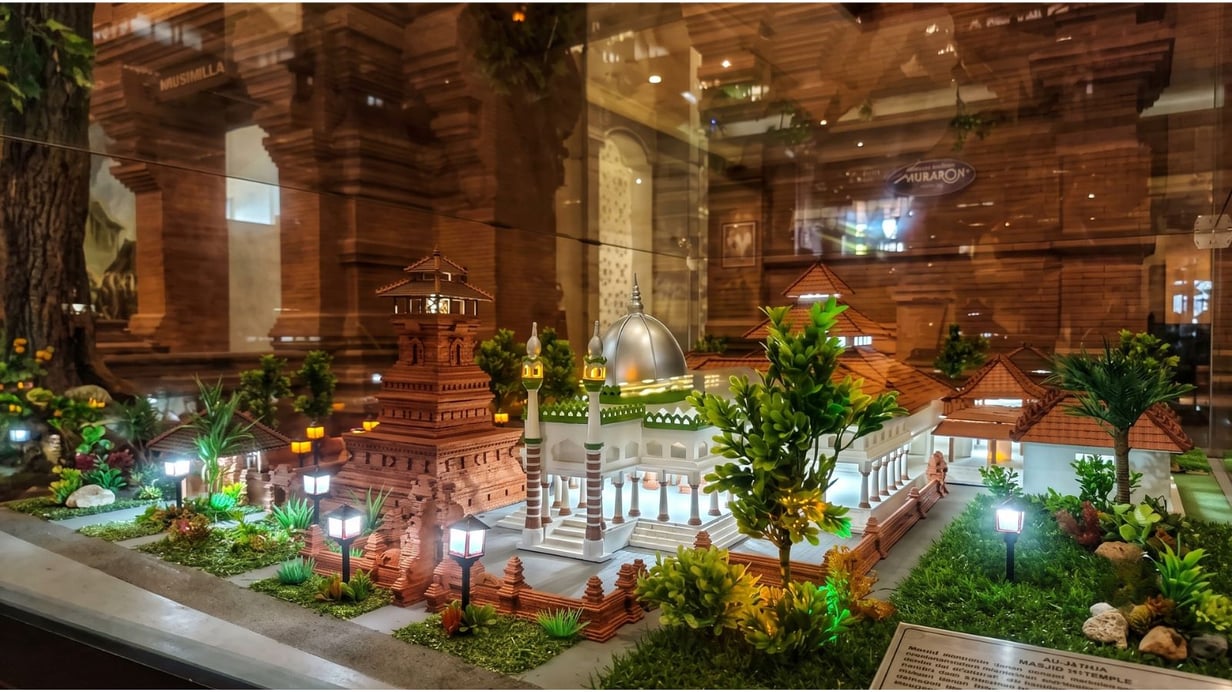
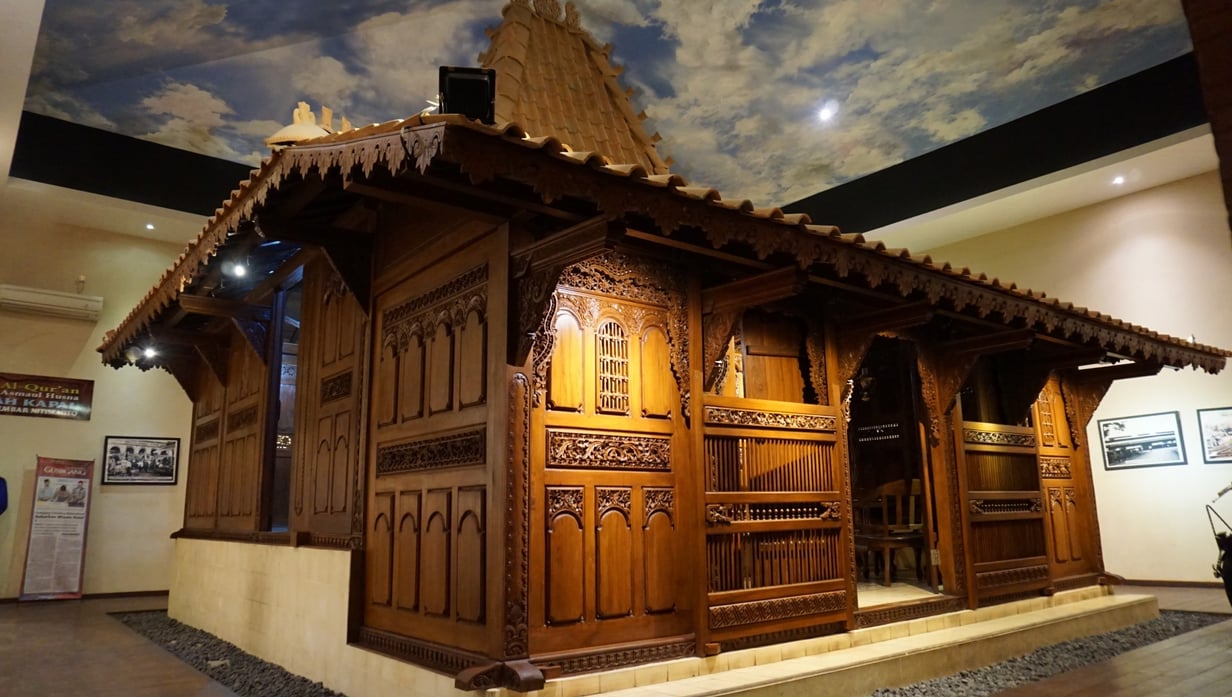
The tour continues toward the Joglo Pencu house, a traditional residence that remains a symbol of Kudus' cultural identity. Nearby, photographs of historical Kudus illustrate the city’s transformation, documenting its streets, architecture, and daily community life of the era.
The museum also features various traditional toys once common in the lives of Indonesian children. Their presence serves as a reminder that the changing times have altered not only technology but also the way people go about their daily lives.
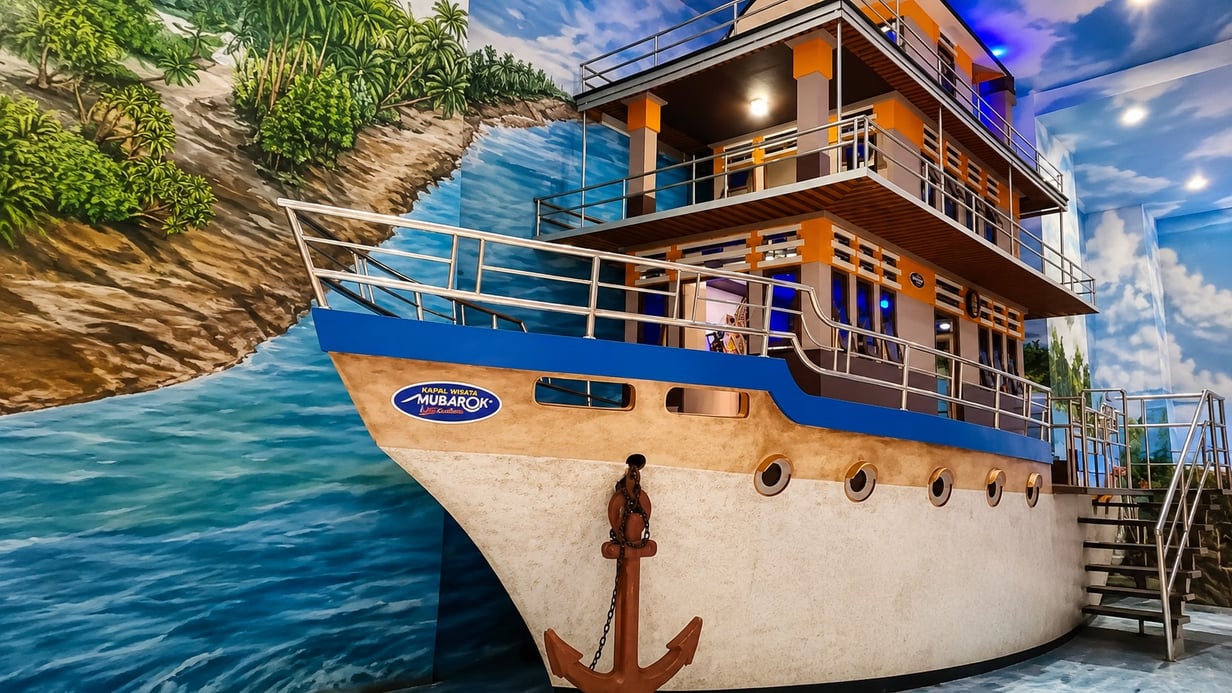
Elsewhere, visitors' attention is often drawn to the ship-shaped house owned by Kyai Jamhari. Its nautical design symbolizes the Hajj pilgrimage during an era when travelers endured months at sea to reach the Holy Land.
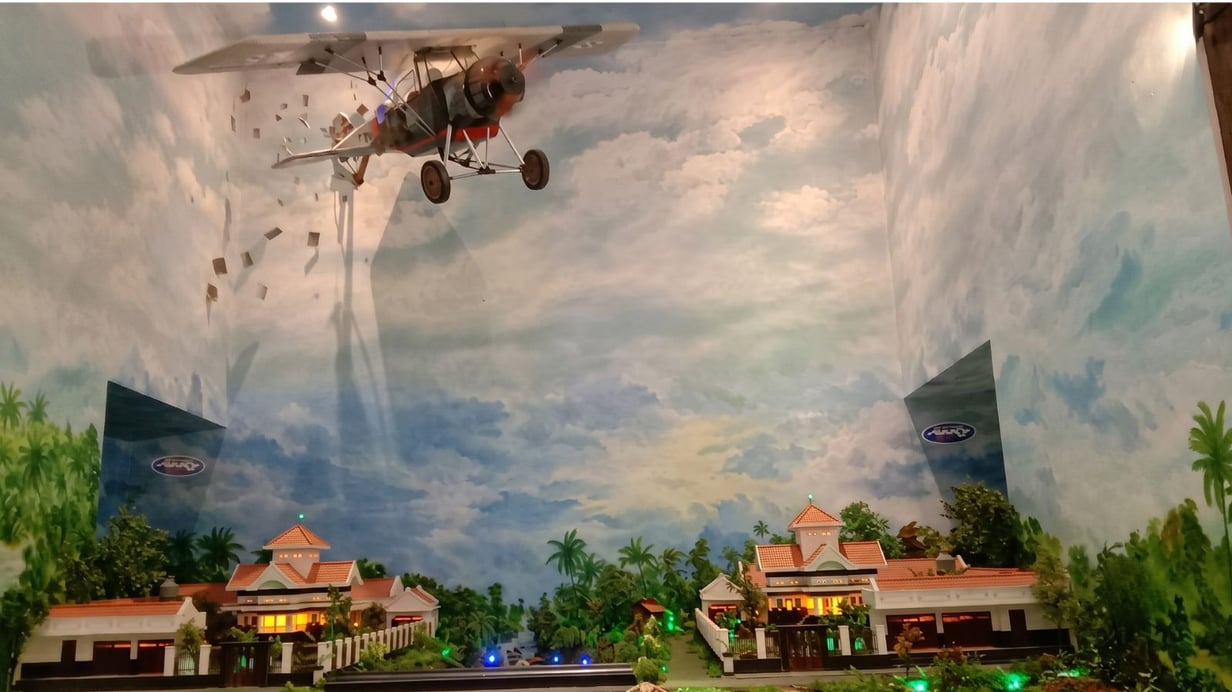
Nearby stands a replica of the Fokker aircraft once owned by the late Nitisemito, which was used to distribute promotional pamphlets for Bal Tiga cigarettes. This exhibit highlights how the development of the kretek industry helped shape the economic history of Kudus.
Each item in the collection tells its own story. When viewed in sequence, they provide a cohesive overview of the cultural, commercial, religious, and social evolution of Kudus over the centuries.
Among the various galleries chronicling the history of Kudus, jenang remains the heart of the museum’s narrative. It is not merely because this treat is the city's most iconic souvenir, but because a single piece of jenang embodies a history of hard work, perseverance, and the evolution of an industry that has grown alongside its community.
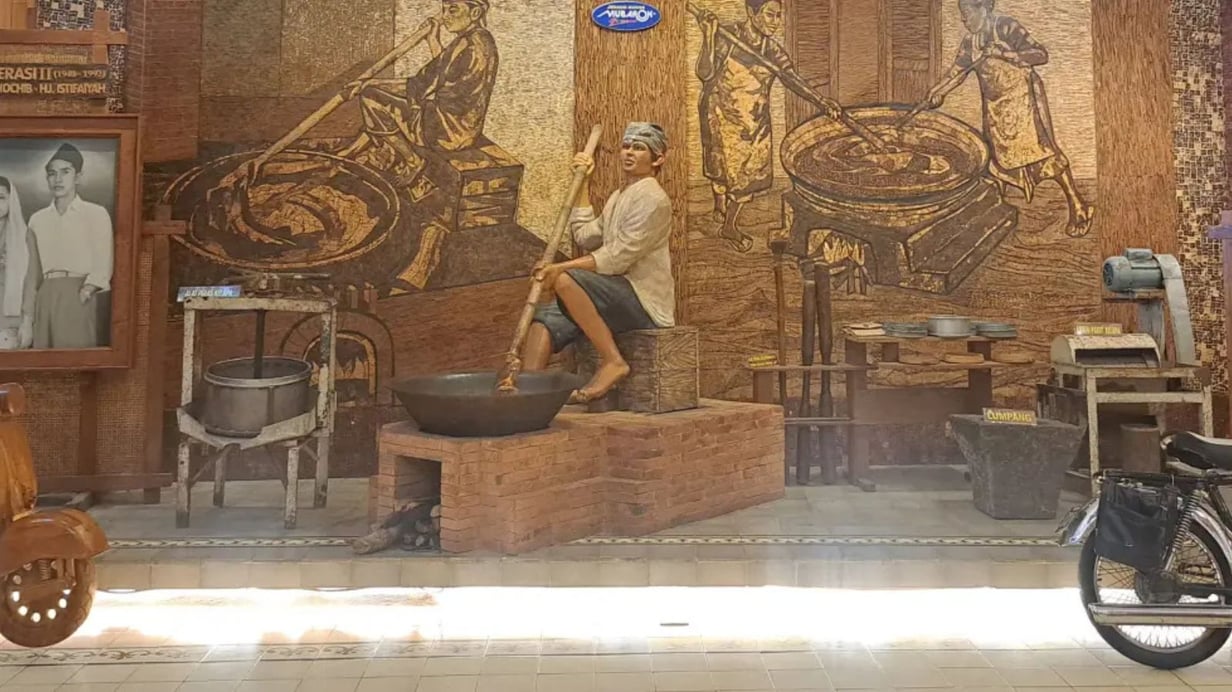
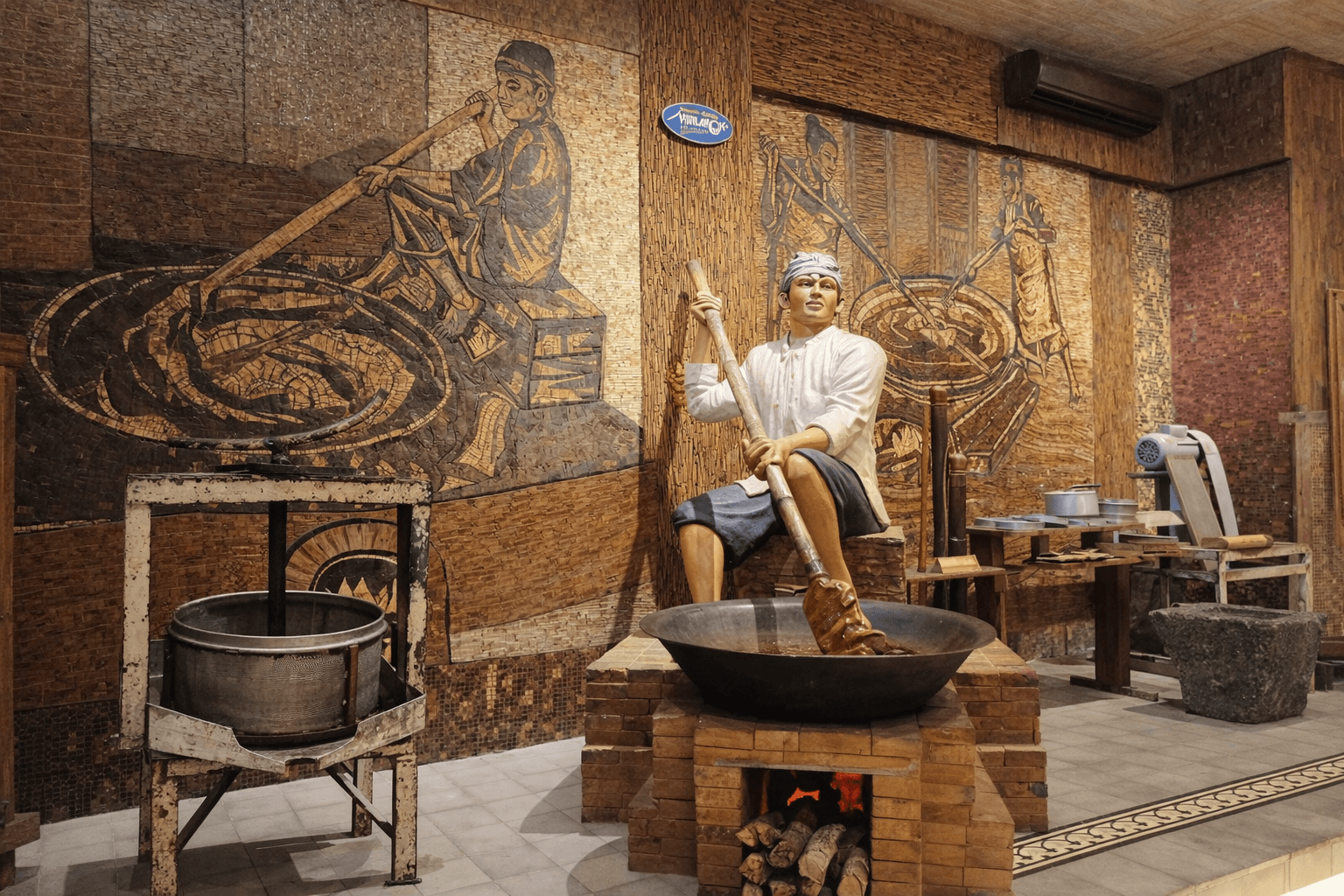
The journey begins in a space displaying the primary ingredients used to make jenang. Sugar, flour, coconut milk, and various cooking implements are arranged alongside the traditional stoves used by early generations of makers. Conversely, modern production machinery demonstrates how manufacturing has evolved with technology without compromising the traditional flavors passed down through generations.
For visitors, this exhibit emphasizes that making jenang is more than just mixing ingredients into a confection. It involves a rigorous process, precision in handling the mixture, significant physical effort, and the patience required at every stage of production.
"At the first spot past the museum entrance, visitors can see the raw ingredients, traditional stoves, and modern machinery. From there, they learn that creating delicious jenang is a truly extraordinary process," said Muhammad Fawwaz Daffa.
The transformation of production processes underscores the jenang industry’s ability to adapt to changing times. Changes are evident not only in the use of modernized equipment but also in packaging and product diversification. Nevertheless, the museum illustrates that the core values remain intact, preserving the quality and flavor passed down through generations.
For the people of Kudus, jenang is no longer merely a signature delicacy. It is a vital part of the city’s historical narrative, having grown alongside its local commercial activities. It is little wonder that many consider a trip to Kudus incomplete without purchasing jenang as a souvenir.
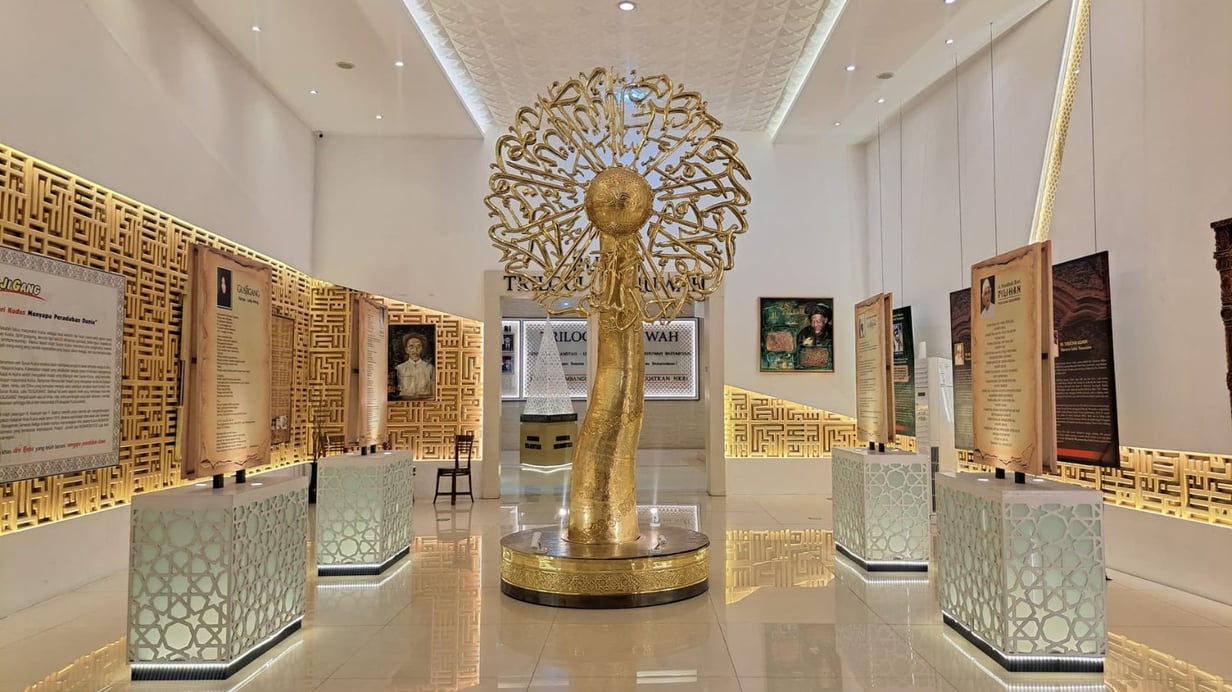
The journey continues into a gallery offering a distinct experience. While previous sections highlight industrial history and development, the Ukhuwah Trilogy Room invites visitors to reflect on the values that anchor communal life.
This room details three forms of fraternity that serve as the primary message. First, ukhuwah Islamiyah, or brotherhood among Muslims. Second, ukhuwah wathaniyah, representing national unity as fellow Indonesians living in diversity. Third, ukhuwah basyariyah, which signifies universal human brotherhood, transcending religious, ethnic, and cultural backgrounds.
Through this exhibit, the museum demonstrates that a city’s history is defined not only by its architecture or artifacts, but also by the living values that must be preserved for future generations.
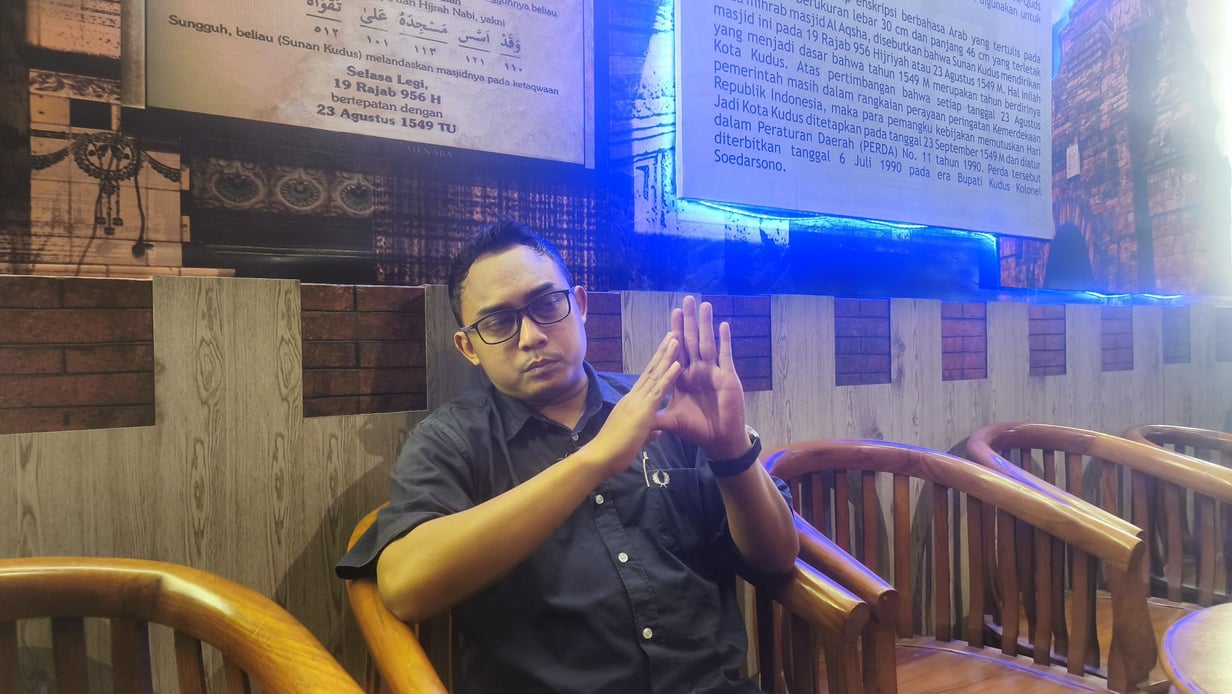
“The Ukhuwah Trilogy Room represents diversity within unity, specifically Indonesia and humanity as a whole,” said Daffa.
This message of tolerance complements the Gusjigang philosophy introduced to visitors earlier. Good character, diligence in religious study, and dedicated work are presented as values that go hand-in-hand with a spirit of mutual respect.
A religious atmosphere permeates another section of the museum, which houses a collection featuring a jumbo-sized Quran, manuscripts inscribed on palm leaves, sacred verses carved into wood, and the Asmaul Husna—all displayed for educational purposes.
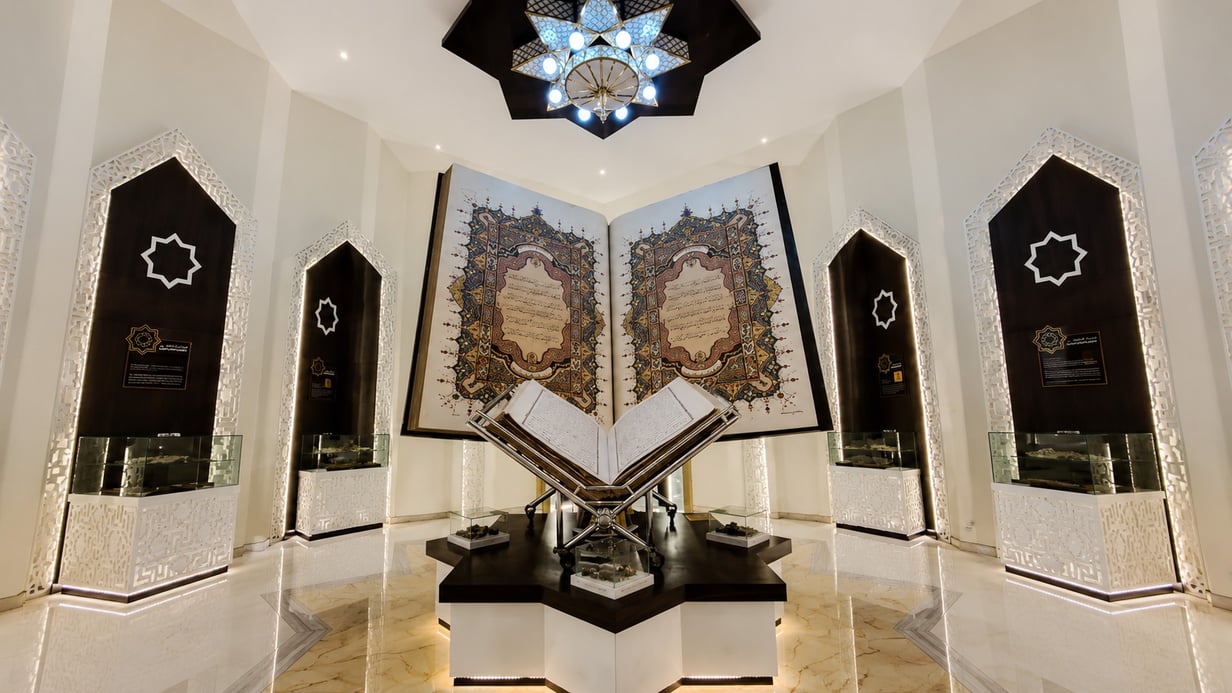
These collections underscore that the Gusjigang philosophy extends beyond mere commerce, illustrating the museum’s intent to show that worldly life and spirituality are complementary.
"We hope visitors do not lose sight of their spiritual responsibilities while navigating their worldly pursuits," said Daffa.
This message remains consistent throughout the museum experience. From exhibits on trade and history to culture, everything ultimately points back to the values that have long defined the life of the Kudus community.
The museum attracts more than just history enthusiasts. In recent years, the increase in national-scale events held in Kudus has drawn new visitors who take the opportunity to learn about the city through its museums.
One such example involved two young archers from Balikpapan, East Kalimantan, who visited the Jenang and Gusjigang Museum during an archery championship held at the Supersoccer Arena in Kudus, Central Java.
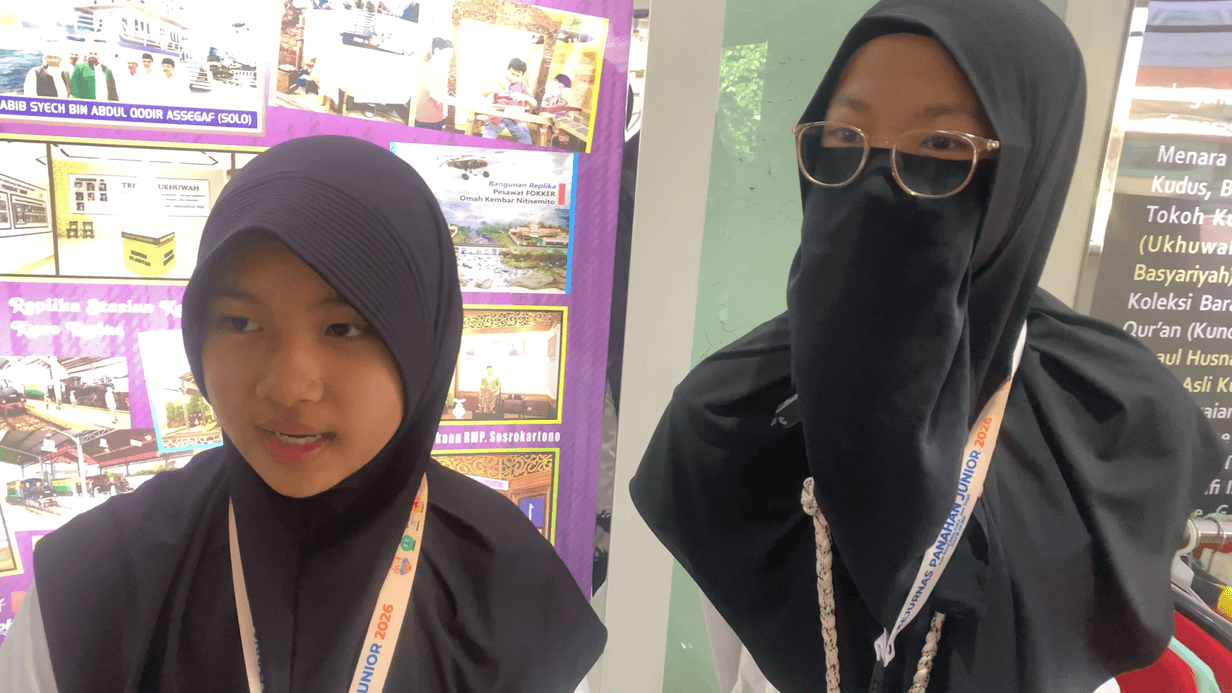
Zaila Kuratul Ain Sarmadi and Rindu Ayunda Candra did not originally plan to visit the museum. However, after discovering it on YouTube and receiving a recommendation from their local driver, they decided to set aside time for a visit.
"It seemed interesting," Zaila said, reflecting on why they chose to visit.
Their expectations were met after they toured the exhibition halls.
"It was exciting," they both agreed when asked about their experience at the museum.
Among the various collections, the replicas of the Kaaba and the Ship House were the most captivating for them. However, they gained an experience that extended far beyond simply remembering their favorite exhibits.
Before arriving, their knowledge of jenang was limited to the notion that it was merely a dessert similar to dodol. After reviewing information panels and observing the museum's collection, both gained insights into the history of the Menara Kudus, the evolution of local culture, the philosophy of Gusjigang, and various narratives they had previously never encountered.
A trip to Kudus, initially centered around tournament commitments, ultimately provided a broader experience. Beyond the results of their competition, they returned home with a deeper understanding of the host city.
According to Daffa, the Jenang and Gusjigang Museum currently welcomes approximately 500 to 700 visitors monthly, the majority of whom are student groups. Additionally, many travelers from outside Java visit to explore the history and culture of Kudus.
The rise in national-scale events held in Kudus has further widened the museum's reach. Many participants in sports championships, festivals, and other activities utilize their leisure time to stop by and engage with the city.
Perhaps this is the true role of the Jenang and Gusjigang Museum. While it houses various historical artifacts, the essence passed on to each visitor is not merely the items on display. The museum preserves the story of how a city is shaped by history, culture, commerce, and enduring values passed through generations.
In Kudus, these narratives often begin with something simple. It starts not in the first gallery, but with the small step of ascending the stairs above the jenang showroom. It is from there that the journey of discovering a city's identity truly begins. (OEB/mainkekudus)