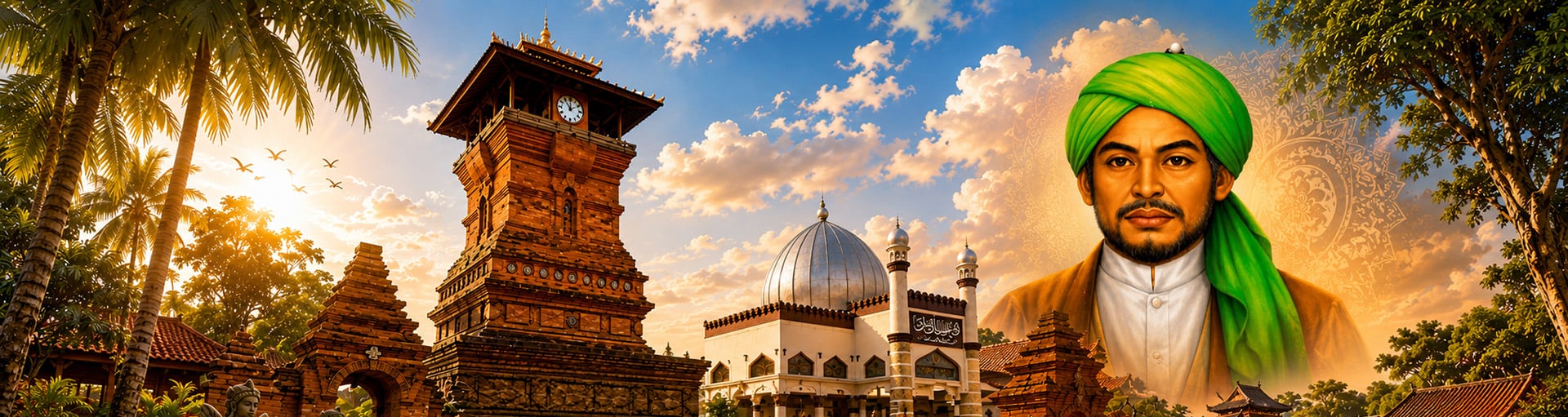
KUDUS — The Sunan Kudus tomb complex serves as more than just a destination for pilgrims to offer prayers. Behind the red brick gates and surrounding ancient structures, this site preserves the history of Kudus, offering insight into past governance, social dynamics, and the evolution of Islamic propagation.
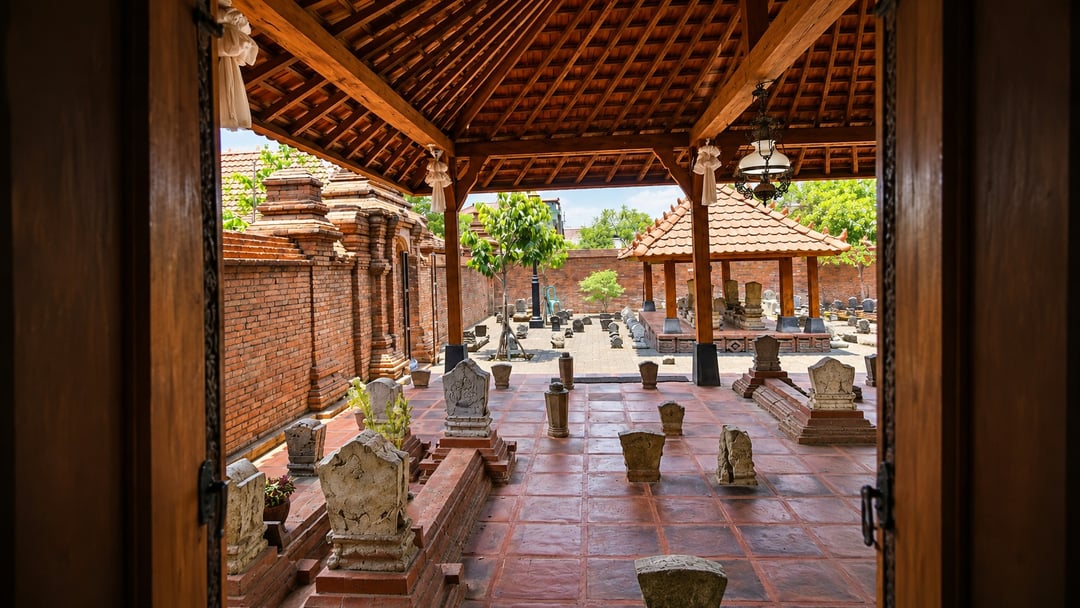
An exploration of the site reveals numerous relics, each with distinct functions and histories. These include the Pendopo Tajuk, once used for receiving guests and holding deliberations; the tombs of Sunan Kudus’ descendants; and inscribed tombstones, some of which are now difficult to decipher.
Deni Nurhakim from the Sunan Kudus Mosque and Tomb Foundation (YM3SK) provided a detailed account of the complex. Through his insights, visitors gain an understanding of how the site’s layout reflects the social, religious, and political life during the era of the Kudus Sultanate.
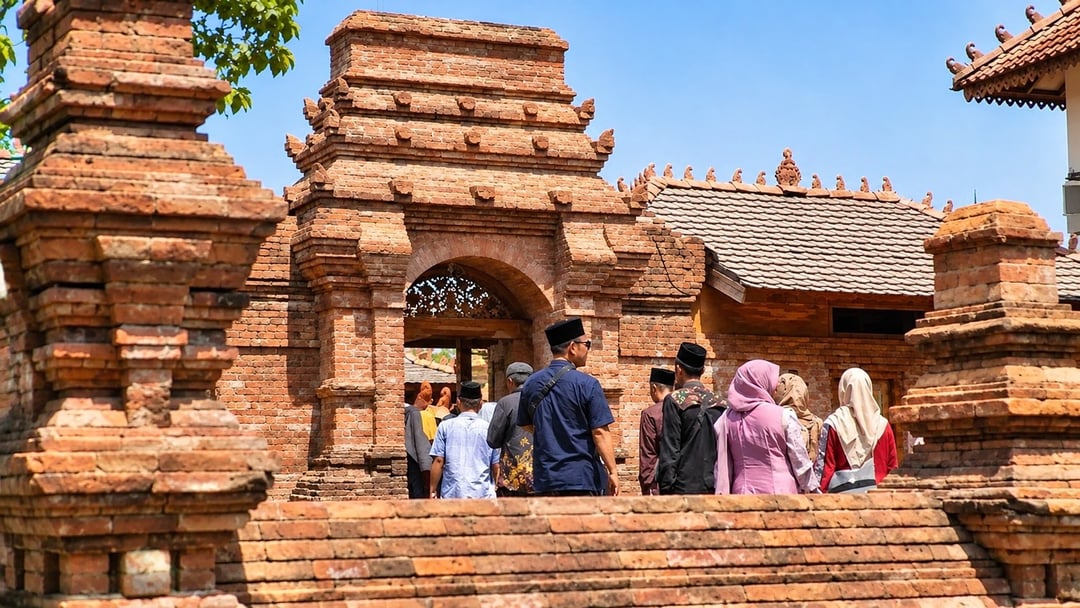
To reach the grave of Sunan Kudus, visitors navigate a series of gateways integral to the complex's spatial design.
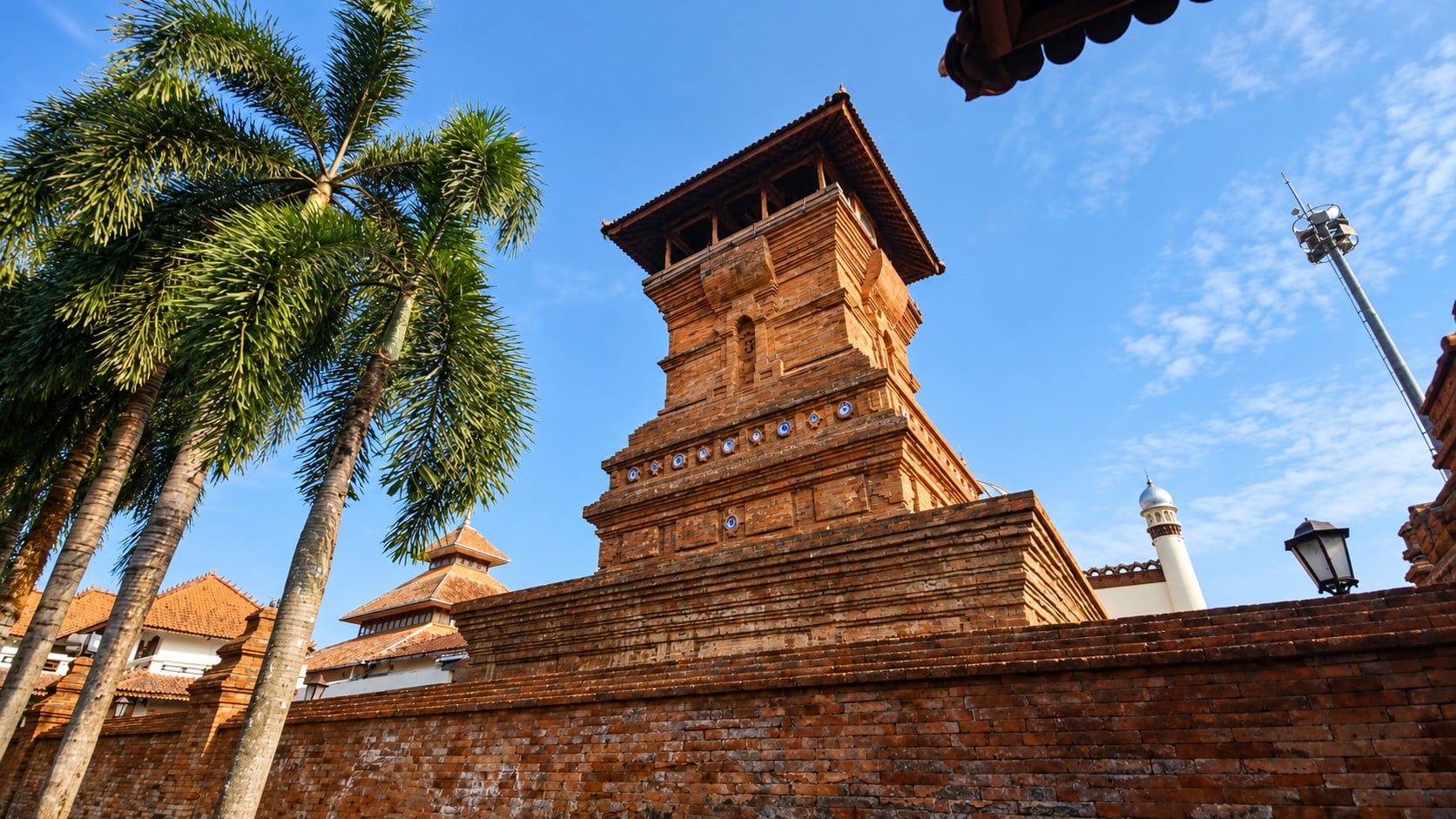
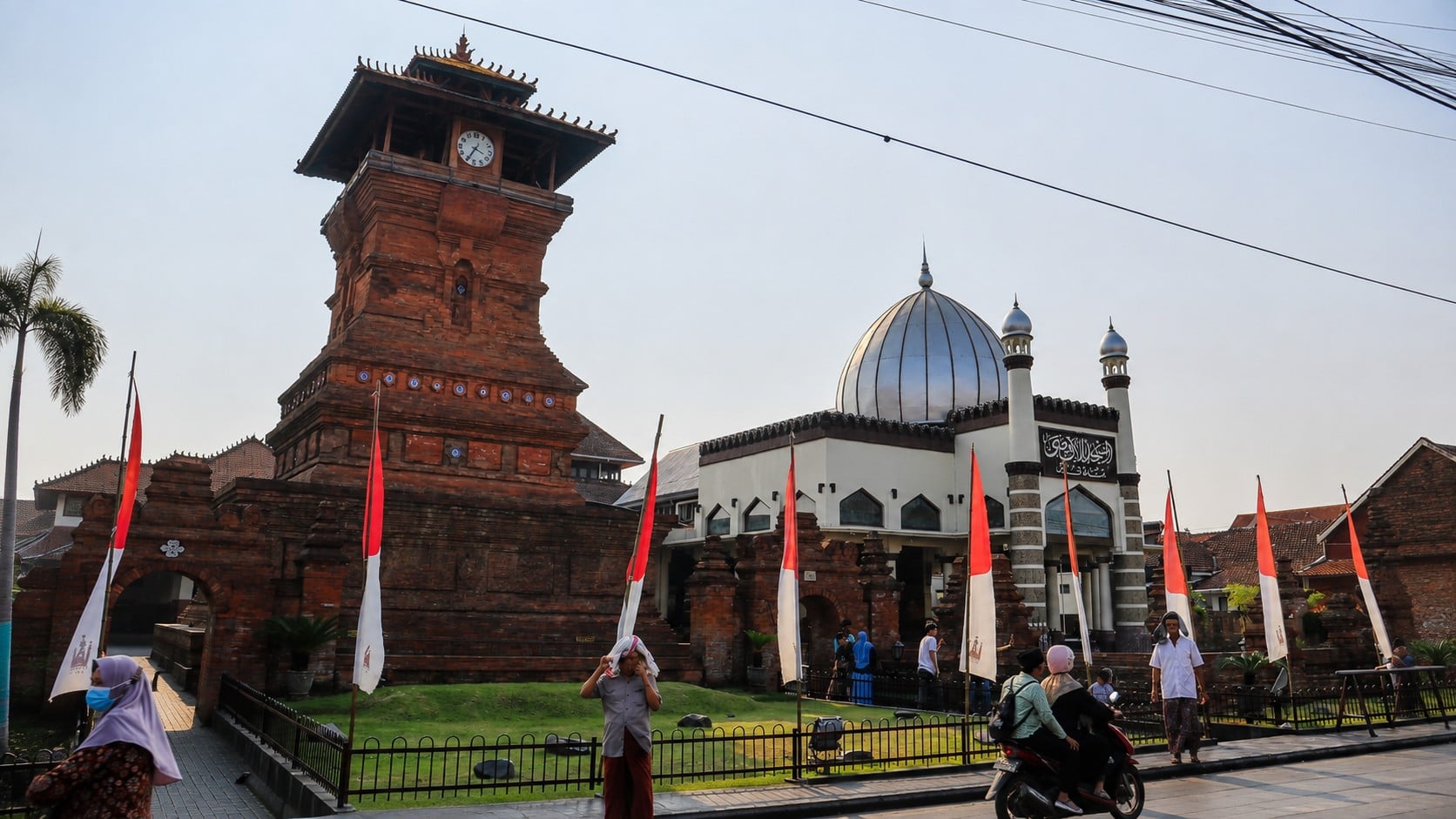
The entry path begins at the Candi Bentar gate on the exterior. The journey continues through walkways and several Paduraksa gates before reaching the entrance known as Lawang Kembar.
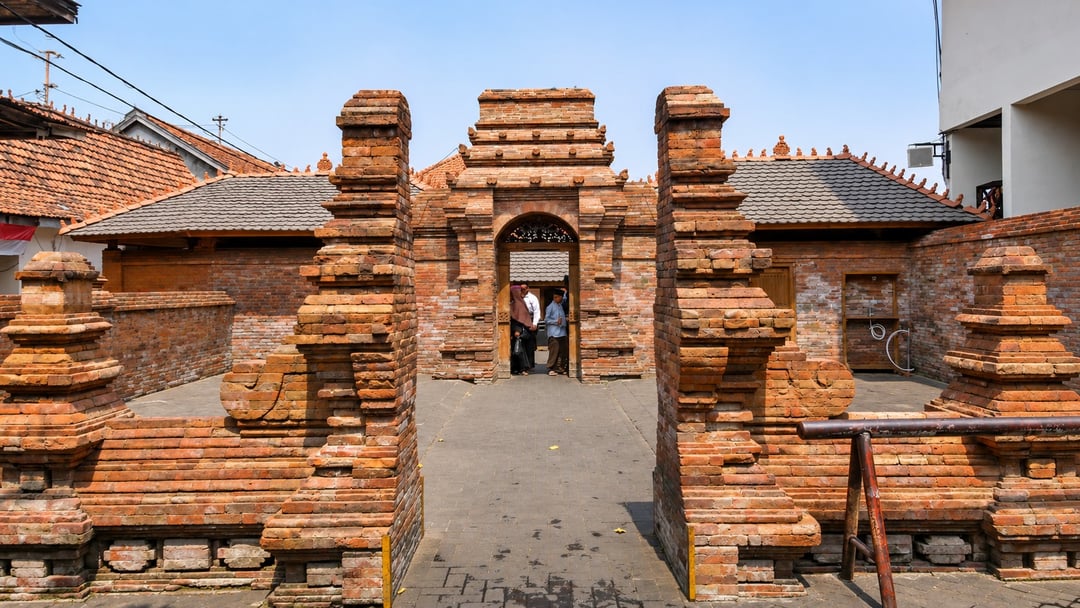
Red brick walls, intricately carved wooden doors, and the arrangement of the gates showcase the Javanese architectural style also found in the Menara Kudus Mosque complex.
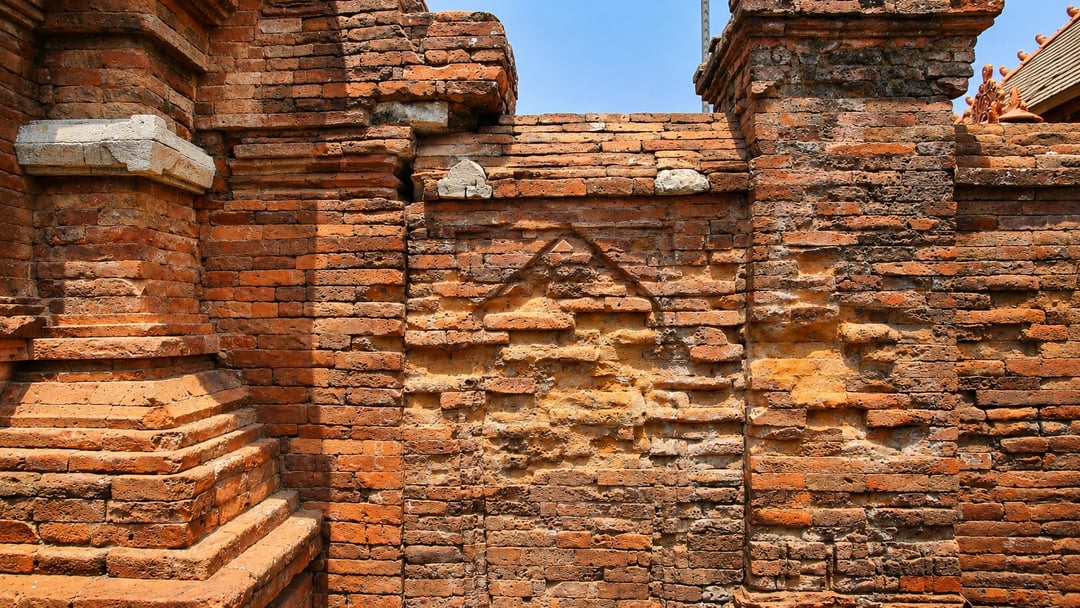
According to Deni, the site comprises five courtyards, each with specific functions and designated purposes. These include areas for the mosque, the tombs, the courtyard leading to the Pendopo Tajuk, and other sections of the cemetery.
This division illustrates that the complex served functions beyond burial rites, incorporating spaces dedicated to religious activities and historical communal life.
Deni also noted that the surrounding environment is part of Kudus Kulon, the old city district located west of the Kaligelis River.
The district's historical character remains evident in its residential areas, defined by narrow alleys. Some paths are as narrow as one meter, providing only enough space for pedestrian circulation.
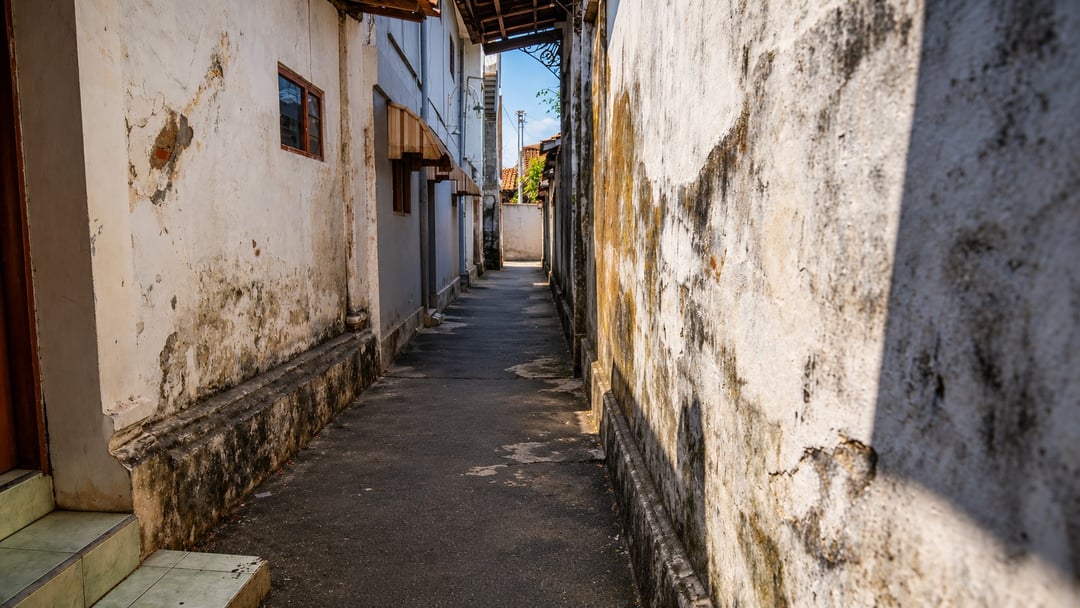
Older homes in the neighborhood are characterized by thick brick walls and high fences. Deni attributes this architectural style to the local tradition of operating home-based businesses, which necessitated more private and secure spaces.
This environment offers a glimpse into the past, preserving a lifestyle that remains observable in Kudus today.
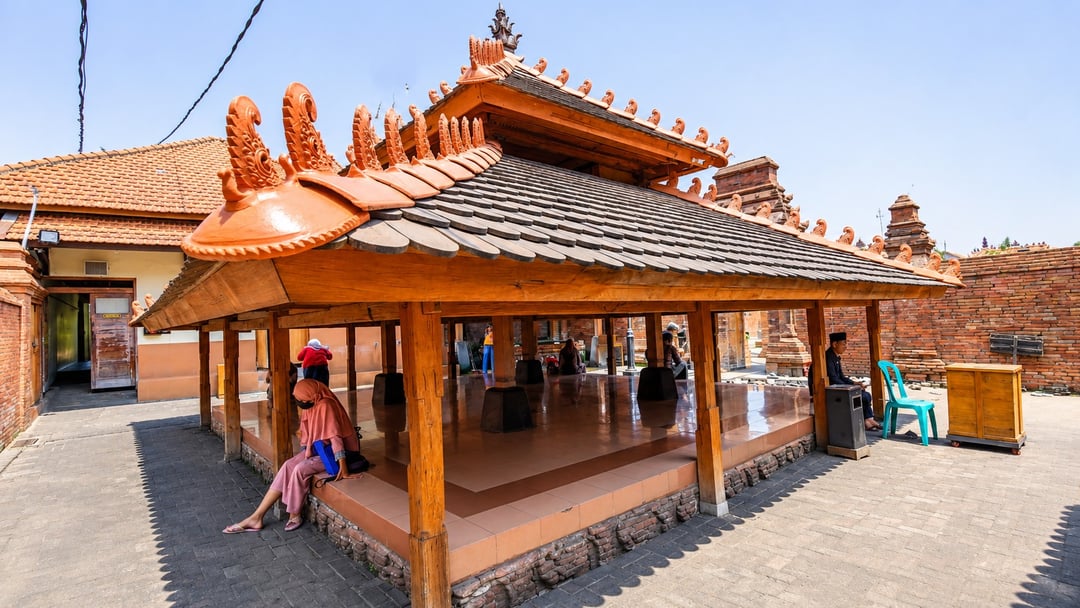
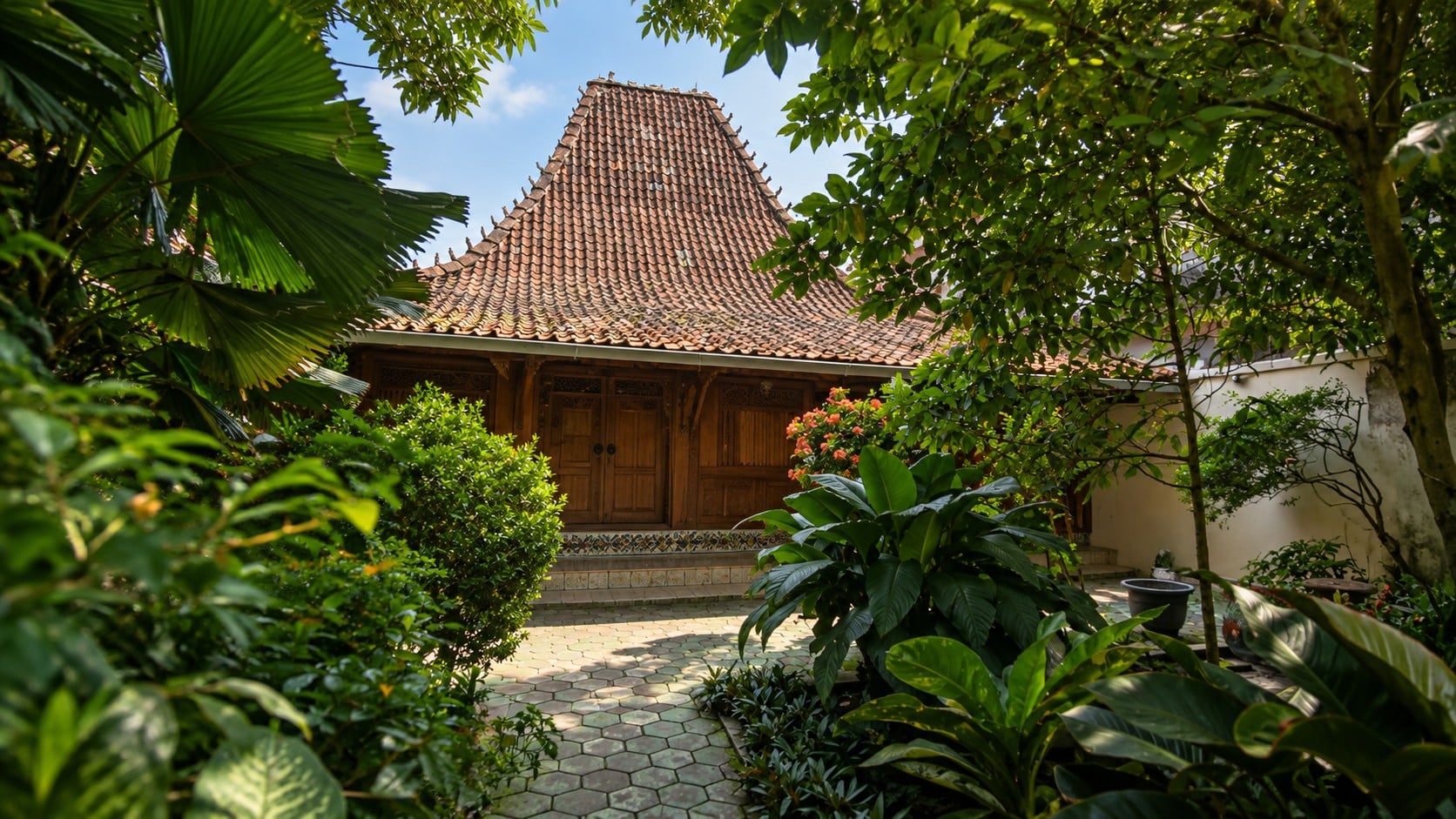
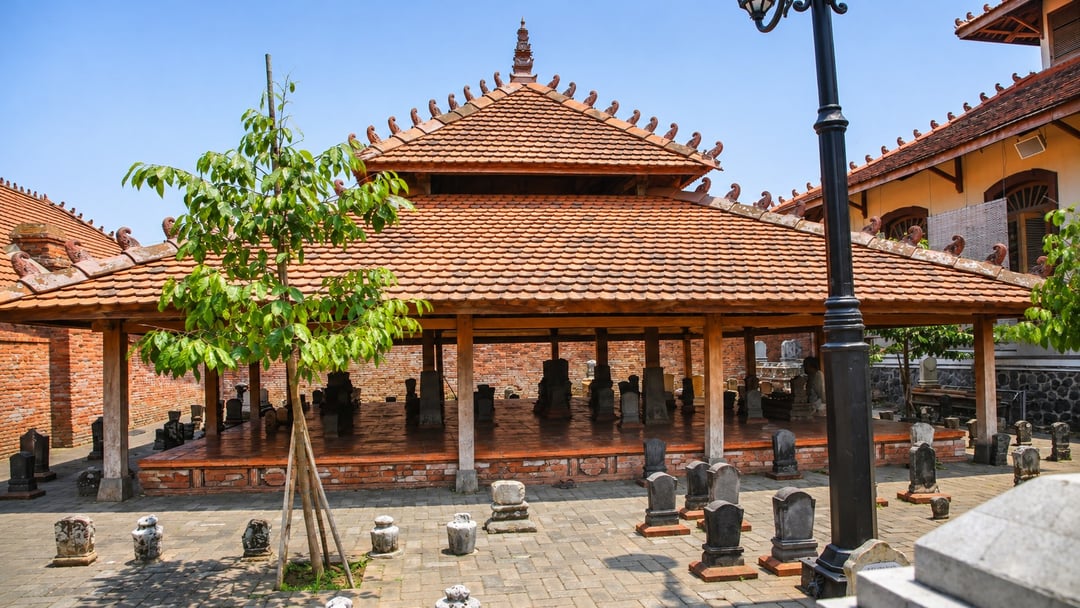
One structure that stands apart from the surrounding burial site is the Pendopo Tajuk.
Deni explained that the building once served as a reception hall for visitors and a venue for meetings. It is also believed to have played a role in the administrative functions of the Kudus Sultanate.
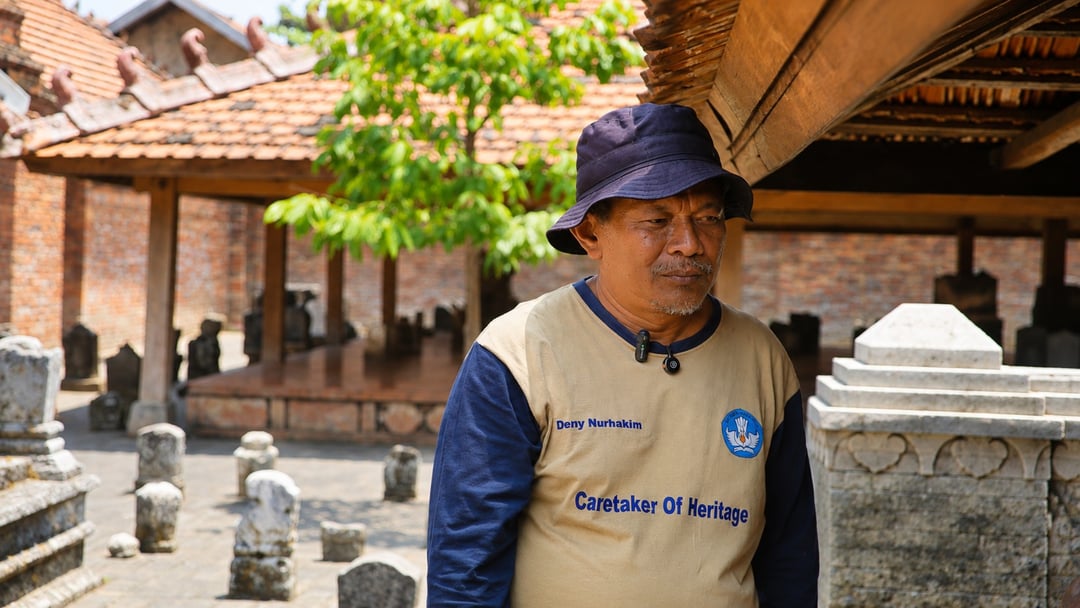
"It originally functioned as a place to receive guests and a venue for deliberation," Deni noted.
He added that the pendopo's existence is tied to the governance of the era, citing historical records that identify Kudus as a center within an Islamic kingdom.
Deni noted several interpretations regarding the name "Tajuk." Some link it to the shape of the building's roof, while others suggest the term is a shortened form of "jujukan," meaning a destination or meeting point.
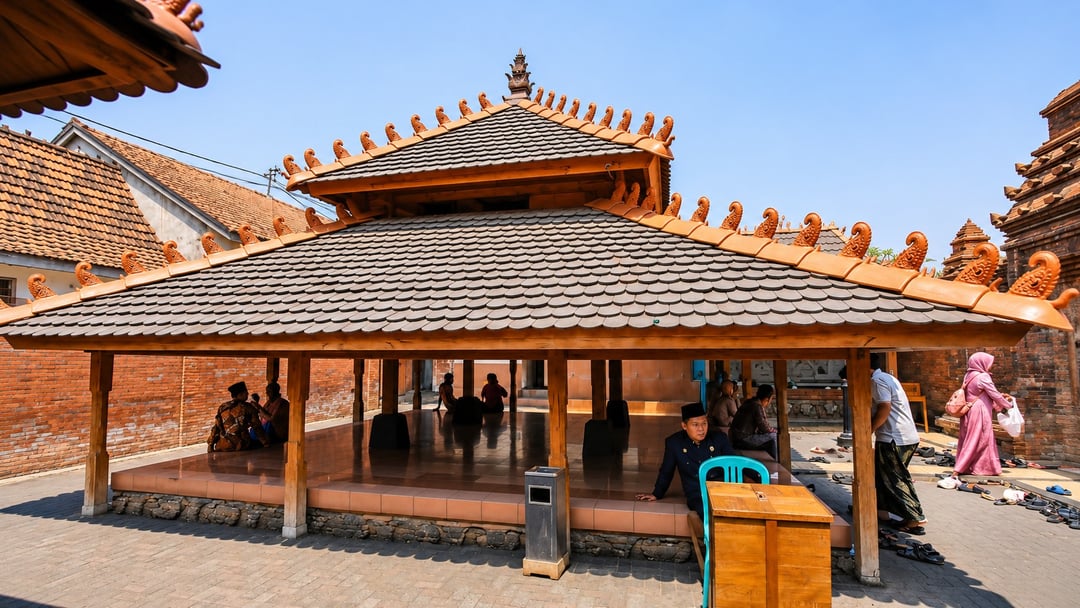
The existence of the Tajuk Pavilion suggests the tomb complex served broader purposes. Beyond its role as a site for worship and burial, the area was also a hub for administrative functions and public gatherings.
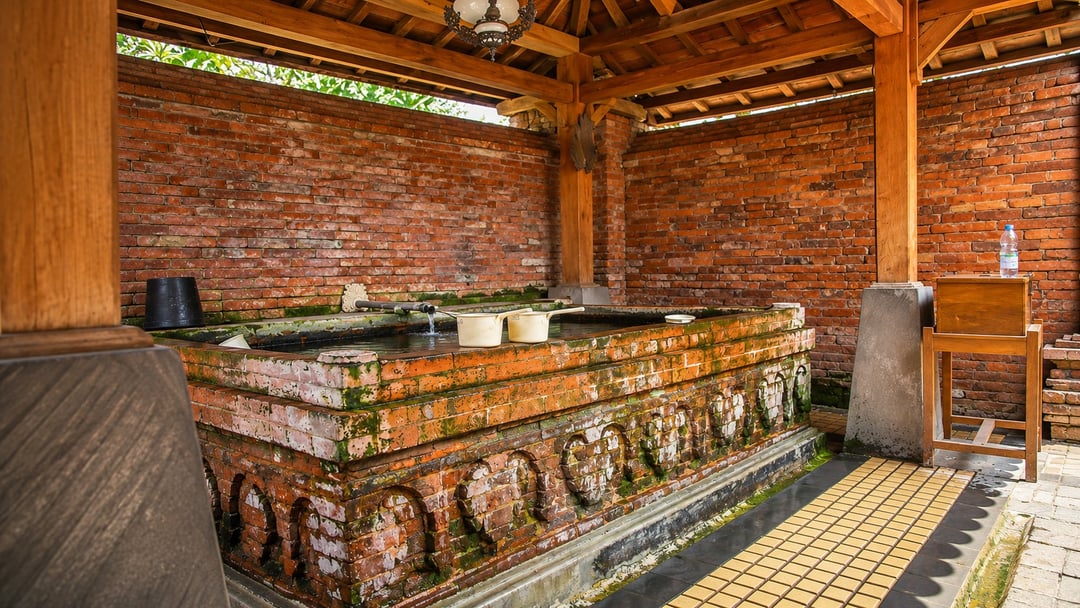
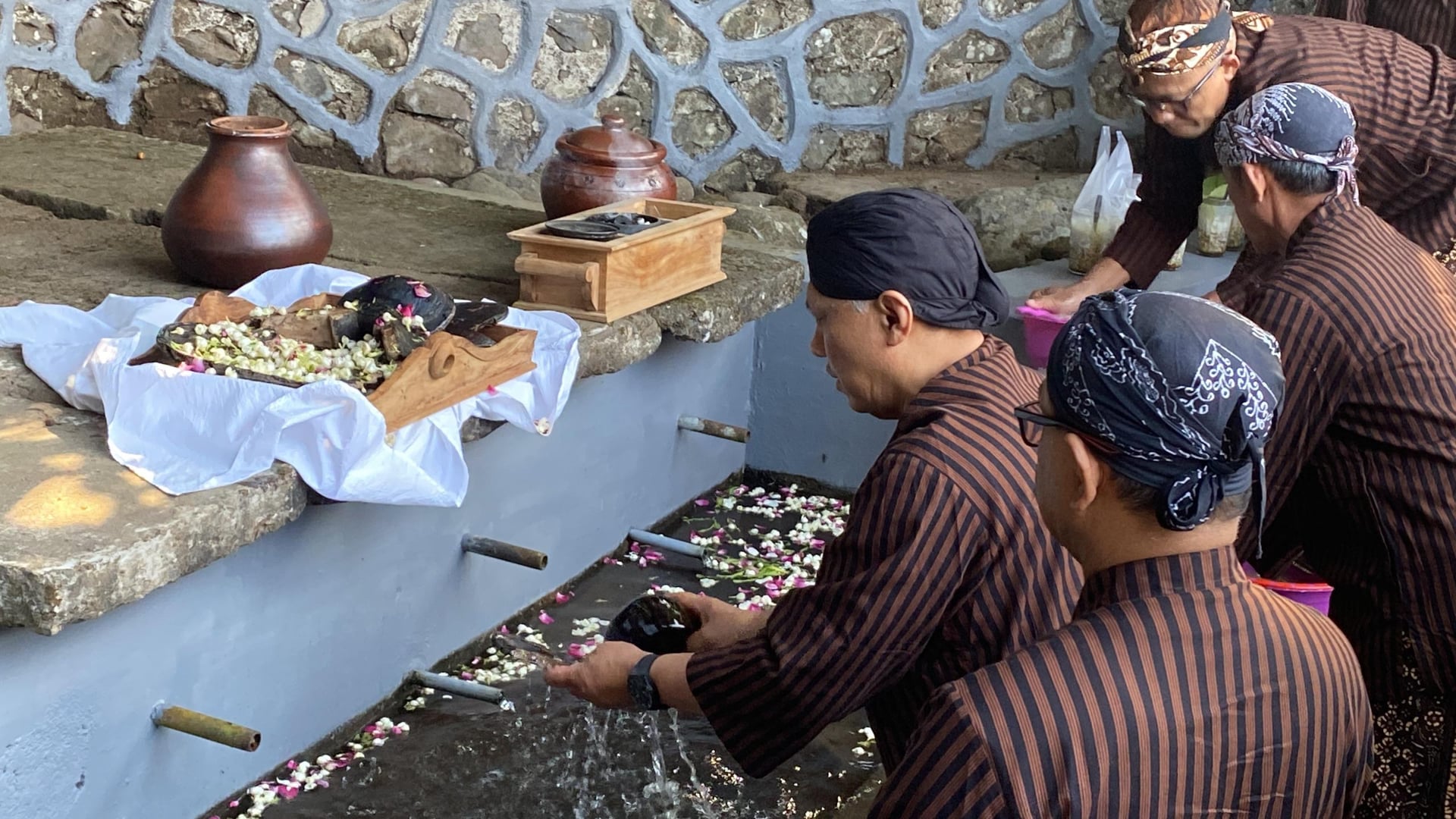
Among the identifiable structures, an area remains where visitors formerly washed their feet and performed ablutions.
Deni explained that the facility is part of the complex's original construction, reflecting the customs of those approaching the sacred site.
In the past, footwear was not a universal possession, making foot hygiene a primary concern for pilgrims.
Deni noted that visitors were expected to clean their feet before entering the tomb area, with the facility also providing a space for ablution.
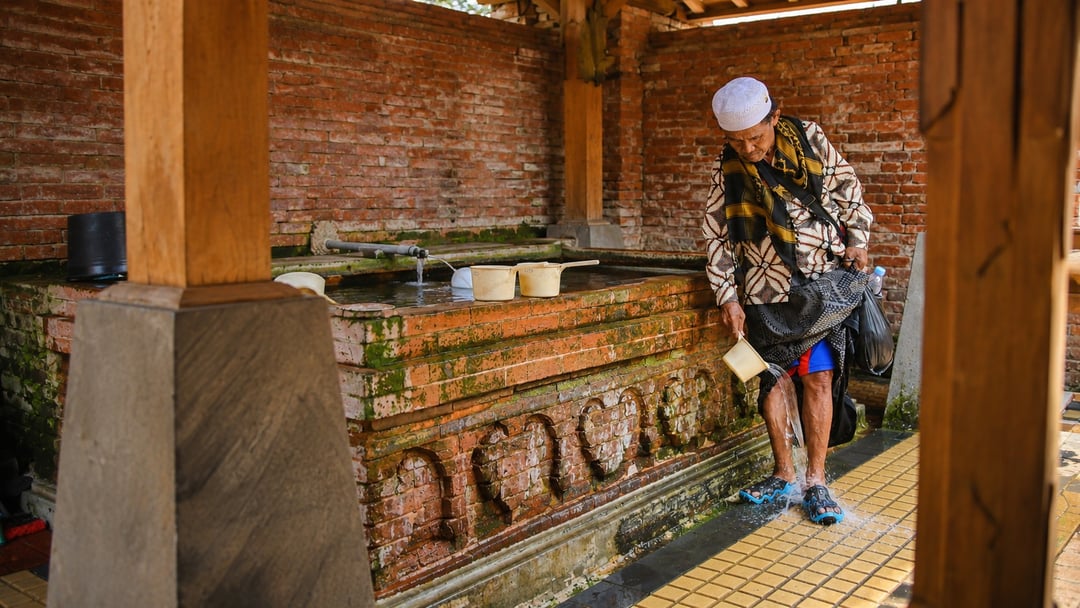
...aligned with the needs of pilgrims in that era.
Beyond this facility, Deni pointed out several ancient bricks found throughout the complex. They are notably larger than standard modern bricks.
While some sections of the structure retain original materials, others have undergone restoration. In certain areas, the traditional *kosot* bricklaying technique remains visible.
The varying conditions of these materials reflect how the tomb complex has been preserved and modified throughout history.
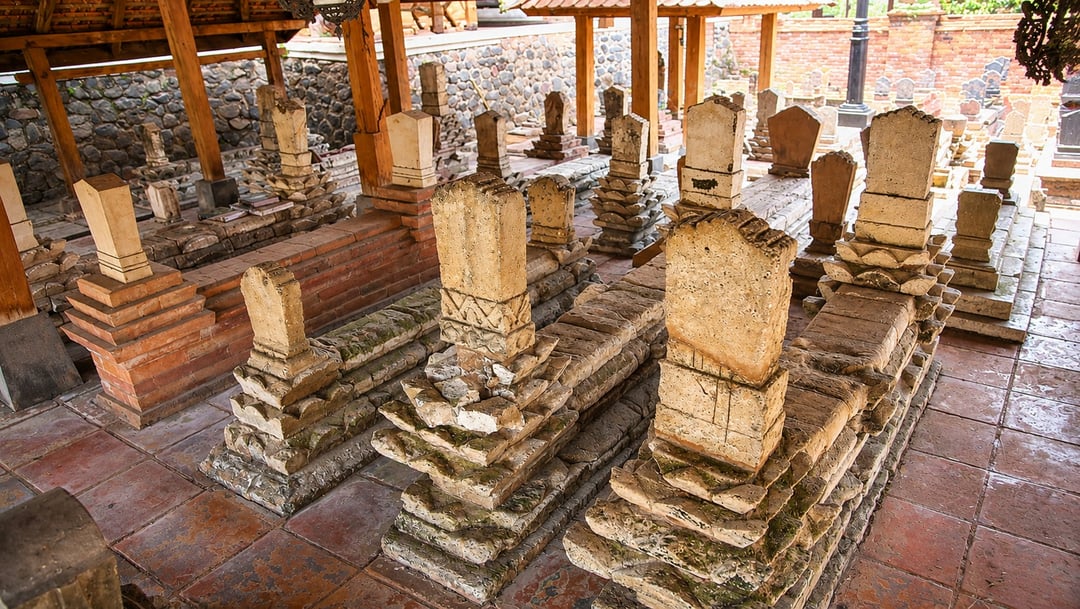
Explorations within the cemetery complex have revealed a number of graves belonging to figures linked to the history of Sunan Kudus.
Among them is the grave of Prince Poncowati. Regarding the connection between this figure and Sunan Kudus, two versions of the history persist in the community.
Some believe Pangeran Poncowati was the son of Sunan Kudus, while others identify him as his son-in-law.
Deni maintains that Poncowati was indeed the son-in-law of Sunan Kudus and previously served as a military commander.
He also recounted the origins of Pangeran Poncowati based on stories he has received. According to these accounts, Poncowati originated from Bali and was tasked with guarding the Kudus region before eventually encountering Sunan Kudus.
Information regarding these origins and family relationships remains based on oral tradition, and experts emphasize the need to distinguish such stories from verified historical facts.
Surrounding the grave of Poncowati are the burial sites of other figures who, according to Deni, were associated with the local government of the era. The layout of these graves mirrors the placement of high-ranking figures within royal cemetery complexes.
Deni also identified the grave of Penghulu Bedagas, who is said to have held a prominent position within the inner circle of Sunan Kudus.
He compared the role of the penghulu to that of a liaison, serving as a gateway for those wishing to meet with Sunan Kudus.
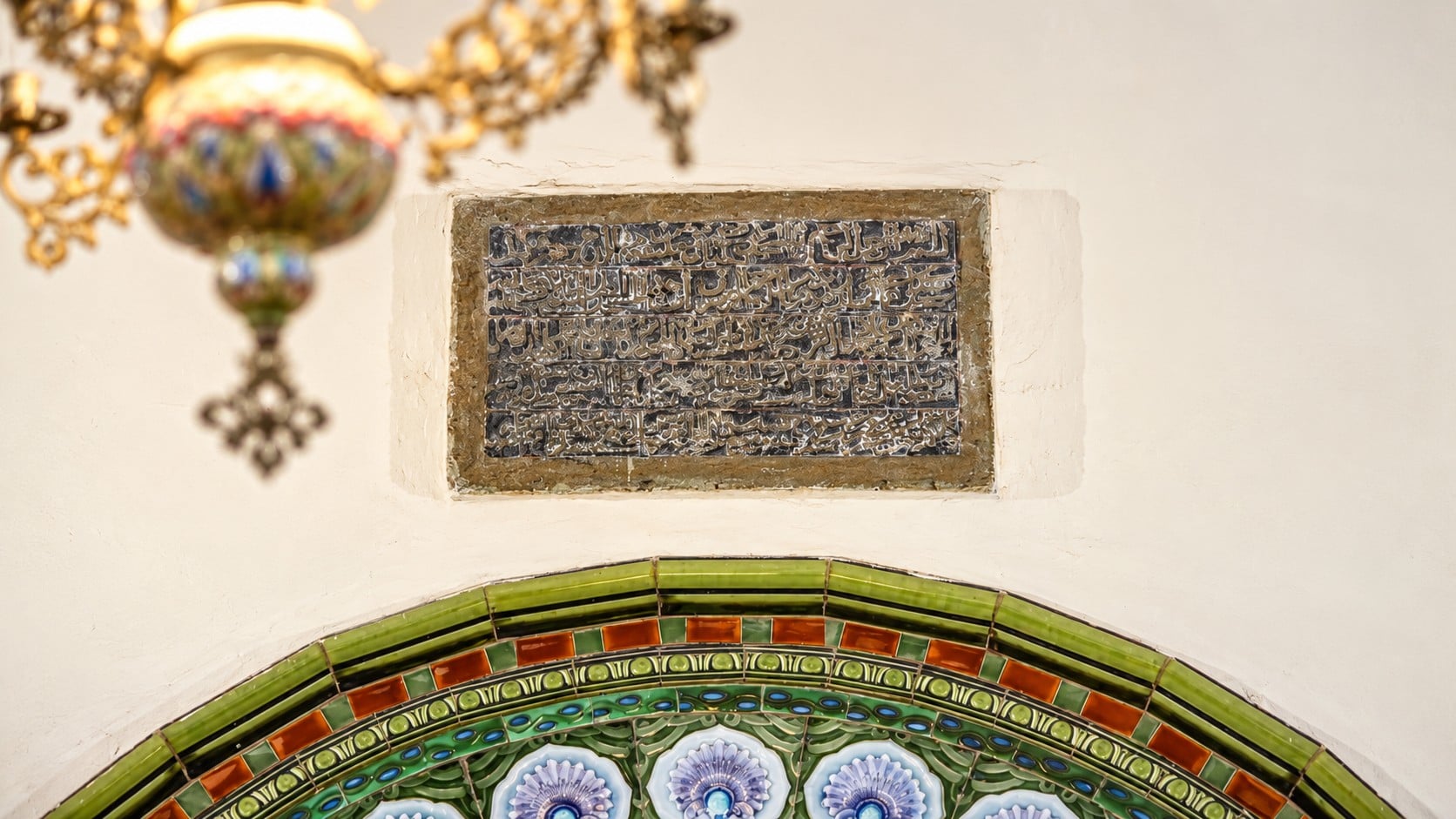
The burial area features inscriptions in both Javanese and Arabic. Deni noted that the Javanese script provides information regarding local leaders of the time, while the Arabic script relates to religious figures or scholars.
However, much of the text on the headstones has become illegible. The aging stone and surface erosion have left many of the inscriptions incomplete.
The Sunan Kudus cemetery complex also serves as the final resting place for a number of descendants and family members who continued his missionary work. Deni Nurhakim of the Menara Mosque and Sunan Kudus Tomb Foundation (YM3SK) explained that some grave clusters in the western section belong to descendants of Sunan Kudus. Meanwhile, there are also groups of graves dedicated to princes associated with the family and the governing environment of that time.
One of the figures buried in the area is Haji Raden Asnawi Sepuh. According to Deni, he lived between the 18th and 19th centuries and was a descendant of Sunan Kudus who played a key role in the spread of Islam.
Also present is the grave of Kiai Turaihan Ajhuri, a descendant of Sunan Kudus known as an expert in astronomy (falak) who lived in the 20th century. Near the main grave are the burial sites of heirs, including family and descendants of Sunan Kudus spanning multiple generations.
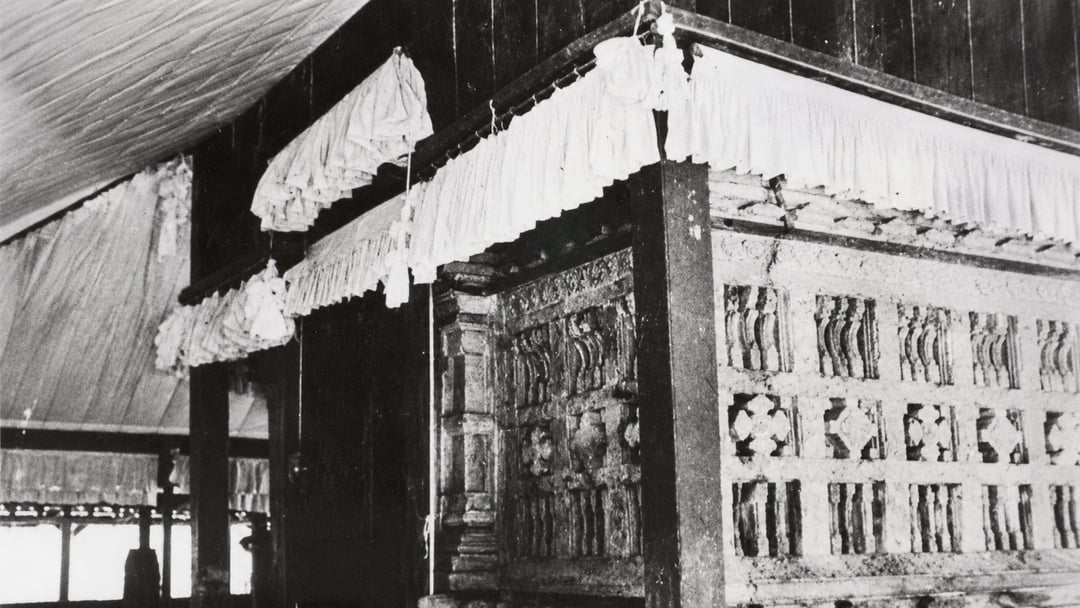
Meanwhile, the tomb of Sunan Kudus is located inside a primary, enclosed chamber that is not accessible to the public. Deni explained that access to the area is restricted as part of the tomb complex's management policy. Cleaning of the inner chamber is performed periodically, typically once a year, by designated staff authorized by the management.
Deni further explained that most gravestones in the complex do not bear names. Perspectives on identifying the graves vary; some believe names are necessary for identification, while others oppose it out of concern that pilgrims might improperly treat the graves of specific figures as sites for soliciting favors.
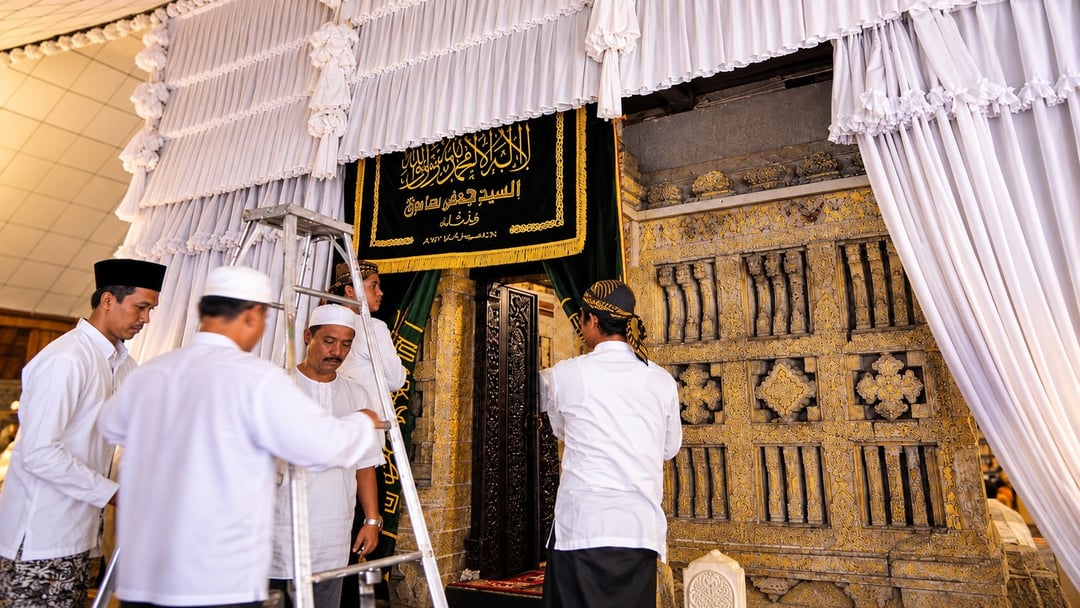
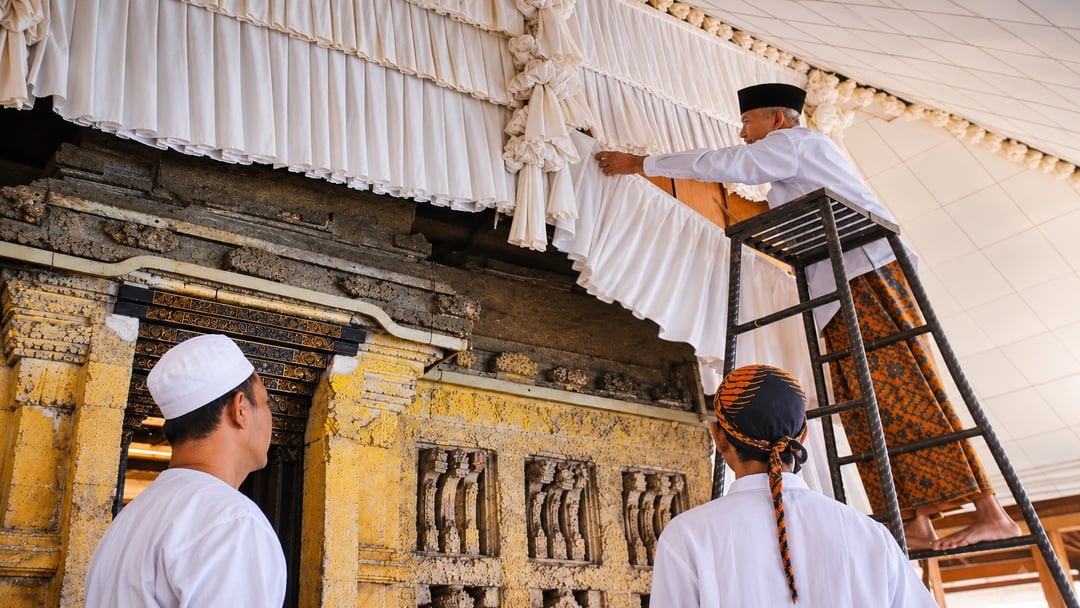
Beyond the graves of his family and descendants, the site hosts an annual tradition maintained by the local community known as Buka Luwur. Held every Muharram, this ceremony involves removing the old cloth shroud that covers Sunan Kudus's tomb and replacing it with a new one.
The old cloth is cut into smaller pieces and distributed to the public, who seek it as a blessing. This procession is an integral part of the traditional homage to Sunan Kudus, preserved through generations.
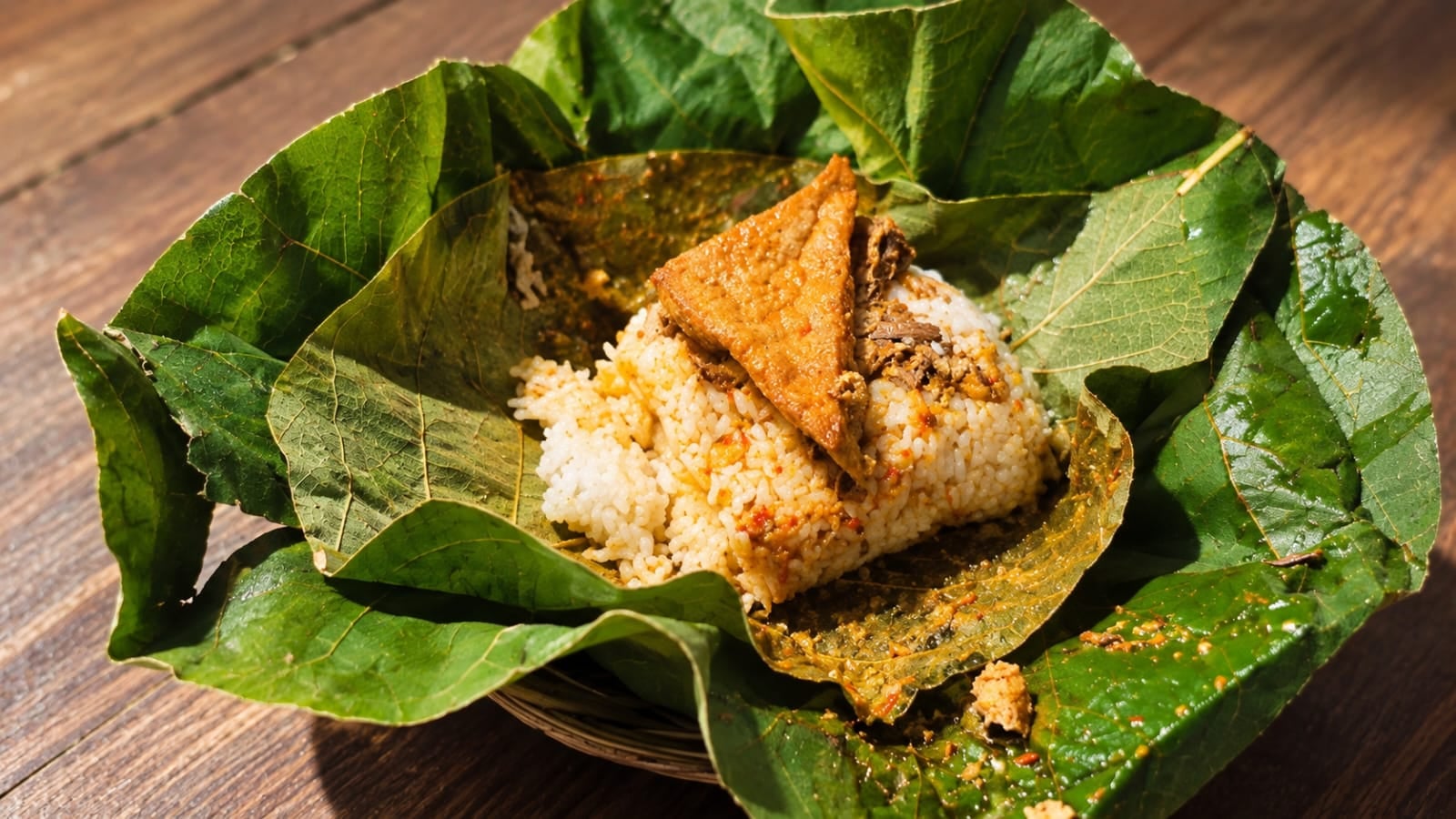
Buka Luwur is also known for the distribution of nasi jangkrik, or blessed rice, to the public. The meal consists of rice served with buffalo or goat meat, wrapped in teak leaves and secured with bamboo string.
The distribution of this food is a central activity of the annual commemoration. This tradition of sharing meals underscores the community's engagement in religious activities surrounding the tomb.
The presence of tombs belonging to descendants, the main mausoleum, and the Buka Luwur tradition reveal different facets of life within the Sunan Kudus burial complex. These structures and graves preserve the legacy of the family and their successors in spreading Islam, while the annual tradition serves as a testament to the community's enduring connection to the history of this revered figure.
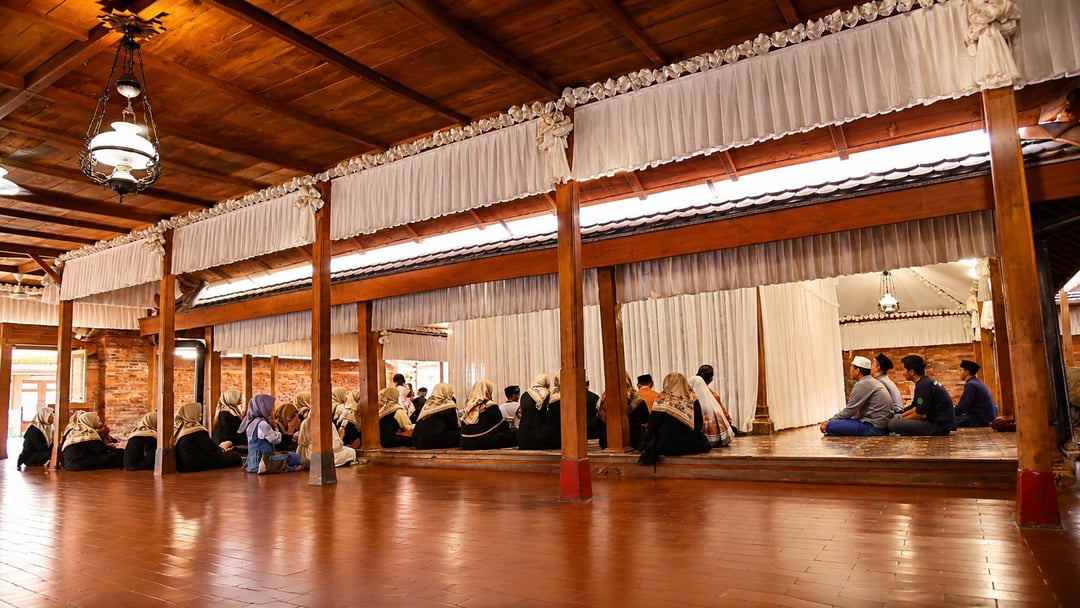
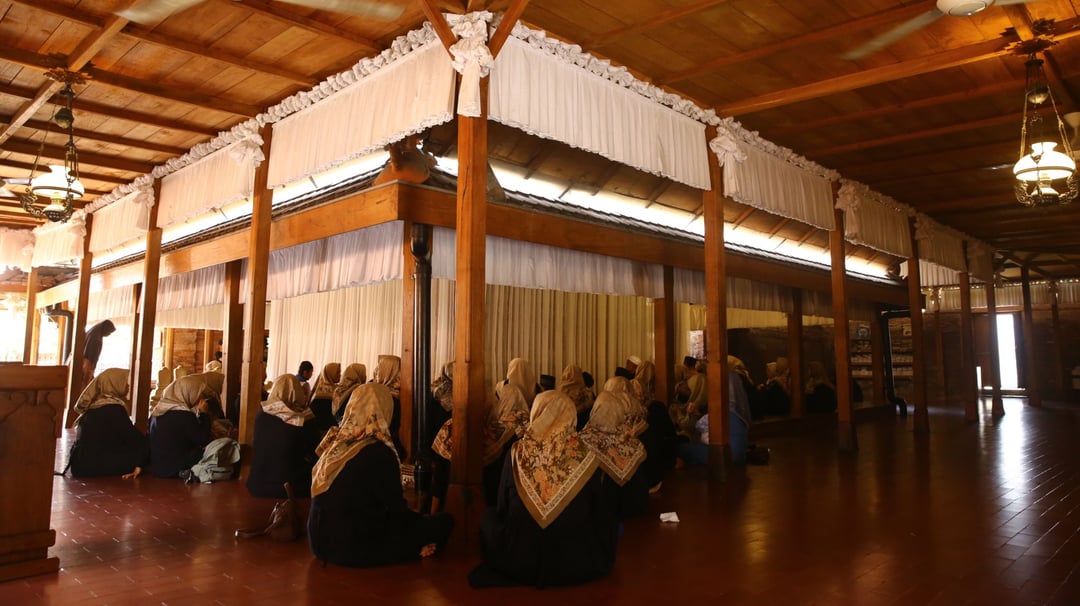
The Sunan Kudus burial complex attracts visitors from across the country. They come to pray and pay tribute to a figure who played a pivotal role in the development of Islam in the region.
Religious activities remain a constant presence at the site, with visitors performing pilgrimages, offering prayers, and reciting verses from the Quran.
For many, visiting the Minaret and the Sunan Kudus tomb is a significant religious journey undertaken with family or organized groups.
Een Juhaeni, a pilgrim from Majalengka, West Java, has visited the site three times. Her first visit occurred when her child was three and a half years old. Now, with her child at age 17, she has returned as part of a Wali Songo pilgrimage tour.
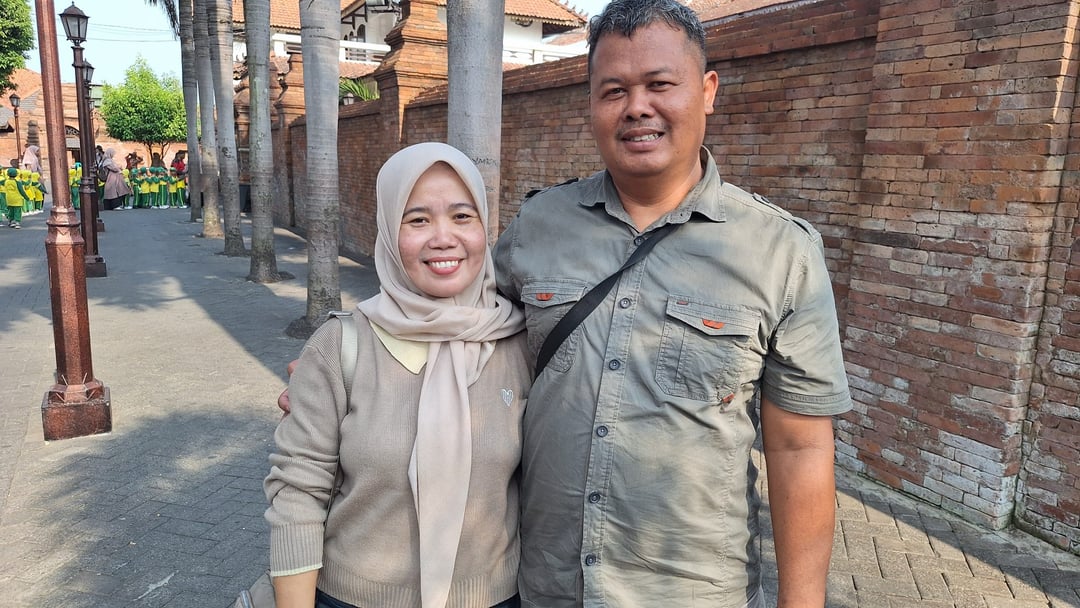
When asked why she returned, Een offered a brief response.
“I just missed it,” she said.
She described a deep appreciation for the serene and cooling atmosphere of the Menara Kudus area, especially within the complex. During this visit, Een and her group paid their respects at the tomb of Sunan Kudus before continuing their pilgrimage toward the Sunan Muria region.
Een’s experience reflects the enduring appeal of the area, which continues to attract pilgrims from outside the region—both first-time visitors and those returning after many years.
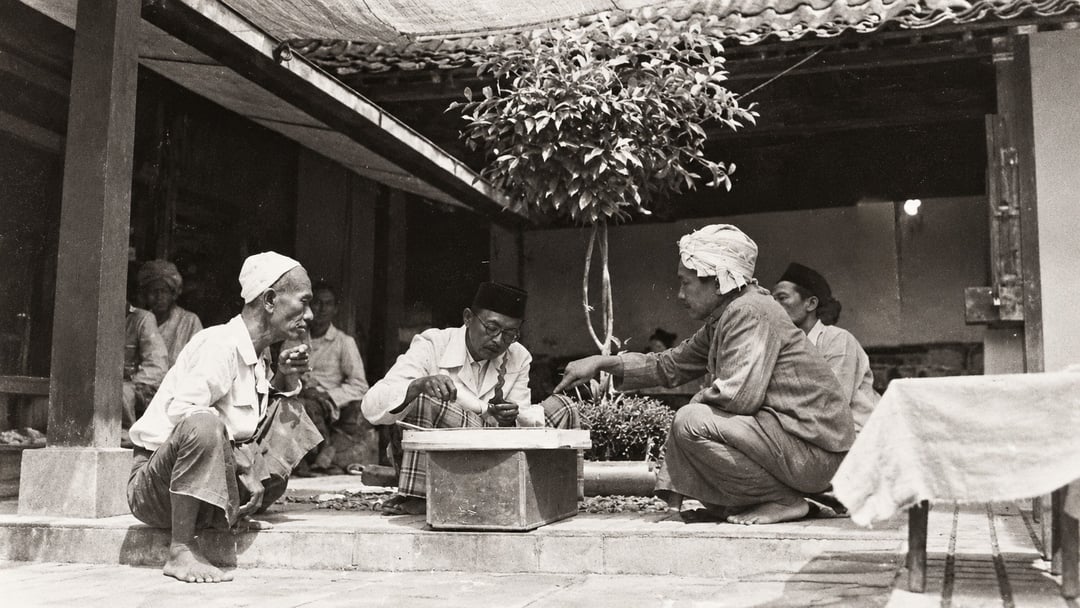
The Sunan Kudus tomb complex contains layers of history visible through its architecture, materials, inscriptions, and the tombs of various figures within.
Historical photographs from the KITLV archive provide a glimpse into the condition of the burial site between 1941 and 1953. These records serve as an essential visual timeline of the site’s past.
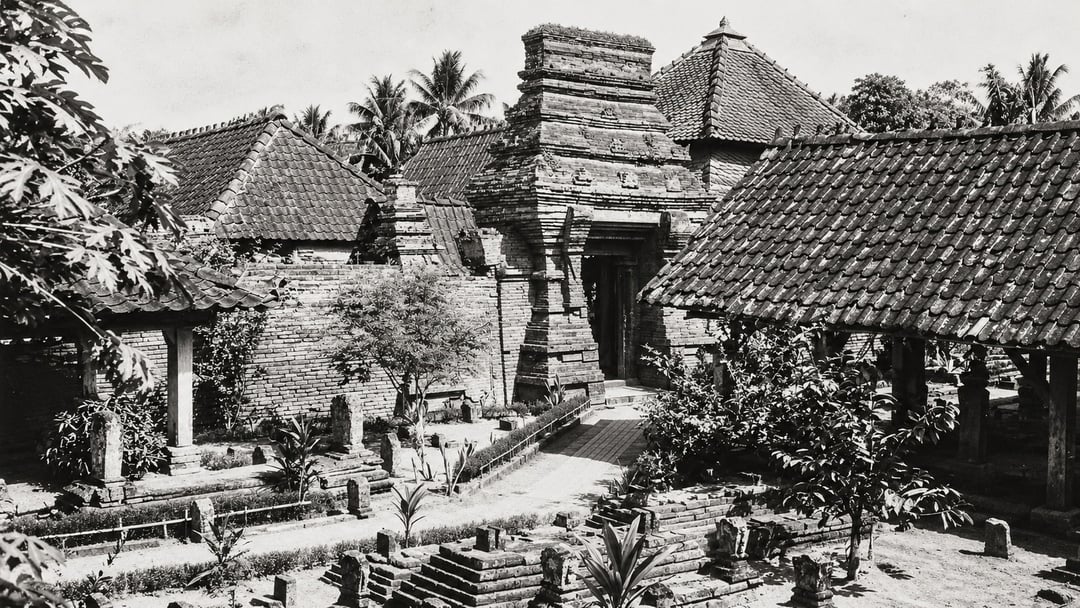
However, not all historical details can be verified through anecdotal accounts. Deni acknowledged that the exact date the tomb complex was constructed remains uncertain.
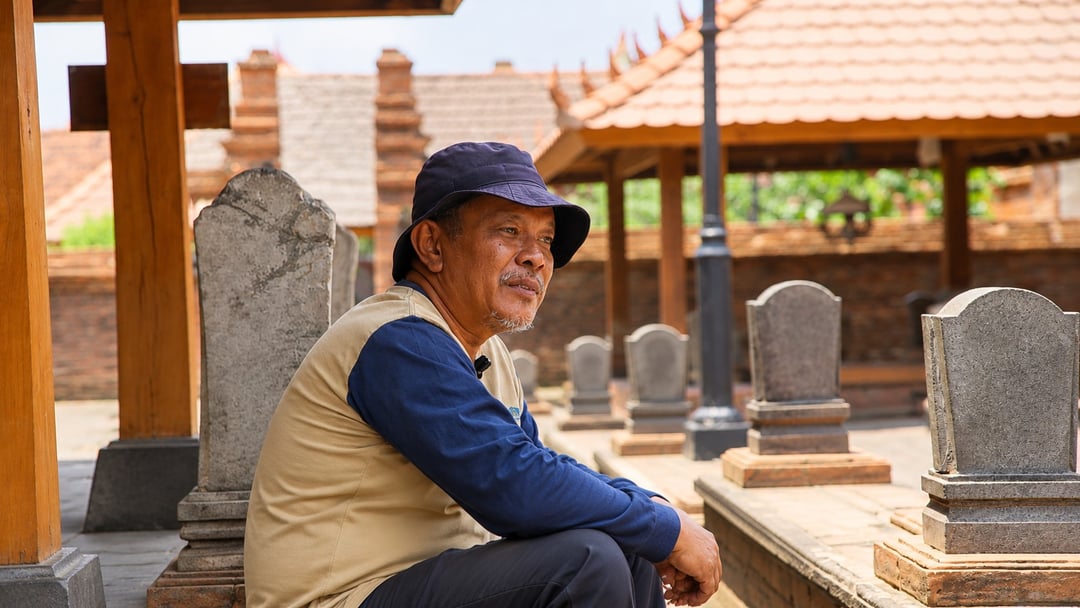
"To be honest, we do not fully understand when this burial area was established," he explained.
He noted that the building materials discovered suggest the site is of significant age. The placement of the tomb to the west of the mosque is also a common feature found in historic mosque complexes.
These observations indicate that further research is required to determine the specific construction period and the development of the cemetery area in greater detail.
Today, the site remains a center for pilgrimages and local religious activities. The Buka Luwur tradition continues to be observed, while the surrounding structures and tombs preserve historical remnants that require ongoing maintenance.
From the Tajuk pavilion to the main mausoleum, each section tells a distinct story. While some elements can be identified through architectural forms and materials, others still rely on the examination of inscriptions and oral traditions passed down through generations.
The Sunan Kudus tomb complex serves as a space where historical heritage intersects with contemporary life. (MKK EDITORIAL)