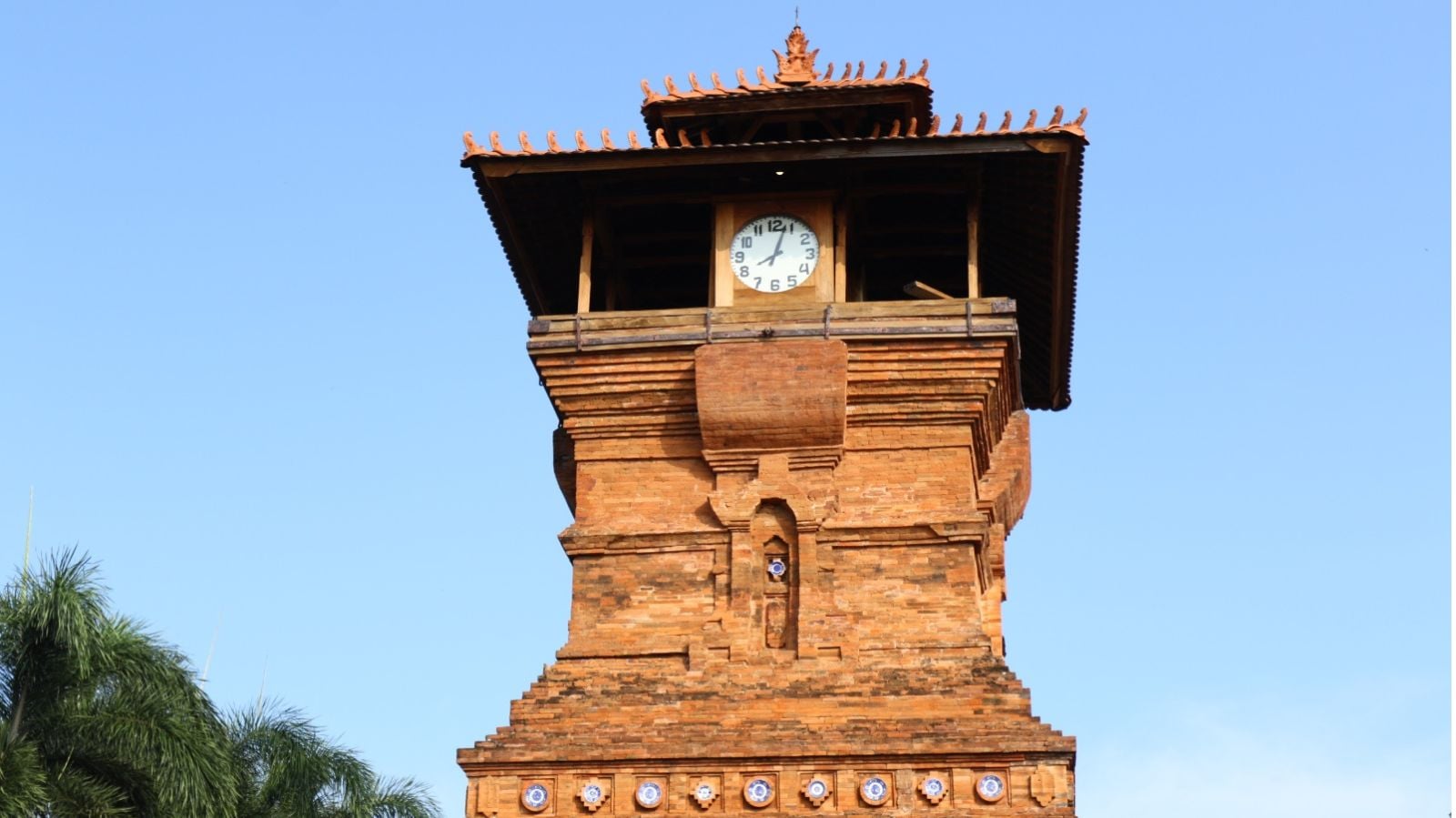
KUDUS – For some, a museum might be synonymous with old objects kept behind glass. However, a visit to the Kretek Museum in Kudus Regency offers a much broader narrative. Here, the collection does not merely display artifacts from the past, but also chronicles the evolution of the clove cigarette (kretek) industry, which has grown alongside the lives of the people of Kudus.
The museum atmosphere feels more vibrant when students arrive for a visit. Some examine the exhibits, read informational displays, or capture the moment on their mobile phones. For them, the museum serves as a valuable space for learning beyond the classroom.
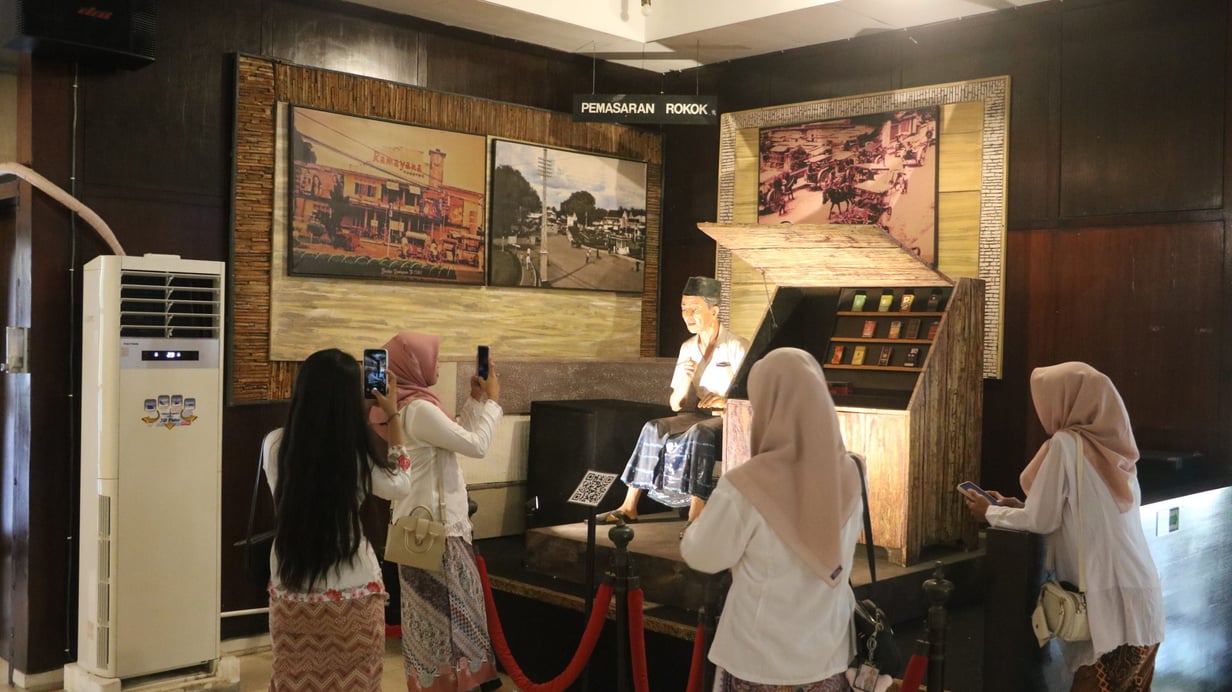
Nifa, a resident of Gebog, Kudus, visited the Kretek Museum to accompany a friend from out of town. She used the opportunity to film a video for a school assignment.
“The place is nice, so we took advantage of being here,” said Nifa.
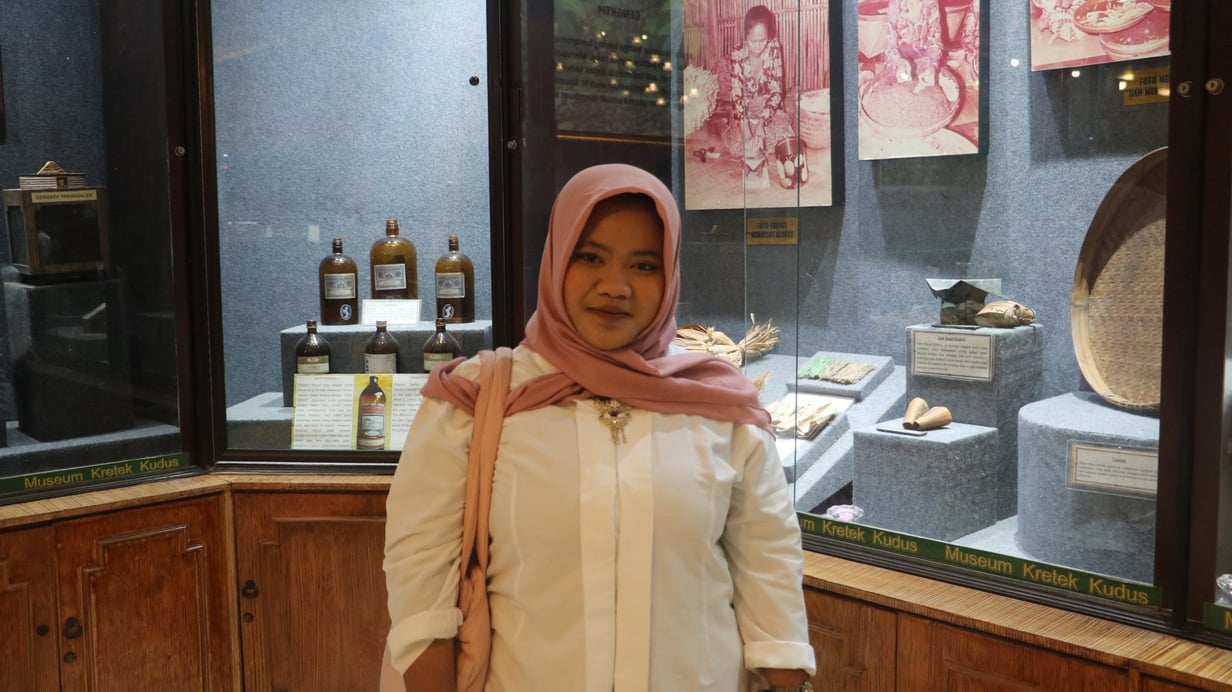
The Kretek Museum is familiar territory for Nifa, who noted she has visited several times with her family. Each trip provides an opportunity to revisit artifacts related to Kudus's past.
“The photos are great and quite impressive. We learn what it was like in Kudus back in the day,” she said.
Through these collections, Nifa has gained insight into the history of the cigarette industry in Kudus, including production techniques. The vintage items preserved in the museum provide a tangible connection to history that goes beyond simple storytelling.
5RFP+FWF, Jl. Getas Pejaten No.155, Getas, Getas Pejaten, Kec. Jati, Kabupaten Kudus, Jawa Tengah 59343, Indonesia
“It is great. The information is clear and comprehensive, and we learn about everything,” she said.
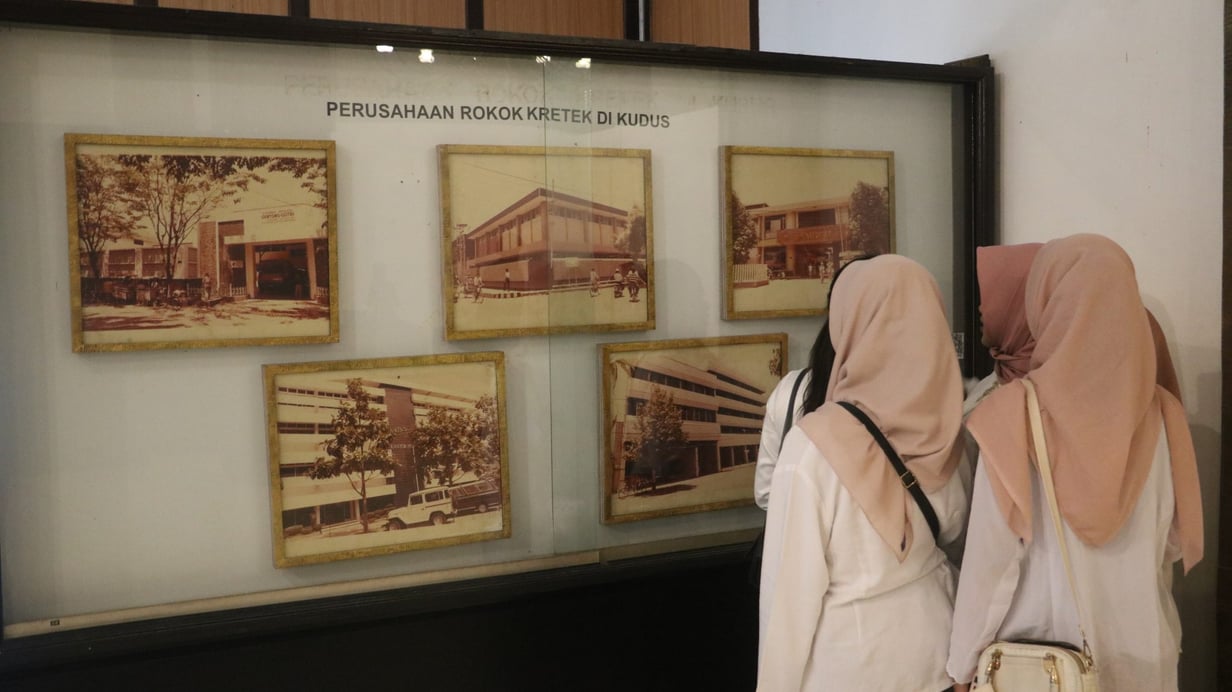
Dinda Ayu Maharani, a resident of Demak, shared a similar experience. She visited the museum to view historical photographs and gain insight into the cigarette production process in Kudus.
Dinda was particularly drawn to the museum's collection of vintage photographs, which provided her with a perspective on what life in Kudus was like in the past compared to the present.
“It really feels like a walk down memory lane, showing what Kudus looked like in the old days,” she said.
The visit offered Dinda more than just history on kretek; it provided a broader look at the evolution of Kudus. She noted that the information presented by the museum is easier to grasp because it is accompanied by tangible artifacts that visitors can see firsthand.
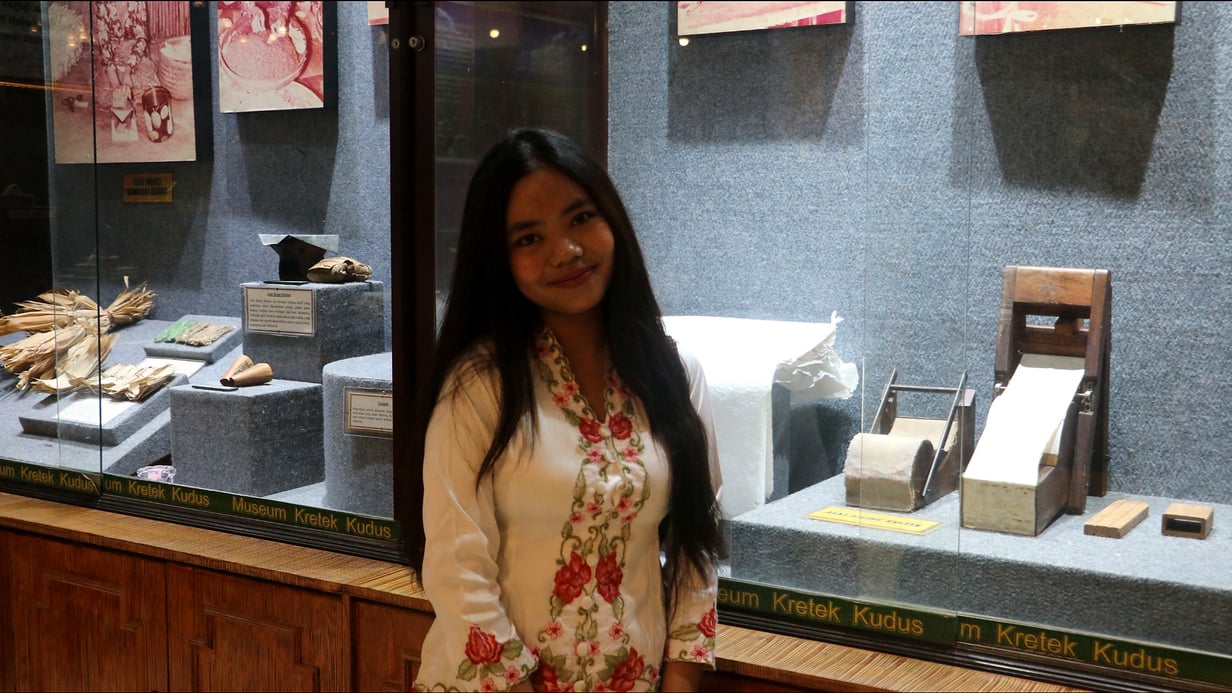
“It is excellent, tranquil, and the information is very comprehensive. The evidence is all here, so we don't just hear stories, but we can see the relics of the past for ourselves,” she added.
This experience has prompted Dinda to recommend the Kretek Museum to her family and friends, especially those traveling from outside Kudus.
For visitors like Nifa and Dinda, the museum's collection serves as an entry point to understanding Kudus through its history. Yet, these artifacts are part of a long journey spanning several decades.
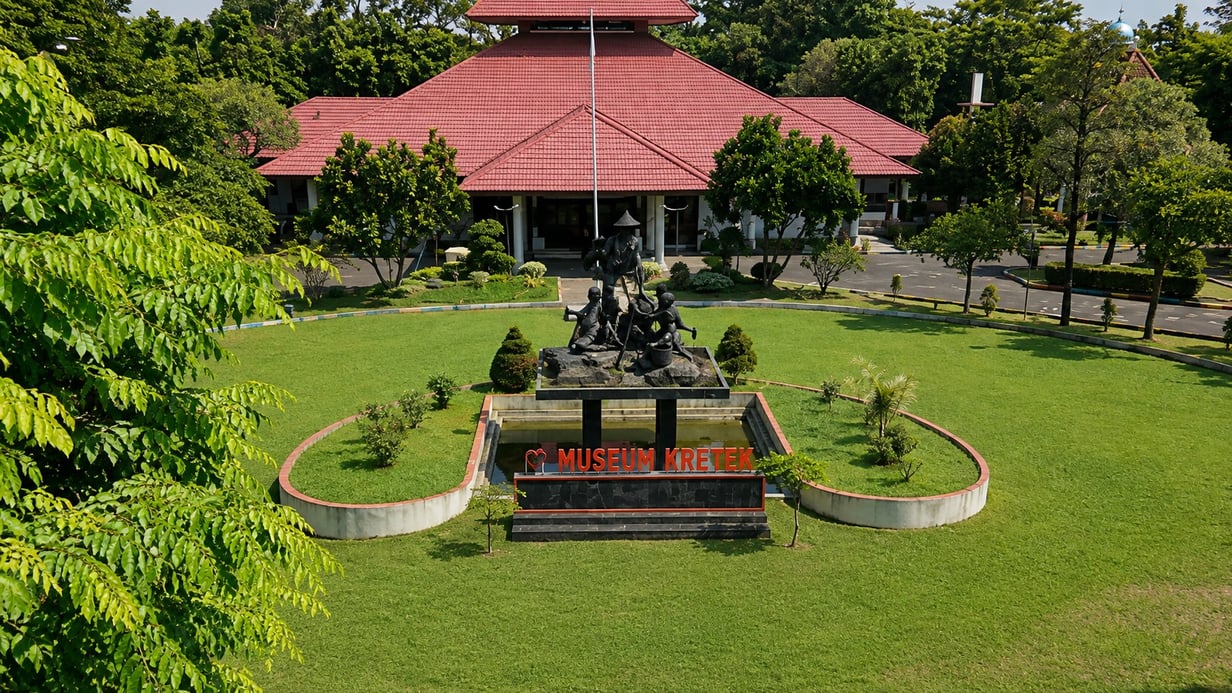
The Kretek Museum was officially opened on October 3, 1986. The initiative began with the then-Governor of Central Java, Soepardjo Rustam, who recognized that while Kudus was deeply intertwined with the kretek industry, it lacked a museum dedicated to preserving that history.
The museum was subsequently constructed by the Kudus Cigarette Companies Association (PPRK). Soepardjo Rustam, who had since become Minister of Home Affairs, presided over the museum's inauguration.
The management of the Kretek Museum remained under the PPRK until 2007, after which oversight was transferred to the local government.
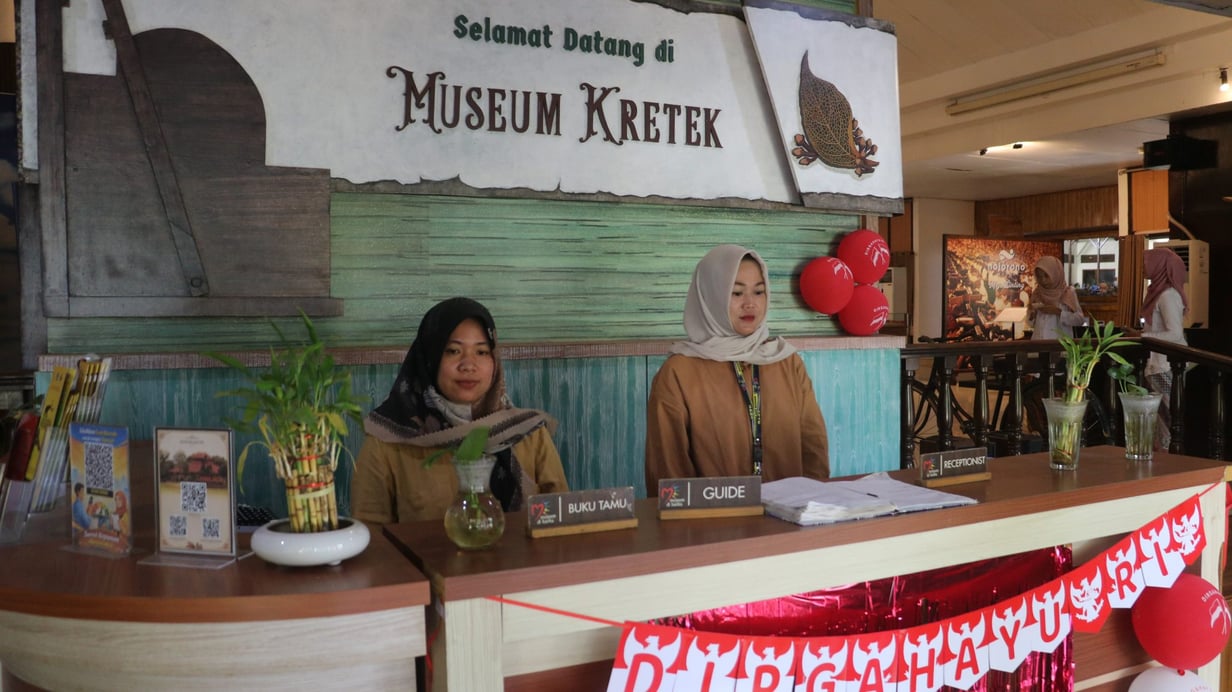
From its inception, the museum was not intended merely as a storage facility for artifacts. Its purpose is rooted in preserving the historical narrative of the kretek industry so that it remains accessible for public learning.
Kudus Kretek Museum educator Novi Hidayati stated that historical preservation is the cornerstone of the museum's mission.
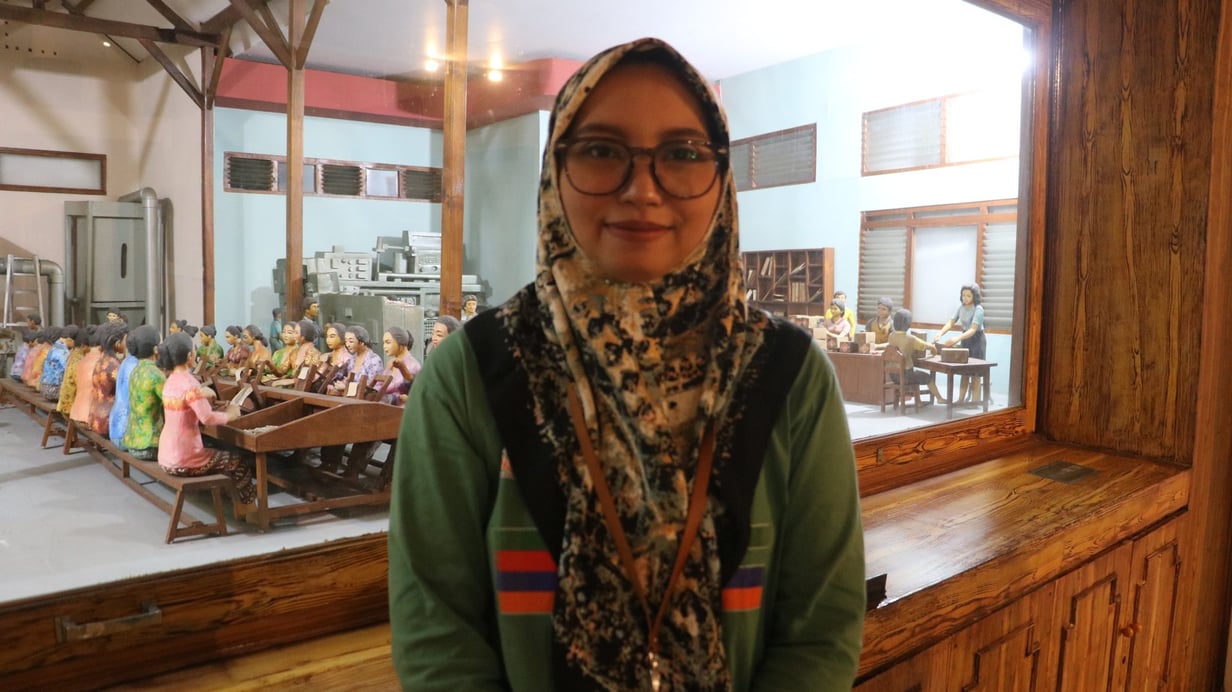
"The primary vision of the Kretek Museum is to preserve the history of kretek itself, ensuring that information regarding the industry is available for the benefit of the wider public," Novi explained.
Currently, the Kretek Museum houses approximately 1,200 items related to the history of the kretek industry in Kudus.
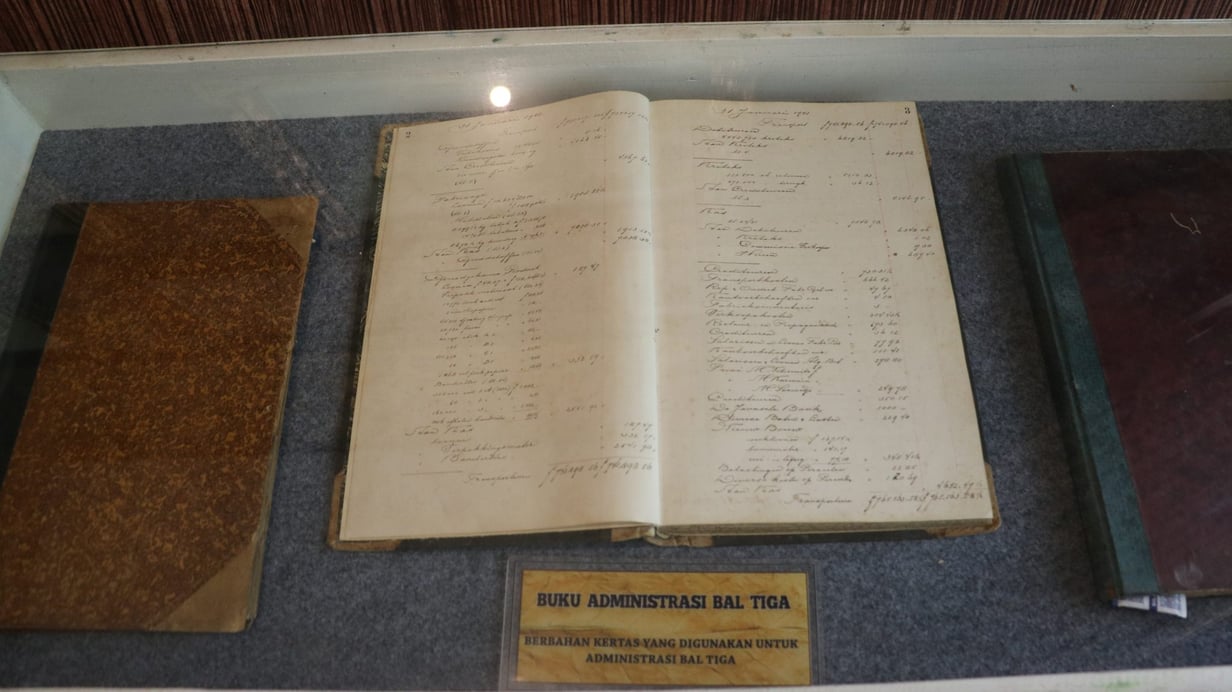
The various artifacts preserved in the museum provide visitors with a concrete look at the evolution of the kretek industry, including the Bal Tiga accounting book recovered from the Netherlands.
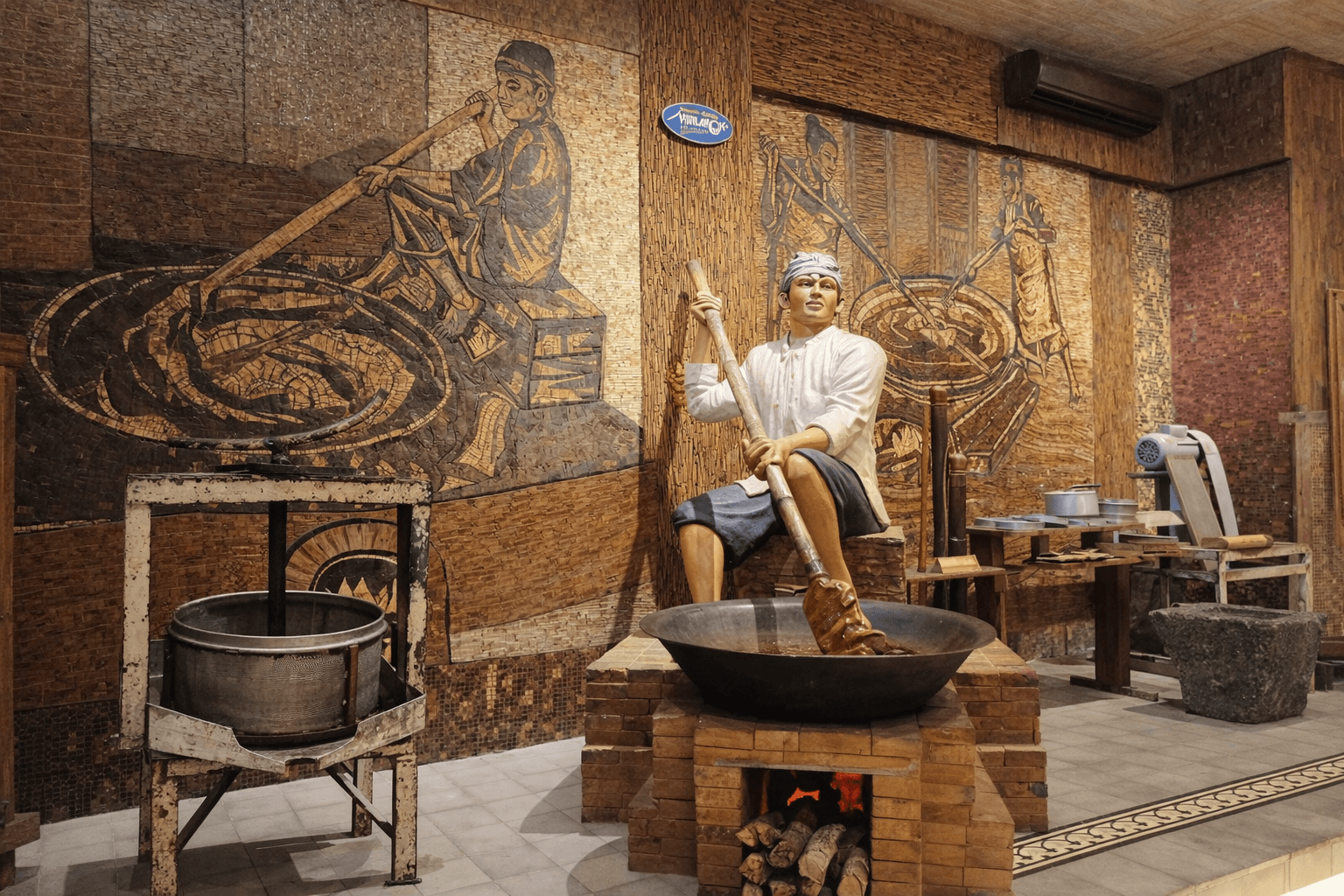
The museum also features milling tools that remain in use within the kretek industry today. These displays provide insight into the equipment utilized in the production process.
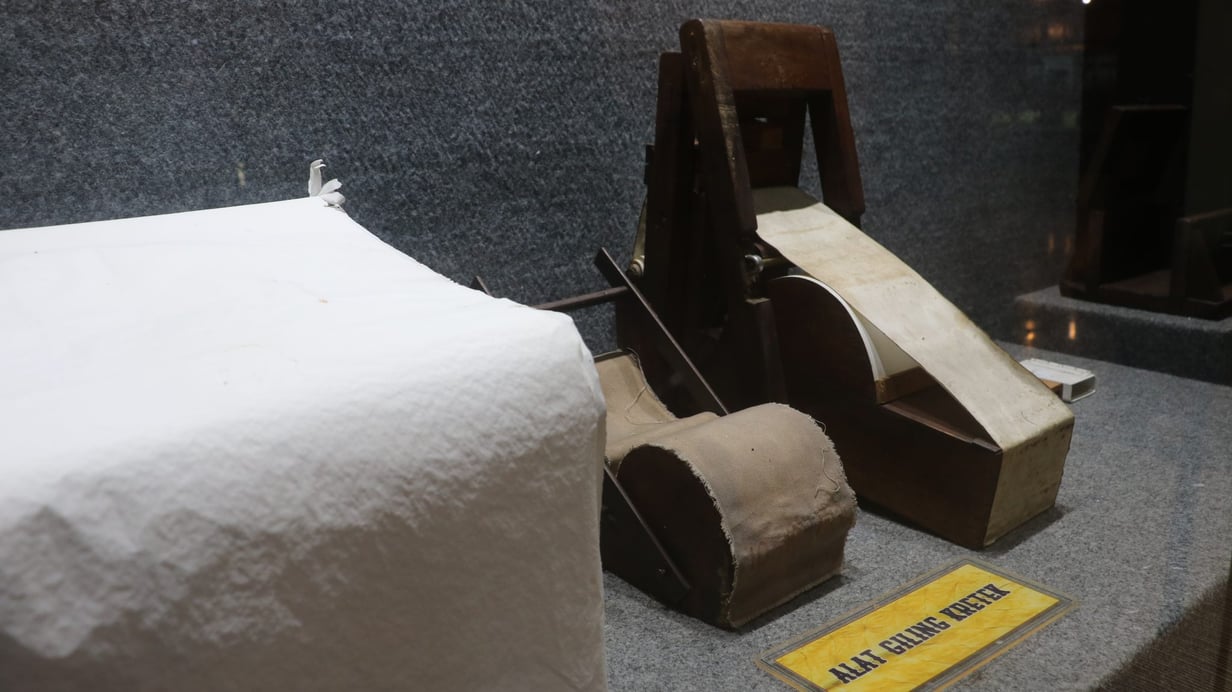
For Novi, every object in the collection tells a story. These items help visitors understand how the kretek industry evolved and its profound connection to the daily lives of the people of Kudus.
By observing the artifacts directly, visitors gain more than just written information or verbal explanations. They can examine the physical equipment, documentation, and various relics tied to the industry’s history.
This is a vital part of the museum's educational experience. The artifacts on display do not stand alone; they are accompanied by information regarding their context and historical significance.
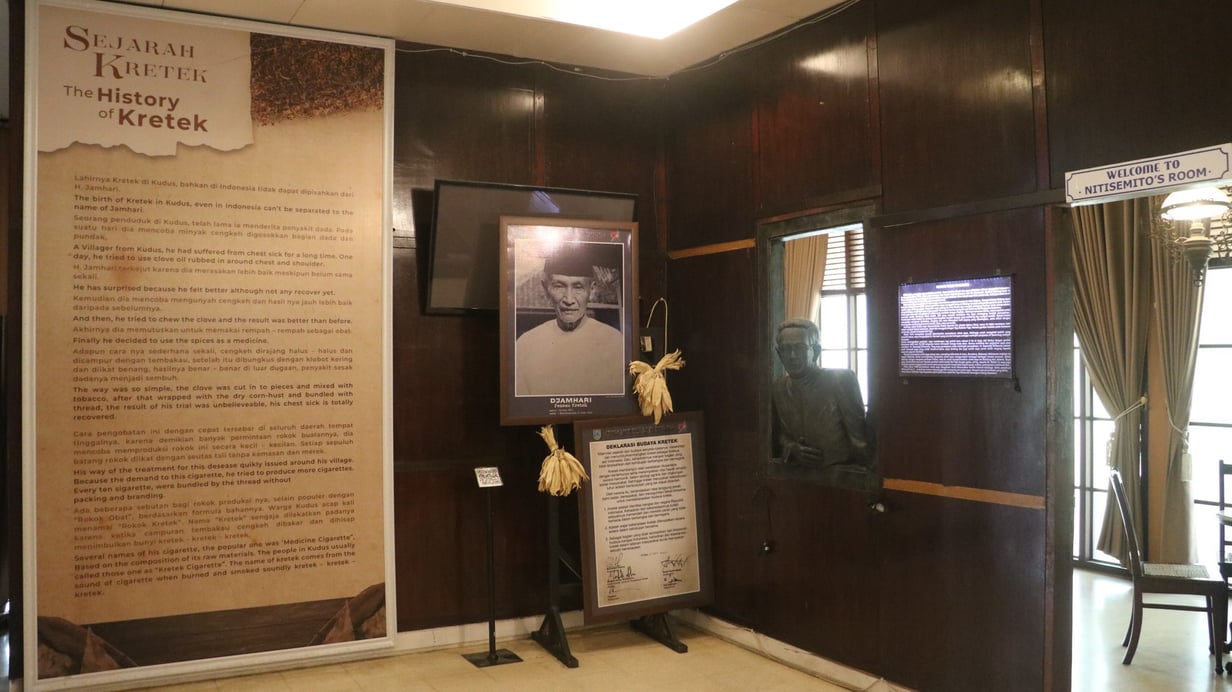
The history of kretek in Kudus dates back to approximately 1880 with Haji Djamhari. According to local lore, Djamhari suffered from chest discomfort and frequently used clove oil to alleviate his breathing difficulties. He later experimented by mixing sliced cloves into tobacco, which he then rolled and smoked.
The blend of tobacco and cloves produced a cigarette that made a distinctive crackling sound when ignited—a sound described as "kretek-kretek." This sound eventually gave the product its name, which has since become synonymous with clove-infused tobacco cigarettes.
In the early days, kretek were made simply in households. They were hand-rolled using available materials, including corn husks for wrappers. From these home-based activities, kretek gradually evolved into a widely traded commodity.
This growth was later advanced by local Kudus entrepreneur Nitisemito. He identified the potential of the home-produced goods and transitioned them into a business with organized production and marketing strategies.
Nitisemito became renowned for his brand, *Tjap Bal Tiga*. His business expansion remains a cornerstone of the Kudus kretek industry's history. He introduced broader marketing techniques and scaled production from a cottage industry to a major employer of labor.
By 1934, Nitisemito’s company reportedly employed approximately 10,000 workers. This figure highlights how the development of the kretek industry did more than just change production capacity; it created significant economic activity involving a vast workforce.
Nitisemito’s life is also intertwined with the history of Indonesia’s independence struggle. Known for his close relationship with Sukarno, Nitisemito was reportedly a financial backer of the independence movement. According to his grandson, Yudhi Ernawan, these contributions were channeled through trusted intermediaries due to the heightened surveillance and risks of the era. Sukarno even referenced Nitisemito by name during a speech at the BPUPKI session.
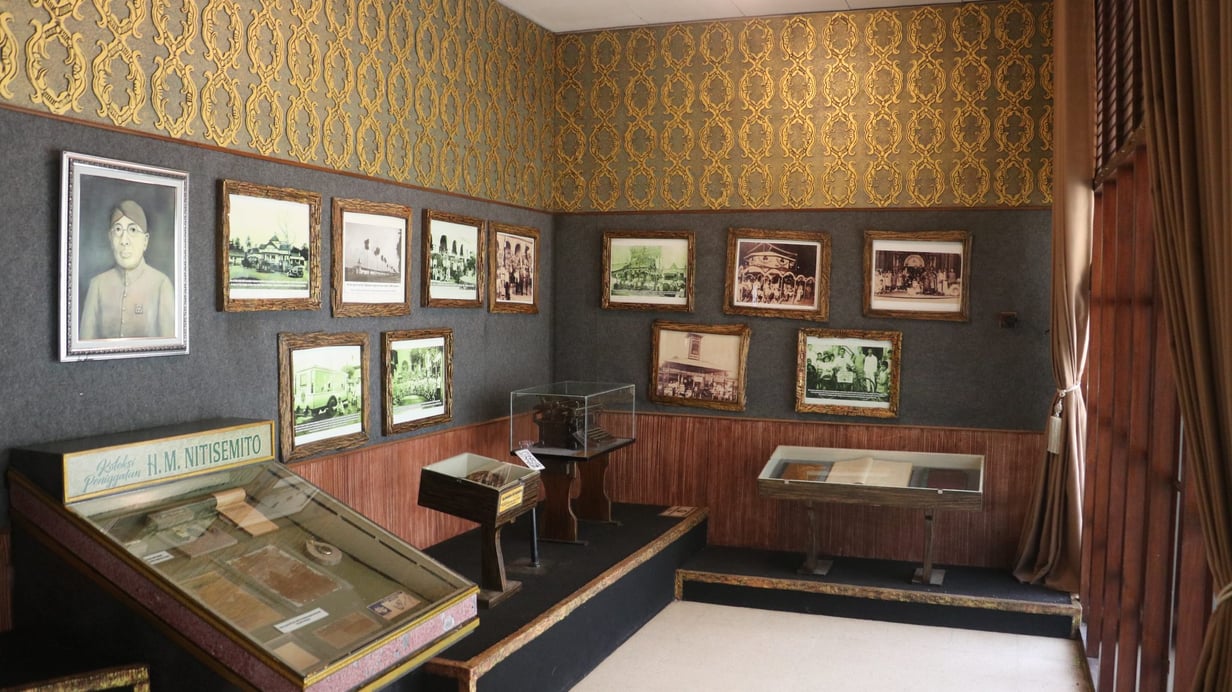
This narrative underscores that the fight for independence extended beyond the battlefield. Many citizens participated by leveraging their economic influence. Entrepreneurs provided essential funding and resources, while their existing business networks served as vital communication channels during the struggle.
The legacy of the kretek industry also includes the story of Tjap Saboek. Haji Muhammad Nur Hamid, Haji Nawi, and Haji Alisikin were the driving forces behind the company. As indigenous entrepreneurs from Kudus, they played a significant role in both developing the local economy and supporting the struggle to maintain independence.
Haji Muhammad Nur Hamid was a key figure in the rise of Tjap Saboek. His company thrived through robust production and trade. During the struggle for independence, Nur Hamid reportedly refused to cooperate with the Dutch, opting instead to use his financial resources to assist the resistance.
Haji Nawi and Haji Alisikin were also integral to Tjap Saboek. Alongside Nur Hamid, they utilized their business networks and available resources to provide support. In times of war, the ability of business leaders to secure funding and logistics became a crucial pillar of the independence movement.
Novi Hidayati, an educator at the Kudus Kretek Museum, noted that several kretek merchants of that era contributed significantly to the nation's struggle. This included Nur Hamid, who is said to have helped fund the General Offensive of March 1, alongside figures such as Nawi and Alisikin.
These accounts illustrate a unique economic form of resistance. These individuals did not need to be on the front lines to contribute to the cause; their business acumen, trade networks, and resources were instrumental in sustaining the independence movement.
The connection between kretek entrepreneurs and the independence movement is further evidenced by reports of military envoys visiting Kudus. Local business networks became vital in establishing communication and mobilizing support. Historical records regarding Tjap Saboek indicate ties to prominent military leaders, including General Sudirman and General Gatot Subroto.
At the time, the kretek industry was a multifaceted ecosystem involving workers, traders, suppliers, and distributors. When the political and security landscape shifted, these established economic networks proved essential to supporting the struggle.
Some artifacts from the Tjap Saboek era are now housed at the Kretek Museum. The collection, donated by the entrepreneurs' families, includes photographs, documents, tobacco products, and other items related to the company’s history. These pieces provide visitors with a deeper understanding of both the industry's evolution and the individuals who shaped it.
From Haji Djamhari to the entrepreneurs who followed, the history of clove cigarettes in Kudus tracks the transformation of a simple tobacco and clove blend into a massive industry. Its growth has shaped local economic life and established business networks that have endured for generations.
During the struggle for independence, many clove cigarette entrepreneurs used their financial resources to provide support. The stories of Haji Muhammad Nur Hamid, Haji Nawi, and Haji Alisikin form a chapter of this history, alongside the accounts of Nitisemito and other indigenous business leaders.
Through its preserved collections and documentation, the Clove Cigarette Museum not only chronicles the production and trade of kretek, but also highlights the industry's deep ties to community life, the development of the local economy, and the role of entrepreneurs in financing the Indonesian independence movement.
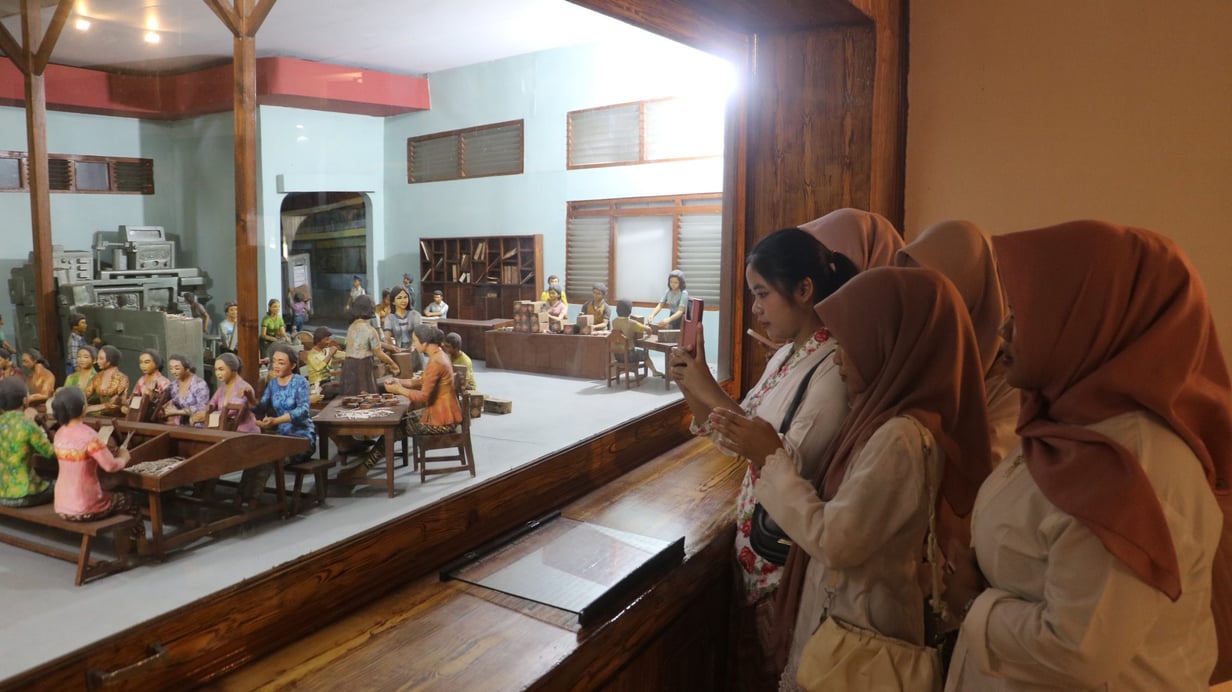
The Clove Cigarette Museum also serves as an educational center. It is a frequent destination for students, ranging from kindergarteners to high schoolers.
The museum tailors its educational programming to the specific needs of its visitors, offering specialized sessions for the general public and visitors with disabilities.
The museum also hosts various public programs, including exhibitions and collaborative learning activities, as part of an effort to utilize its collection as an educational resource.
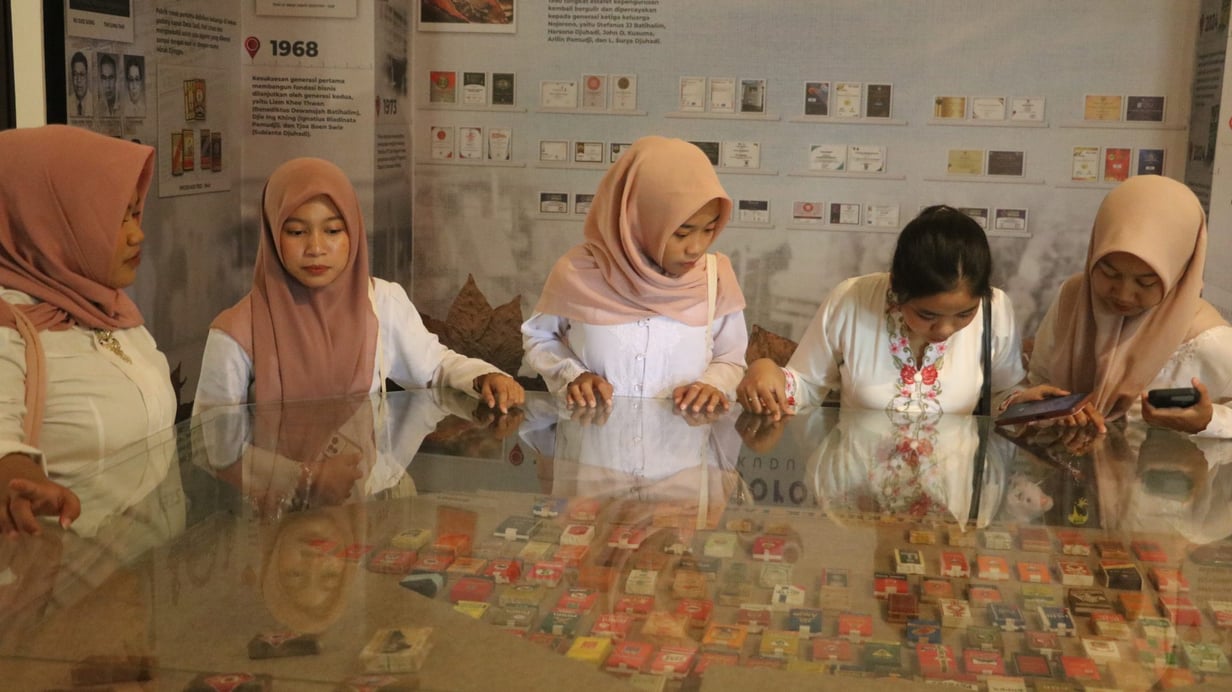
Nifa’s experience is one example of how the museum is utilized; she visited with friends to complete a school assignment, while Dinda came to explore archival photographs and the traditional cigarette-making process.
Though they arrived with different objectives, both gained a deeper understanding of Kudus's history by viewing the collection firsthand.
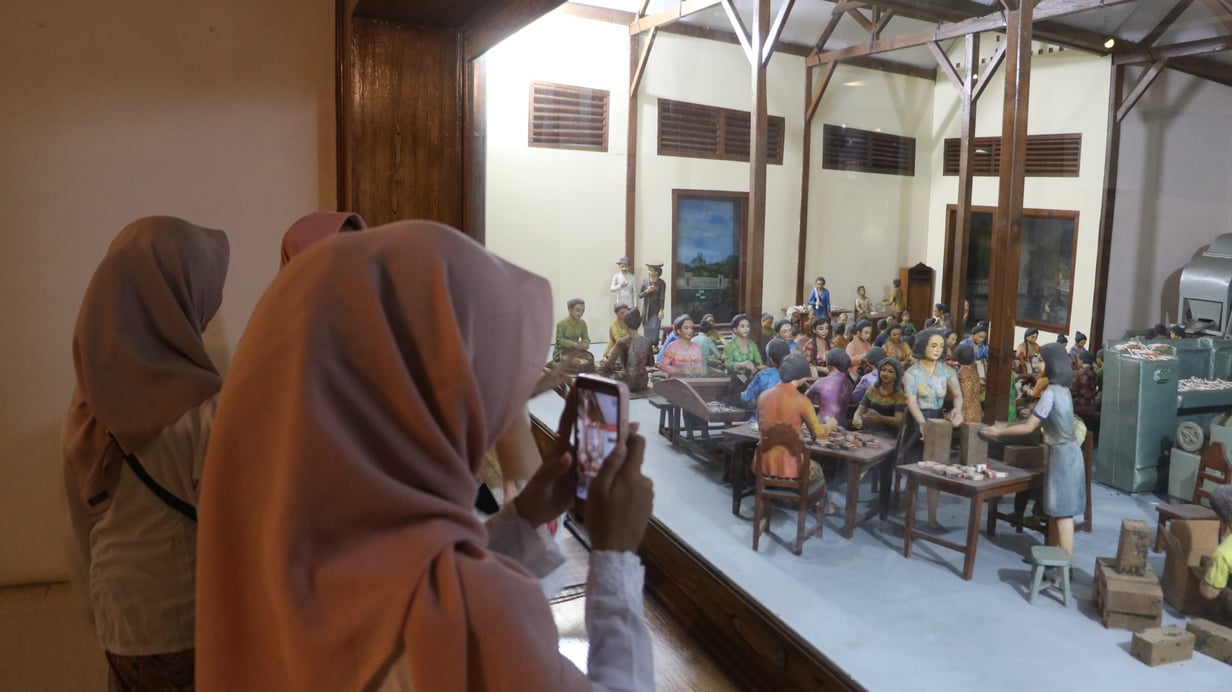
Beyond its role as an educational space, the Kretek Museum is a key destination for tourists looking to explore the history of Kudus.
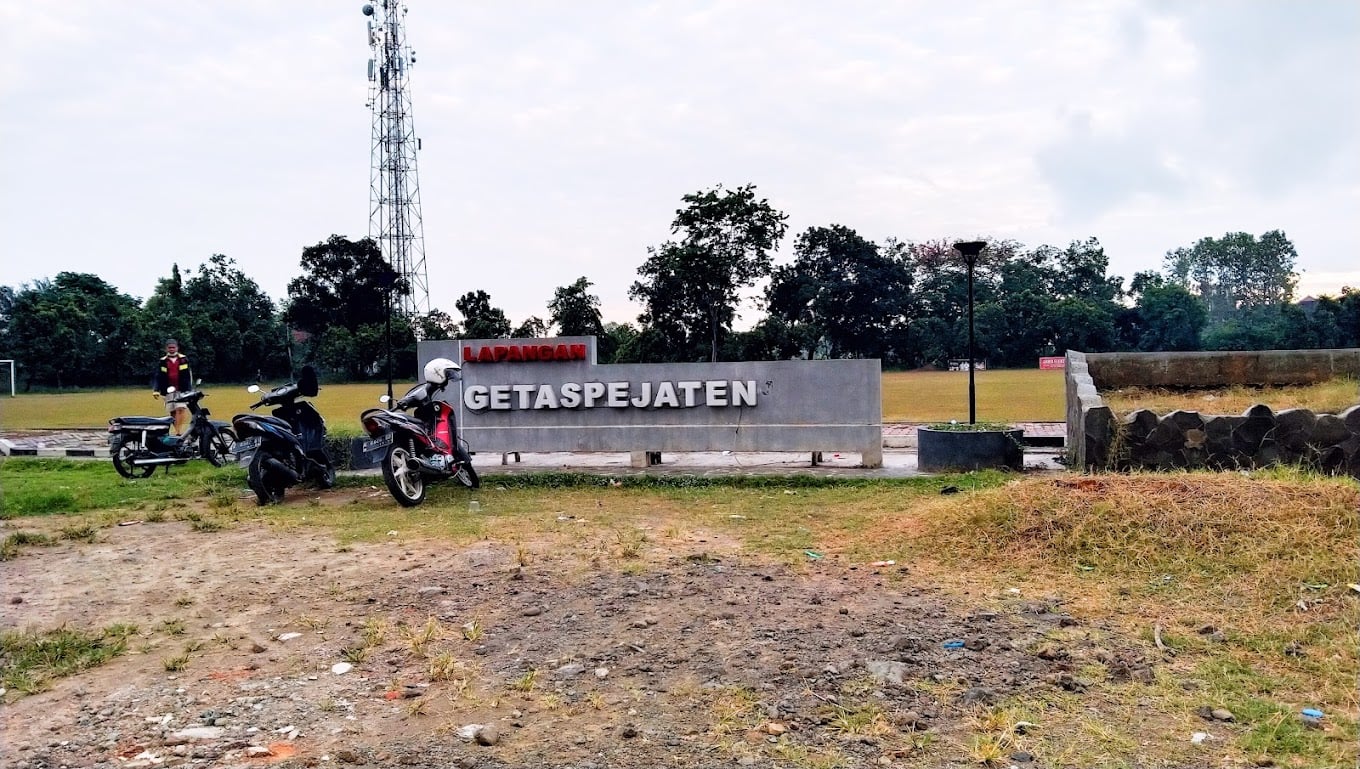
The museum is located in Getas Pejaten Village, Jati District, Kudus Regency. It is open daily from 8:00 a.m. to 3:00 p.m. WIB.
Admission is relatively affordable, with tickets priced at Rp 4,000 per person from Monday to Saturday. On Sundays and national holidays, the fare increases to Rp 5,000 per person.
In addition to the museum exhibits, visitors can enjoy the Kretek Museum Waterboom, operated by the Kudus Regency Government. Admission to the water park is sold separately from museum entry for Rp 15,000 per person. The water park operates from 8:00 a.m. to 3:00 p.m. WIB, in line with the site's overall hours.
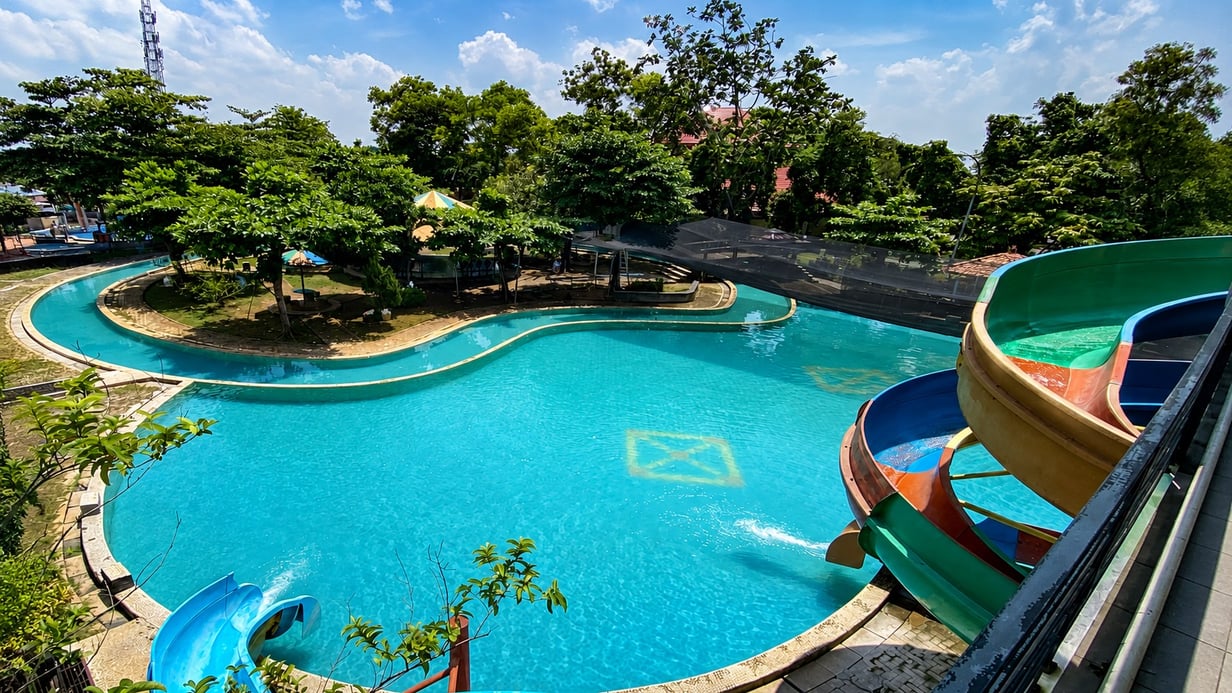
Facilities include pools for adults and children, water slides, and tipping buckets. Visitors can also access a ball pit and shower areas. These amenities make the museum grounds a multifaceted destination, serving as both a historical site and a family recreational center.
These features make the Kretek Museum an ideal stop for both family excursions and educational outings, allowing guests to combine history with leisure activities.
Museum attendance has reportedly grown annually, influenced by various activities hosted in Kudus.
According to Novi, specific events, particularly sporting competitions that attract participants from outside the region, significantly impact visitor numbers.
“We see an increase in visitors every year. It depends on the events happening in Kudus, as those also have an influence,” Novi said.
However, the precise impact of sporting events on overall attendance remains difficult to quantify, as not all data has been fully recorded.
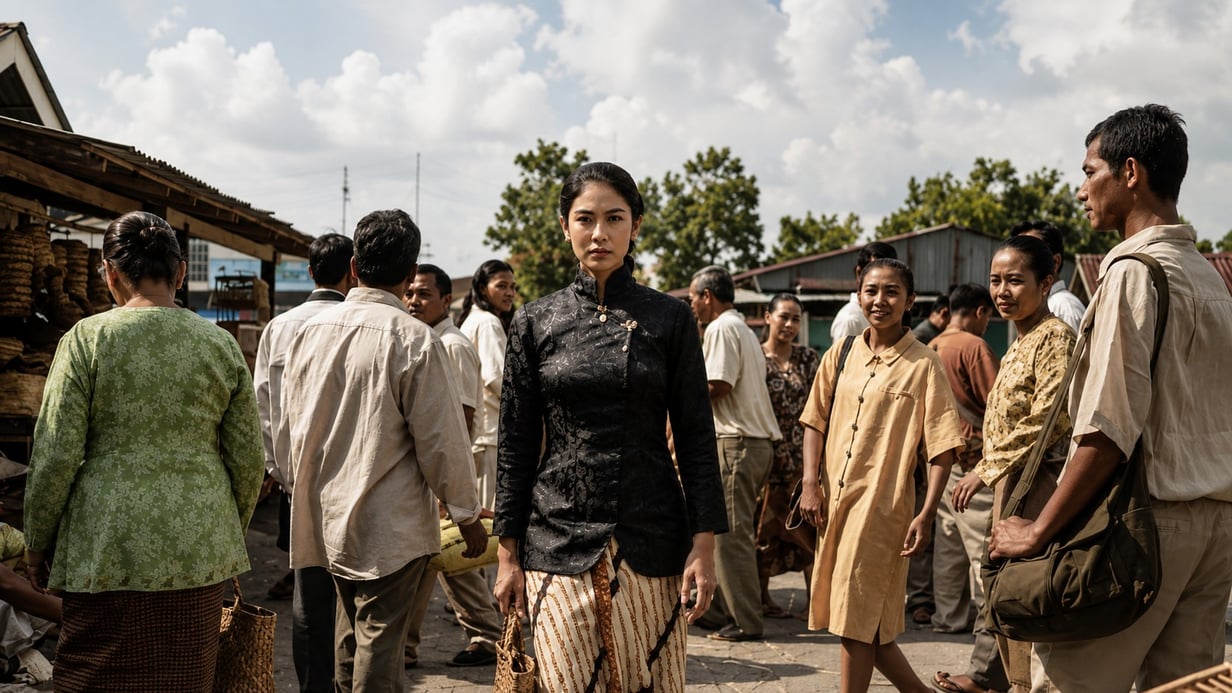
The Kretek Museum served as a filming location for the Netflix series Cigarette Girl. Production took place over three days in August 2022, during which time the museum was temporarily closed to the public.
The museum was chosen for its alignment with the series' narrative, which explores the historical evolution of the kretek industry and life in past eras. Adapted from Ratih Kumala’s novel, the show transitions between two timelines: the 1960s and the early 2000s.
The historical segments center on Dasiyah, or Jeng Yah (Dian Sastrowardoyo), and Soeraja (Ario Bayu). Dasiyah is portrayed as a woman with a talent for crafting cigarette sauces, while Soeraja enters the industry and eventually builds his own business.
The narrative continues in the early 2000s through Lebas (Arya Saloka) and Arum (Putri Marino), who investigate the Soeraja family's past in search of answers regarding Dasiyah. This structure makes sites historically significant to the kretek industry essential elements of the story.
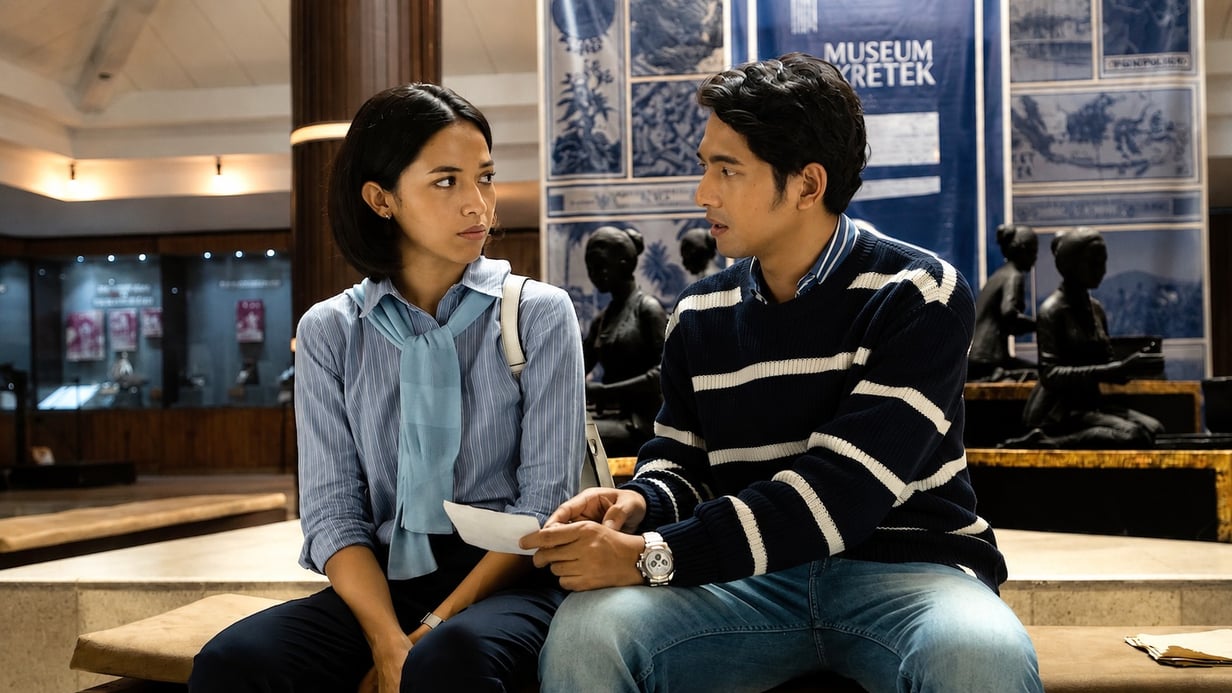
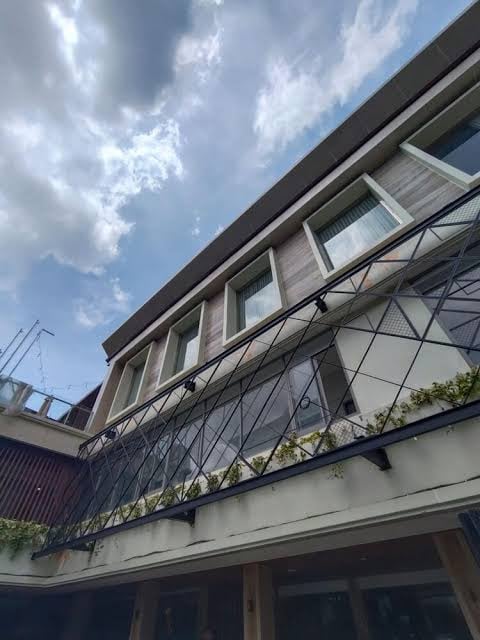
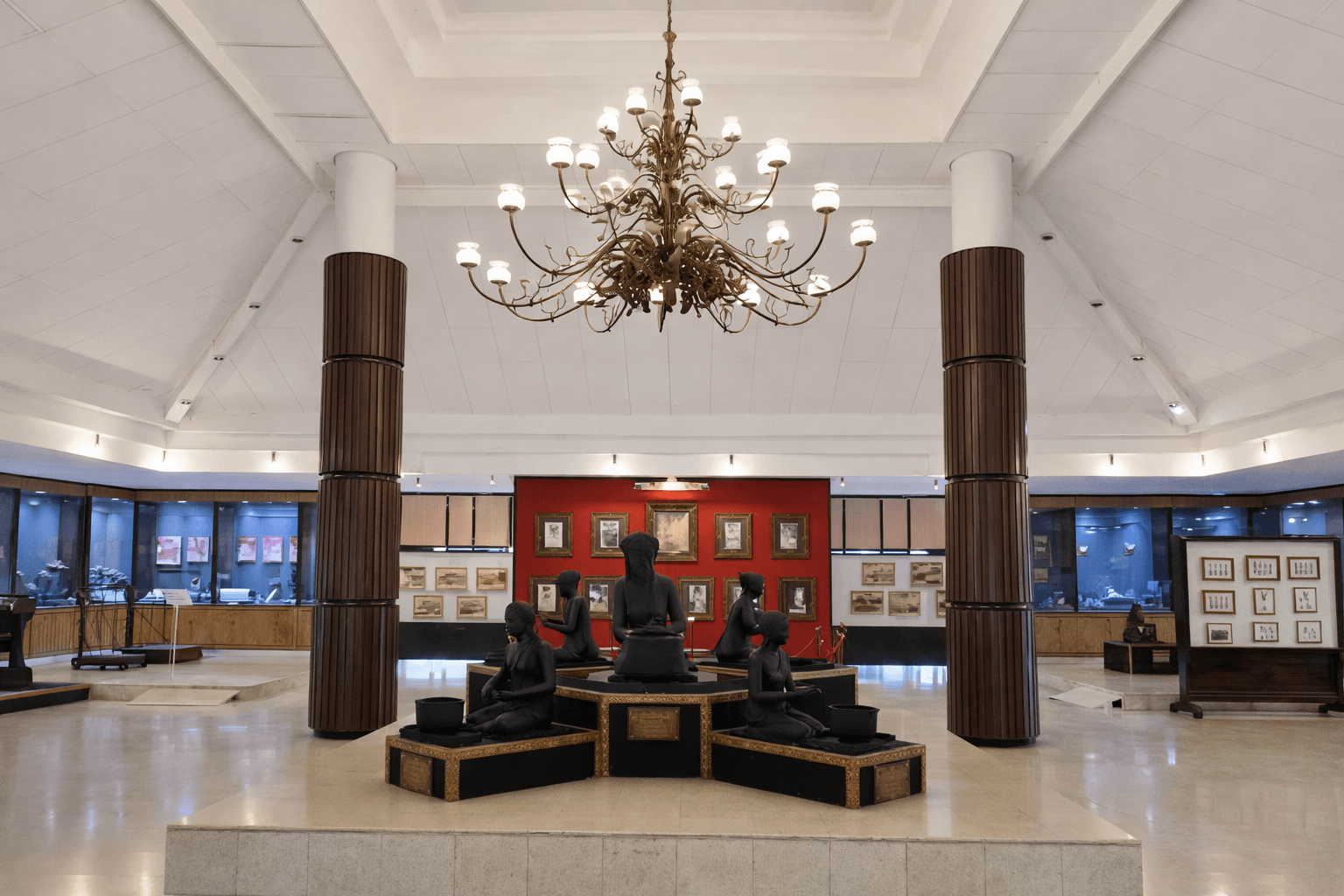
For the Kretek Museum, its historical collection and atmospheric building provided the ideal backdrop for production. The museum houses documentation on the industry’s history, prominent entrepreneurs, production equipment, and various artifacts related to the development of kretek in Kudus.
Several areas of the museum were utilized during filming. The presence of cameras and crew temporarily transformed the site, which is typically reserved for visitors and educational activities.
Since the series premiered in November 2023, the Kretek Museum has found a new connection with audiences. Visitors familiar with the museum’s historical exhibits can now experience the setting through a fictional narrative, while fans of the series are provided a compelling reason to visit the locations seen on screen.
Museum visits now extend beyond the scope of the show. Guests can still explore the collections, photographs, dioramas, and production tools that document the industry’s history, allowing the fictional setting to exist alongside its historical reality.
The association with Cigarette Girl adds a new layer to the Kretek Museum’s mission of showcasing industry history. While the site has now appeared on screen, the museum continues its primary function as a place to observe, understand, and learn about the evolution of kretek in Kudus.
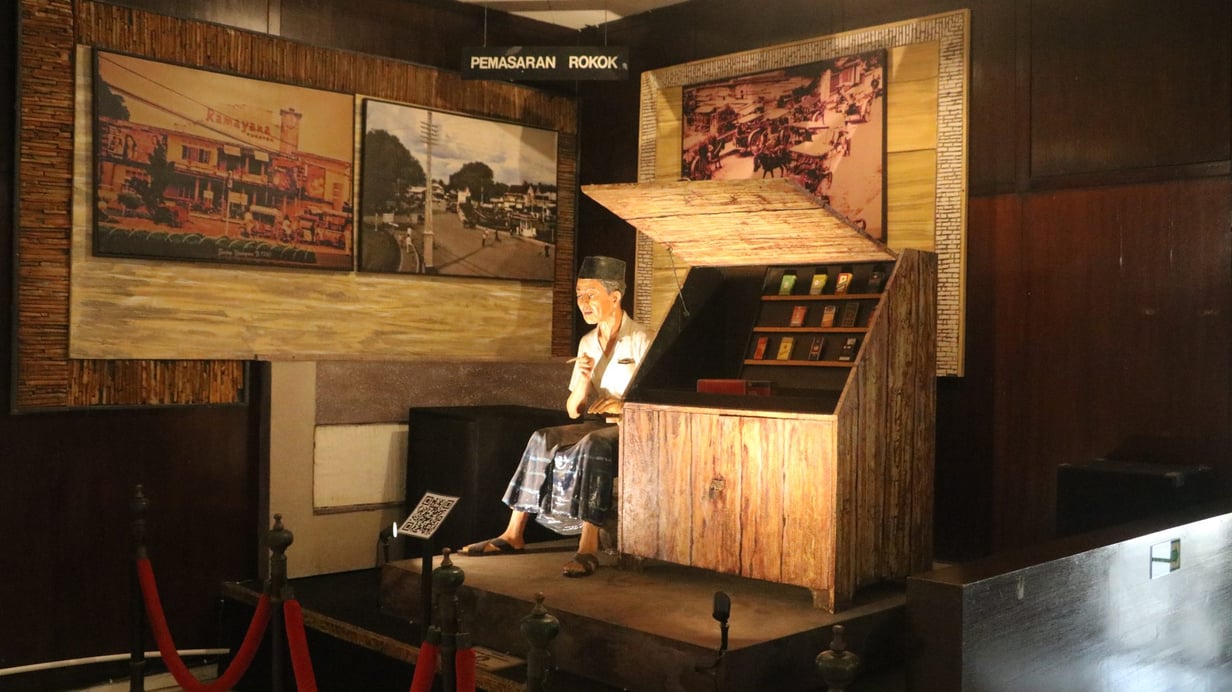
The journey of the Kretek Museum extends beyond its decades-old collection. The museum is now preparing a refreshed display layout, aiming to present historical information in a more engaging manner for visitors while reaching a broader audience.
This initiative is part of a strategy to preserve historical artifacts while ensuring that their narratives remain accessible and relevant to different generations. A museum's function, after all, is not merely to maintain relics but to impart the knowledge behind every item.
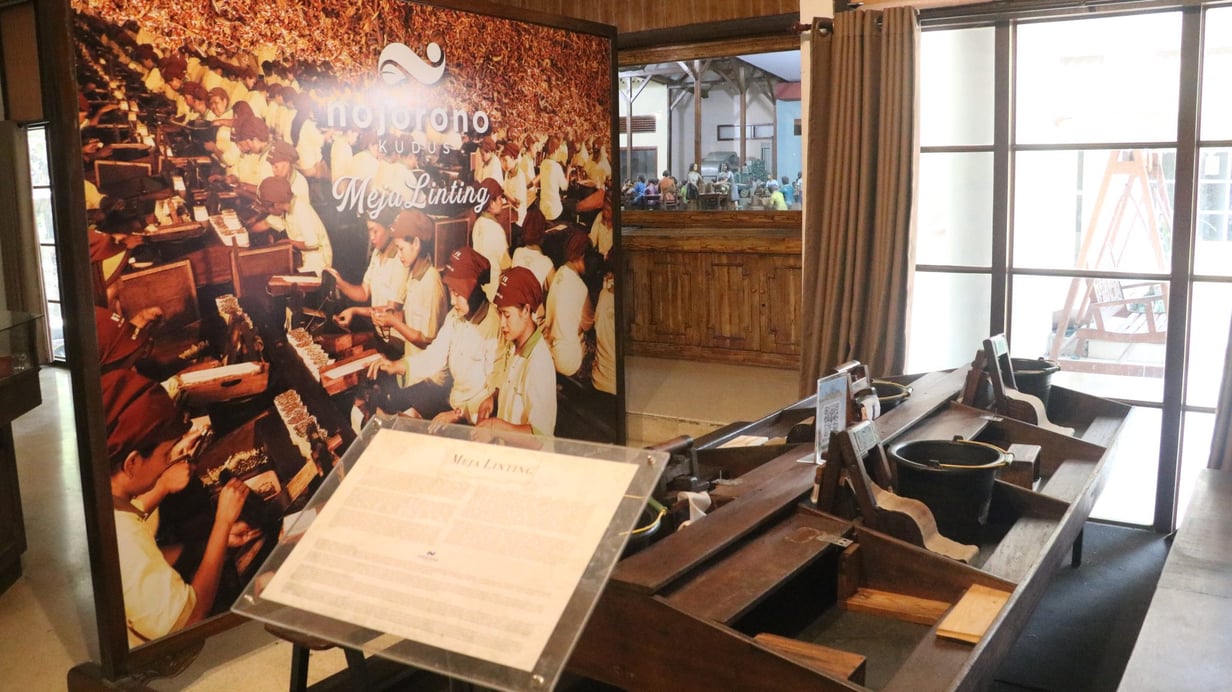
With a diverse visitor base, the museum must address varying informational needs. Students visit for educational purposes, tourists seek insights into Kudus' history, and the public can view artifacts that detail the evolution of the local kretek industry.
Novi Hidayati expressed hope that the updates will foster the Kretek Museum’s growth as an evolving learning space. She envisions a museum that reaches a wider audience, attracts more visitors, and continues to inspire stakeholders.
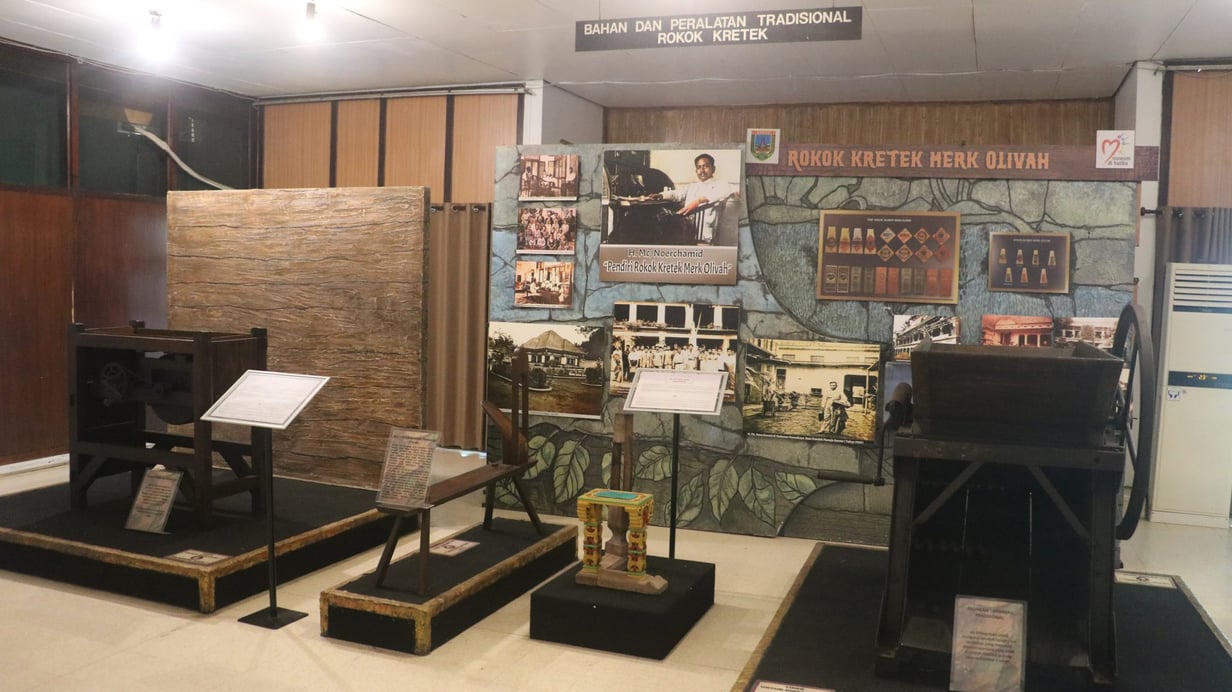
The stories preserved within the museum are told through various media, including photographs of historic Kudus, economic records, production tools, and the biographies of industry pioneers. These artifacts offer visitors a tangible connection to the transformation of Kudus.
After viewing the collection, Nifa gained a clearer understanding of Kudus' past. Dinda similarly noted that the photographs and artifacts provided a fresh perspective on local history.
Their experiences underscore that Kudus' history is not confined to written texts. The photographs, documents, production tools, and relics serve as vital records of community life and the industrial development of the region over time.
The Kretek Museum preserves these artifacts to ensure they remain accessible for study and public view. Through its curated collection, visitors can explore the evolution of the clove cigarette industry while gaining insight into a chapter of Kudus' history that remains deeply embedded in the local community today. (DN/mainkekudus)