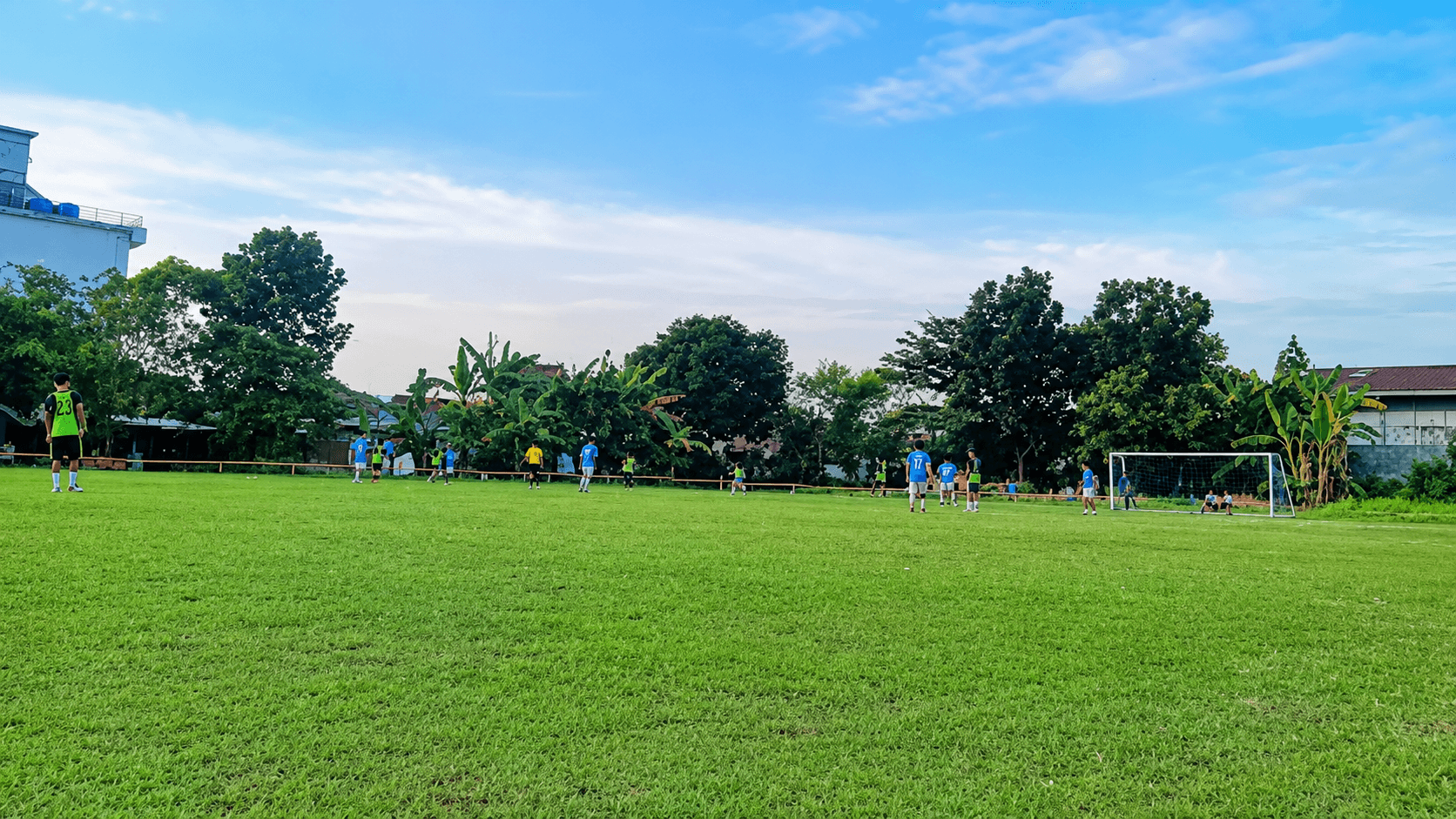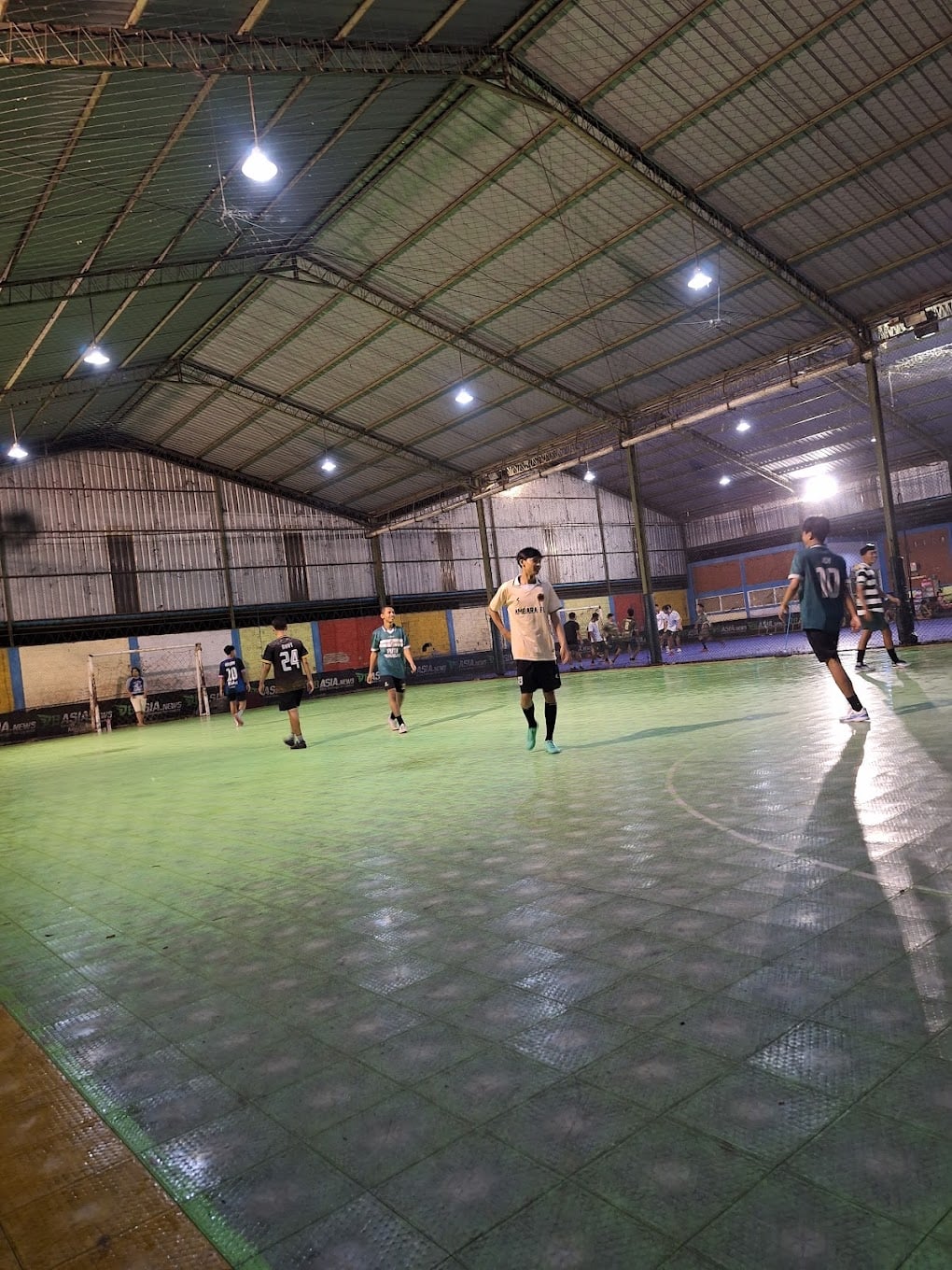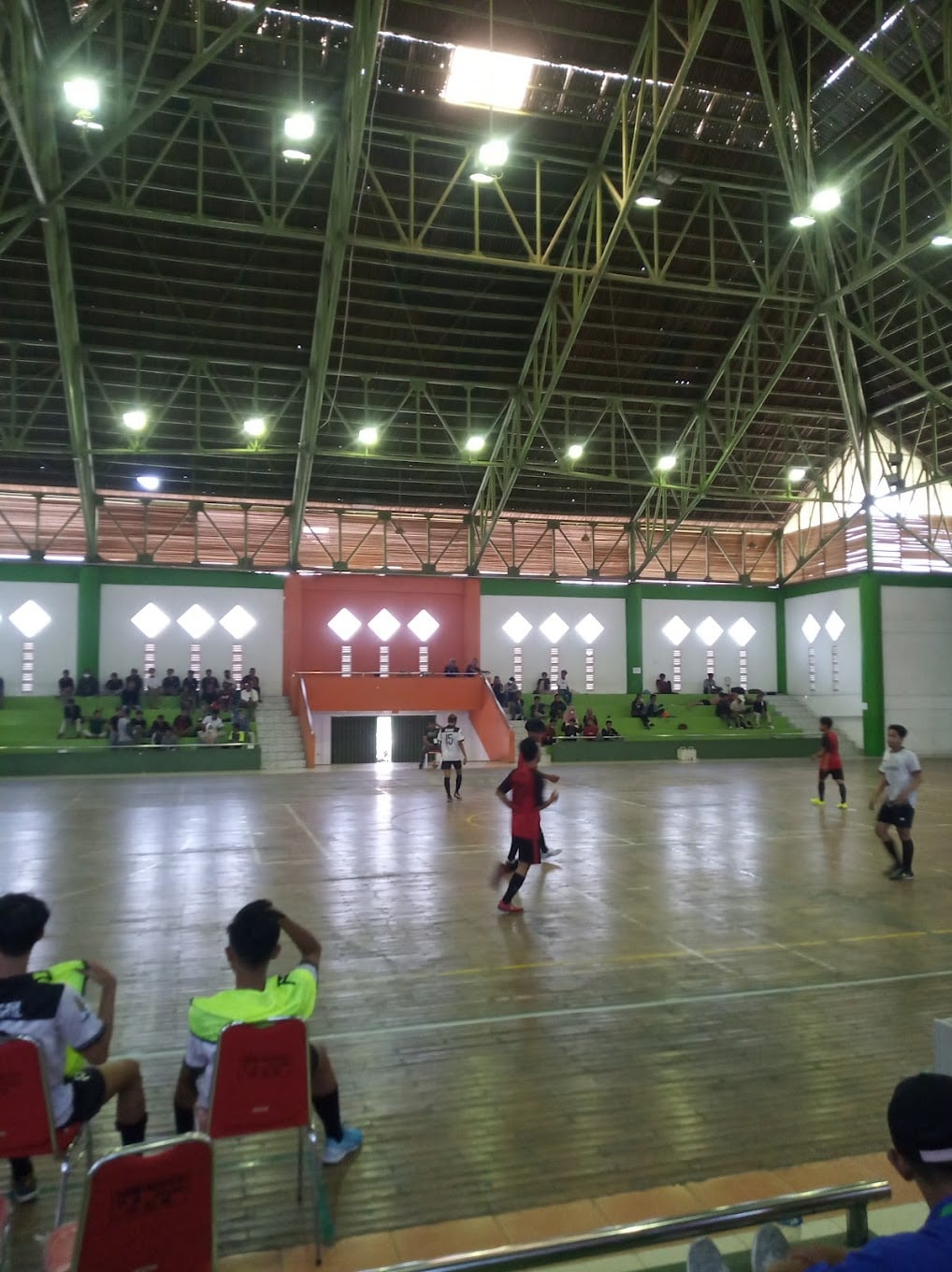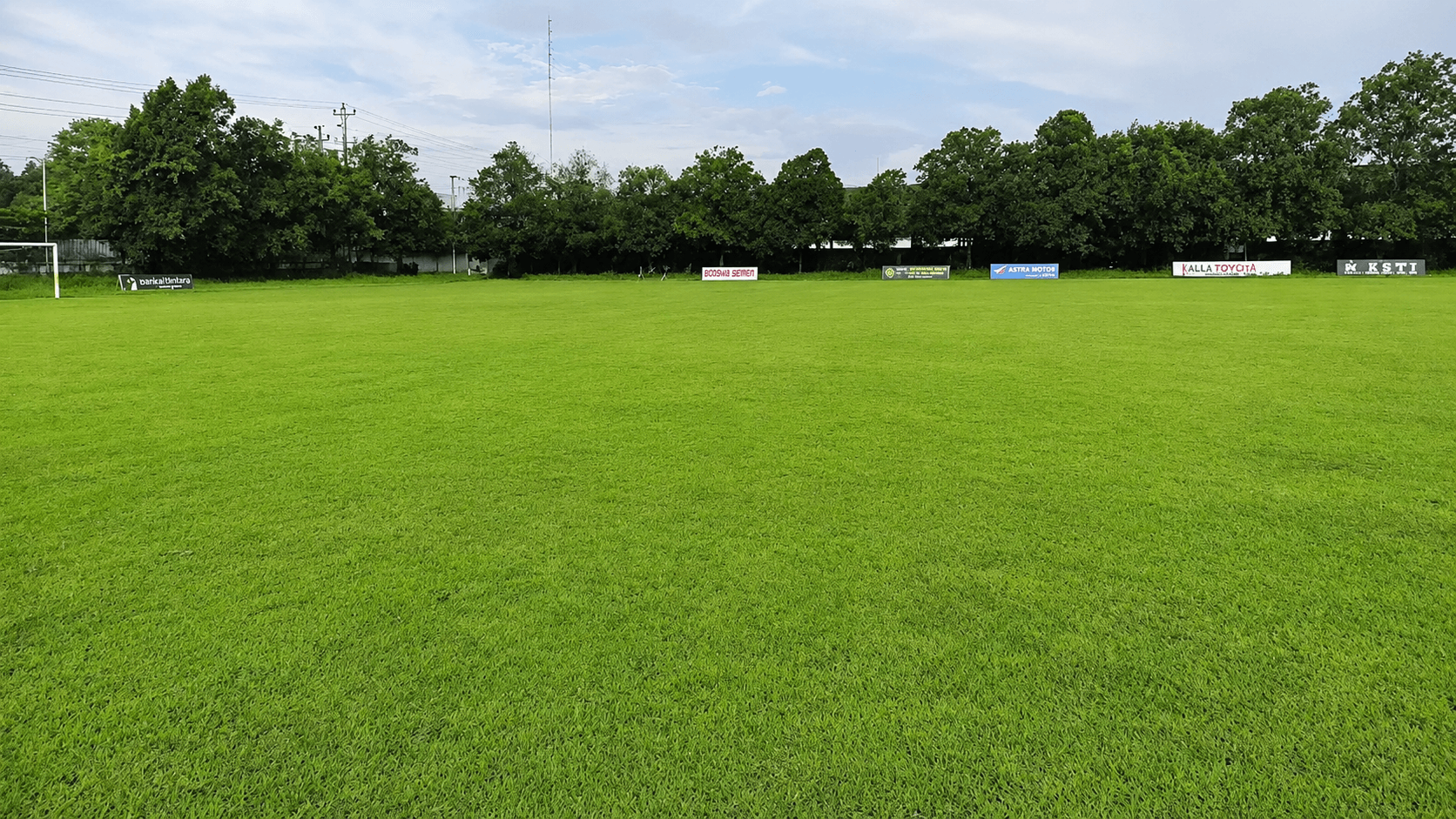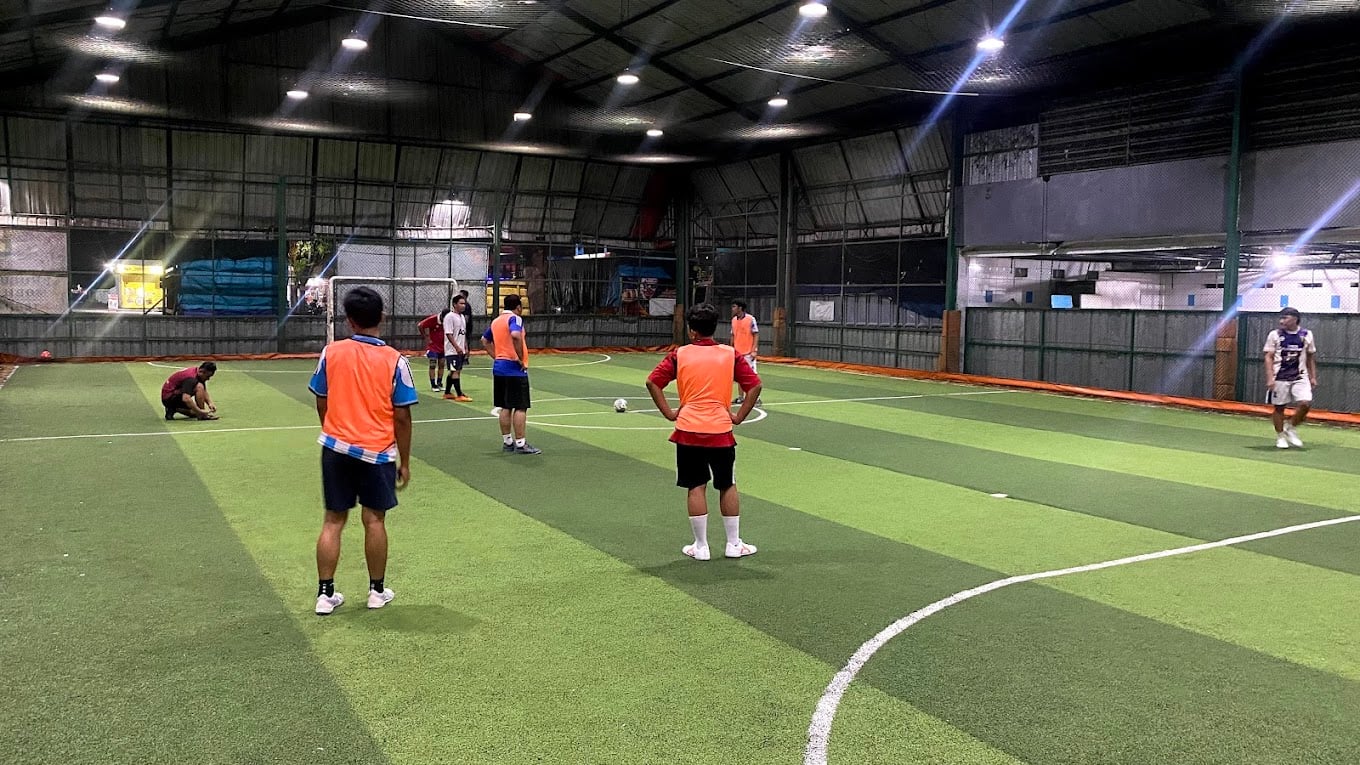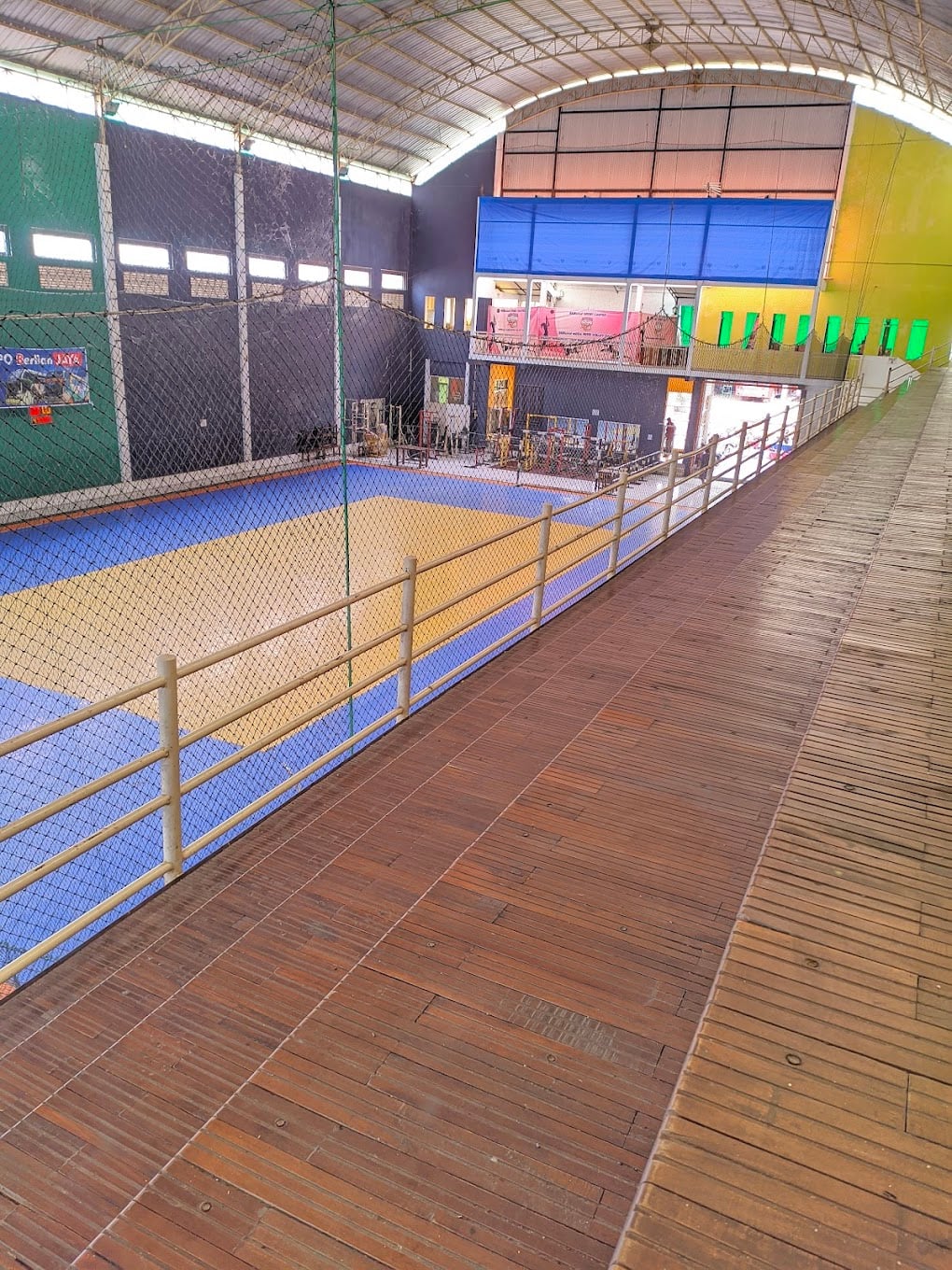
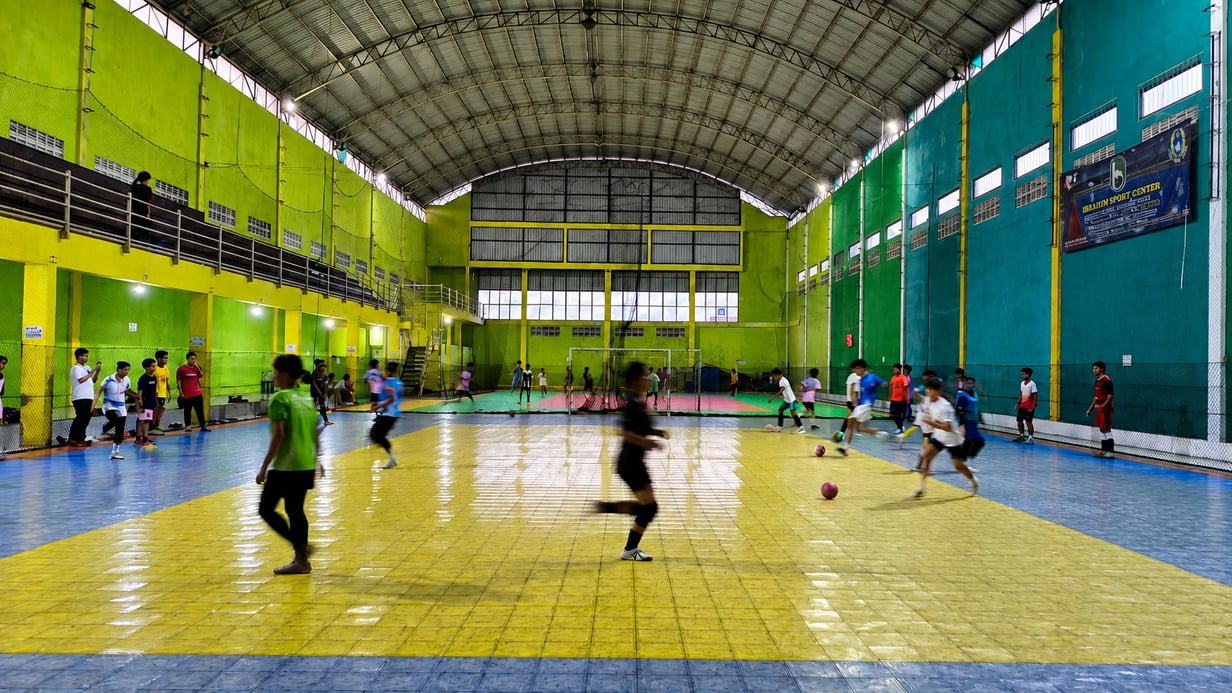
KUDUS – The Berlian Sports Centre has become a vital hub for fitness enthusiasts in Kudus. Since opening in 2013, the facility, located on the Kudus North Ring Road in Ledok, Karangmalang, Gebog District, has welcomed visitors daily from 7:00 a.m. to 11:00 p.m. The center serves the general public, community groups, local clubs, schools, and youth academies, who use the space for practice, recreation, and competition preparation.
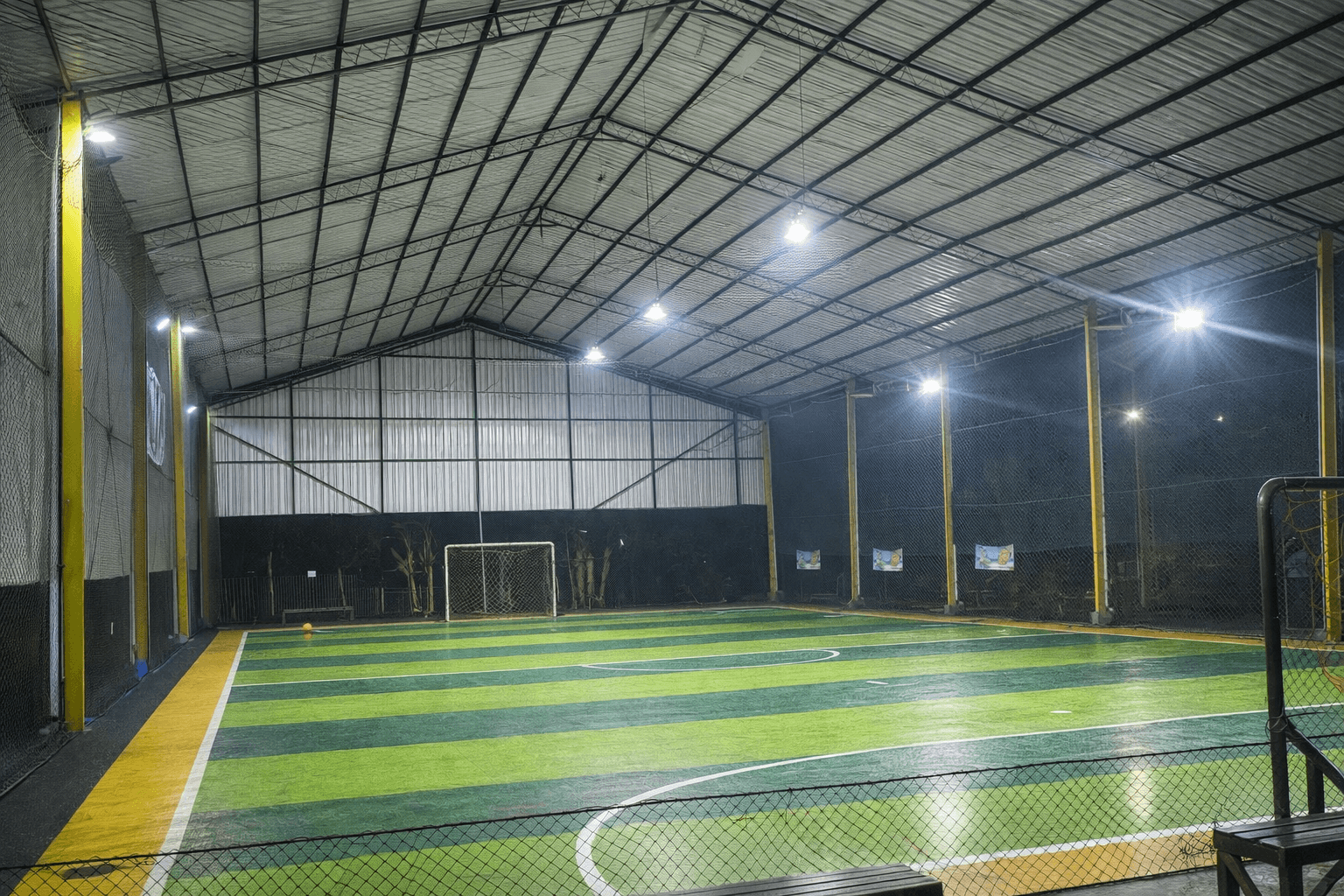
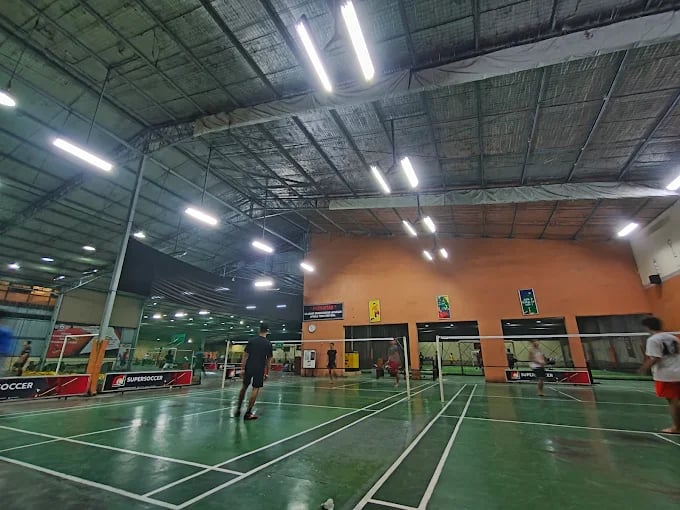
Futsal and badminton are the center's most popular offerings. The futsal court hosts regular training sessions, friendly matches, and tournaments, while the badminton courts provide a space for families and groups to exercise. The versatile facility also accommodates various other fitness activities based on user demand.
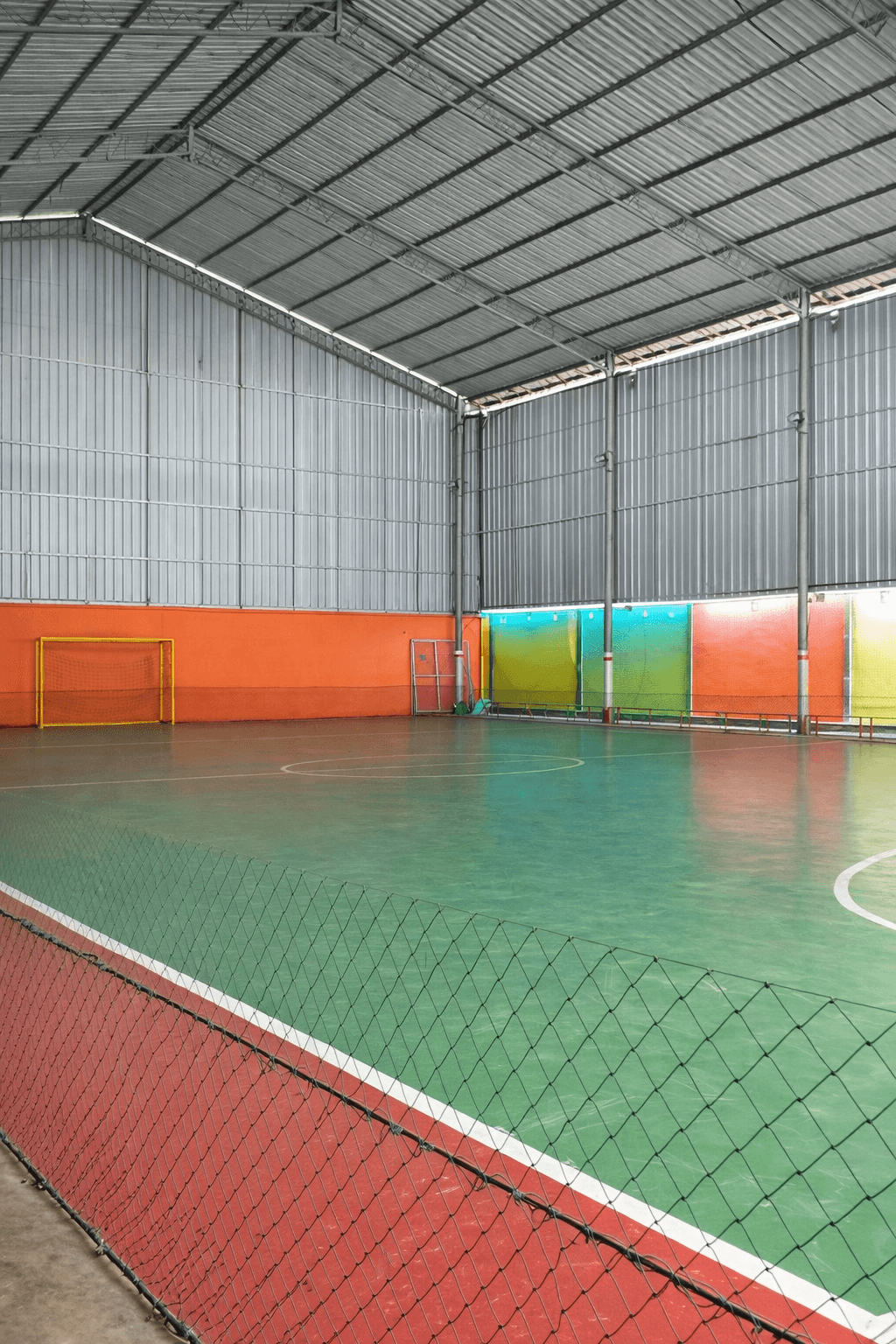
To ensure convenience, the venue offers parking for motorcycles and cars, along with restrooms and changing rooms. Facilities are available for hourly rental. FIFA-standard futsal courts are priced at IDR 70,000 for morning sessions, IDR 110,000 for evenings, and IDR 115,000 on weekends. Regular courts are available for IDR 60,000 in the morning, IDR 100,000 in the evening, and IDR 105,000 on weekends, allowing users to tailor their choice based on their needs and budget.
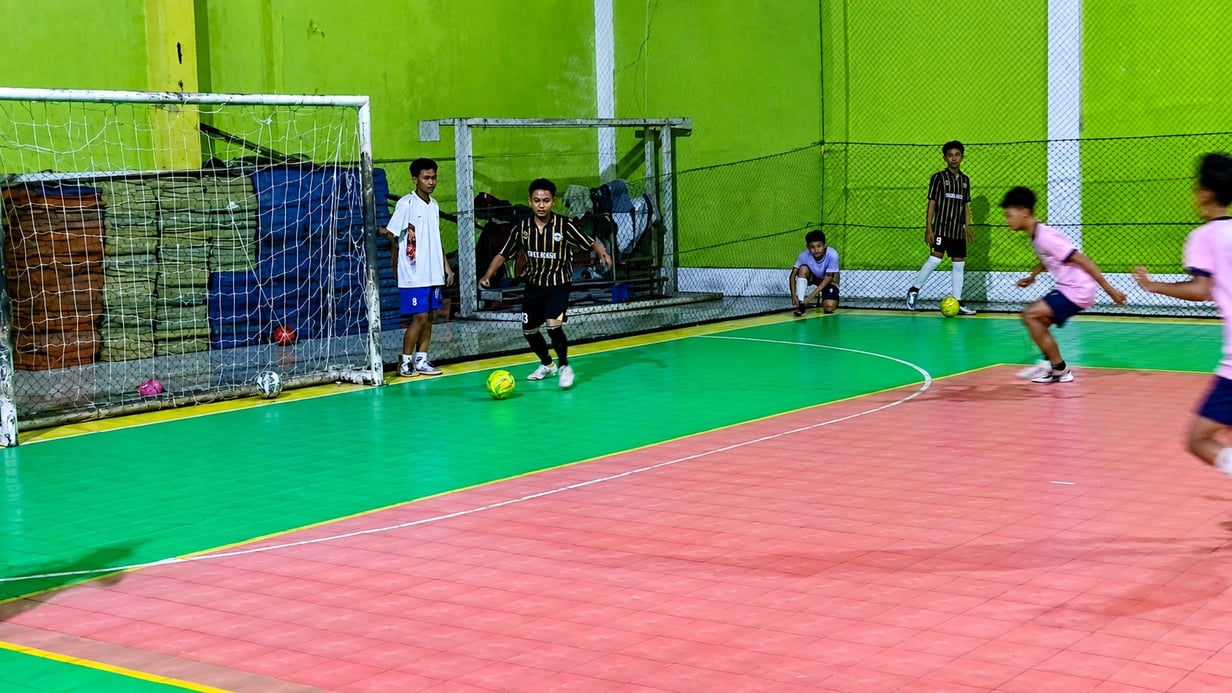
Futsal remains the highest-intensity activity at the complex. From morning until night, the court is consistently occupied by school teams, development clubs, corporate squads, and independent groups. This constant activity reflects how futsal has transitioned from a tournament-driven sport to a staple of daily exercise for local residents.
Berlian Sports Centre manager Maftakhul Arif noted the facility stays busy throughout the week.
“It is quite busy, indeed very busy,” he said, describing the high level of visitor enthusiasm.
According to Arif, futsal contributes the most to the facility's high traffic. Users come for diverse purposes, ranging from maintaining fitness with coworkers to executing structured training programs led by coaches.

Jl. Lkr. Utara Kudus, Ledok, Karangmalang, Kec. Gebog, Kabupaten Kudus, Jawa Tengah 59333, Indonesia
In recent years, he has observed a growing trend in the Kudus futsal scene. The emergence of local and regional competitions has encouraged players and teams to train with greater discipline. Student-aged groups are among the most active users, particularly during inter-school tournament seasons. For them, training sessions are more than just casual play—they are opportunities to refine techniques, teamwork, tactics, and physical conditioning before match days.
Arif also noted that some groups book the court repeatedly, a pattern reflecting trust in the facility to support long-term training programs. At any given time, young players can be seen following coach instructions, while subsequent slots are filled by the general public using the space to unwind after work or study. This convergence of diverse users has established the arena as a central hub for sports enthusiasts in Kudus.
The availability of adequate courts remains essential as youth interest in competition continues to rise. Athletes cannot rely solely on matches to improve; they require consistent training facilities to develop technical quality, fitness, and mental readiness well in advance of game day.
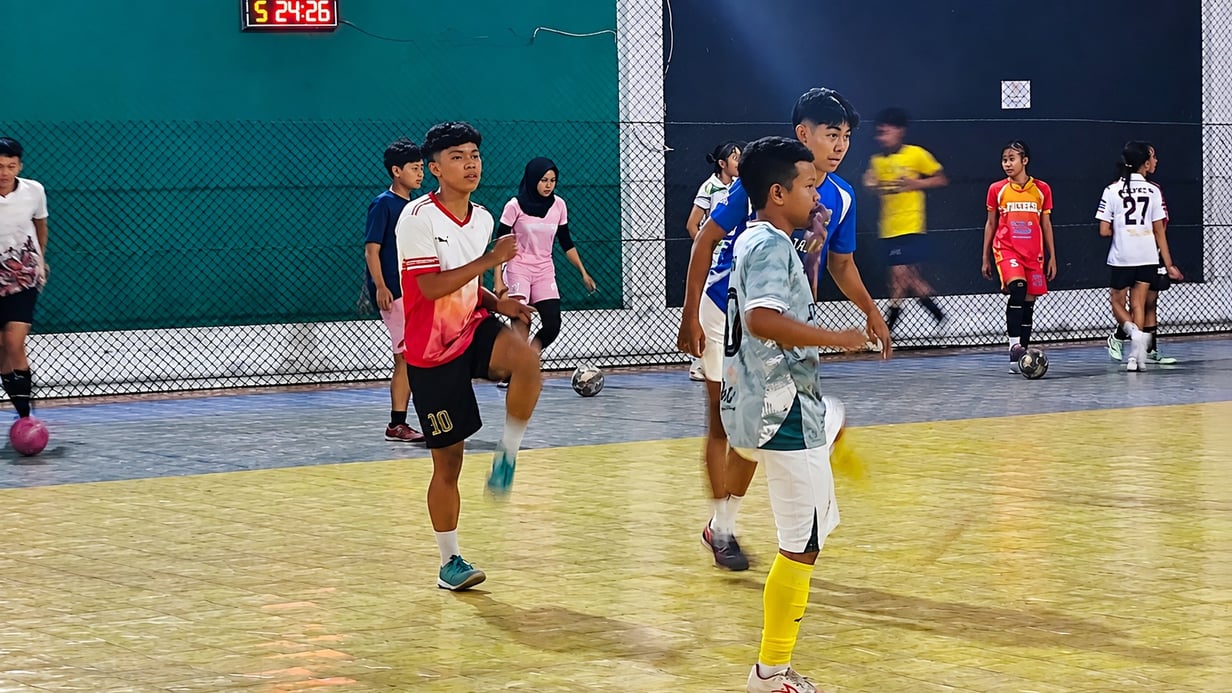
One institution that regularly utilizes Berlian Sports Centre is the Privat Futsal Club Academy. Founder and head coach Muhammad Arief Assegaf stated that his team has used the arena as their training base for approximately four years. Founded in 2017, the academy conducts four training sessions per week: regular drills on Mondays, Wednesdays, and Fridays, with Saturdays reserved for goalkeepers.
The choice of venue is based on the quality of the facilities. Arief noted that the clean environment, night lighting, and court dimensions help coaches implement their programs more effectively.
"The facility is representative, clean, and has excellent lighting. Its size is the closest to international futsal standards," he said.
According to Arief, court size is a critical consideration when preparing players for high-level competitive atmospheres. A standard futsal court measures 40 meters by 20 meters, and facilities of this size are still difficult to find in Kudus. Properly proportioned courts help players understand spacing, movement, and decision-making in conditions that mimic official matches.
Adequate infrastructure benefits more than just internal training; well-equipped arenas also increase the potential for Kudus to host larger-scale matches or tournaments. Consequently, Arief hopes the provision of quality sports spaces continues to grow to ensure the sustainable development of young athletes.
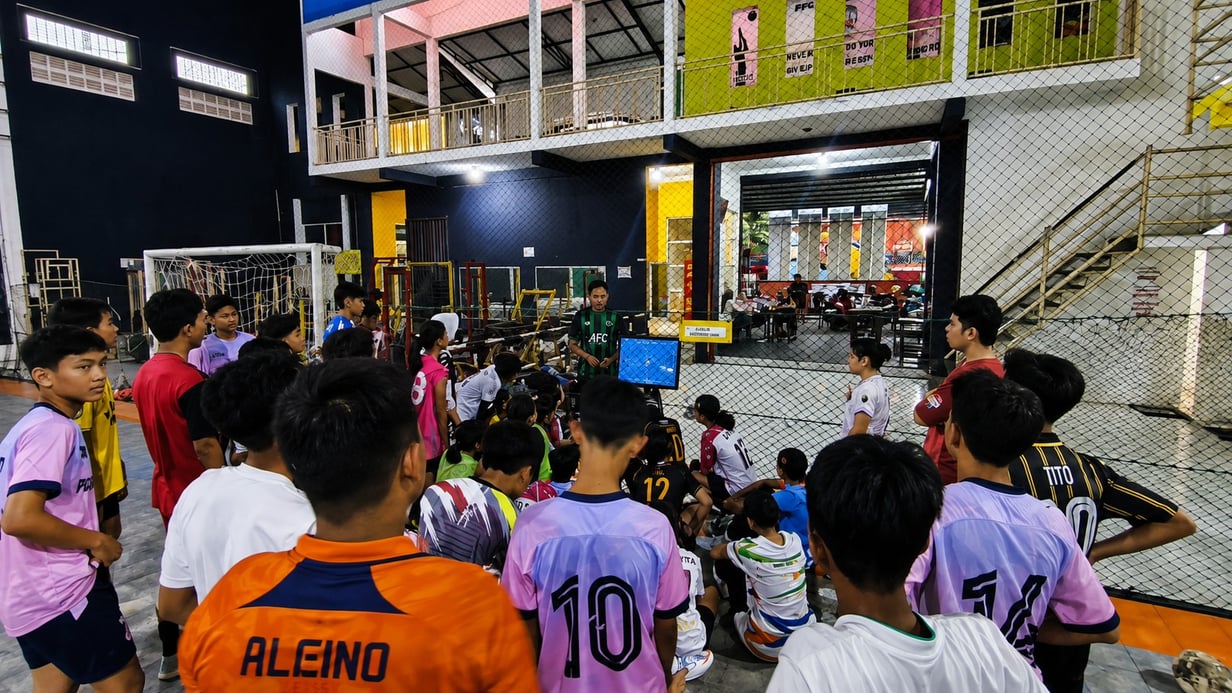
While serious about player development, the Privat Futsal Club Academy does not view technical skill as the only measure of success. For Arief, training serves as an educational space that builds discipline, mental resilience, a habit of hard work, and a never-give-up attitude.
“We cannot turn everyone into professional players. However, at the very least, we can cultivate individuals who are resilient in spirit, possess a strong mentality, maintain an unyielding character, and demonstrate discipline,” he emphasized.
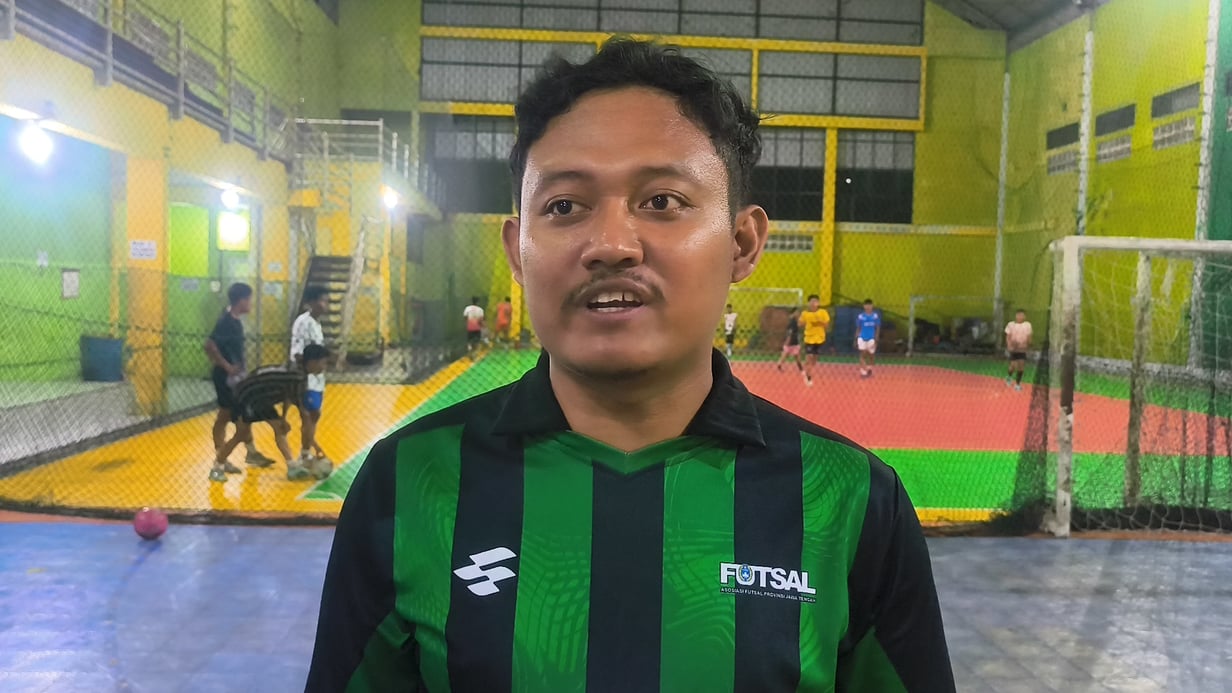
These values are instilled through routines that are simple yet demand consistency. Players must adhere to schedules, follow coaching instructions, maintain their fitness, and collaborate with teammates. In competition, they learn to manage pressure, make quick decisions, and accept both victory and defeat with sportsmanship. Such experiences are relevant not only on the court but also in their academic lives and social interactions.
Arief observes that the student futsal climate in Kudus has grown more positive since the Covid-19 pandemic. An increase in tournaments provides young players with more opportunities to compete and gauge their progress. A testament to this development is the Privat Futsal Club Academy’s women’s team, which reached the top six in a regional competition. The team is now preparing to participate in the Provincial Sports Week (Porprov) exhibition while representing Kudus Regency.
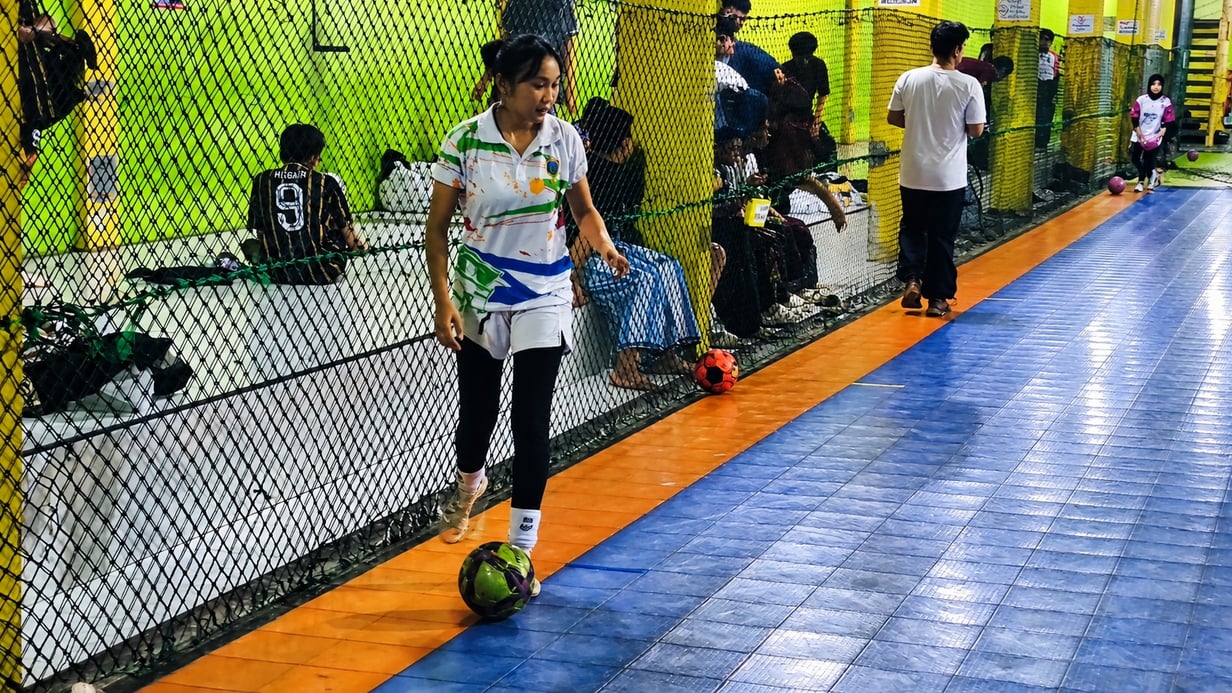
Advancing to higher levels of competition requires significant support. As an independent entity operating outside official government sports channels, the team relies on collaborative funding from parents, the private sector, and local sponsors for its operational needs. Berlian Sports Centre also supports the team by providing training facilities through a rental agreement and granting free gym access to bolster the academy players' physical conditioning.
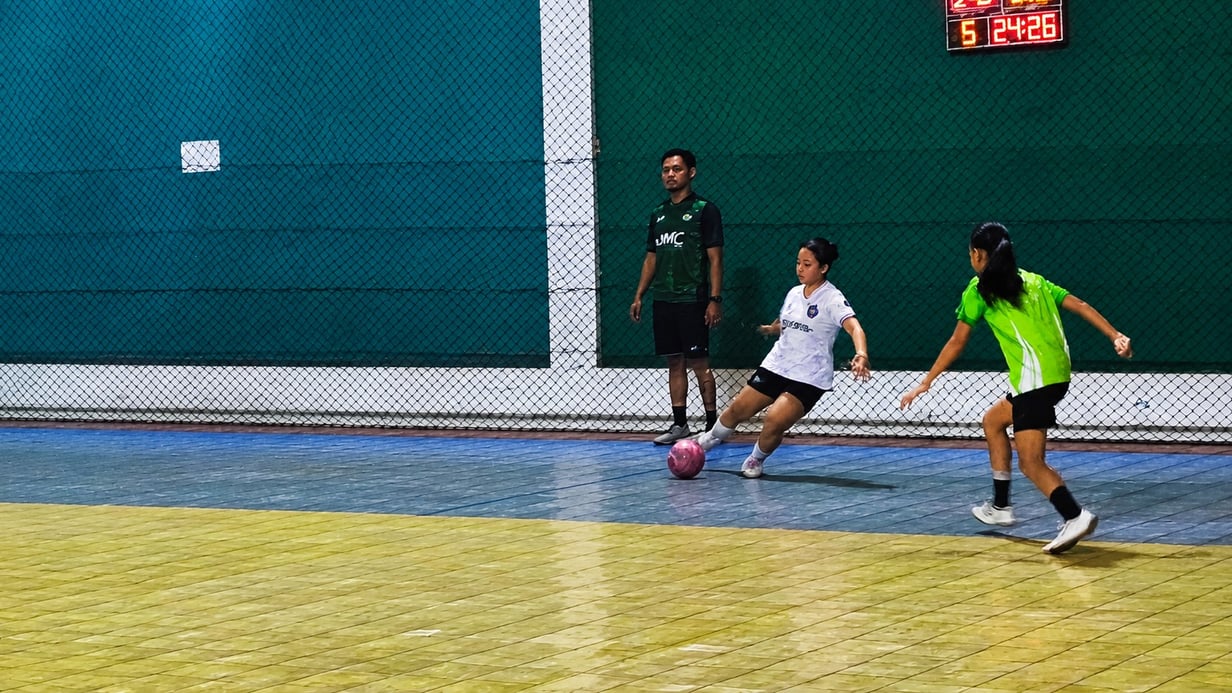
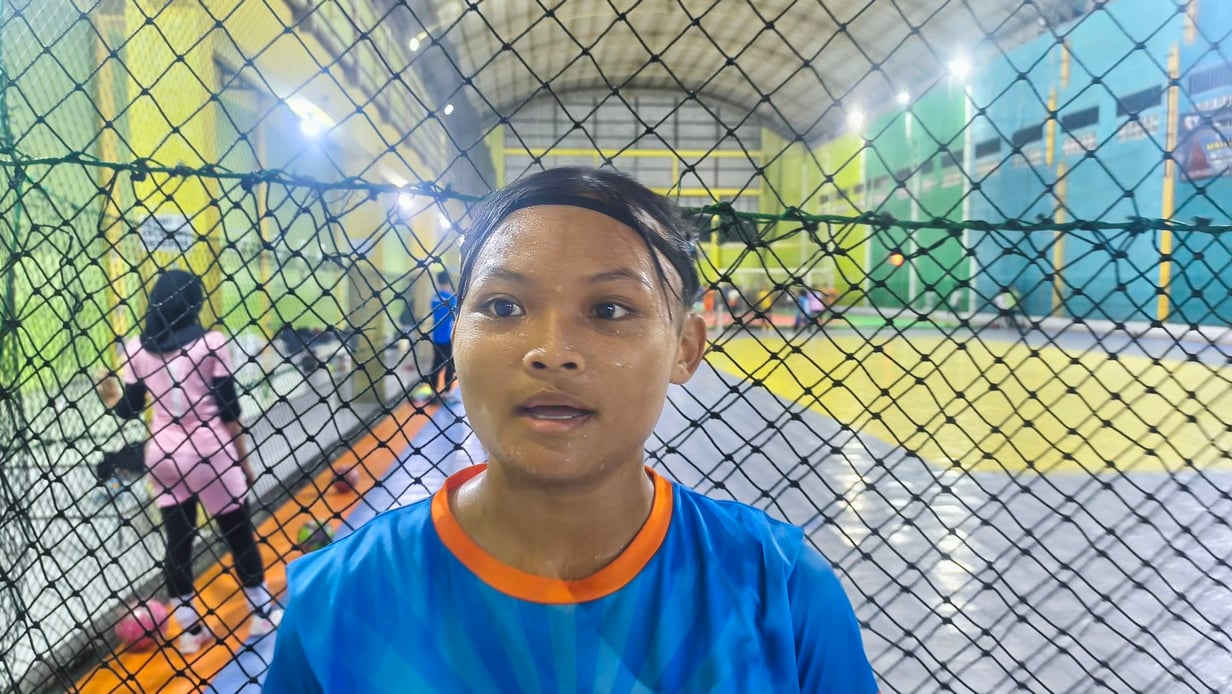
One player currently developing through this training program is Vea Anindya Putri, a ninth-grader at SMP Negeri 2 Jekulo. She trains regularly at Berlian Sports Centre with aspirations of becoming a national athlete. Her interest in futsal began in the seventh grade when, after playing soccer in her neighborhood, she was invited by friends to give the indoor game a try.
What started as simple curiosity quickly grew into a serious commitment. Vea now trains three times a week as a pivot, a demanding attacking position that requires strong ball control, tactical awareness, and the ability to create scoring opportunities. She has participated in regional tournaments in Jepara and the Pro Futsal National Championship in Batam, experiences that have underscored the importance of consistent training.
Vea has felt the consequences of missing training sessions due to school assignments. Upon returning to the court, she noted that she struggled to catch up on tactical material and her physical conditioning could not keep pace with the team's intensity.
"If you miss training even once or twice, you fall behind on the material. Physically, it's also a shock," she said.
That realization prompted her to better manage her time. While prioritizing her academic obligations, she remains dedicated to her training regimen. Her perseverance is paying off: Vea is currently on the watch list for the Indonesian U-16 Women's National Futsal Team. She hopes to advance to the professional level and one day represent her country on the international stage.
Youth athlete development is a collective effort. Family support plays a critical role in maintaining a young player's consistency. Yana Widiastuti, mother of futsal player Valencia Agustina, has observed significant positive changes since her daughter joined the Privat Futsal Club Academy. Valencia began playing futsal in the fifth grade and is currently in the eighth grade.
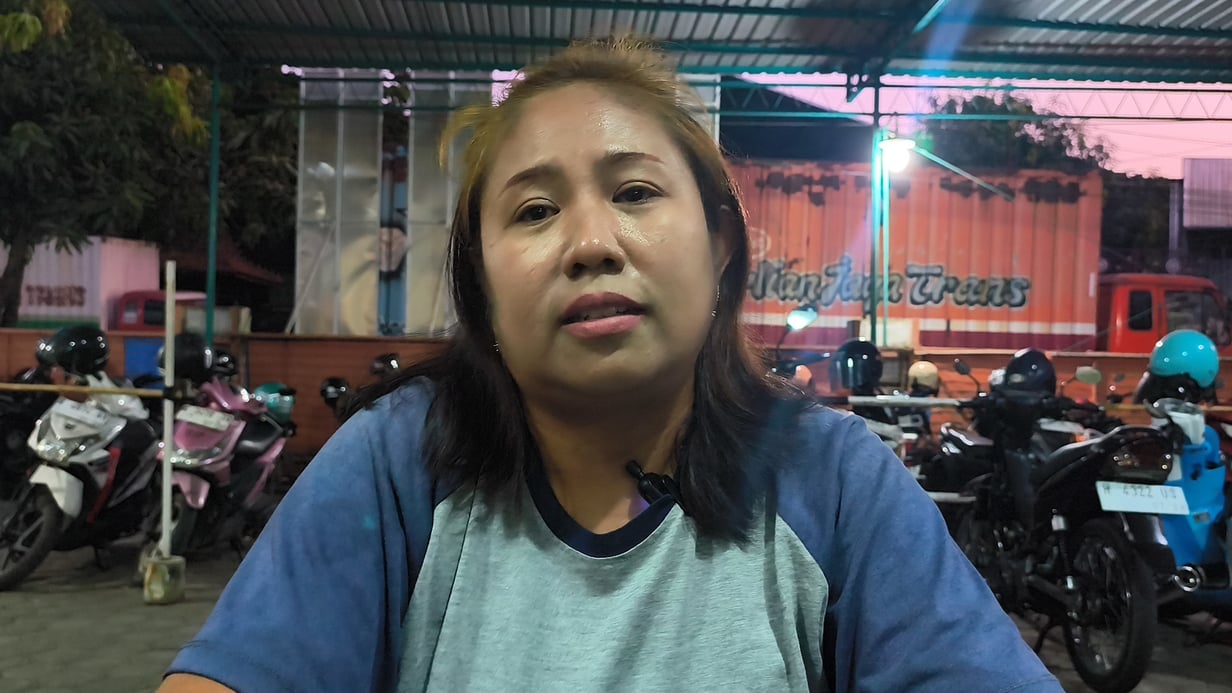
According to Yana, athletics have helped Valencia develop essential time management skills. She has learned to balance school schedules, academic assignments, rest, and training sessions.
“When she has futsal practice, she already knows what time she needs to start getting ready,” Yana said.
Such habits foster independence and accountability in children regarding their chosen commitments.
Structured activities also provide a positive outlet outside of school hours. Athletics allow children to channel their energy productively rather than spending excessive time on gadgets or aimless activities. Parental support extends beyond mere permission; Yana regularly drives her daughter to and from practice, waits during sessions, and attends matches to offer encouragement.
Family presence serves as a vital pillar when young athletes face fatigue, burnout, or disappointing match results. With appropriate guidance, children can learn to sustain their interests without neglecting their responsibilities at school and home.
A healthy sports ecosystem relies on the synergy between athletes, coaches, families, the community, and accessible facilities. The Berlian Sports Centre demonstrates how such venues serve multifaceted needs: residents gain a space to maintain fitness, communities find a hub for activities, and student-athletes find an arena to cultivate their skills and character.
Well-maintained facilities keep sports culture vibrant beyond tournament seasons. Consistent training, networking among community groups, and the development of young players all benefit from these resources. The impact transcends match results, fostering healthy living, discipline, and teamwork, while building a foundation for future generations.
The facility’s constant activity from morning to night proves that sports can harmonize diverse needs within a single space. Children arrive to learn, teams come to train, and residents visit to stay fit. All users share the same field with a shared spirit of growth and movement.
With effective management and open access, venues like the Berlian Sports Centre remain integral to the sports culture in Kudus. For young players, the field is a place to pursue excellence; for families and the community, it is a shared space to stay active, connect, and nurture a healthy lifestyle. (OEB/mainkekudus)