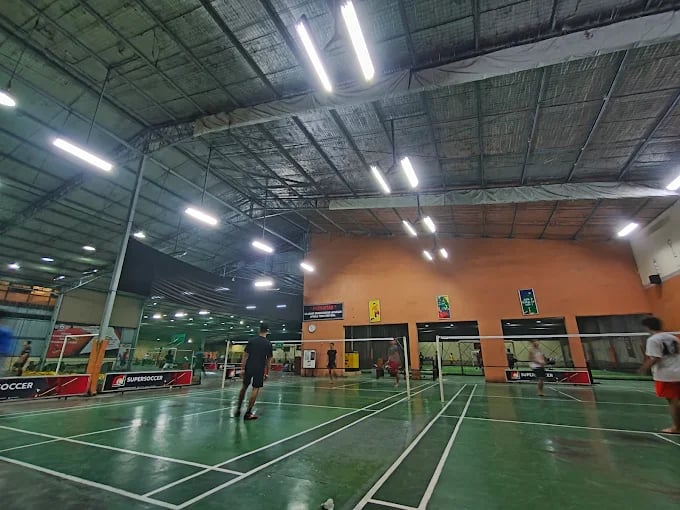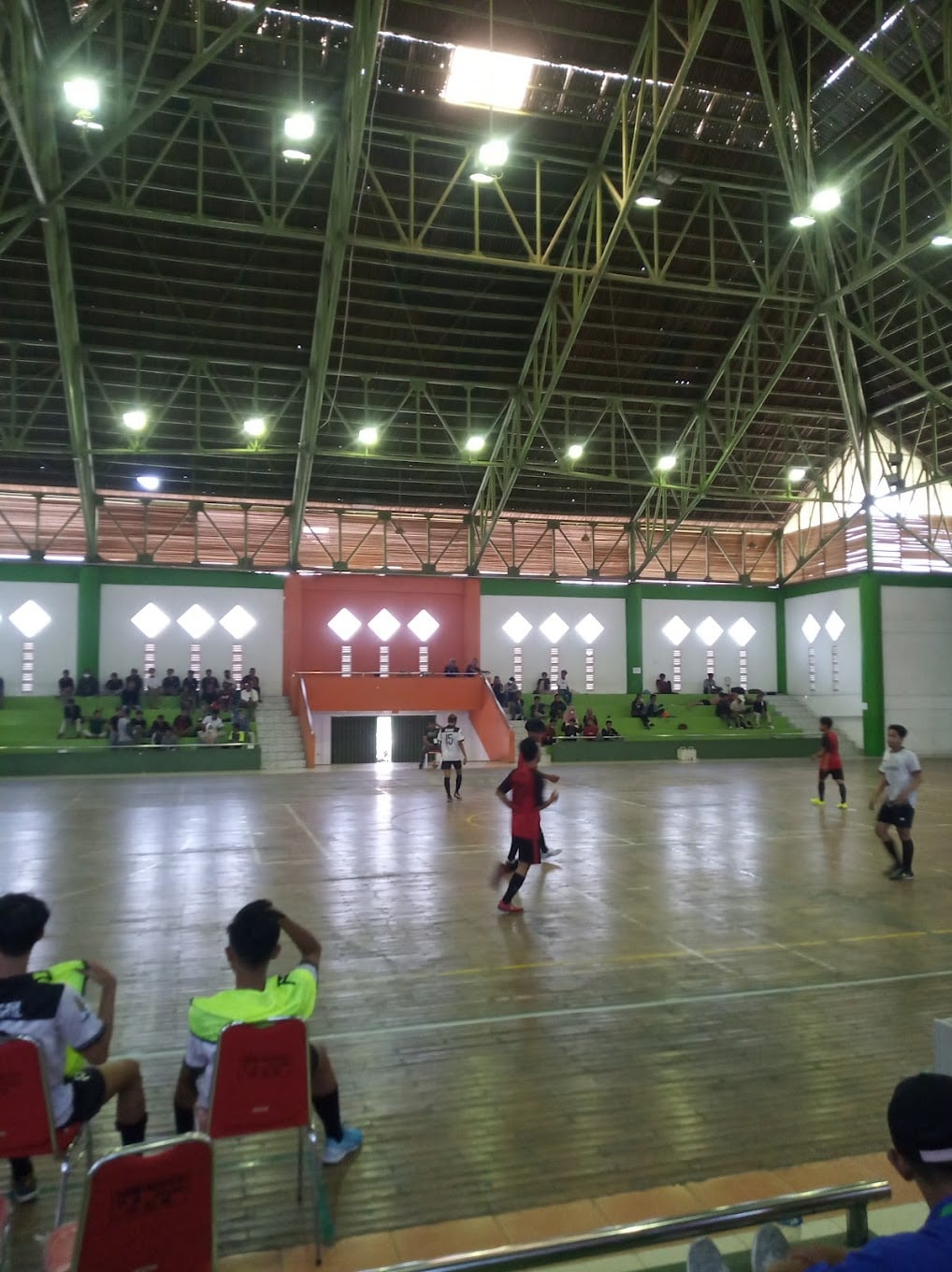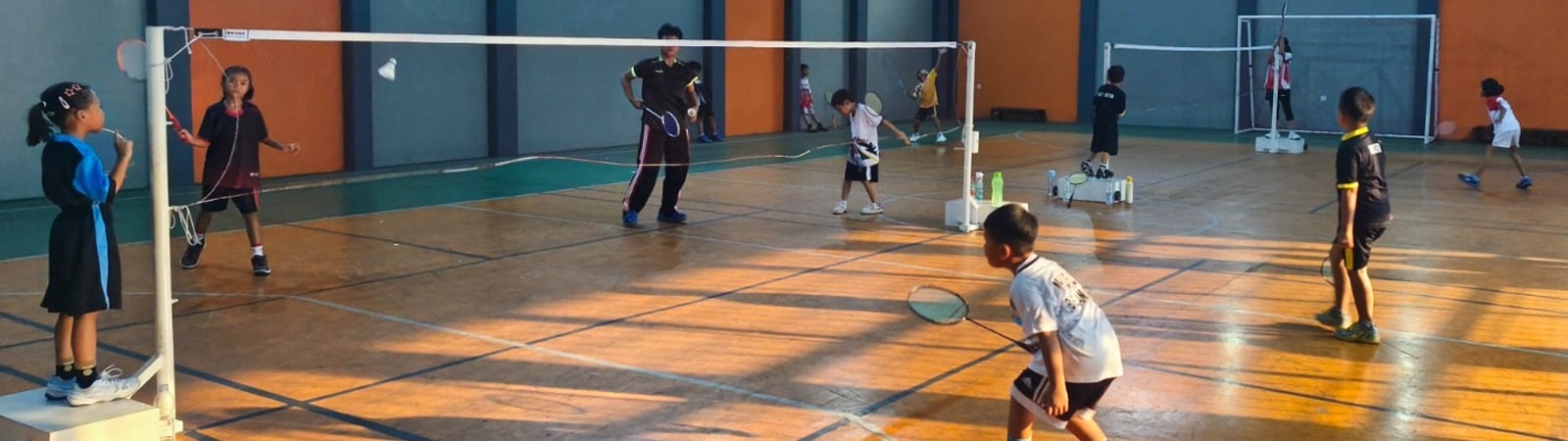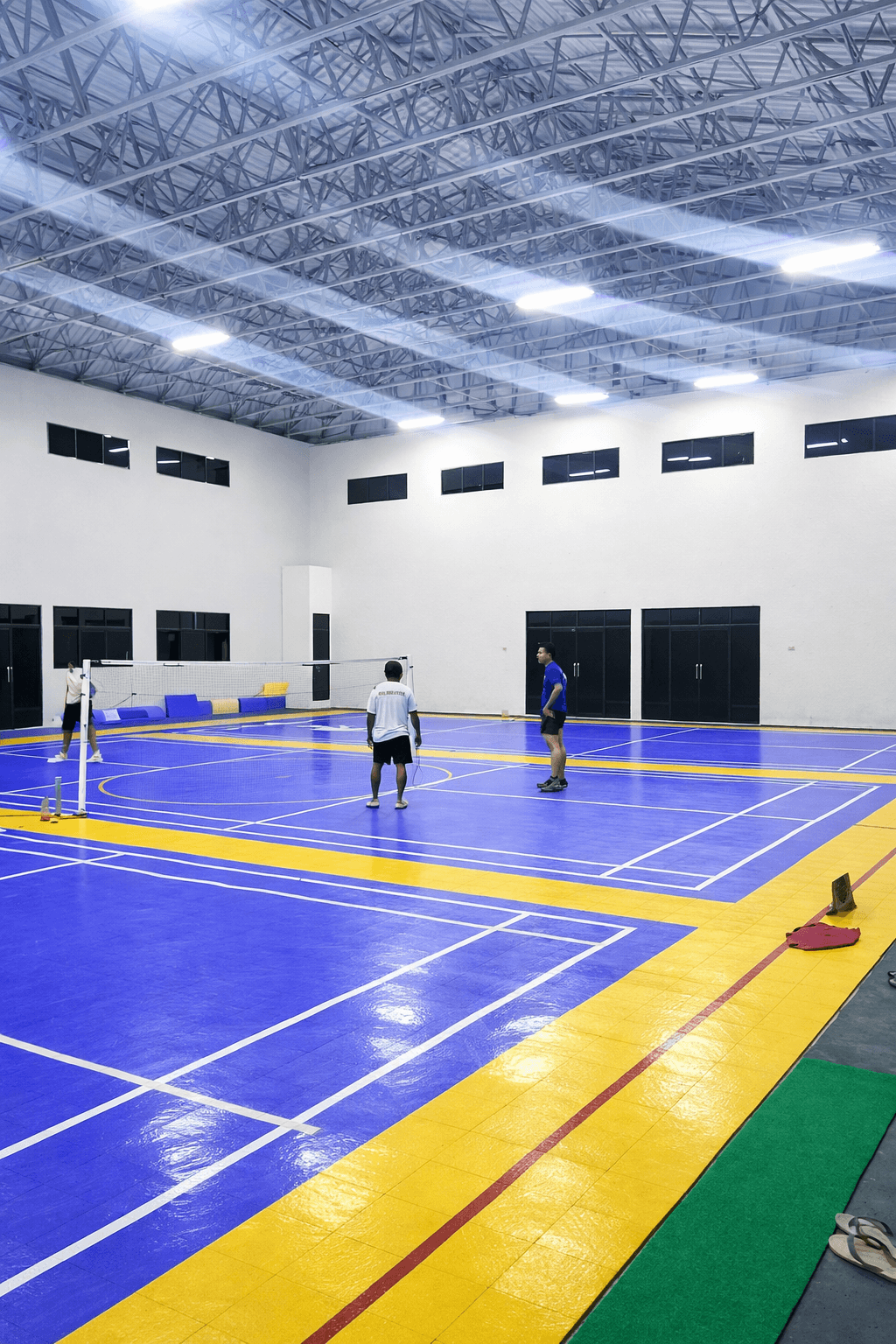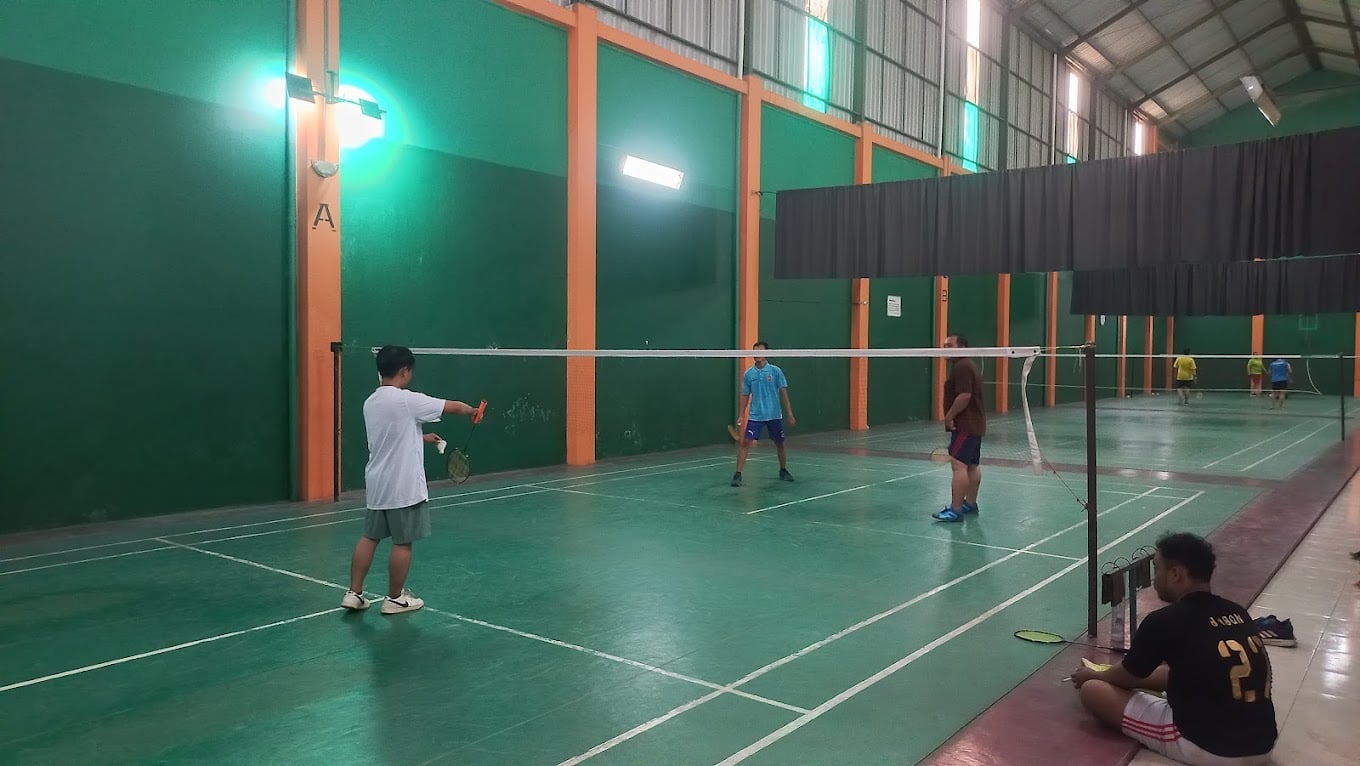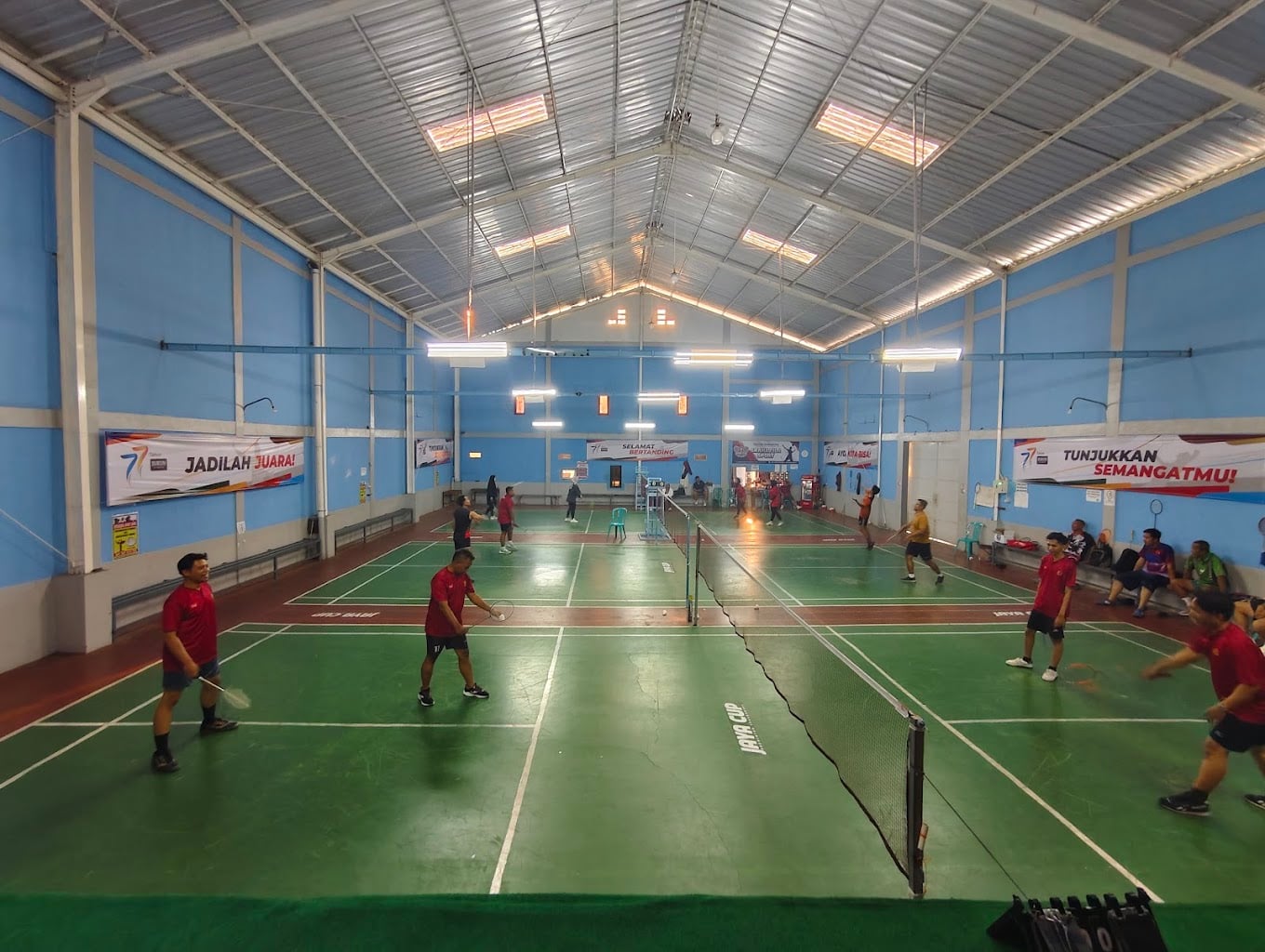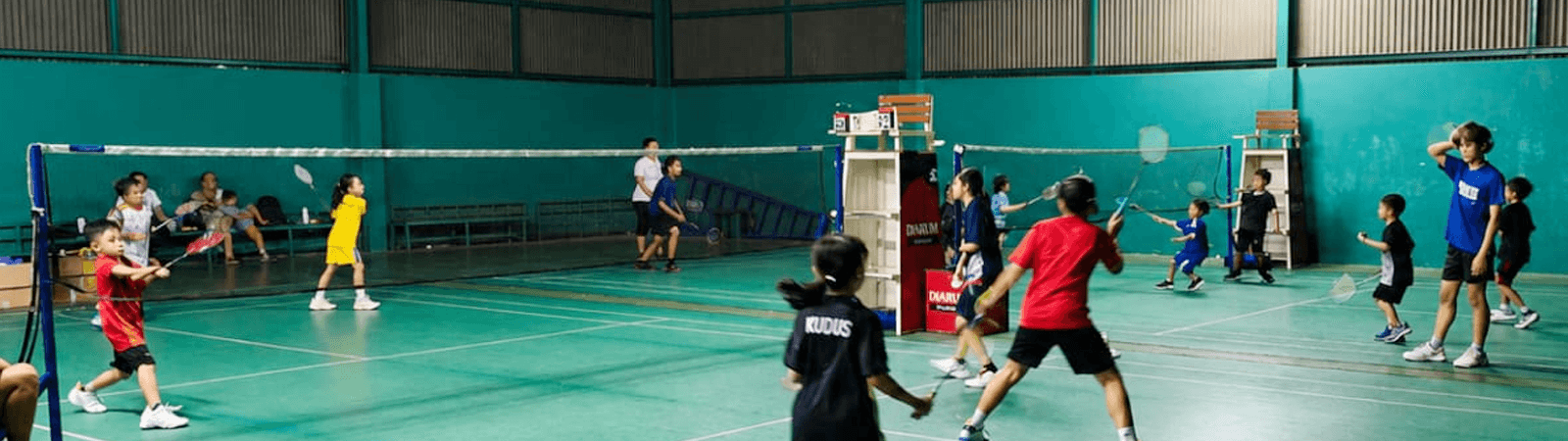
KUDUS – Five carpeted courts serve as the primary facilities for badminton activities at the Hastomo Arbi Badminton Sport Club in Kayuapu Kulon, Gondangmanis Village, Bae District, Kudus Regency. From morning until night, the courts are used by clubs, athletes, children, local communities, and the general public.
The atmosphere at the venue shifts throughout the day. Morning to late afternoon sessions are dominated by training and youth development programs, while the evening hours attract a diverse crowd, including adults, community groups, local organizations, and casual hobbyists.
This high demand has established the Hastomo Arbi Badminton Sport Club as more than just a training ground for professional clubs; it has become a go-to destination for the public looking for drop-in badminton court rentals.
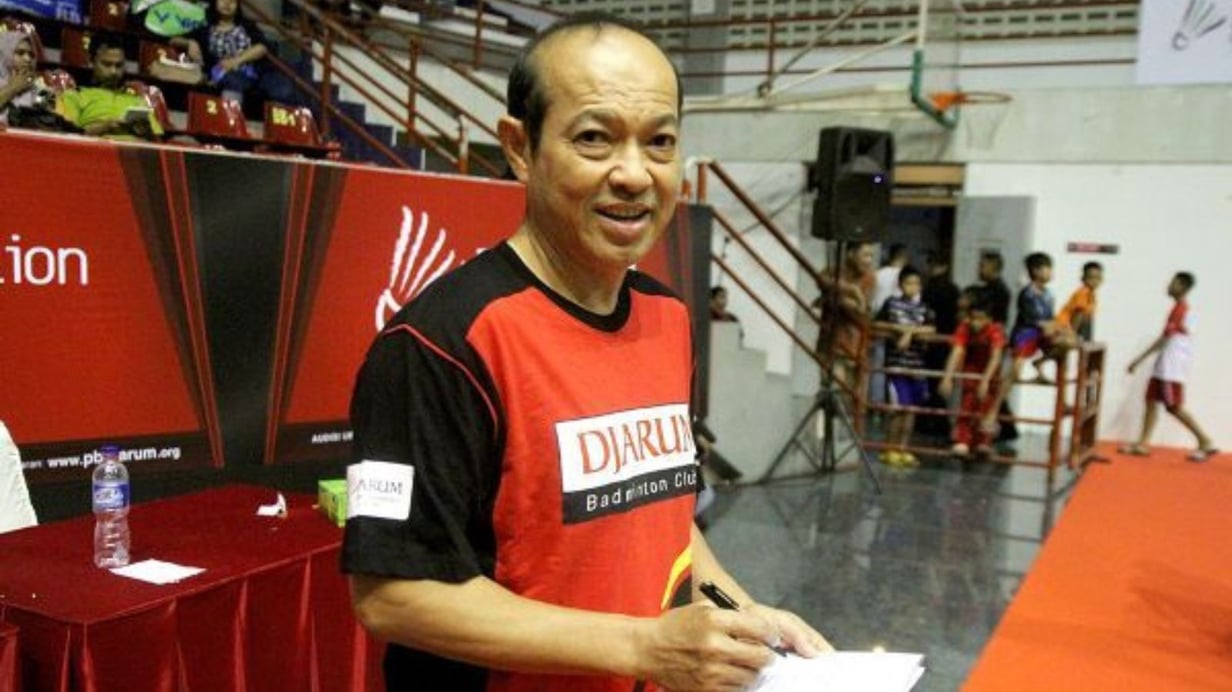
The venue’s name honors the storied career of Hastomo Arbi, a standout athlete who emerged from the local badminton scene in Kudus.
Born in Kudus on August 5, 1958, Hastomo was the second child of Ang Tjin Bik (Arbi) and Sri Hastuti (Goei Giok Nio). His two younger brothers, Eddy Hartono and Hariyanto Arbi, later followed in his footsteps as elite badminton players.
Hastomo’s introduction to the sport began before he turned 10. Badminton was deeply ingrained in the culture of Kudus children at the time, and his parents, both enthusiasts who frequently played—with his father even winning local municipal titles—fostered his early interest.
He fondly remembers his childhood, when he would wait for adults to finish their games to collect discarded shuttlecocks, then play with friends after school using wooden rackets.
6VF8+PFC, Kayuapu Kulon, Gondangmanis, Kec. Bae, Kabupaten Kudus, Jawa Tengah 59327, Indonesia
At age 12, Hastomo secured a spot in the PB Djarum scholarship program, becoming the club's second junior athlete to join after Liem Swie King.
His career progressed steadily. In the 1975 National Junior Championships, he reached the semifinals in singles and was the runner-up in doubles alongside Pranoto, accomplishments that solidified his commitment to becoming a professional.
In 1977, he won the Central Java Moenadi Cup and was selected for the Central Java PON team. A year later, he claimed a gold medal in the team event at the 1978 PON games.
His path to the national training center (Pelatnas) was not immediate; he faced six unsuccessful selection attempts before finally qualifying on his seventh try in 1979.
That same year, Hastomo won a gold medal at the 1979 SEA Games in Jakarta. He used the prize money saved from various tournaments, along with his medal bonus, to fulfill his long-held ambition of buying a house for his parents.
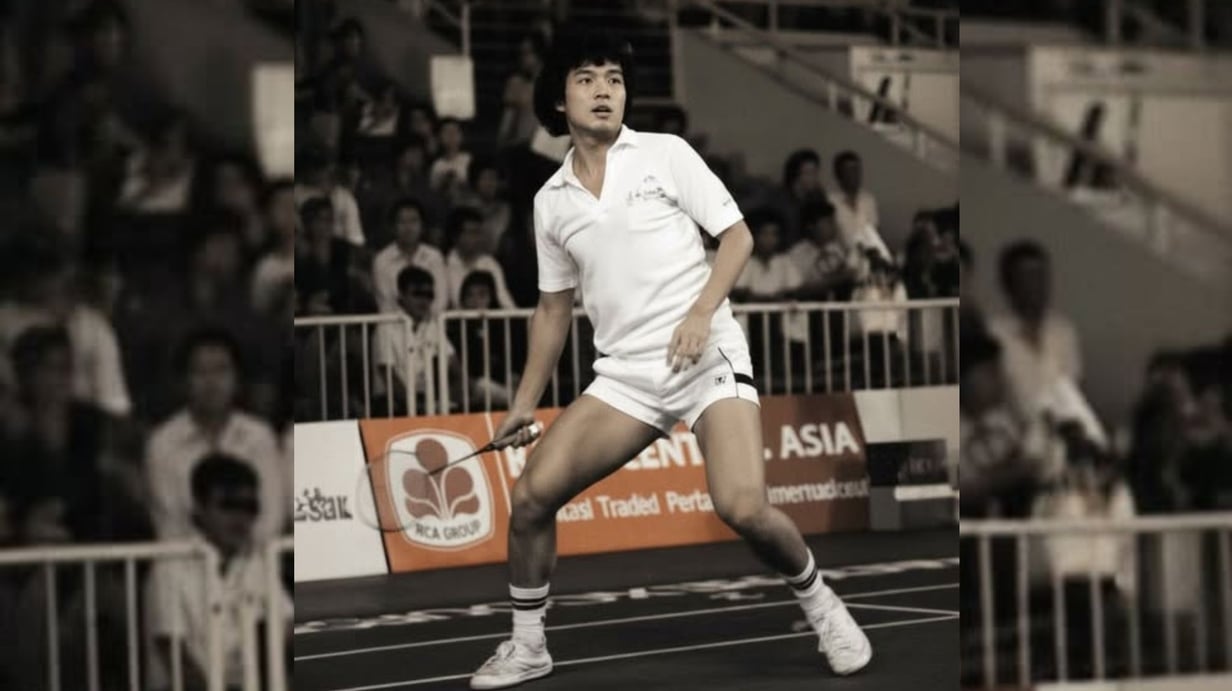
Hastomo’s international career was interrupted by a suspension following the 1982 All England championships. While in London, he suffered from the flu and took medication. During a subsequent doping test, he struggled to identify the medication due to a language barrier.
Hastomo was ultimately found to have failed the doping test and was handed a one-year competitive ban. The suspension prevented him from participating even after being selected for the Indonesian Thomas Cup team.
Upon his return to competition, his form surged. He finished as runner-up at the Malaysia Open and Indonesia Open, later serving as one of Indonesia’s singles representatives for the Thomas Cup alongside Liem Swie King and Icuk Sugiarto.
One of his most memorable matches occurred during the 1984 Thomas Cup final in Kuala Lumpur, where Indonesia faced China.
Hastomo faced Han Jian, a Chinese player who had defeated him three times previously. This time, Hastomo secured a victory. Indonesia went on to defeat China 3-2 to claim the Thomas Cup title.
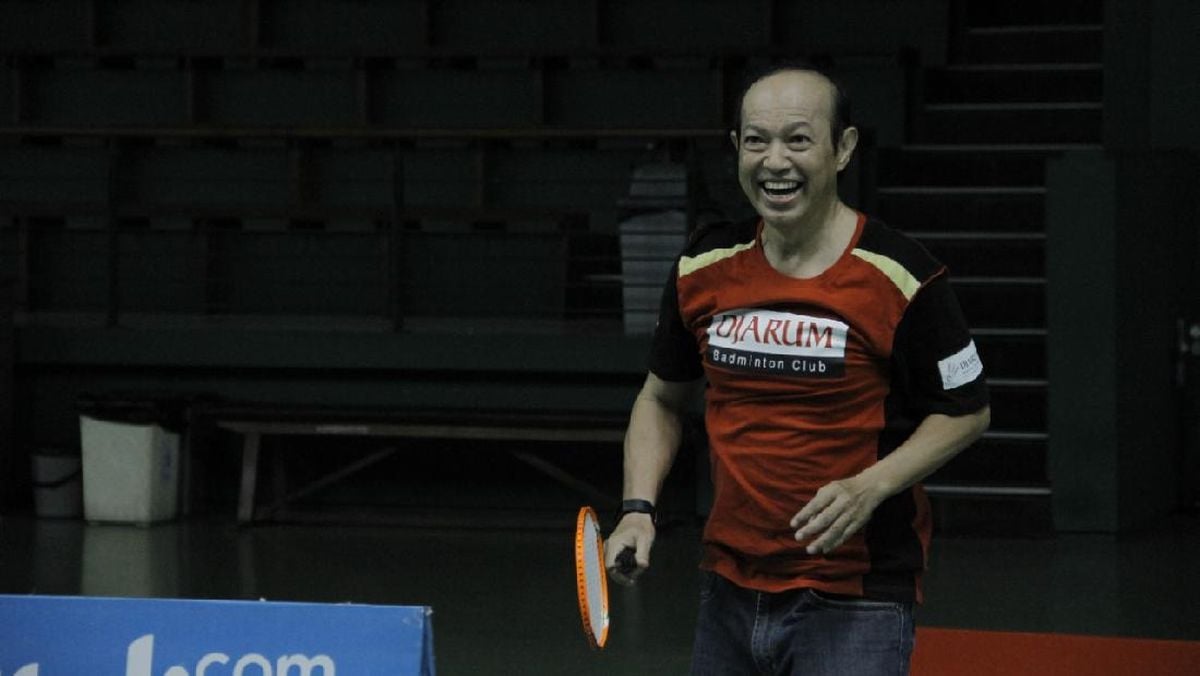
His international career concluded in 1985 when he retired from the national training center. After returning to his club, he continued to play and helped lead the team to a national championship victory in 1988.
Hastomo subsequently pursued a career as a men’s singles coach in Kudus. He maintains his fitness through physical conditioning and cycling. In 2015, at over 55 years of age, he captured the world title in the men’s singles veteran category.
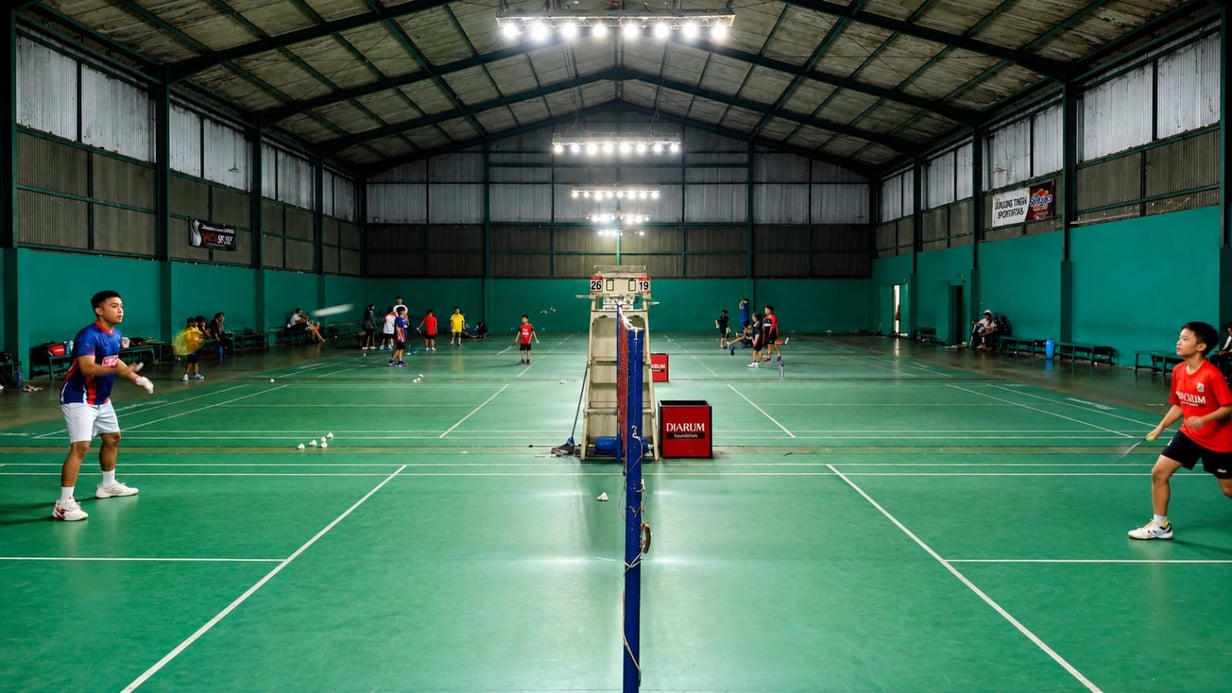
The Hastomo Arbi Badminton Sport Club was officially opened on October 10, 2013, in conjunction with the Badminton World Federation (BWF) Shuttle Time National Training Program held at the facility in Kudus.
Since the inception of the Hastomo Arbi Badminton Sport Club, the venue has been dedicated to badminton development, particularly for youth in Kudus.
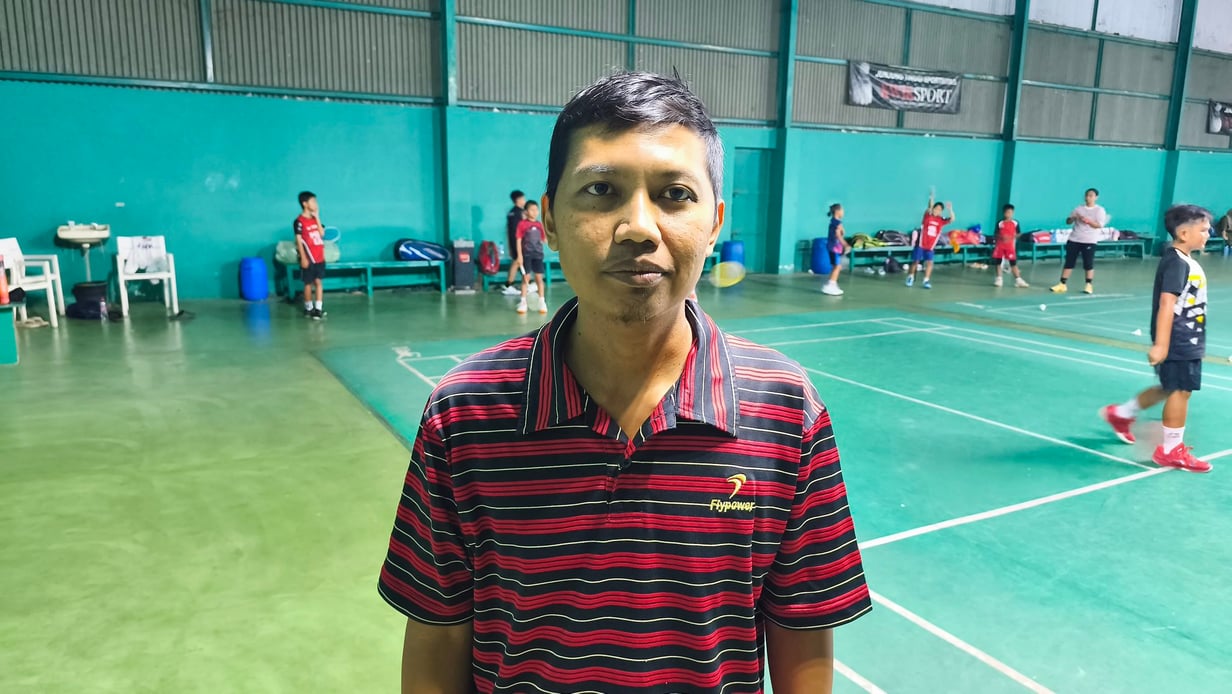
“Our original goal was to foster local talent from Kudus. This arena serves as a training ground for these children,” said Teguh.
The facility currently features five badminton courts, all equipped with synthetic mats, serving as the primary infrastructure for training and recreational play.
For Ellen Septiara Jasmine, a coach at PB Ngudi Berkah Kudus, the quality of the courts is a key factor in choosing the Hastomo Arbi Badminton Sport Club for training sessions.
According to Ellen, the synthetic surface provides a safer and more comfortable environment for children, especially during rigorous physical movements.
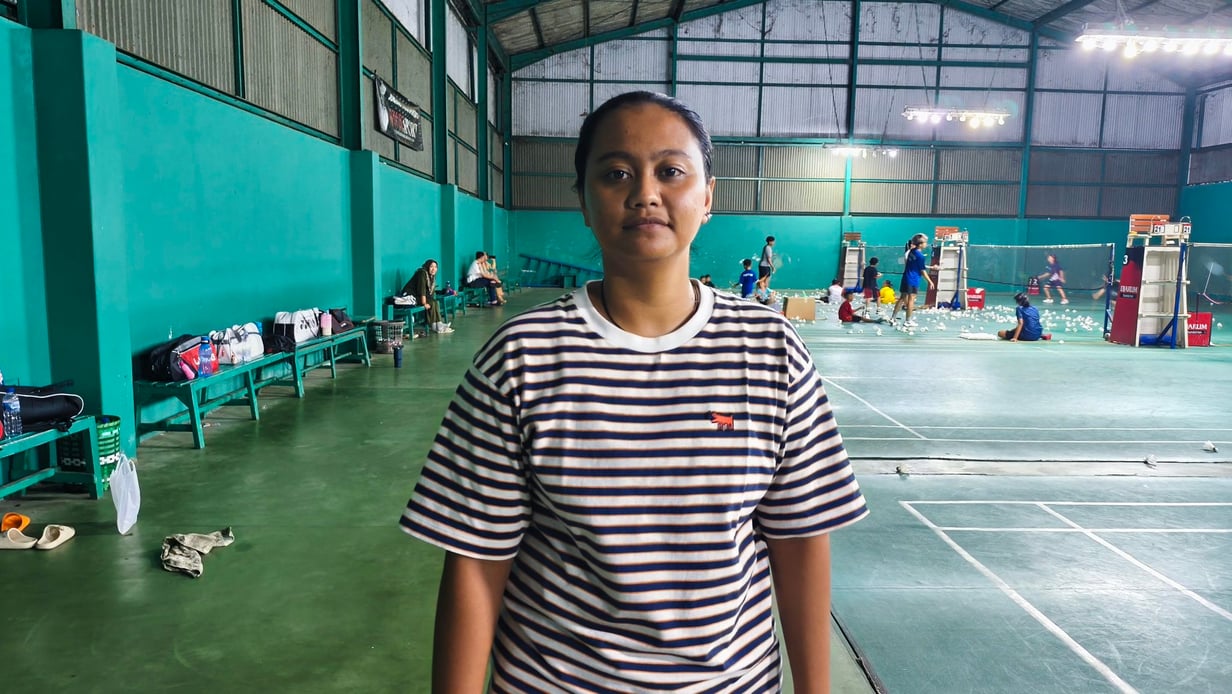
“Because Hastomo uses synthetic mats, it is safer if the children fall, and it’s much more comfortable,” Ellen noted.
Beyond technical training, the courts are utilized for various activities tailored to the players' needs.
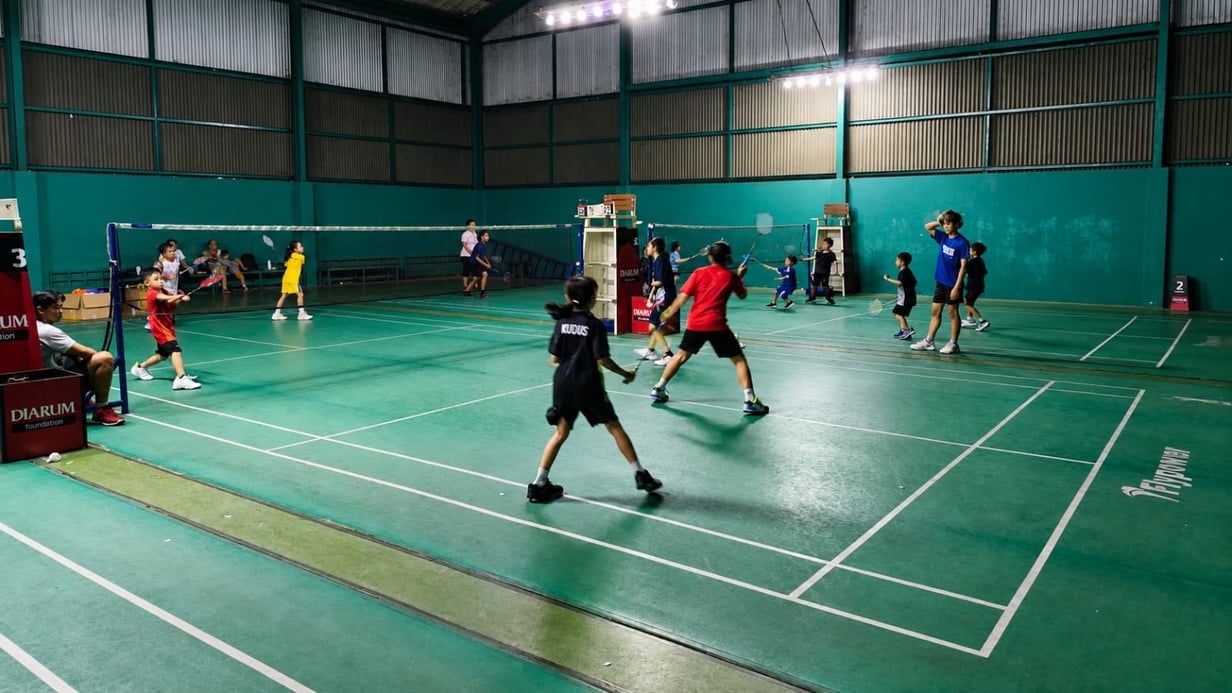
PB Ngudi Berkah is among the clubs utilizing the Hastomo Arbi Badminton Sport Club for its training sessions. The children undergo regular training that extends beyond mere match-play practice.
Ellen highlighted several training methods employed, including drilling, stroking, and game or sparring sessions.
Drilling is used for repetitive movement and stroke practice, while stroking focuses on technique. Following these drills, players engage in games or sparring to apply the skills they have developed.
According to Ellen, the conditions at the Hastomo Arbi Badminton Sport Club are well-suited for both technical and physical training. The facilities accommodate everyone from beginners to athletes preparing for competition.
The variety of training types ensures that court use is not limited to a single activity. In a single session, students can focus on technique before moving to match play to test their application.
These activities are rotated according to the schedules of the club and other court users.
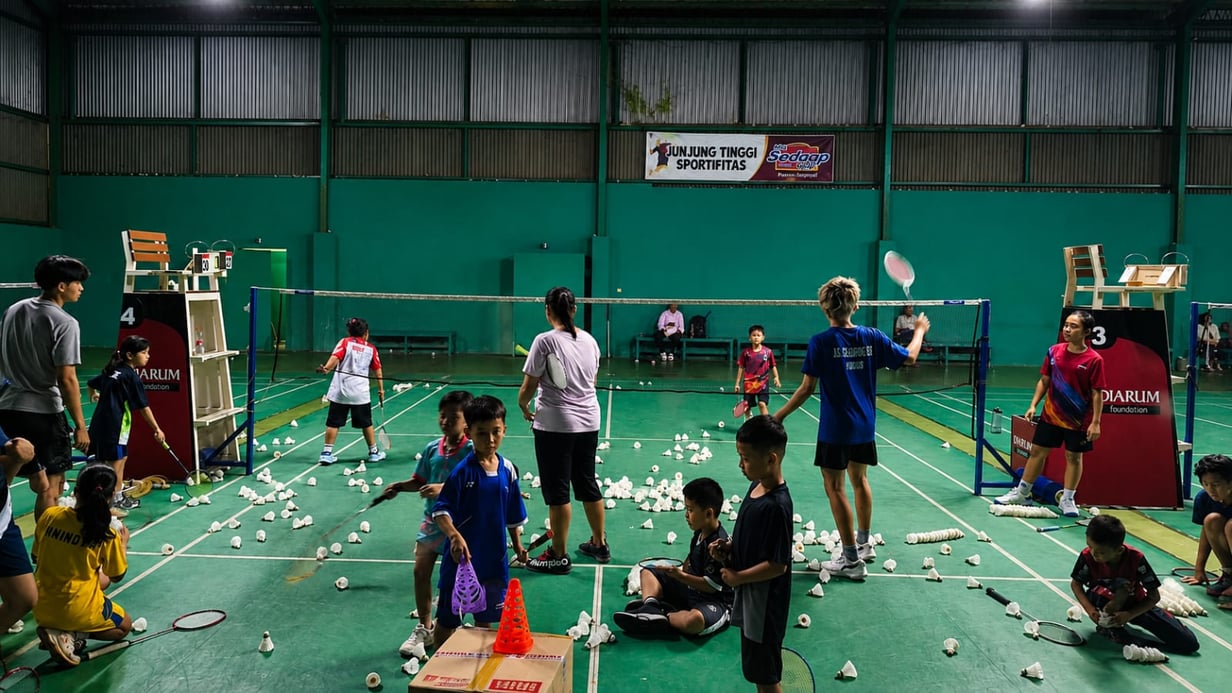
The Hastomo Arbi Badminton Sport Club serves a diverse range of users. While badminton clubs utilize the courts for training, the general public can also rent space to play with friends or community groups.
Teguh explained that morning and afternoon slots are primarily dedicated to youth development programs. In the evenings, court usage shifts toward adults, institutional groups, community members, and recreational players.
This scheduling creates a distinctly different atmosphere at the venue throughout the day.
During youth training sessions, the courts are filled with young players following coaching instructions, moving through warm-ups, technical drills, and match simulations.
At night, the venue is primarily occupied by groups playing recreationally. They can use the courts according to their pre-booked schedules.
Serving a diverse range of users, the Hastomo Arbi Badminton Sport Club functions as both a dedicated training facility and a community hub for those looking to play badminton.
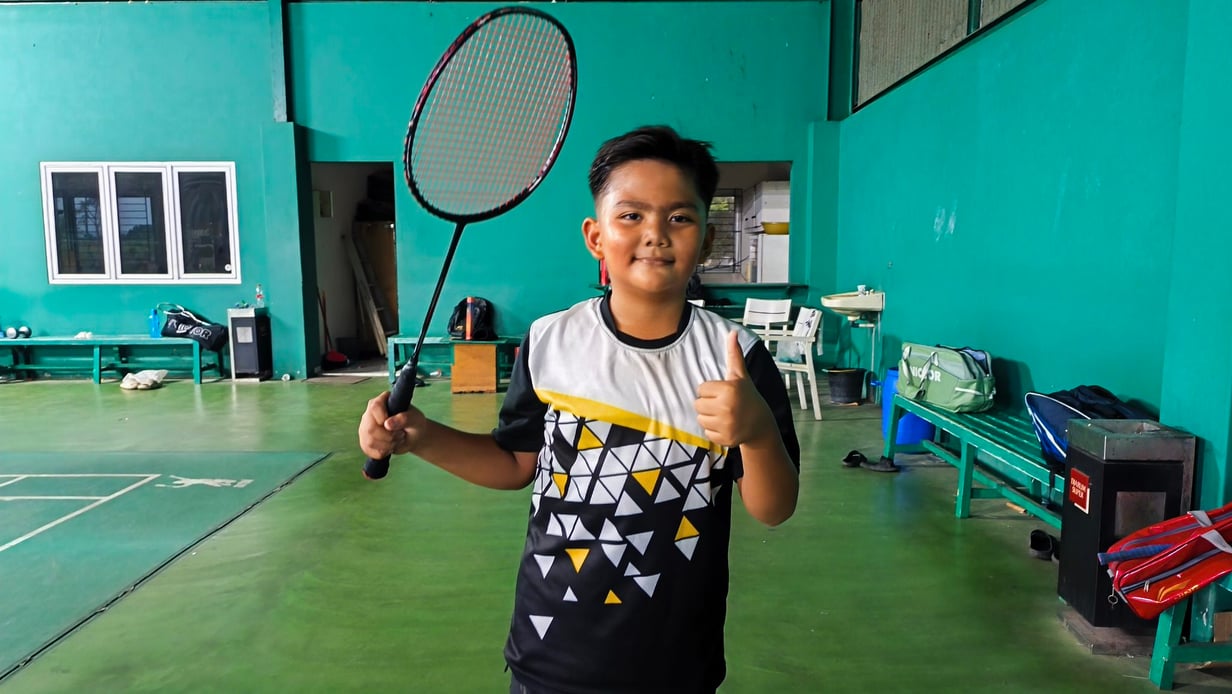
One regular user at the venue is 11-year-old Emir Dzaky Arkananta, an athlete with PB Ngudi Berkah who began training at the Hastomo Arbi Badminton Sport Club in October 2025.
Emir trains nearly every day, excluding Fridays, a routine that has made him very familiar with the club's atmosphere.
For Emir, the presence of his peers makes the training sessions enjoyable.
"I'm happy because I have a lot of friends here," he said.
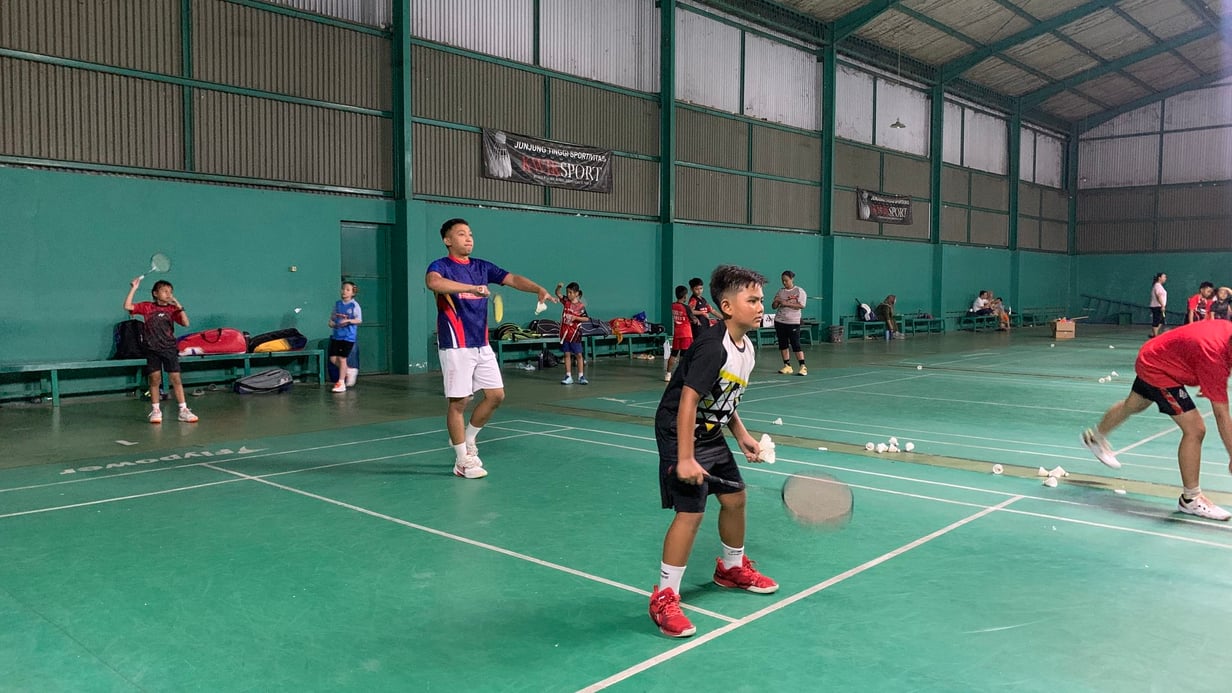
In addition to badminton practice, Emir performs physical conditioning. He noted significant improvement in his jump rope skills.
Previously limited to single jumps, he has now mastered double unders—a testament to the progress made during his club training.
The Hastomo Arbi Badminton Sport Club is not exclusively for training programs; members of the general public are also welcome to book courts for play.
The booking process is straightforward: prospective users simply contact the management or administration to check court availability.
Rental rates are currently 40,000 IDR per hour per court, with weekend rates (Saturday and Sunday) set at 50,000 IDR per hour.
This system allows the community to coordinate playing times around the club's pre-scheduled training sessions for youth athletes.
Flexible operating hours ensure the facility can accommodate the varying needs of its user base.
While youth athletes require structured practice times, community members and the general public often prefer scheduling their sessions during evenings or other convenient times.
Routine use of the courts requires consistent maintenance. Teguh stated that court and lighting upkeep has been managed by the venue operator.
The condition of the court is a primary concern, as it serves players of varying skill levels and must accommodate both club training sessions and general public use.
Regarding playing equipment, such as rackets, users typically bring their own.
Facility requirements extend beyond the courts themselves; user comfort is also dictated by the quality of supporting amenities on-site.
In this regard, there remains feedback from users that warrants attention.
Ellen noted that the courts at the Hastomo Arbi Badminton Sport Club are well-suited for training, though she highlighted issues concerning the women’s restrooms.
She suggested that these facilities require improvements. She also noted that cleanliness is often tied to user behavior, as visitors sometimes leave litter or neglect to keep the area tidy after use.
Emir also pointed to the restrooms as an area in need of enhancement, while describing the court conditions as sufficient for regular training.
These observations underscore that a venue's appeal depends on more than just the playing surface; the cleanliness and maintenance of secondary facilities are essential components of the user experience.
Both management and users play a role in maintaining facilities to ensure they remain functional for the broader community.
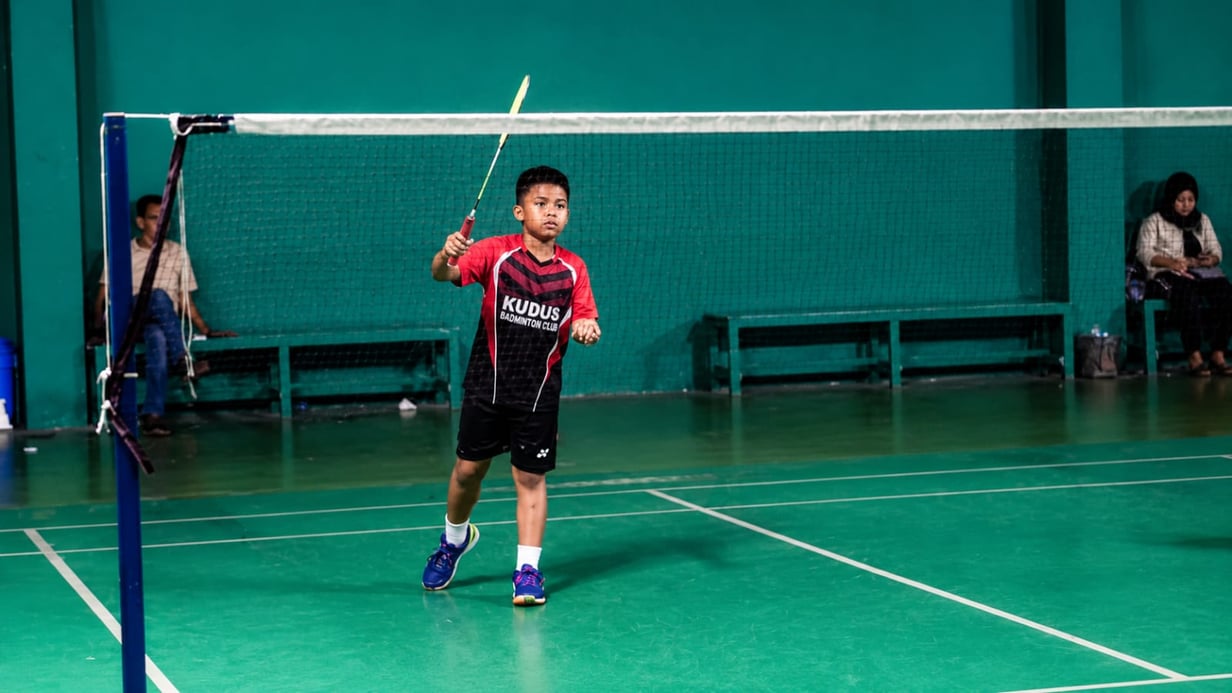
With five carpeted courts and operating hours extending from morning until night, the Hastomo Arbi Badminton Sport Club is a hub for various badminton activities in Kudus.
The venue serves as a training ground for clubs and young athlete development, while also remaining open to members of the public for recreational play and community events.
This dual functionality allows the venue to meet diverse needs: beginners can attend training, athletes can follow structured club programs, and the public can use the courts for fitness or leisure.
For Teguh, supporting youth development remains a priority for the facility.
“We see ourselves as a bridge for these children who are looking to advance and pursue their passion,” he said.
For coaches, quality courts are vital to maintaining consistent training. For young players like Emir, the club serves as a space to connect with peers while sharpening their skills.
For the general public, the accessible court rental provides a convenient option for exercise without the need for formal club membership.
Activities at the Hastomo Arbi Badminton Sport Club underscore the versatility of the badminton venue. Its five courts accommodate a range of purposes, from club training sessions and youth development programs to community play and public sports activities.
The facility remains in constant use throughout the day, transitioning from morning youth practices to evening matches for adult groups and hobbyists. While the participants change, the shared purpose remains consistent: training and playing badminton.
The Hastomo Arbi Badminton Sport Club serves as a vital sports hub in Kudus, bridging the gap between professional training, youth development, and recreational play for the local community. (OEB/mainkekudus)