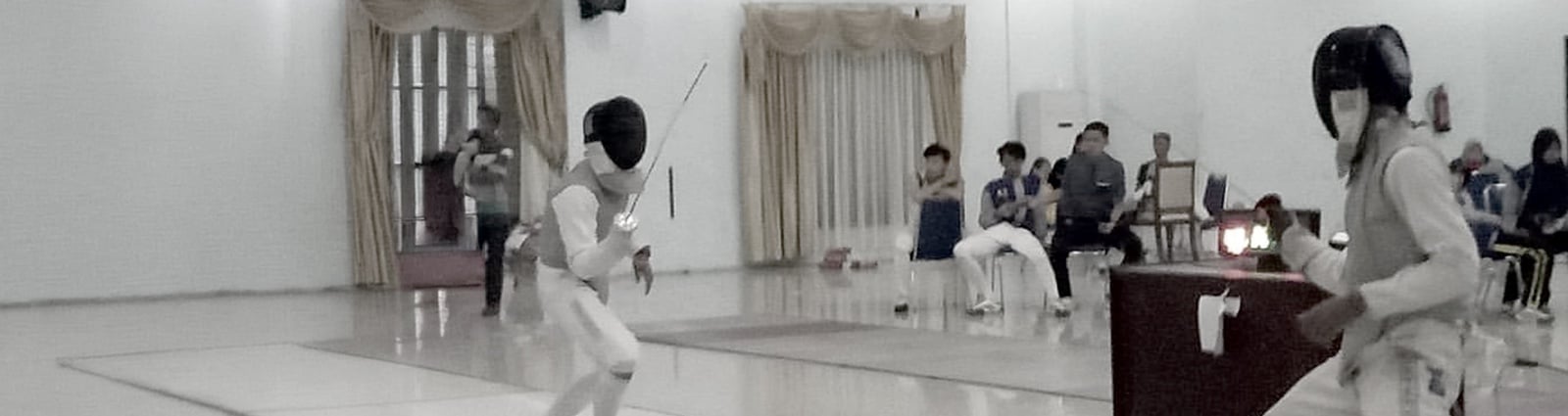
KUDUS – Children and teenagers in Kudus interested in trying fencing do not need to start by handling a weapon immediately. At the Kudus Regency chapter of the All-Indonesia Fencing Association (IKASI), novice athletes are first introduced to fundamental movements, specifically footwork. Once these basics are mastered, training progresses to weapon-specific techniques according to the selected discipline.
This training pathway is available across several age groups, including pre-cadet, cadet, junior, and senior levels. Prior experience is not required to join. There are no registration fees for new members, though athletes are asked to provide a voluntary contribution of at least IDR 5,000 per session to help cover equipment maintenance, facility cleanliness, and hydration needs.

IKASI Kudus was established on January 2, 2008. At its inception, the organization was driven by only three athletes. One early challenge was the public perception that fencing was an expensive sport, which limited community interest.
Management and coaches subsequently introduced fencing to local schools in Kudus. As fostered athletes began to secure regional and national achievements, interest among students in joining the training program steadily grew.
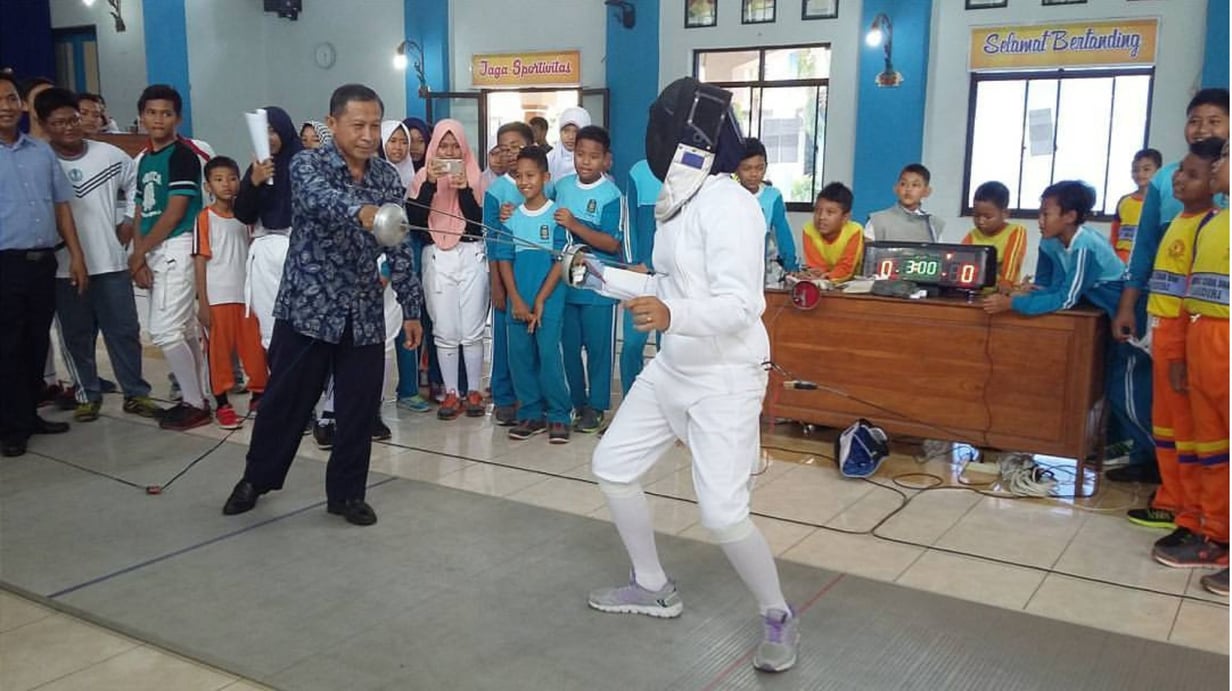
Imam Kuncoro, Chairman of IKASI Kudus and a senior coach, reported that the training program currently has approximately 80 students, with a steady growth rate of 15 to 20 new participants each year.

Training is conducted through three clubs under IKASI Kudus: Smadaku Fencing Club, Spemuku, and Satria Muria. Participants are drawn from various schools and the general public.
The training program is divided into four age groups: pre-cadets for ages 8–12, cadets for ages 13–15, juniors for ages 16–20, and seniors. This structure allows prospective athletes to train according to their age bracket and developmental stage.
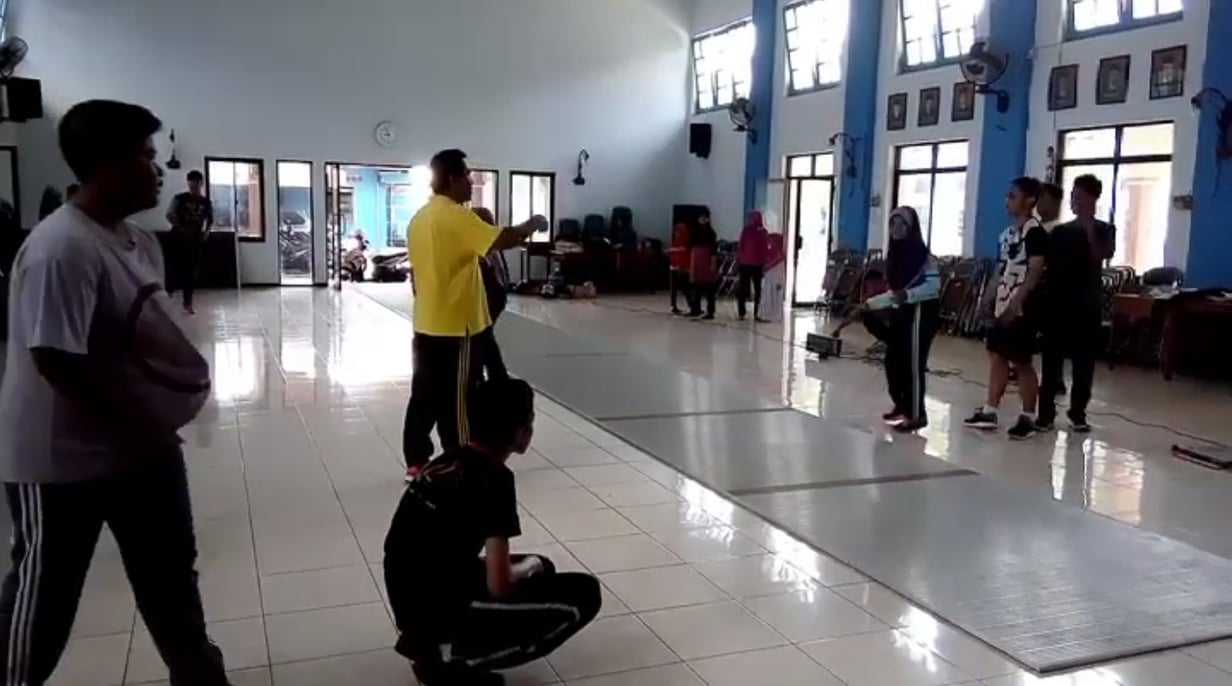
Those interested in learning fencing can join IKASI Kudus training sessions. There are no administrative fees for new members.
The primary training complex is located at SMP Muhammadiyah 1 Kudus, situated behind the building near the hall. Regular public practice sessions are held on Mondays, Wednesdays, Fridays, and Saturdays, open to both students and individual participants.
Available information does not currently list contact numbers, official IKASI Kudus social media accounts, or specific session times. Prospective athletes are encouraged to confirm these details directly with organizers before visiting the site.
Participants are asked to provide a voluntary contribution of at least IDR 5,000 per session to support equipment maintenance, facility cleanliness, and bottled water for athletes.
Meanwhile, details regarding personal equipment costs and loaner gear policies for new members have not been specified in available sources.
Fencing features three weapon types used in IKASI Kudus training: foil, epee, and sabre, each with different target rules.
The foil is a lightweight, flexible thrusting weapon. Valid target areas are limited to the torso; the head, arms, and legs are excluded.
The epee is heavier and stiffer than the foil. In this discipline, the entire body—from head to toe—is a valid target.
The sabre is used for both thrusting and cutting movements. Valid targets include all areas from the waist up, including the head and arms.
These differences require athletes to master techniques specific to each weapon. However, beginner training does not immediately focus on weapon mastery.
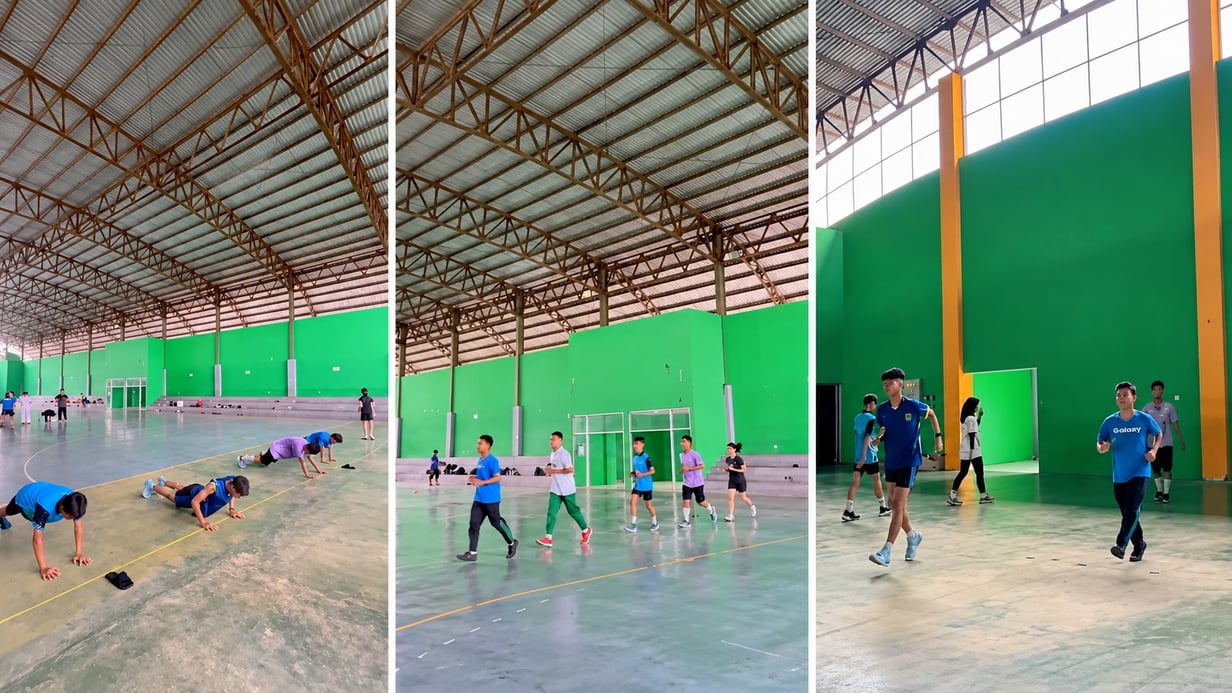
IKASI Kudus fencing coach Agung Nugroho explains that basic training for beginners begins with footwork. Mastery of foot movement serves as the foundation before athletes progress to weapon techniques.
"The basis for beginner fencing training is footwork, focusing on foundational leg movements. Once footwork is mastered, athletes move on to weapon techniques," said Agung.
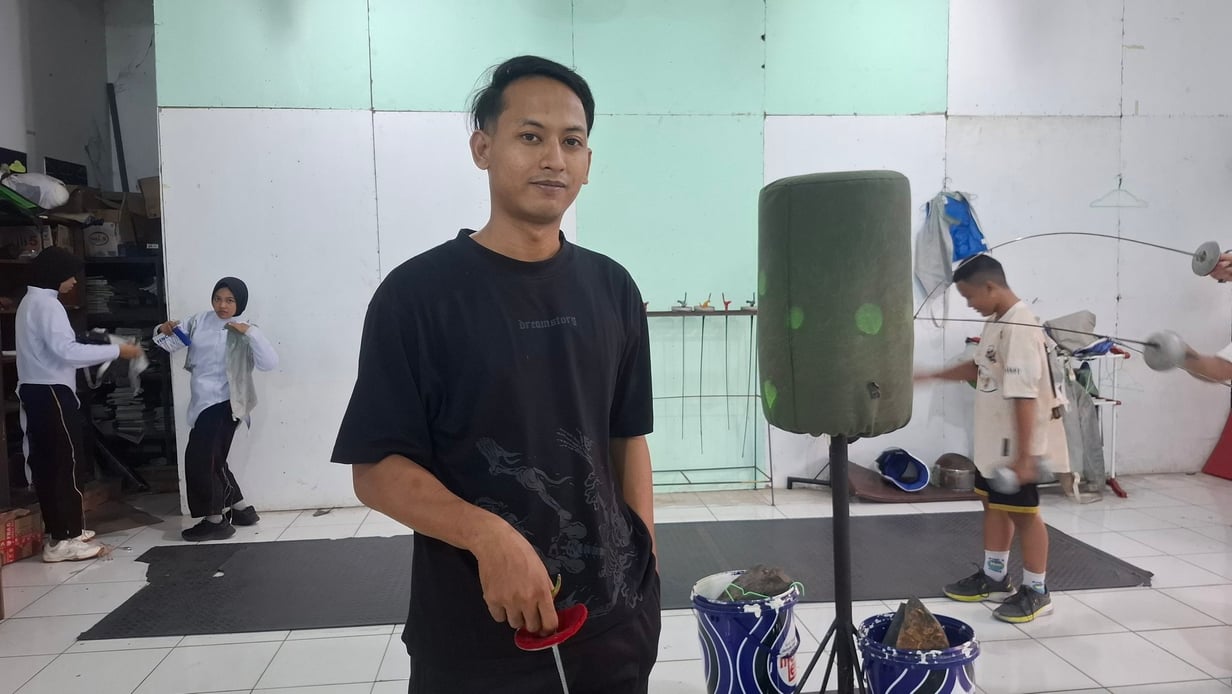
Once footwork is mastered, training shifts to techniques based on the specific type of weapon. Athletes then study classical techniques, semi-lessons, and paired drills to read movements and identify offensive momentum.
This training process requires coordination between the legs, body, and reaction to instructions. Consequently, fencing training involves more than just attacking and defending; it also requires intense concentration and discipline.
According to Agung, athletes must follow the training curriculum provided by the coach. Coordination between the brain, legs, and body is continuously developed through repetitive movements.
To maintain focus, young athletes are prohibited from using mobile phones while in the training area. Participants' attention is directed entirely toward physical training, technique, and strategy.
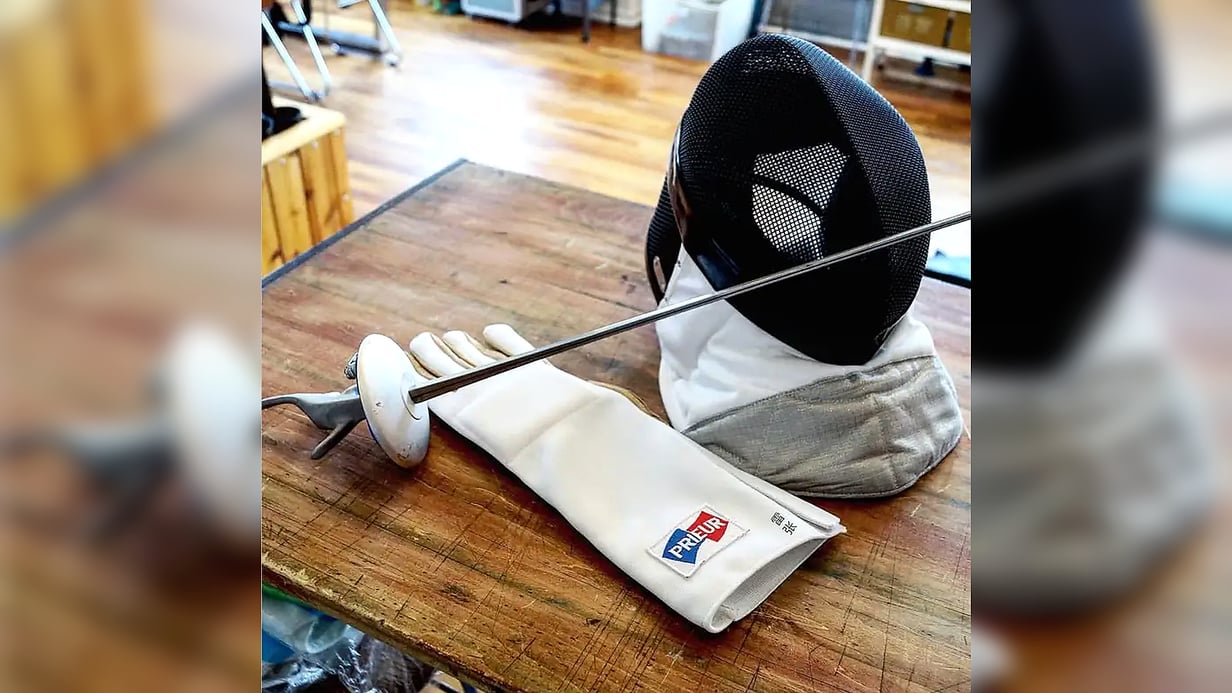
Because fencing uses metal weapons, safety equipment is mandatory during training. Athletes wear specialized suits made of synthetic fibers with a puncture resistance of at least 350 Newtons for training or regional levels, with higher standards required for international competition.
Head protection is also compulsory. Masks worn by athletes must be made of steel mesh or full stainless steel mesh to protect the face and head.
Athletes also wear additional gear such as a breast cap, which is mandatory for female athletes, and hand guards.
Safety regulations are not limited to competitive matches; protective gear is strictly required during paired technical training as well.
Agung emphasizes that masks must be worn even during classical technique drills. He notes that fencing movements carry an inherent risk of striking the head, eyes, or other vital body parts.
Ultimately, prospective athletes must understand that fencing is not just about mastering techniques, but also about adhering to rigorous safety procedures from the start.
Not all athletes are immediately sent to compete. IKASI Kudus implements a tiered selection process based on individual athlete achievements.
Selection begins at the regency level. Athletes who secure championship titles at this stage may earn a grade promotion, allowing them to represent Kudus at the Central Java provincial level.
Should an athlete demonstrate consistent progress and strong performance, the organization may provide support for participation in national-level tournaments.
This structure ensures that championships serve as a core component of the development process. Athletes do not merely train to master techniques; they are also afforded opportunities to test their skills through competitions suited to their individual development.
The available information does not currently specify the schedule for upcoming internal selections or a list of near-term tournaments in which IKASI Kudus will participate.
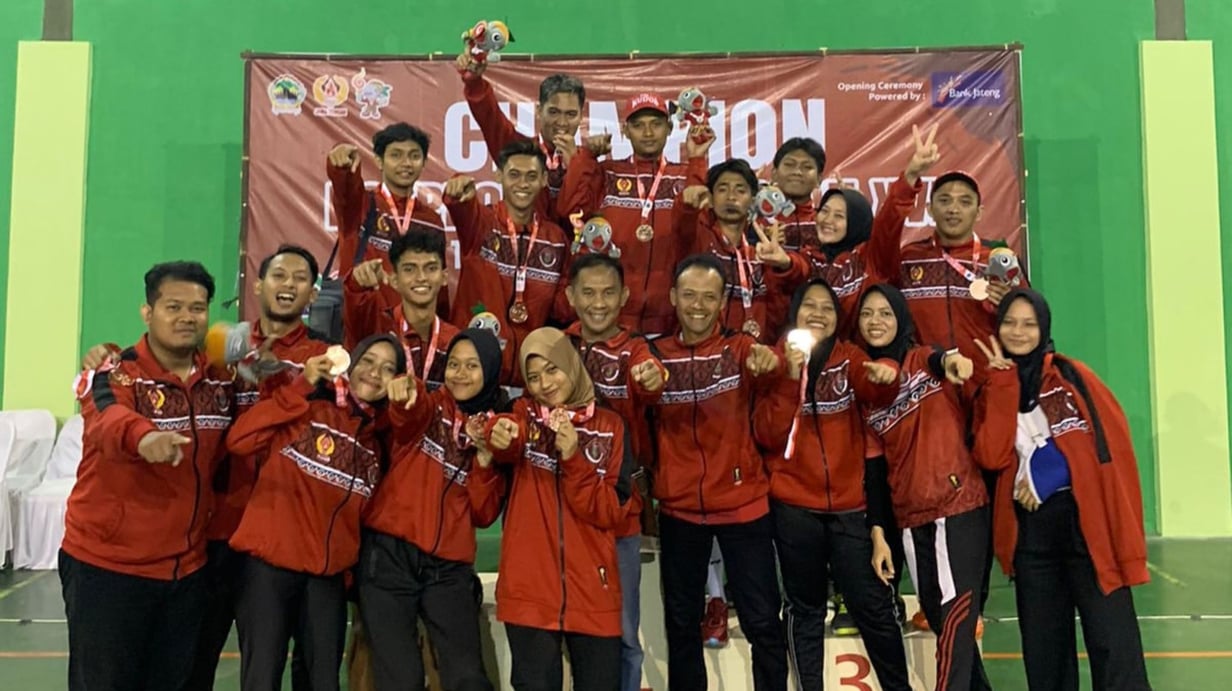
The journey of Kudus fencers is marked by their participation in various regional and national championships. These competitions act as both a developmental tool and a venue for athletes to gauge their growth following training.
At the 2026 Regional Fencing Championship held at SMP Muhammadiyah Kudus on Friday, September 18, 2026, several young Kudus athletes delivered notable performances in the foil and epee events. July Edrea Clarabelle secured first place in the women's foil, Zaky Zuhair took second place in the men's foil, M. Dzaky An-Nuur earned second place in the men's epee, and Galang Aleka Utama finished third in the men's epee.
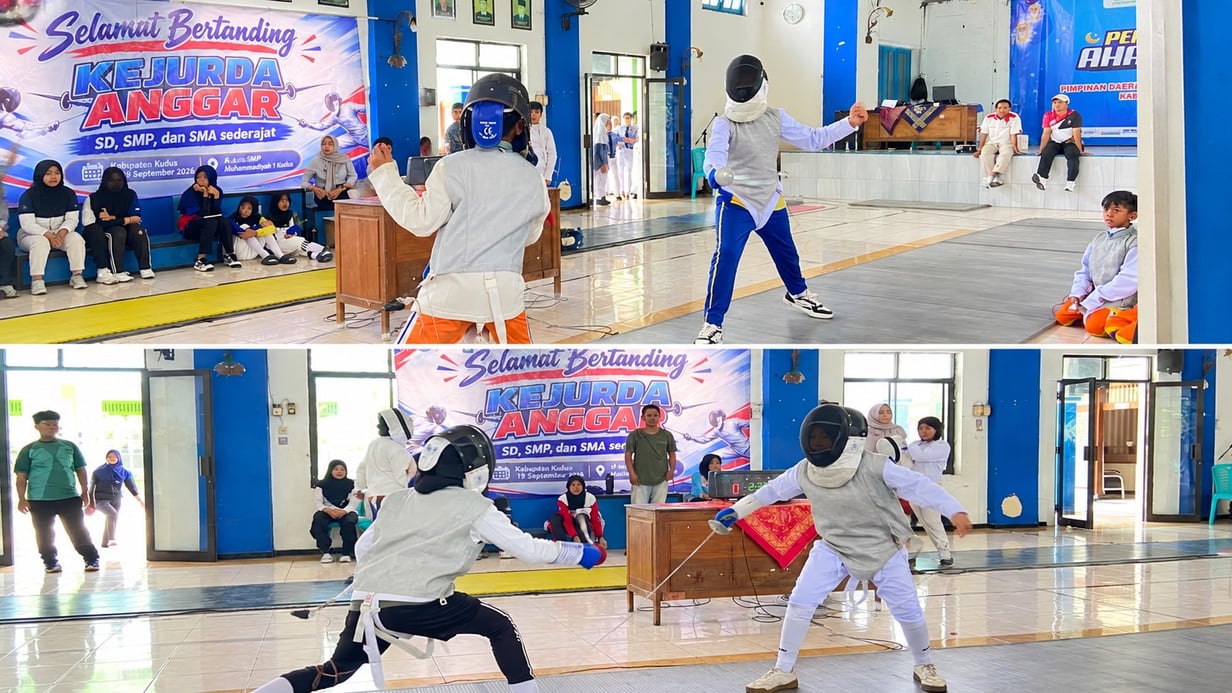
These results demonstrate that regional championships serve as vital proving grounds for young athletes to gain competitive experience. For those still in the development phase, tournament participation is essential for acclimating to the competitive atmosphere and refining skills according to their age group and specific weapon category.
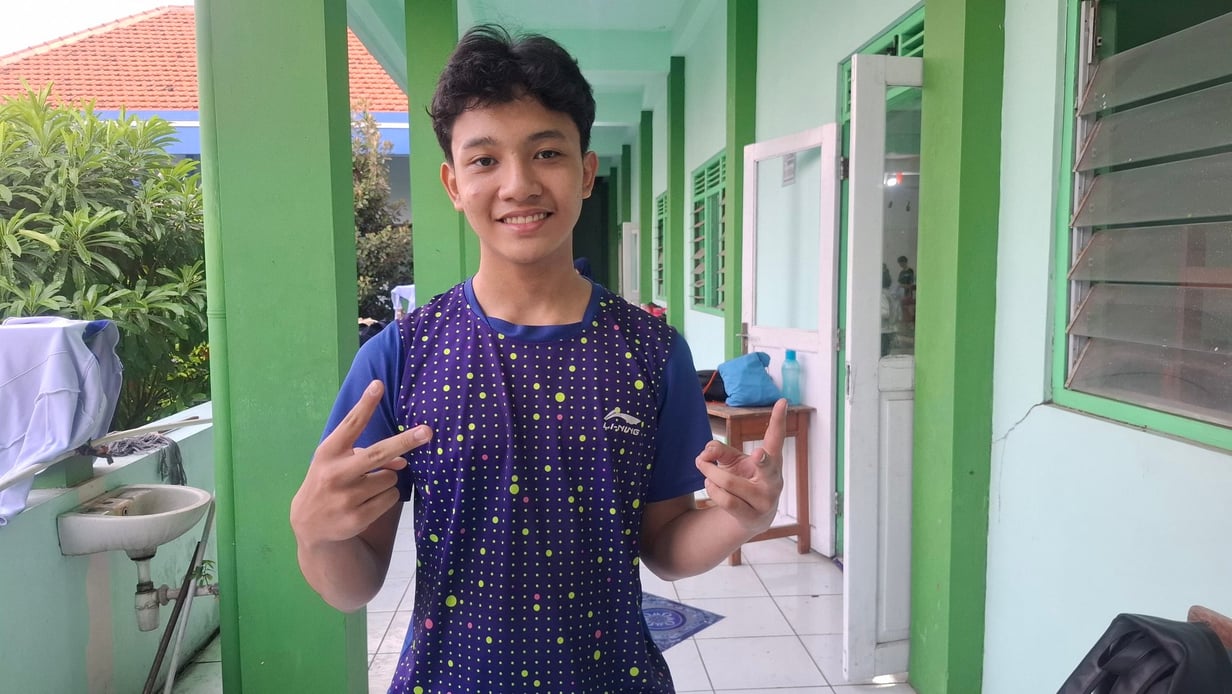
First-place finishes in the sabre and second-place in the foil mark the early career milestones for fencer Fiqqi Muftakhul Khoir. The 14-year-old athlete secured these results at the Kudus Regency Fencing Championship following consistent training since 2024.
Fiqqi, currently a ninth-grade student at MTs NU TBS Kudus, was introduced to the sport in the seventh grade. Her interest was piqued after watching her older sibling train and compete in the local fencing program.
The path to competition was challenging. Initially, Fiqqi struggled to adapt to the rigorous physical demands, frequently experiencing muscle soreness and fatigue. However, through persistent and regular training, these challenges gradually subsided.
"It was quite painful and exhausting at first, but over time, I became accustomed to it," Fiqqi said.
After acclimating to the training regimen, Fiqqi began competing on a broader stage, recently taking home the silver medal in the pre-cadet foil category at a regional championship.
For Fiqqi, competition is a vital measure of progress, representing the next step in her development after mastering the fundamental techniques of the sport.
Her athletic journey has been bolstered by strong family support, with her parents covering the costs for specialized gear such as footwear and uniforms, as well as providing funding for travel to out-of-town tournaments.
Building on her recent performances, Fiqqi has set her sights on the national squad with hopes of eventually competing on the international level.
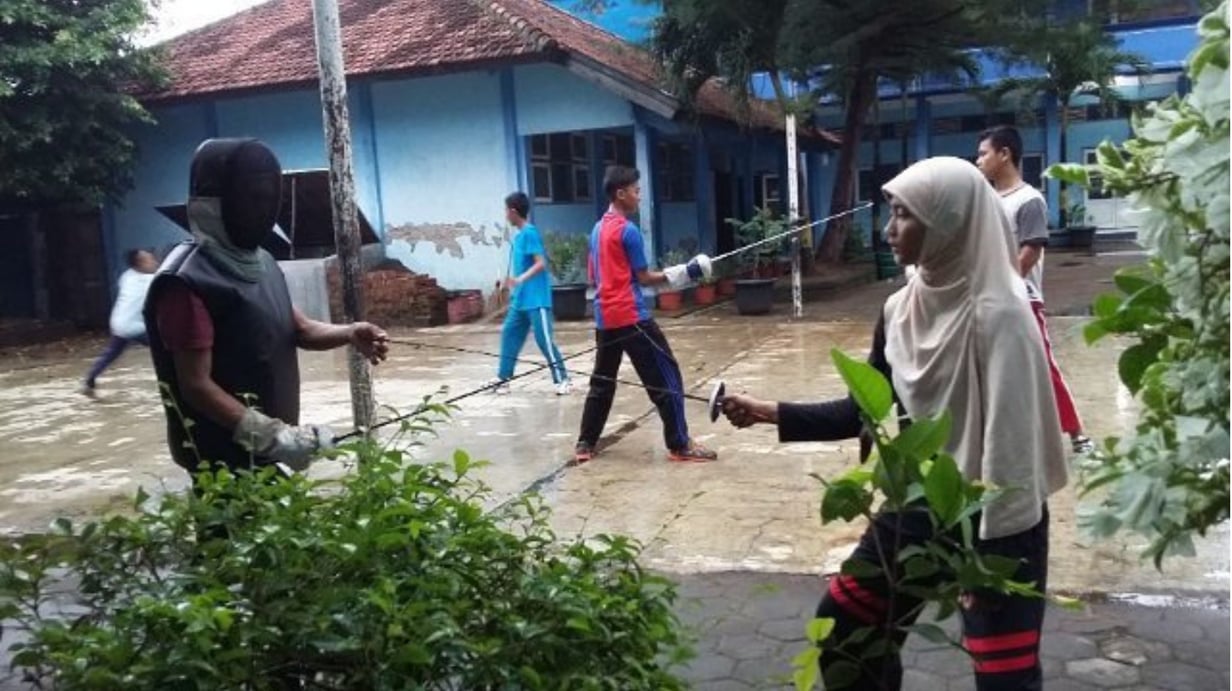
The growing number of participants has strained existing resources. With approximately 80 active athletes, the supply of weapons and protective gear remains insufficient to meet demand.
Coach Imam noted that current equipment levels cover only about one-quarter of the total need, posing a significant hurdle to maintaining consistent training operations.
Staffing also remains tight, with only three active coaches managing dozens of athletes over a six-day training schedule. While classes are staggered to accommodate demand, the coach-to-athlete ratio has yet to reach an ideal standard.
Beyond issues with facilities and coaching, maintaining consistency among teenage athletes remains a significant challenge. During this transitional age, many athletes must balance their training with external commitments. Ensuring regular attendance and focus remains an essential, ongoing component of the development process.
For IKASI Kudus, the rising number of participants is crucial to strengthening the overall development system. The organization aims to produce new athletes capable of competing at the national level and participating in multi-sport events such as the Asian Games.
For aspiring athletes, the journey begins with simple steps: attending training, learning footwork, mastering basic techniques, utilizing safety gear, and progressing according to individual ability. This development pathway in Kudus provides opportunities for athletes who demonstrate steady improvement and performance to compete in open tournaments. (JMY/mainkekudus)