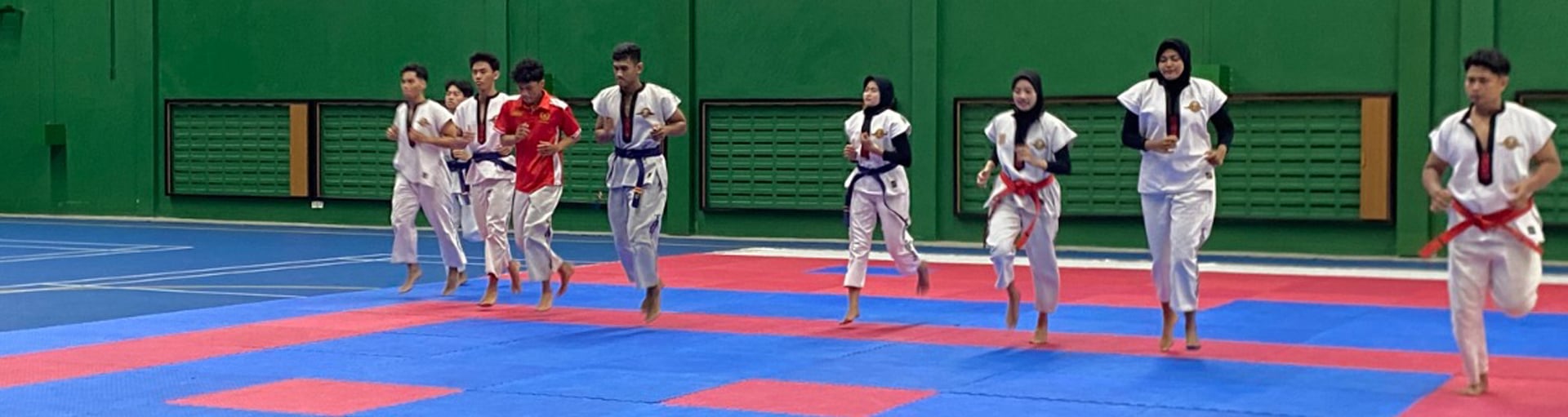
KUDUS – Sweat beads on the floor of the arena as training commands echo through the room. Punches strike training pads, followed by sharp footwork and the heavy breathing of the participants. The same movements are repeated continuously to hone technique, speed, and precision.
This scene is a regular sight at Tarung Derajat training sessions in Kudus Regency. Managed by the Kudus chapter of the Tarung Derajat Sports Family (KODRAT), the sessions focus not only on developing combat skills but also on fostering discipline, self-control, and mental fortitude.
Training is conducted in stages. New participants are introduced to basic techniques before advancing to high-intensity athletic drills. Through this process, KODRAT Kudus provides a gateway for both those interested in learning self-defense and those aspiring to compete.

Indra Purbaya, chairman of KODRAT Kudus and head coach of Tarung Derajat in the region, stated that the development of the sport in Kudus began around 2010.
In the early stages, training was overseen by Central Java Tarung Derajat officials, including Kang Madi and Kang Salim. This mentorship lasted for two to three years before the local chapter began operating independently in Kudus.
Currently, there are three active training centers, known as satlat: the Muria Kudus University (UMK) center, the SMK Wisudha Karya center, and the Pondok Manhaj Riyadhus Solihin center.
Training schedules are tailored to participants' availability. The UMK center holds sessions on Tuesdays and Fridays from 4:00 p.m. to 6:00 p.m. WIB. The SMK Wisudha Karya center trains on Thursdays and Saturdays, while the Pondok Manhaj Riyadhus Solihin center conducts sessions on Saturday afternoons.
KODRAT Kudus is open to people of all ages. Children, students, and adults are all welcome to join and progress according to their individual skill levels.

“Tarung Derajat welcomes everyone to join, including children, students, university students, and even seniors. Our philosophy is inclusive; any citizen who wishes to participate is invited to do so,” said Indra.
There are no fixed training fees for new members. Participants are only required to purchase the official training uniform provided by the organization.
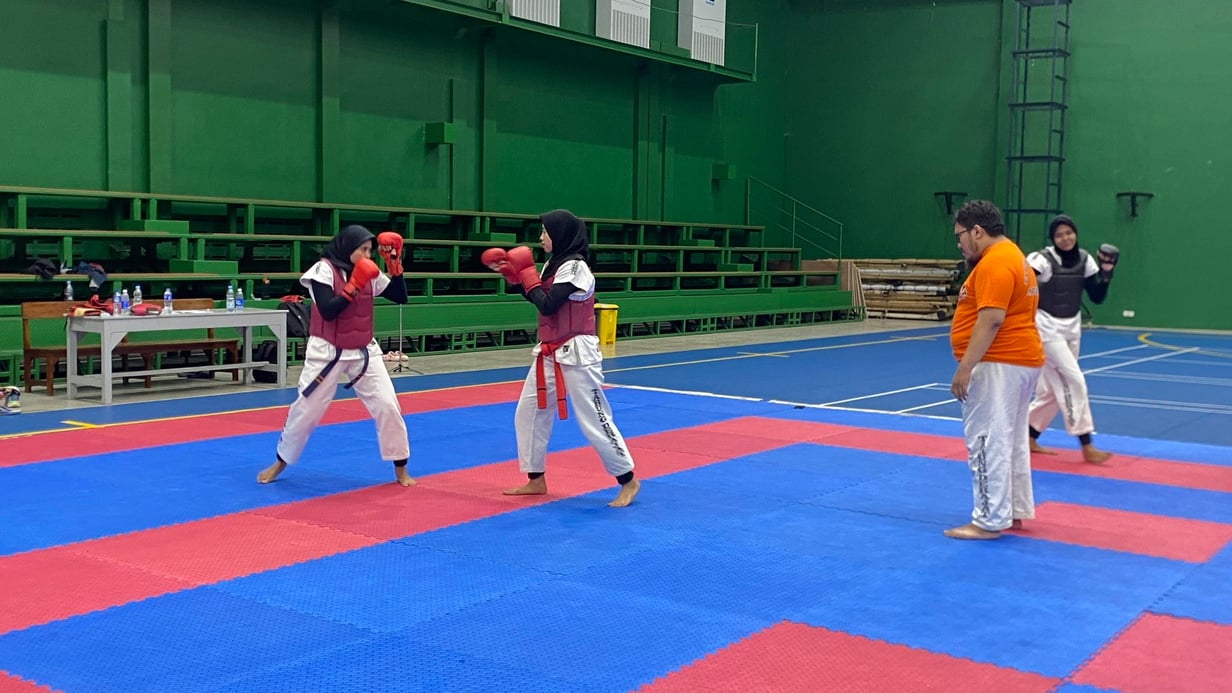
Instruction begins with foundational techniques. Participants are introduced to standing stances, combat stances, striking methods, takedowns, and other basic offensive moves.
“For beginners, the focus is on mastering basics like ready stances, combat stances, striking, takedowns, and elementary attacks,” Indra explained.
Training extends beyond physical conditioning. Participants are introduced to the Aghar system, or the moral and mental code established by Guru Haji Achmad Dradjat. These values are integrated into the curriculum to foster discipline, morality, and self-control.
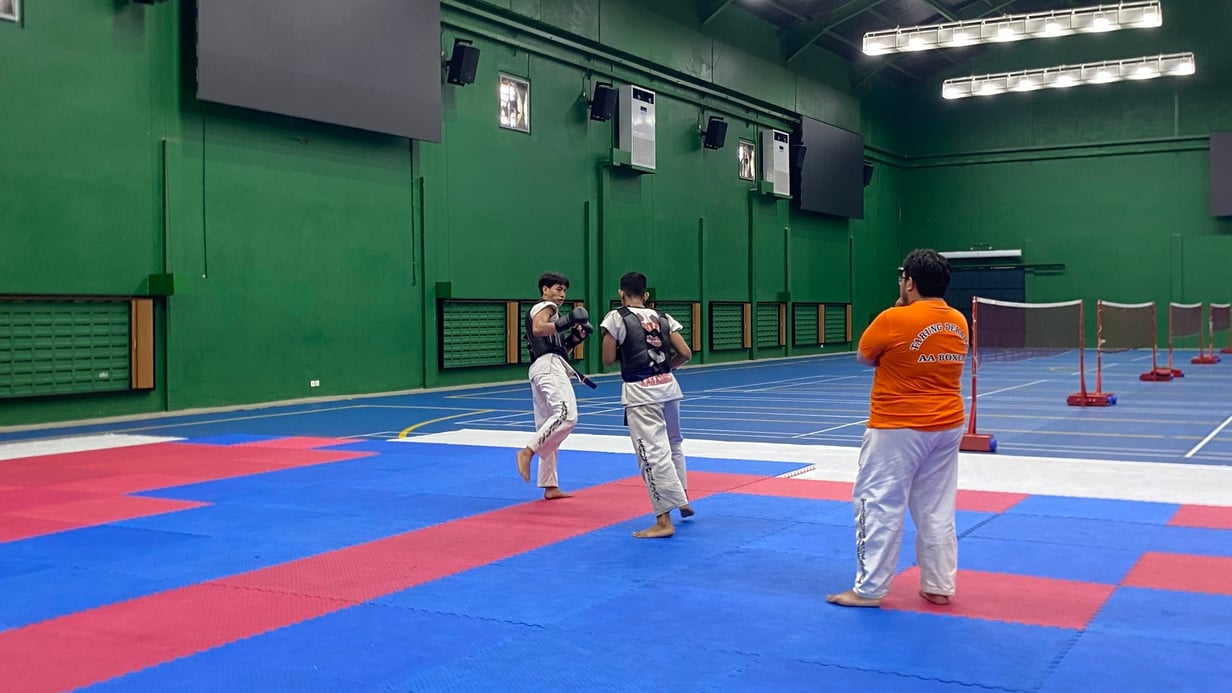
Safety remains a priority during training, particularly when participants transition to sparring. According to Indra, the protective system in Tarung Derajat has evolved significantly over time.
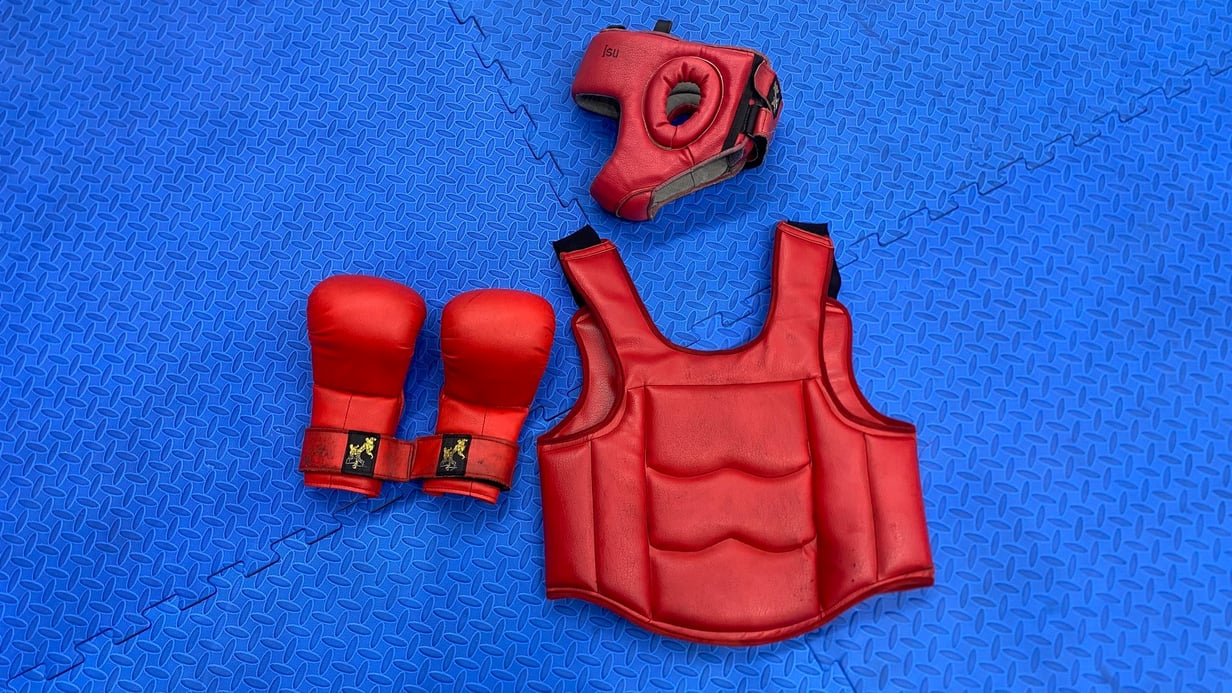
Participants engaging in sparring are required to wear protective gear, including a headgear, handguards, body protectors, groin guards, and a gumshield. This equipment is essential for protecting vulnerable areas from impact during training.
Tarung Derajat competitions feature various fighting divisions for both men and women, alongside artistic categories including Ranger, as well as men's and women's solo performance.
Currently, KODRAT Kudus is prioritizing its men's and women's senior fighting divisions, while junior development remains aligned with provincial-level scheduling.
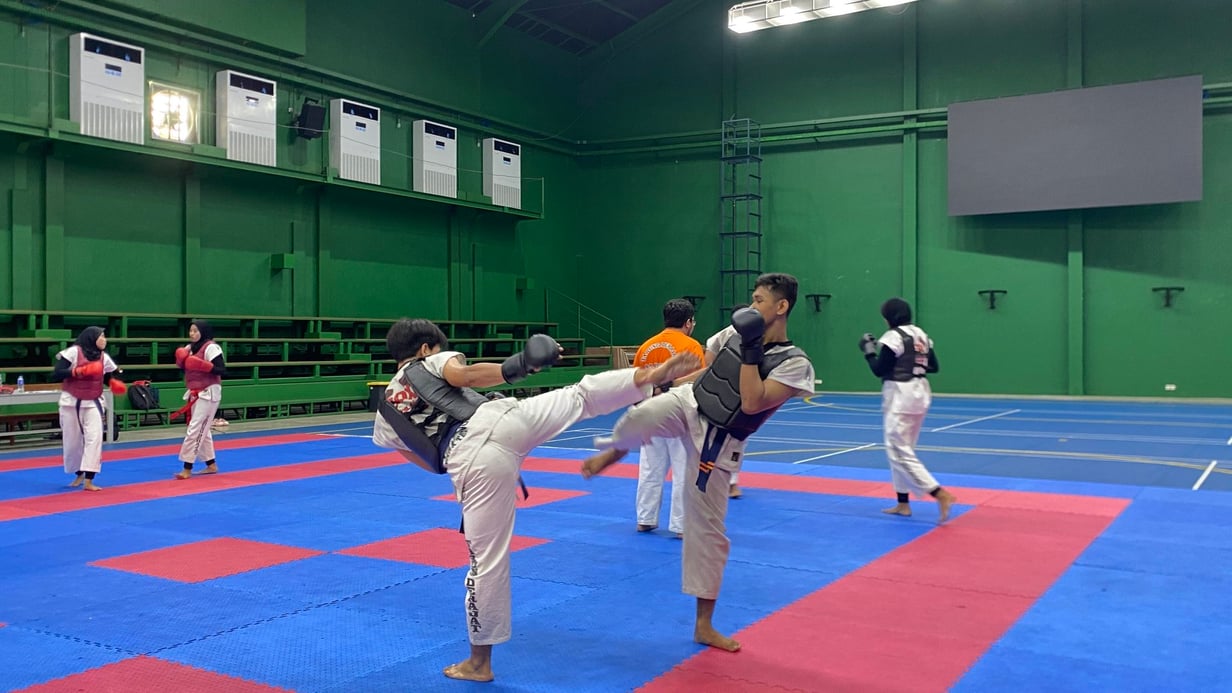
Routine training is a core component of evaluating athlete readiness for competition. KODRAT Kudus assesses performance based on five criteria: strength, speed, precision, endurance, and courage.
These five pillars are fundamental to preparing athletes for regional and national-level championships.
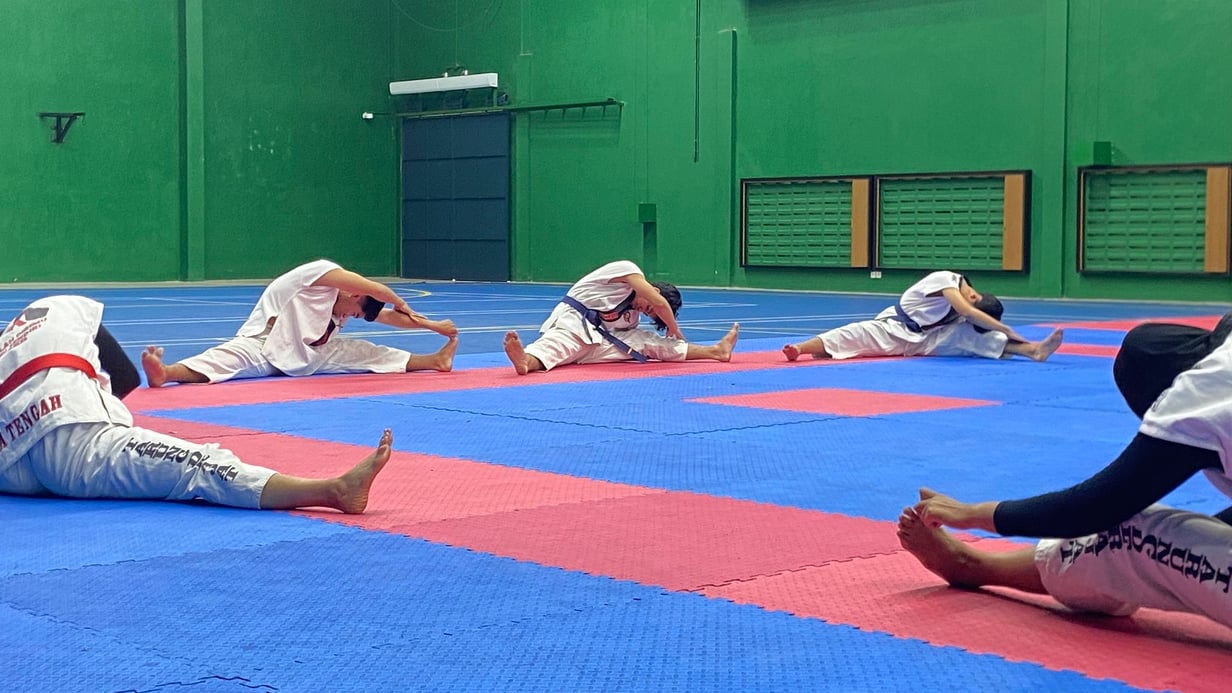
This process is evident in the career of Vinka Widyaningrum, who began training in Tarung Derajat in 2015 while in the seventh grade. Her interest was sparked by the sport's unique combination of striking and kicking techniques.
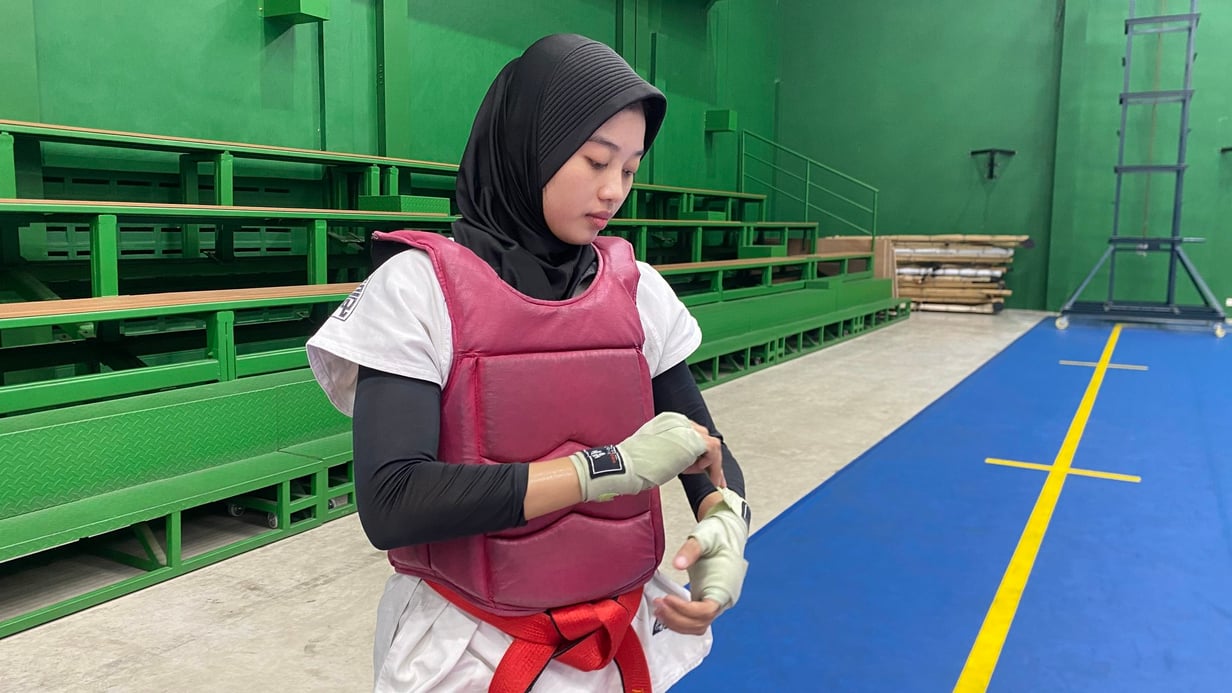
Her rigorous training led to numerous competitive opportunities. One of her most grueling challenges occurred during the 2021 National Sports Week (PON) in Papua.
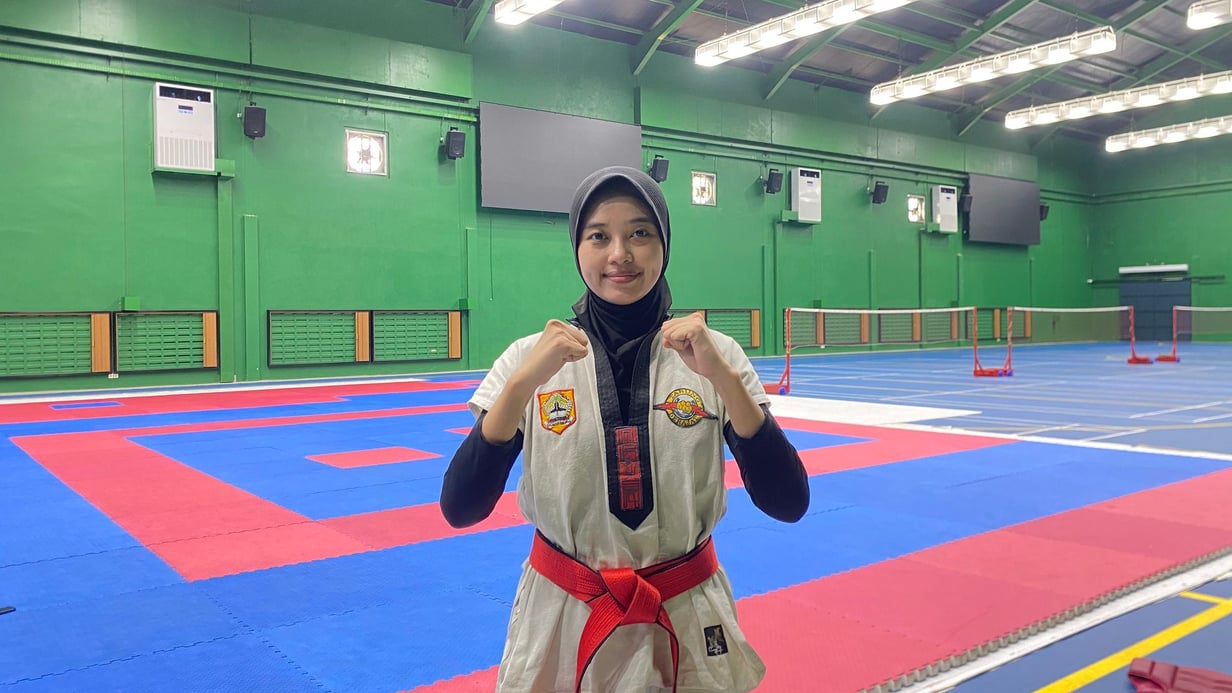
"In Papua, I suffered a bone fracture and displacement that required surgery, but thankfully I still managed to take second place," Vinka recalled.
Following that experience, she continued her competitive career, earning a silver medal at the Aceh-North Sumatra PON and a gold medal at the 2025 Martial Arts PON in Kudus.
Now, she is preparing for the Provincial Sports Week (Porprov). Balancing morning training sessions with her university studies, Vinka is aiming for the gold medal.
Raffi Syani Pahlevi has followed a similar path, having joined Tarung Derajat in 2022 during his first year of high school.
Raffi was drawn to the sport by the emphasis on speed, composure, and situational awareness. Consistent training has significantly improved his physical condition, helping him lose 12 kilograms to reach what he considers a more ideal weight.
For him, the training is also a vital process in cultivating mental calm under the pressure of the arena.
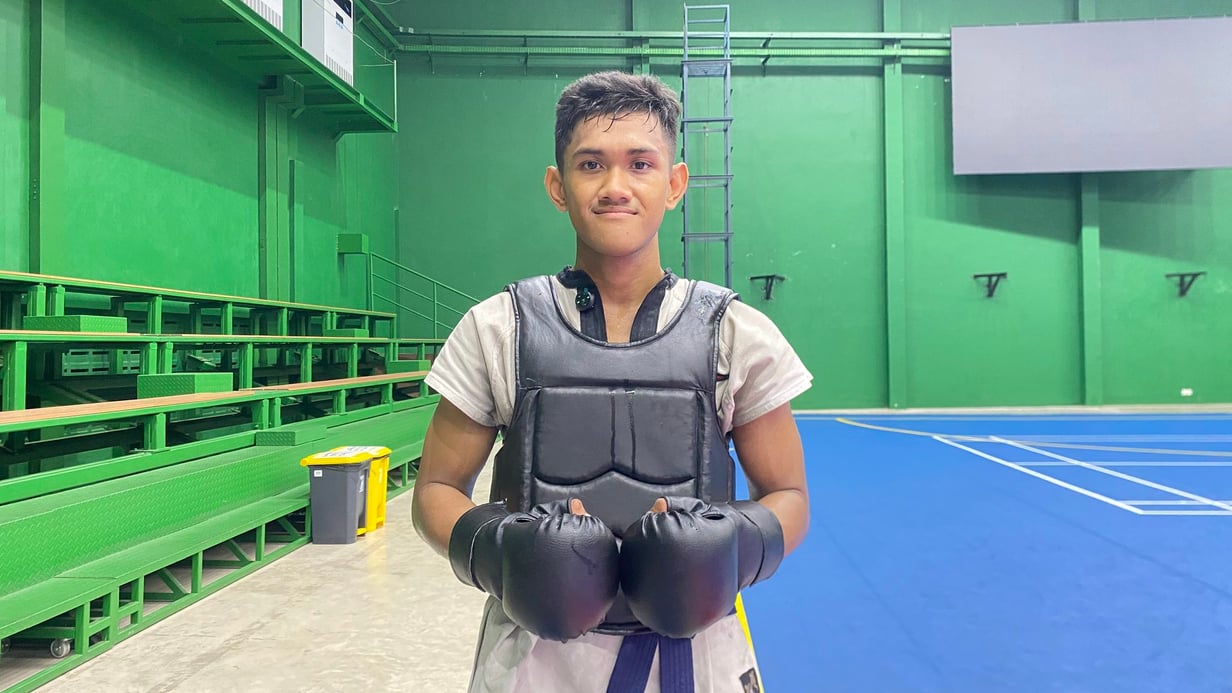
“When we spar or train, it is not just a physical contest; it is a test of mental fortitude, composure, and strategic intelligence,” said Raffi.
His skills have flourished through competition. At the 2025 National Student Sports Week (Pomnas), Raffi secured two silver medals in both artistic and combat categories.
Beyond training and competition, he must balance his schedule with university lectures, academic assignments, and necessary rest. Managing his time has become a routine he must maintain when preparing for competitive events.
Raffi is currently projected to be part of an eight-athlete contingent from Kudus, which is being prepared for the 2026 Provincial Sports Week (Porprov) with a gold medal target.
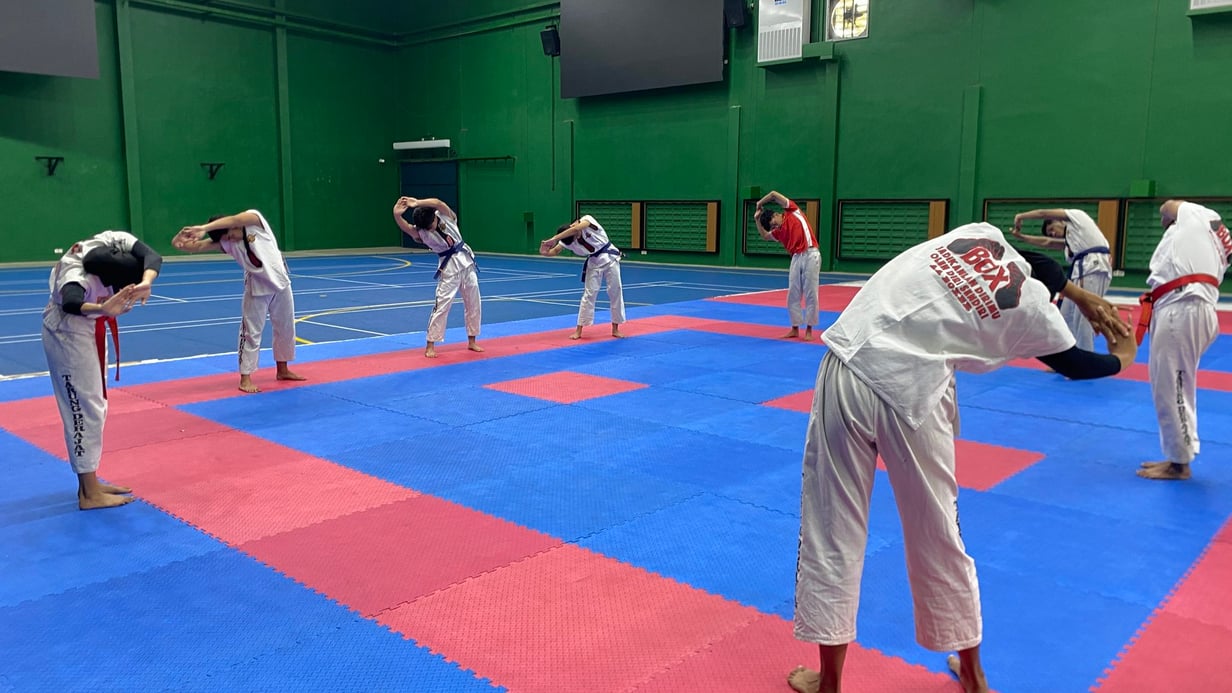
For those interested in trying Tarung Derajat, training can begin at any of the available training units. New participants do not need prior martial arts experience, as coaching starts with fundamental techniques.
KODRAT Kudus welcomes participants of all ages, including children, students, and adults. Training sessions are available at three locations: UMK, SMK Wisudha Karya, and Pondok Manhaj Riyadhus Solihin.
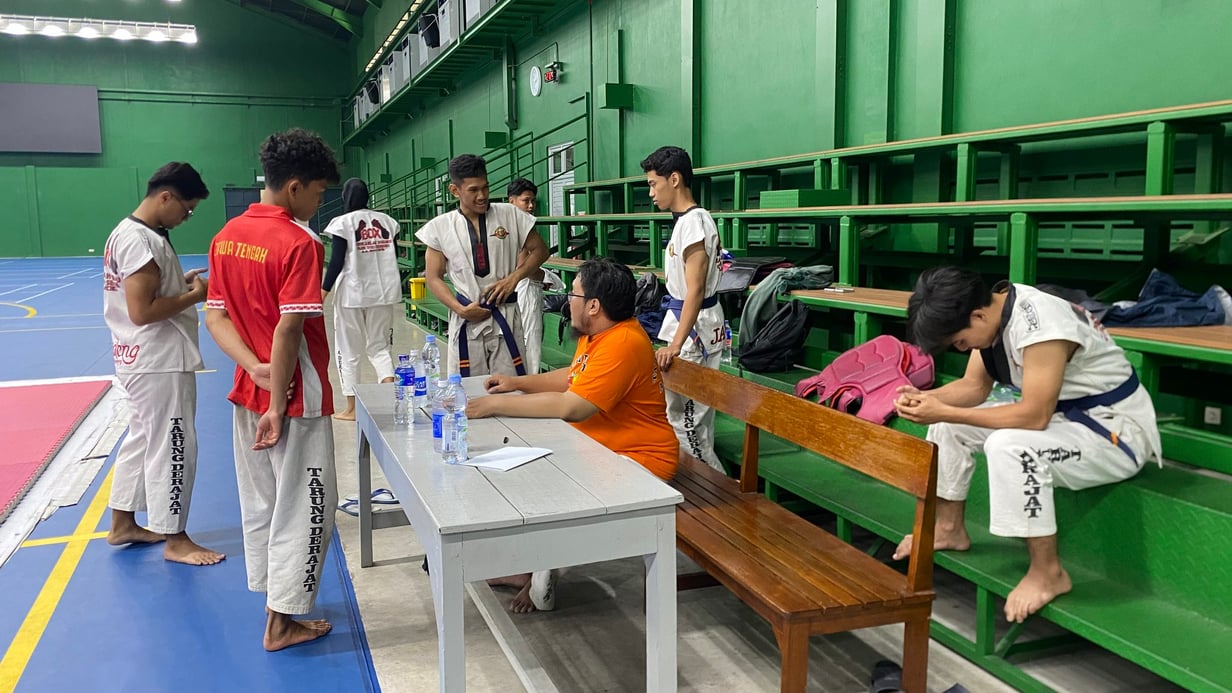
There are no fixed training fees for new participants. The primary requirement is the official uniform provided by the management. For sessions involving sparring, protective gear is essential to ensure participant safety.
Information regarding registration and training schedules can be obtained from KODRAT Kudus officials or coaches at each respective training unit.
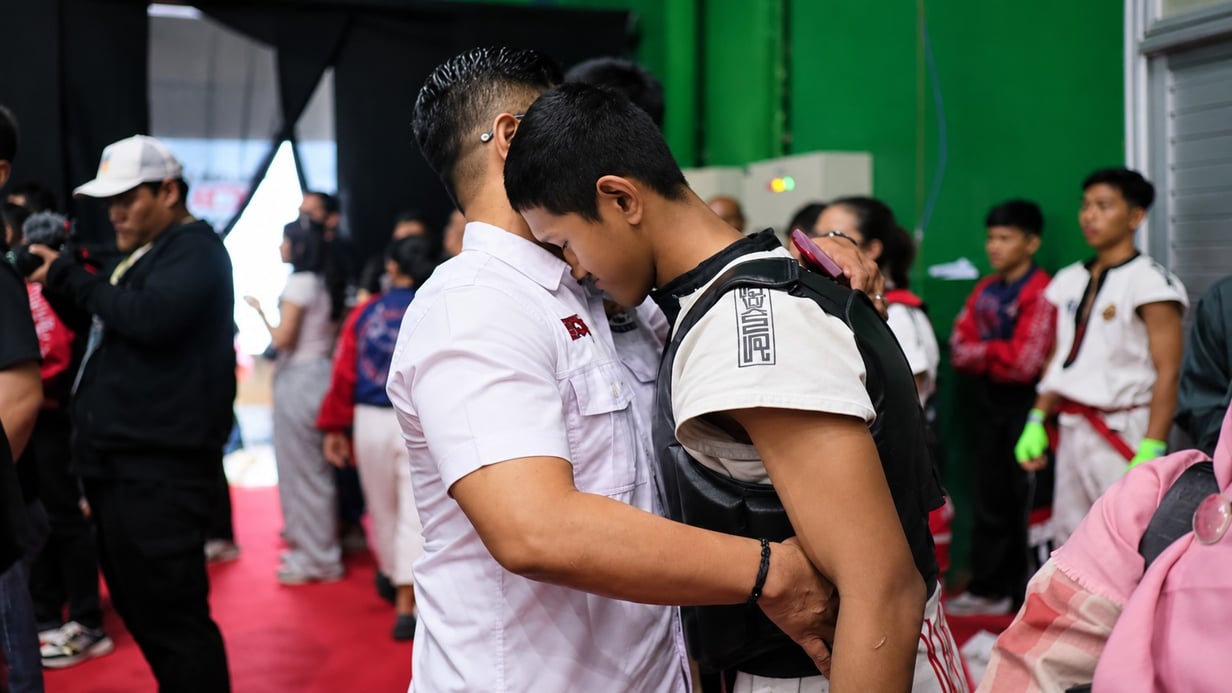
The development process extends beyond the arena. Misbah, Raffi’s father, has observed significant positive changes in his son since he began practicing Tarung Derajat. He noted that the training has instilled greater discipline in Raffi’s routine, including his lifestyle and dietary habits.
Raffi's family makes it a priority to attend his matches, offering direct support from the stands to bolster his performance.
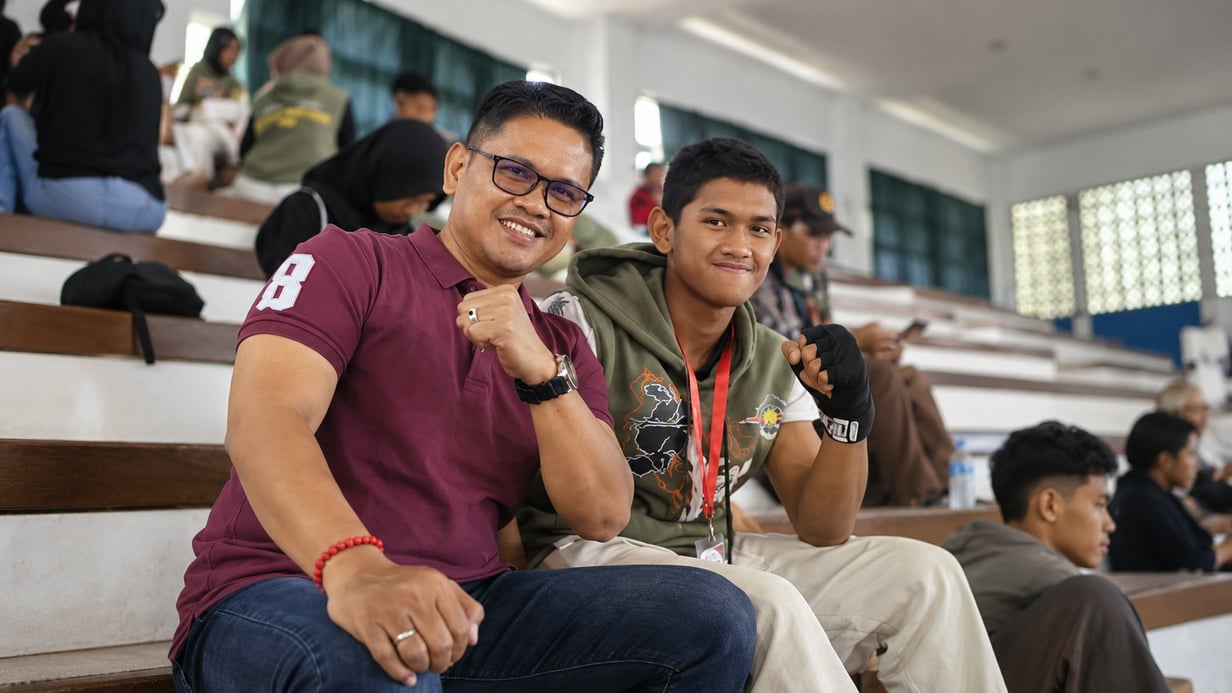
"The real challenge for parents is monitoring our children's daily diet and lifestyle. We hope the Tarung Derajat program in Kudus continues to thrive, allowing these athletes to excel and build a better future," said Misbah.
For KODRAT Kudus, training development remains a top priority. Expanding satellite training centers is a key strategy to increase public awareness of Tarung Derajat and to identify promising new athletes across the region.
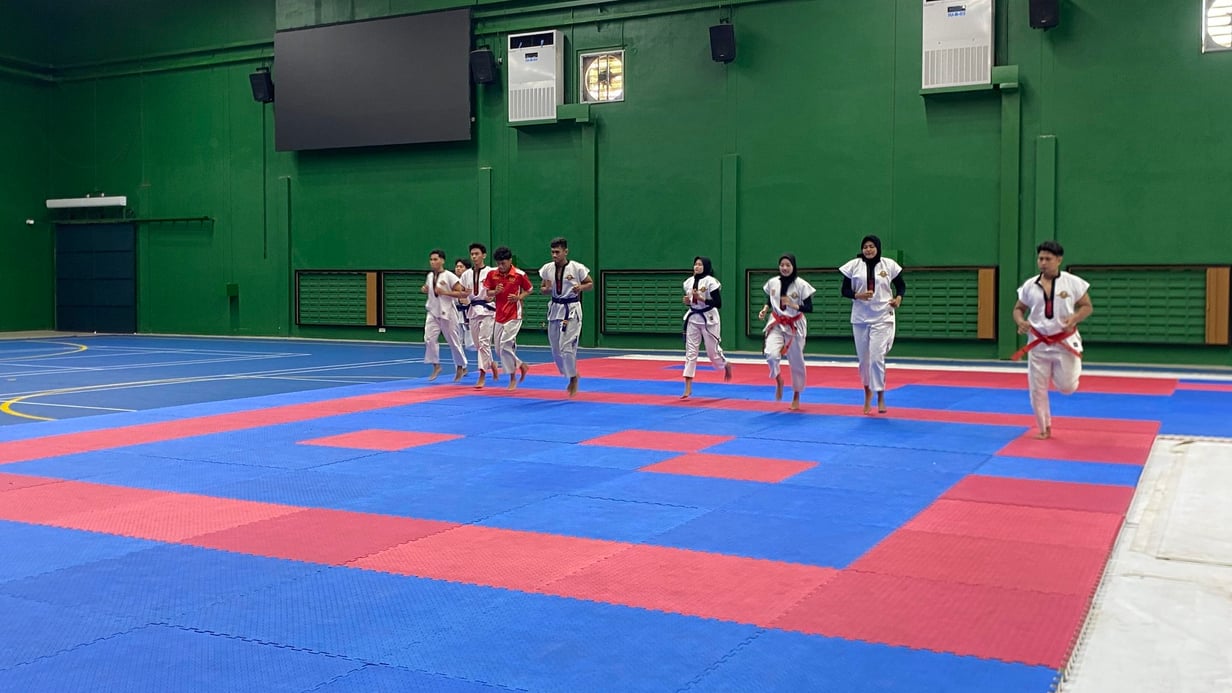
The journey—ranging from basic drills and discipline to competition—offers participants a path tailored to their individual development. For some, training provides essential self-defense skills; for others, it marks the start of a competitive career representing Kudus. (FZ/mainkekudus)