KUDUS — As local dining establishments increasingly serve as both culinary destinations and community hubs, Gokil Restaurant has established itself as a prominent fixture in Kudus. Located at Jalan AKBP Agil Kusumadya No. 68, Jati Kulon, Jati District, the restaurant is known for its signature dish, Sego Kikil, and its premium casual dining atmosphere.
Open daily from 10:00 a.m. to 10:00 p.m. WIB, Gokil Restaurant serves as a versatile venue for lunch, dinner, or casual afternoon coffee and snacks. It has evolved into a vital gathering space for diverse segments of the local community.
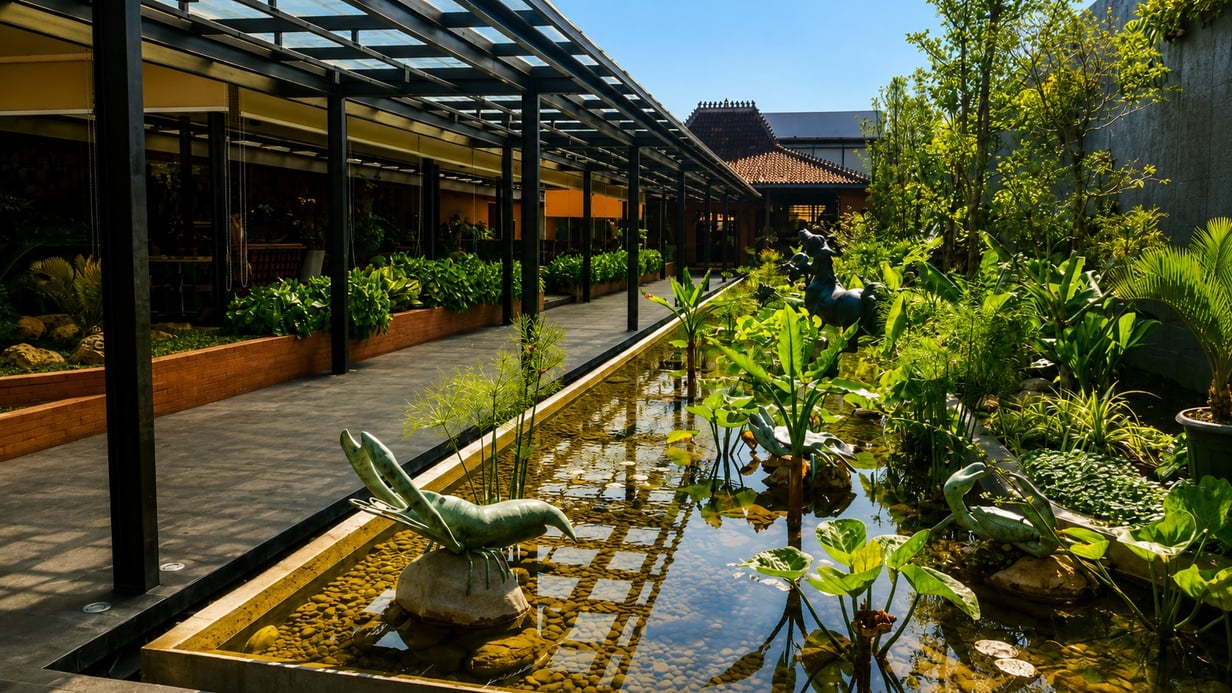
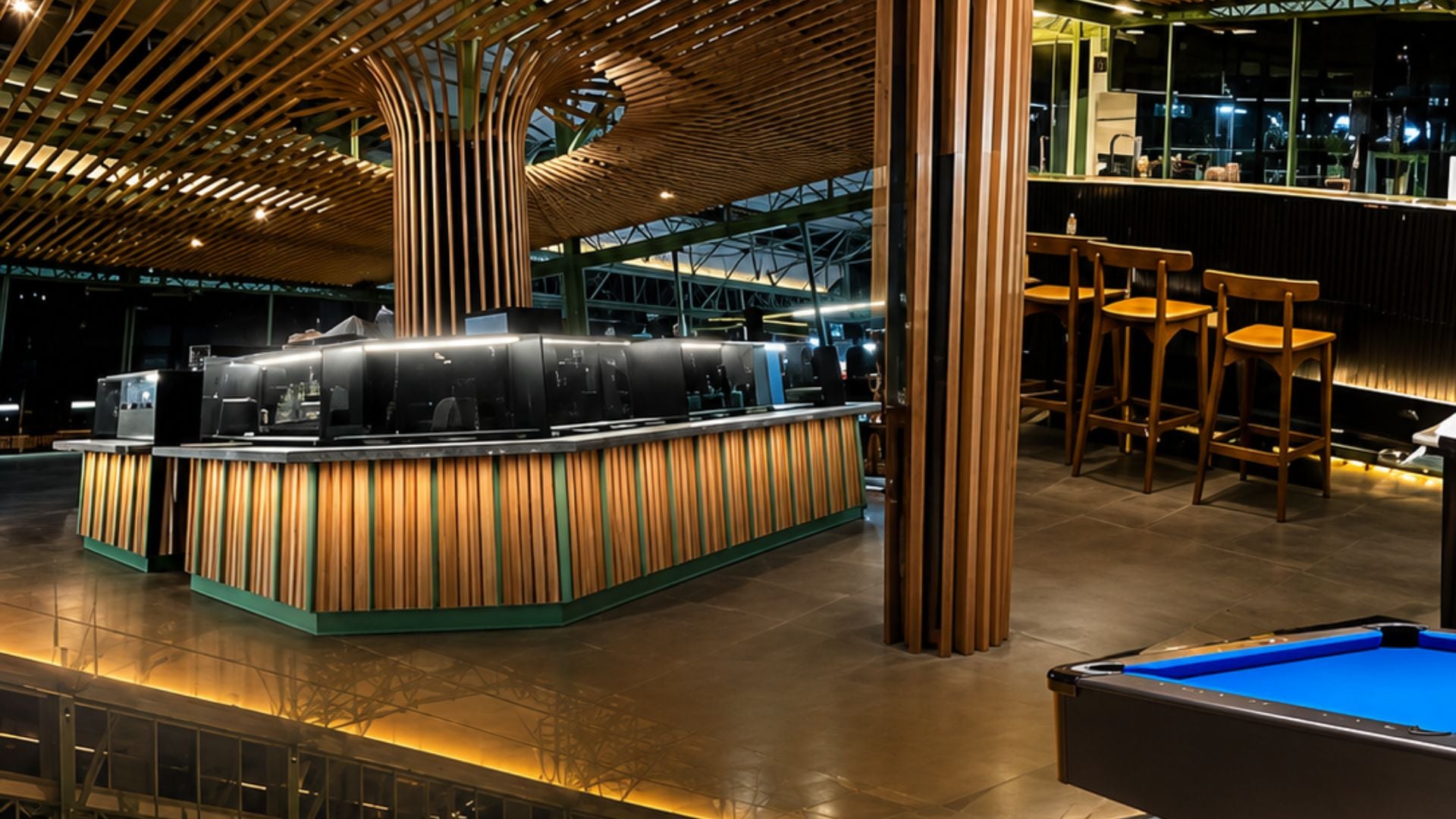
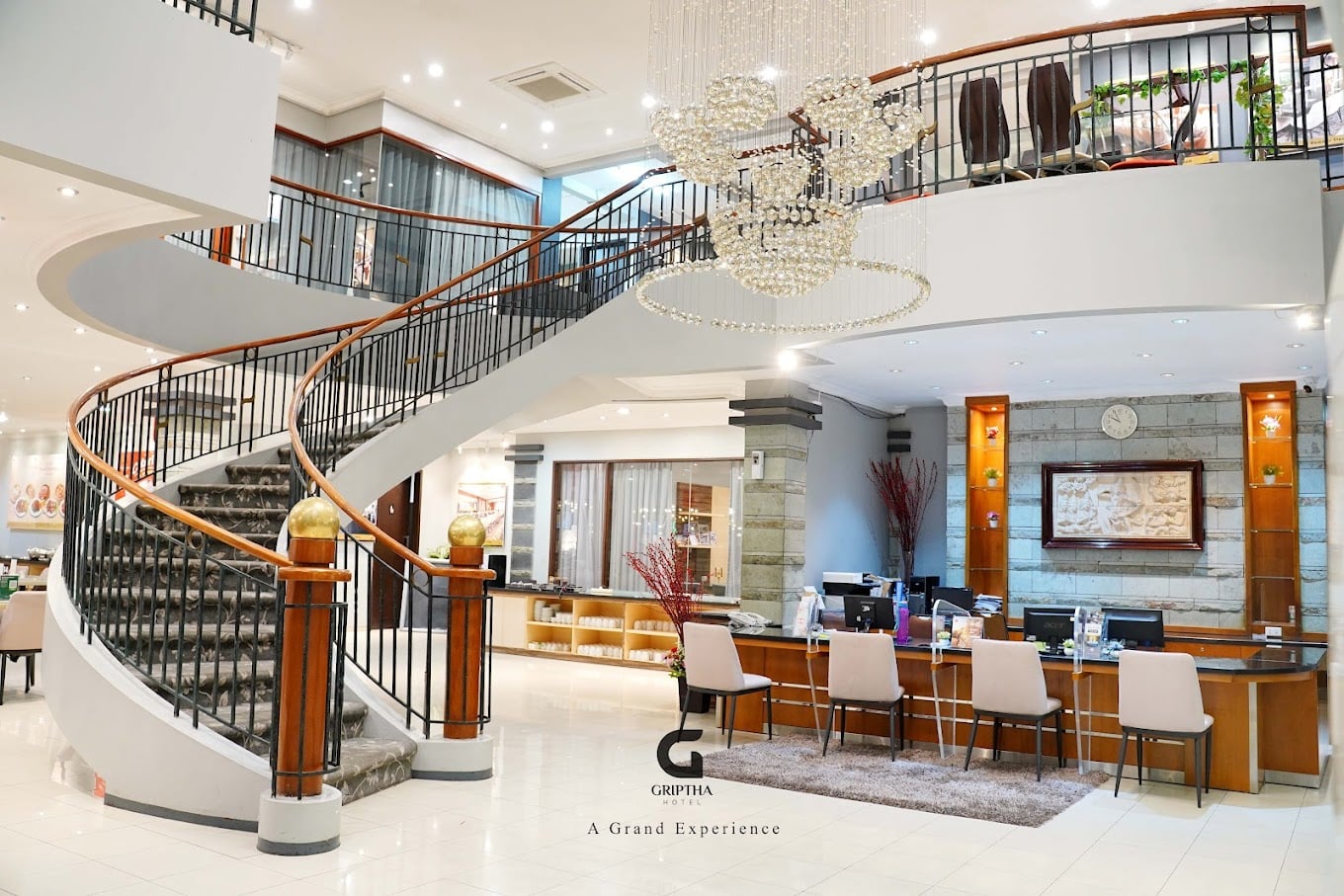
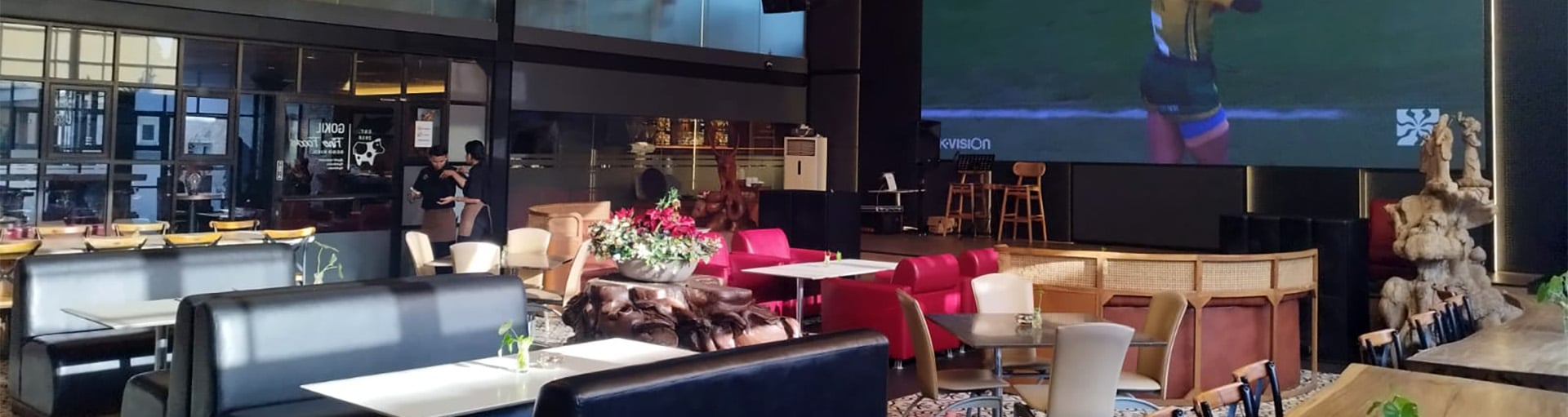
Upon entering, guests are met with a premium casual dining environment that defines the establishment. This concept, increasingly popular in recent years, offers a blend of relaxed atmosphere and varied menu options. Gokil Restaurant achieves this through elegant interior design paired with an informal vibe.
The restaurant’s mix of modern elements and warm ambiance makes it a popular venue for various activities, from casual business meetings and family reunions to informal gatherings with friends. The focus on fostering social interaction is central to the restaurant’s appeal.
At the heart of this concept is a commitment to bridging modern style with local culinary heritage. General Manager noted that the restaurant was designed from the outset as an upscale venue that preserves the identity of Kudus and traditional Indonesian cuisine.
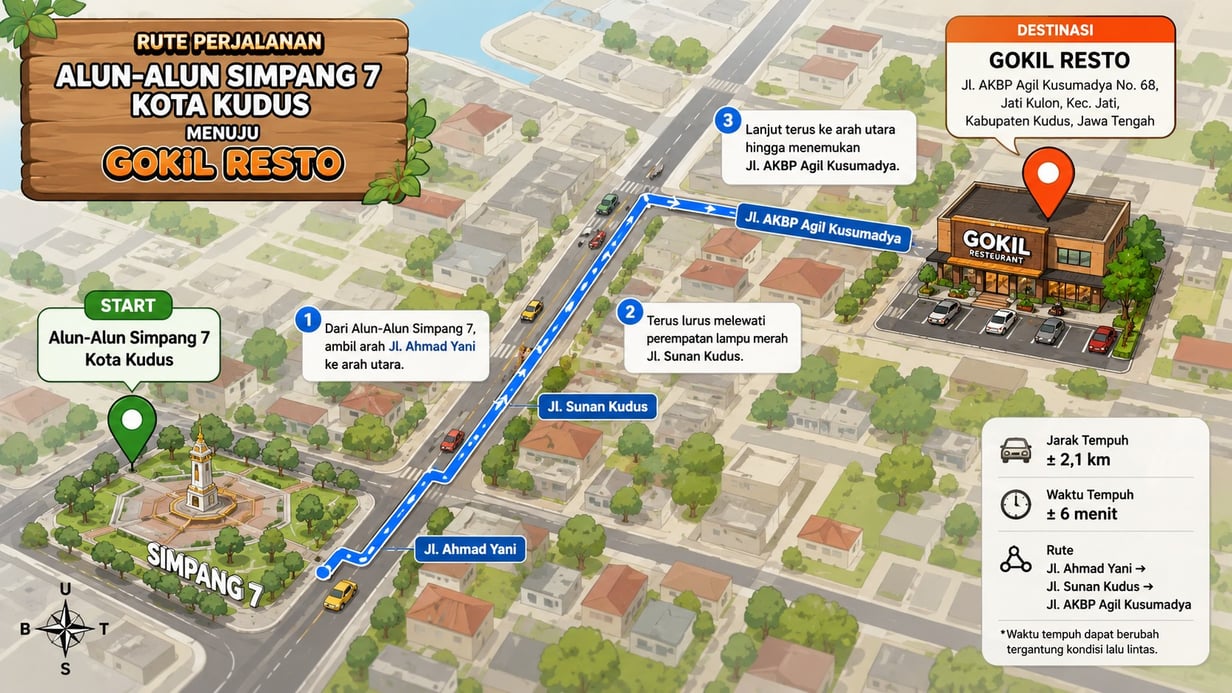
Jl. AKBP Agil Kusumadya No.68, Jatikulon Krajan, Jati Kulon, Kec. Jati, Kabupaten Kudus, Jawa Tengah 59347, Indonesia
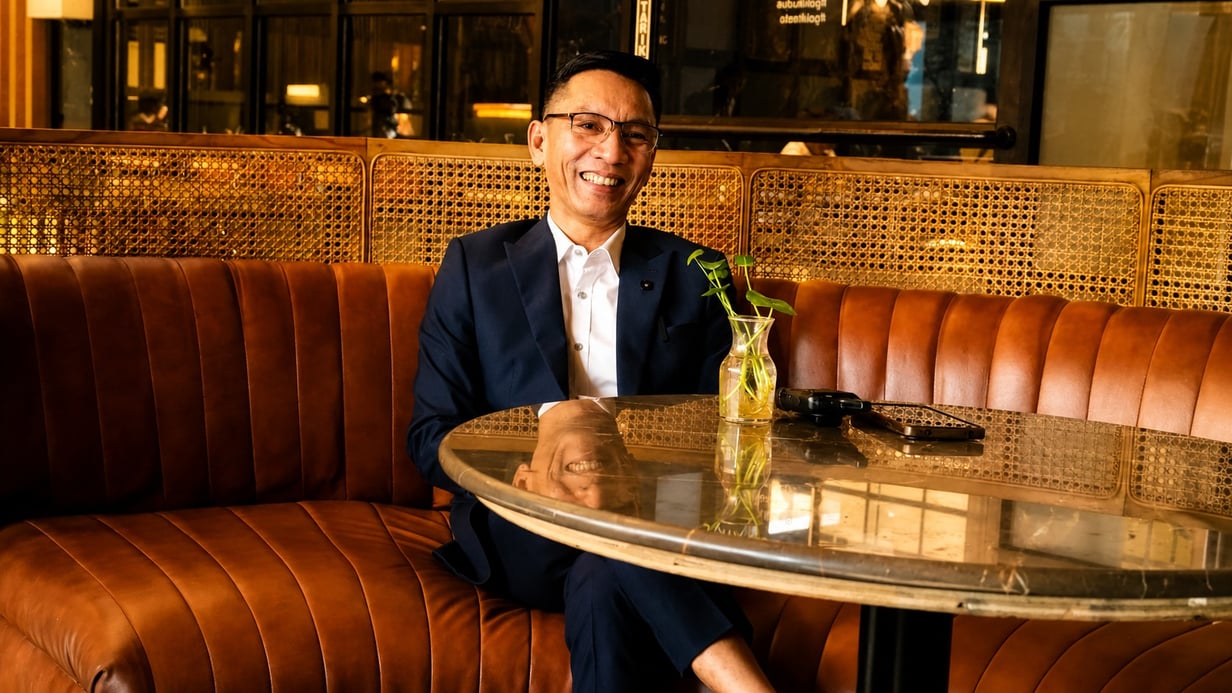
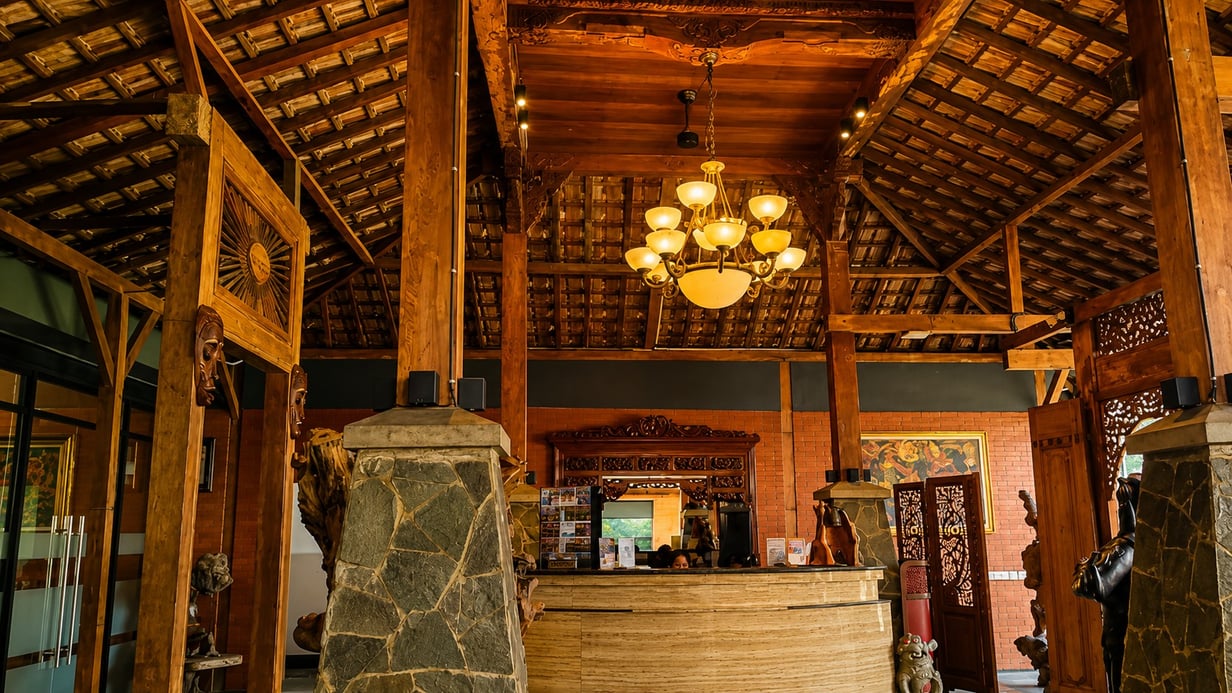
According to her, the architectural and interior design combines modern aesthetics with traditional cultural elements. This concept was chosen to foster a unique atmosphere while catering to a diverse consumer base.
“We are merging a modern concept with the traditional heritage of Kudus and the Indonesian archipelago. The goal is for the restaurant to maintain a distinct character while preserving local identity,” said Fadhilatul Fithri.
She explained that the restaurant's atmosphere was curated from various conceptual references to create a distinctive and aesthetic ambiance. Through this approach, Gokil Restaurant aims to provide a representative dining space for all guests.
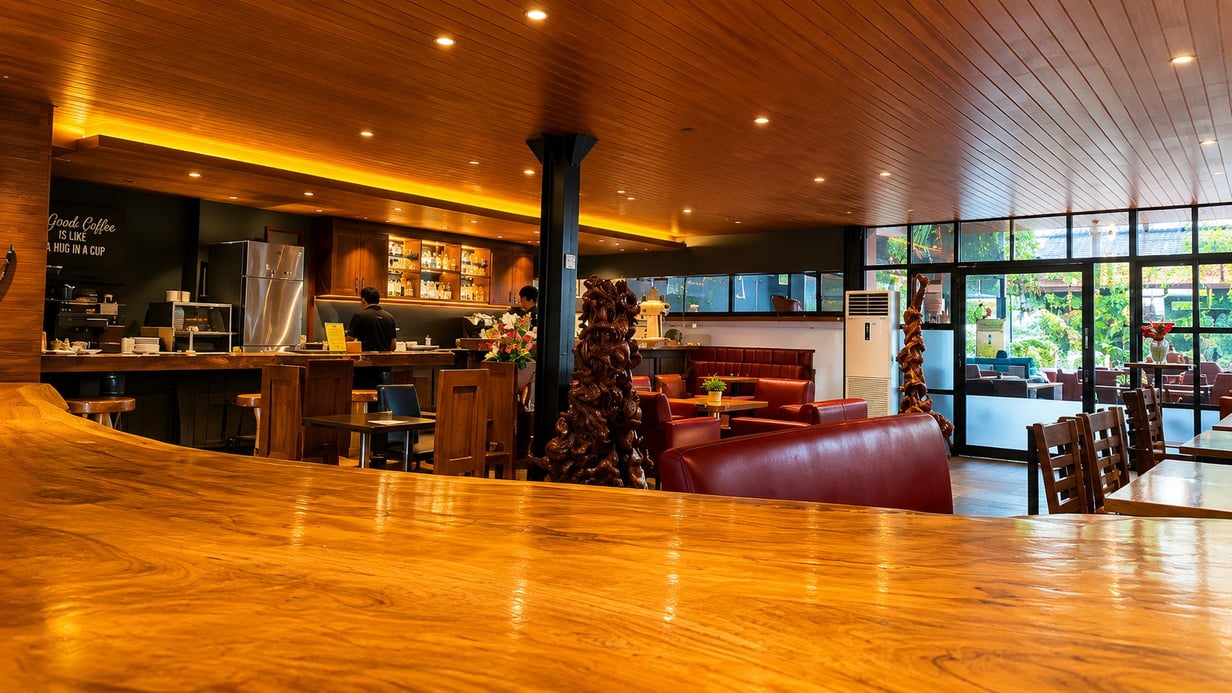
The restaurant's location in the Jati area is a key factor in its accessibility. With its convenient access, the venue has become a preferred destination for both local residents and visitors to Kudus.
Among its diverse menu offerings, Sego Kikil (GoKil) is the dish most synonymous with the Gokil Restaurant name. This menu serves as a brand identity and is frequently a primary draw for customers.
Listed at IDR 60,000, the Sego Kikil dish features beef tendon slow-cooked in traditional Indonesian spices until tender. It is served with white rice, sambal, and other accompaniments that highlight the essence of Indonesian culinary traditions.
The presence of Sego Kikil illustrates how traditional dishes remain relevant to modern dining preferences. At Gokil Restaurant, this menu is a central pillar of the overall concept: delivering authentic Indonesian flavors through a contemporary presentation.
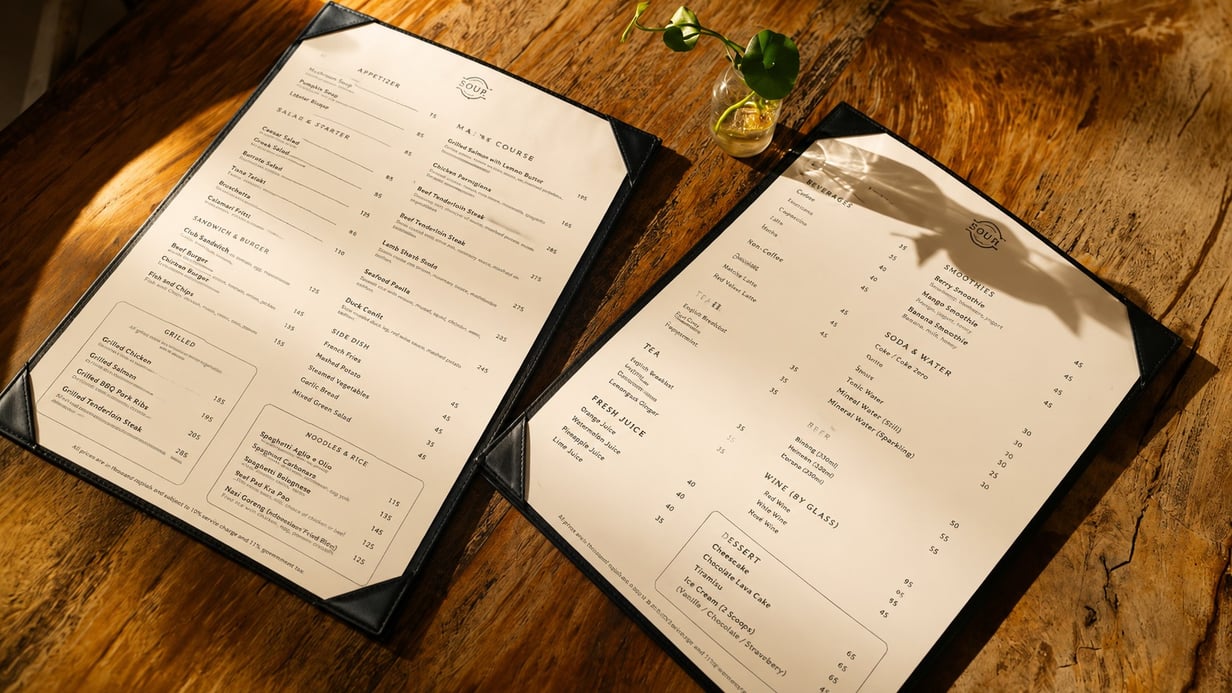
Beyond Sego Kikil, the restaurant offers an extensive variety of dishes. According to Fadhilatul Fithri, the culinary concept employs a fusion approach, blending Indonesian cuisine with Western influences.
She highlighted the Grilled Ribs (Iga Bakar) as a top recommendation for guests. Other signature and best-selling menu items include Sego Kikil, Salmon Pepes, Gokil’s Beef Steak-Wagyu MB 5, Pan-Seared Norwegian Salmon, and Bebek Bumbu Hitam (Black Spice Duck).
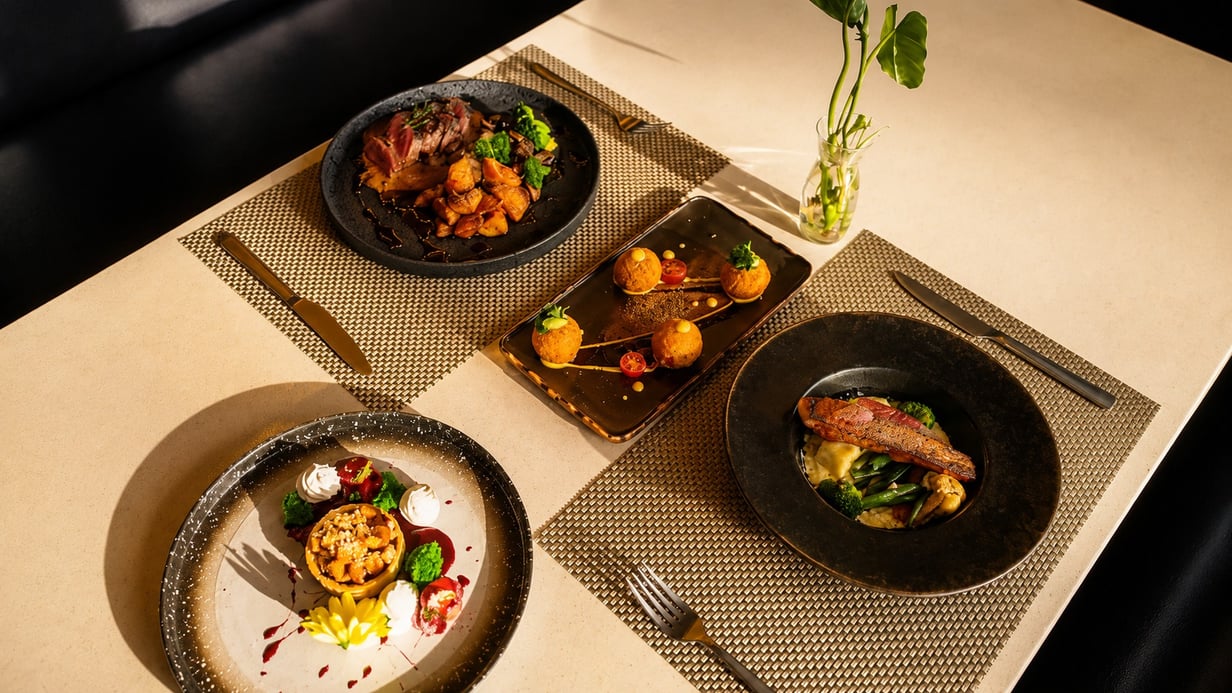
The Indonesian menu selection features various dishes, including beef rib soup, oxtail soup, or tendon soup for Rp90,000, goat satay for Rp110,000, spiced grilled ribs for Rp90,000, beef tamarind soup for Rp90,000, black spice duck for Rp85,000, fried or grilled GoKil’s chicken for Rp60,000, Oriental black pepper beef for Rp85,000, sweet and sour snapper for Rp70,000, and vegetable stir-fry (capcay) for Rp55,000.
According to management, the spiced grilled ribs, tendon rice (sego kikil), and black spice duck are among the most popular dishes with patrons.
For those preferring Western-style cuisine, options include chicken steak for Rp70,000, a GoKil’s Wagyu beef burger for Rp85,000, pan-seared Norwegian salmon for Rp135,000, and a GoKil’s Wagyu MB5 beef steak for Rp155,000.
The diverse range of local and international dishes offers flexibility, allowing diners at the same table to order according to their individual preferences.
The menu diversity extends to pasta offerings, which include Fusilli Funghi e Pollo for Rp59,000, Spaghetti Bolognese for Rp65,000, Fettuccine e Gamberi for Rp69,000, and Lasagna for Rp85,000.
In the noodle and rice category, the restaurant serves Singaporean Seafood Laksa for Rp65,000, fried or sauced flat noodles (kwetiaw) for Rp60,000, fried noodles for Rp55,000, chicken, tendon, or tripe fried rice for Rp55,000, and rendang, lamb, or seafood fried rice for Rp65,000.
This wide selection ensures that families and groups can find dishes suited to their varying tastes, providing ample choices for any visit.
The menu caters to various budgets. The premium grilled selection features a 180-gram Australian Wagyu Tenderloin MB5 for Rp355,000, served with a choice of black pepper, mushroom, barbecue, or chimichurri sauce.
At the lower end of the pricing spectrum, mineral water is available for Rp13,000. Among the food options, traditional desserts such as Cendol, jelly-infused coconut ice, and grass jelly ice are priced at Rp28,000 each, while banana fritters and corn fritters are offered at Rp30,000.
These price points reflect the restaurant's commitment to accommodating both casual diners and those looking for a premium dining experience.
The drink menu is equally prominent, featuring a range of coffees including Espresso for Rp22,000 to Rp27,000, hot Americano or Latte for Rp28,000, Cappuccino or Mochaccino for Rp30,000, iced latte for Rp30,000, and Vietnamese drip coffee for Rp30,000.
Beyond the coffee selection, signature drinks such as Creamy Butterscotch Coffee, Salted Caramel Himalayan, Lady’spresso, and Rosalinda are available for Rp38,000 each.
For non-coffee drinkers, the restaurant offers a selection of mocktails, smoothies, matcha, and traditional drinks with a modern twist. Featured items include the Purple Sparkling, Scarlett Heart, Sparkling Yuzu Honey, Mango Colada, and Moon Jae Doo, which blends tea, ginger, lemon, and honey.
According to Fadhilatul Fithri, the restaurant has introduced various spice-based beverages as part of a concept that merges tradition with innovation. Among the new offerings is the Monjaidu, a refreshing mix of lemon, ginger, and honey.
“We aim to continuously highlight the blend of tradition and culinary innovation through both our food and beverage menus,” she said.
Gokil Restaurant’s guest demographics fluctuate between weekdays and weekends. Fadhilatul Fithri noted that weekdays typically draw corporate professionals and business travelers, with lunch hours often proving busier than evenings.
Conversely, weekends are dominated by families, often leading to queues and waitlists during peak times.
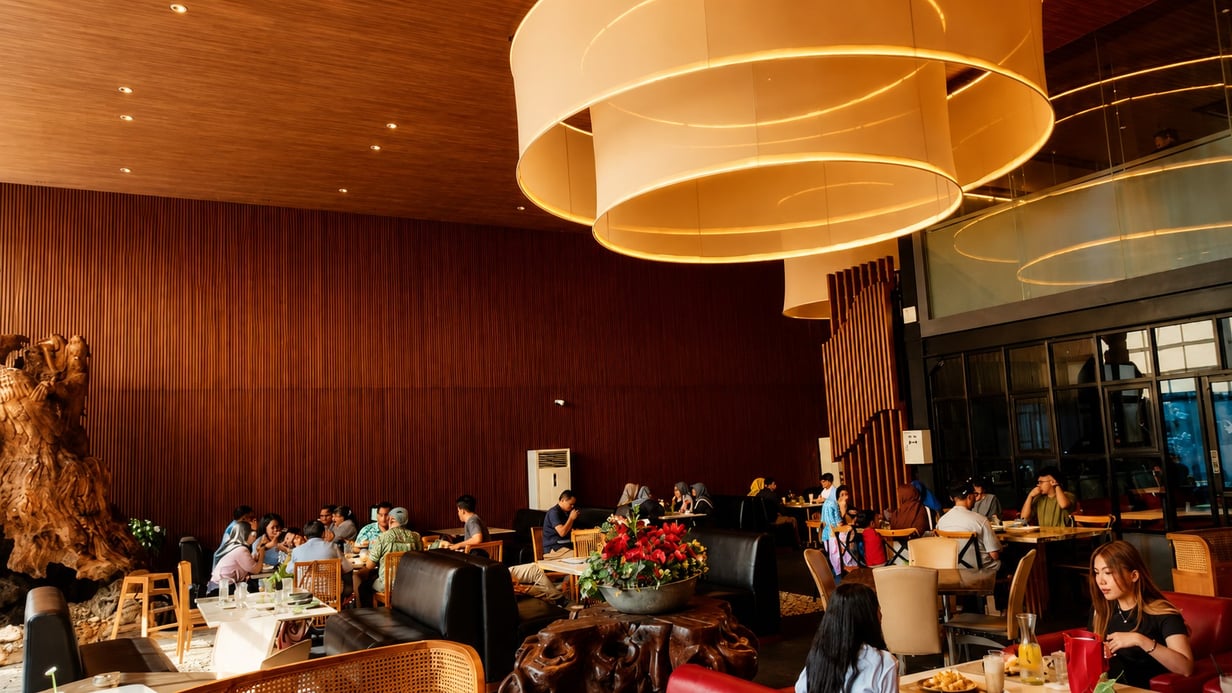
She added that Kudus' proximity to Semarang influences traffic patterns. With a travel time of 45 to 60 minutes, customers from neighboring cities can easily reach the restaurant, expanding its market reach beyond the local area.
“Our concept is designed to accommodate various segments looking for a representative dining venue,” she stated.
To support these needs, the restaurant provides extensive facilities, including a main dining hall, a non-smoking bar area, an upstairs function hall, private rooms, and both terrace and garden seating. The rear area also features a patio popular for late-afternoon relaxation.
These facilities enable the restaurant to host a wide array of activities, from corporate functions and family gatherings to community events.
Beyond its menu and spatial design, Gokil Restaurant has made a lasting impression on regulars. Bimo Ageng T., a frequent visitor, shared that he keeps returning for several reasons.
For Bimo, the primary drivers are the high quality of the food and price points that remain accessible to a wide range of patrons.
“The food is delicious and affordable. That is one of the main reasons I visit so often,” he said.
He also noted that the restaurant is family-friendly, a significant value-add that ensures it appeals to a broad demographic.
Bimo added that he visits with family, friends, and colleagues, noting that the restaurant's atmosphere is versatile enough for both casual meals and professional gatherings.
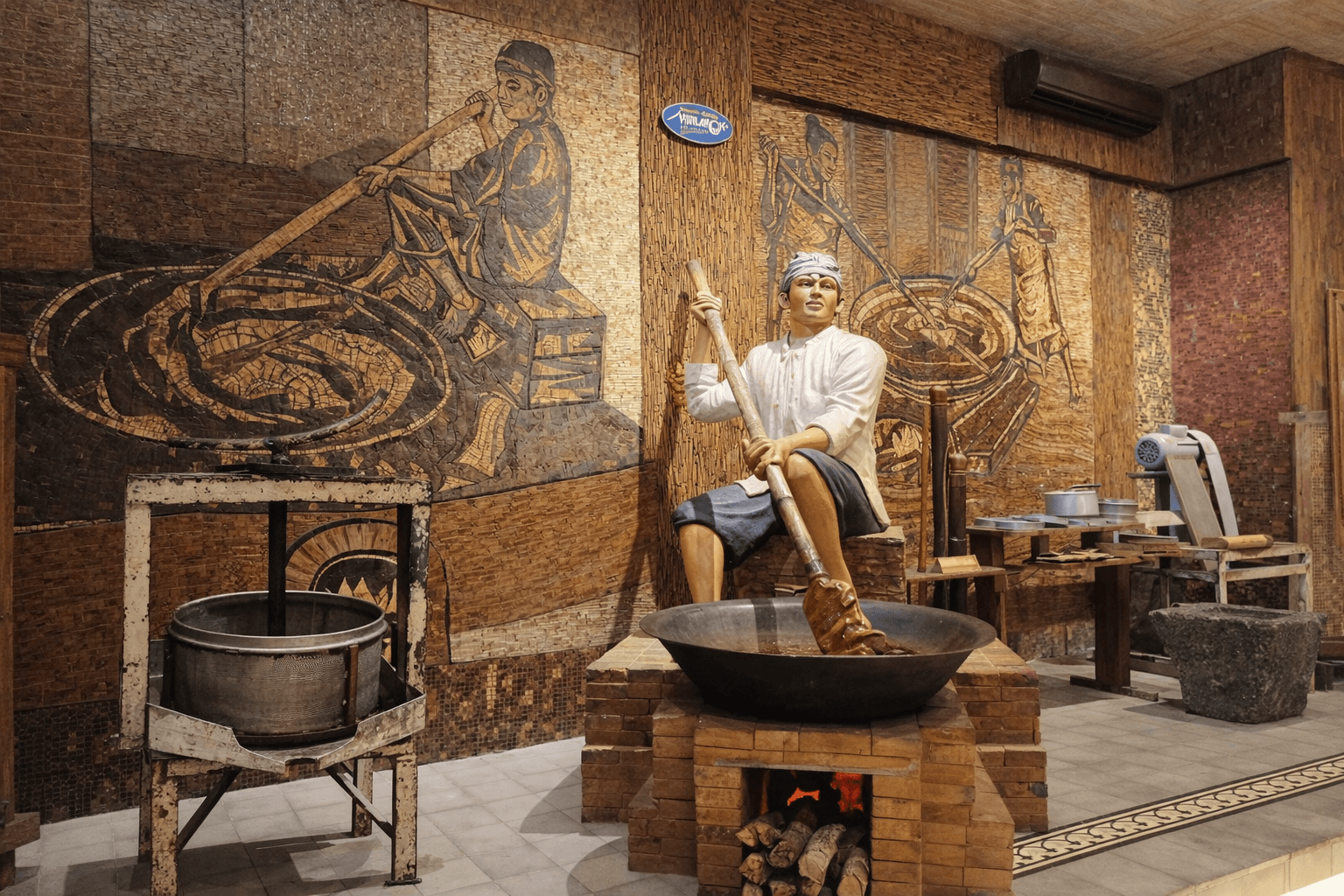
Beyond the menu, the restaurant's interior design and decor stand out, offering a distinct ambiance compared to conventional dining establishments.
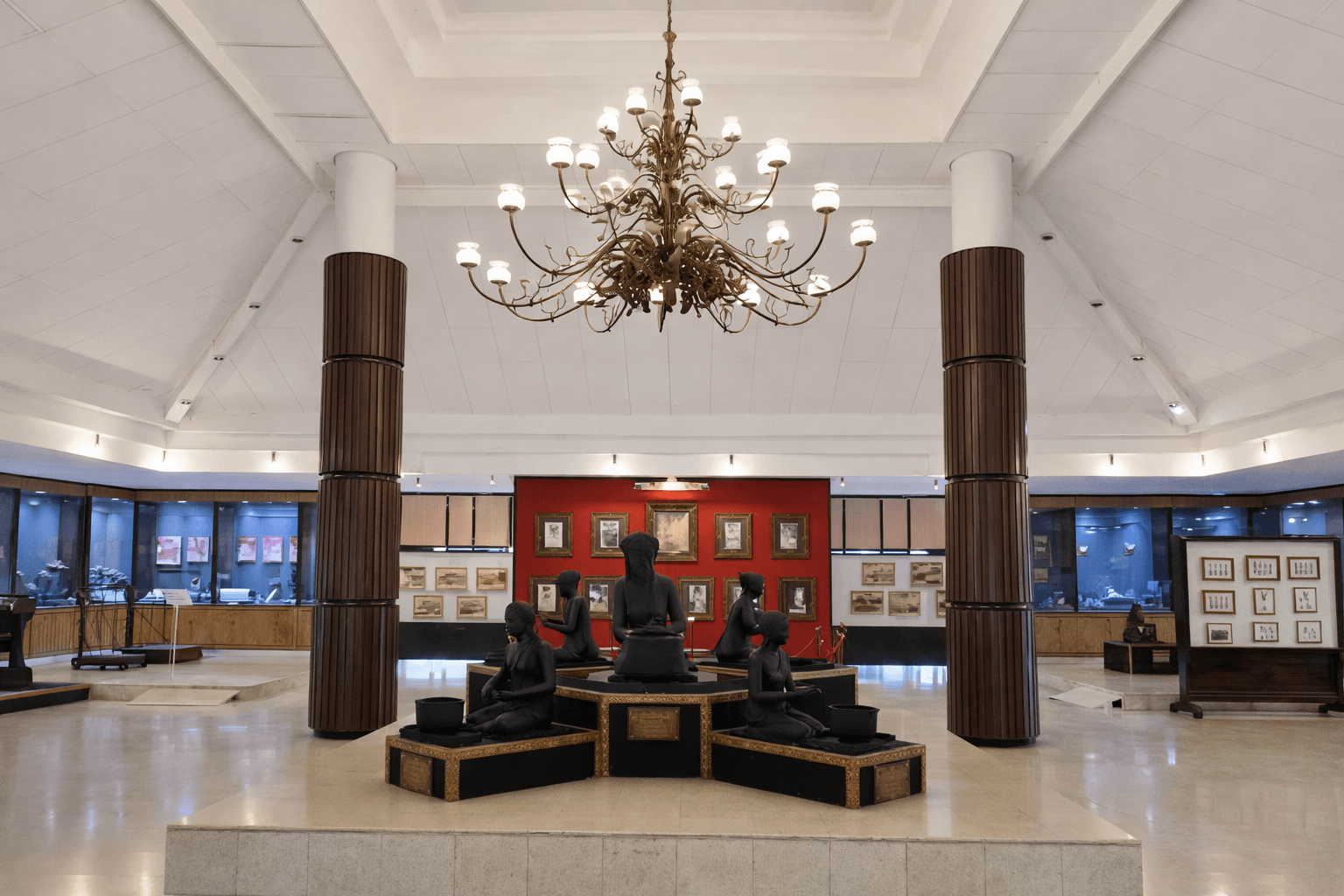
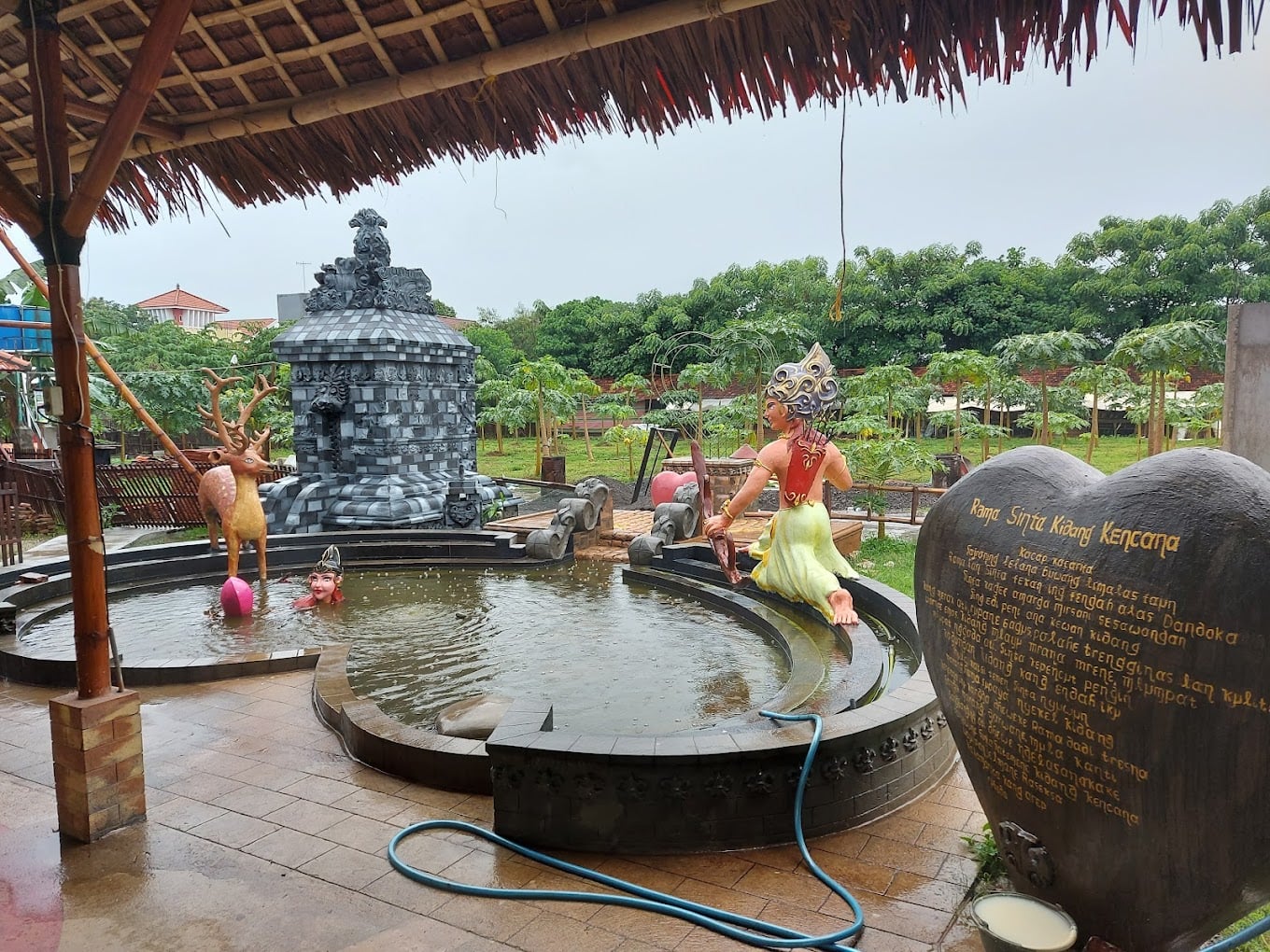
According to Bimo, various decorative elements, such as wooden sculptures and ornaments scattered throughout the restaurant, add unique character to the venue. The presence of a fish pond at the front entrance also provides a distinct impression for guests.
“There are many interesting decorations, and the fish pond at the entrance is a nice touch. The ambiance is also great,” he said.
Guest experiences like Bimo’s demonstrate that a restaurant is judged not only by its menu, but also by the atmosphere and comfort it provides. For many patrons, the combination of food choices, pricing, and ambiance is integral to the overall dining experience.
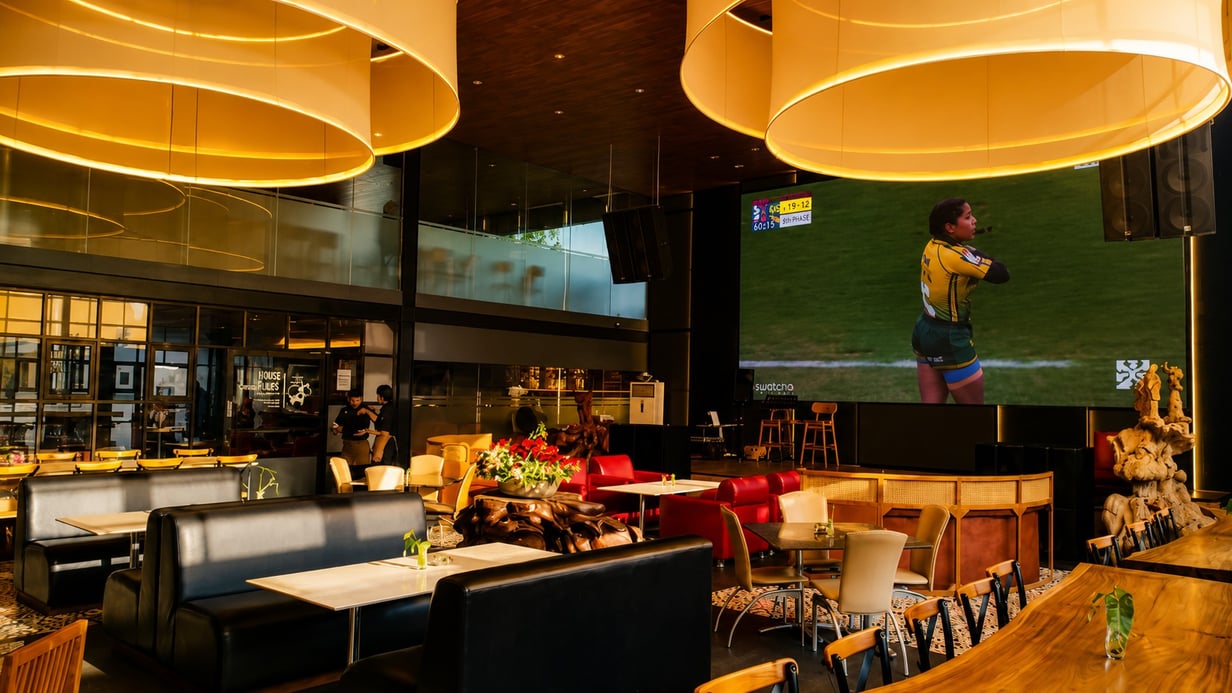
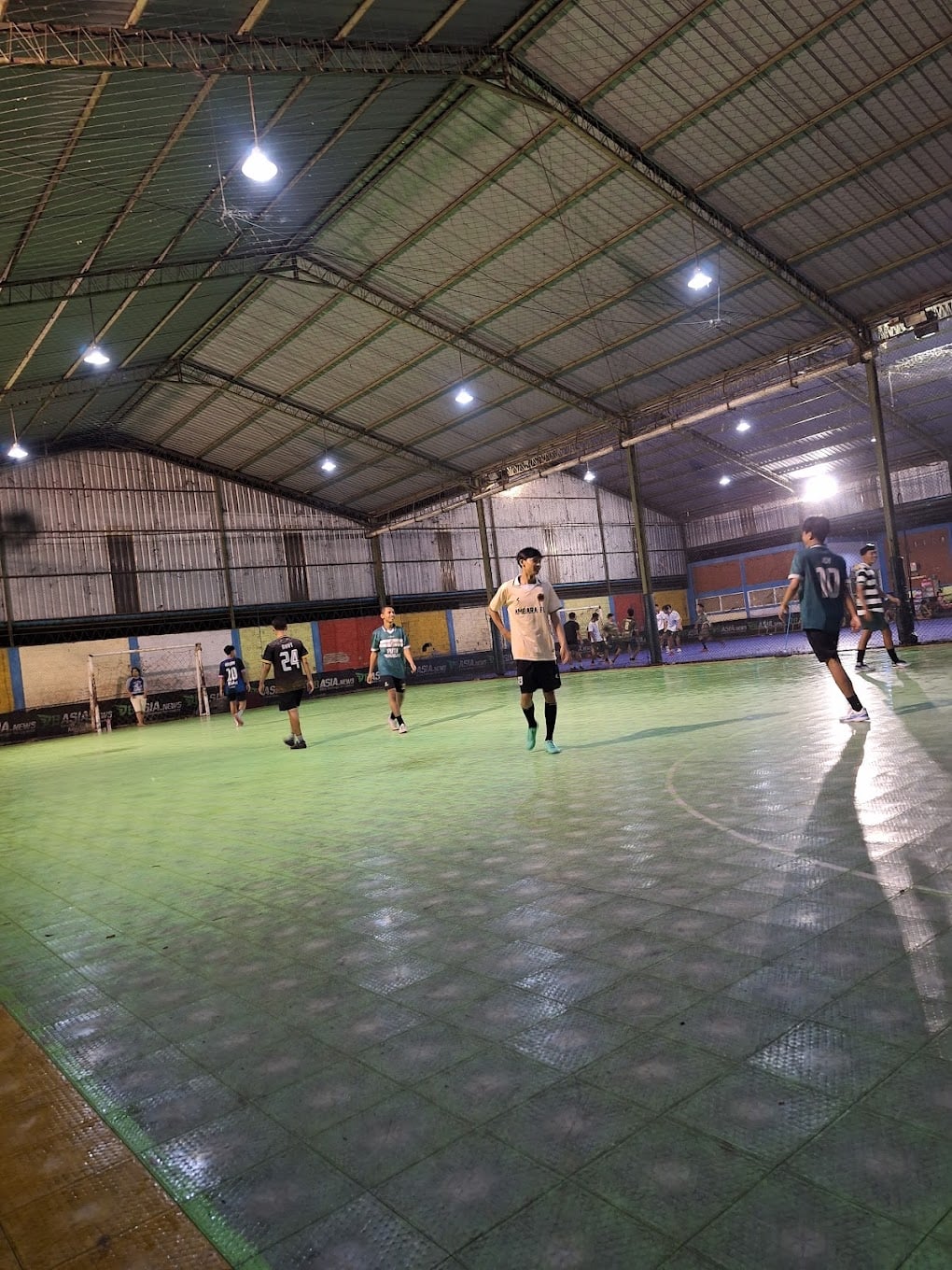
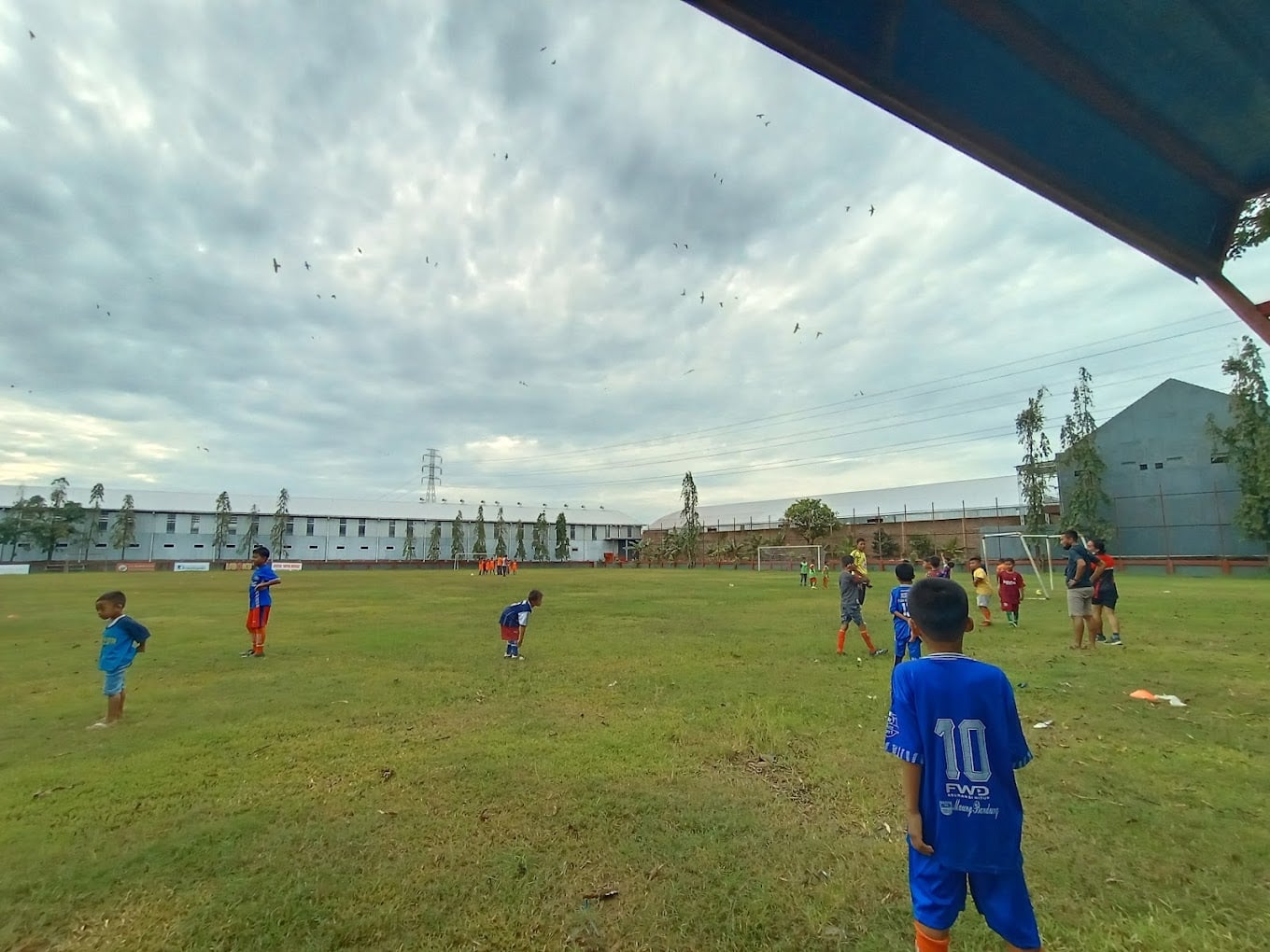
The restaurant's role extends beyond dining to its connection with non-culinary activities. Fadhilatul Fithri noted that hosting sports events in Kudus has driven an increase in restaurant patronage.
Sports delegations and event participants frequently use the restaurant as a gathering spot before and after matches, which she says has contributed to higher visitor numbers and sales.
She believes the food and beverage sector plays a pivotal role in supporting sports tourism. The influx of visitors from outside the region not only introduces local cuisine to a wider audience but also stimulates economic activity and job creation.
With an increasing number of sports events taking place in Kudus, growth potential for the culinary sector remains significant. In this context, Gokil Restaurant has positioned itself as a venue that caters to tourists, business travelers, and the local community alike.
In its daily operations, Gokil Restaurant functions as more than just a place to eat; it is a hub for diverse activities. Patrons visit to enjoy meals, discuss ideas, work, hold meetings, or spend time with family and friends.
By blending local culture with a modern approach, offering a wide array of menu options, and providing facilities that support various needs, the restaurant delivers a dining experience firmly rooted in the identity of Indonesian cuisine.
Sego Kikil remains the signature dish synonymous with Gokil Restaurant. Along with several other staple offerings, the menu reflects the restaurant's commitment to preserving culinary traditions amidst the rise of modern dining trends. Simultaneously, the inclusion of international selections, diverse amenities, and active engagement in tourism and sports—notably the HYDROPLUS Soccer League All Stars 2025/2026—illustrates the establishment's evolution into more than just a eatery, serving instead as a vital social hub and pillar of community activity in Kudus. (sns/mainkekudus)