KUDUS – Prioritizing a healthy diet does not always require preparing meals from home. For individuals with busy schedules, dietary needs must be balanced with work, exercise, travel, and various other commitments. While convenient food options are essential, many consumers are increasingly conscious of the ingredients they consume.
This shift in habits has created a growing market for diverse food choices. Vegetables, fruits, rice alternatives, and fruit-based beverages have become viable options for those looking to manage their diet without sacrificing convenience.
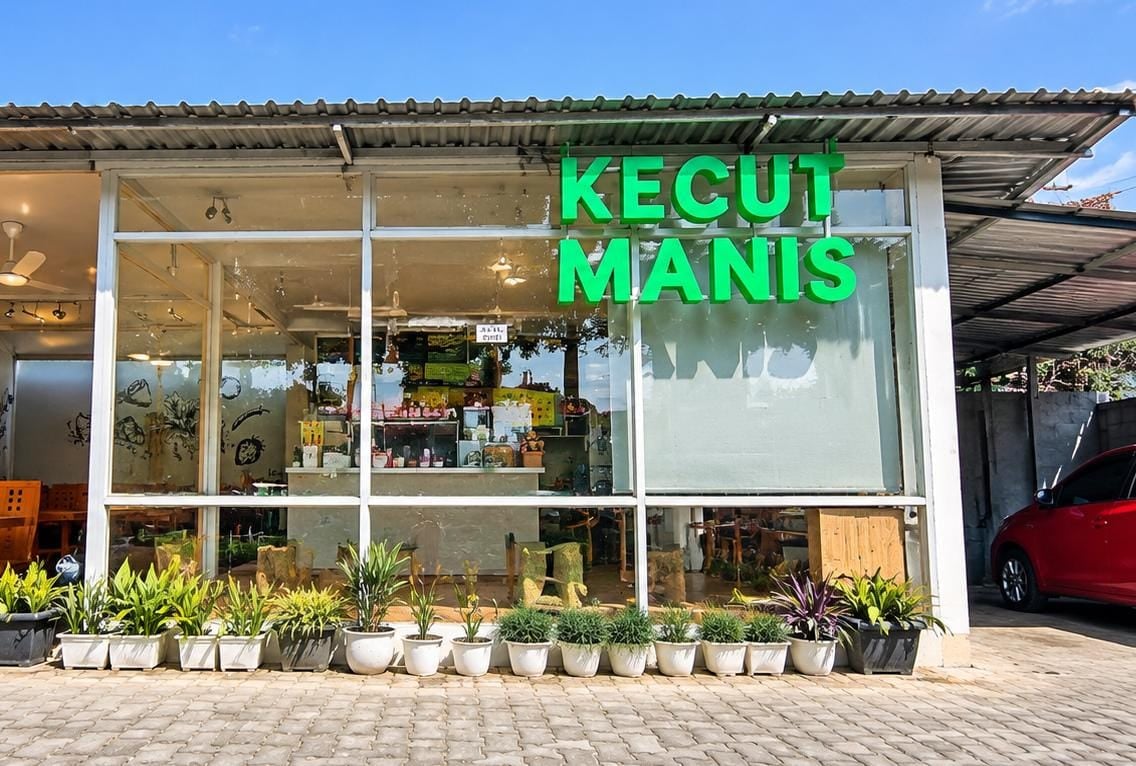
In Kudus, Kecut Manis has emerged to fill this space. Located at Jalan Letkol Tit Sudono No. 65–67, Wergu Kulon/Wergu Wetan, in Kudus City District, the establishment has been operating for nearly five years, offering a menu that includes vegetable and fruit salads, rujak, wraps, kebabs, shirataki rice, and various beverages.
However, the availability of healthy food options does not guarantee a steady customer base. Ultimately, taste, satiety, price, accessibility, and compatibility with daily routines remain the deciding factors.
For some, the desire to maintain a healthy diet often clashes with practical constraints. Preparing meals at home is time-consuming, and daily schedules do not always allow for cooking.
Jl. Letkol Tit Sudono No.65-67, Wergu Kulon, Wergu Wetan, Kec. Kota Kudus, Kabupaten Kudus, Jawa Tengah 59317, Indonesia
This environment has made ready-to-eat meals a necessity. Consumers can still enjoy food from outside the home while having the flexibility to select dishes based on specific ingredients and nutritional goals.
Kecut Manis serves this purpose. The concept goes beyond standard vegetable salads, offering a variety of flavorful items with diverse fillings.
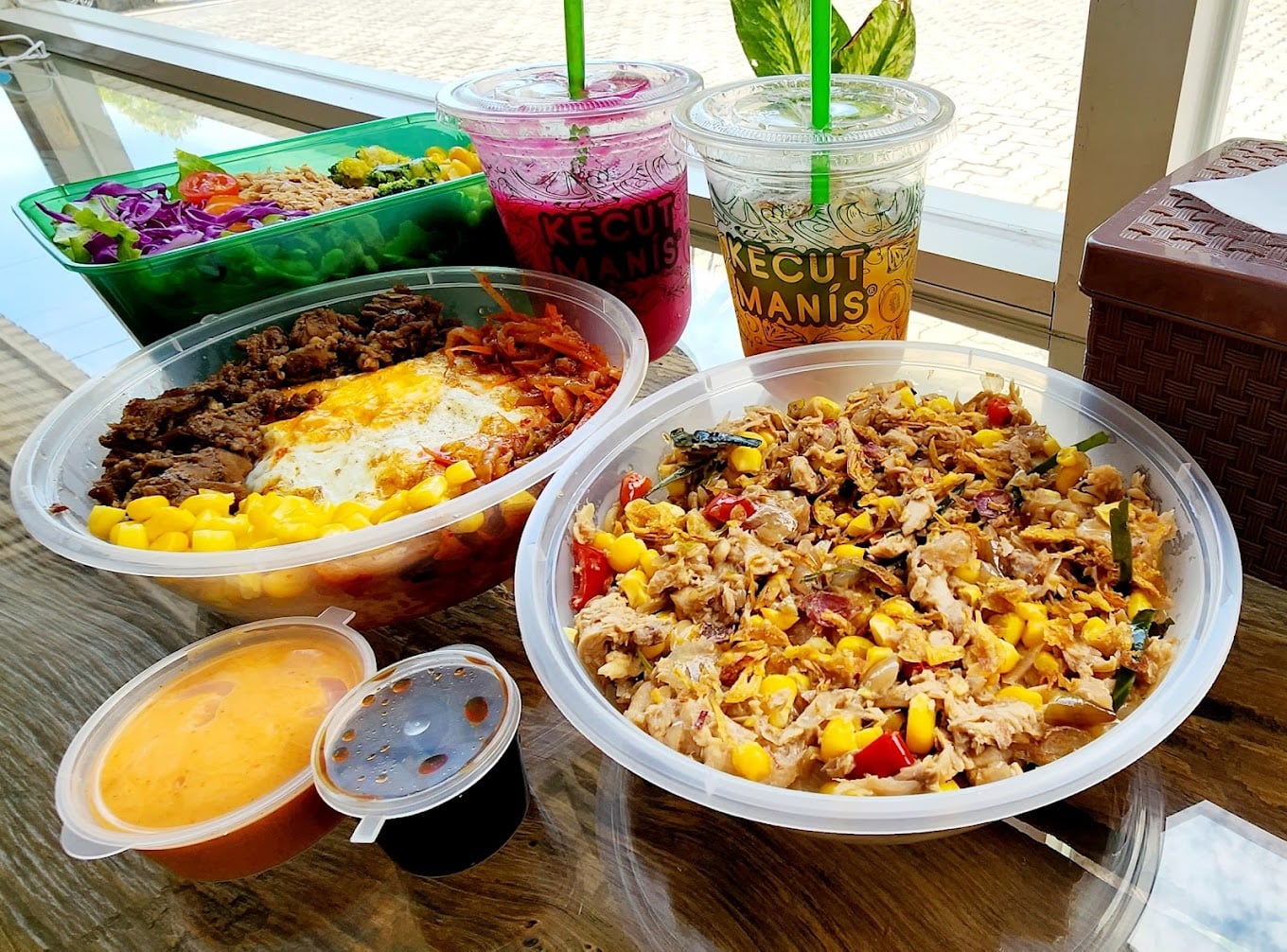
The selection includes vegetable salads, fruit salads, rujak, Aceh-style rujak, wraps, kebabs, and shirataki rice, along with a variety of beverages to complement the meals.
Grisela Berlianti, a staff member at Kecut Manis, noted that the establishment aims to provide options specifically tailored to those who are mindful of their dietary habits.
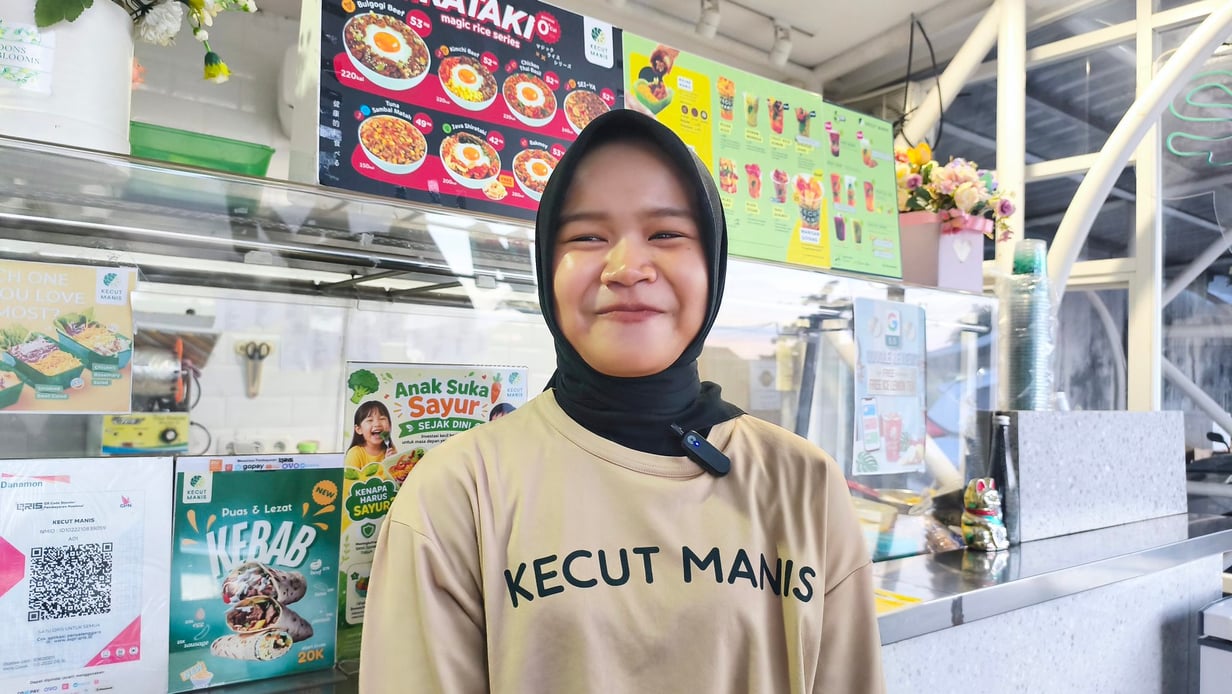
"Many people on a diet are unsure whether they can still eat delicious food. We provide flavorful menu options that remain low in calories," said Grisela.
This highlights that a healthy diet does not always require complicated meals. Consumers can still choose ready-to-eat food that suits both their needs and preferences.
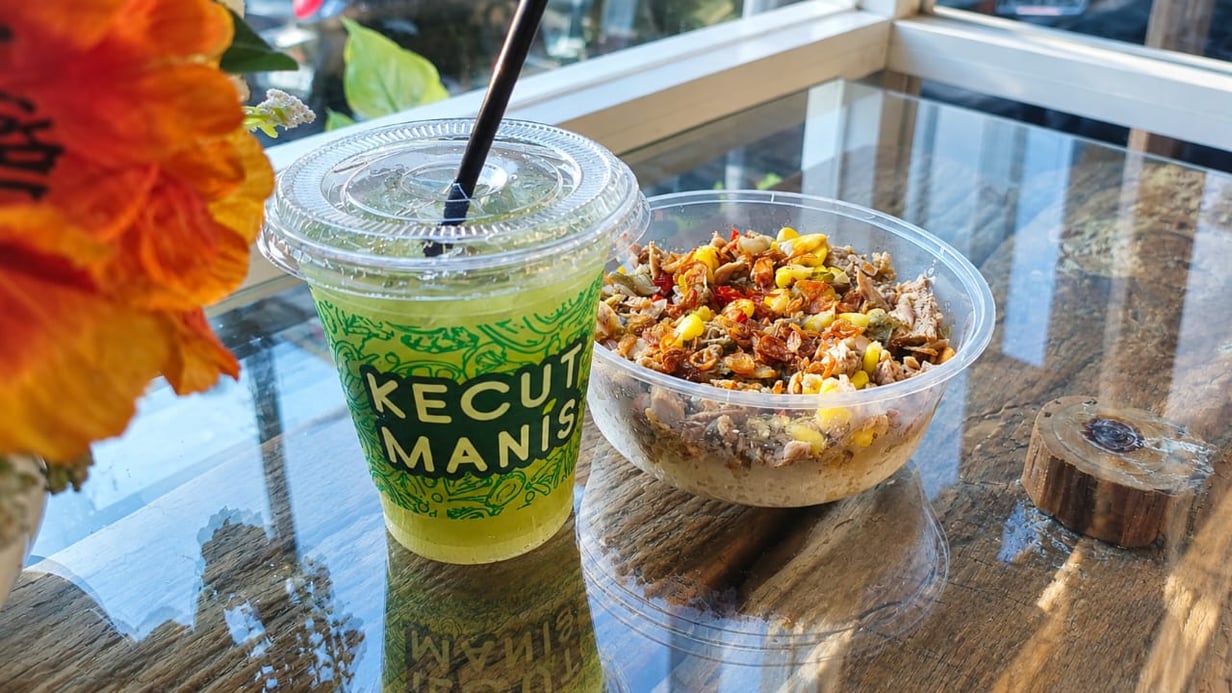
Focusing on healthy eating does not mean taste is secondary; for consumers, food must remain enjoyable.
This is reflected in the experience of Elly Fitriany. She discovered Kecut Manis not by seeking out a health-focused eatery, but after a friend who worked there brought a kebab to the office.
Curious, Elly, who works across from the location, tried the food and found it suited her taste perfectly.
"I liked it from the first day and have kept coming back," she said.

The habit continued, with Elly visiting up to three times a week. Her most frequent order is the beef kebab.
According to Elly, the kebab has a creamy flavor while the beef remains distinct. She also appreciates the satiety it provides.
"I prefer the beef version," Elly said.
In addition to the beef kebab, she often orders dragon fruit juice. For Elly, who is following a diet plan, the availability of food that is both enjoyable and compatible with her dietary goals is a significant factor.
This experience shows that the decision to choose food does not always begin with a healthy label. Some customers arrive out of curiosity, then remain loyal because the taste and food options meet their needs.
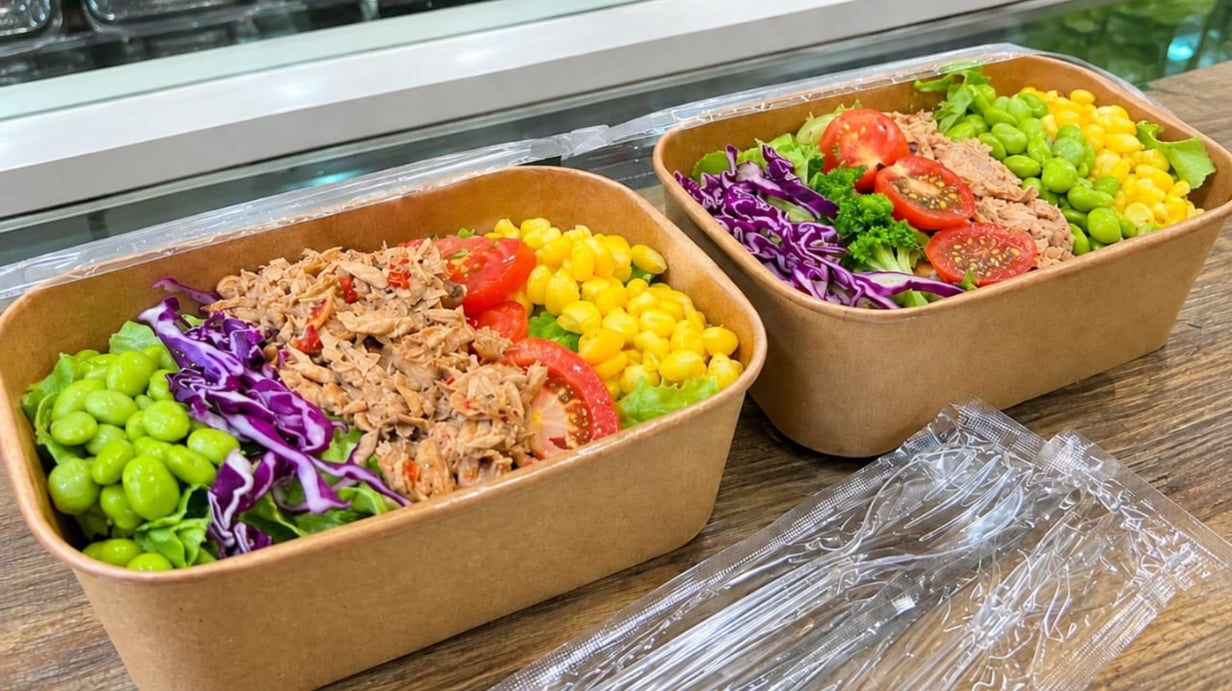
Kecut Manis provides several categories of food to meet customer preferences. Salads are a popular choice, primarily featuring fresh vegetables.
The lettuce used is hydroponically grown. Upon delivery, the produce is stored in a chiller to ensure it remains cold and fresh.
In addition to vegetable salads, the menu includes fruit salads and rujak. The Aceh-style rujak also offers a distinct flavor profile compared to standard salads.
For more substantial meals, shirataki rice is an available alternative. Notable menu items include Bulgogi Beef, Kimchi Beef, Tuna Sambal Matah, Java Shirataki, and Bakmoy.
Nutritional information is provided for several shirataki dishes. Bulgogi Beef and Kimchi Beef are listed at 220 calories each, while Tuna Sambal Matah contains 150 calories, Java Shirataki 200 calories, and Bakmoy 260 calories.
This information serves as a guide for health-conscious consumers, though final choices remain based on individual dietary needs and preferences.
Regarding pricing, salads and wraps start at approximately IDR 28,000. Regular-sized fruit salads are priced at IDR 28,000, while fresh fruit portions are IDR 17,000. Shirataki-based dishes range from IDR 42,000 to IDR 53,000.
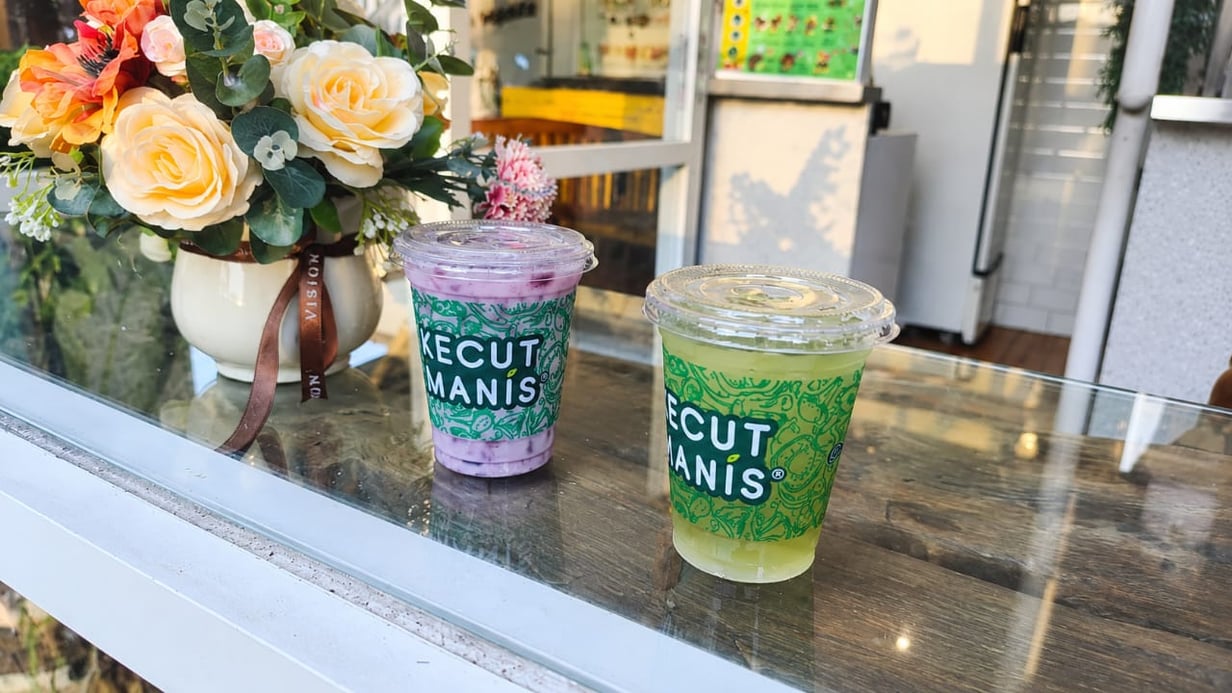
Beverage prices start from IDR 19,000. Tropical Tea is among the offerings, priced at IDR 14,000.
Prices and menu availability are subject to change, so diners are advised to confirm details when placing an order.
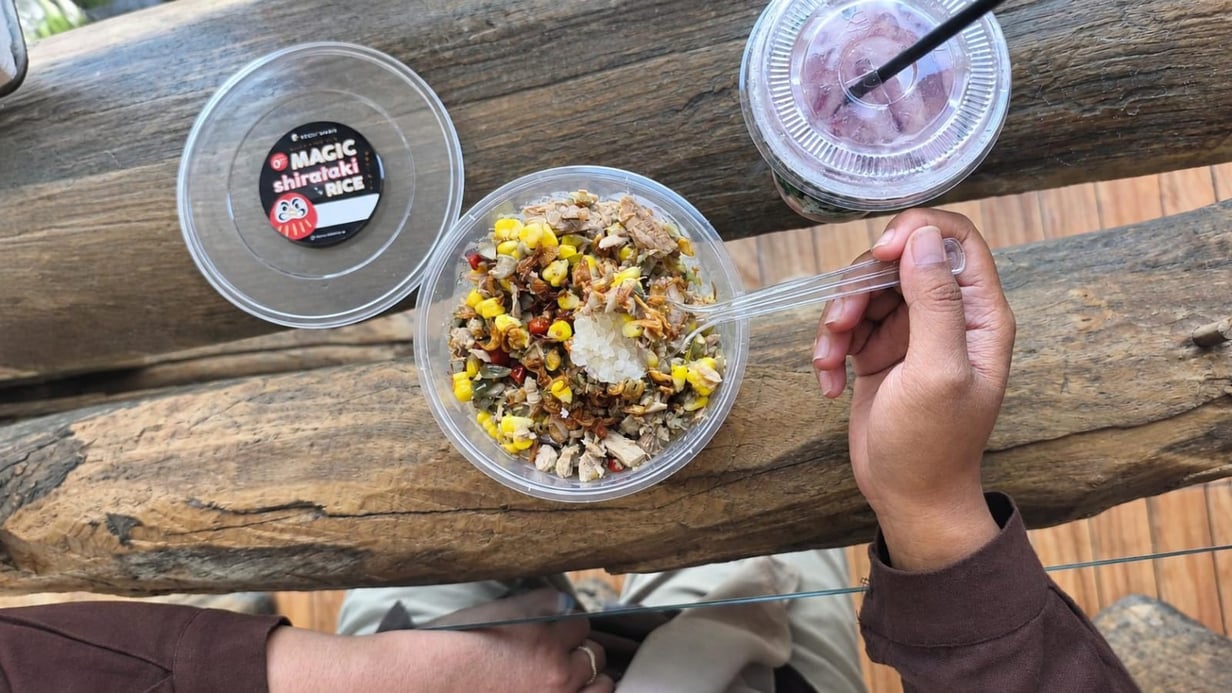
Health-conscious consumers have varying goals. Some are following dietary programs, others seek to increase their intake of fruits and vegetables, while many simply look for lighter or more convenient meals.
As a result, food selection is paramount. Customers uncertain about their choices can consult with staff regarding ingredients.
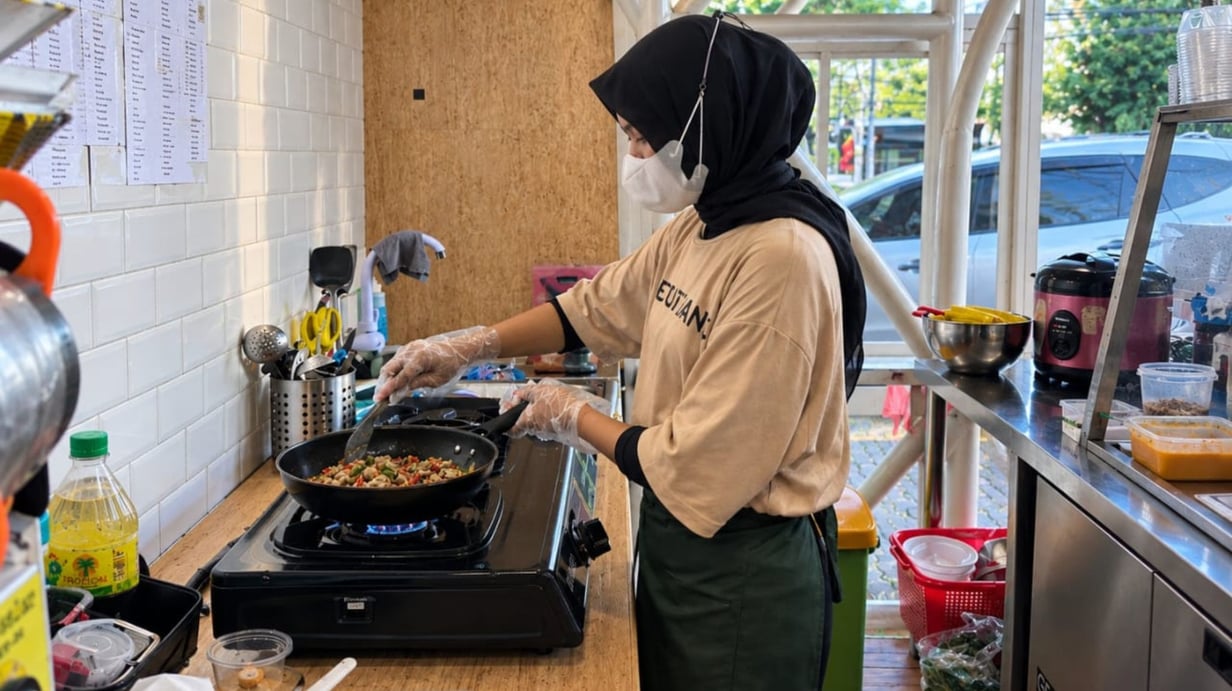
Grisela explained that customers can customize their orders with options such as chicken, meat, vegetables, or eggs, allowing a single dish to be tailored to individual tastes.
For Elly, returning to Kecut Manis is about more than just finding healthy food; it is about returning to a meal she already enjoys.
This demonstrates how healthy dining is becoming an integrated part of daily life. Consumers are not always looking for a niche concept; they require accessible, filling, and flavorful meals that can be adapted to their current dietary habits when necessary.
The availability of healthy food in Kudus is part of a broader culinary landscape, with consumers now having an array of dining options.
Grisela acknowledged that the increasing number of establishments offering salads and similar concepts forces Kecut Manis to remain focused on maintaining food quality and consistency.
"We continue to improve our quality and taste, ensuring consistency," she said.
Maintaining this standard is a critical part of the business, requiring careful selection of ingredients and strict adherence to serving protocols, as the flavor experience directly impacts customer perception.
For the consumer, the decision-making process is straightforward: if the food meets their taste and needs, they are likely to return.
Elly’s experience reflects this, as she has made Kecut Manis a regular fixture in her weekly dining routine rather than a one-time visit.
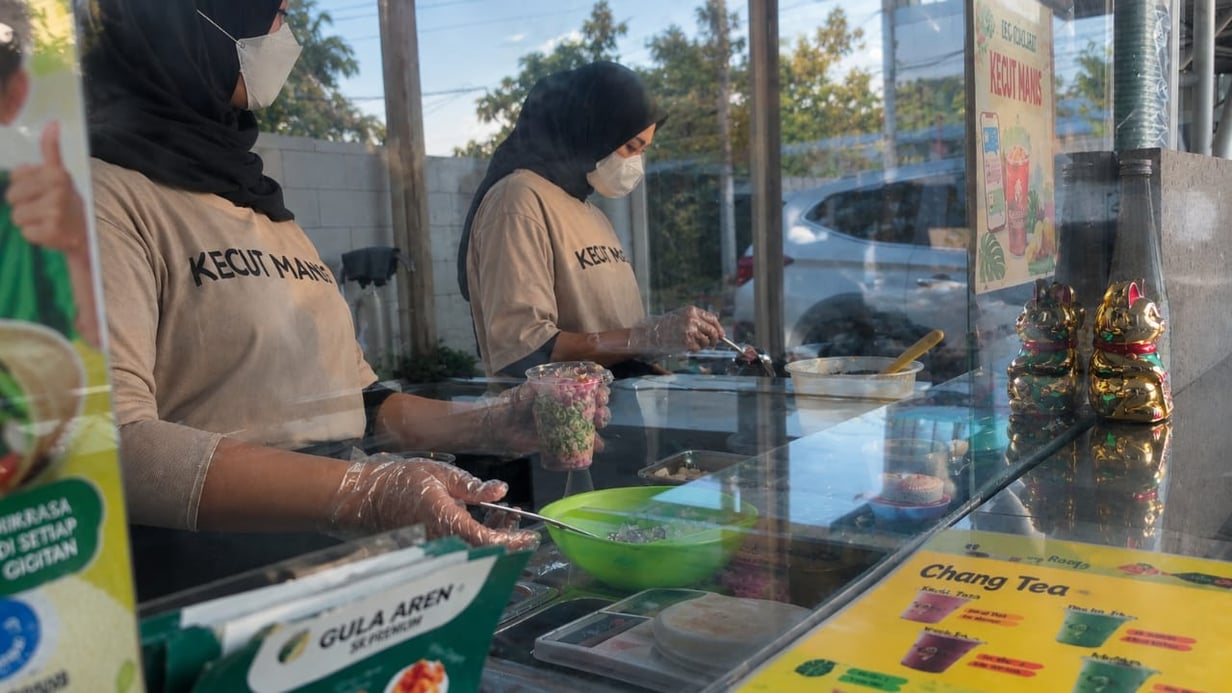
Kecut Manis is open daily from 10:00 a.m. to 8:00 p.m. WIB, located at Jalan Letkol Tit Sudono Number 65–67, Kudus.
Operating hours serve as a practical guide for customers planning their meals. However, patrons are advised to verify opening times, menu availability, pricing, and ordering services before visiting or placing an order, as operational details are subject to change.
Ultimately, the demand for healthy food extends beyond mere trends. There is a shift in how some consumers view nutrition, particularly as daily routines necessitate quick, informed dietary decisions.
Healthy eating does not always require home preparation. Salads, fruits, fruit salads (rujak), shirataki, and other options are accessible alternatives for those prioritizing their dietary intake.
Kecut Manis addresses this demand by offering ready-to-order meals. Its menu goes beyond vegetables, incorporating meat, fruit, eggs, dressings, and a diverse range of flavors.
For Elly, the focus remains on a simple experience: food must be delicious and satiating. Meanwhile, for Kecut Manis, the challenge lies in ensuring these options remain relevant to evolving customer needs.
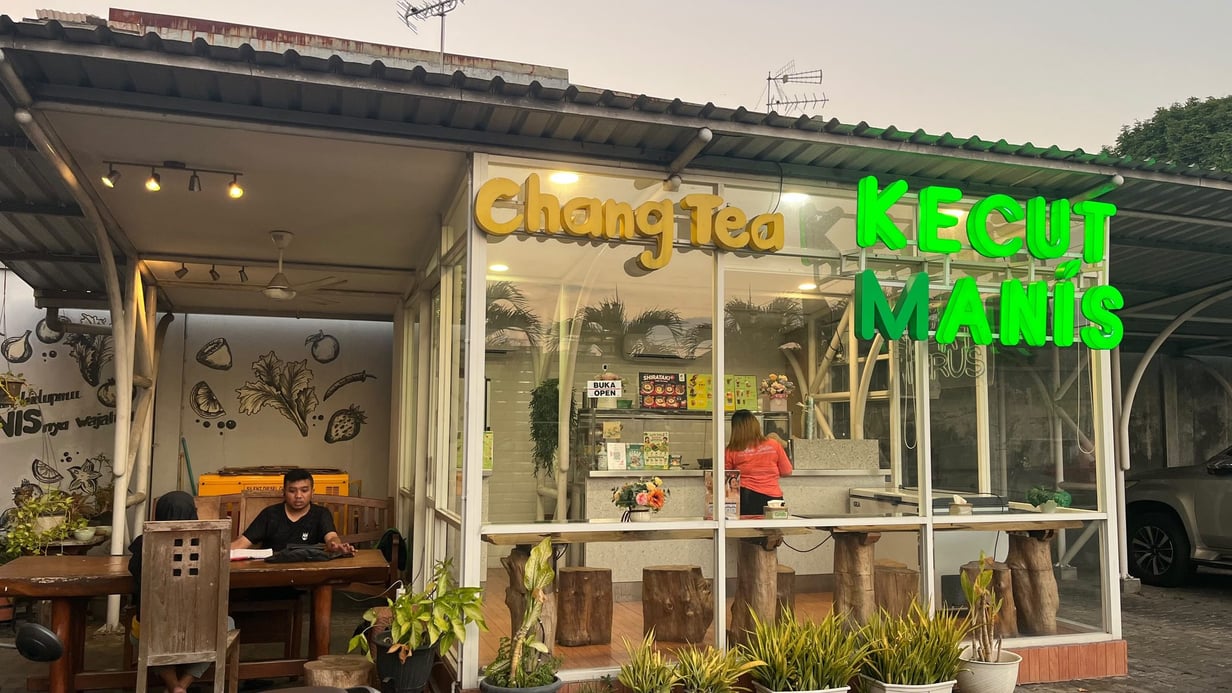
Amidst the fast-paced lifestyle of Kudus, eating remains a fundamental daily necessity. What has changed is how people make their selections—moving beyond mere hunger satisfaction toward considering ingredients, portion sizes, flavors, and alignment with personal dietary goals.
It is from this demand that healthy food finds its place: not as a complex endeavor, but as an accessible choice integrated into a busy schedule. (OEB/mainkekudus)