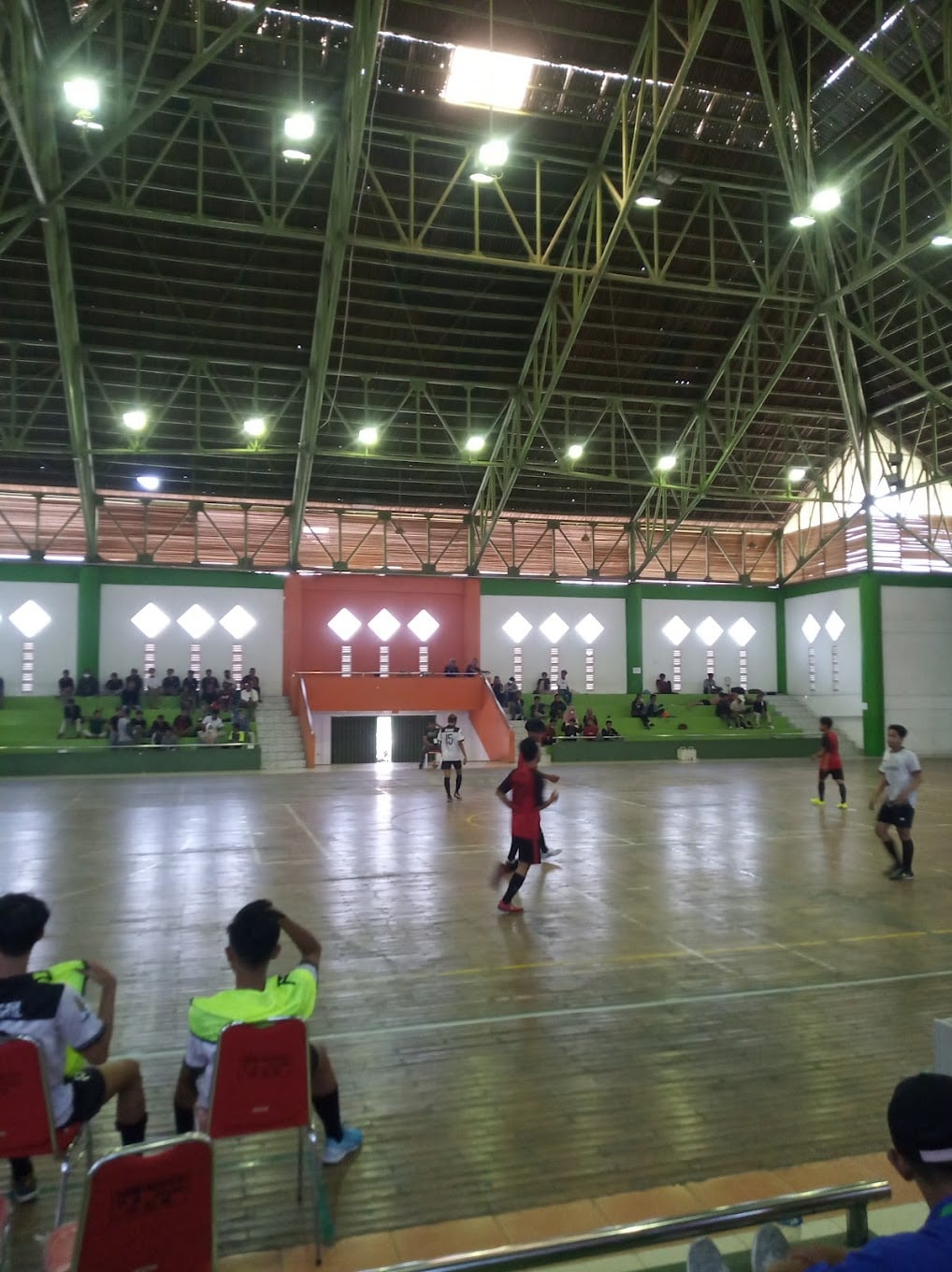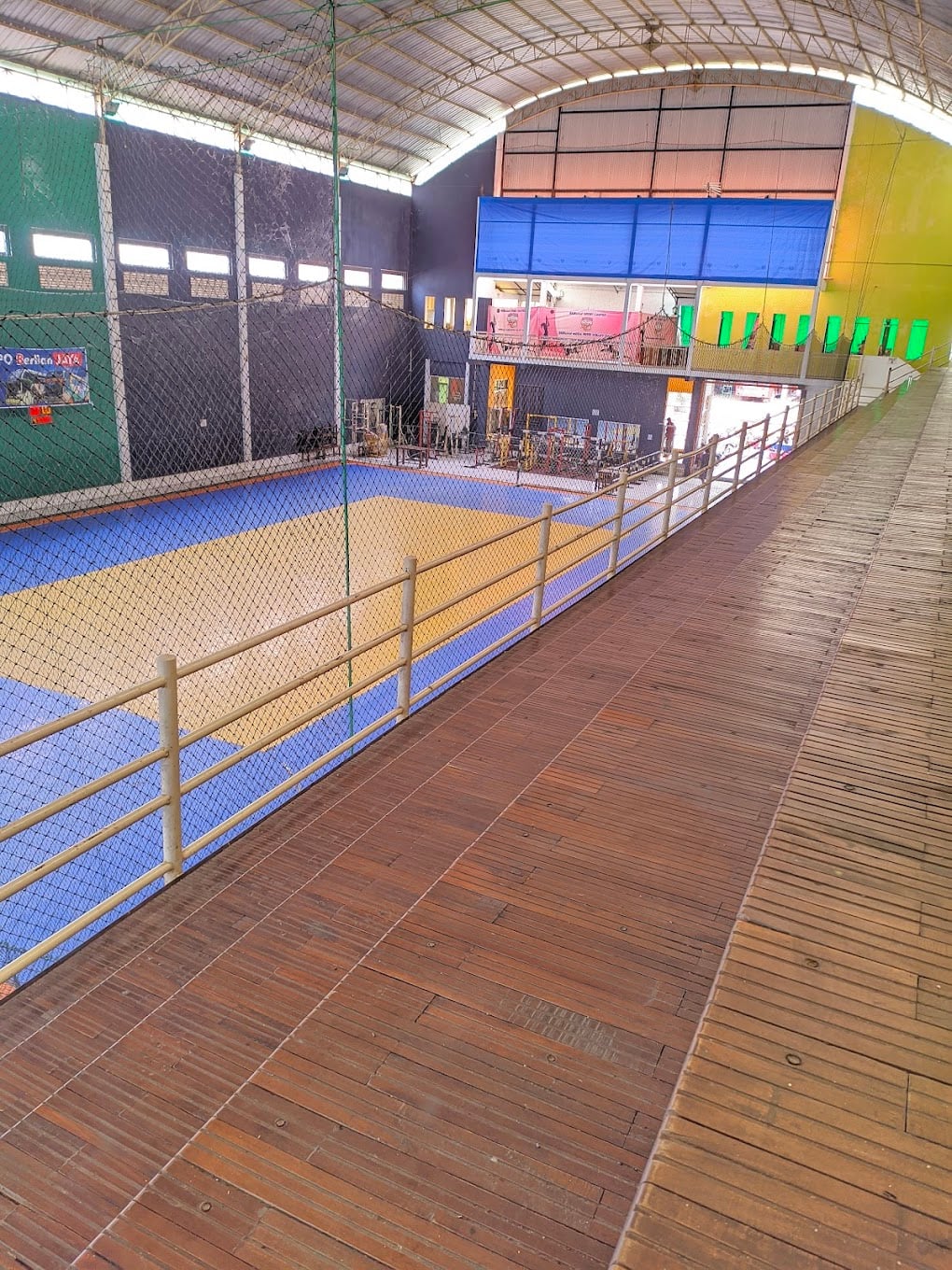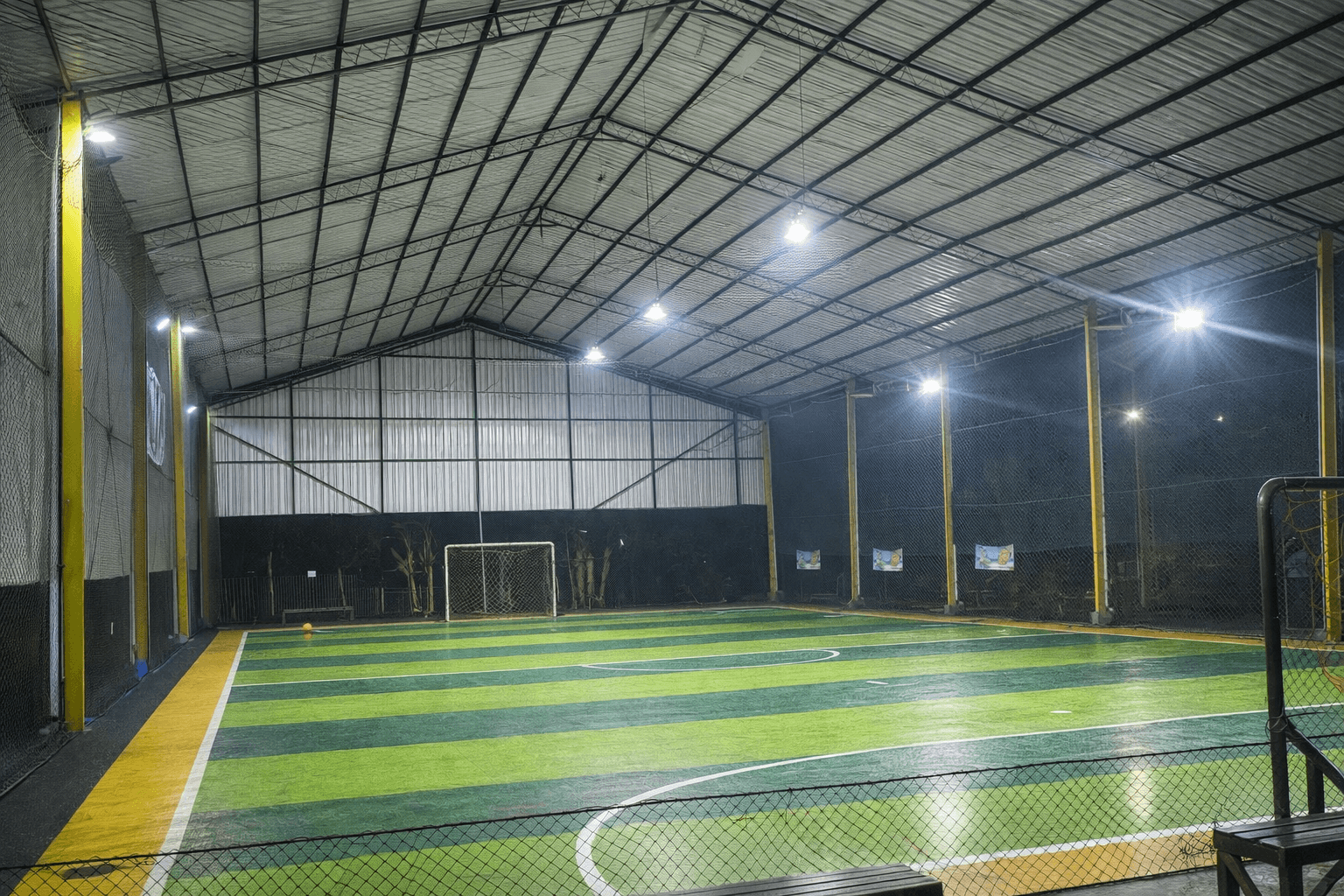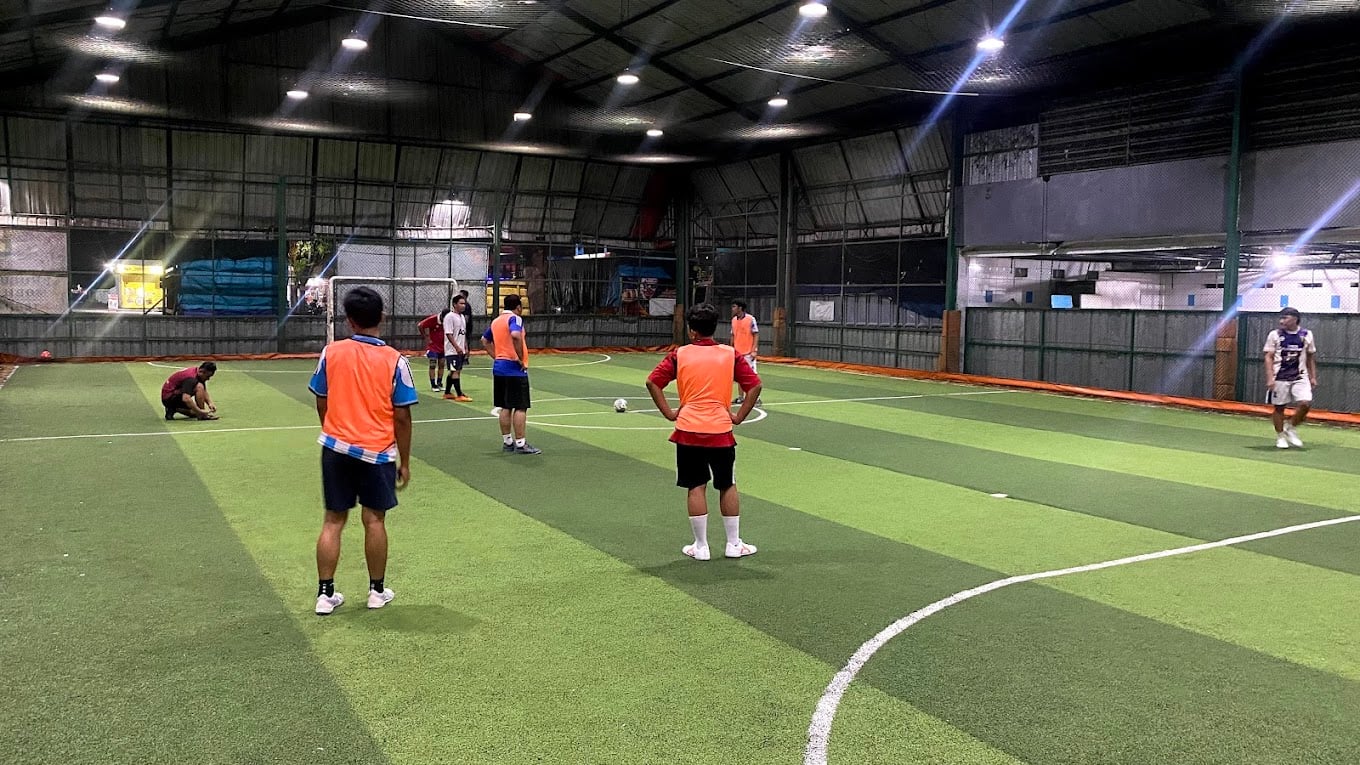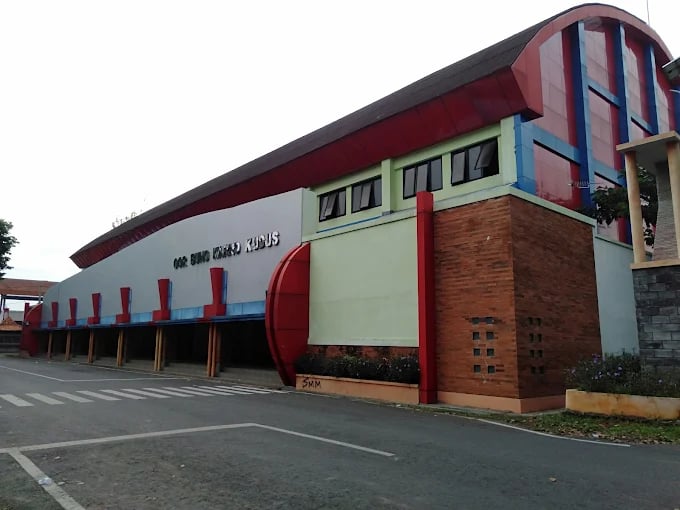
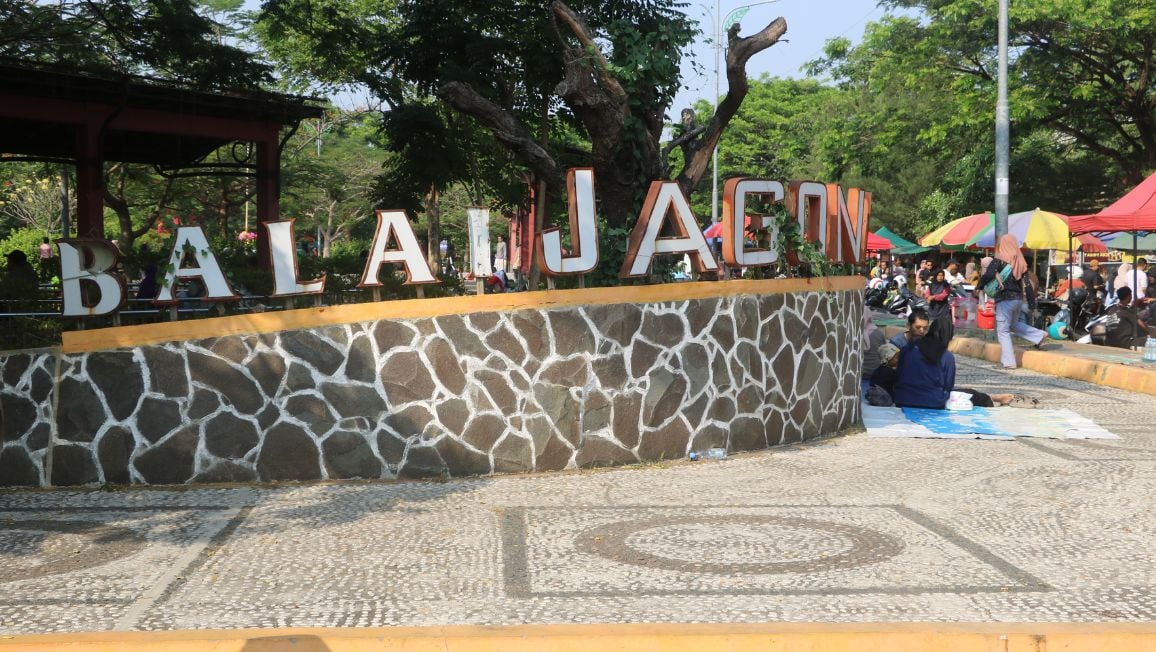
KUDUS – As the sun rises, the Bung Karno Sports Hall area, locally known as GOR Wergu on Jalan GOR Wergu Wetan in Wergu Wetan Village, Kota Kudus District, Kudus Regency, Central Java, alongside the adjacent Balai Jagong, gradually fills with activity. Runners pace the track, while others arrive with rackets, balls, and training gear. Inside the arena, athletes in basketball, volleyball, and martial arts conduct their training sessions. Meanwhile, in the open space of Balai Jagong, families, students, and local sports groups gather to exercise or enjoy the morning and evening atmosphere.
This scene plays out nearly every day. The Kudus Regency Government’s sports complex is no longer viewed solely as a venue for competitions or athletic training. Over time, the Wergu Sport Center has evolved into a vibrant public space that integrates sports, social activities, community life, and local micro-enterprises into one interconnected hub.
The development of the Wergu Sport Center has progressed in stages, reflecting the rising demand for athletic facilities in Kudus Regency. The first facility, Wergu Wetan Stadium, remains a central hub for athlete development and a venue for local and national competitions. Together with subsequent developments, the stadium serves as the foundation for the Kudus Regency Government’s sports complex.
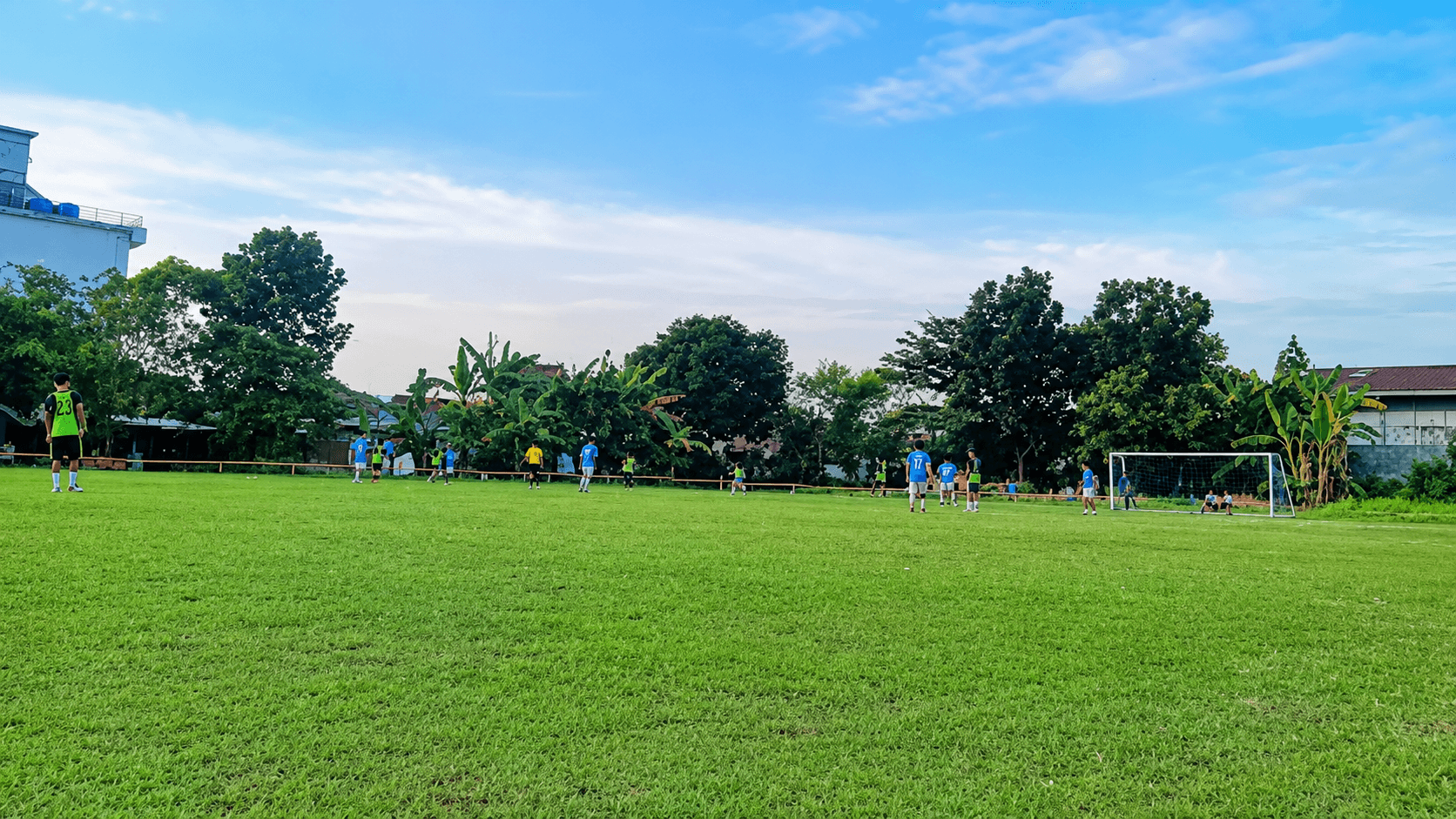
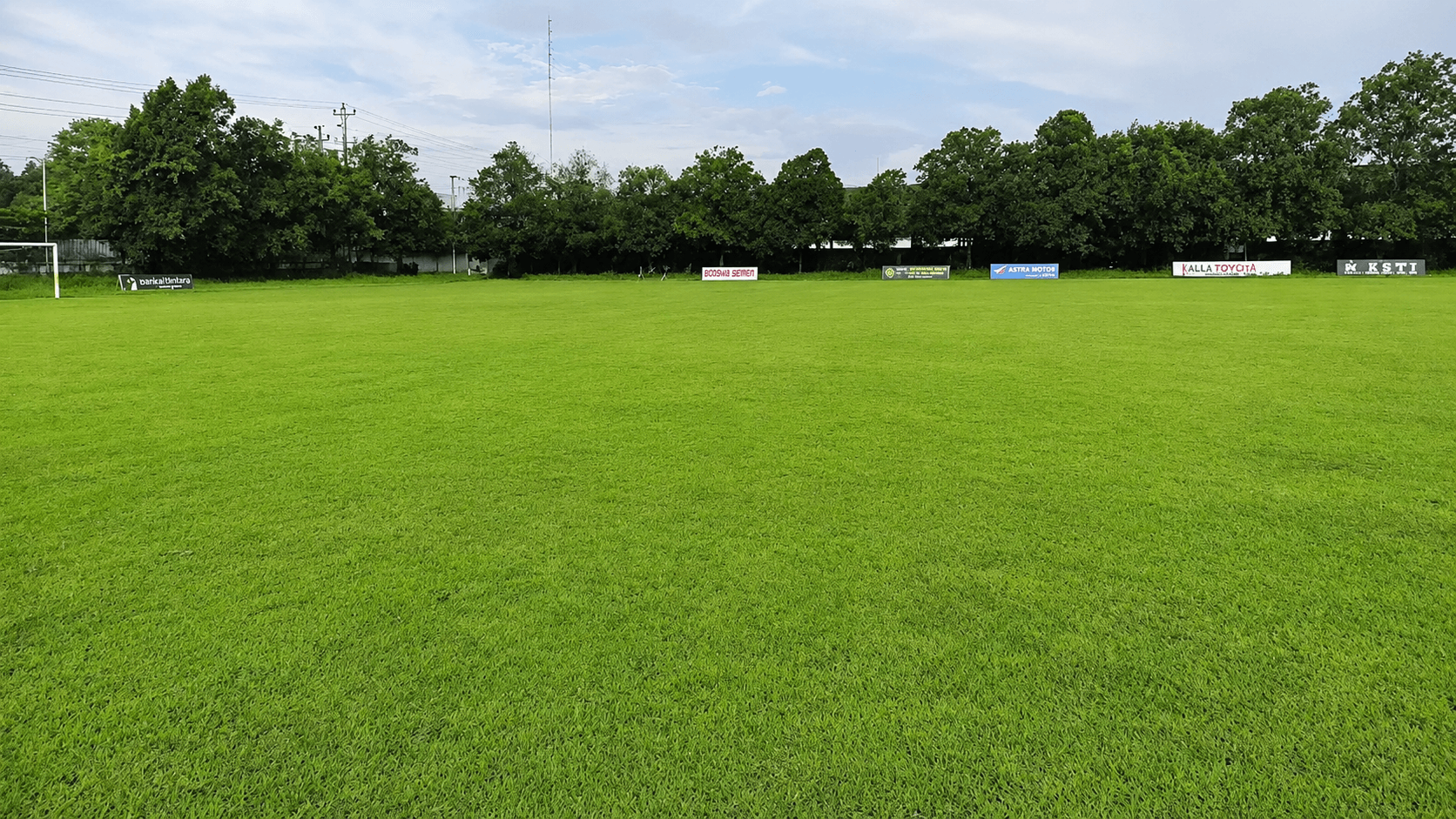
Located on Jalan GOR Wergu Wetan, Wergu Wetan Village, Kota Kudus District, Kudus Regency, Central Java, Wergu Wetan Stadium is a multipurpose venue currently used primarily for football matches and as the home ground for Persiku Kudus. The stadium features a 105 x 68-meter natural grass pitch surrounded by an athletics running track, accommodating both football matches and various community sports activities.
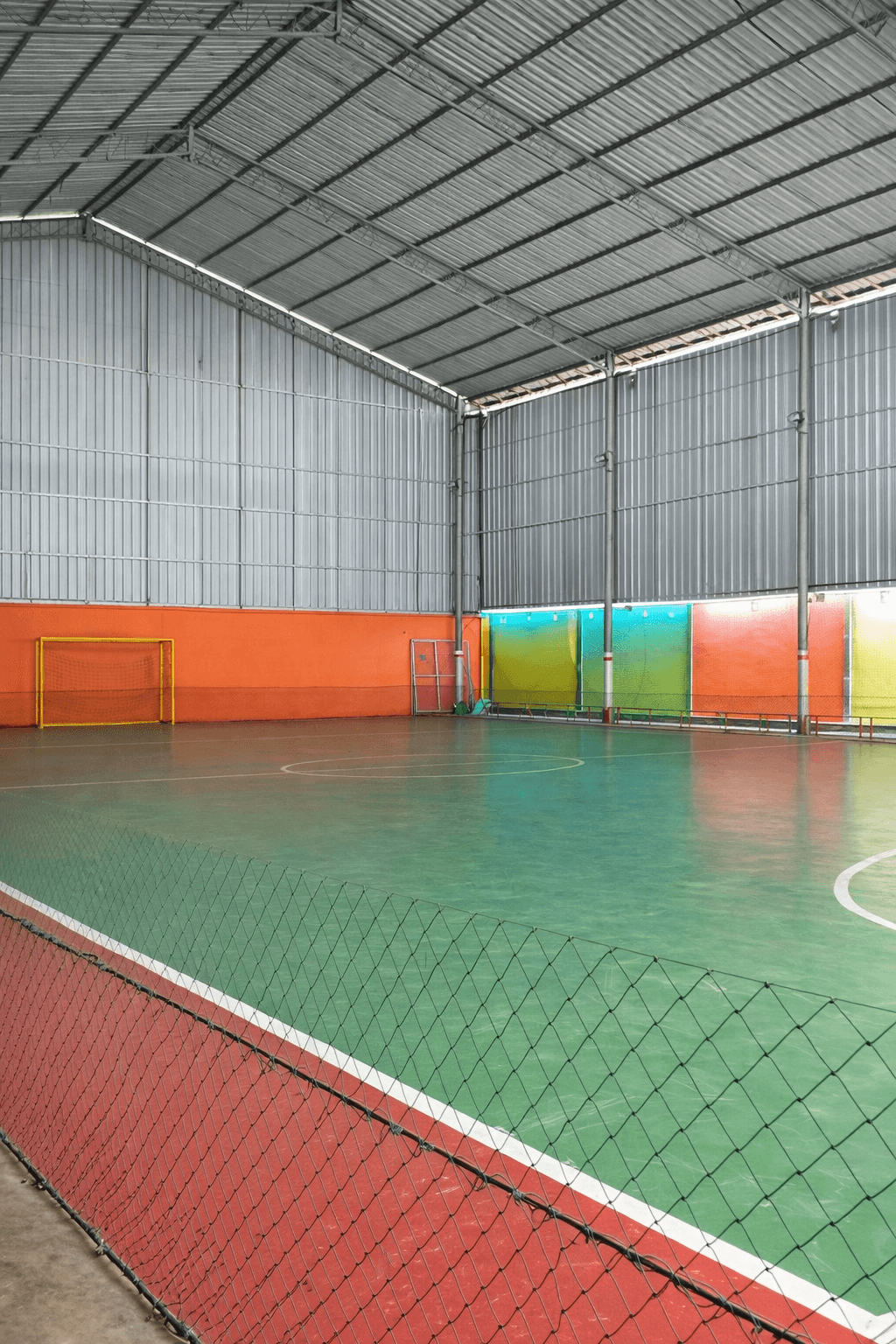
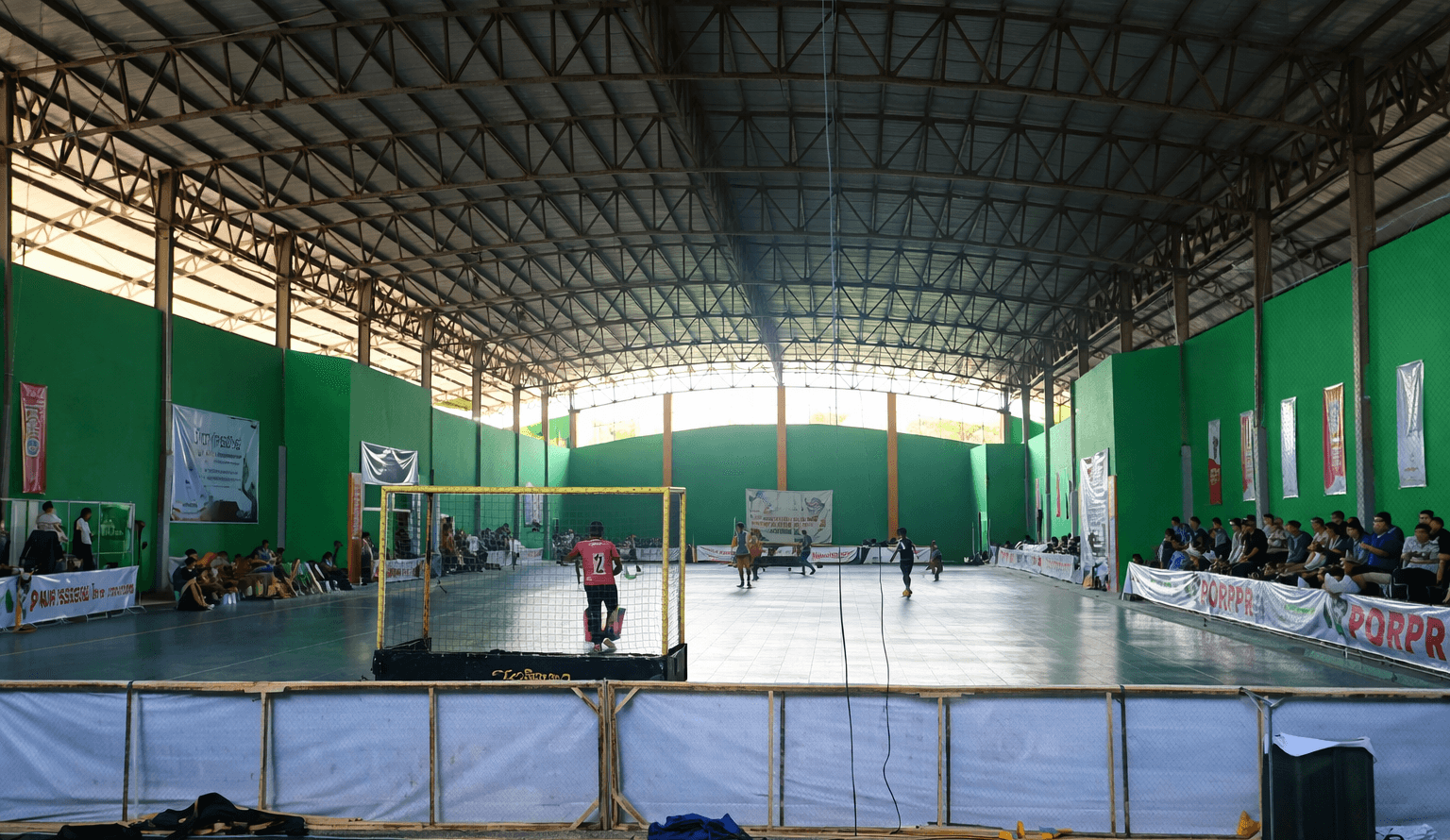
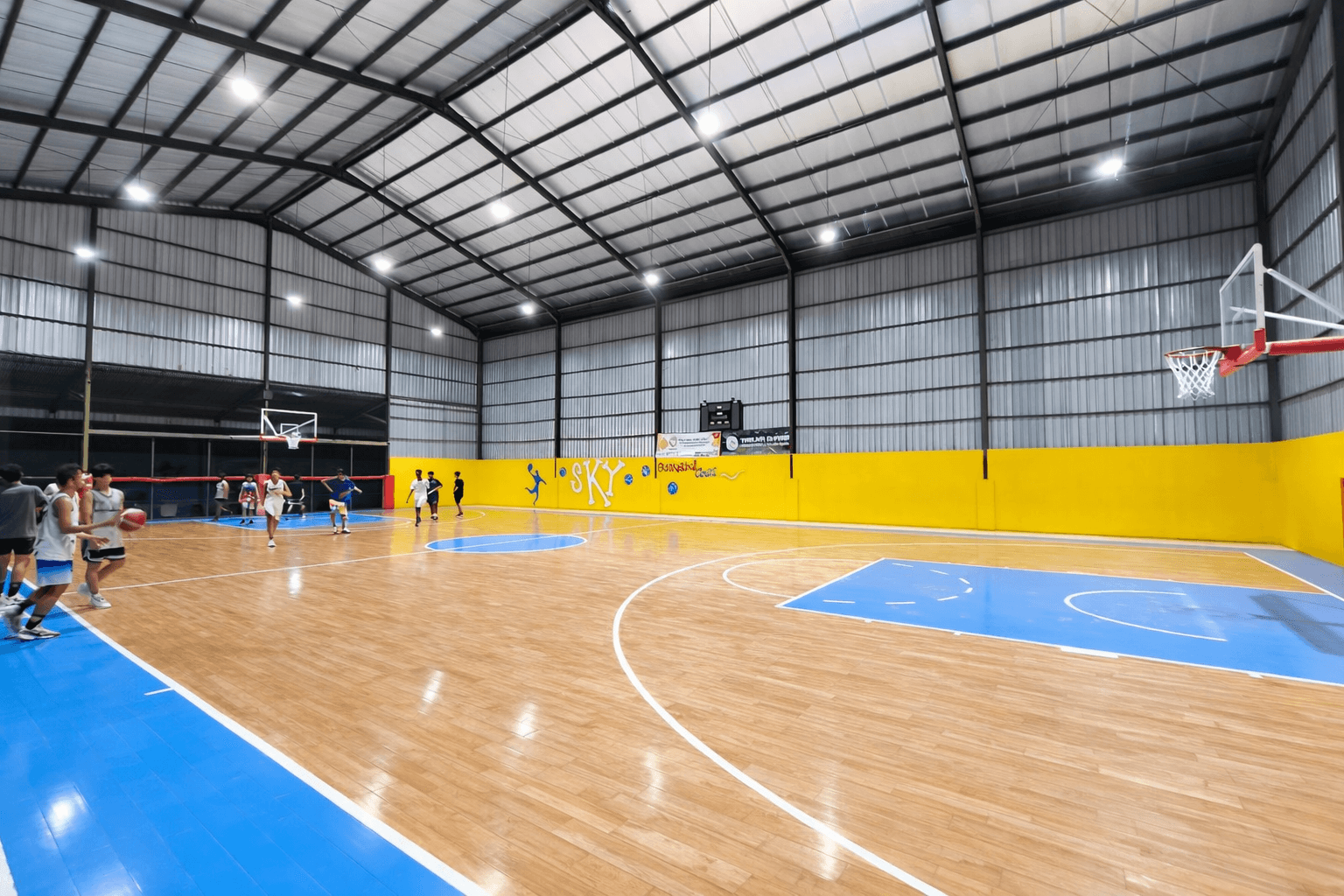
The expansion of the complex continued with the 2016 construction of the Bung Karno Sports Hall, part of the 15-hectare Wergu Sport Center development. This indoor facility was built to accommodate sports such as basketball and volleyball, as well as various communal activities held throughout the year.
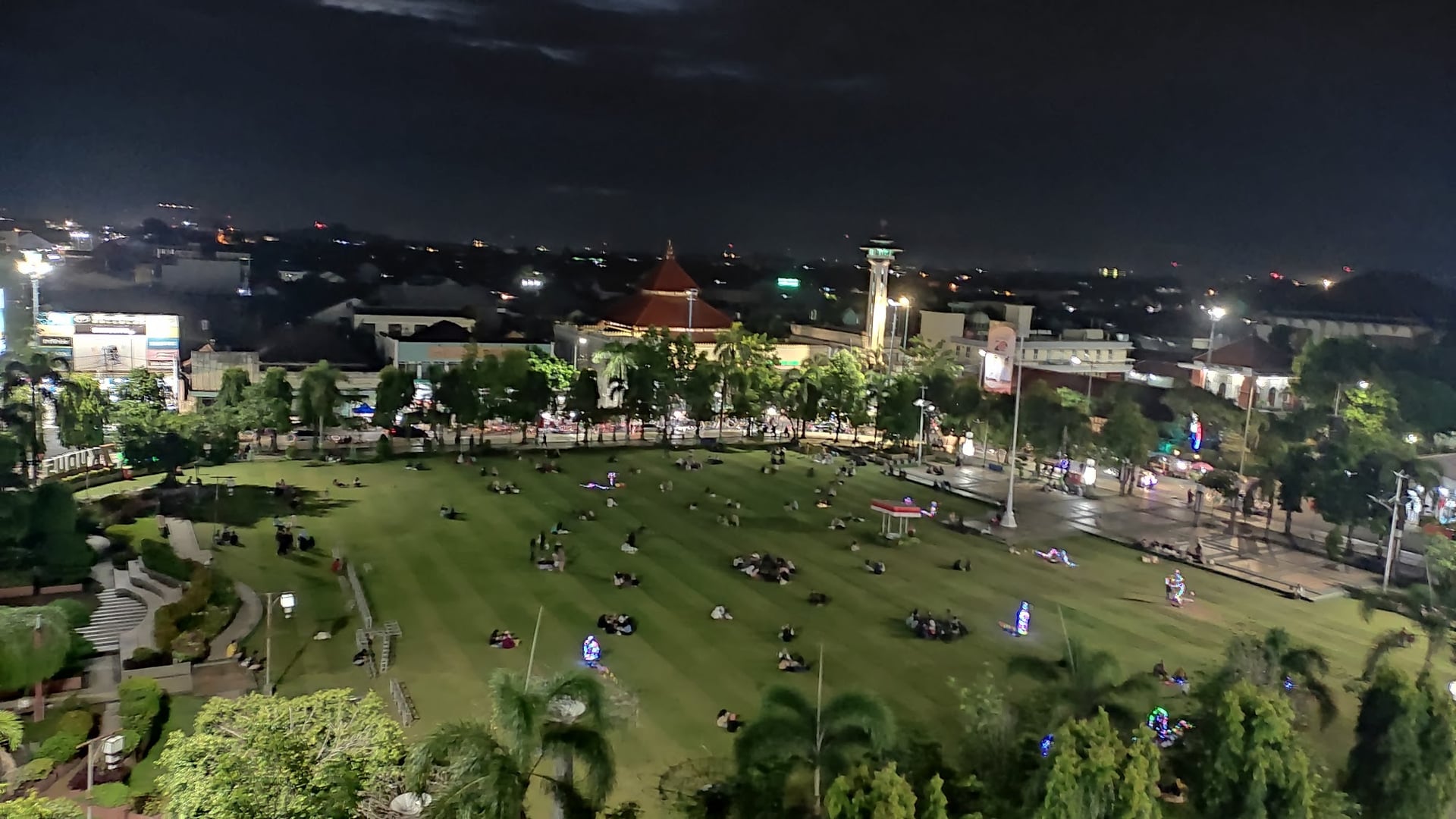
Four years later, on August 6, 2020, the Kudus Regency Government officially opened Balai Jagong as a public open space for community activities, arts and cultural performances, and culinary offerings. The addition of Balai Jagong complemented the function of the Wergu Sport Center, which previously focused solely on sports training and competition.
Jl. Gor Wergu Wetan, Wergu Wetan, Kec. Kota Kudus, Kabupaten Kudus, Jawa Tengah 59318, Indonesia
Today, the Wergu Sport Center is open daily from 06:00 to 22:00 WIB and is utilized by a diverse range of users. Athletes prepare for championships, local clubs hold routine training sessions, and the public uses the space for exercise, leisurely walks, or simply enjoying the atmosphere from dawn until night.
Transforming Wergu Wetan Stadium Toward Asian Standards
As a vital component of the Wergu Sport Center, Wergu Wetan Stadium continues to undergo development to meet the requirements of increasingly high-level sports events.
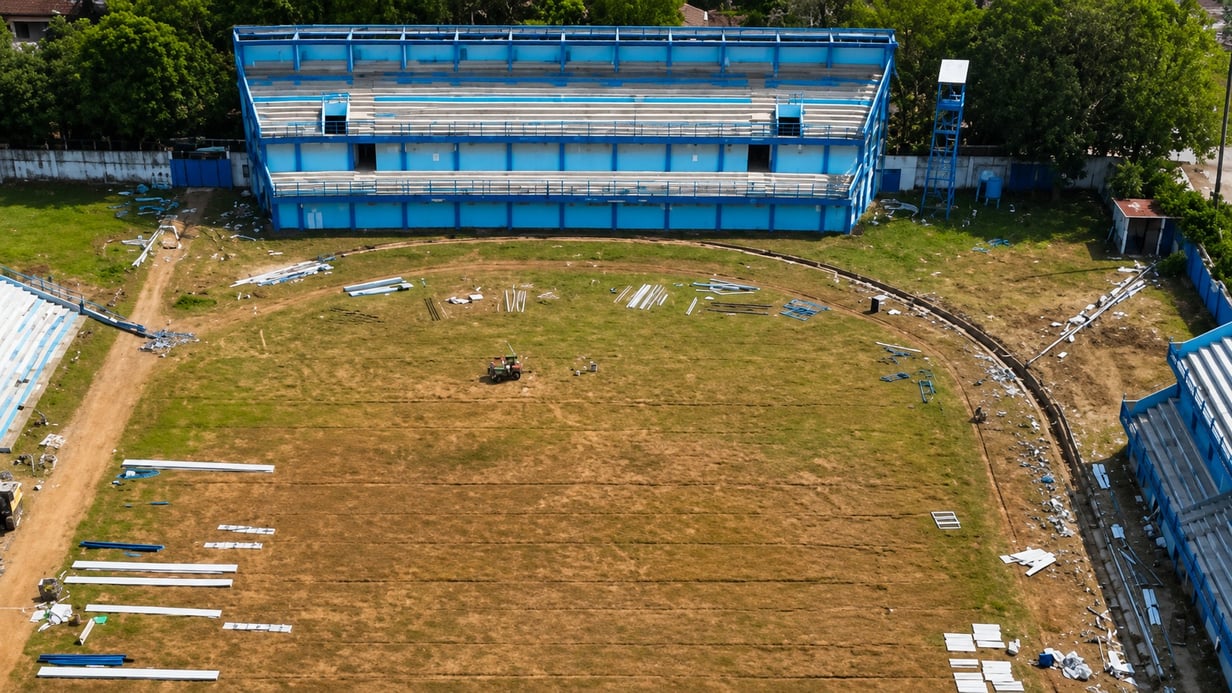
Previously, the stadium featured seating for approximately 1,500 spectators, with 1,100 seats in the lower tier and 400 seats in the upper tier. This capacity served as a venue for various football matches and other sporting events held in Kudus.
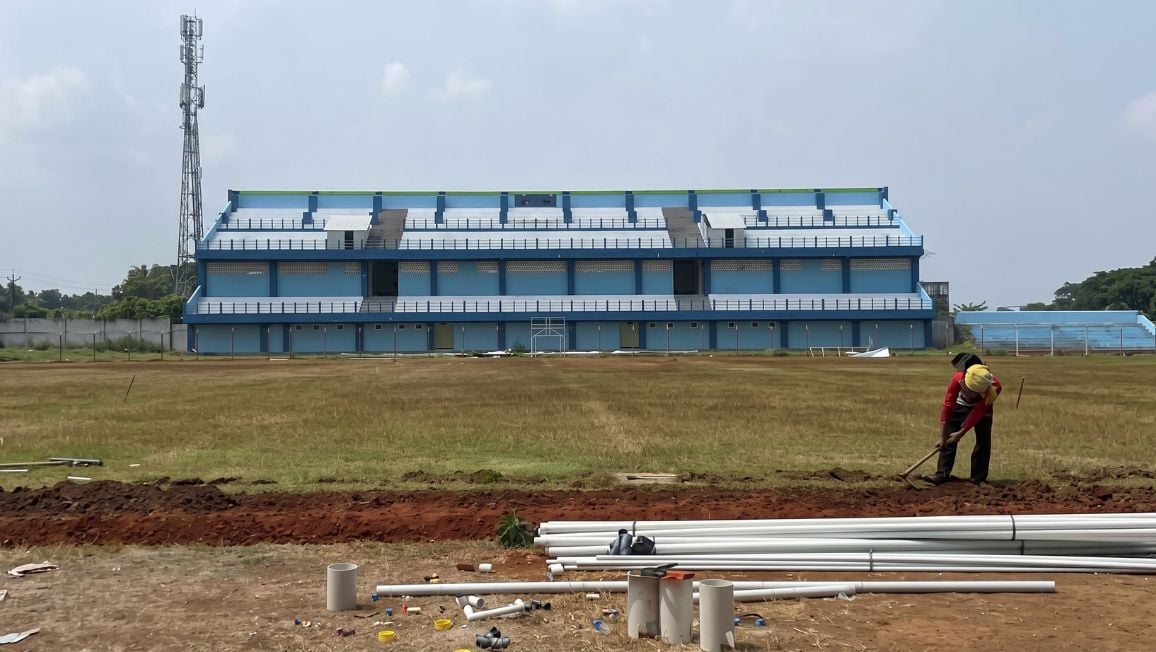
However, to meet the growing demand for more representative sports facilities, Wergu Wetan Stadium is now undergoing a comprehensive redevelopment to meet Asian Football Confederation (AFC) standards. Funded by the 2026 state budget, the revitalization project aims to implement a single-seat configuration with a capacity of approximately 8,000 spectators, with completion targeted for 2027.
This development is expected to strengthen the role of the Wergu Sport Center as a primary athletic hub for the Kudus Regency Government, while supporting the hosting of larger-scale competitions in the future.
The growth of the Wergu Sport Center is defined not only by its expanded facilities but also by its evolution into a public space serving a diverse range of users. The area has become a focal point for athlete training, community sports, and daily social activities.
Secretary of the Kudus Regency Office of Education, Youth, and Sports (Disdikpora), Anggun Nugroho, explained that the sports complex serves a purpose far broader than merely housing athletic facilities.
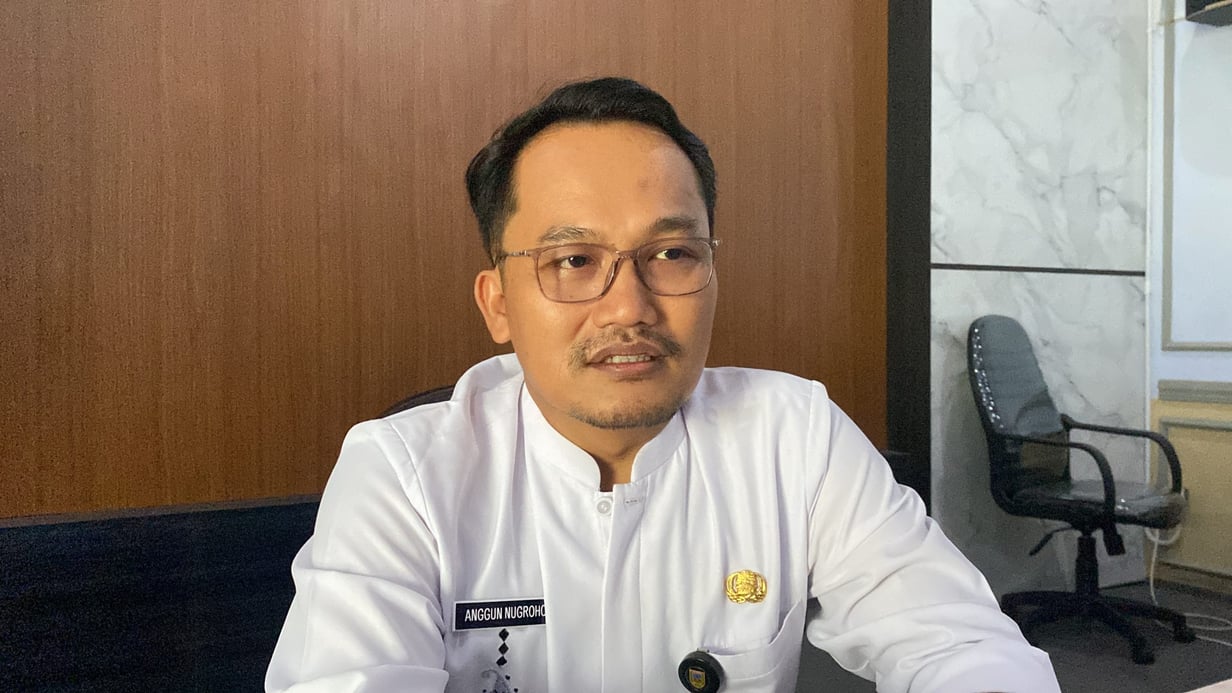
According to Anggun, Balai Jagong was originally developed as an open space for arts and cultural activities, serving as a communal gathering spot. Over time, the area has evolved into a community hub and a popular night culinary center located behind the Bung Karno Stadium and Sports Hall.
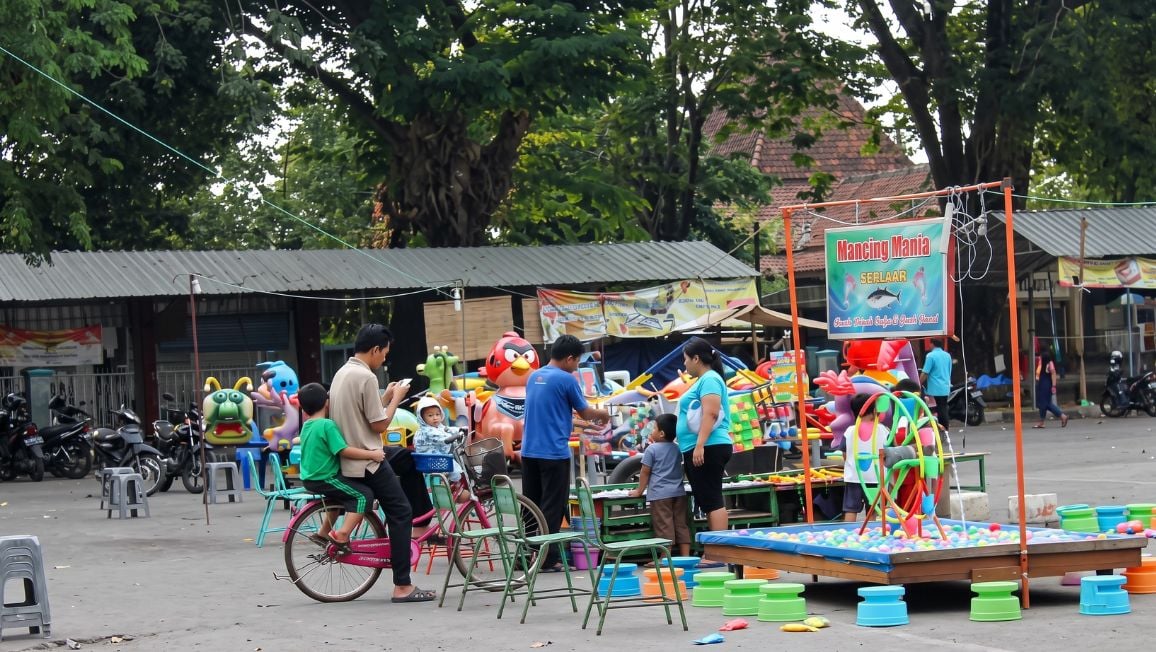
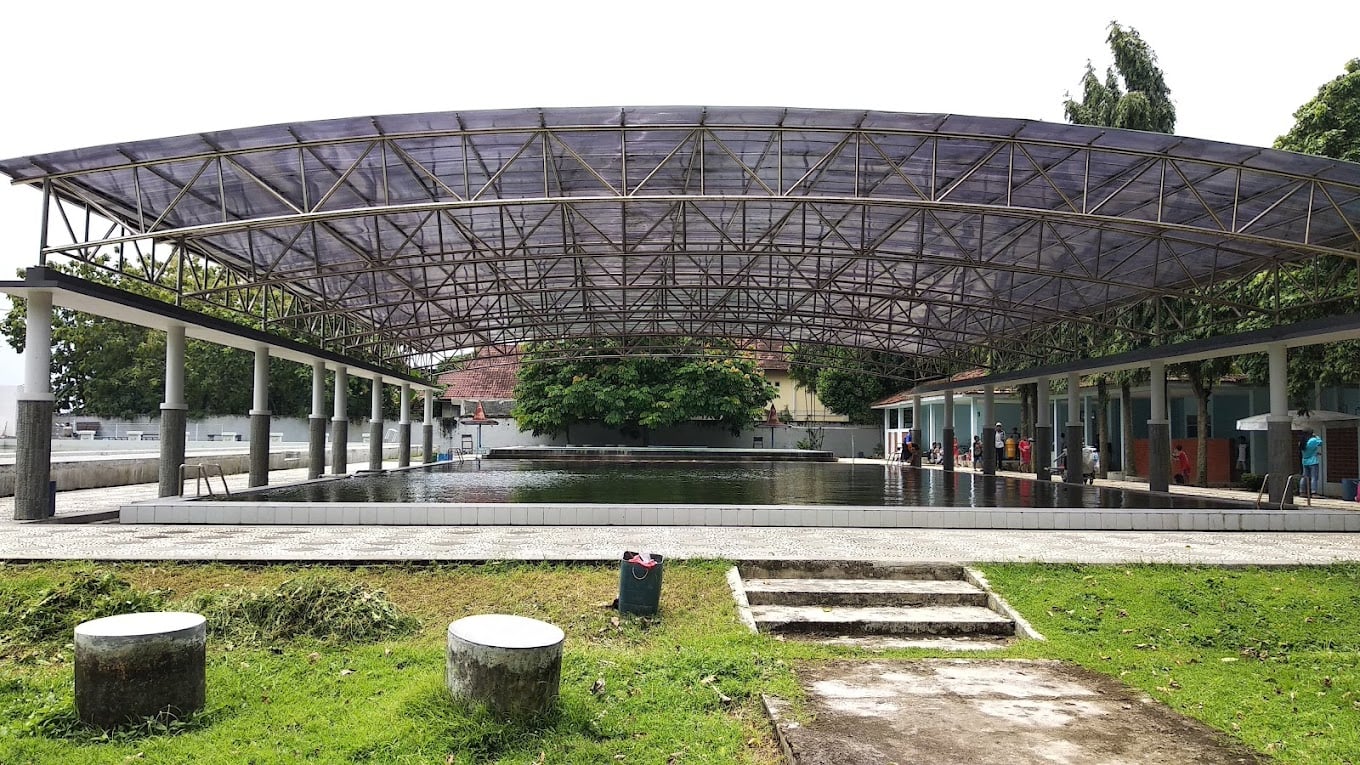
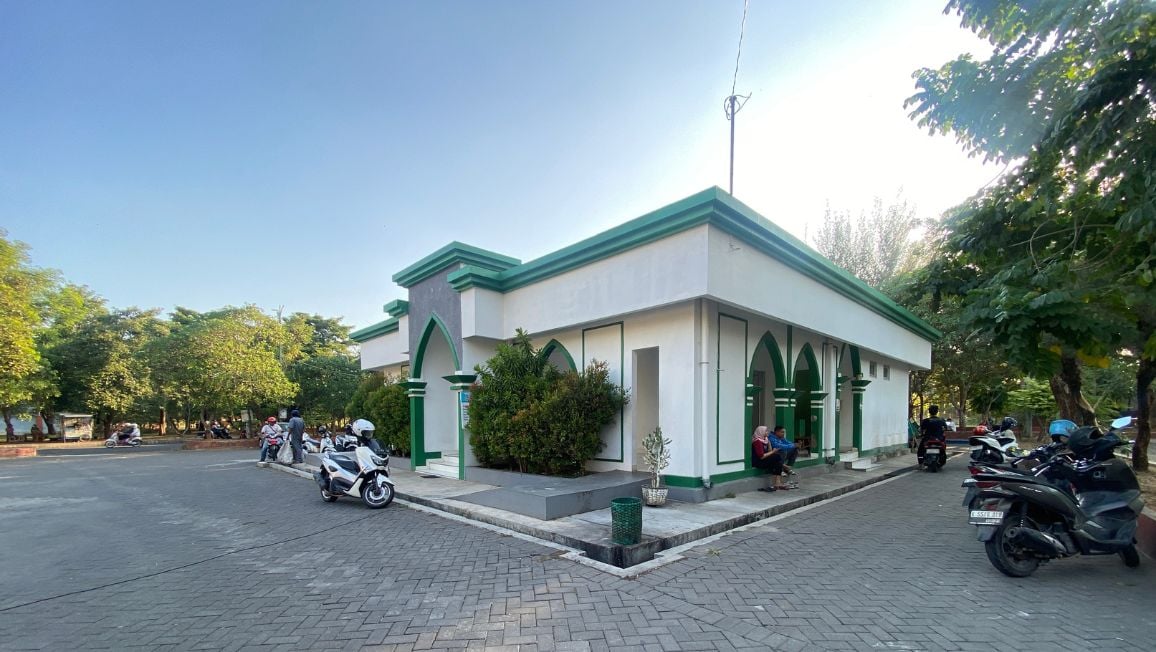
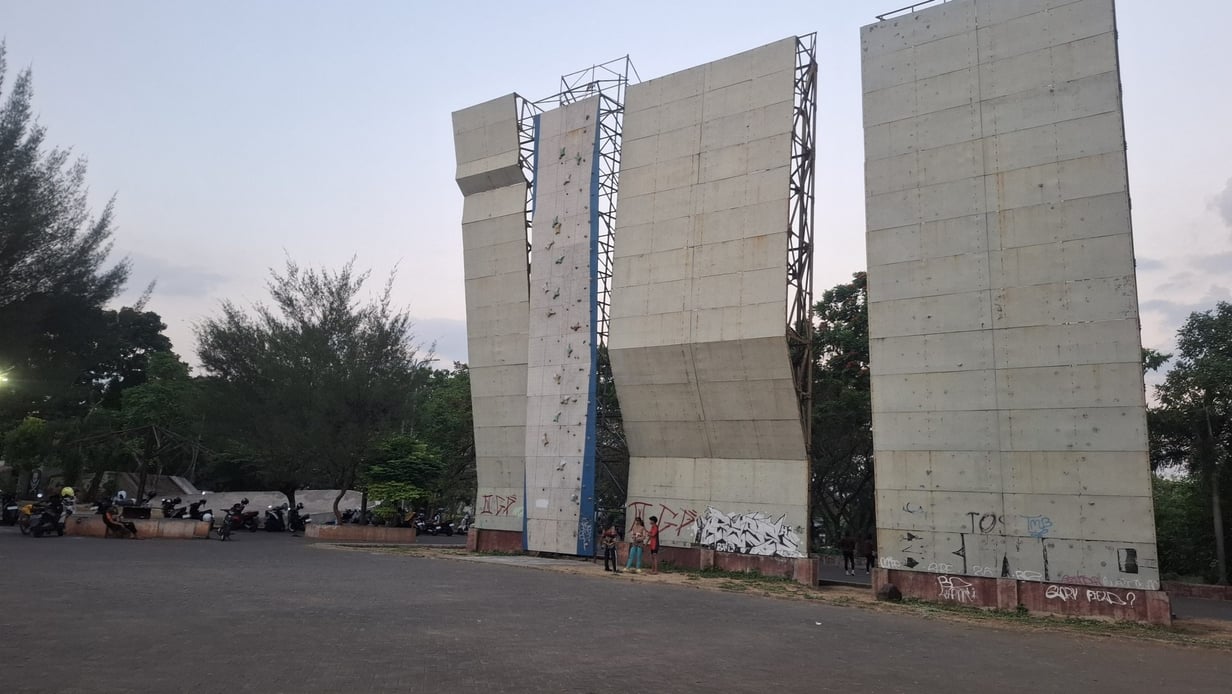
The development of the area has been accompanied by the organization of various sports facilities now managed by the Kudus Regency Disdikpora. The Wergu Sports Center features the Bung Karno Sports Hall, Wergu Wetan Stadium, indoor tennis court, swimming pool, BMX track, climbing wall, skateboard area, and Balai Jagong, which is equipped with a jogging track. The complex also offers a fitness center, prayer room, restrooms, changing rooms, a canteen, parking, and waiting areas to support athlete training, championship events, and public sports activities.
Anggun noted that these facilities are designed to serve a dual purpose: supporting athlete development while meeting the needs of the general public for recreational sports.
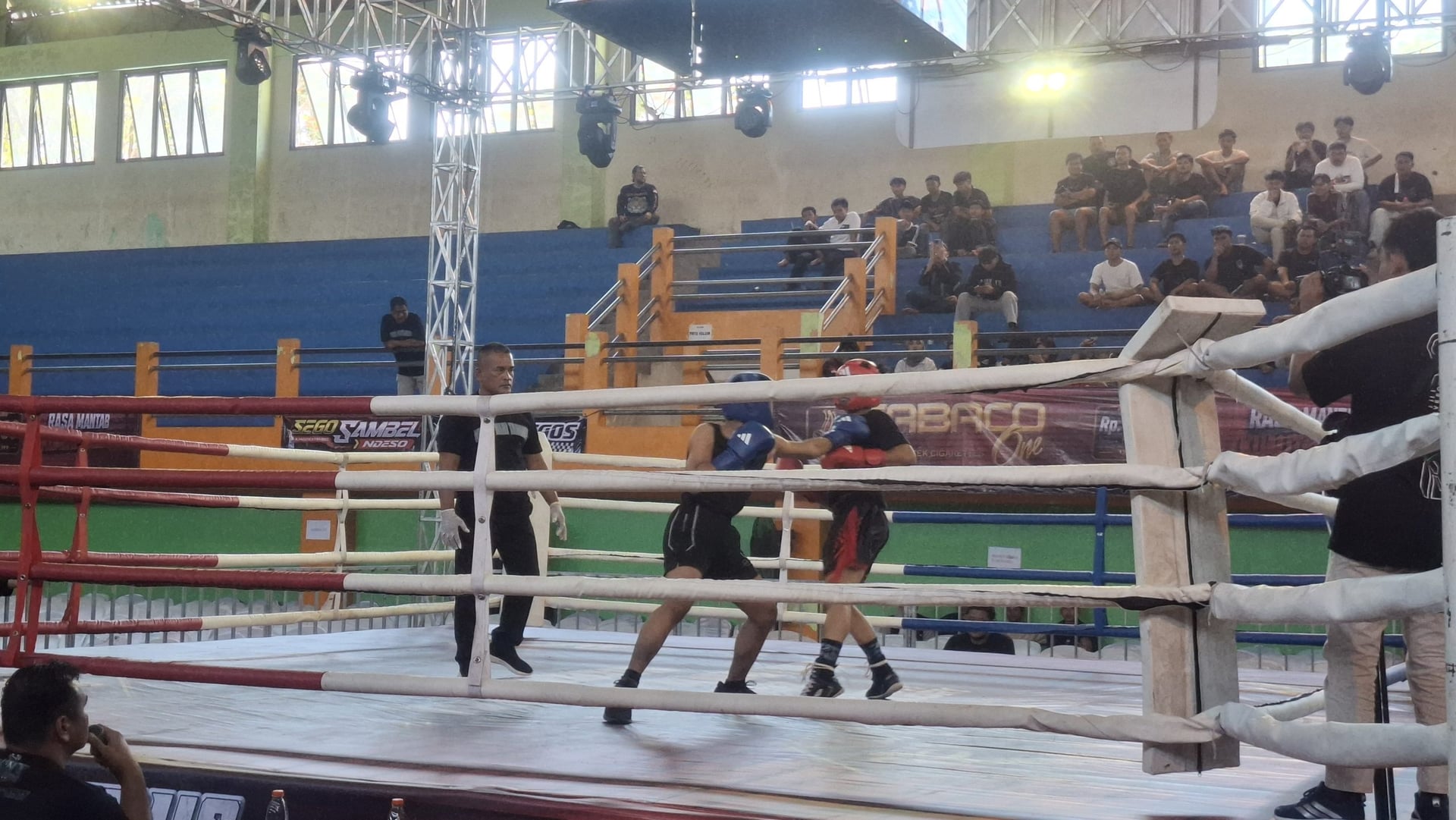
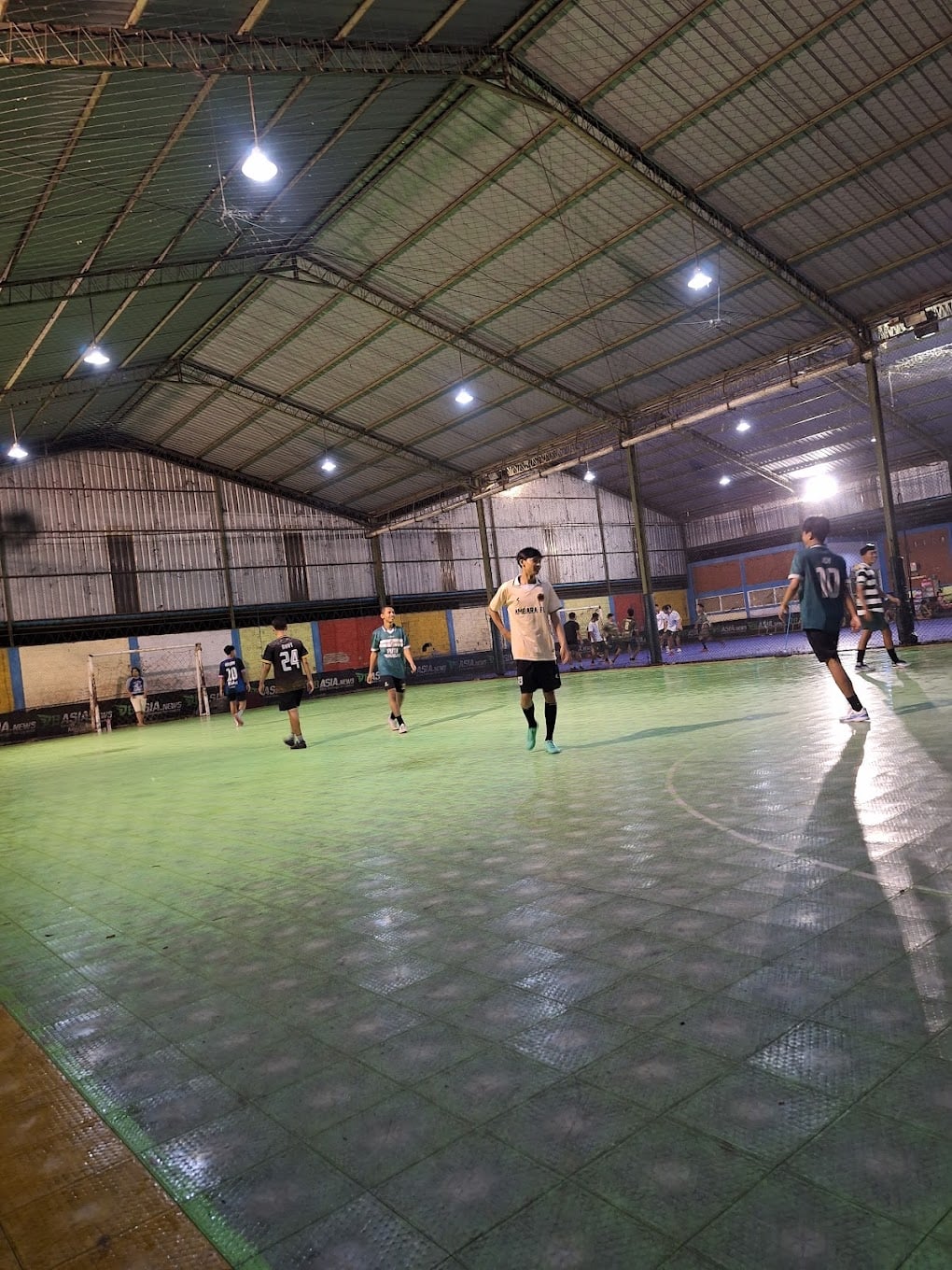
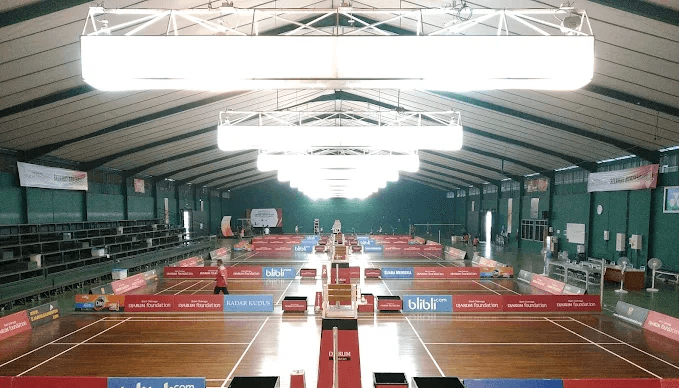
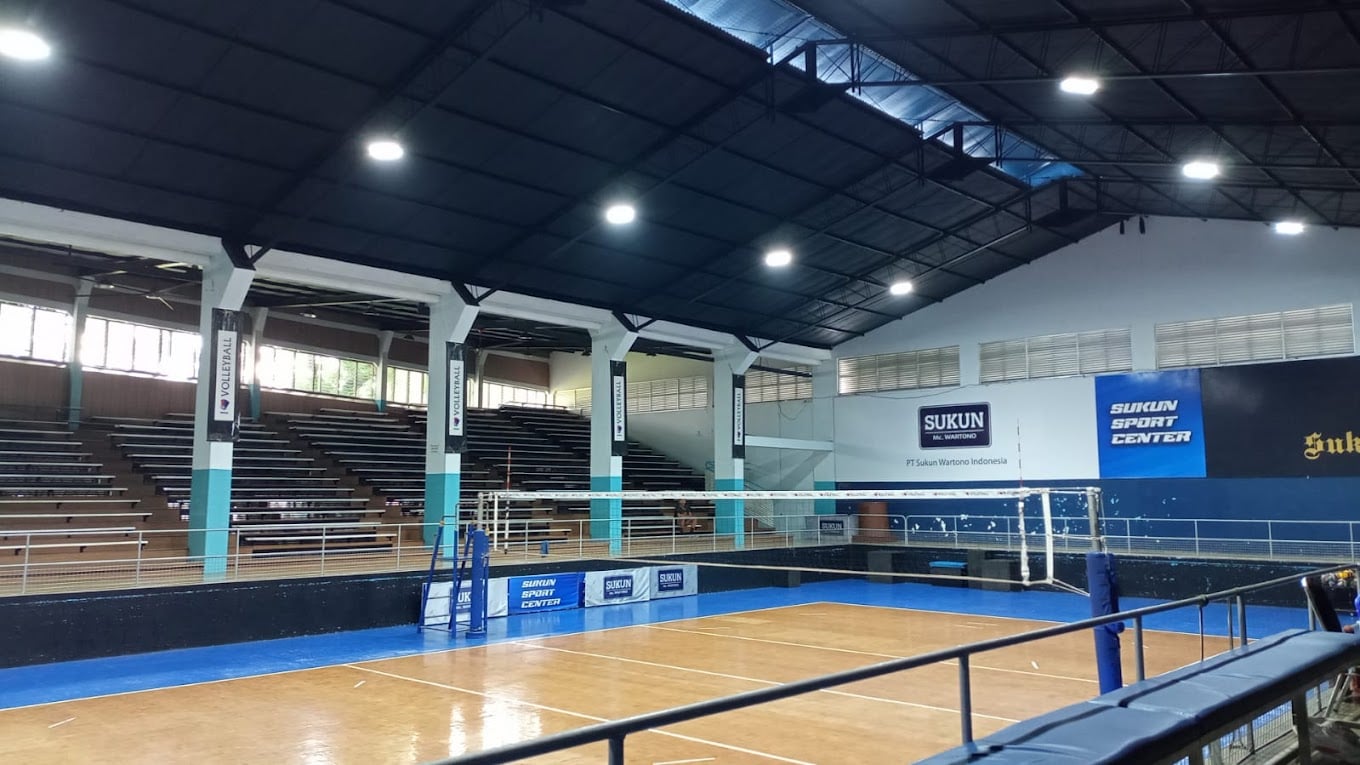
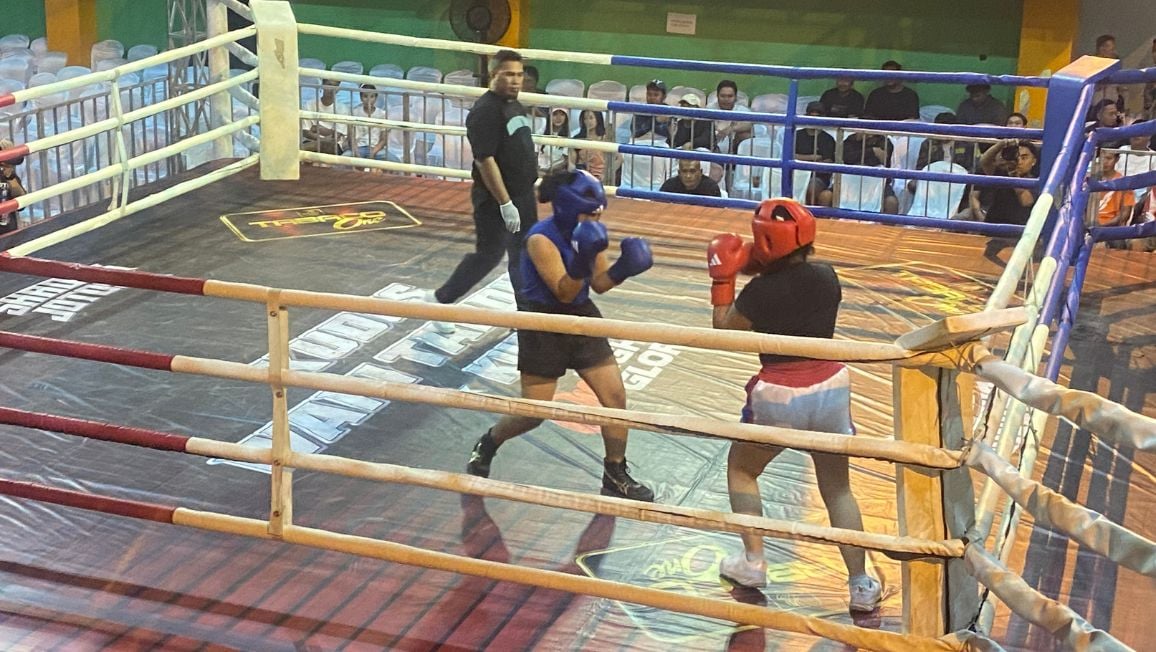
The Bung Karno Sports Hall (GOR) features a main indoor arena with a parquet wood floor that meets Perbasi and international standards, complete with rubber shock-absorption layers. The facility hosts various sports, including basketball, volleyball, futsal, boxing, and kickboxing. In addition to athletic events, the building is also utilized for various arts performances.
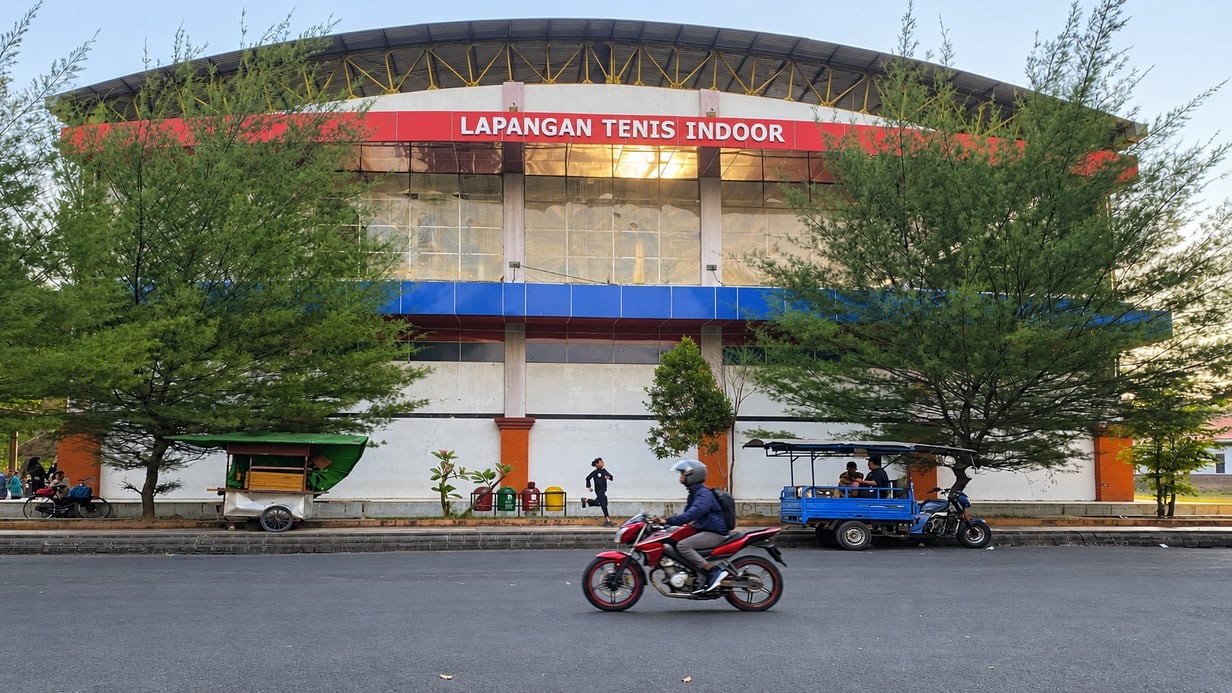
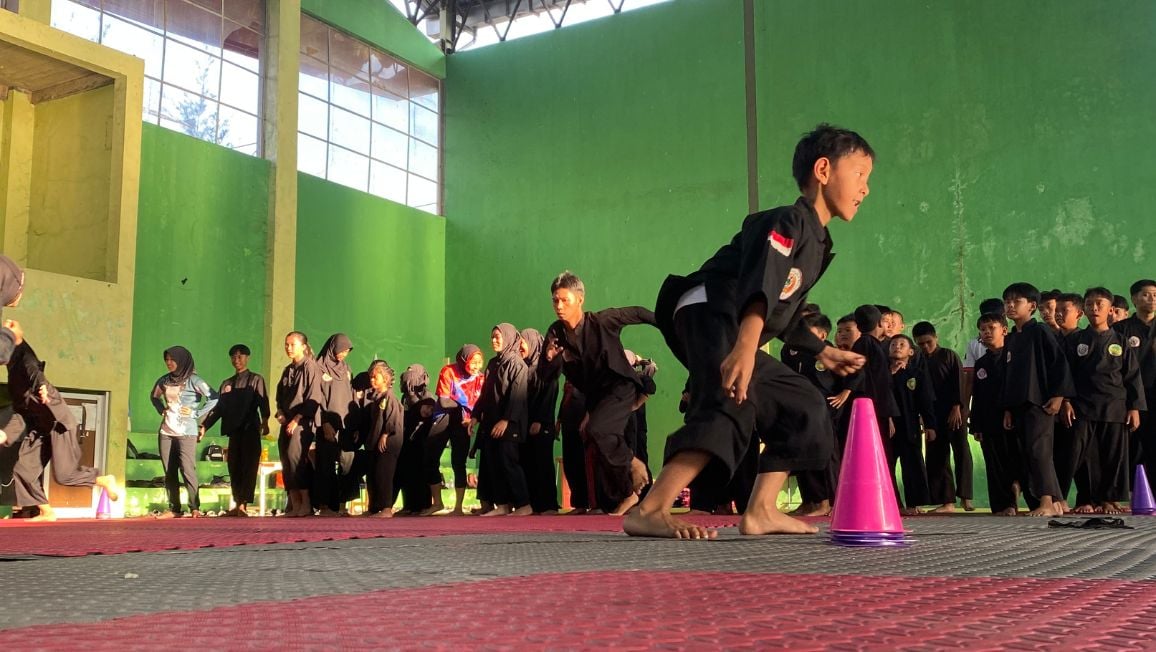
Meanwhile, the indoor tennis building in the Balai Jagong area is used not only for tennis practice but also for pencak silat and several other sports.
The presence of these government-owned sports facilities provides opportunities for various groups to exercise and participate in activities. Balai Jagong is open daily from 06:00 to approximately 21:00 WIB. During operating hours, the public can utilize the jogging track and available open spaces for exercise or recreational activities.
In addition to the general public, various sports communities also regularly use the area for training. Running clubs, martial arts schools, and other athletic groups make the Wergu Sport Center a daily hub for their activities.
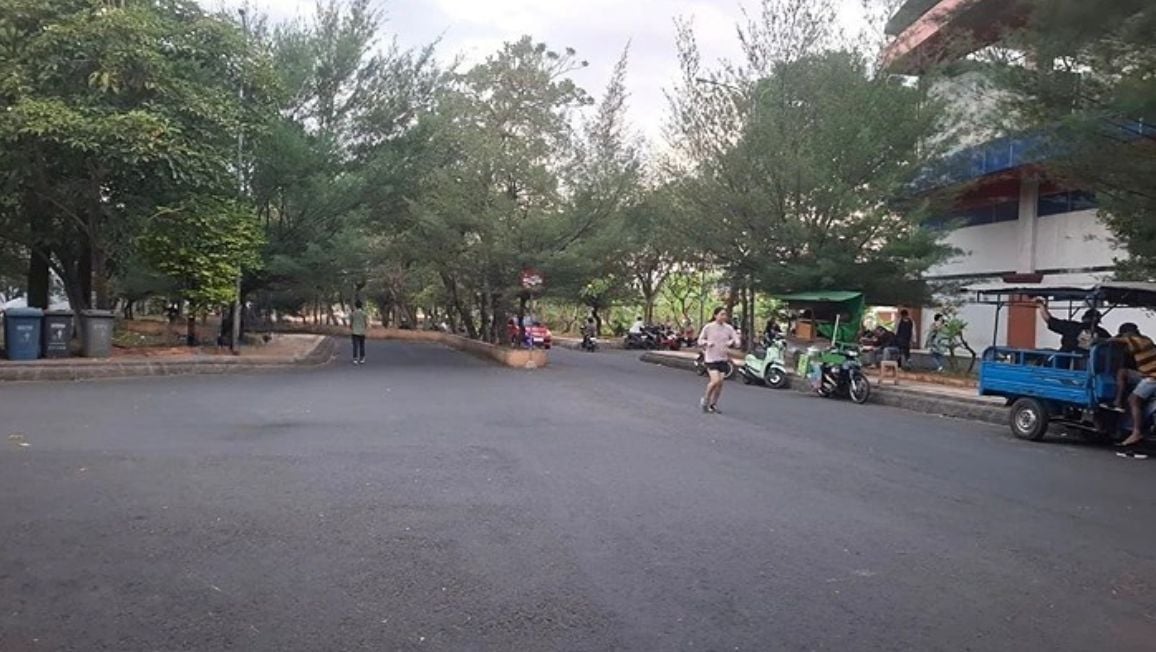
For organizations or members of the public wishing to use the sports facility for matches or other activities, the Kudus Regency Youth, Sports, and Education Office (Disdikpora) requires a formal written request. Usage schedules are coordinated to prevent conflicts with other events.
Fees for facility use are determined by local regional levies. As a government-owned asset, the rates are kept affordable to ensure broader public access to available sports infrastructure.
Beyond its use for public recreation, the Wergu Sport Center maintains its primary function as a training ground for athletes. One of the regular users of the facility is the Kudus Silat Academy.
Kudus Silat Academy coach Mas'ud stated that the school, established in 2024, now boasts over 60 members across various age groups, ranging from primary school students to university students. Training is held five times a week, specifically on Tuesday and Thursday nights, as well as Friday, Saturday, and Sunday afternoons.
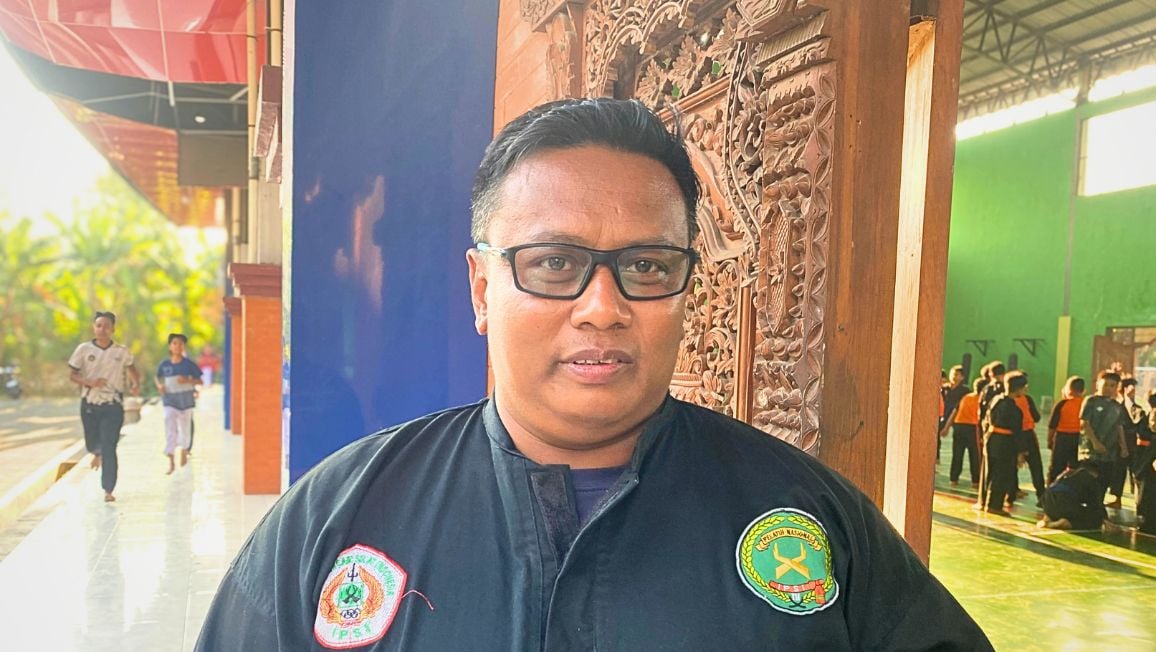
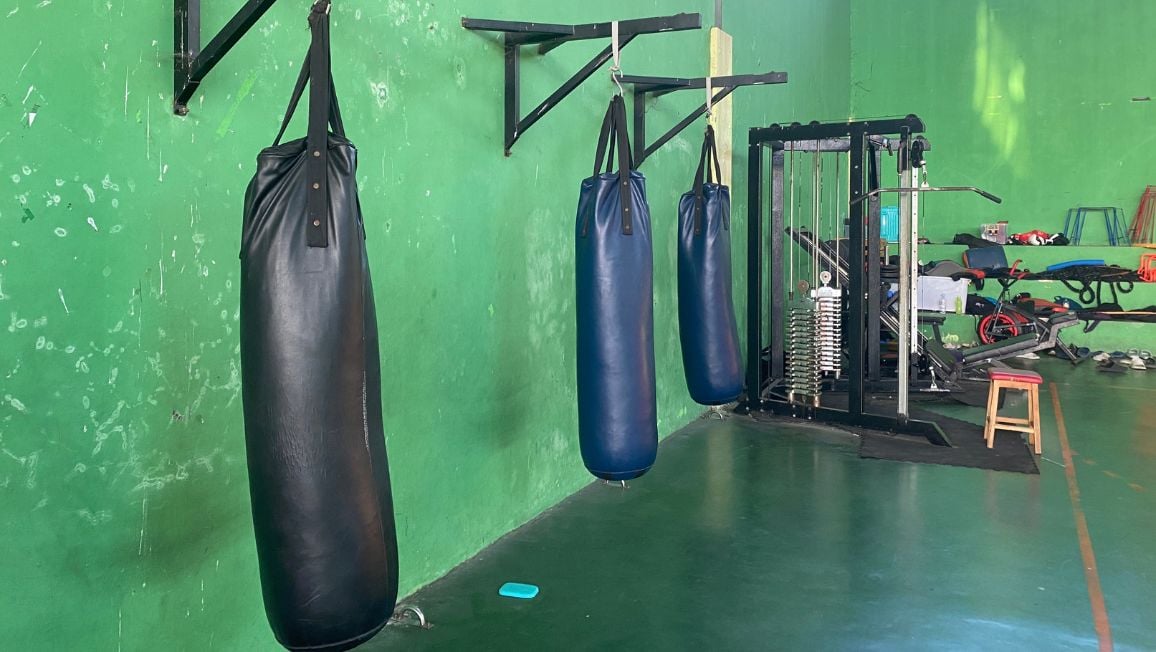
According to Mas'ud, the indoor tennis arena in the Balai Jagong area was chosen for its central location, spacious training area, and supporting equipment, including mats, punching bags, and a fitness center.
He believes that government-provided sports facilities offer a vital space for nurturing the younger generation. Beyond improving martial arts skills, participants also develop discipline, build self-confidence, expand their social networks, and prepare themselves for future career opportunities, whether through athletic achievements or recruitment into the Indonesian National Armed Forces (TNI) and the National Police (Polri).
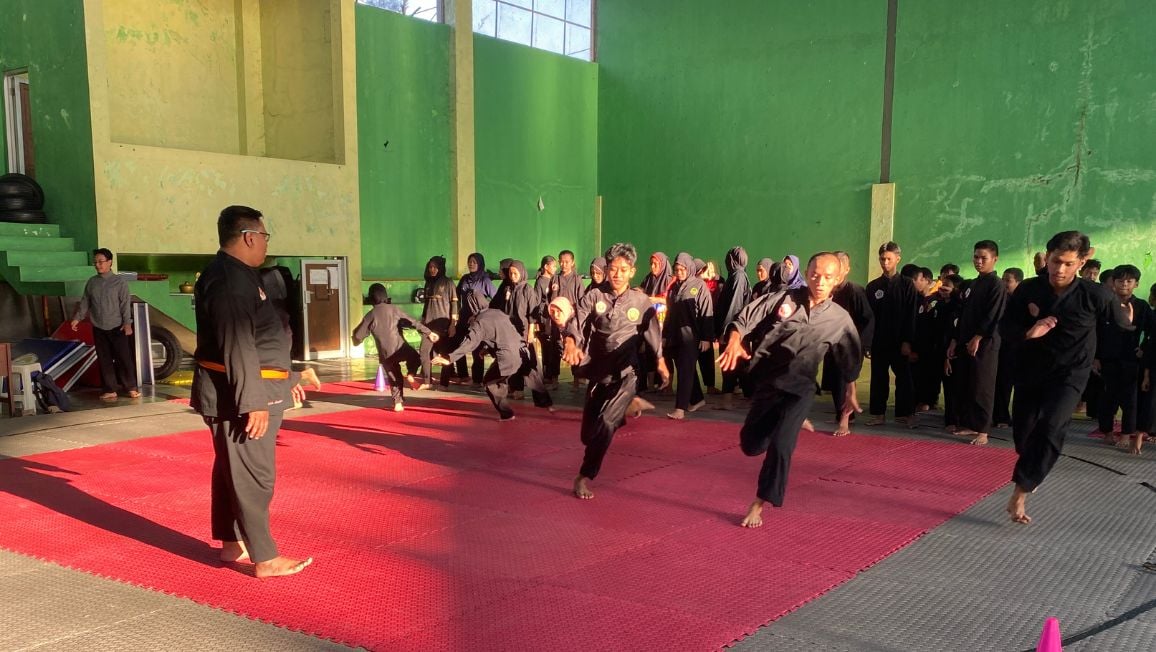
Training sessions take place alongside general public activities as residents utilize the sports complex for fitness. There are no barriers separating the two groups; athletes and citizens share the space, pursuing different goals in a shared environment.
The presence of the Wergu Sport Center benefits not only athletes but also the local community, which has integrated the area into its daily routine.
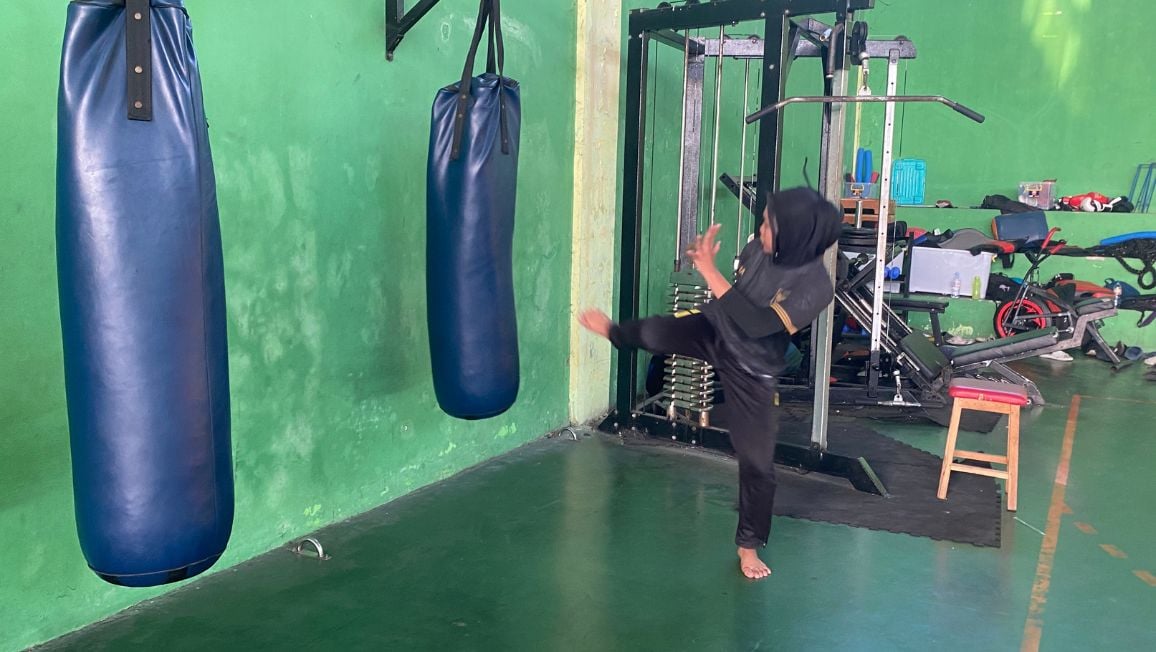
For Aina Natalia Zahra, a young athlete with the Kudus Silat Academy, the Balai Jagong area is a familiar site. She visits five times a week for pencak silat training with her peers.
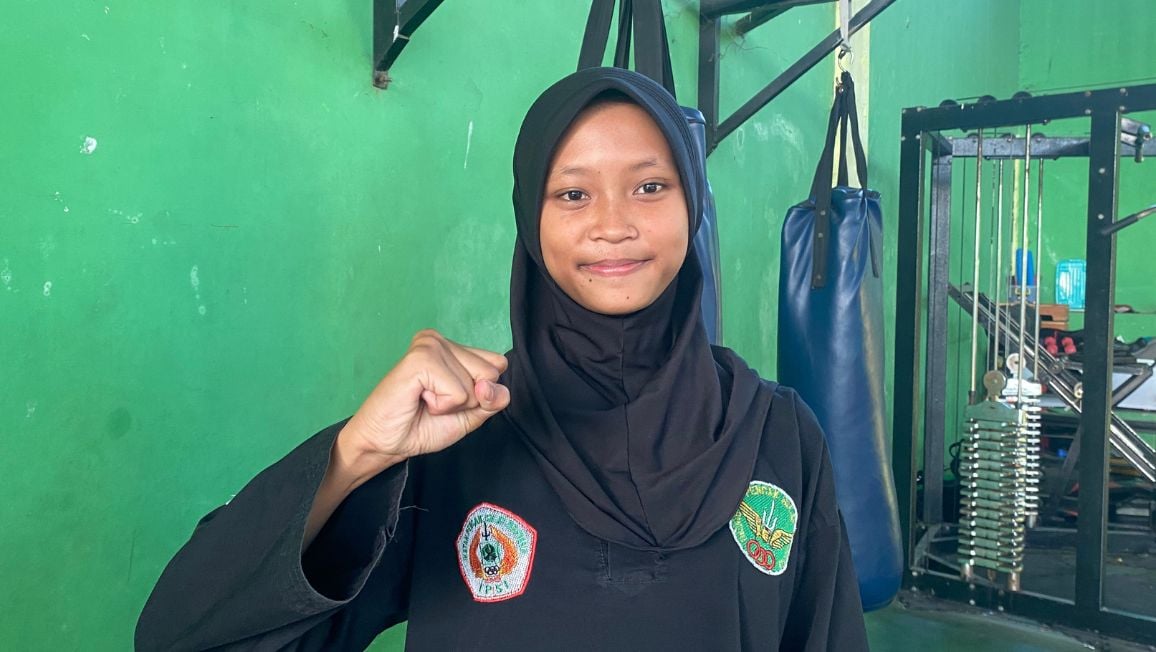
Beyond her pencak silat training, Aina has utilized the complex's facilities for taekwondo, table tennis, and sepak takraw, in addition to jogging around the grounds.
She notes that the lively atmosphere motivates her training. With essential equipment like punching bags, body protectors, and training targets already available, her sessions are optimized. However, she hopes for continued upgrades to the facilities for enhanced comfort.
A similar experience is shared by Ahmad Tegar Santoso, a resident of Purwosari, who visits Balai Jagong nearly every evening for a run. He exercises three to four times a week, accompanied by friends, family, or his partner.
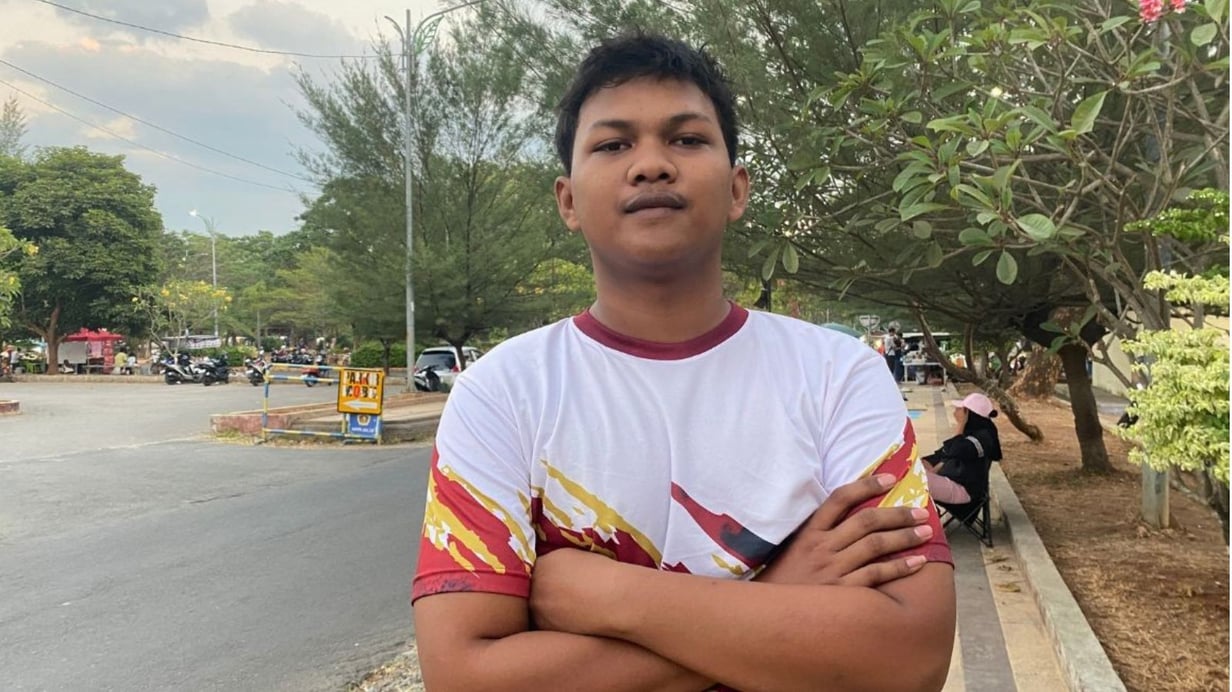
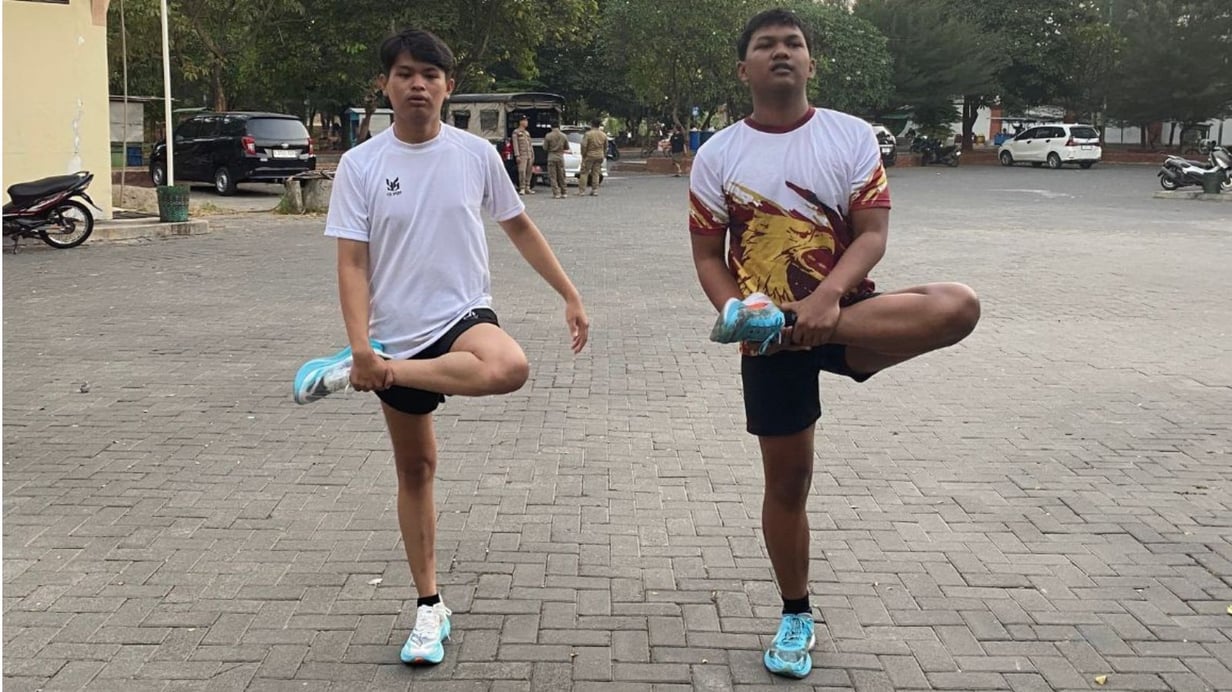
For him, the shaded environment and bustling public activity are the primary reasons he keeps returning. He considers the current facilities adequate, though he hopes for improved traffic management to ensure safer navigation for motorcycles, cars, and pedestrians.
The experiences of Aina and Tegar illustrate that the Wergu Sport Center provides more than just athletic facilities; it fosters an environment that encourages the community to remain active and integrate exercise into their daily lives.
Given its multifaceted daily use, the Wergu Sport Center requires management involving various local government agencies. According to Anggun Nugroho, the facility is managed collaboratively by the Education, Youth and Sports Office (Disdikpora), the Trade Office, the Transportation Office, and the Department of Housing, Settlements, and Environment.
This collaboration is essential to ensure the area remains accessible and comfortable for the public, ranging from sanitation and traffic management to coordinating sports, recreation, and commercial activities within the space.
Beyond routine maintenance, the government continues to upgrade facilities. Renovations are currently underway at the indoor tennis court. Previously, upgrades were completed at the Bung Karno sports hall and the swimming pool as part of efforts to improve the quality of sports infrastructure in Kudus Regency.
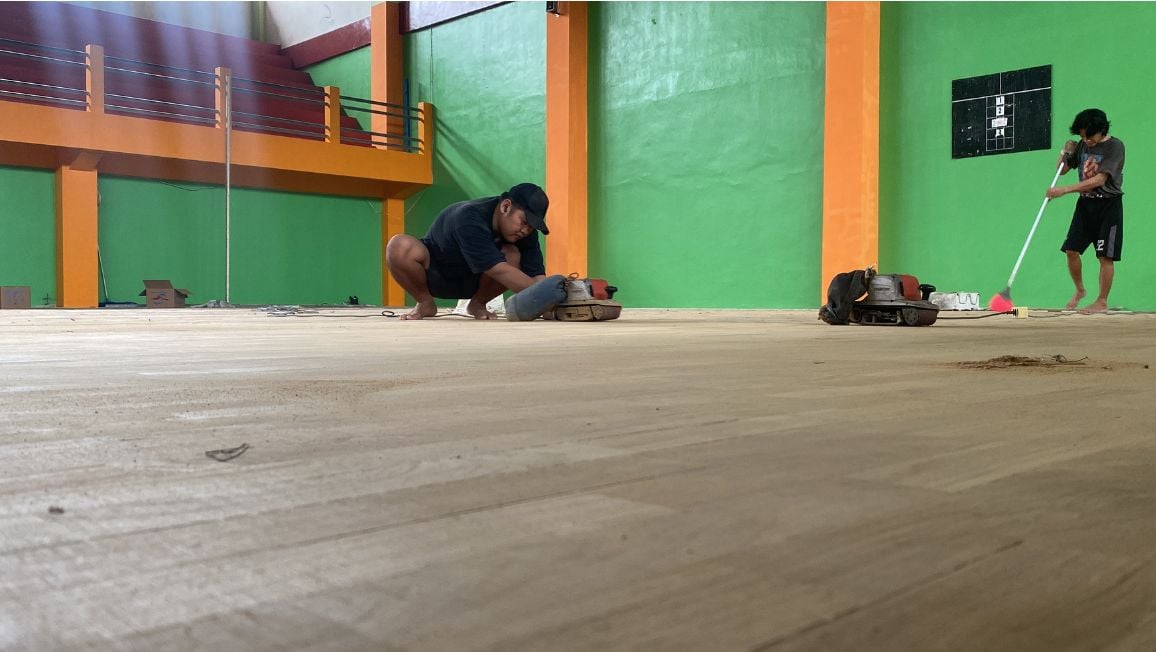
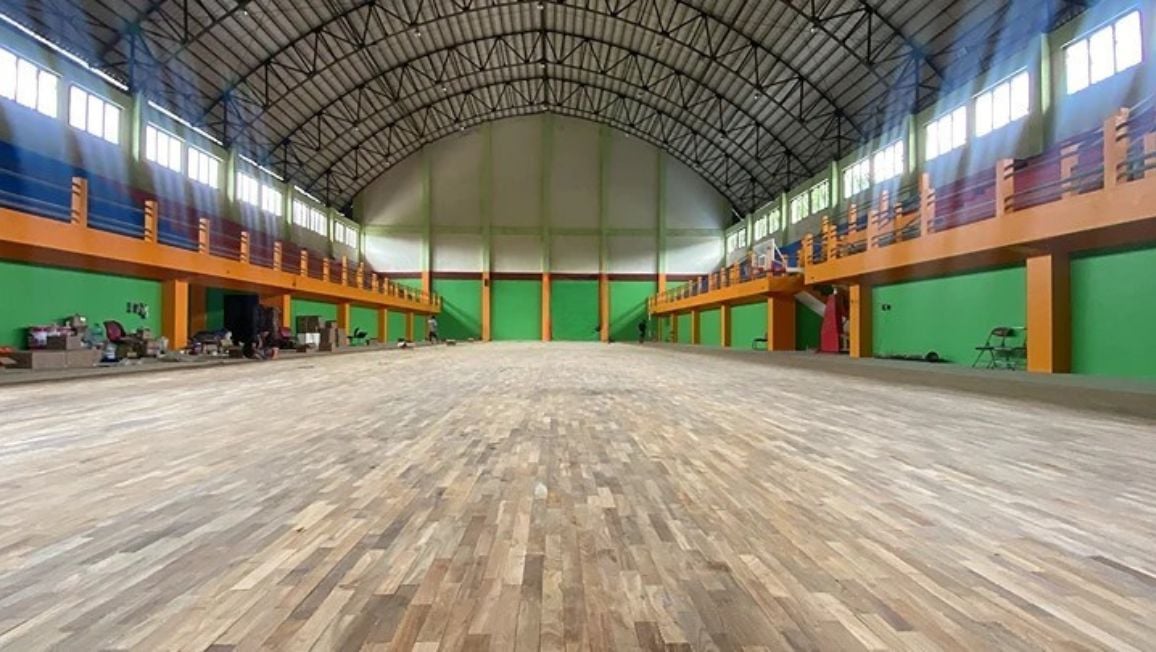
These efforts demonstrate that the development of the Wergu Sport Center extends beyond physical construction, incorporating ongoing maintenance and facility upgrades to meet the community's evolving needs.
From dawn until dusk, the Wergu Sport Center tells a changing story. It serves as a training ground for athletes preparing for competition, while also functioning as a hub for local residents to exercise, gather with family, engage with community groups, and enjoy the culinary offerings at Balai Jagong.
The Bung Karno Sports Hall, Wergu Wetan Stadium, Balai Jagong, and various other facilities illustrate the multi-functional potential of such a complex. Performance development, recreational sports, public space, and local economic growth all thrive within this complementary ecosystem.
As facility upgrades continue—including the revitalization of Wergu Wetan Stadium to meet AFC standards—the Wergu Sport Center is expected to further solidify its role as Kudus Regency's primary sports hub. Moreover, the area stands as proof that well-managed public facilities create inclusive spaces that foster athletic achievement and encourage active lifestyles.
From the first morning strides of a runner and the tireless determination of training athletes to families enjoying an afternoon at Balai Jagong, the pulse of the Wergu Sport Center remains vibrant. The complex has evolved into a shared space integral to daily life, consistently fueling the athletic spirit in Kudus. (ITN/mainkekudus)