KUDUS – A match may only last for minutes, but its toll on an athlete's body can endure far longer. After performing at high intensity, the body often carries residual fatigue, muscle strain, and the risk of injury that may not be immediately apparent. Beyond the final score, one stage of competition often overlooked is the recovery process.
Awareness regarding the importance of recovery has grown alongside the increasing number of sports championships held in Kudus Regency. As a city that has recently become a frequent host for regional and national competitions, it has not only provided arenas for play but has also created a demand for support services to help athletes maintain their physical condition. One such necessity is physical therapy or sport massage, which is now an integral part of the modern sports ecosystem.
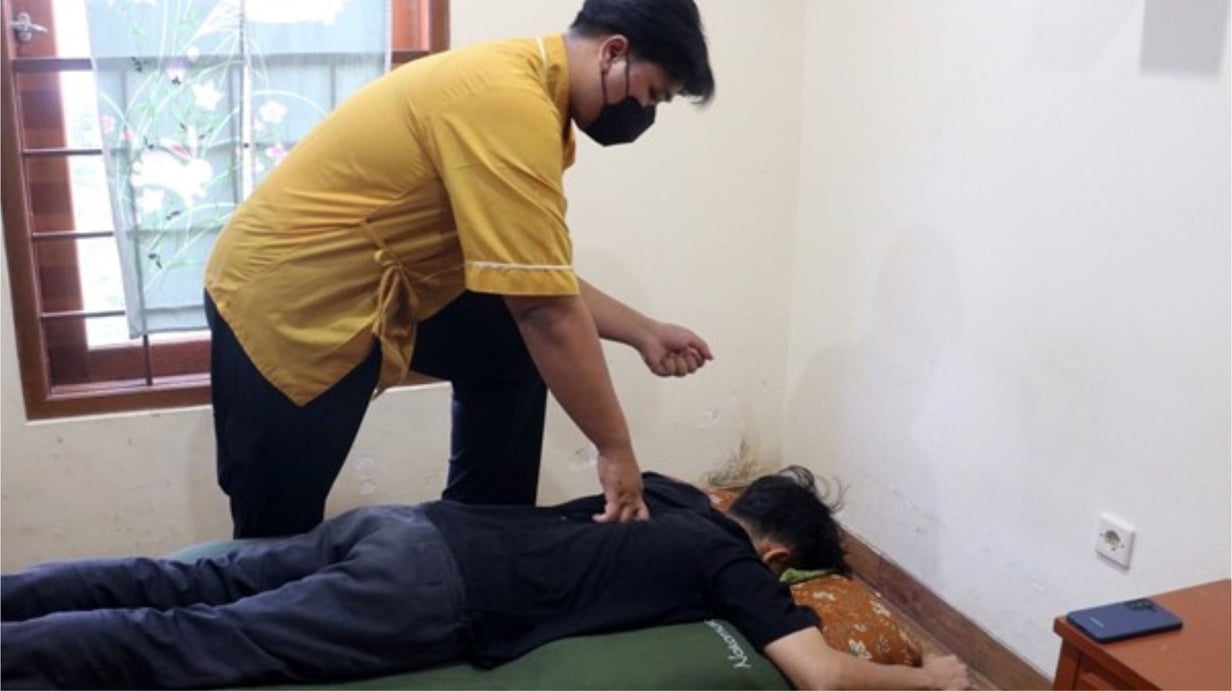
For many, massage is simply a way to relax after a long day. For athletes, however, recovery therapy serves a far more precise function. Treatments are designed to improve blood circulation, reduce muscle stiffness, accelerate recovery following training or competition, and mitigate the risk of injuries that could disrupt future training schedules.
The demand for recovery services has risen in tandem with the surge in sporting events across Kudus Regency. Numerous athletes—both local participants and those visiting from other regions to compete in the "Kretek City"—frequently seek out therapy sessions post-match.
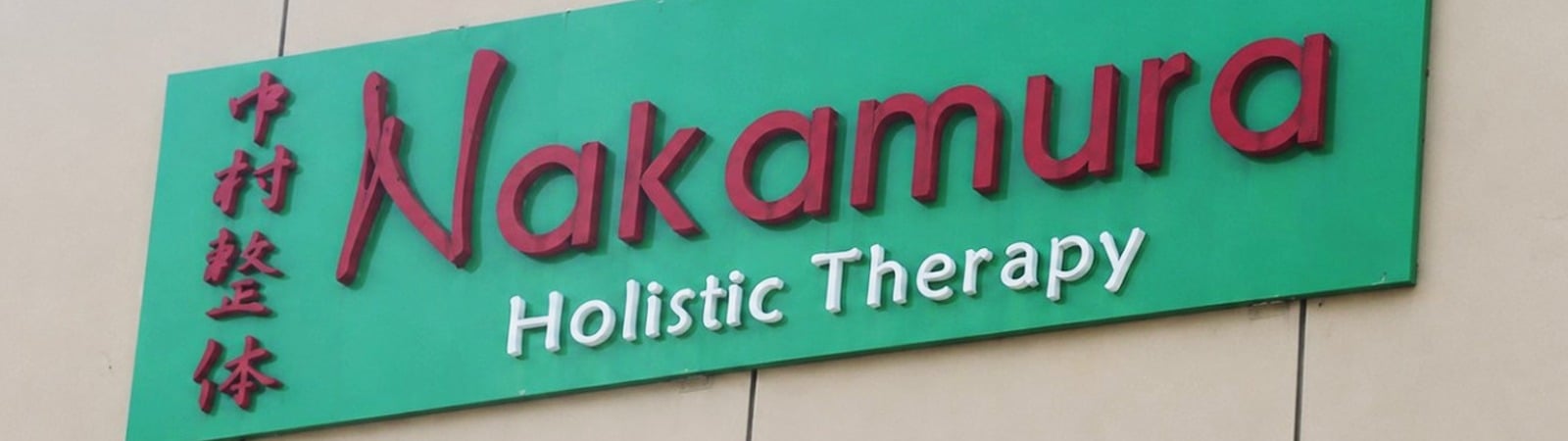
Amidst the development of this sports ecosystem, Nakamura The Healing Touch Kudus has become a destination for both the general public and athletes seeking physical therapy. Operating since 2018, the clinic, located on Jalan Letkol Tit Sudono, Wergu Kulon, treats a variety of musculoskeletal issues using acupressure and physical therapy techniques customized to each patient’s condition.
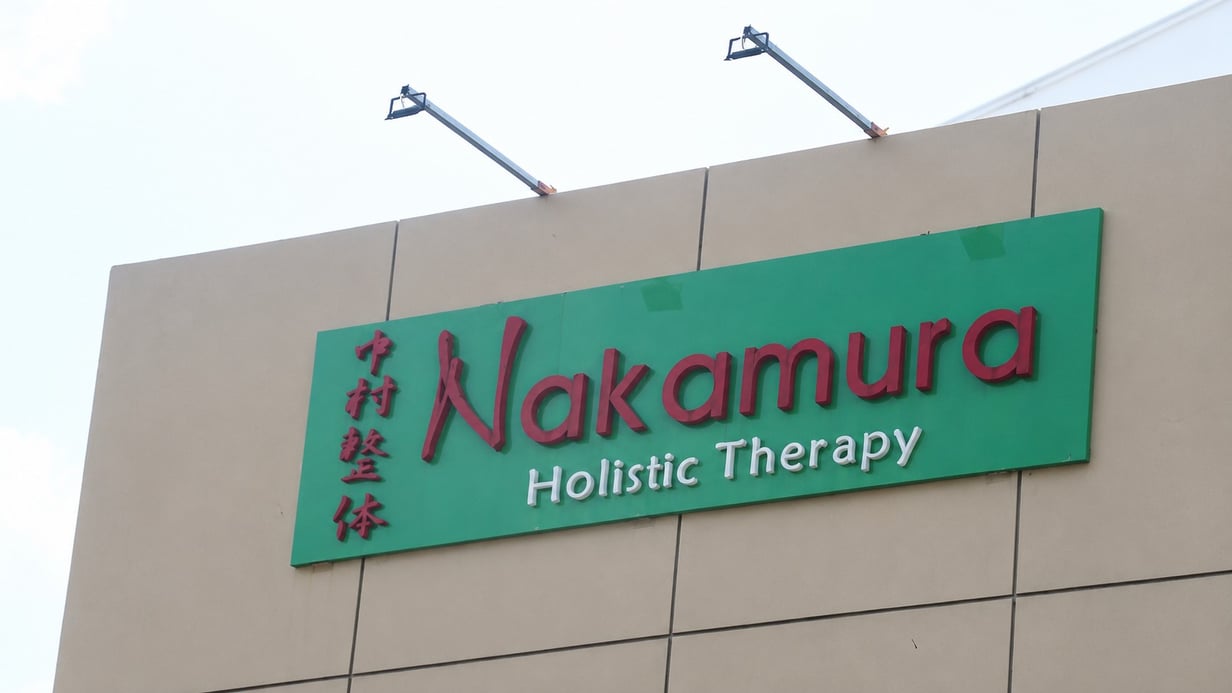
Riza Pratama, a supervisor at Nakamura The Healing Touch Kudus, explains that each therapy method involves distinct goals and approaches. Acupressure is performed manually without tools or medication, whereas utilizes therapeutic oils and takes place in private treatment rooms. According to Pratama, athlete care cannot follow a "one-size-fits-all" approach because each sport places unique physiological demands on the body.
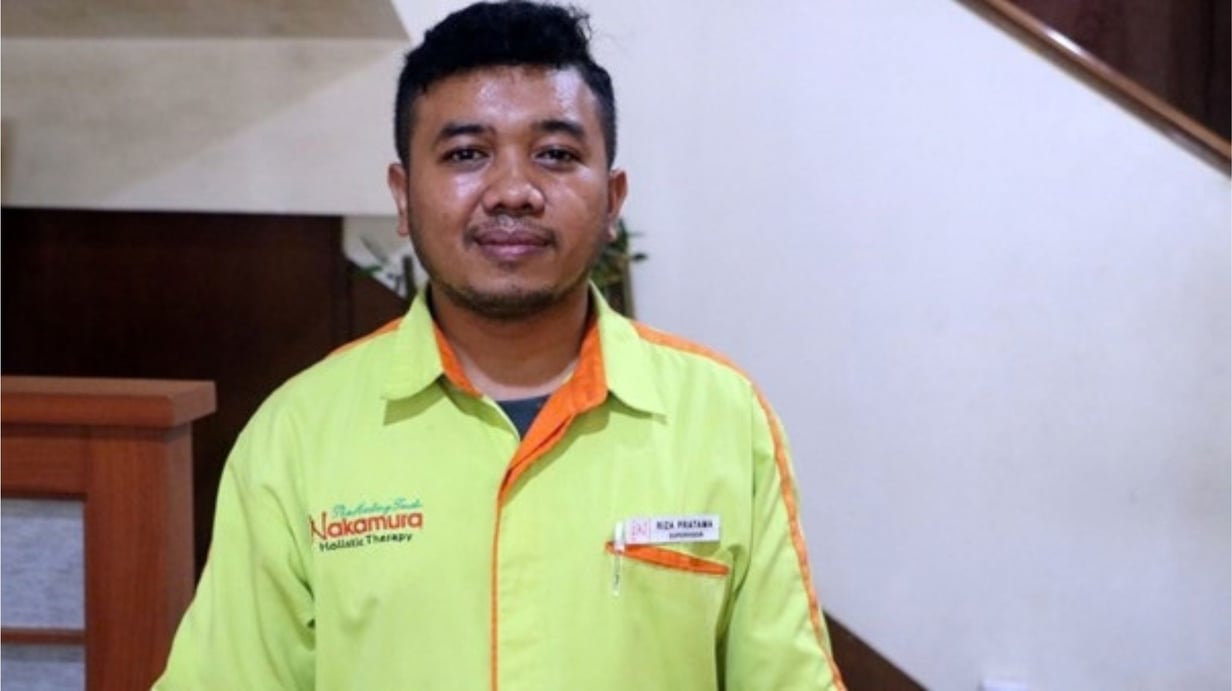
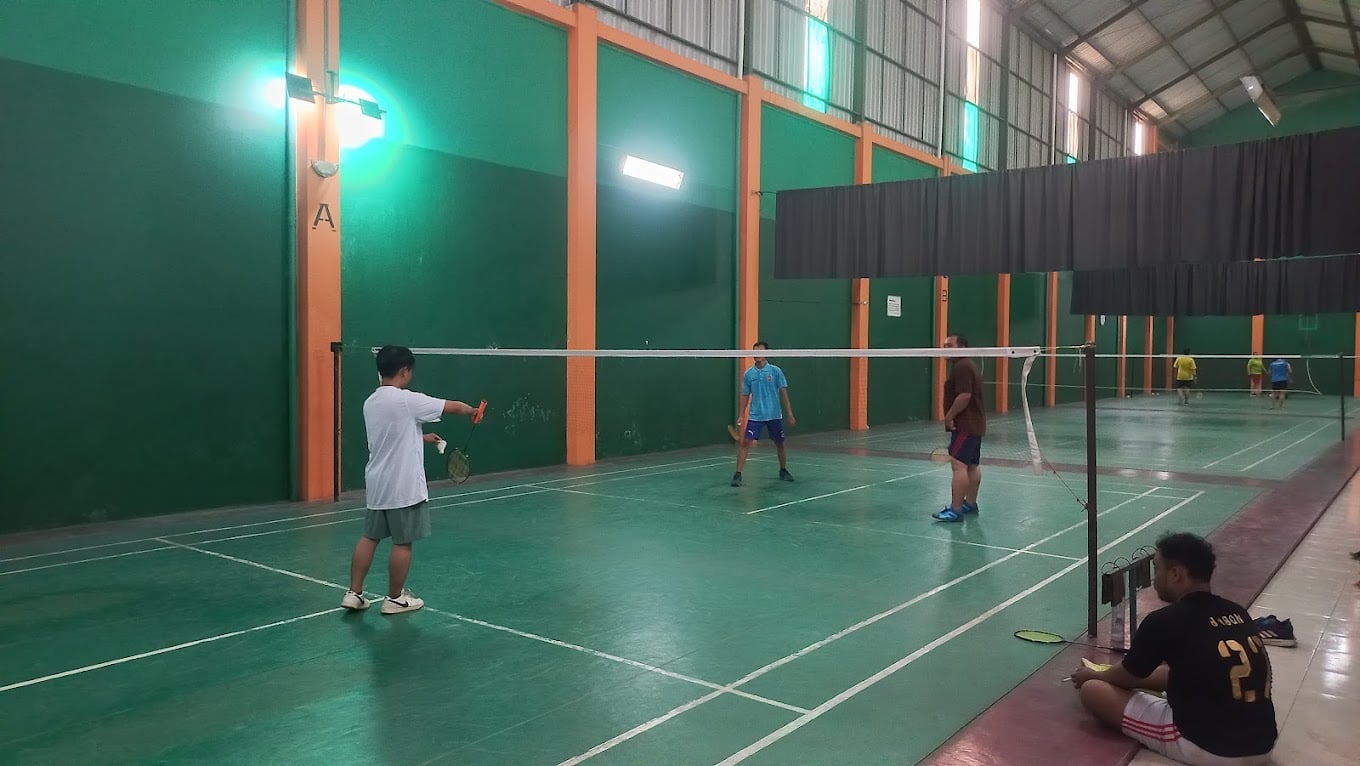
Different sporting demands require tailored therapy focus. Badminton players often suffer from shoulder strain due to repetitive striking motions, while runners typically require lower-body treatment as their muscles and joints face greater impact during training and competition. This specialized approach distinguishes sports massage from standard relaxation massage.
To maintain service quality, every therapist at Nakamura must complete one to three months of intensive training. During this period, they conduct in-depth studies of the body's meridian points to ensure all therapy adheres to established standard operating procedures.
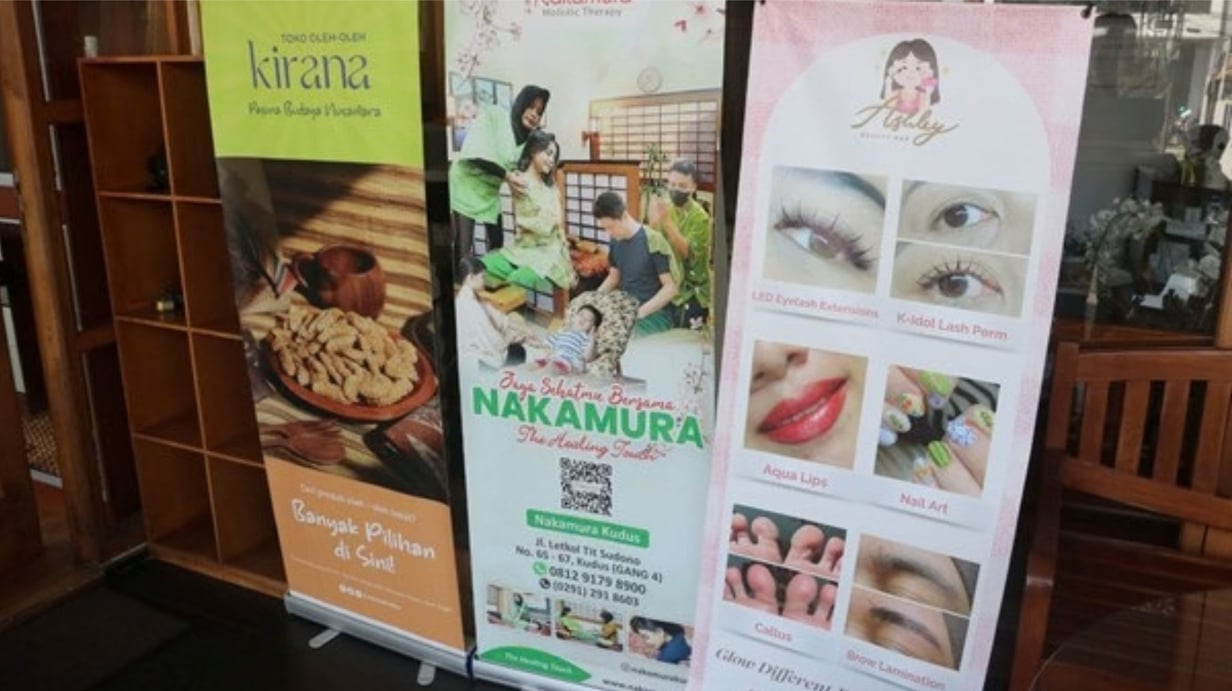
Services range from Japanese Seitai, which focuses on the shoulders and arms, Bubun Seitai for targeted areas such as the neck or shoulders, Mixed Treatment combining several techniques, to Full Body Therapy (TST). Treatment sessions last between 60 and 120 minutes, with regular, executive, and VIP room options available based on patient needs and privacy preferences. Prices range from IDR 110,000 to IDR 280,000, depending on the treatment type, duration, and room selection.
Standard room rates range from IDR 110,000 to IDR 200,000, while executive rooms are priced between IDR 185,000 and IDR 240,000. Private VIP rooms, which offer enhanced seclusion, range from IDR 220,000 to IDR 280,000. All services include necessary therapy supplies at no extra cost, and patients are served warm ginger tea following their session.
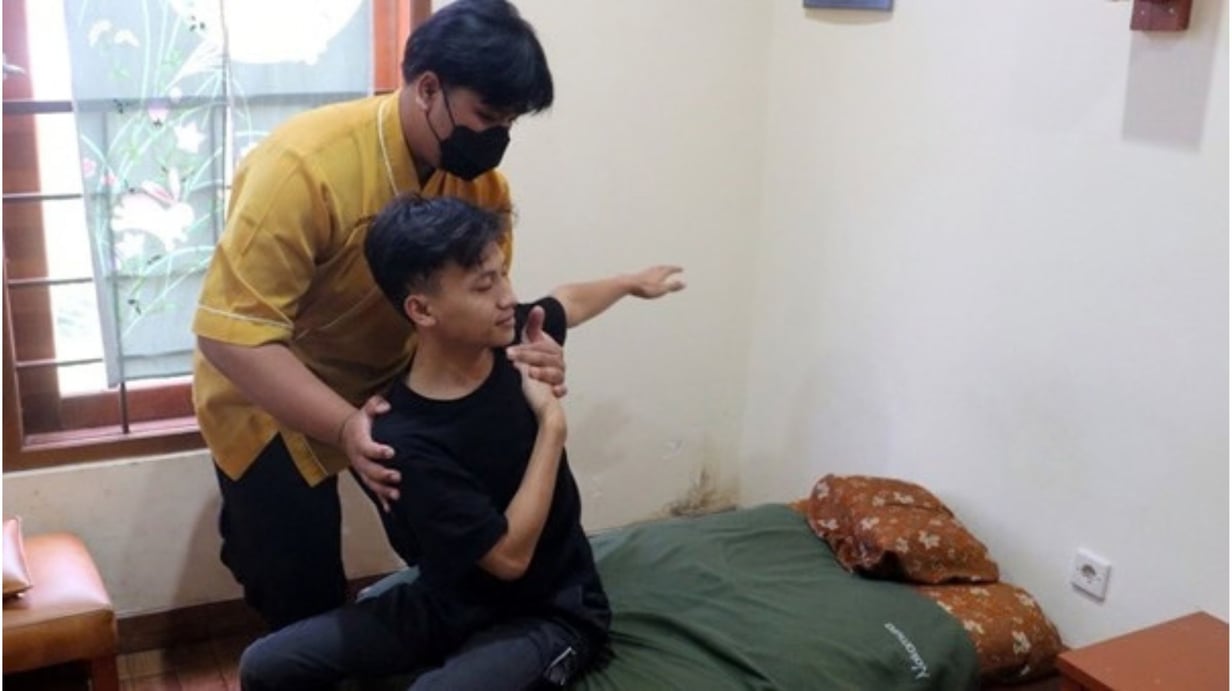
Amid growing demand for physical recovery, Riza cautioned that therapy is not an instant solution for all conditions.
Muscular injuries and impairments require a gradual recovery process. The duration of treatment depends on the patient's condition, the severity of symptoms, and adherence to prescribed therapy procedures. Consequently, athletes are advised against assuming that a single session will resolve all issues.
Therapy sessions typically last one to two hours, depending on the method employed. To maintain peak performance, athletes are encouraged to undergo regular maintenance therapy to minimize joint and muscle stiffness before they develop into more serious injuries.
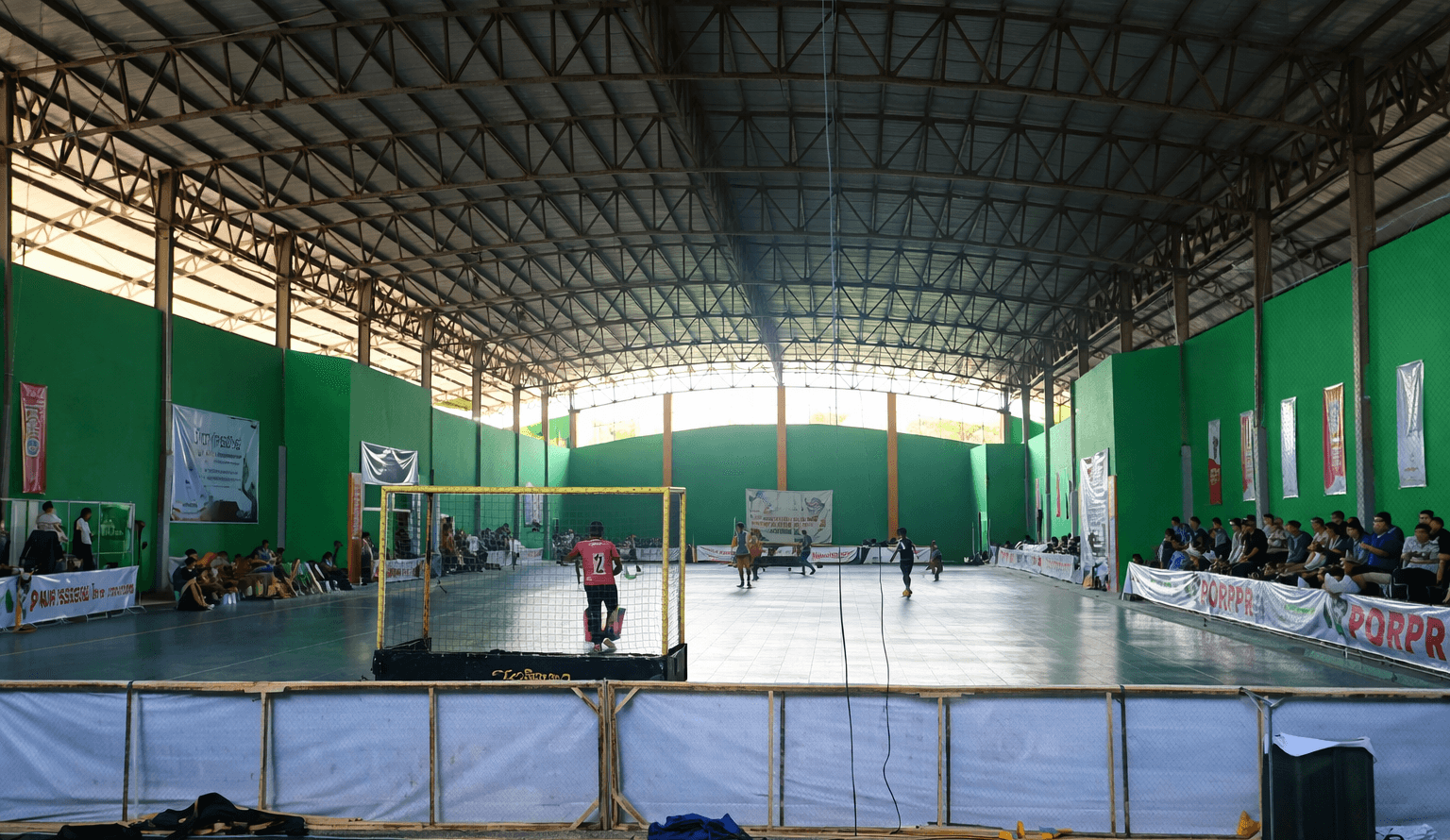
In recent times, Kudus has hosted various sports competitions, including a series of championships at the Supersoccer Arena. These events have contributed to an increase in visits to physical therapy services.
Riza noted that many athletes arrive following matches with similar complaints. Soccer players, for example, frequently report pain in their lower backs and legs due to the high-intensity running required during games.
This trend underscores that support services for sports must extend beyond the availability of playing fields. Accessible recovery facilities are vital to ensuring athletes can return to training or competition in optimal condition.
For Bilal Muhammad Firmansyah, a physiotherapist with four years of experience at Nakamura Kudus, the job entails more than just administering treatment.
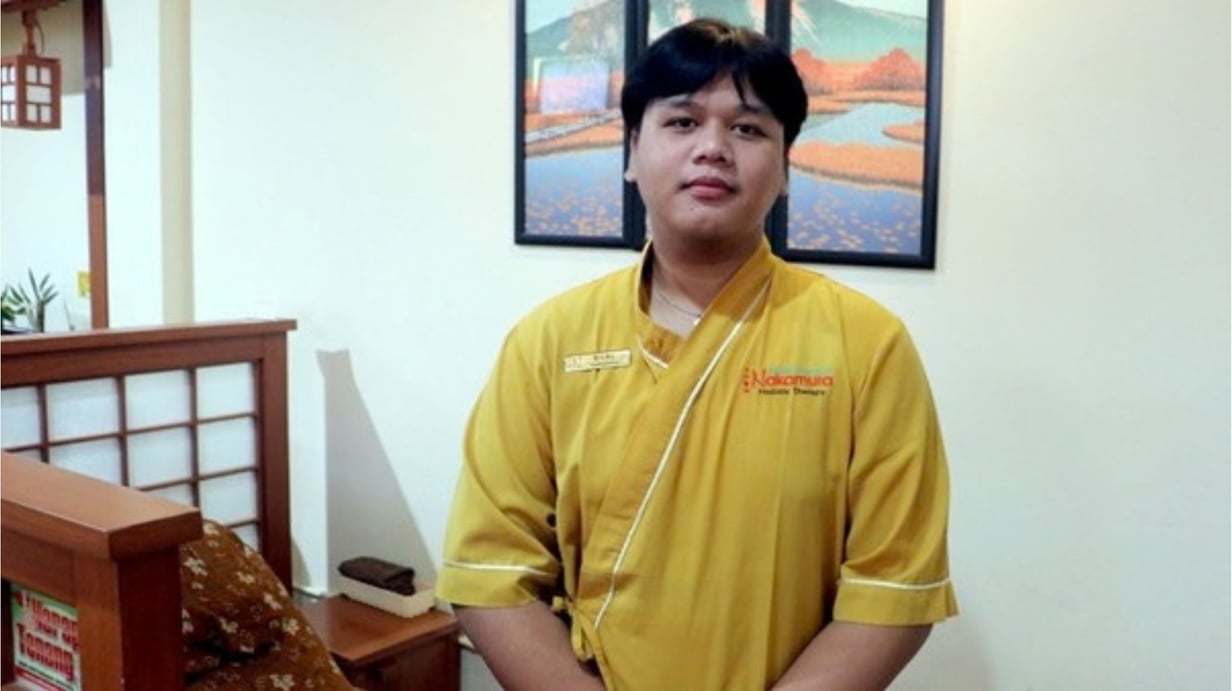
He sees patients from diverse backgrounds daily, ranging from athletes recovering after matches and fitness enthusiasts with training injuries to the general public suffering from musculoskeletal disorders.
According to Bilal, the recovery process is an inseparable component of athletic activity. High-intensity training places significant stress on muscles, and without adequate recovery time, the risk of injury increases.
In practice, greater attention is often paid to the body parts most central to an athlete's activity, such as wrists, feet, calves, knees, shoulders, and the lower back. These areas bear the most pressure during training and competition. Beyond therapy, he emphasized the importance of warming up and stretching as simple measures to reduce injury risk.
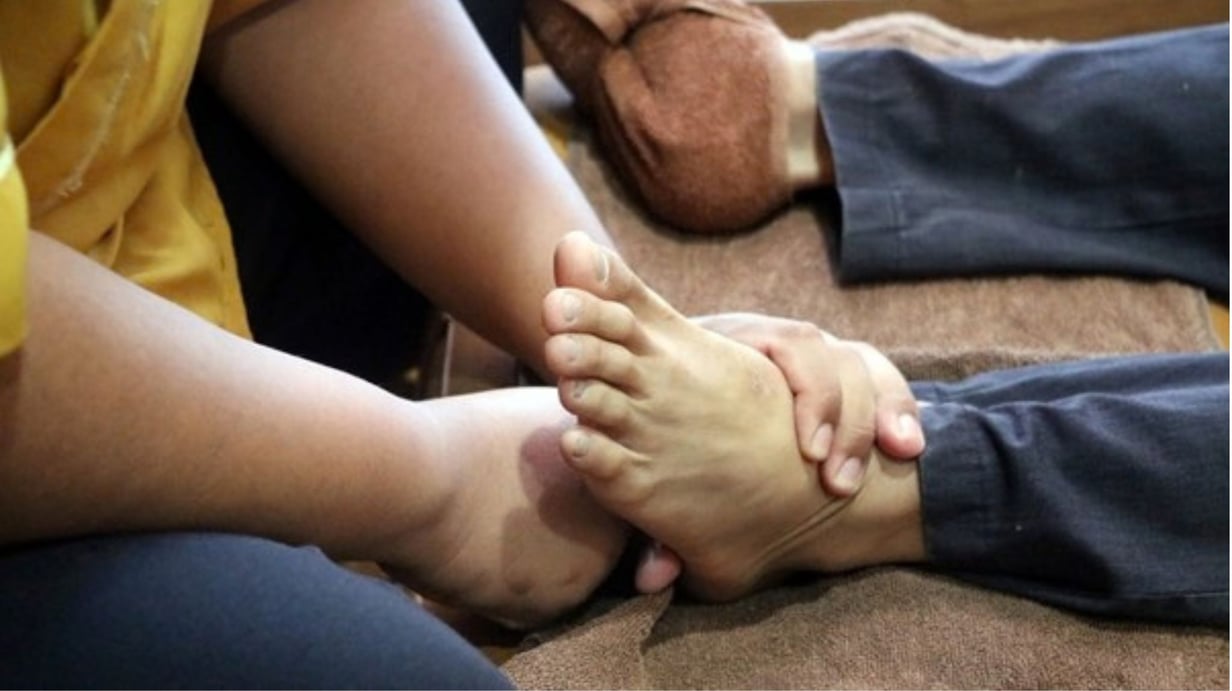
The benefits of therapy are not only highlighted by health professionals but are also directly experienced by the athletes themselves.
Amateur futsal player Mumu Muzayyan says he regularly undergoes therapy after matches to address chronic leg soreness. He discovered the service through online reviews and has been receiving consistent treatment for several months.
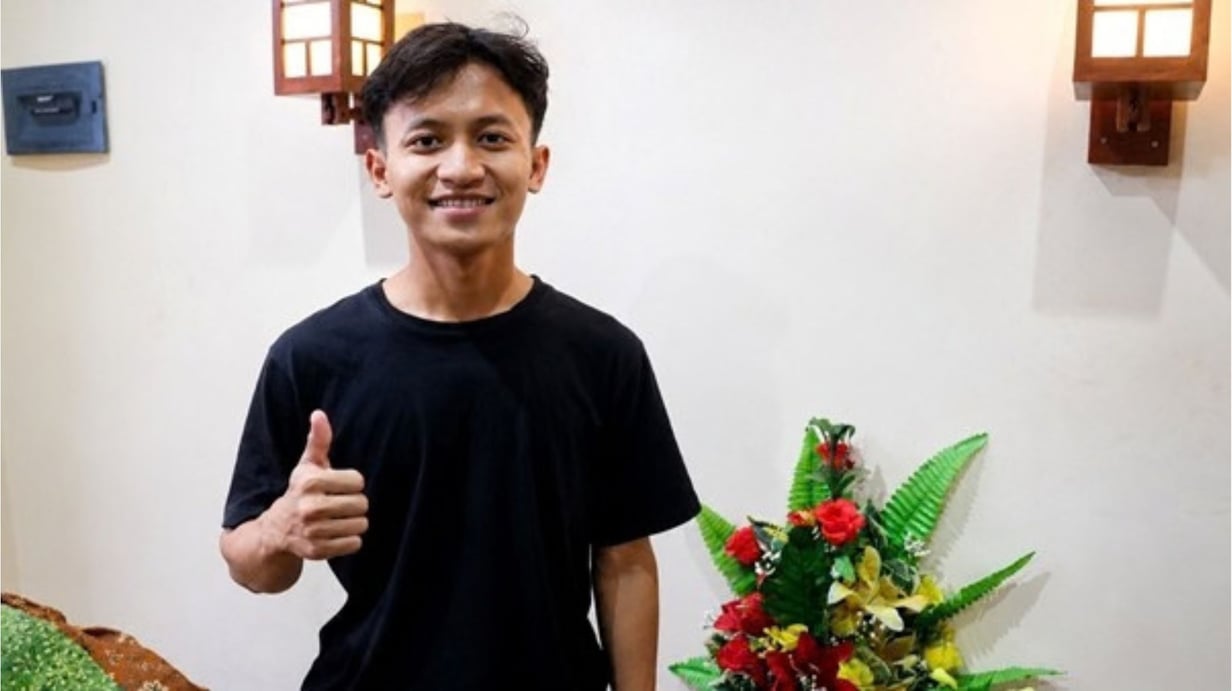
For him, the most noticeable change is not just the reduction in muscle soreness, but improved sleep quality following therapy. The treatment leaves his body more relaxed, leading to more restful sleep and allowing him to proceed with daily activities without significant disruption.
This experience has led him to incorporate recovery into his regular fitness routine, rather than seeking treatment only when injury or pain arises.
A similar sentiment is shared by Fitra Wibowo Kusuma, a coach for the Central Java contingent at the 2026 Junior National Archery Championship's MilkLife Archery Challenge held at the Supersoccer Arena in Kudus.
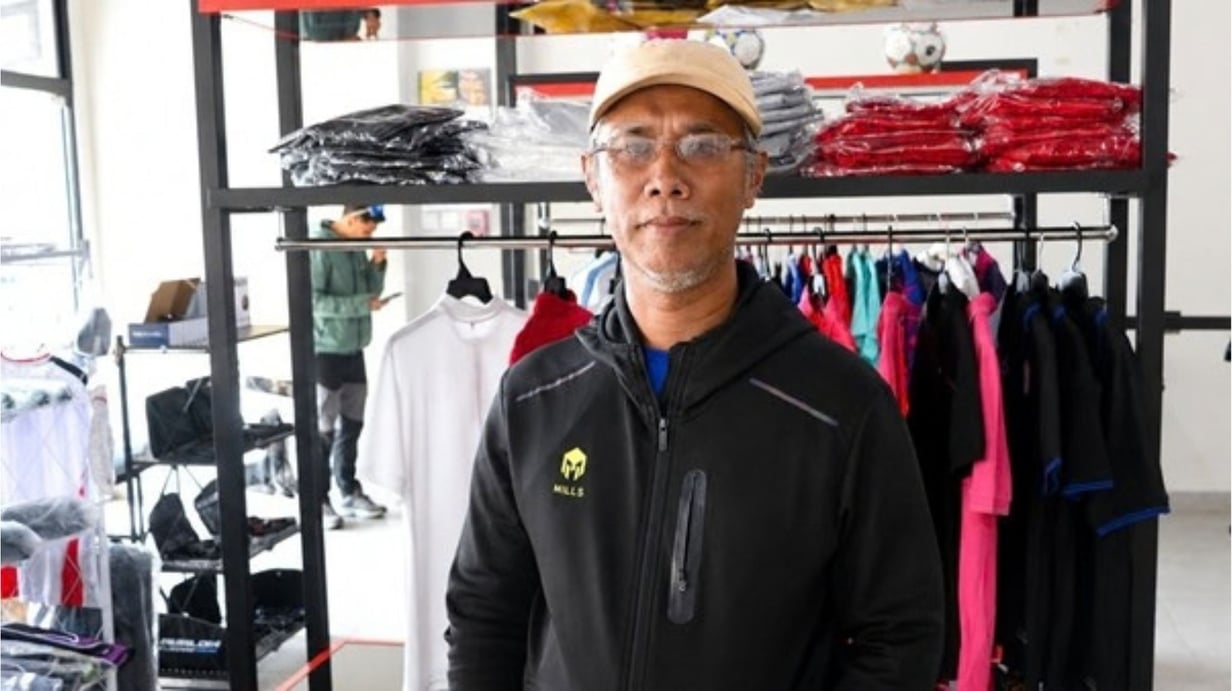
According to Fitra, every coach incorporates recovery into their training programs, utilizing methods such as cold water therapy, ice baths, swimming, or other techniques tailored to the athlete and the specific nature of their sport.
He emphasized that archery requires a different recovery approach compared to contact sports or those involving explosive movements. Archery engages specific muscle groups that require specialized care. Therefore, recovery methods must be carefully selected based on the specific physical demands of the athlete's training and competition.
For Fitra, neglecting the recovery phase increases the risk of injury, which can ultimately hinder an athlete's long-term performance.
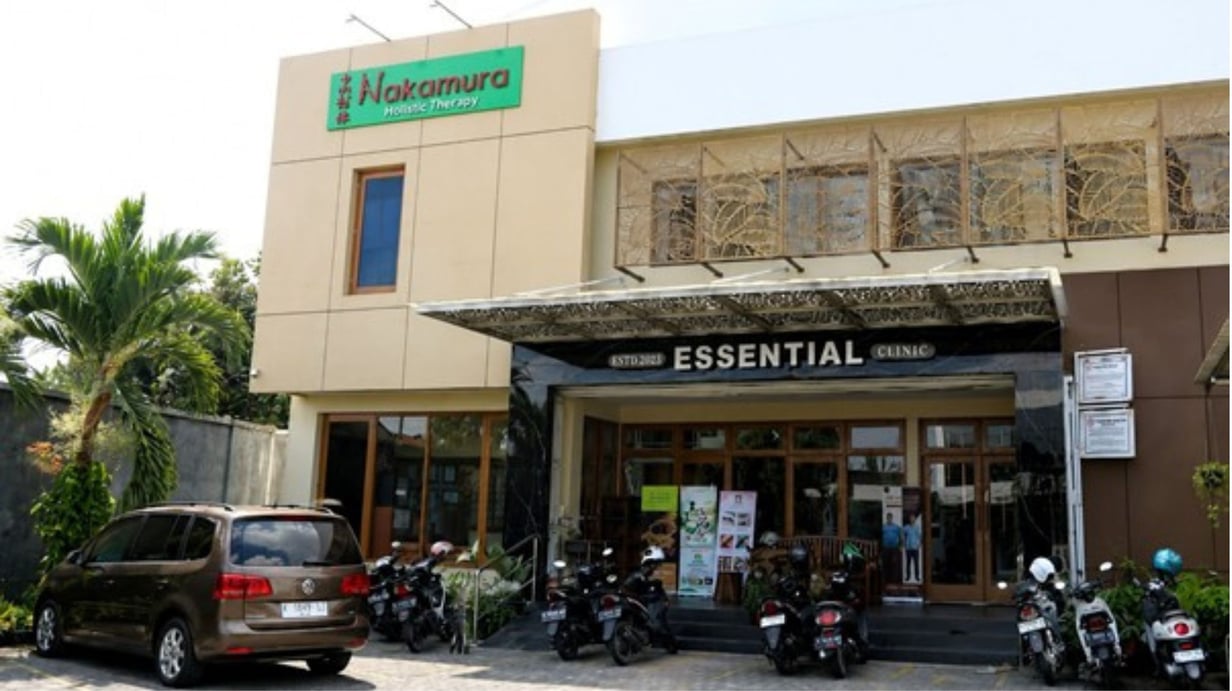
The growth of sports in Kudus extends beyond an increase in the number of championships. Behind every match, a support ecosystem for athletes is gradually emerging, ranging from training grounds and competition facilities to physical recovery services.
Therapy is no longer viewed as a mere post-match luxury, but as an essential component of sustaining peak performance. When training, competition, and recovery are integrated, athletes are better prepared to return to the arena and face their next challenge.
Amidst this flourishing sports landscape, the rising emphasis on recovery serves as a reminder that athletic success is not built solely through training or competition. It also stems from the body's ability to recover, adapt, and prepare for the next performance. (JMY/DN/HNR/mainkekudus)