Jl. Mayor Kusmanto, Rendeng, Kec. Kota Kudus, Kabupaten Kudus, Jawa Tengah 59311, Indonesia
These comprehensive facilities ensure that the Supersoccer Arena is capable of accommodating both championship events and ongoing sports development activities year-round.
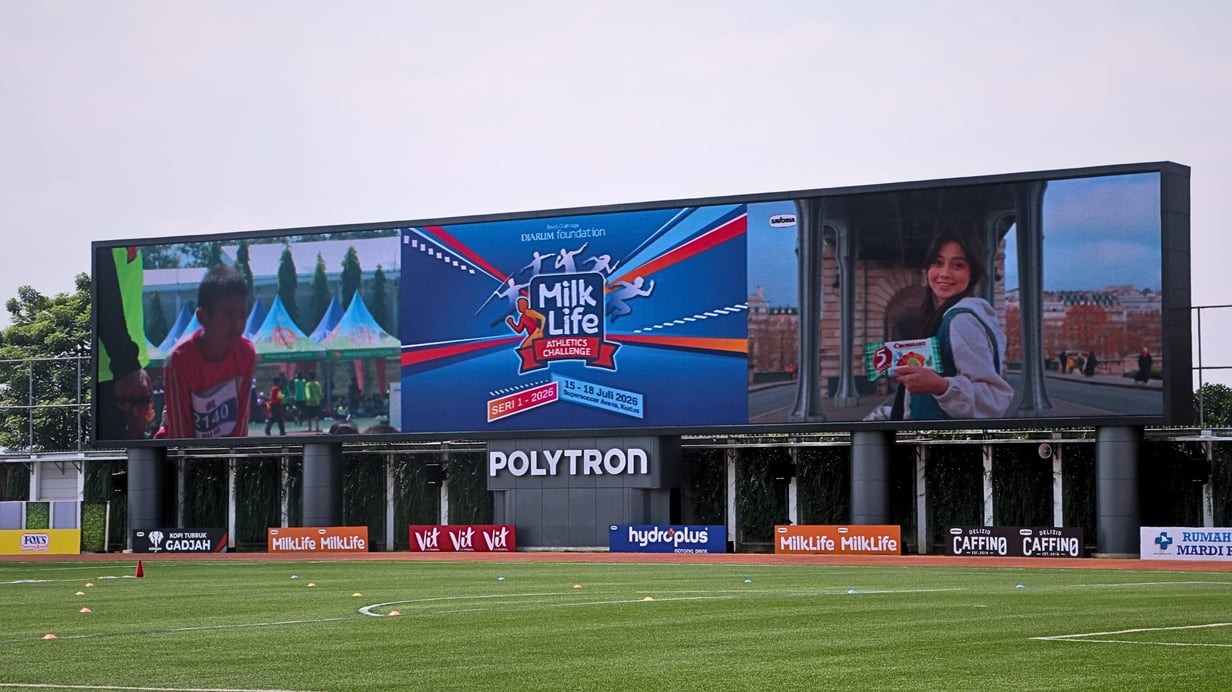
One of the most recognizable features at Supersoccer Arena is the massive videotron installed within the stadium. Beyond serving as a digital scoreboard, the screen displays match information, team lineups, replays of key moments, and various updates for spectators.
The videotron has been recognized by the Indonesian World Record Museum (MURI) as the longest videotron in an Indonesian sports stadium. Verification confirms the screen measures approximately 46.8 meters in length and 7.68 meters in height.
This technology is part of ongoing facility upgrades designed to enhance the experience for athletes, spectators, and event organizers. In addition to the main stadium screen, the Supersoccer Arena complex is equipped with several other digital displays to assist in broadcasting information during competitions.
The presence of the videotron not only facilitates match operations but also reinforces the stadium's role as a modern sports arena capable of hosting national-scale championships.
Facility improvements at Supersoccer Arena continue to progress in line with the increasing number of competitions held in Kudus. Among the latest developments is the completion of four Field of Play (FOP) lighting units, which now outfit the stadium.
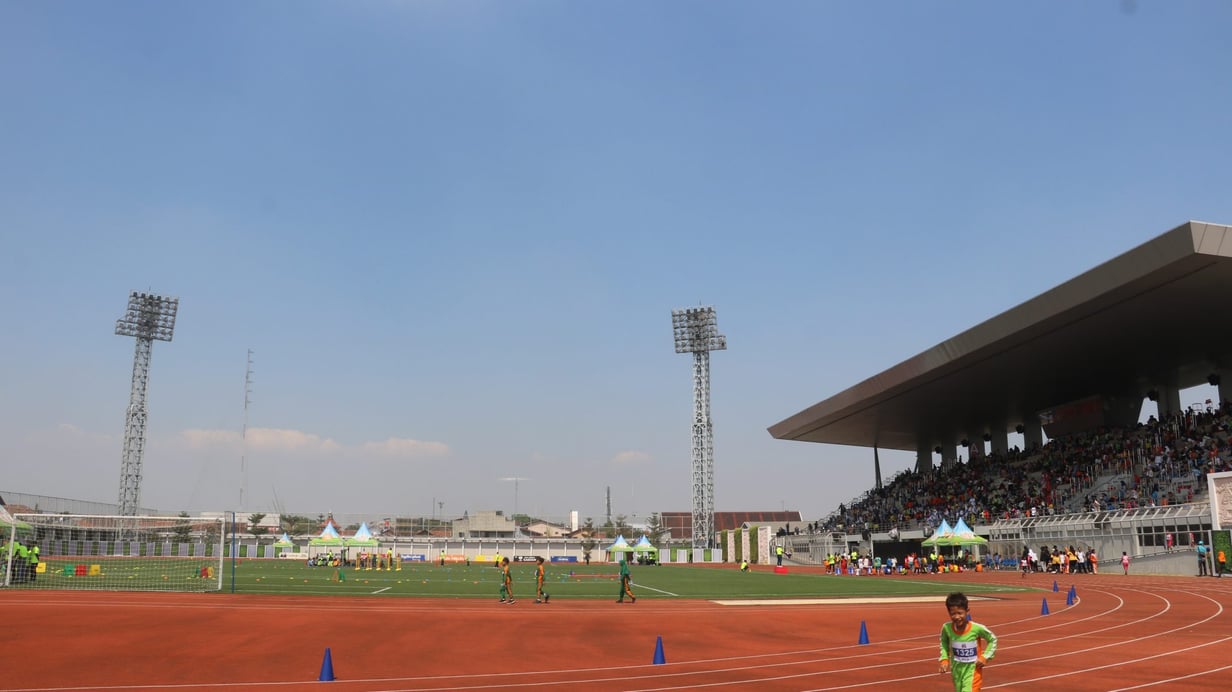
This new lighting system expands the capacity of Supersoccer Arena to host night matches. The facility will be utilized during the Srikandi Merdeka Cup 2026, a U-16 girls' soccer tournament that is part of the Women’s Soccer Trilogy series. The championship will be held at Supersoccer Arena from August 14–23, 2026, featuring teams from seven nations: host Indonesia, Thailand, Singapore, Malaysia, Hong Kong, Jordan, and Saudi Arabia.
The addition of these facilities allows for greater flexibility in scheduling matches and training sessions, while ensuring the comfort of athletes, match officials, and spectators during evening events.
These improvements are part of ongoing infrastructure developments at Supersoccer Arena, continuously adapted to meet the demands of sports competitions. The stadium lighting system is designed to provide an intensity of up to 1,800 lux to support matches and other activities requiring optimal illumination.
In addition to installing the stadium lights, management has also refined several support facilities, including the media area, player transit rooms, stadium access paths, and various operational requirements to ensure the smooth execution of competitions.
Beyond the available facilities, Supersoccer Arena was built with a purpose greater than merely being a match venue. The arena serves as part of an effort to provide a sports development space that can be utilized sustainably by young athletes.
Supersoccer Arena manager, Welly Arisanto, stated that the primary vision behind the construction of Supersoccer Arena is to support the advancement of Indonesian sports through consistent athlete development. The facility focuses on various sports, including badminton, women’s football, athletics, and archery.
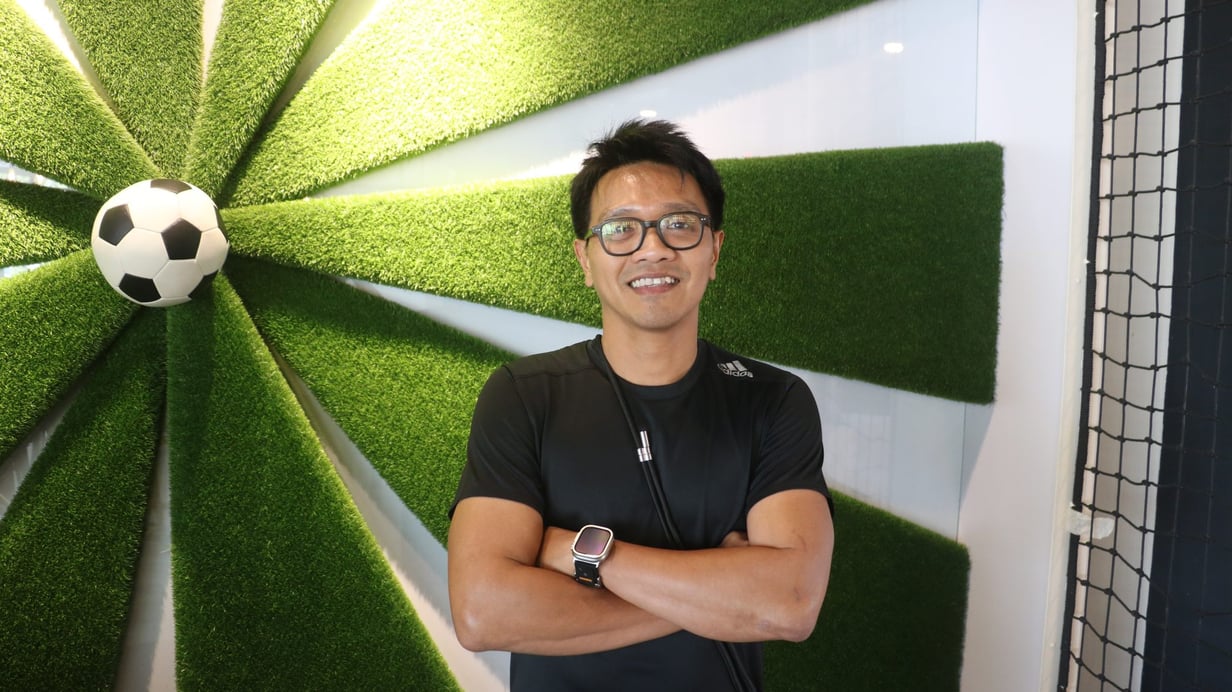
"We have developed specific programs for these sports, including badminton, women's football, athletics, and archery," he said on Wednesday (July 15, 2026).
According to Welly, sports facilities cannot provide optimal impact without sustainable development programs. Consequently, hosting various competitions is a key part of the process to provide match experience and evaluate athletes' progress.
He explained that the construction of Supersoccer Arena is part of the Bakti Olahraga Djarum Foundation’s commitment to providing long-term training spaces. The hope is that athletes undergoing this training will have the opportunity to grow and eventually compete at higher levels.
"SSA was built to promote sports in Kudus on a global scale. Djarum Foundation President Director, Mr. Victor Hartono, envisions increasing Indonesia's international recognition. Badminton has proven this, and we hope women's football can follow in those footsteps and reach the world stage," he added.
For Welly, the success of talent development is not merely measured by winning tournaments. More importantly, it is about providing a space for athletes to evolve through a continuous, structured program.
Welly noted that one clear sign of progress is the rising participation in women's football. In recent years, more female students have joined football schools and participated in tiered competitions.
This process begins with school-age competitions like the MilkLife Soccer Challenge. From there, players have the opportunity to advance to higher levels through the HYDROPLUS Soccer League All Stars, allowing them to gain match experience as their skills improve.
"The impact is clear; there is growing enthusiasm for women’s football. It was once considered niche, but after three years, the results are starting to show. Female students are actively participating, and the development is tiered, from the MilkLife Soccer Challenge to the HYDROPLUS Soccer League All Stars. This means more are joining football schools," he explained.
He believes that regular competition allows athletes to face opponents from various regions, which is an essential part of the learning process as every match presents unique challenges.
This commitment, Welly stated, will be maintained through consistent development in the sports that are the focus of the Bakti Olahraga Djarum Foundation.
"The Bakti Olahraga Djarum Foundation will continue to nurture the designated sports, including badminton, women's football, athletics, and archery. We must not allow this development to lapse, as consistency is the key," he emphasized.
The training atmosphere at Supersoccer Arena has been directly felt by local athletes. Among them is Irgi Candra Pranata, who has participated in several competitions at the venue.
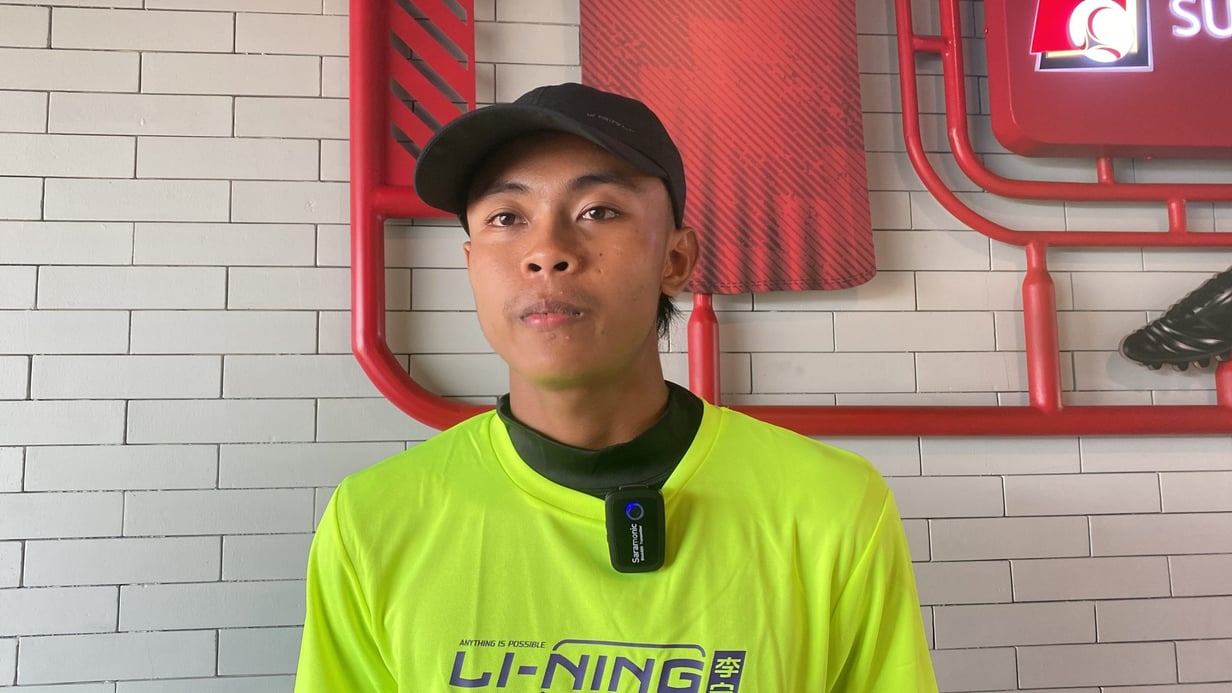
Irgi first experienced the atmosphere of Supersoccer Arena in November of last year. For him, competing in a stadium with national-standard facilities offers a distinct experience compared to other venues he has visited.
"The most memorable aspect is being able to meet clubs from other regions. The field is excellent and meets national standards. I also train here often, between eight to twelve times a week. In my opinion, the venue is superior to others; the track is in great condition and it is close to home," he said.
Beyond the facility's quality, Irgi believes the opportunity to meet athletes from various regions is equally important. Each competition allows him to observe the skills of others, learn new techniques, and measure his own progress after training.
Irgi, who won a national championship last year, noted that competing at venues like Supersoccer Arena boosts his motivation to continue improving for future tournaments.
For him, every match is not just about the final result, but also an opportunity to learn how to handle pressure, build self-confidence, and adapt to high-stakes competitive environments.
The existence of Supersoccer Arena has also garnered support from the Kudus Regency Government. Widoro Heryanto, Head of the Sports Division at the Kudus Department of Education, Youth, and Sports (Disdikpora), stated that the region has maintained a youth athlete development program through its Special Sports Class (KKO) since 2009.
The program provides a platform for students to develop their athletic potential without sacrificing their formal education. Since its inception, the KKO has produced numerous high-achieving athletes across various levels of competition.
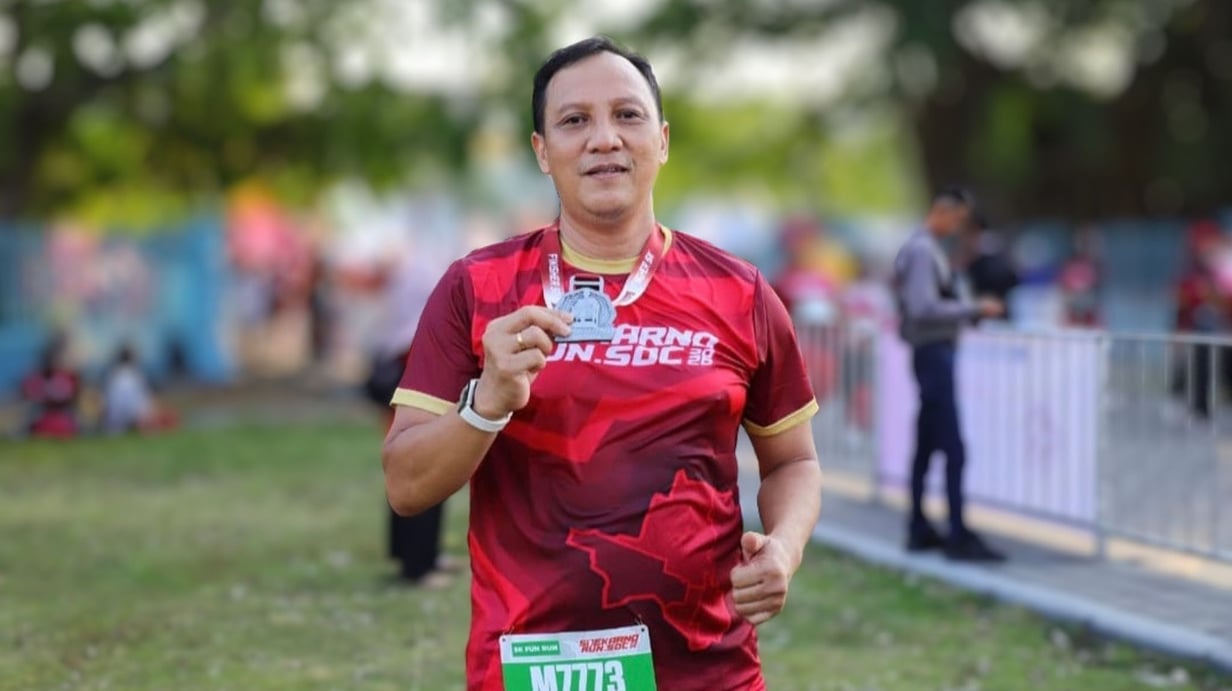
"Kudus is seriously committed to developing sports. One example is the KKO program, which has served as a center for nurturing young athletes since 2009. The KKO classes have achieved numerous successes, ranging from the district level to international competition. We hope this initiative will continue to produce high-achieving athletes who compete not only locally, but also nationally and internationally," he stated.
According to Widoro, the Supersoccer Arena strengthens the existing development system by serving as a central hub where athletes from various regions gather to compete.
"The benefits of the SSA are significant because it hosts athletes from across different regions. Athletes can learn from one another, exchange experiences, and grow together. The SSA serves as a pipeline for emerging talent and a venue to identify the best athletes. It is an excellent initiative as it is open to all," he added.
He noted that inter-regional competition provides learning opportunities that are not always available during local training. Through these events, athletes gain experience by observing different training techniques, playing styles, and opponent strengths, allowing them to continuously develop their skills.
The existence of the Supersoccer Arena does more than foster athletic talent; it also creates a significant economic impact in Kudus Regency. Each championship draws thousands of people, including athletes, coaches, officials, parents, and supporters.
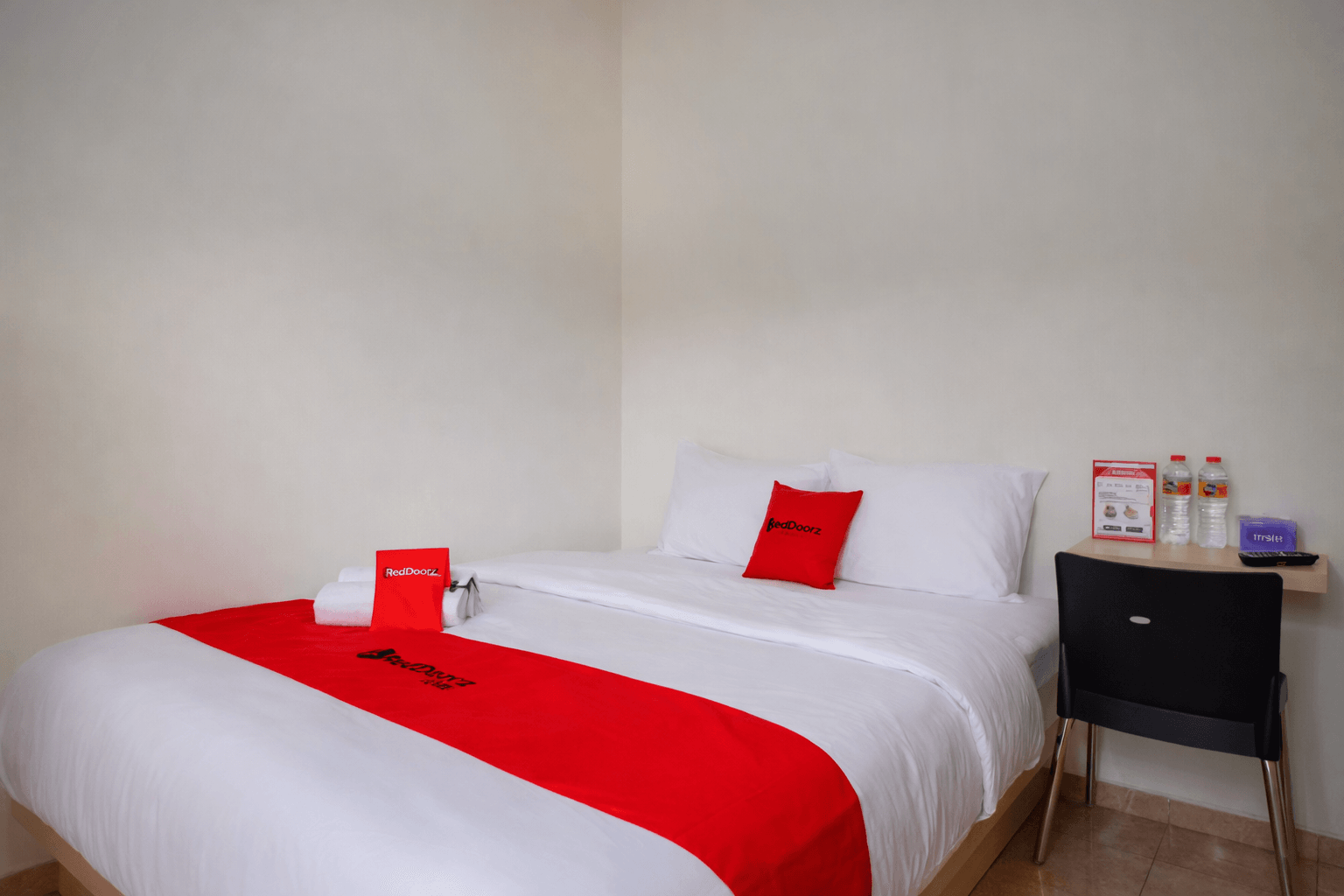
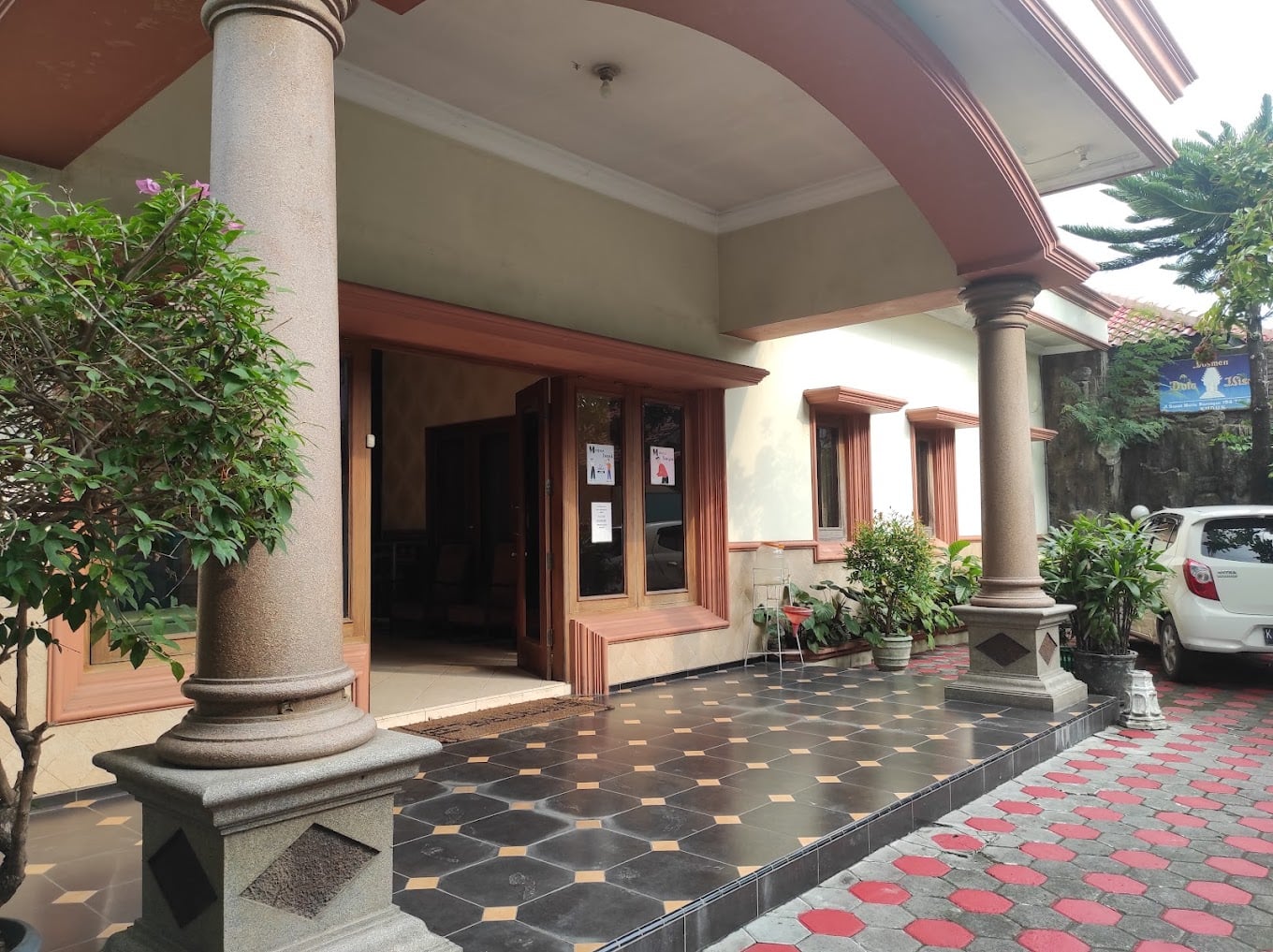
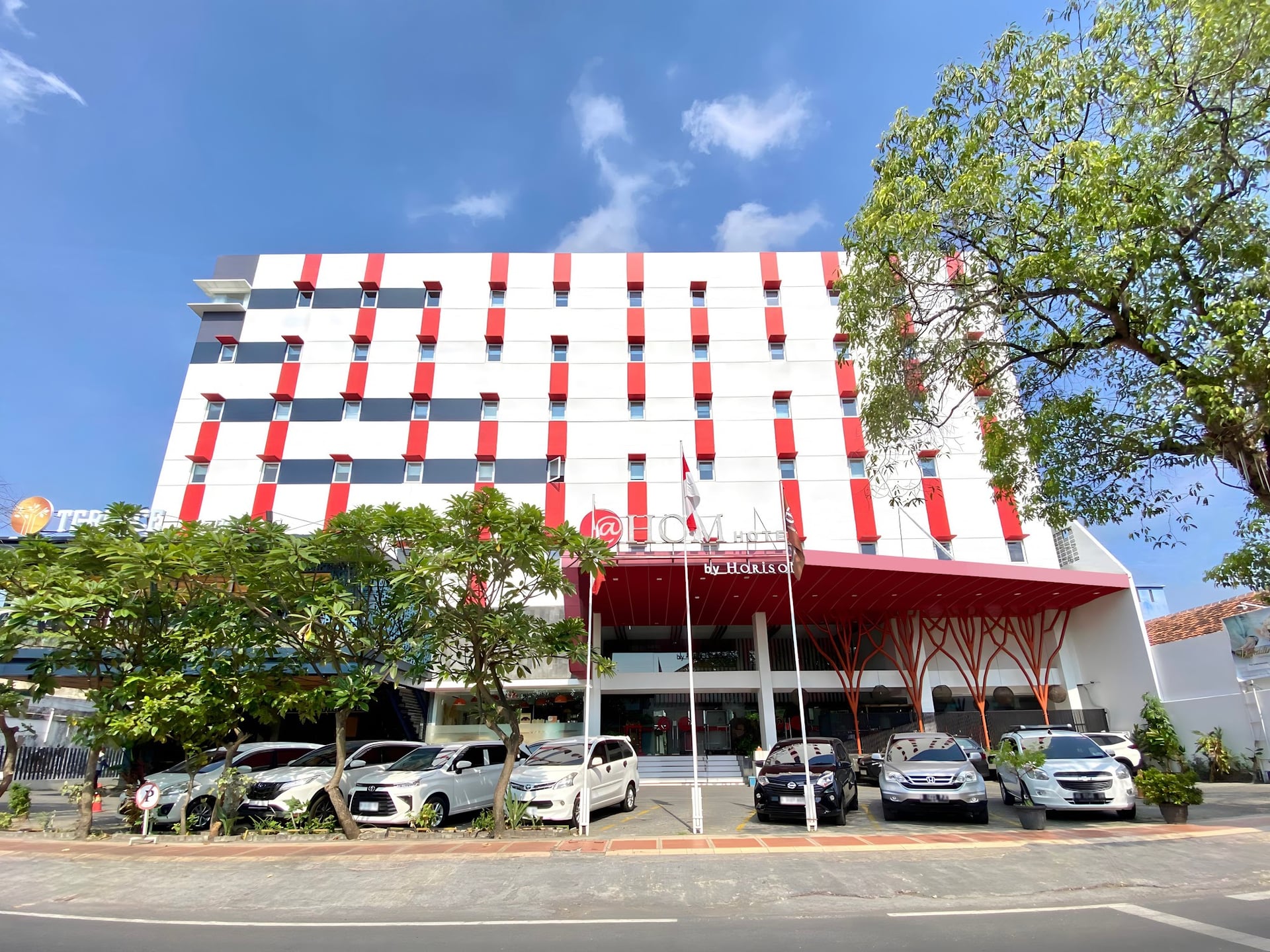
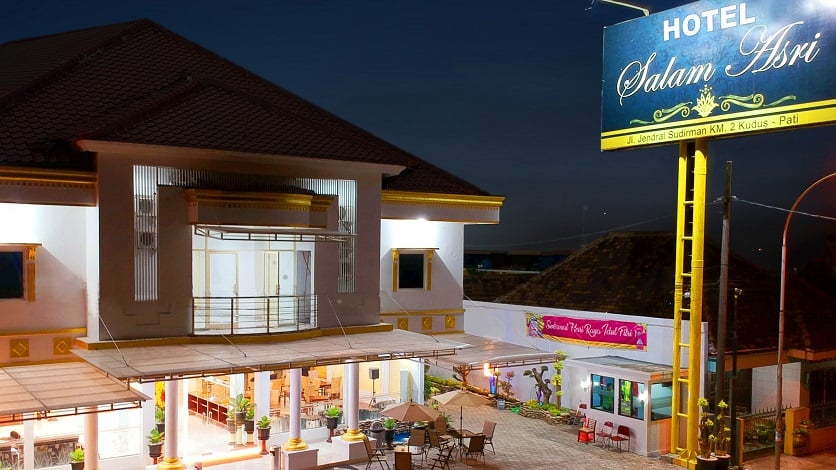
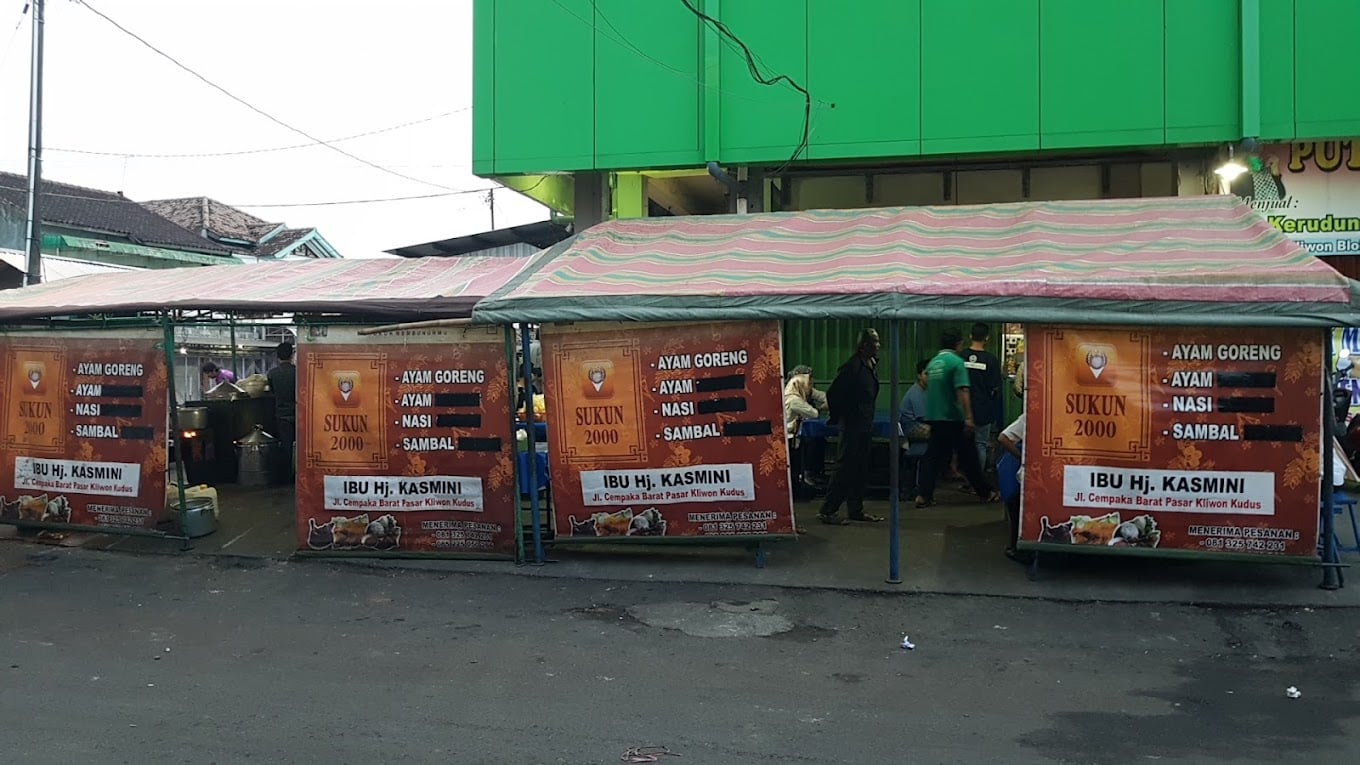
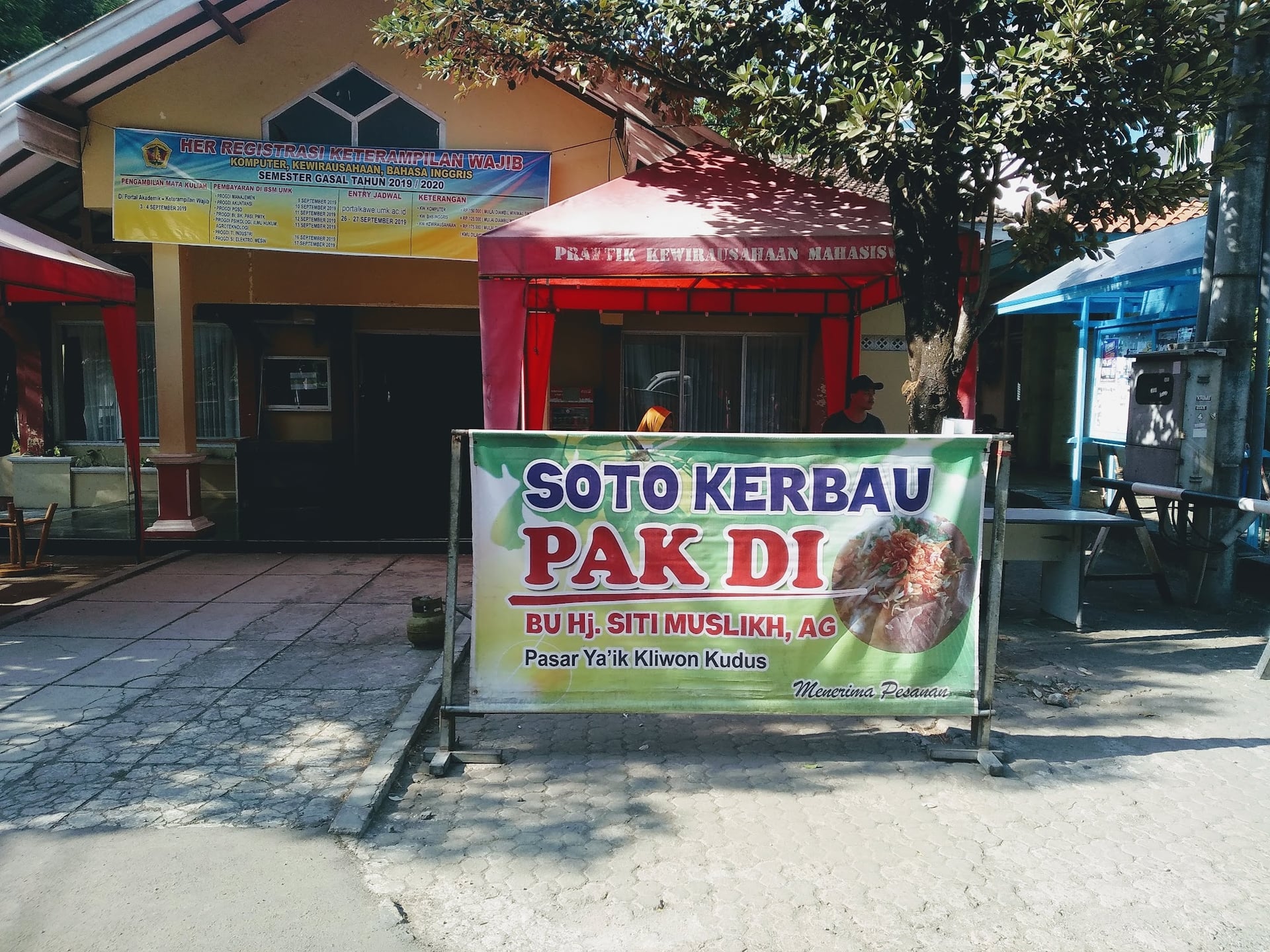
Their presence stimulates various sectors. Hotels and homestays provide lodging for participants throughout the competition. Local businesses, restaurants, culinary centers, and souvenir shops also see increased foot traffic as visitors take time outside of matches to explore the city.
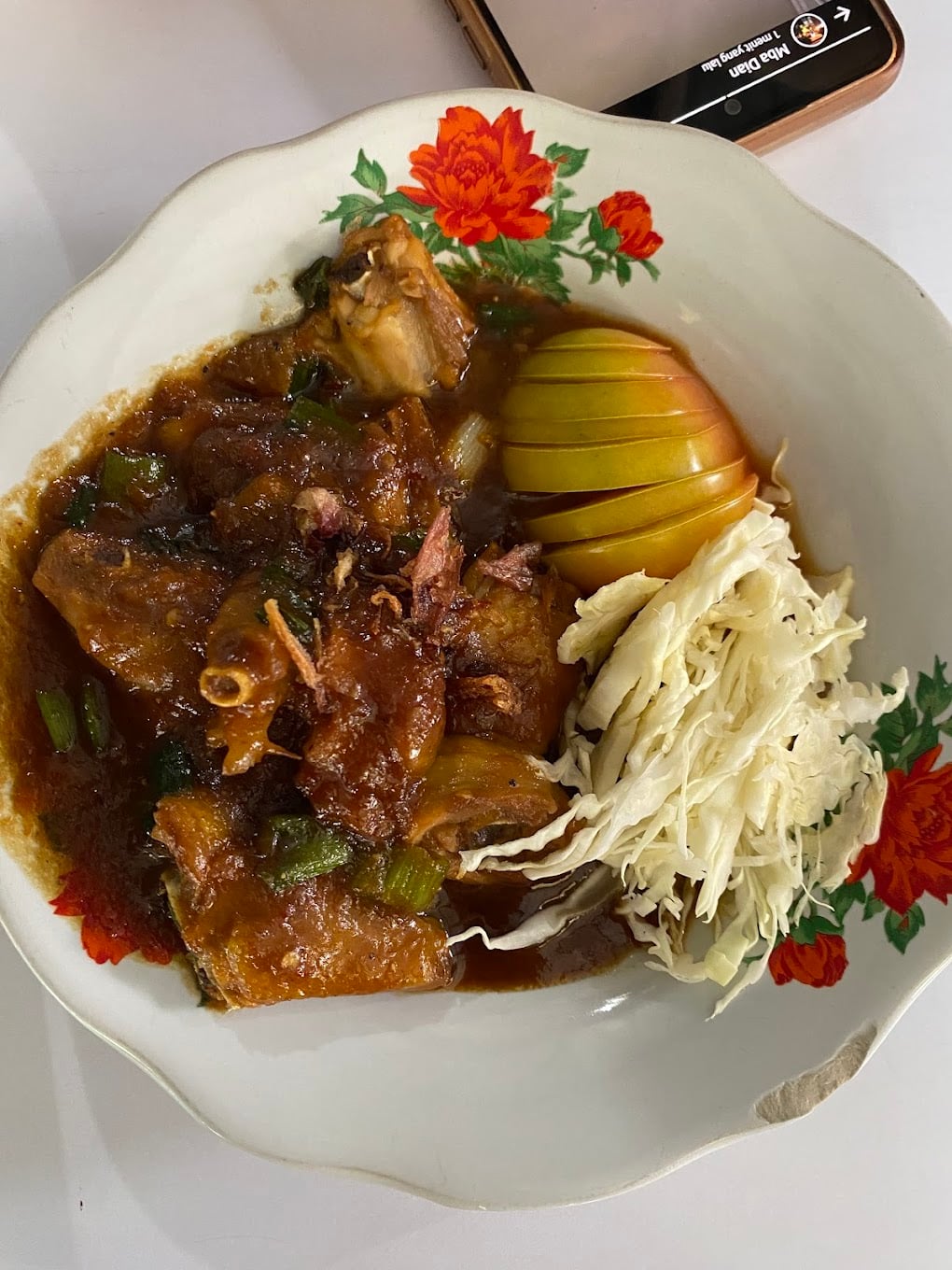
For many families, tournament attendance is about more than just watching the games. They often take the opportunity to visit local tourist attractions, sample Kudus' culinary specialties, and purchase souvenirs as part of their experience in the city.
Widoro Heryanto, Head of the Sports Division at the Kudus Education, Youth, and Sports Office (Disdikpora), stated that hosting sports championships offers benefits that extend far beyond the playing field.
"When visiting athletes arrive at the SSA, their parents and supporters follow. They stay in our hotels, enjoy local cuisine, visit tourist spots, and buy souvenirs. The impact on sports tourism and the local economy is profound," he explained.
According to Widoro, these activities demonstrate how sports and other sectors can thrive together. Multi-day competitions give guests an opportunity to get to know Kudus better, while local businesses benefit from increased patronage during the events.
In recent years, the sports agenda at the Supersoccer Arena has increasingly placed Kudus on the travel itineraries of athletes and sports communities from various regions. They arrive not only to compete but also to bring family and friends, all of whom contribute to the city's vibrant atmosphere during tournaments.
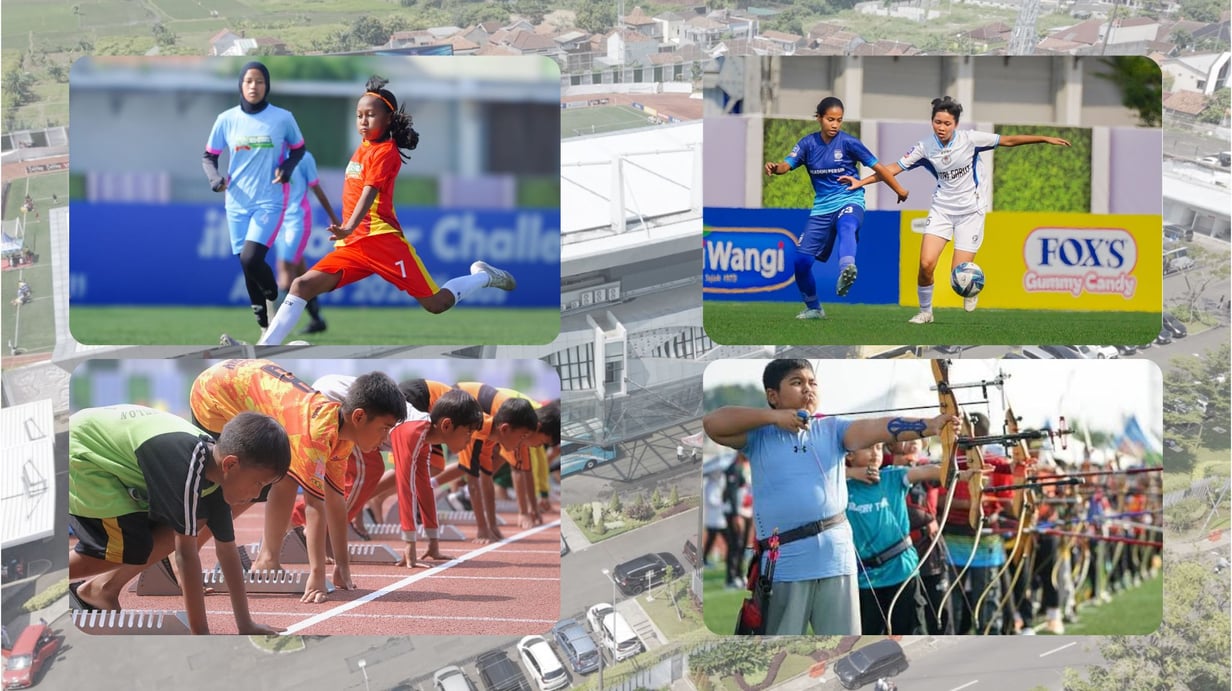
Behind every match at the Supersoccer Arena lies a rigorous process for the athletes involved. For some, the competition serves as their debut on a national-standard field, while for others, it provides a benchmark to assess their progress after months of dedicated training.
The Supersoccer Arena provides a centralized hub that brings together young athletes from diverse backgrounds. Despite varying sports, team affiliations, and personal goals, all participants are afforded equal opportunities to grow through structured training and competition.
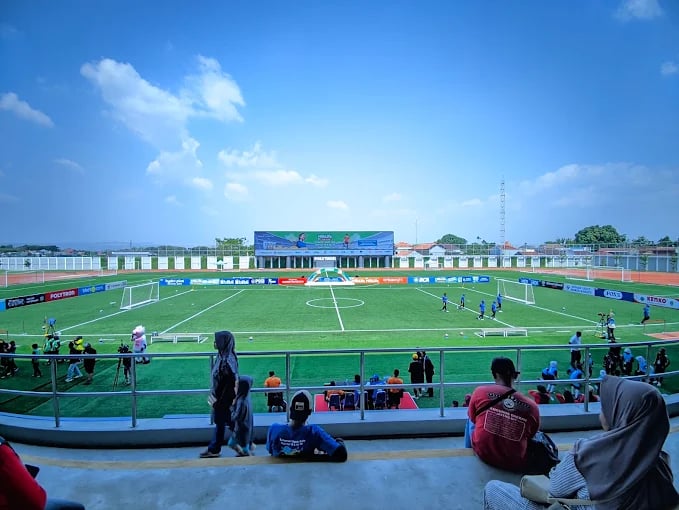
The facility’s continuous development supports these efforts, featuring a FIFA-standard pitch, certified athletic track, grandstands, a MURI record-holding videotron, and stadium-grade lighting for night matches—all integral to both athlete development and competition hosting.
For the athletes, these facilities are more than just infrastructure; every practice session, track, field, and match contributes to building the technical skills, mental fortitude, and confidence required for higher levels of play.
While not every athlete competing at the Supersoccer Arena will immediately ascend to champion status or follow the same career trajectory, every opportunity to train, compete, face regional rivals, and navigate the realities of victory and defeat serves as a vital foundation for their athletic journey.
As development remains sustainable and facilities evolve to meet modern sports standards, the Supersoccer Arena in Kudus will continue to serve as a venue for thousands of young Indonesian athletes to hone their skills, gain experience, and advance toward more competitive levels. (ITN/mainkekudus)