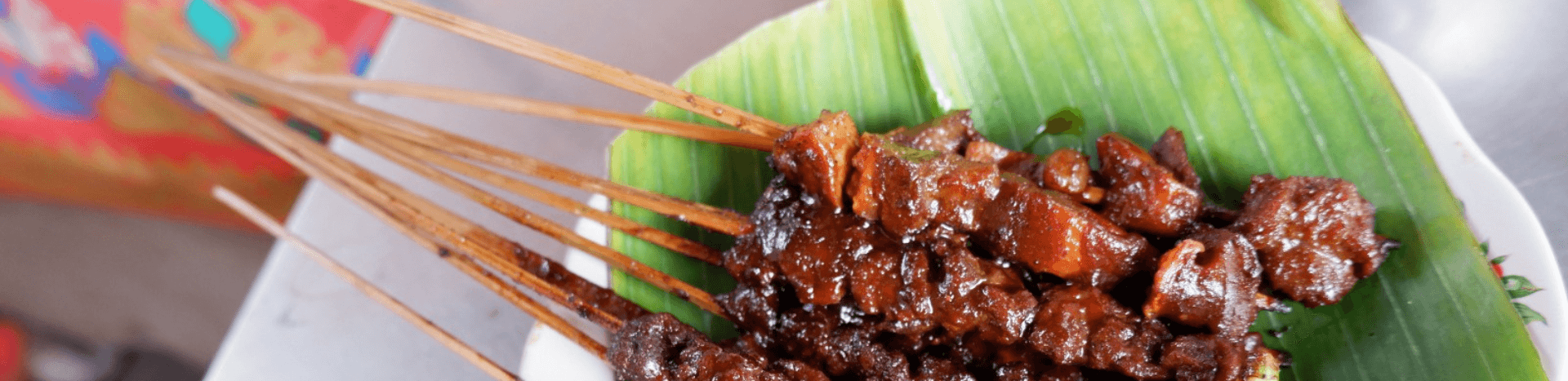
KUDUS – Lunchtime provides a perfect opportunity to explore the local culinary landscape. In Kudus, buffalo satay stands out as a must-try dish for travelers seeking a taste of local history and cultural tradition.
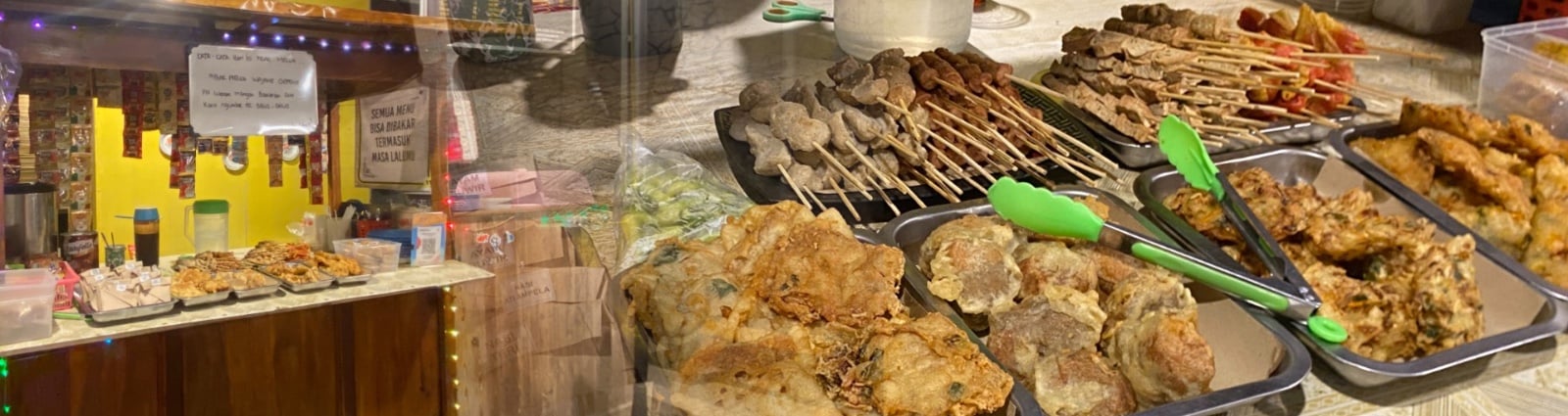
One notable spot serving this local specialty is Bambang Sutomo’s buffalo satay stall, located on Jalan Jenderal Sudirman, just north of Pasar Kliwon, Kudus. The stall is situated along a main road, where the cooking process takes place right in front of the serving counter.
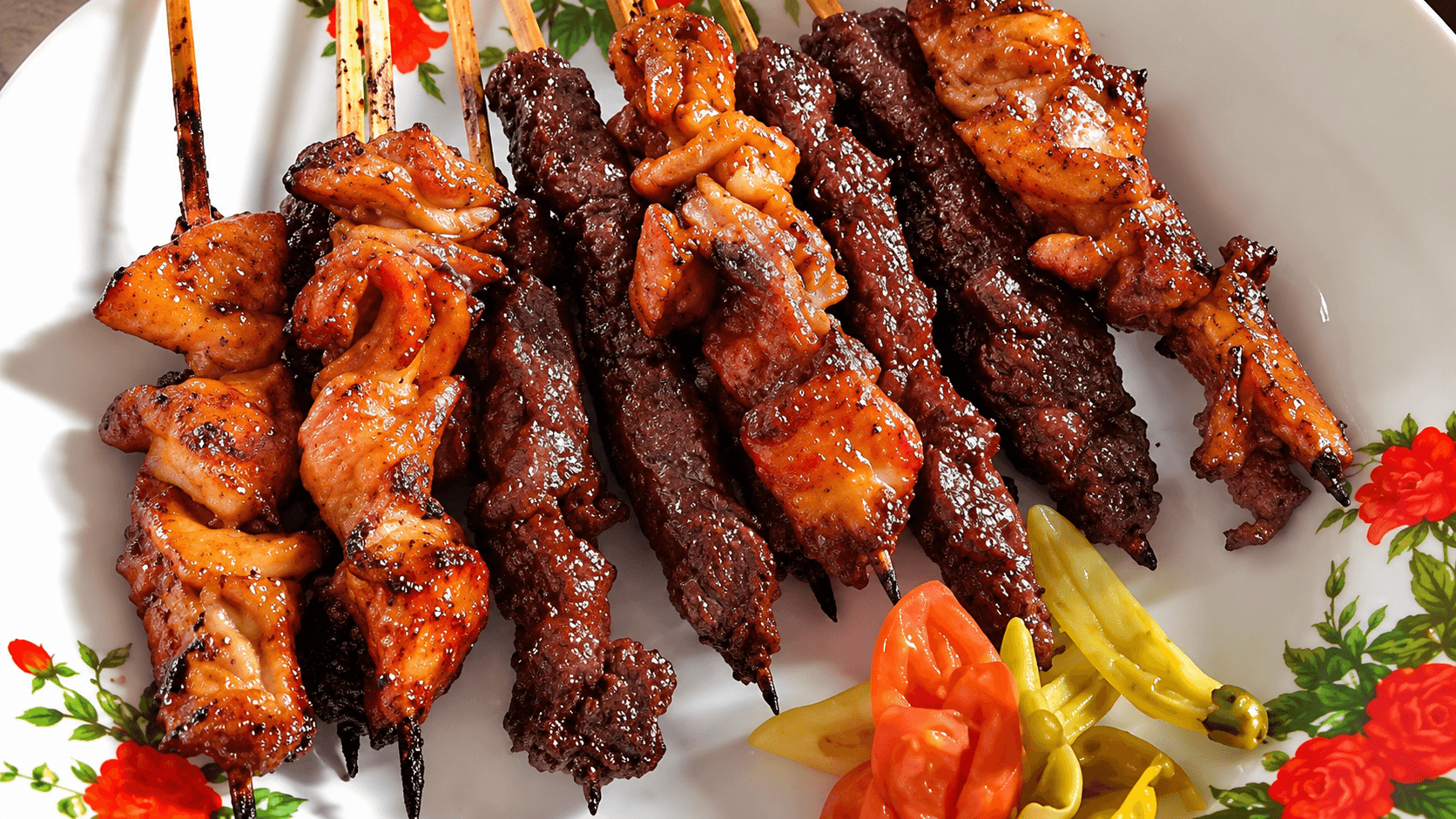
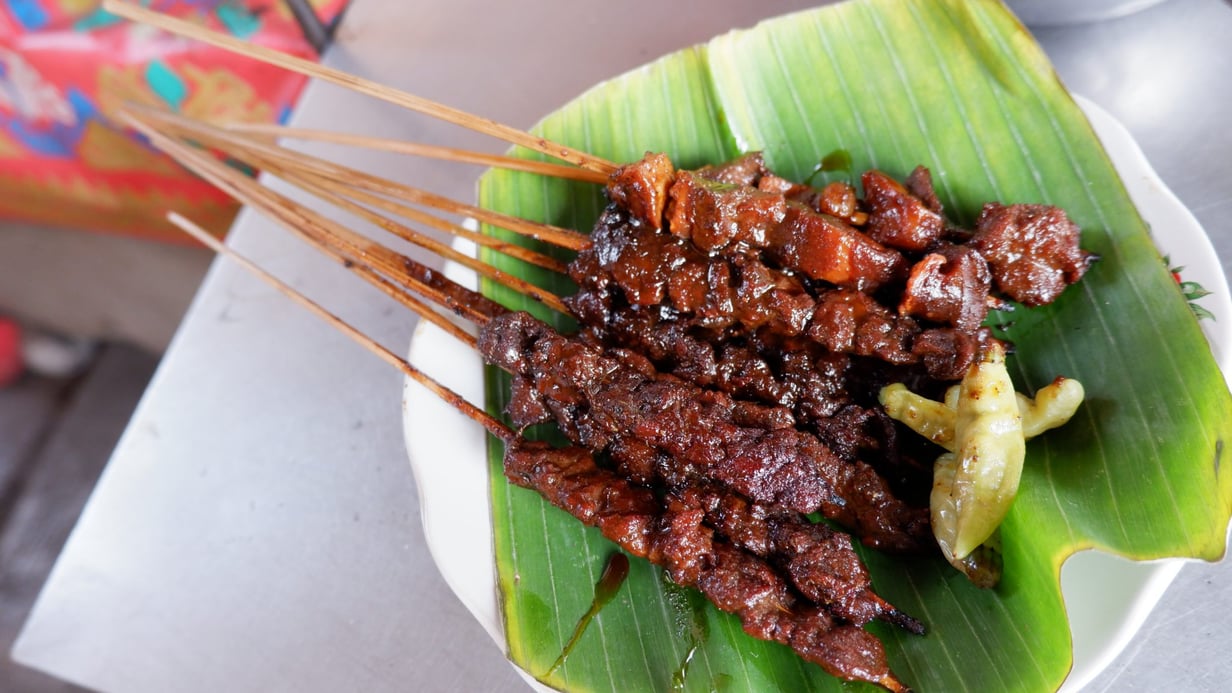
Marinated buffalo meat is grilled over charcoal until cooked. Once ready, the skewers are placed in large containers, allowing patrons to serve themselves. For visitors, this unique service style adds to the overall experience of enjoying Kudus' signature cuisine.
Grilled skewers are placed in large containers at the service counter, allowing customers to select their preferred number of skewers.
Two sauce varieties are available: spicy and non-spicy. Boiled bird's eye chilies are also provided for those who prefer extra heat. The satay is typically enjoyed with a side of white rice.
The buffalo satay is priced at IDR 6,000 per skewer. Beverage options include hot or iced tea, and hot or iced orange juice. Customers may choose to dine in or order takeout.
For Anwar, a resident of Jepangpakis Village in Kudus' Jati district, the buffet system is a major draw. He has been a fan of the satay since Bambang’s mother operated the stall at Pasar Kliwon.
“If I'm really craving it, I usually eat 10 skewers. It’s delicious and tender, and the flavors really penetrate the meat thanks to the palm sugar and spices,” Anwar said.
Pasar Kliwon, Rendeng, Kec. Kota Kudus, Kabupaten Kudus, Jawa Tengah 59311, Indonesia
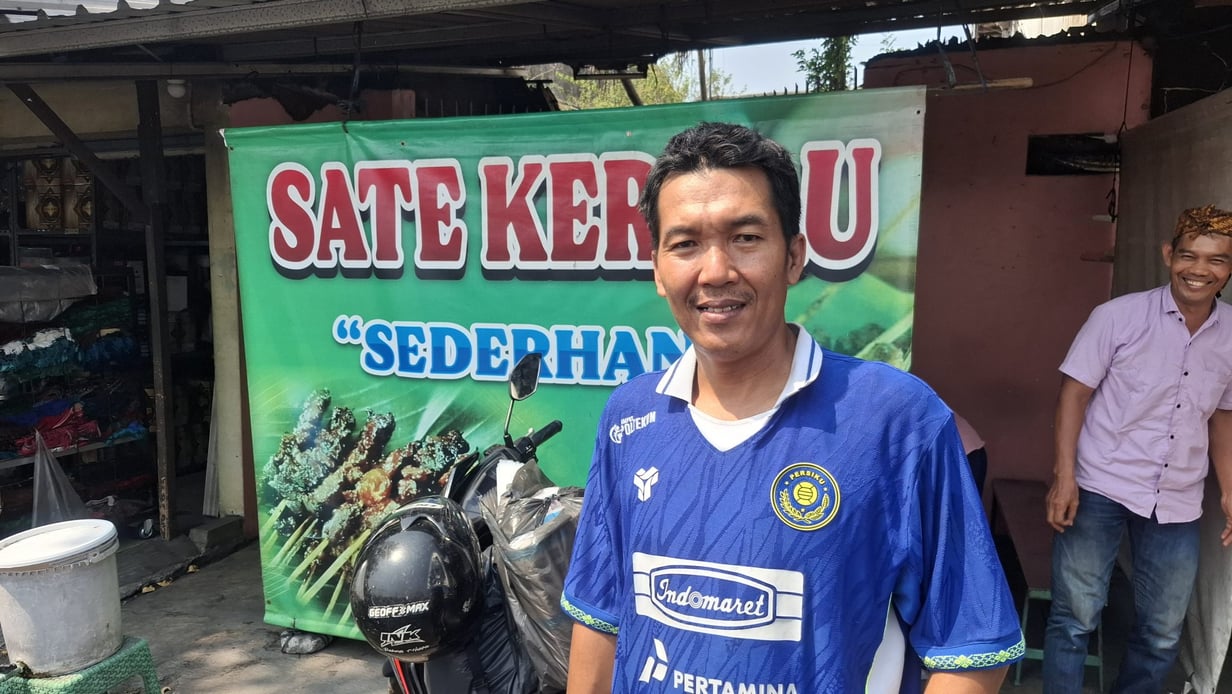
He typically visits on weekends and sometimes drops by multiple times a week. According to Anwar, the taste of the satay has remained consistent over the years.
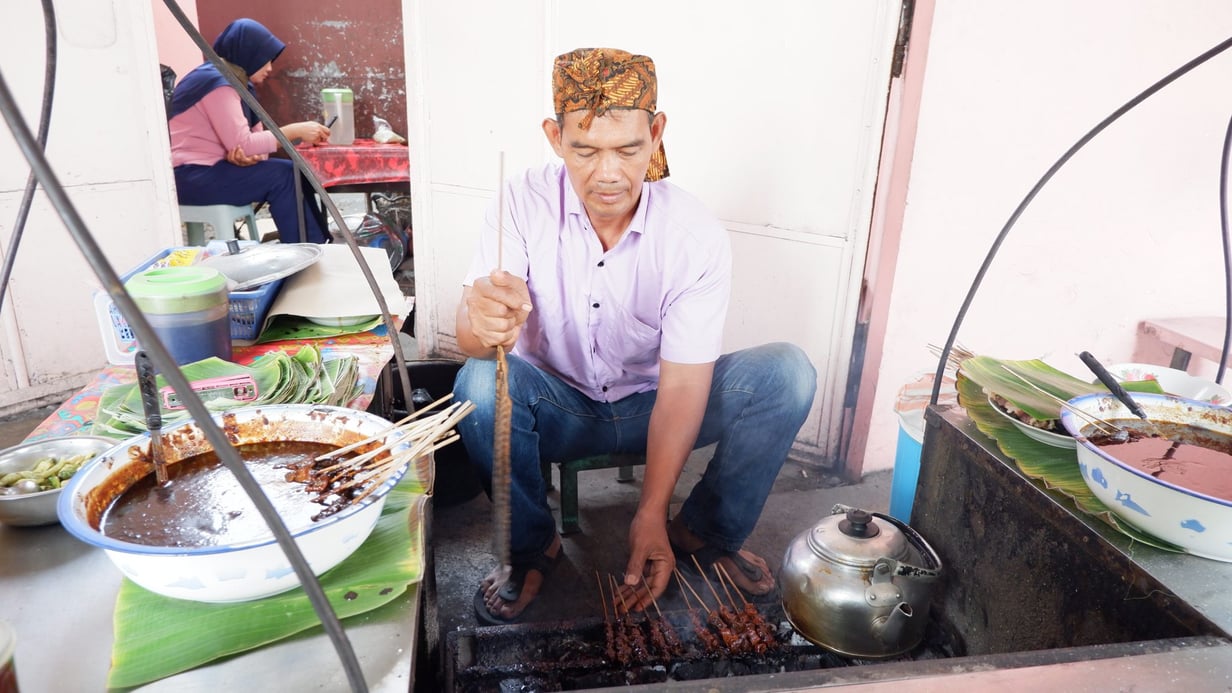
The buffalo satay business run by Bambang has a long family history. It was started by his grandmother in the 1960s and later continued by his mother, the late Bu Dairi.
Bambang has been involved in the trade since childhood, helping to prepare ingredients at home and assisting with market sales after school.
This upbringing familiarized Bambang with the satay preparation process. When he began managing his own stall around 1997, he operated on the second floor of Pasar Kliwon while his mother continued her business at the same location.
He learned the recipes not from written records, but by observing his mother’s technique in seasoning and preparing the satay daily.
"I learned the recipe by watching my mother prepare it every day," Bambang said.
For Bambang, the business has been central to his life, with income from the satay sales helping fund his education and achieve financial independence.
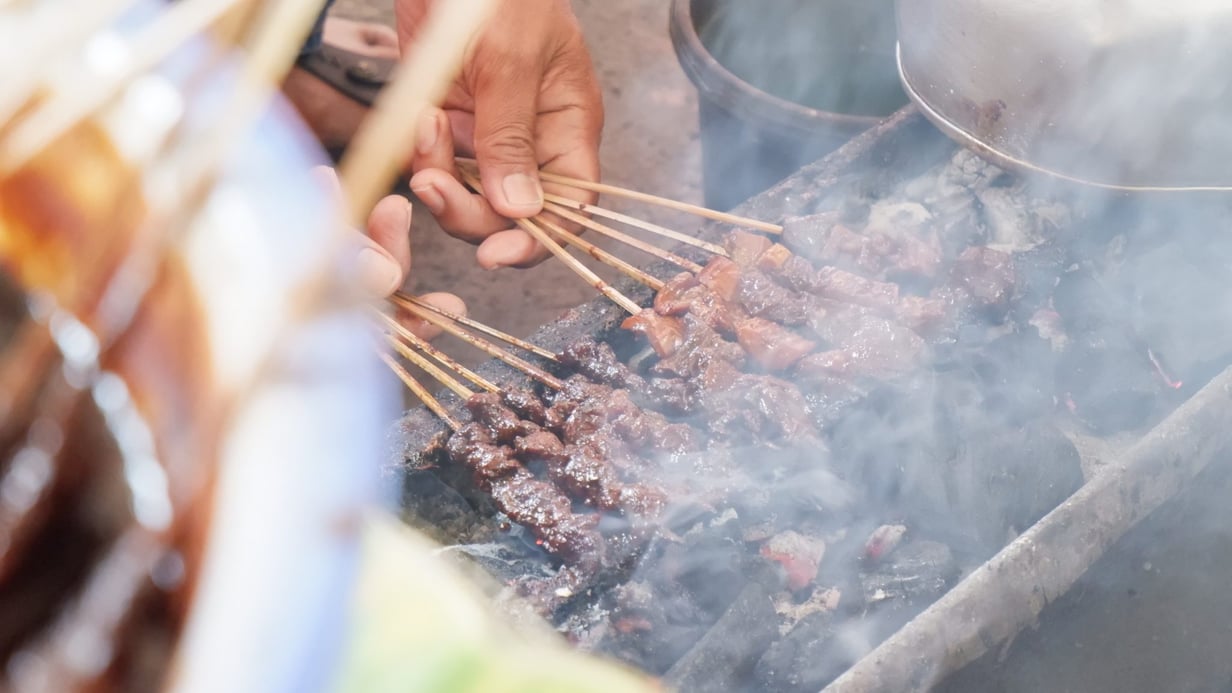
Bambang’s buffalo satay requires specific preparation before grilling; the meat is not simply sliced and placed over charcoal.
The meat is seasoned and marinated for about two hours, a process that ensures the flavors are absorbed deep into the meat before cooking.
"Unlike other satays that are sliced, skewered, and grilled immediately, buffalo satay is different. We slice it, season it, and soak it in a traditional spice blend for two hours to allow the flavors to penetrate," Bambang explained.
The marination process gives the meat a darker hue. The primary seasoning features coconut and various traditional spices, though the exact proportions remain a closely guarded family secret.
After marinating, the meat is skewered and grilled over charcoal in front of the service counter, allowing customers to watch the cooking process.
Bambang typically sells around five kilograms of buffalo meat daily, with volumes increasing during weekends and holidays.
Bambang’s buffalo satay attracts a diverse clientele. Long-time local residents of Kudus remain regular customers, while visitors from outside the region are increasingly eager to try the specialty dish when visiting the city.
Tia, a resident of Semarang, is a repeat visitor who has stopped by the establishment three times. She visited with colleagues while on a business trip.
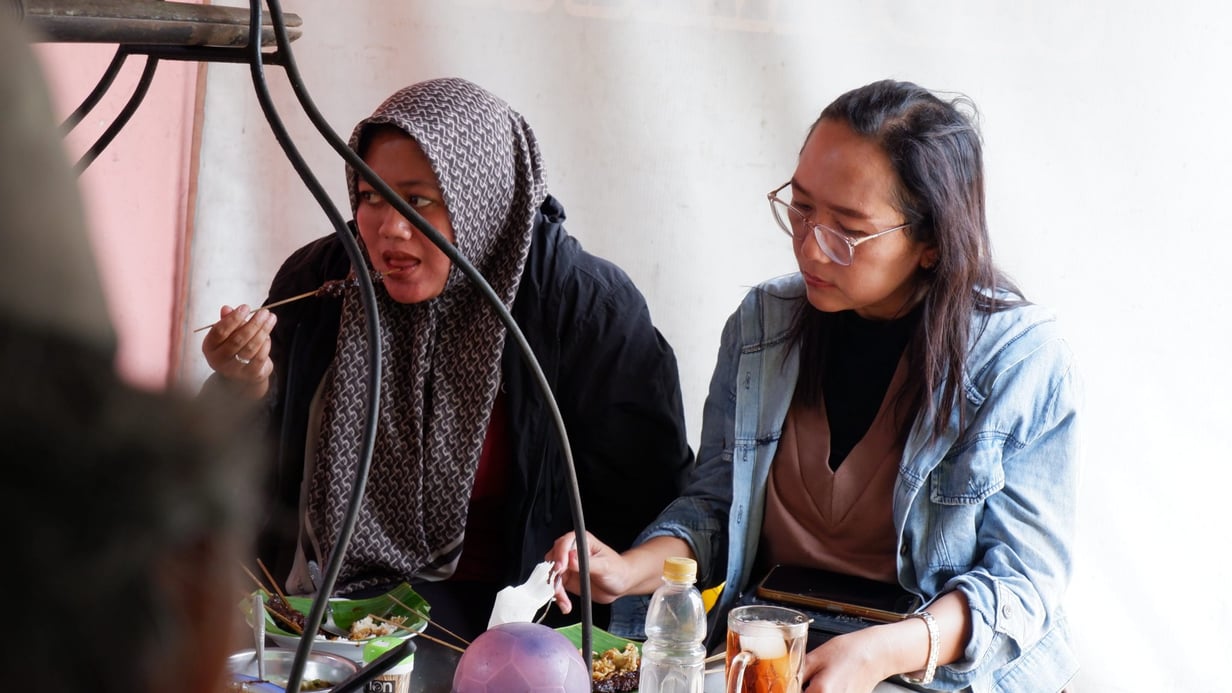
Tia prefers buffalo meat and koyor skewers when available. She notes that buffalo meat has a distinct profile compared to standard satay. Koyor consists of connective tissue and tendons found around the joints or legs of the buffalo. Due to its high connective tissue content, it offers a chewier texture than regular meat. Before grilling, the koyor is marinated in a bacem spice blend to enhance its savory flavor. Once grilled, it achieves a tender yet chewy consistency that distinguishes it from buffalo meat skewers.
"Buffalo satay is more fibrous and savory," Tia said.
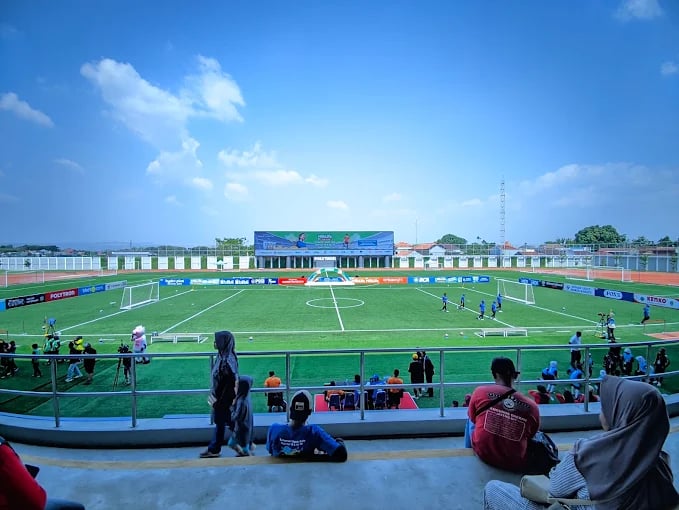
Beyond individual customers, the shop attracts visitors from outside the region during sports events in Kudus. Bambang noted that patrons have traveled from as far as Jakarta, Bogor, Kalimantan, Medan, and Pekalongan.
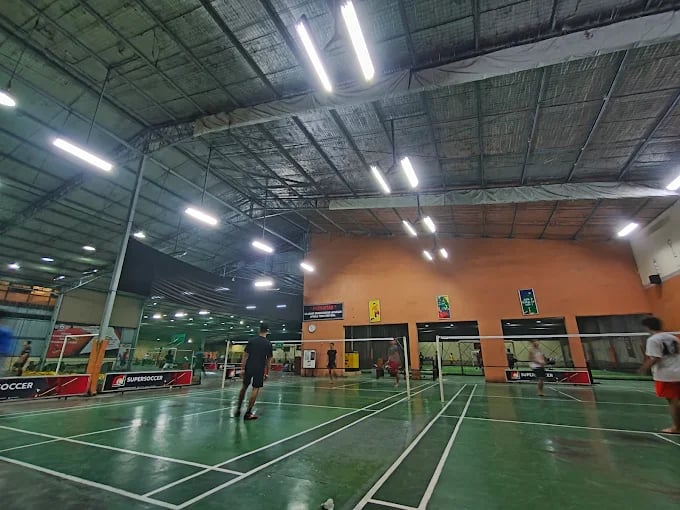
The shop’s location on Jalan Jenderal Sudirman ensures accessibility from multiple directions. Its proximity to the Supersoccer Arena Kudus also makes it a popular stop for those attending sports events.
Many customers learn of the shop through word-of-mouth recommendations, while social media has also helped introduce the buffalo satay to visitors from outside the area.
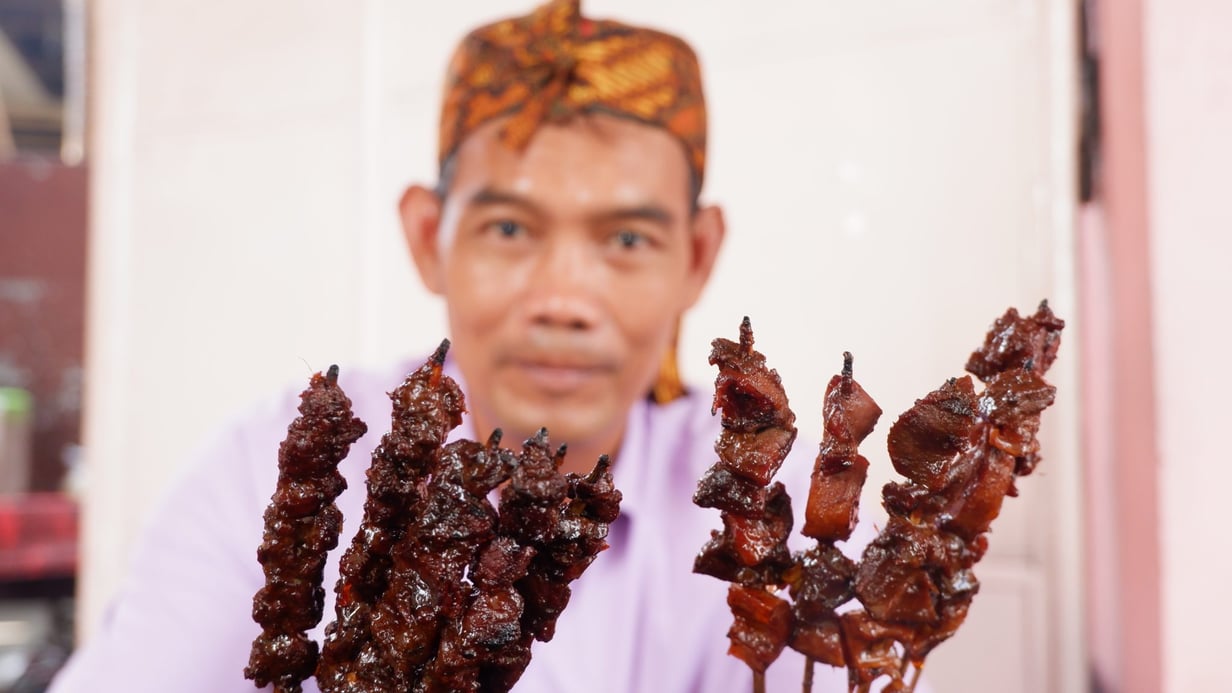
The use of buffalo meat in Kudus is steeped in local history and tradition, often linked to Sunan Kudus (Syekh Ja’far Sadiq), one of the Wali Sanga.
According to the history of Islamic propagation in the region, Sunan Kudus promoted respect for the Hindu community already established there. Because cows hold a sacred status in Hindu tradition, buffalo became the preferred alternative for local consumption.
This practice became ingrained in Kudus’ culture, shaping its local cuisine, with buffalo meat becoming a key ingredient in various regional dishes.
Buffalo satay serves as a prime example of this intersection between community custom and food. Sampling it provides visitors with an opportunity to experience a significant part of the culinary heritage of Kudus.
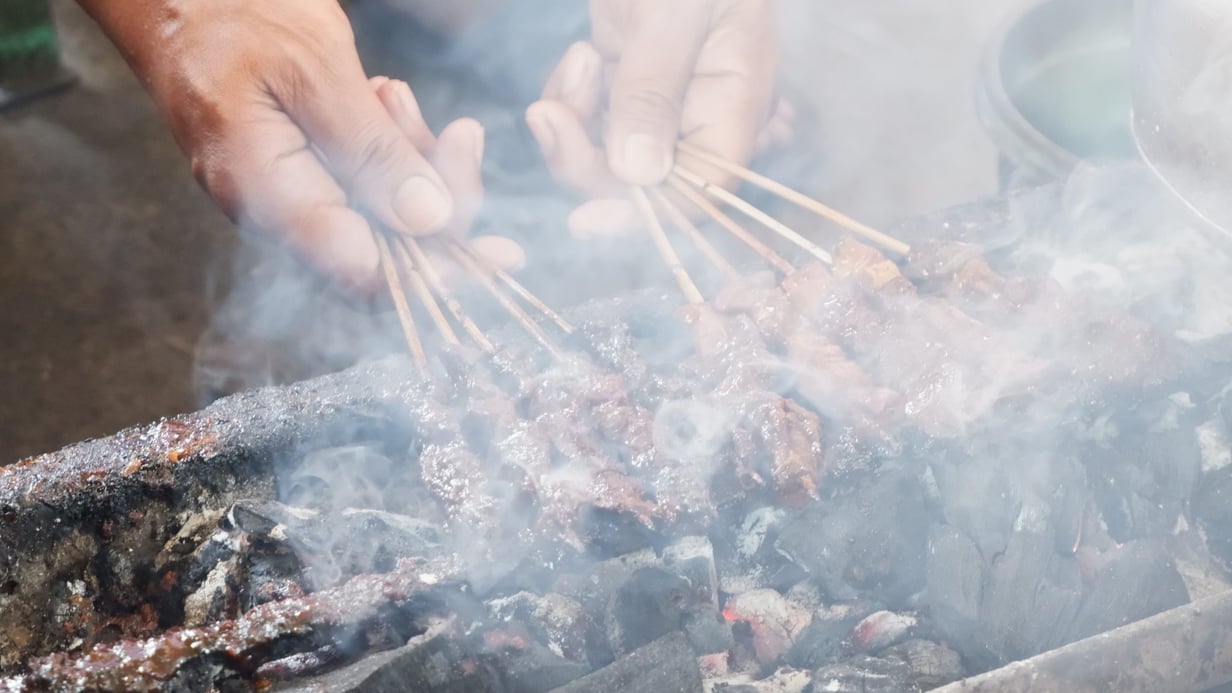
Local food is an essential part of the travel experience, as visitors engage with the community's culture through its cuisine.
Buffalo satay offers a distinct lunch option for visitors in Kudus. After touring local landmarks or attending city events, travelers often stop to sample the dish, which features traditional regional ingredients and recipes.
The experience is enhanced by the preparation process, as guests can watch their skewers being grilled on-site and customize their order and seasoning preferences.
For long-time patrons like Anwar, the dish is a staple, while visitors like Tia find the culinary encounter memorable enough to plan return visits.
The shop's proximity to the Supersoccer Arena also makes it a frequent stop for visitors attending sporting events, highlighting the role of local culinary arts in the broader Kudus tourist experience.
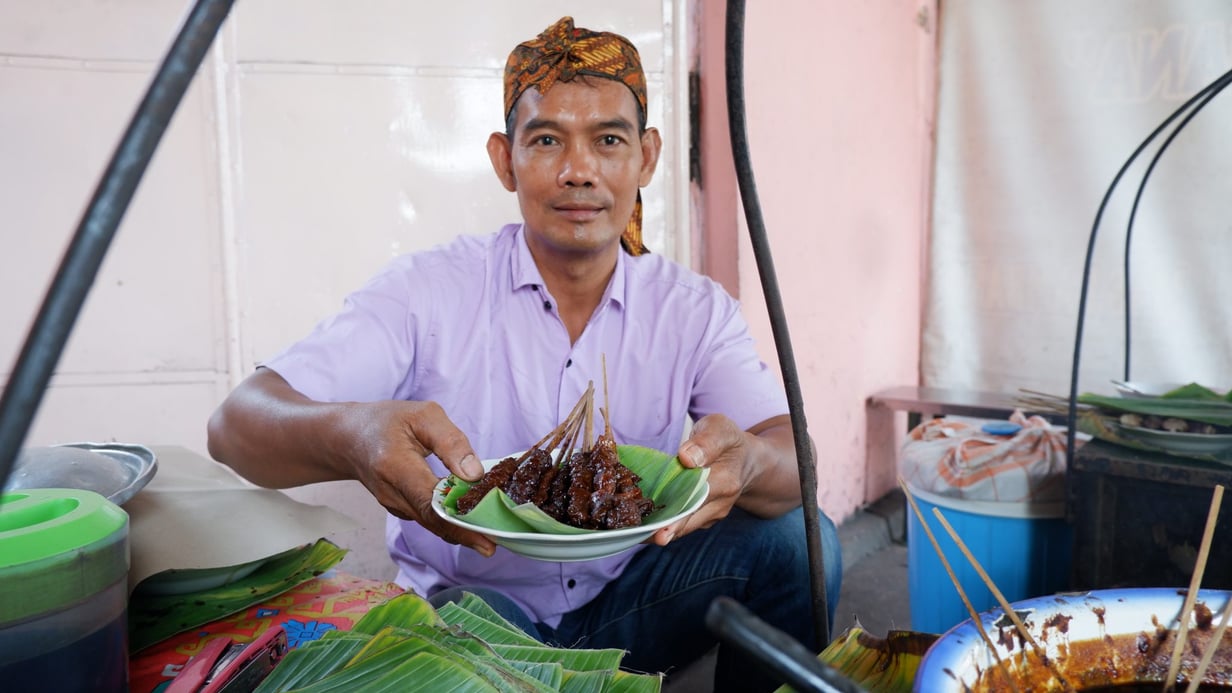
Bambang represents the latest generation managing the family business. He remains committed to traditional techniques, personally overseeing the marination and grilling process daily.
For Bambang, maintaining the business is synonymous with preserving the recipes he has known since childhood. He hopes to see his shop thrive while encouraging other vendors to continue safeguarding the culinary heritage of Kudus.
“I hope for steady business, a growing customer base, and that other vendors will continue to preserve these traditional ancestral recipes,” he said.
Warung Sate Kerbau Bu Dairi is located on Jalan Jenderal Sudirman, north of Pasar Kliwon, Kudus. It is open daily from 7:00 a.m. until sold out, typically by the afternoon. Early arrival is recommended as the stock can run out quickly.
Priced at Rp6,000 per skewer, the satay is served with steamed rice and a choice of spicy or mild sauce. Boiled bird's eye chilies are available, along with a selection of hot or cold tea and orange drinks. Both dine-in and takeout options are available.
A lunch of buffalo satay in Kudus offers an experience that extends beyond the meal itself. It encompasses enduring family recipes, transparent preparation processes, loyal repeat customers, and the rich traditions that have cemented buffalo meat as a staple of the city's culinary landscape.
From a modest food stall north of Kliwon Market, visitors can discover the essence of Kudus through a dish preserved across generations. (JMY/mainkekudus)