KUDUS – Everglow Basketball Kudus serves as a hub for the public, particularly children, to learn and practice basketball. Established on July 3, 2020, the community integrates technical training, age-appropriate coaching, and collaborative play to allow members of varying skill levels to progress.
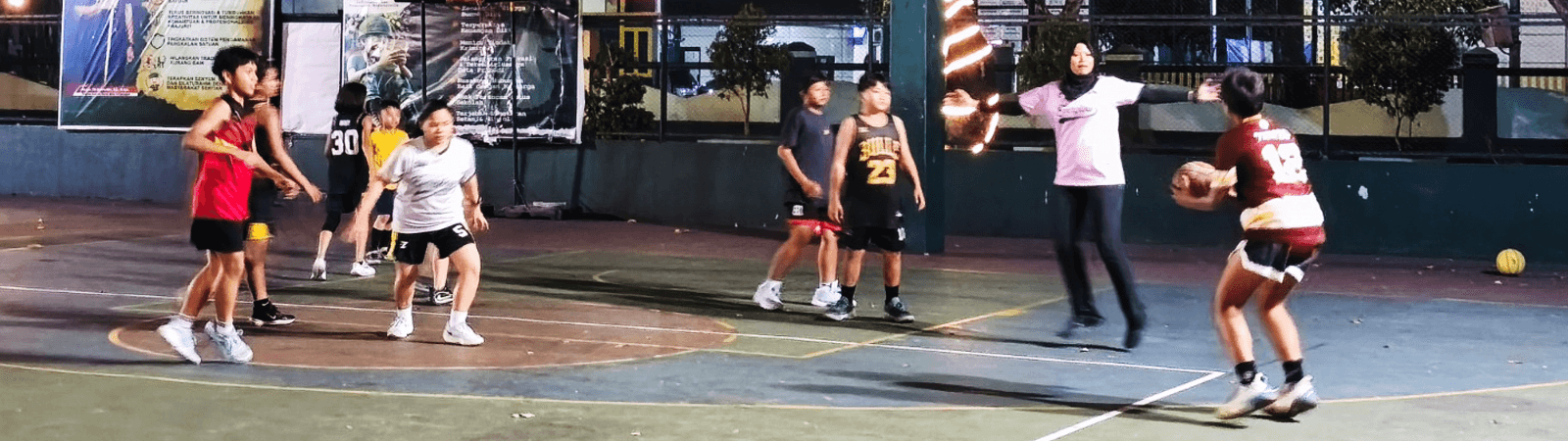
Routine activities take place at the Kodim 0722 Kudus basketball court every Monday, Thursday, and Saturday. In addition to regular training, Everglow conducts supplementary sessions at a sports hall every Tuesday for select players groomed for team competition. Currently, over 50 children—ranging from four-year-olds and primary students to teenagers, college students, and members of the general public—actively participate in rotating training sessions.
The membership includes both newcomers still adjusting to the training environment and experienced athletes who have spent years with the program and are now aspiring to pursue professional careers. This diverse range of experience defines Everglow's mission to develop playing skills while fostering a sustained interest in the sport.

Everglow Basketball Chair Irene Martha Santosa founded the community to provide a training ground for children who have a passion for basketball but lack access to extracurricular activities at their schools.
Limited facilities and basketball programs at several schools mean not all students have the opportunity to train. Everglow serves as an alternative space, welcoming those who have never played the sport before.
Over time, the community has evolved into a coaching hub for various age groups. Beginners start with fundamental skills, while experienced players have the opportunity to refine their techniques and prepare for upcoming matches.
The name "Everglow" carries special significance for Santosa: "Ever" denotes consistency, while "Glow" symbolizes brilliance. The name reflects her vision for the community to continuously evolve and provide meaningful benefits to children interested in basketball.
Prospective members are offered two free trial sessions before registration, allowing children to familiarize themselves with the training environment without the pressure of needing prior experience.
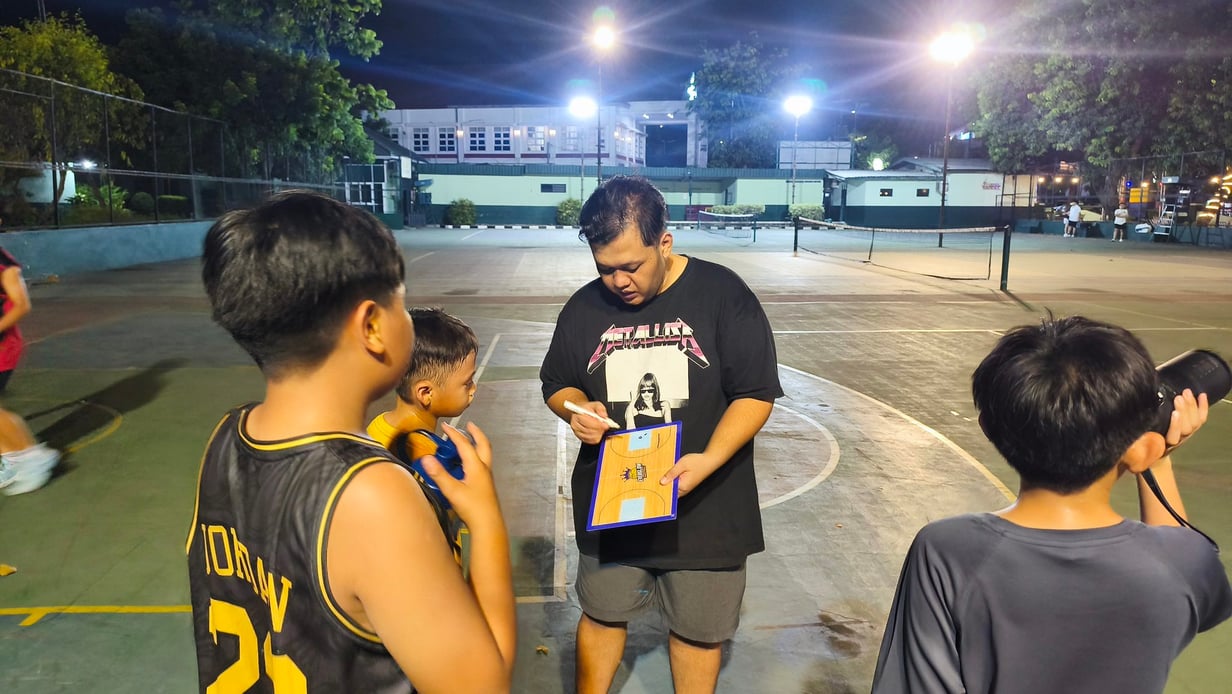
Members with varying age ranges and experience levels require tailored training approaches. Children new to basketball cannot immediately follow the same programs as players being groomed for competition.
Everglow Treasurer Infadhira Putri Ramadani, known as Dira, assists in training sessions by supporting the coach and adapting communication styles to suit the children's individual personalities.
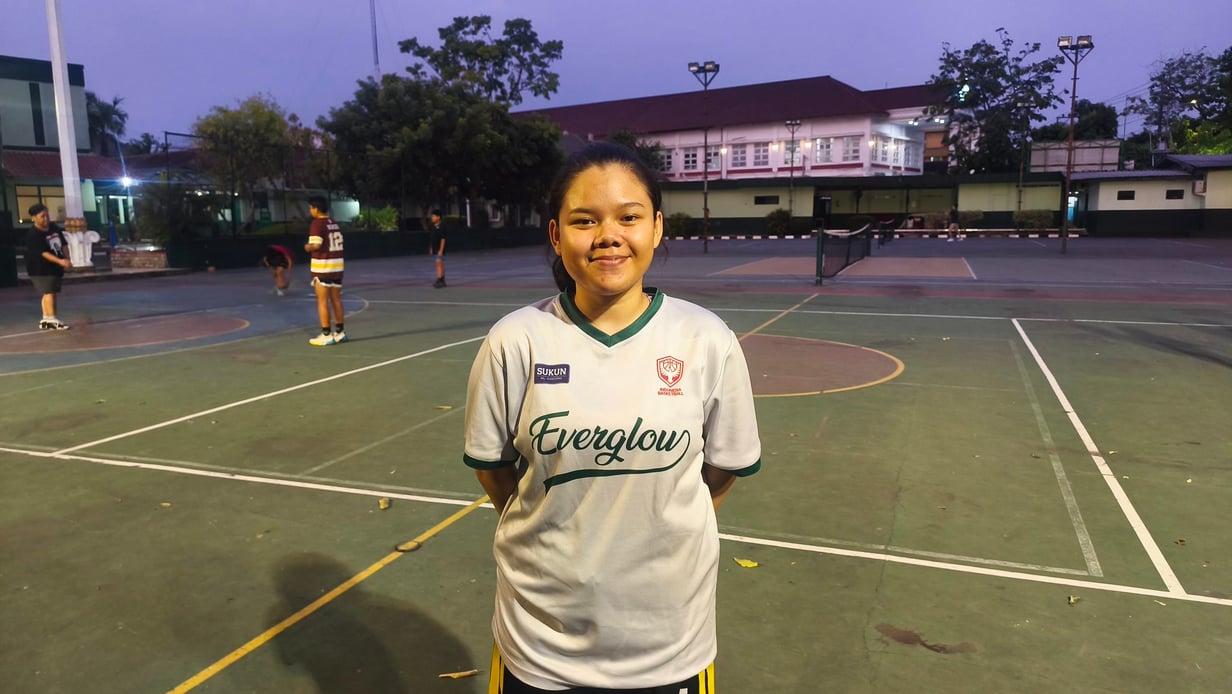
For members under five, the initial approach focuses on introducing the basketball environment through fun activities. School-aged children, meanwhile, have begun learning fundamental skills such as dribbling and passing.
At this stage of development, training prioritizes individual skills before players are introduced to team play. Ball mastery serves as the foundation before children learn to read the game, understand positioning, and execute instructions with their teammates.
Coach Tiangga Adjie Prasetyo, affectionately known as Coach Angga, also monitors the players' physical condition. Some children fatigue easily during physical activity, necessitating training intensity adjustments based on their individual capacities.
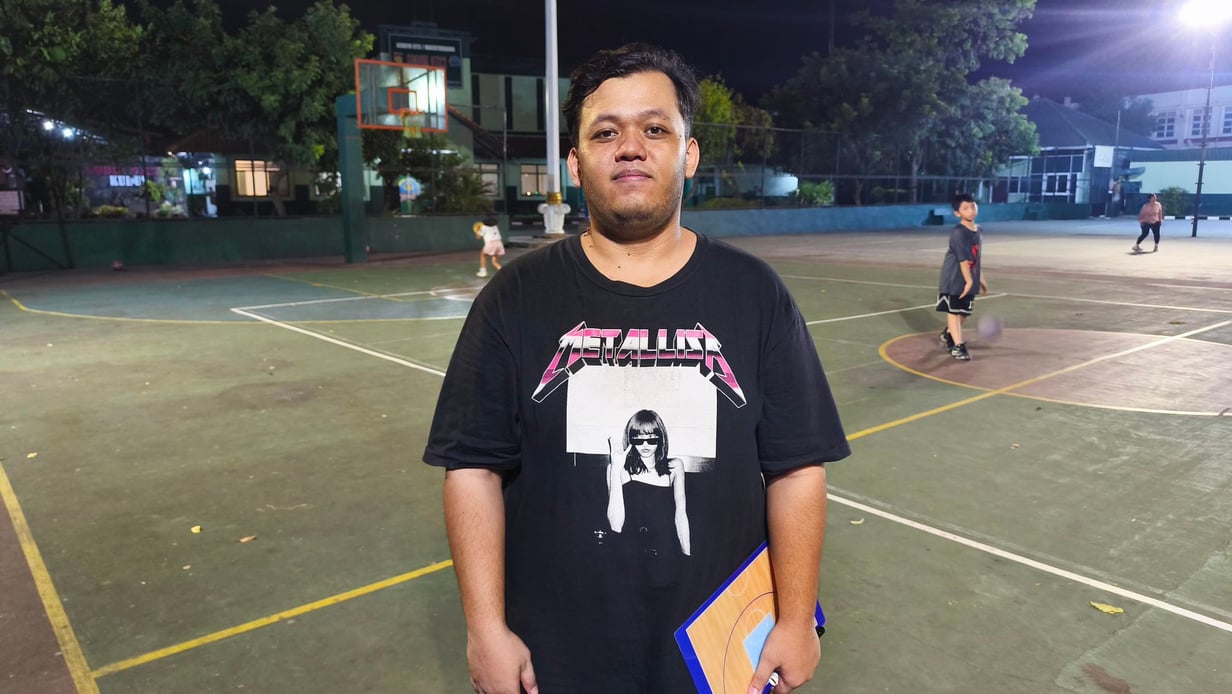
Beginners are not immediately subjected to heavy physical training. They first learn basic techniques such as dribbling and passing, with training loads gradually increased in line with their physical readiness.
Beyond technique and conditioning, communication is a key component of training. Players must get accustomed to calling their teammates' names, calling for passes, and maintaining eye contact on the court. These habits help them understand each other's movements and foster teamwork.
For the U-12 boys' team preparing for competition, players are being introduced to fundamental positions such as playmaker and center. Material is provided gradually so that the children understand their respective roles without being burdened by overly complex game schemes.
The diverse experience levels of the members are evident in the journeys of Daniel Christopher Oktoviano and Nicky Nathania Aresya Kusuma. Both joined training with different backgrounds, yet both have found reasons to keep coming back to the court.
Daniel, a 10-year-old third-grade student at SD Masehi Kudus, joined the program two months ago at his mother’s suggestion. Before starting training, he had no prior basketball experience and was unfamiliar with watching the sport.
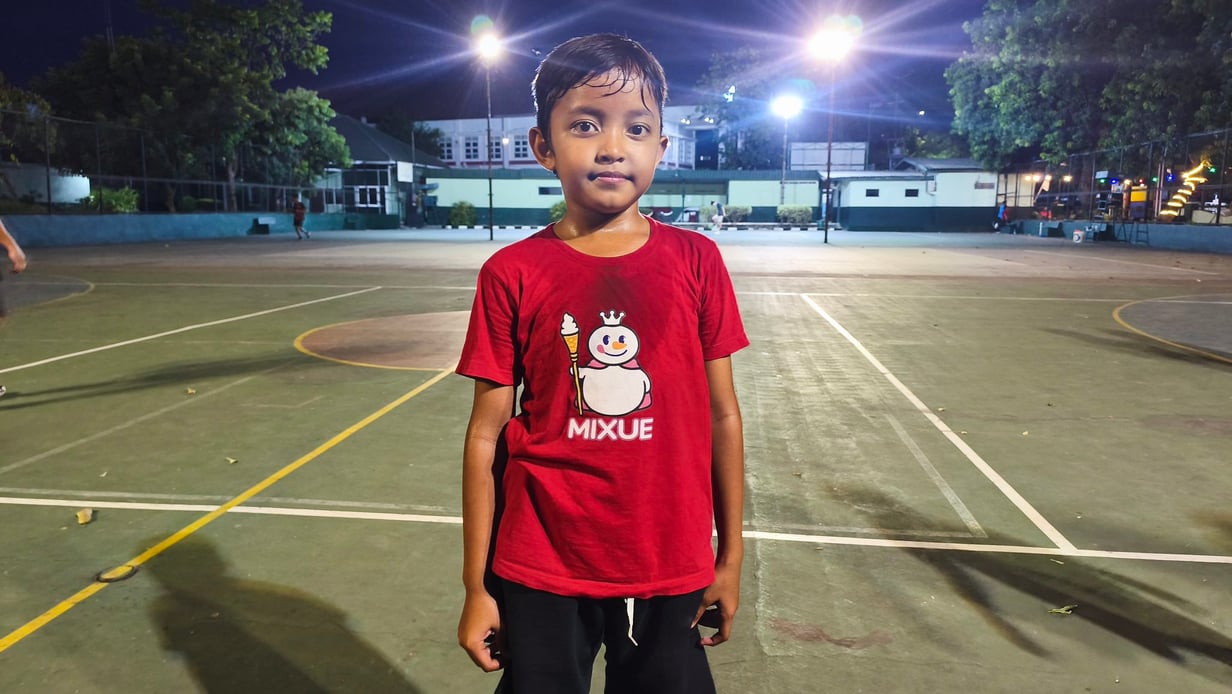
Initially, Daniel felt out of place as he adjusted to the new training environment and unfamiliar peers. Over time, he has mastered basic drills and grown more comfortable participating with the team.
Coaching support has been instrumental in his adjustment. Today, Daniel enjoys learning the fundamentals of basketball while building new friendships.
In contrast, Nicky’s journey has been long-standing. A fourth-grade student at SD 3 Barongan, she has been with Everglow since the first grade. She was first introduced to the sport by her mother, who brought her to observe practices. Her interest eventually grew into a regular commitment.
Her family’s passion for the sport also played a role. With parents and other family members who play basketball, the sport has long been a familiar part of her life.
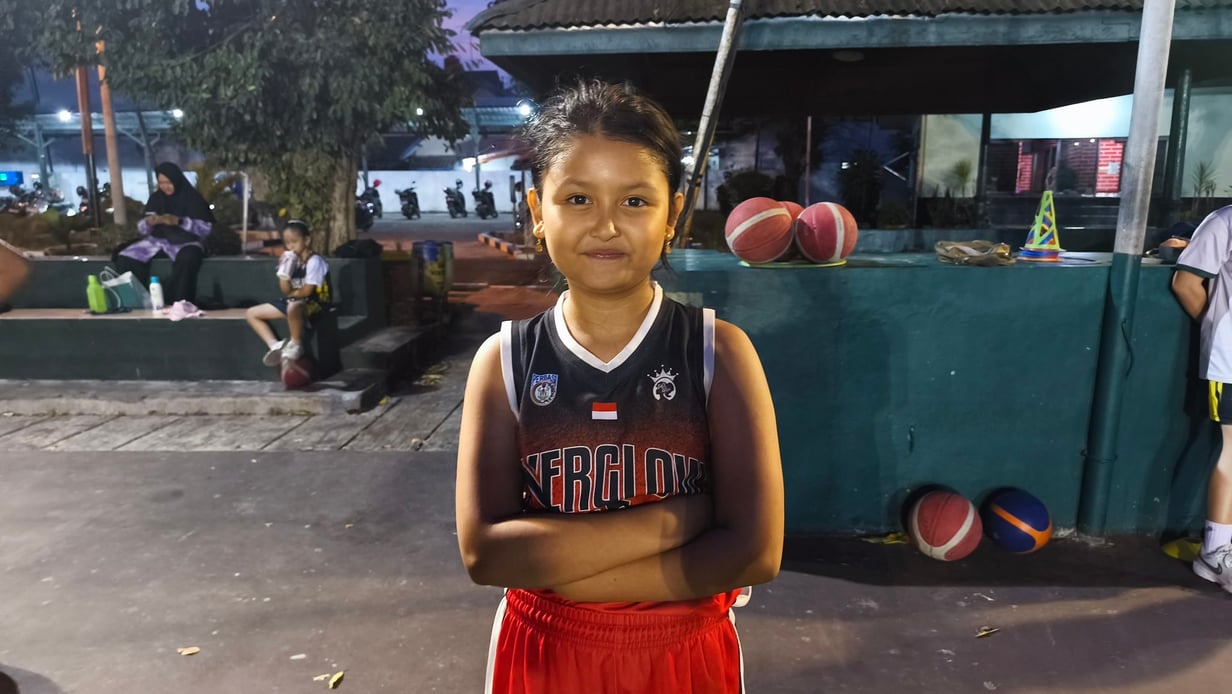
Managing a school schedule requires Nicky to balance her studies with training. After returning home at 1 p.m., she rests before heading to the court at 4 p.m., where her parents transport her from the Tumpang area by motorcycle.
For her, training serves as both an athletic outlet and a social experience. Nicky is continuing to improve her skills with ambitions of one day becoming an athlete.
The experiences of Daniel and Nicky highlight the different stages of basketball development. While Daniel is still adapting to the sport, Nicky has integrated it into her daily routine, illustrating how members can begin from different starting points and goals.
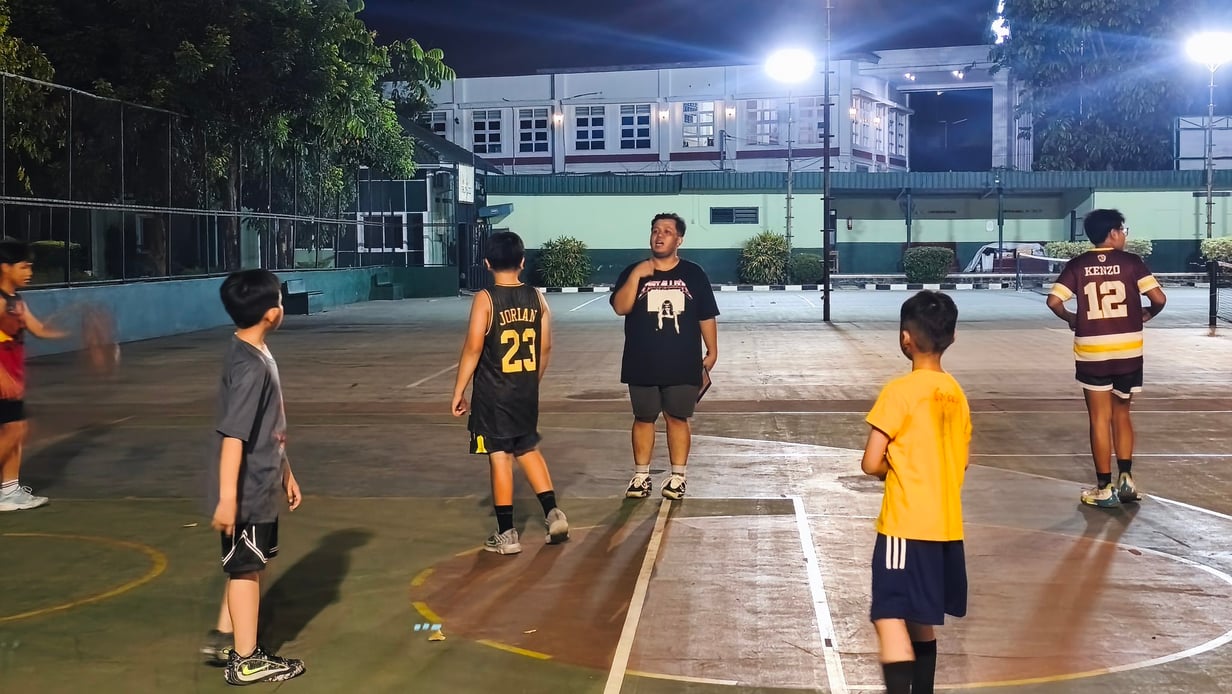
For Everglow management, a member's progress is measured by more than just scoring baskets or match results. Players must also learn to understand the game, collaborate, and build confidence when facing opponents.
Dira has observed significant changes over the past two years, particularly as players shift from individual practice to team play. Children who previously focused on their own ball handling are now learning to understand their teammates' roles and adhere to game regulations.
Moving forward, training programs are expected to be more structured, with specific curriculum goals set on a bi-weekly or monthly basis. This will allow for more consistent monitoring of individual player development.
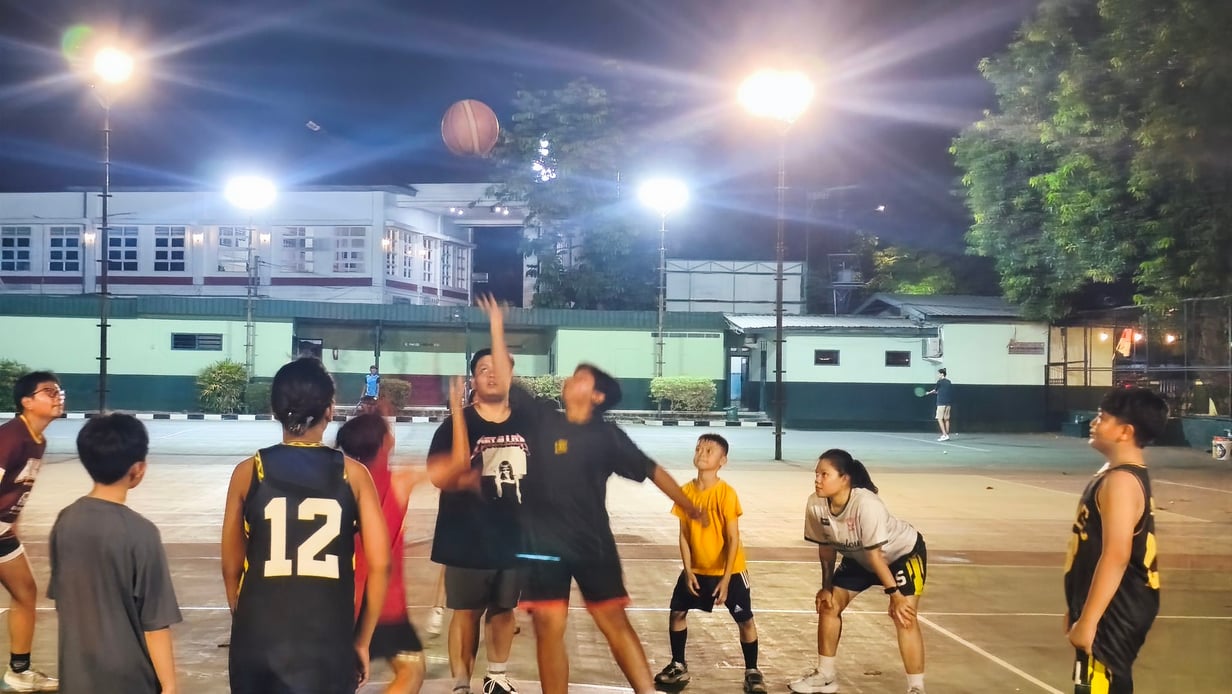
Competition opportunities are an integral part of the development process. The boys' U-12 team is scheduled to participate in the Little Hope Rising tournament at Undip, Semarang, from December 12–19. This event is expected to provide valuable new experiences for both the players and the community leadership.
Match preparation requires rigorous training, yet the outcome is not the sole focus. Losses by significant margins remain a learning experience, particularly for young players still developing their skills and competitive mindset.
Coach Angga emphasizes consistent training, skill advancement, and teamwork as cornerstones of development. While victory is always the goal, it is not considered the only metric of a player's success.
This approach allows children to experience a competitive atmosphere without losing the opportunity to learn. They are encouraged to evaluate their play, identify weaknesses, and improve their abilities through subsequent training sessions.
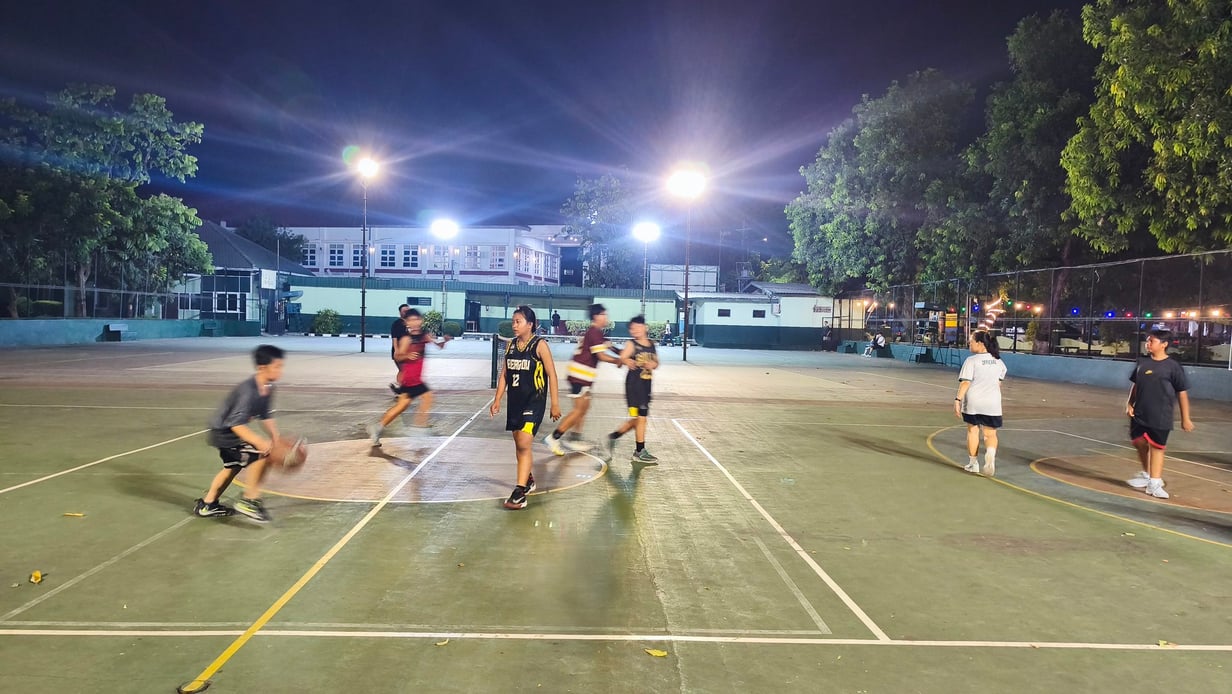
Managing a community with members of various age groups presents unique challenges. School schedules and individual commitments require flexibility in training attendance. Meanwhile, the availability of basketball facilities and extracurricular programs in schools remains inconsistent.
From a coaching perspective, management identifies a need for more structured programs. Training modules must be tailored to individual development to ensure progressive skill acquisition for both beginners and those preparing for competition.
Coordination among management, coaches, members, and parents is vital for operational stability. For elementary students, family support is essential in balancing academic responsibilities with athletic training.
To maintain accessibility, Everglow offers trial sessions for prospective members, allowing children to familiarize themselves with basketball before committing to a regular schedule.
The community's consistency ultimately depends on sustained training and mentorship. On-court skills require time to evolve, while teamwork and tactical understanding are built through repetitive, structured learning.
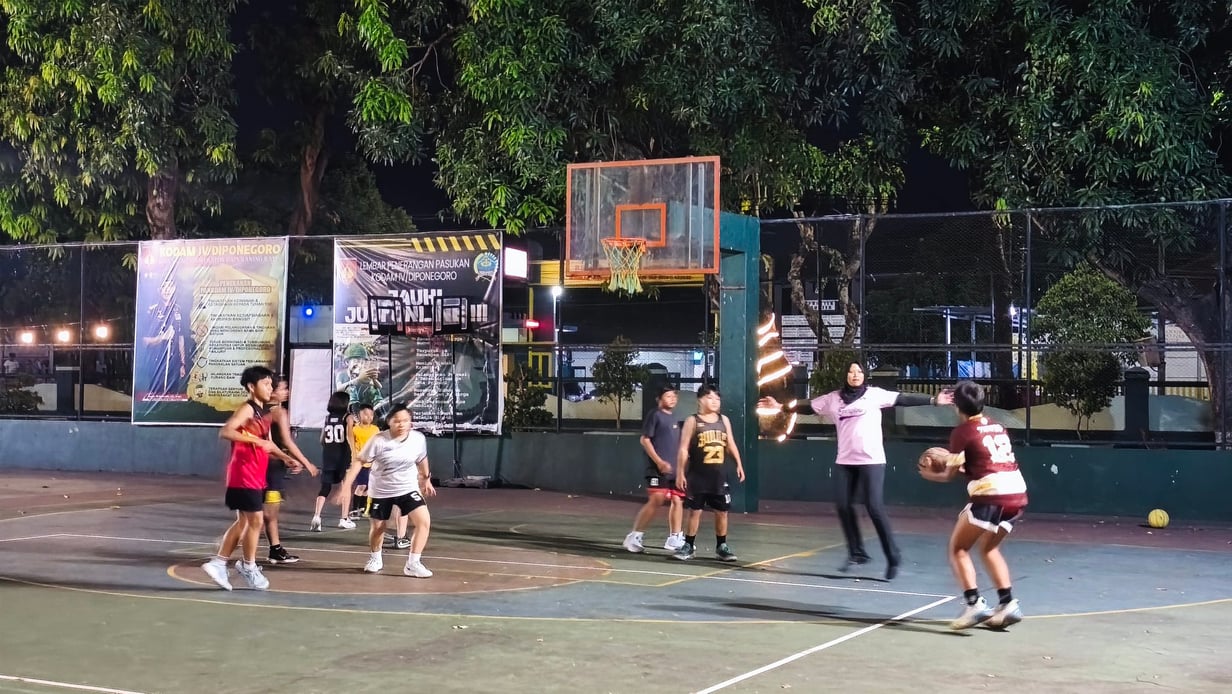
Looking ahead, Irine plans to expand Everglow’s reach through the "Everglow Goes to School" initiative. This program aims to partner with schools that lack basketball facilities or require professional coaching support.
Schools can utilize the Kodim Basketball Court for training sessions or access coaching resources, ensuring students with limited athletic opportunities can engage with the sport.
This initiative builds upon Everglow's core mission to provide a platform for children to learn basketball. The community aims to increase not only its membership but also accessibility for those with historically limited opportunities.
On the court, progress is reflected in routine practice and individual learning journeys. While Daniel continues to learn the fundamentals of the game, Nicky pursues his training with ambitions of becoming a professional athlete.
For Everglow Basketball Kudus, expanding opportunities means ensuring that children of all backgrounds and goals have a dedicated space to learn, build friendships, and develop their skills through basketball. (OEB/YSR/mainkekudus)