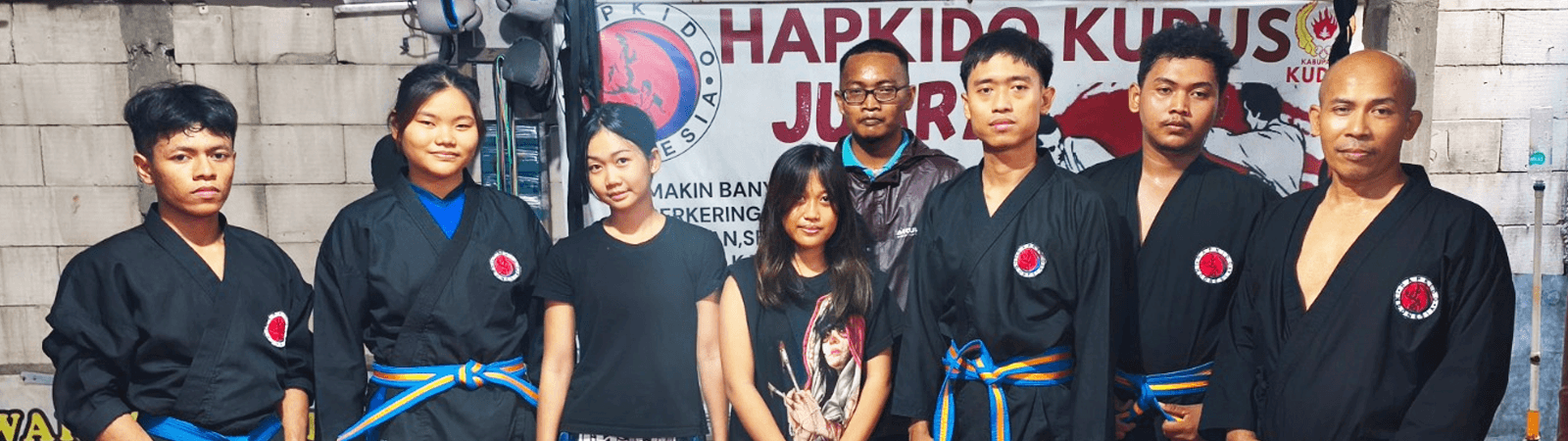
KUDUS – Athletes from the Kudus Hapkido team undergo rigorous training five times a week, refining their physical, technical, and mental conditioning. While some members bring experience from other martial arts, they must adapt to the unique techniques and regulations of Hapkido. Despite limited facilities, the team is bracing for the challenges of upcoming competitions.
The 17th Central Java Provincial Sports Week (Porprov) 2026, scheduled for October 25–31, 2026, in Greater Semarang, serves as a crucial milestone for the development of Hapkido in Kudus. The event marks the team’s debut and offers an opportunity to gauge the progress of their fledgling training program.
For head coach Sholihul Hadi, competitive experience is essential to building a foundation for success. He acknowledges that the team currently faces several constraints, particularly regarding training facilities and financial support.

“The Kudus Hapkido program is still in its infancy. This is our first Porprov as both athletes and coaches. We are adapting our facilities to fit the available budget,” Hadi explained.
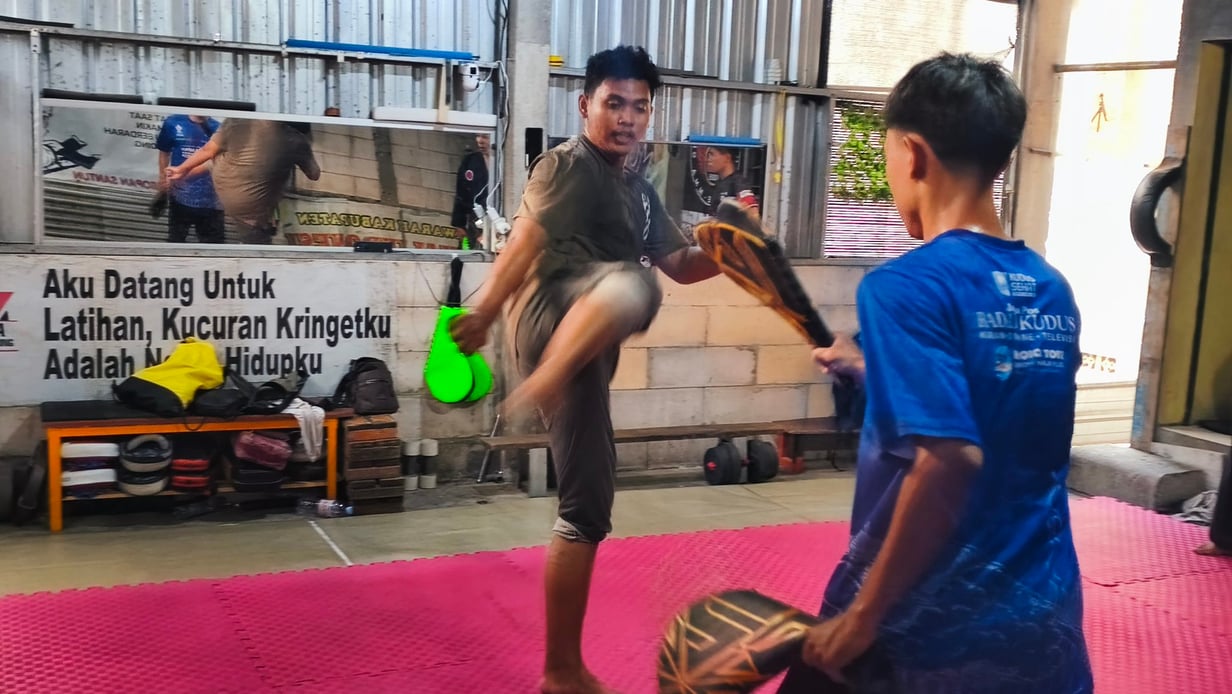
While previous experience in Pencak Silat or Karate provides a baseline for some Kudus Hapkido athletes, mastery of other martial arts does not automatically translate to Hapkido performance.
This South Korean martial art features distinct movement styles and regulations. Athletes must master specific offensive and defensive techniques, as well as tactical decision-making dictated by competition rules.
To bolster readiness, training sessions are held five times a week, focusing on physical fitness, mental resilience, technical proficiency, and understanding match regulations.
The Kudus Hapkido team also collaborates with coaches from Pati, who have more experience in developing the sport. Through joint training, both athletes and staff gain opportunities to sharpen their skills and share experiences.
Hadi brings extensive experience to the martial arts community, yet he acknowledges that developing Hapkido requires a specialized learning process, particularly in grasping its unique technical characteristics and competitive strategies.
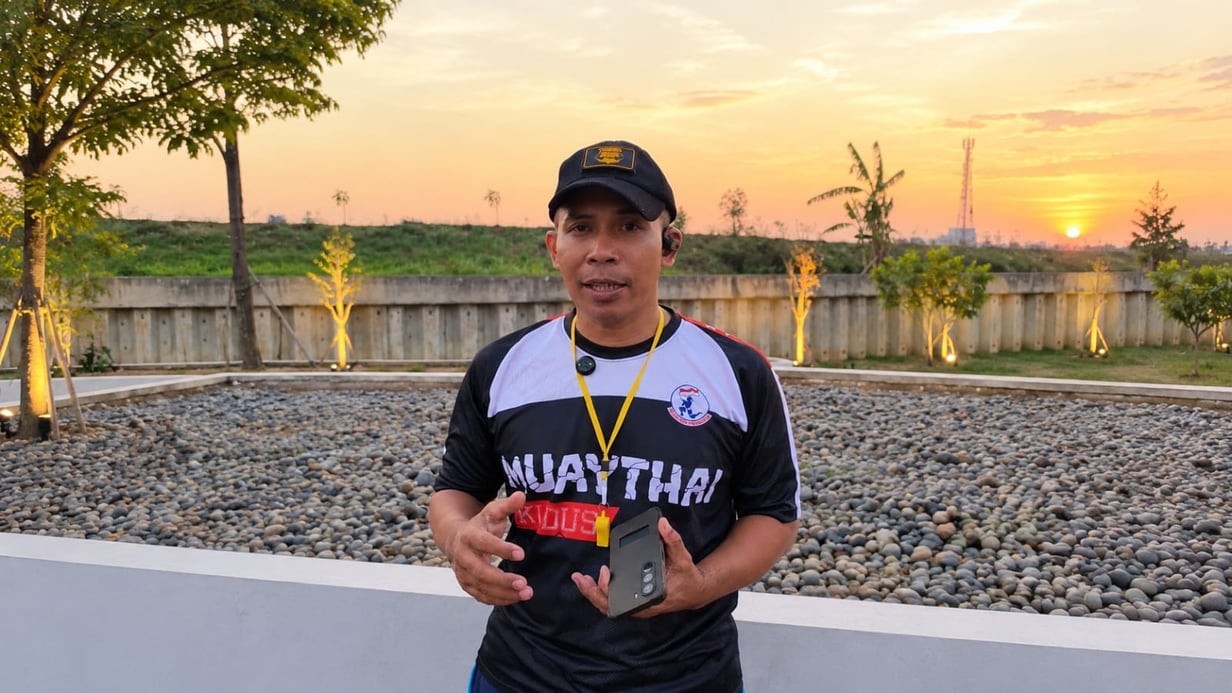
With limited resources, every training session is utilized to strengthen the team's readiness. The Provincial Sports Week (Porprov) serves as a gauge to test how effectively these skills hold up under the pressure of real competition.
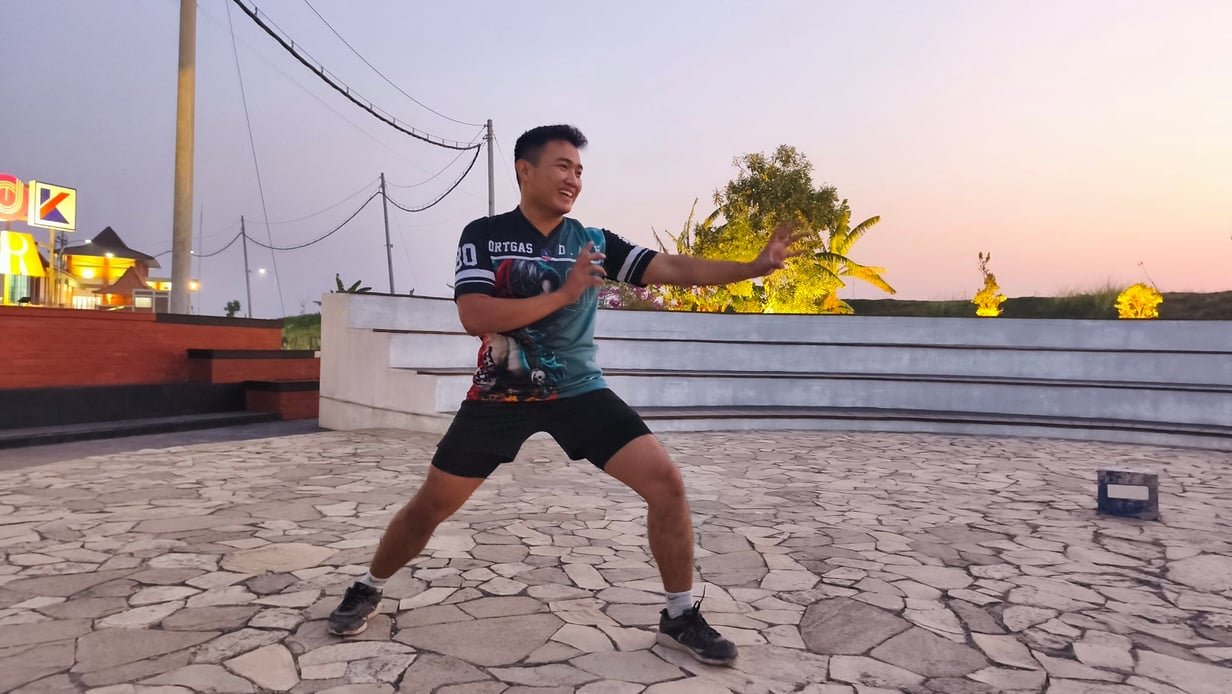
For Muhammad Faza Anisna, preparing for his Porprov debut involves more than just technical mastery. He must also build stamina, manage emotions, and learn to quickly analyze an opponent's movements.
Previously, Faza competed primarily in championships organized by universities and educational institutions. This experience serves as his foundation for navigating the provincial-level competition.
Faza is preparing for the fight category, which requires a delicate balance between offense and defense. Precision in reading the situation is crucial, as every decision can dictate the match's outcome.
Recognizing these demands, he does not rely solely on team training. He incorporates additional self-directed practice at home to sharpen his physical condition and technical skills.

"If I only rely on training from the coach, I feel it is not enough. We have to continue training on our own at home to increase our practice hours, while still following the coach's guidance," Faza said.
Support from his family and coach keeps him motivated throughout his preparation. Although he acknowledges that the competition will be fierce, Faza remains determined to win a medal.
For him, the opportunity to compete in the Porprov serves as a benchmark for personal skill. Gaining experience against opponents with diverse styles and strategies is expected to help him identify his strengths and areas for further improvement.
This ambition reflects the drive of Kudus Hapkido athletes who are building experience at higher competitive levels. Match results serve as a basis for evaluation, while the preparation process offers valuable lessons in discipline, consistency, and mental readiness.
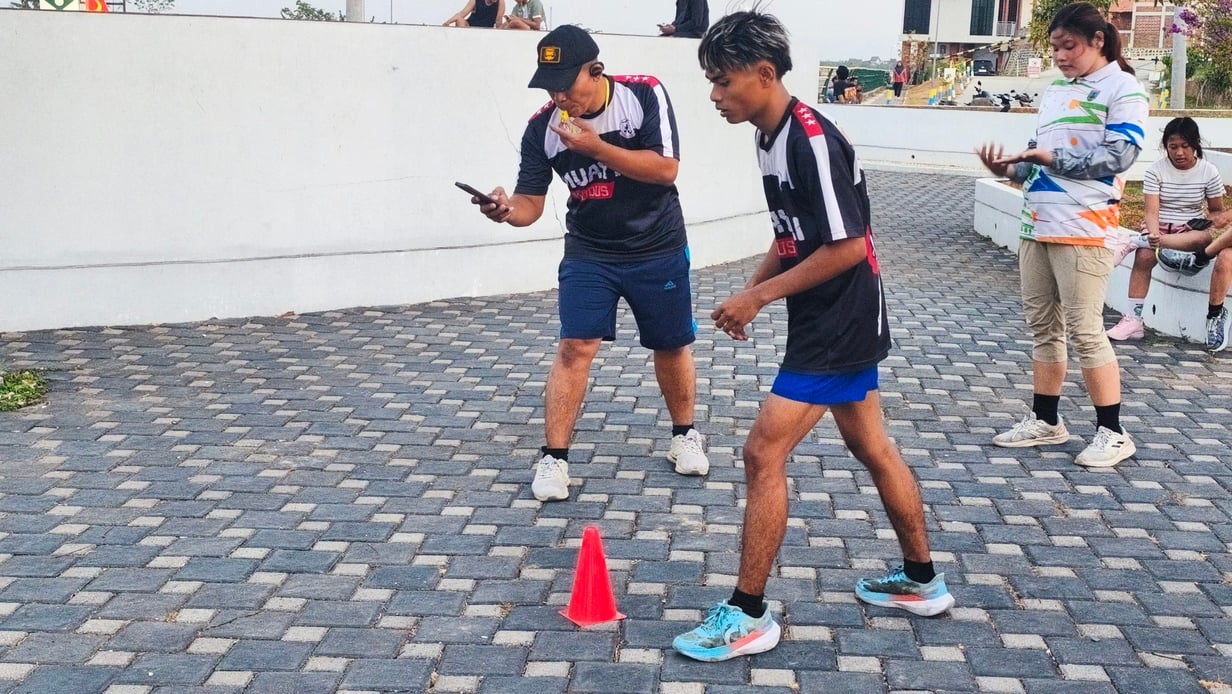
Participation in the Porprov is one step in a longer journey for Kudus Hapkido. The next challenge lies in ensuring that the experience gained can foster sustainable development.
Limited facilities and budget constraints continue to affect training programs. Meanwhile, athlete development requires technical mentorship, enhanced coaching capacity, and broader competition opportunities.
These conditions have prompted Kudus Hapkido to leverage networks between coaches and draw on expertise from other martial arts as part of their learning process.
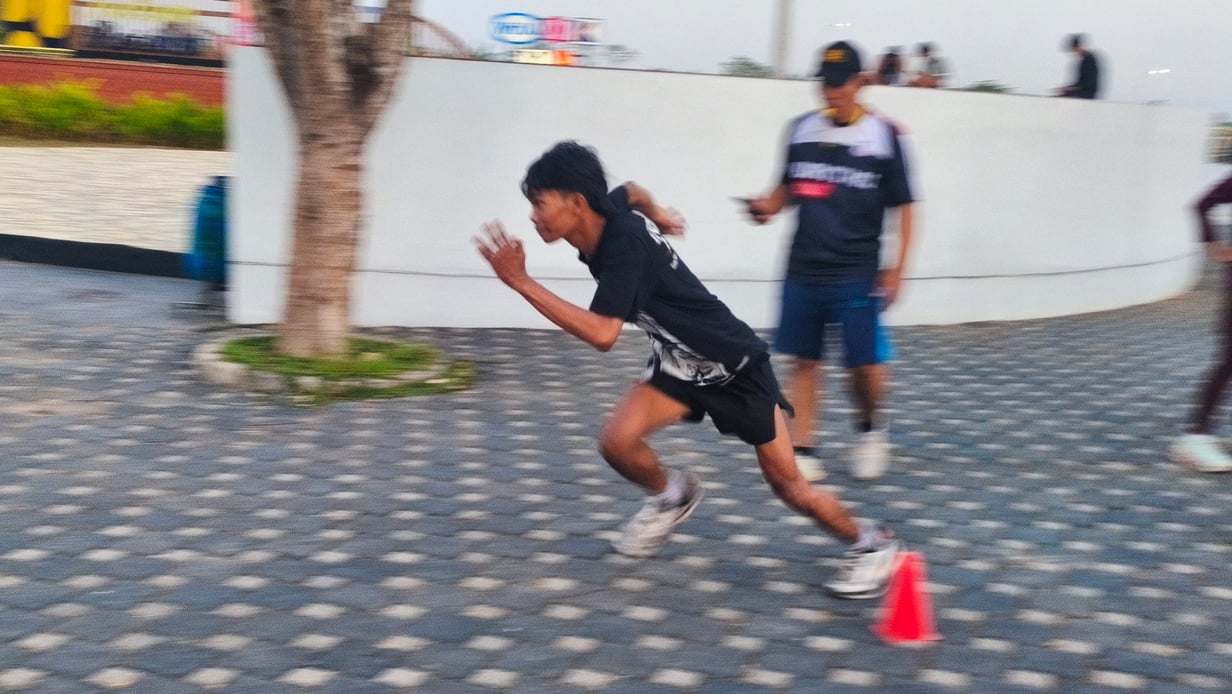
Collaboration with coaches from Pati has become an effort to strengthen technical capabilities. This approach allows athletes to acquire additional knowledge even while training facilities remain inadequate.
For Hadi, another challenge is generating public interest in Hapkido. Compared to Pencak Silat, Karate, or Taekwondo, this sport remains relatively unknown in Kudus.
Therefore, achieving success must go hand-in-hand with efforts to introduce Hapkido to prospective new athletes. Without regeneration, the sustainability of the program will be difficult to maintain.
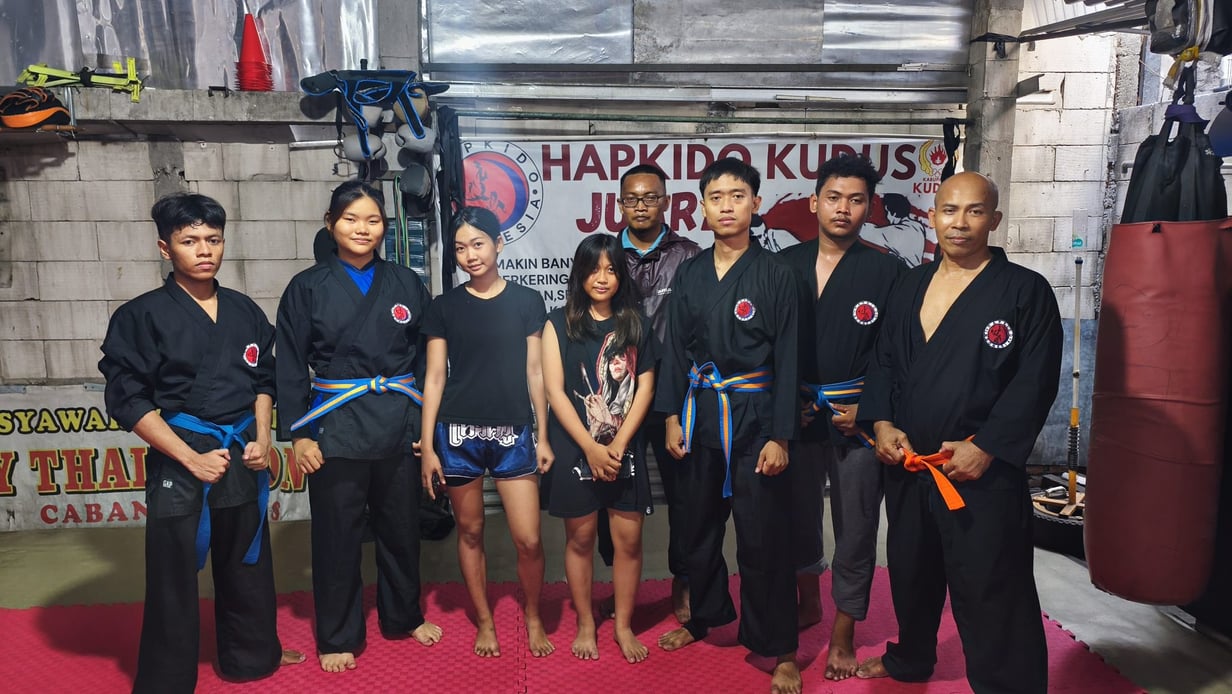
Efforts to promote Hapkido have begun via social media. Administrators and coaches are utilizing TikTok and Instagram to share training activities and showcase the various techniques mastered by the athletes.
Through this content, the public is expected to gain a better understanding of the Hapkido discipline while exploring opportunities to participate in training.
Hadi also intends to promote the sport through school extracurricular programs, an initiative aimed at providing children and teenagers early exposure to Hapkido.
However, attracting prospective athletes is merely the first step. Consistent guidance remains essential to convert initial interest into technical proficiency and competitive readiness.
Faza echoed similar sentiments, expressing hope that more young people will engage with Hapkido and gain knowledge of its self-defense techniques.
“Hapkido offers a wealth of knowledge, including joint-lock techniques applicable for self-defense. I hope more children will be encouraged to learn the sport,” he said.
For Hapkido Kudus, the 2026 Provincial Sports Week (Porprov) serves as a benchmark to assess performance and determine the team's strategic direction. While medal targets remain a key motivator, the focus on competitive experience, improved training quality, and athlete development remains a crucial long-term objective.
From routine training to competing at the provincial level, Hapkido Kudus is establishing a firm foundation for growth. These initial efforts are expected to support the development of future athletes capable of representing Kudus in upcoming competitions. (OEB/YSR/mainkekudus)