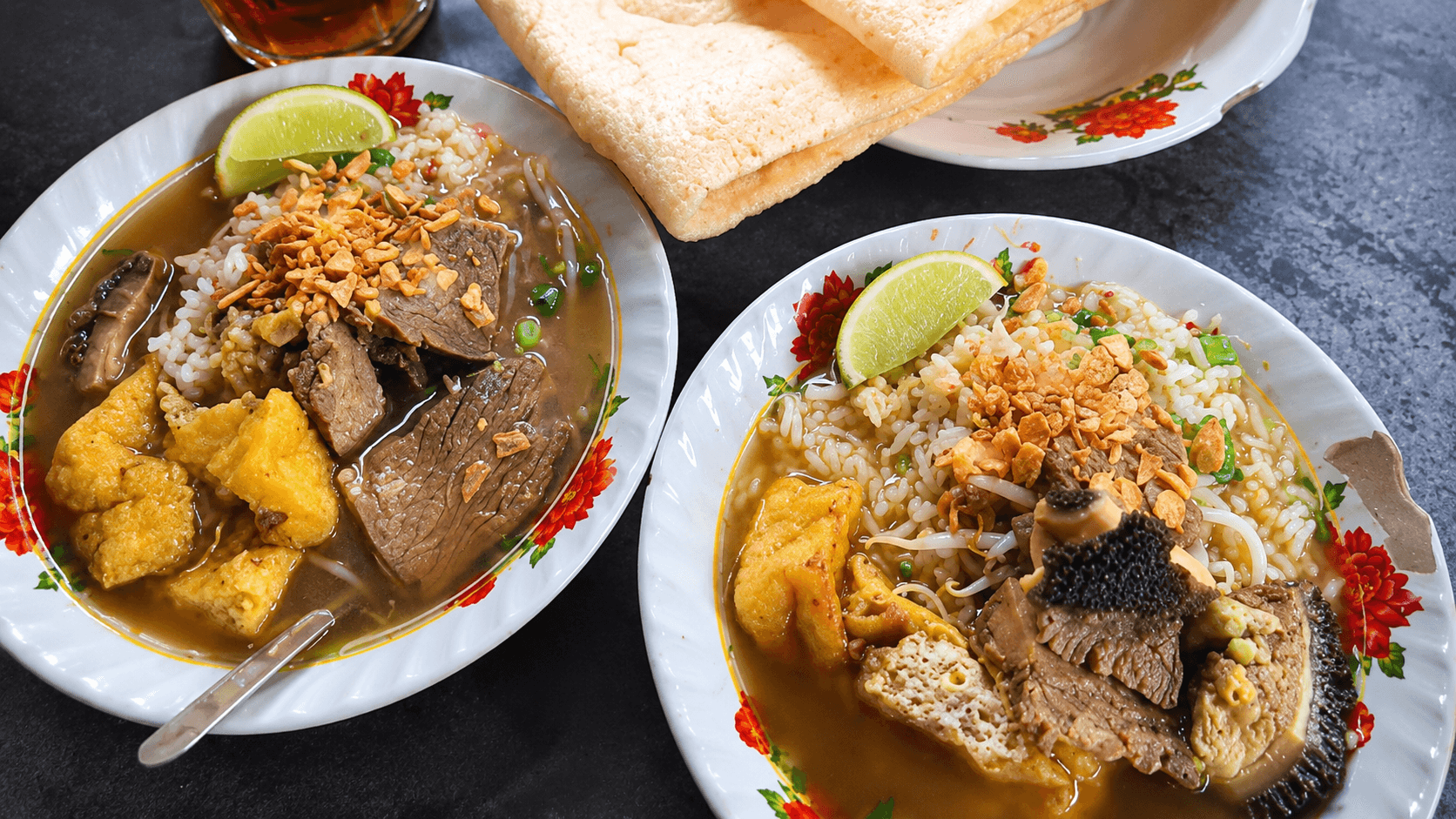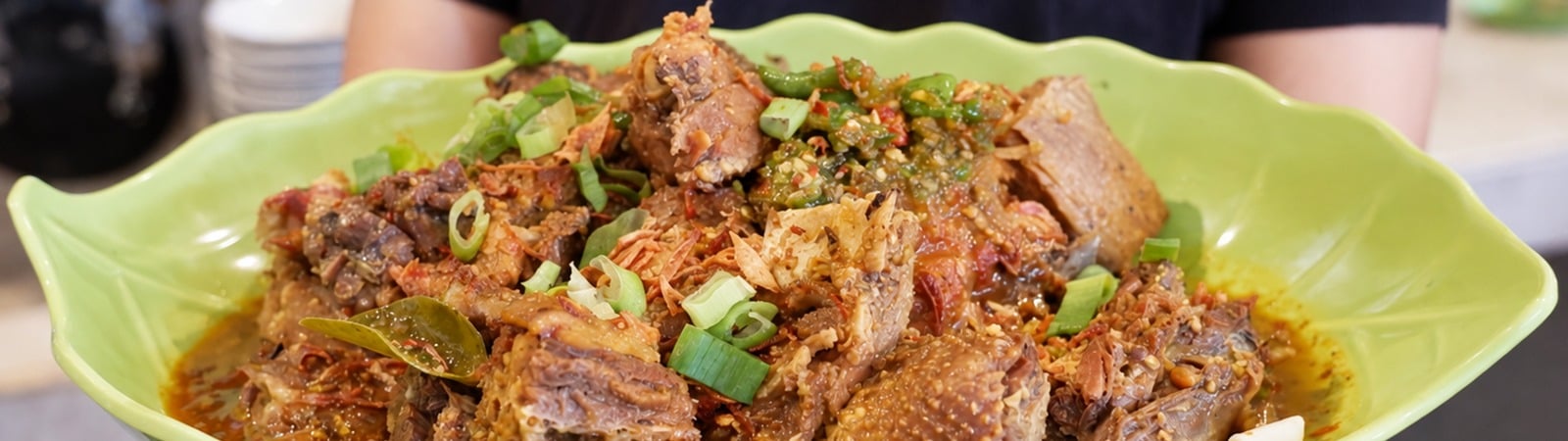
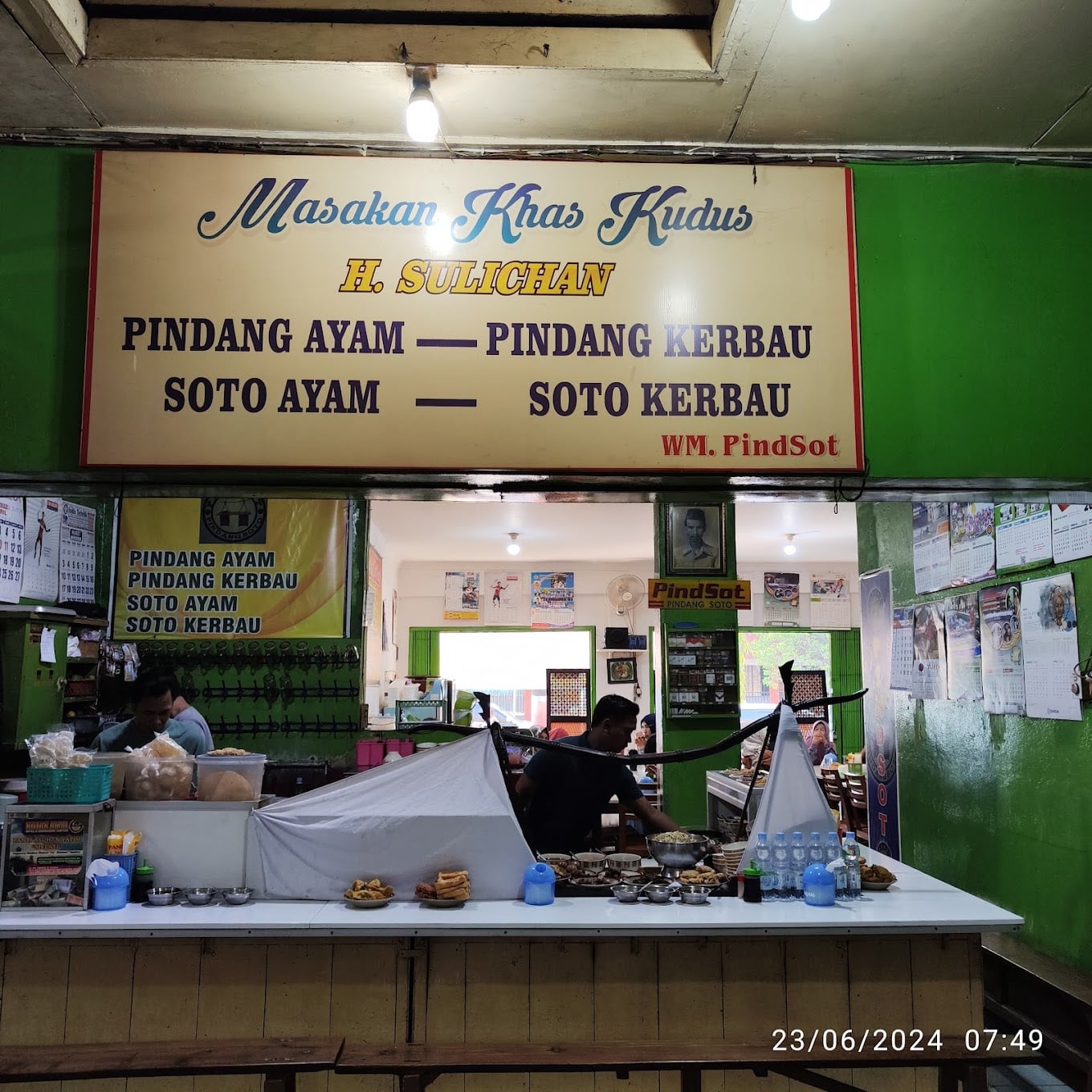
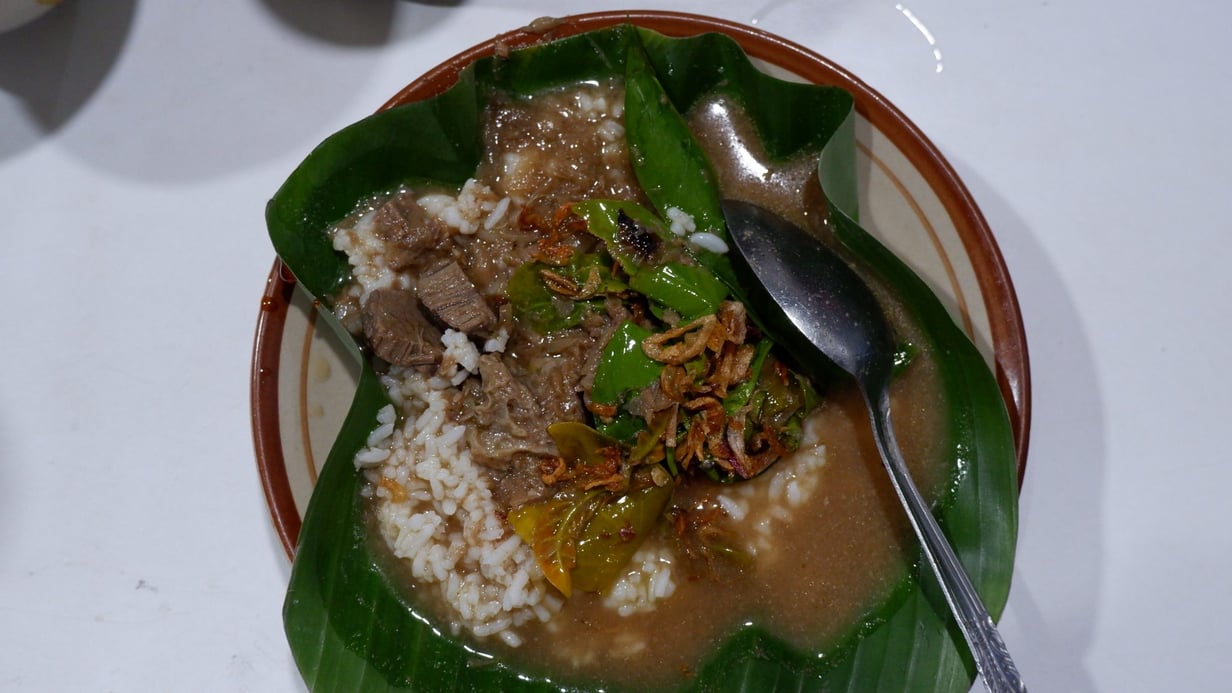
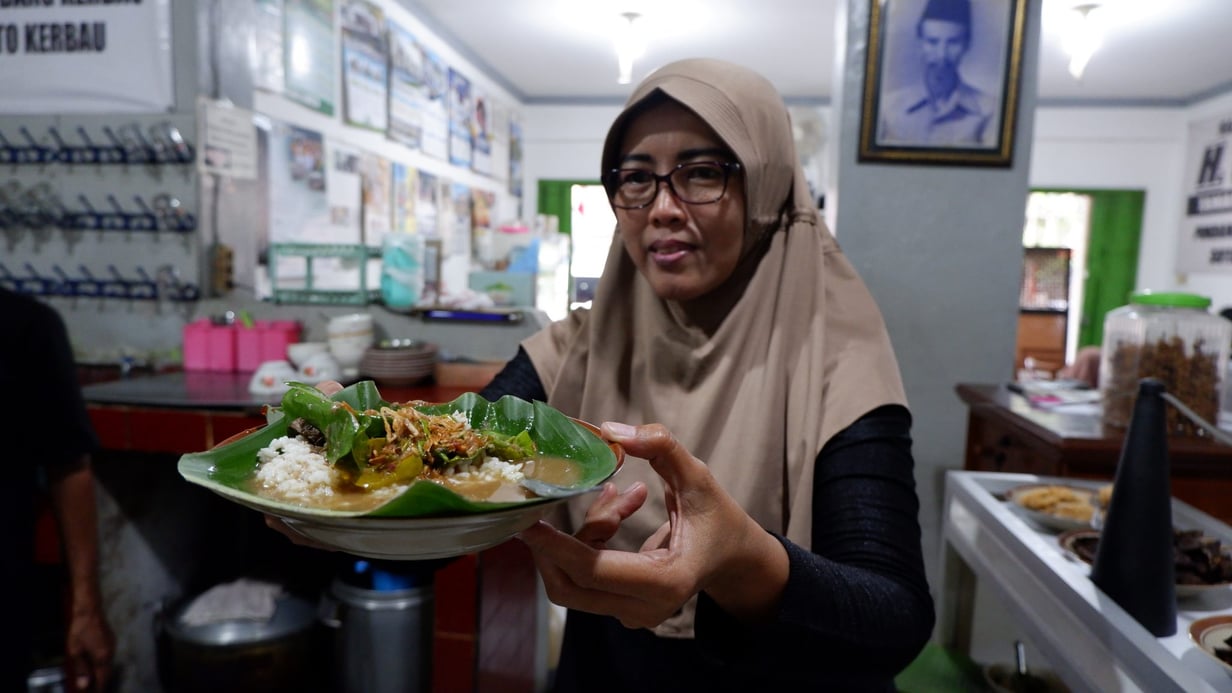
KUDUS – A bowl of white rice topped with slices of buffalo meat, a savory brown broth, and melinjo leaves is a signature dish at the Warung Sego Pindang H. Sulichan in the Taman Bojana area of Kudus. To first-time visitors, the dish may appear modest. However, this bowl of *nasi pindang* carries a legacy of family recipes, local dining customs, and a culinary tradition that has endured for generations in Kudus.
For local residents, *nasi pindang* is more than just food; it is an enduring part of daily life. For visitors from outside the region, sampling *nasi pindang* or buffalo *soto* at H. Sulichan is a gateway to experiencing the flavors synonymous with Kudus.
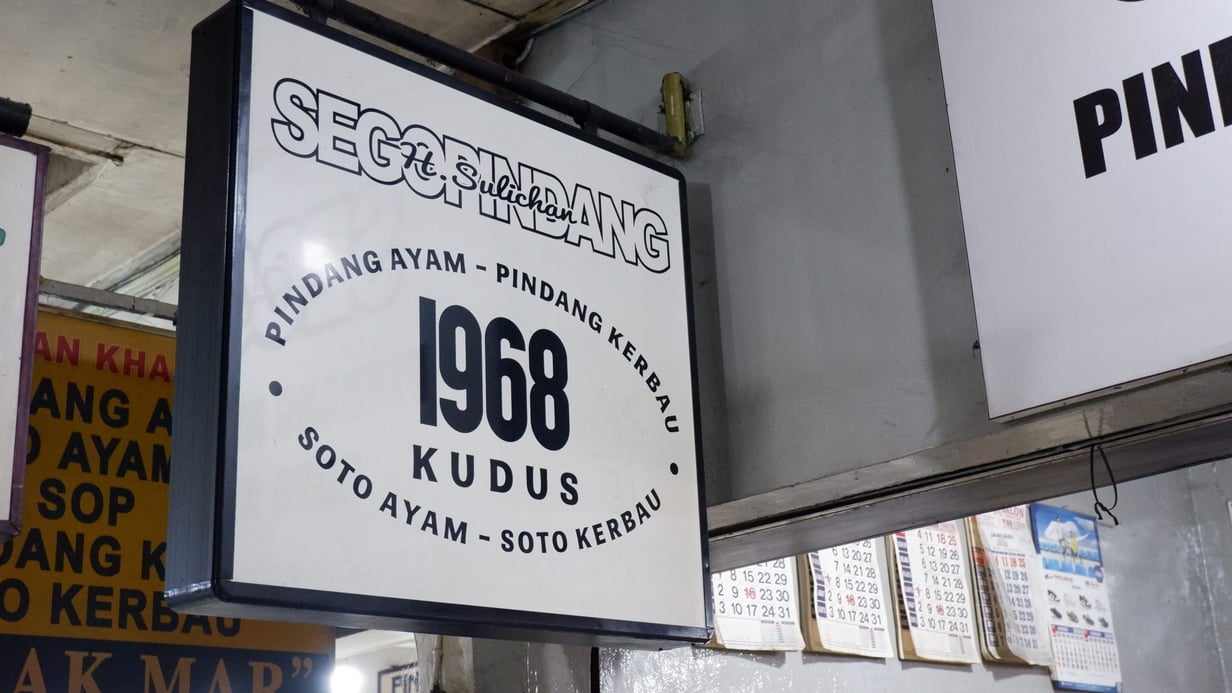
Established in 1968, the business maintains its original family recipes, including the specific use of buffalo meat and traditional seasoning methods that define the dish's character. This long-standing commitment ensures that *nasi pindang* and buffalo *soto* remain fixtures amidst the evolving culinary landscape of Kudus.
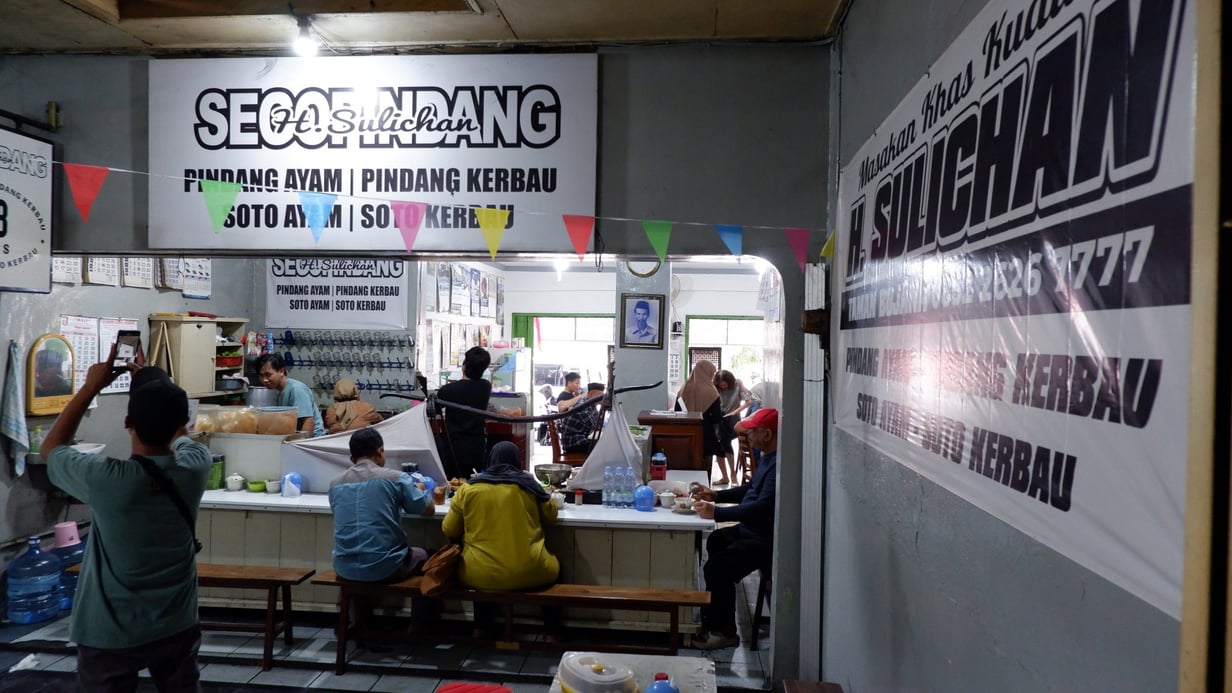
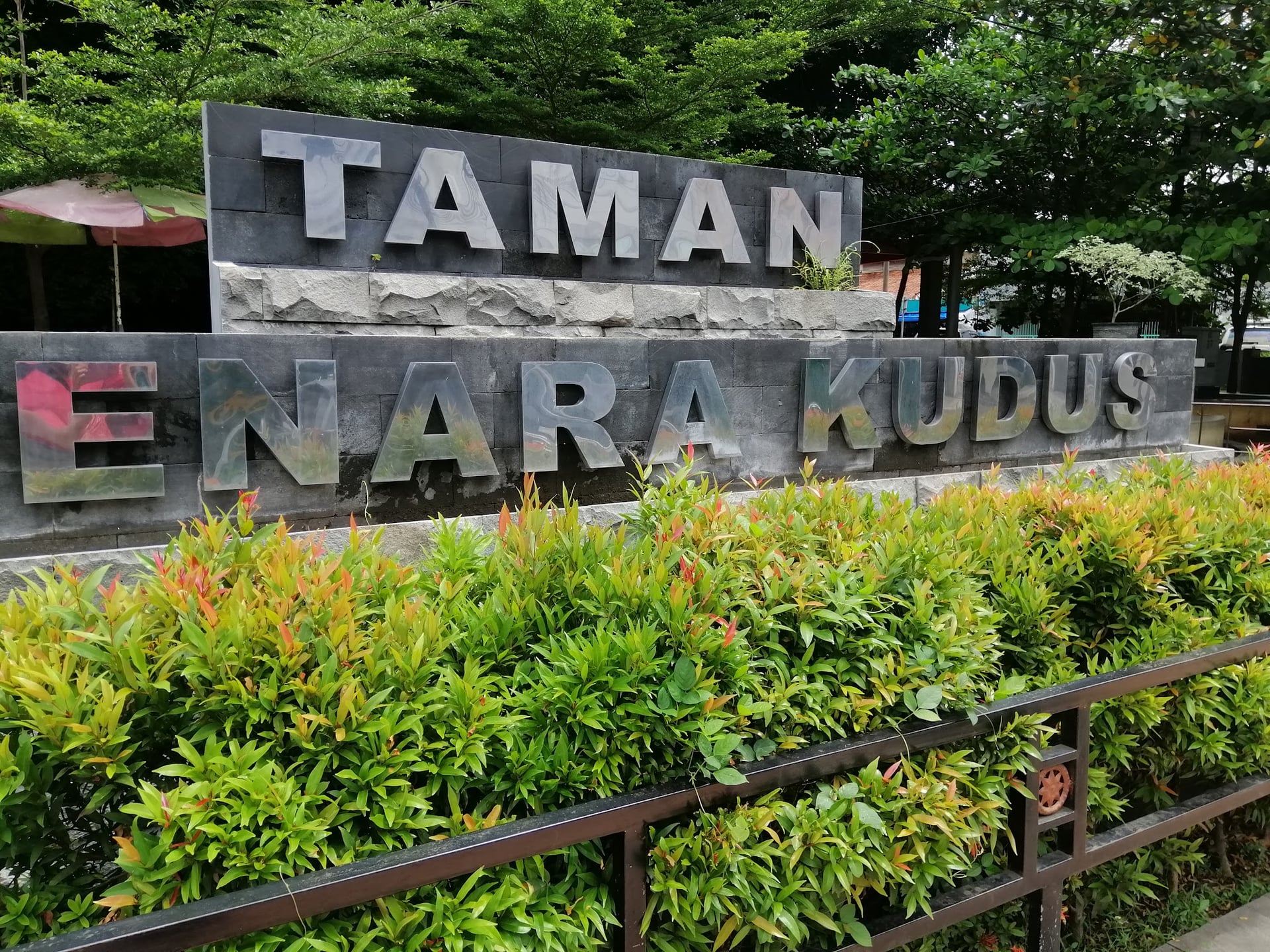
Warung Sego Pindang H. Sulichan boasts a storied history. Founded by H. Sulichan in 1968, the shop was originally located near what is now the Ramayana Mall. In 1997, the business relocated to the Taman Bojana area, where it has remained ever since.
Pusat Kuliner Taman Bojana, Barongan, Kec. Kota Kudus, Kabupaten Kudus, Jawa Tengah 59313, Indonesia
Despite the change in location, the recipe for *nasi pindang* has remained unchanged, passed down through the family. Ina Nurul Husna, the current manager of Warung Sego Pindang H. Sulichan, attributes the recipe to her parents.
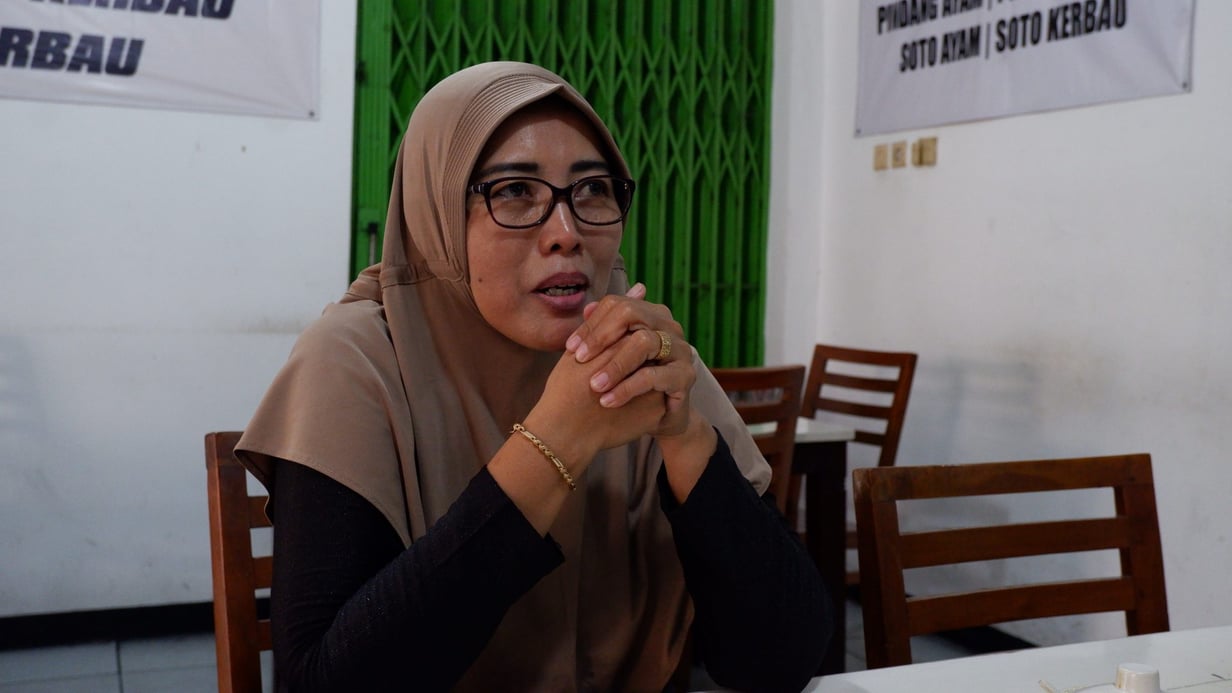
"It is an heirloom recipe. My parents knew it best. My mother passed away just a few months ago, but she remained actively involved in preserving the recipe until the end," she said.
For the family managing the establishment, the recipe is more than just a list of ingredients. Specific techniques are required to process each component, ensuring the flavor profile remains consistent with the standard loyal customers have known for years.
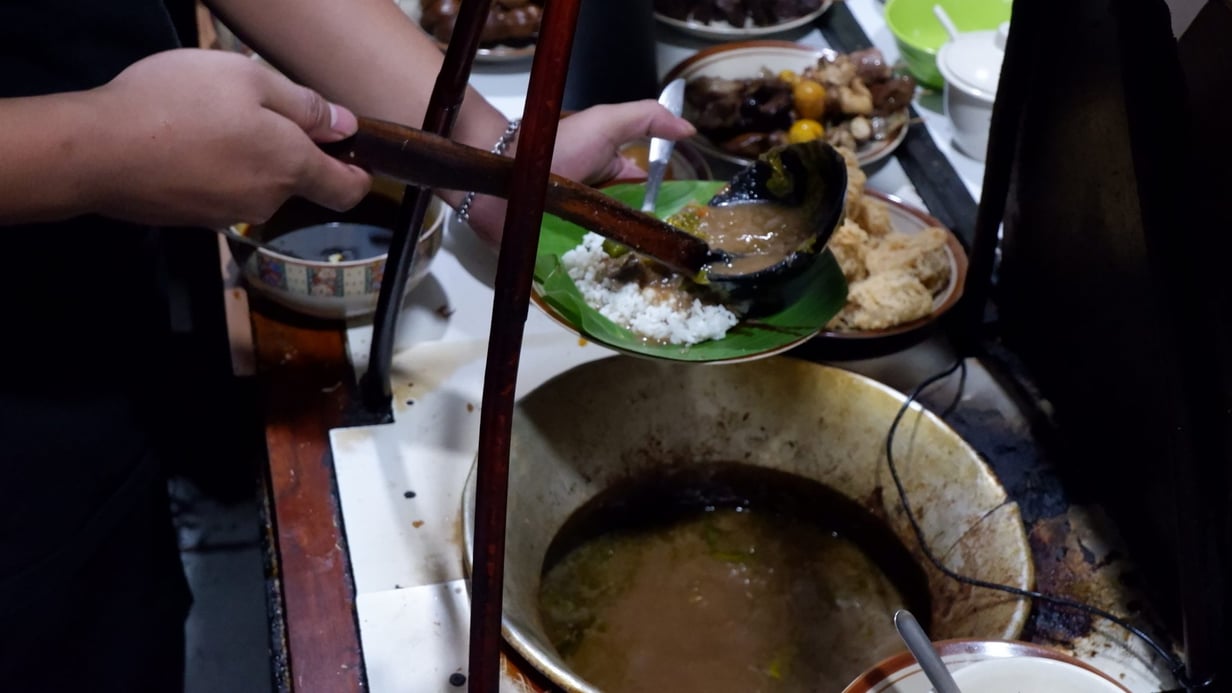
The character of nasi pindang is defined by more than just buffalo meat. Shallots, garlic, candlenut, galangal, coconut milk, melinjo leaves, and kluwek are all essential to the preparation process.
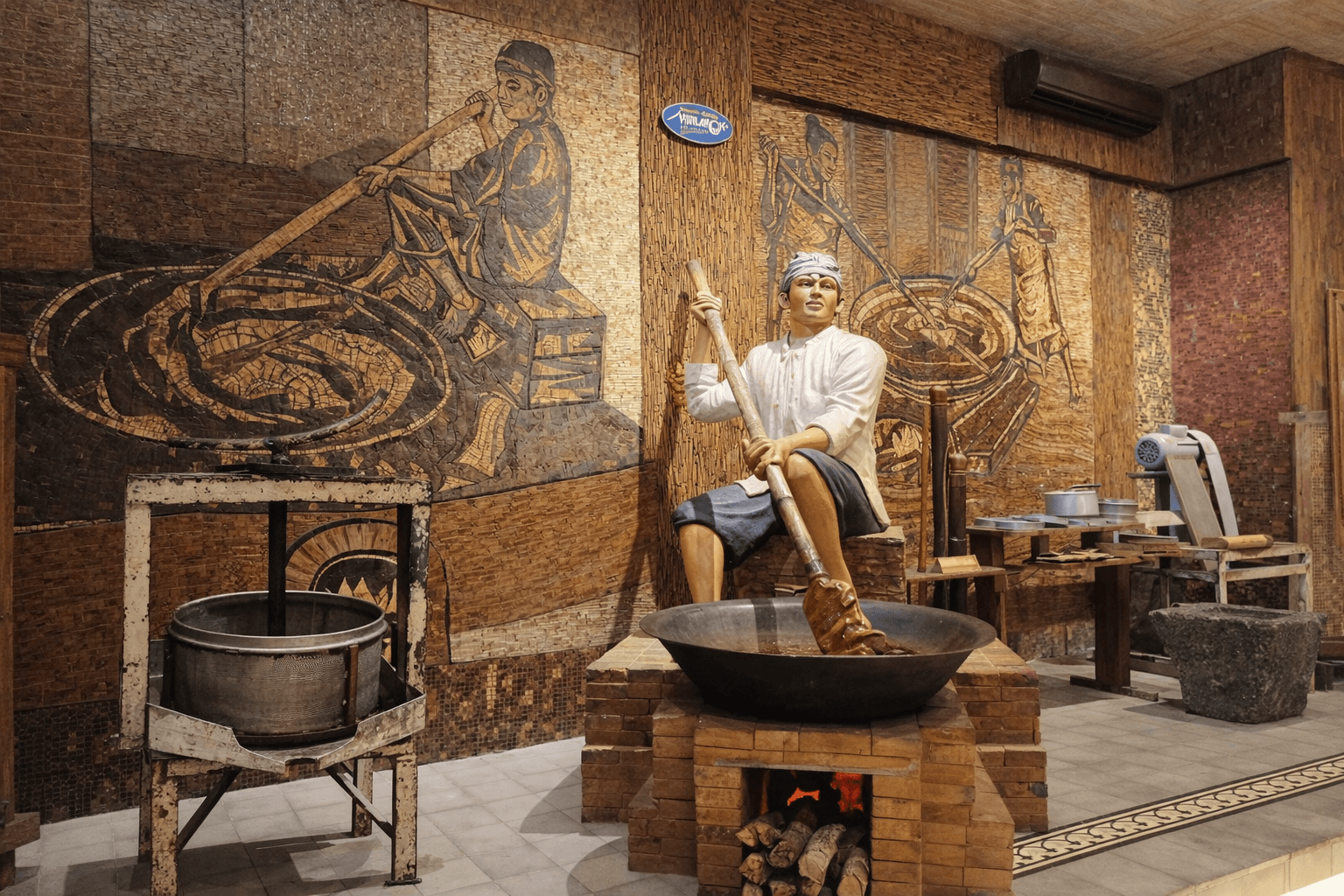
These spices are traditionally ground using a mortar and pestle. The coconut milk is also extracted by hand. Afterward, the spice blend is divided: one portion is added to the broth, while the other is sautéed before being incorporated.
According to Ina, the spice ratio is critical to maintaining flavor, as even a minor variation in one ingredient can alter the final dish.
"The blend of spices determines the flavor. Even a slight shortage of galangal makes a difference, as it changes the aromatic profile," Ina explained.
Melinjo leaves are a hallmark of the dish. Along with kluwek, they contribute to both the broth's characteristic brown color and its unique flavor.
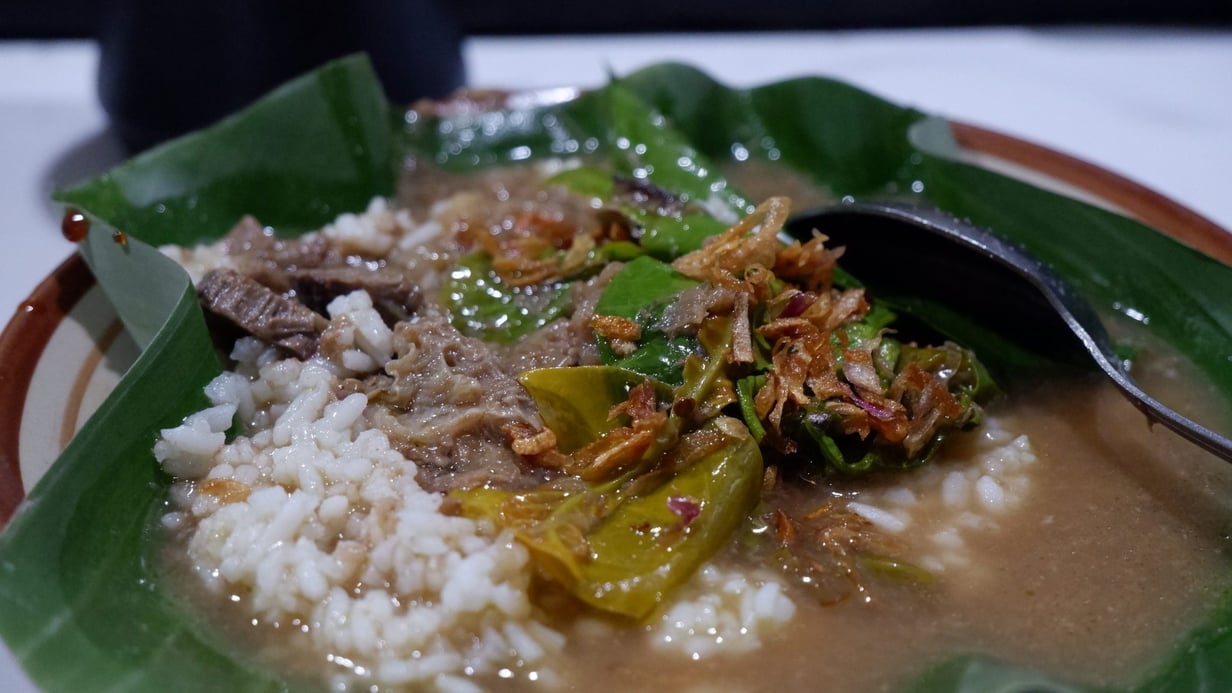
Nasi pindang in Kudus is known for its versatility, offering diners a choice between chicken or buffalo meat. However, buffalo meat is closely linked to the local culinary identity.
At Warung Sego Pindang H. Sulichan, the buffalo meat is pre-cooked and sliced off-site, allowing for faster service when assembling each portion.
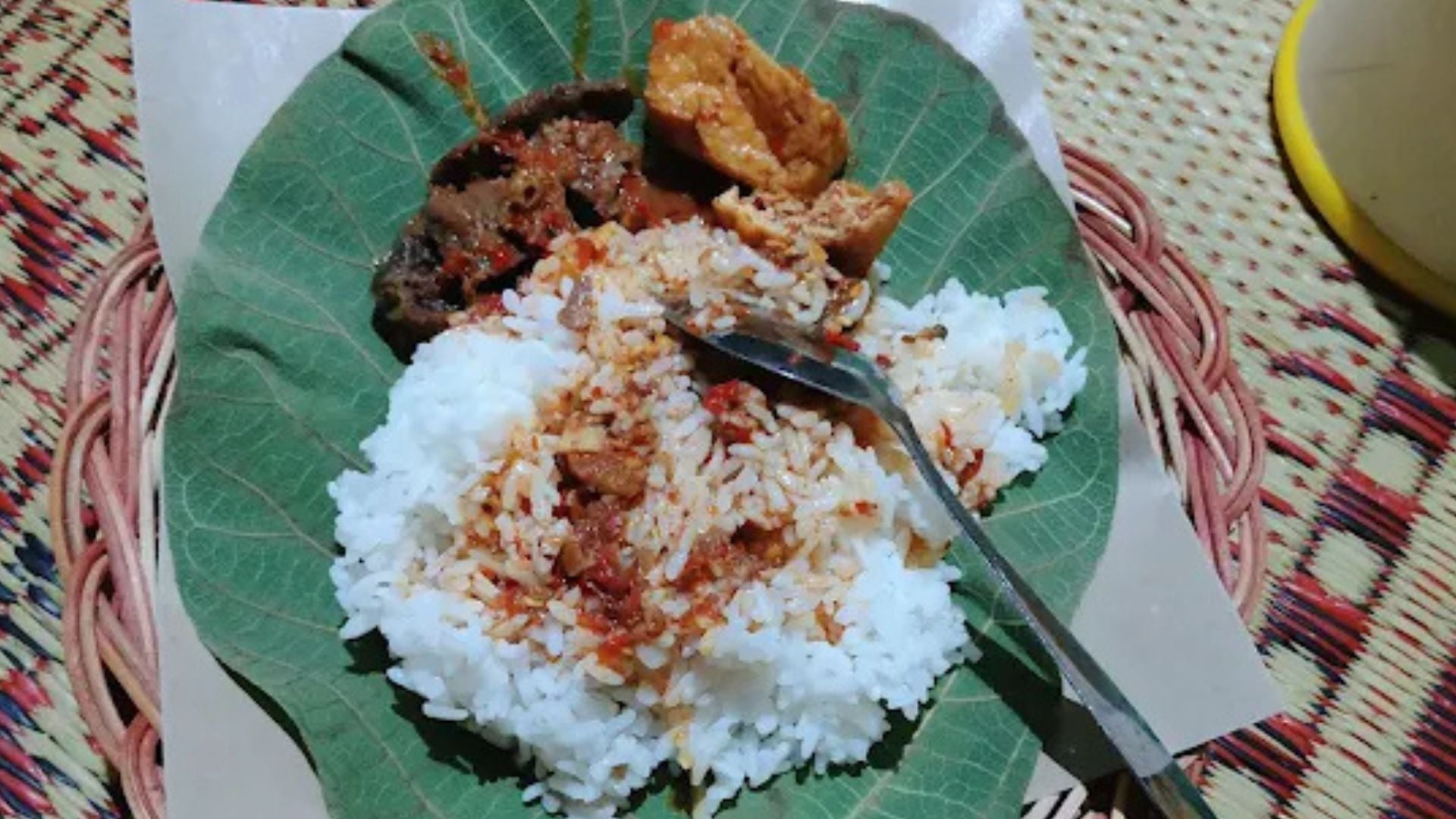
The dish is served with white rice on a plate lined with a banana leaf. The broth, meat, and melinjo leaves are then added, a presentation style long familiar to the eatery’s patrons.
For visitors from outside the region, the term "pindang" can be misleading, as it often suggests a fish-based dish. In Kudus, however, it refers to a savory, meat-filled broth, most notably made with buffalo meat.
For locals in Kudus, buffalo nasi pindang is a culinary tradition. Amir, a regular customer, noted that the dish shares a deep connection with the region's heritage.
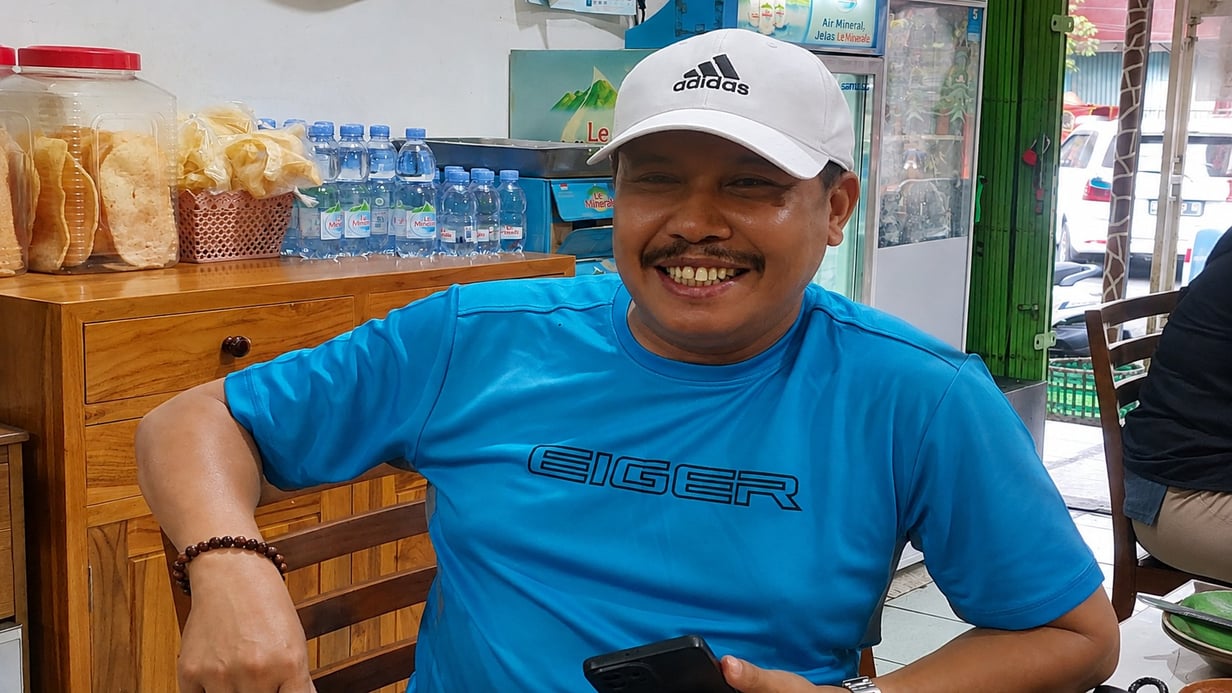
“For people in Kudus, buffalo pindang is iconic. The region is synonymous with buffalo-based dishes,” he said.
He has long frequented Warung Sego Pindang H. Sulichan. When hosting guests from out of town, he often brings them to sample the nasi pindang, including visitors stopping by after a pilgrimage to the Sunan Muria tomb area.
For Amir, introducing guests to nasi pindang is more than just a meal; it is an opportunity to showcase local culinary traditions through a simple dining experience.
A similar sentiment comes from Sandi, a customer from Demak who says he has visited the shop about five times. He notes that the buffalo meat is tender and savory, while the broth features a distinct blend of spices.
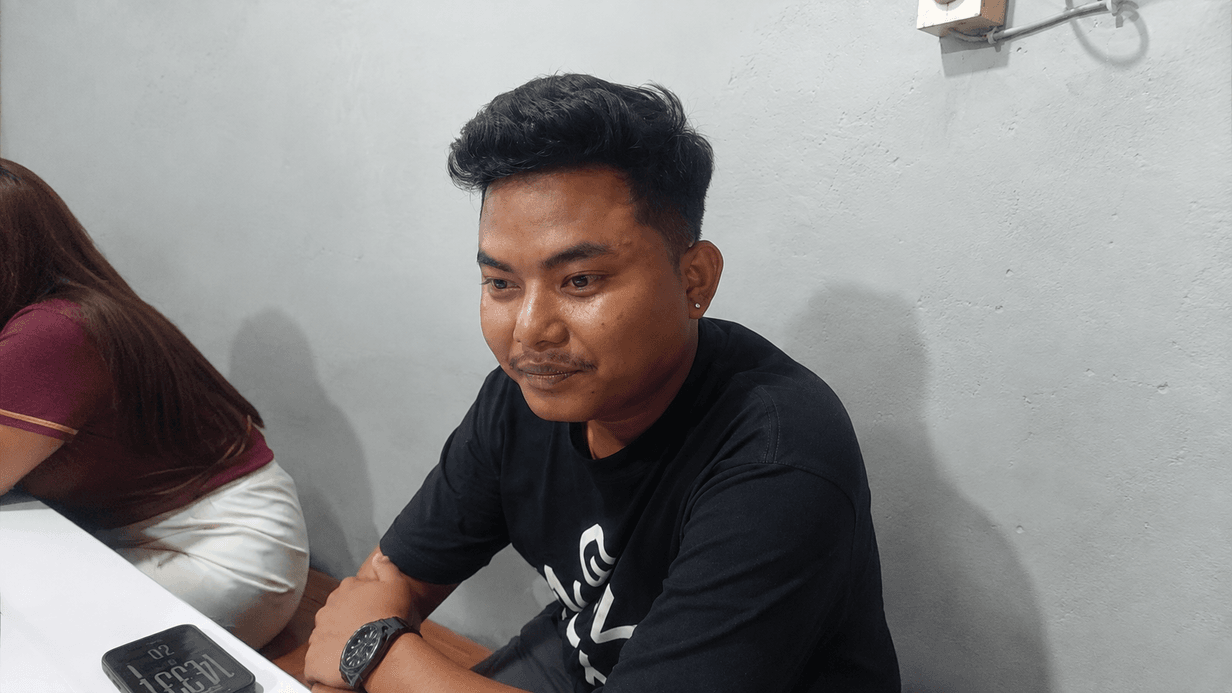
“The buffalo meat is savory and tender, the seasoning is well-balanced, and the spices in the broth are quite prominent. If I have guests, I would definitely bring them here,” he said.
The clientele at Warung Sego Pindang H. Sulichan extends beyond Kudus and the surrounding areas, with many out-of-towners visiting based on recommendations from friends and acquaintances.
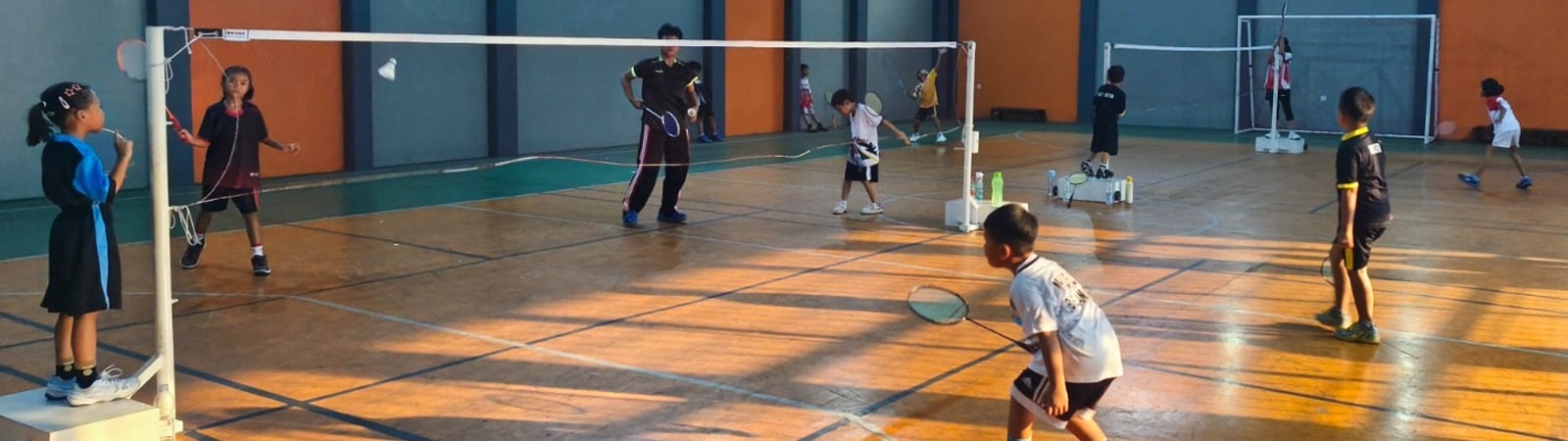
Groups visiting Kudus for events or sports agendas have also made time to dine at the establishment. Their visits underscore how nasi pindang has evolved from a local staple into a culinary choice for those traveling to the city for various purposes.
Even international visitors have stopped by, including a German tourist traveling with their family in Jepara who made a deliberate detour through Kudus to taste the nasi pindang while en route to Semarang.
For such travelers, the dining experience is an integral part of their journey, allowing them to engage with the distinct flavors of the regions they pass through.
Buffalo meat often sparks curiosity among first-time visitors. Many from outside the region anticipate that the meat will be tough due to its larger fiber structure.
However, that impression rarely holds up after the first bite. According to Ina, many first-time customers are pleasantly surprised to find the buffalo meat surprisingly tender.
She noted that the dish is characterized by its savory and slightly sweet flavor profile. Patrons can also adjust the sweetness to their preference using soy sauce.
“Don't overthink the fact that it is buffalo meat; just enjoy it. You will notice the difference. It is not what they expected—the meat is tender,” she said.
These initial experiences often turn into lasting memories for customers, making the once-unfamiliar dish a staple they look forward to whenever they return to Kudus.
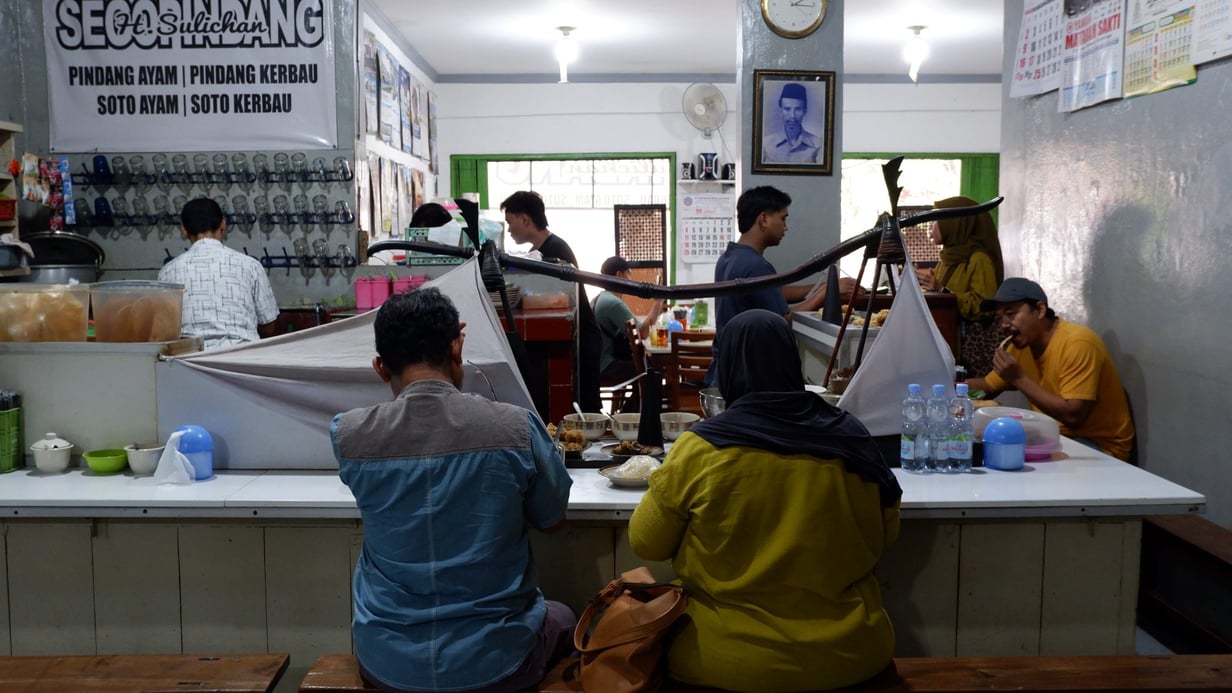
Spanning nearly six decades, the eatery has built a loyal following across multiple generations, often rooted in family traditions where children are introduced to the food by their parents or grandparents.
Even after previous generations pass away, the habit remains, with children and grandchildren continuing to frequent the same establishment.
“They were likely brought here by their grandparents when they were small; those grandparents passed away, then they were brought by their parents, and now the children and grandchildren return here on their own. We truly have patrons from long-standing families,” Ina explained.
This multi-generational loyalty underscores that an eatery's longevity is about more than just the menu—it is about the family traditions passed down through time.
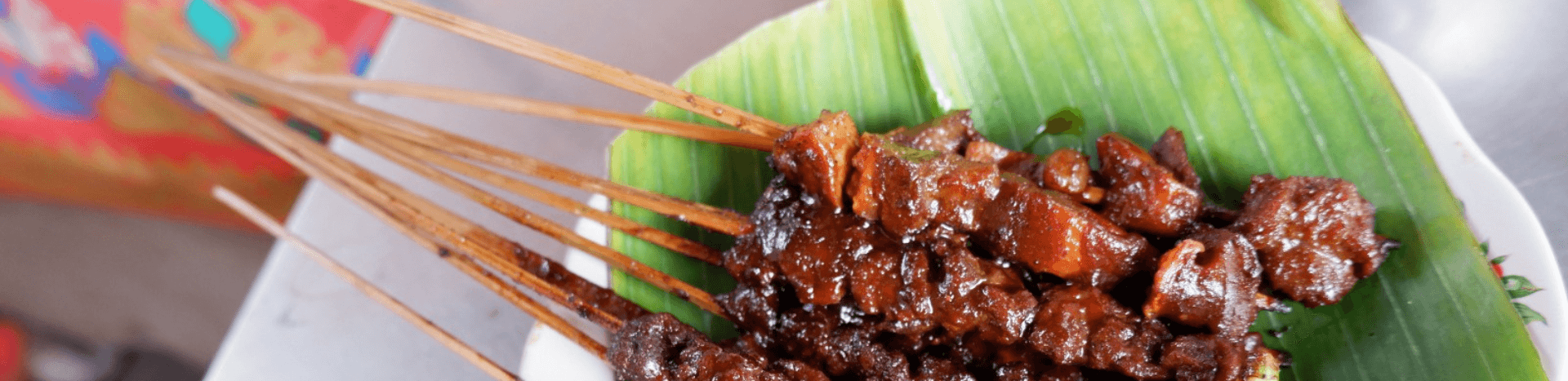
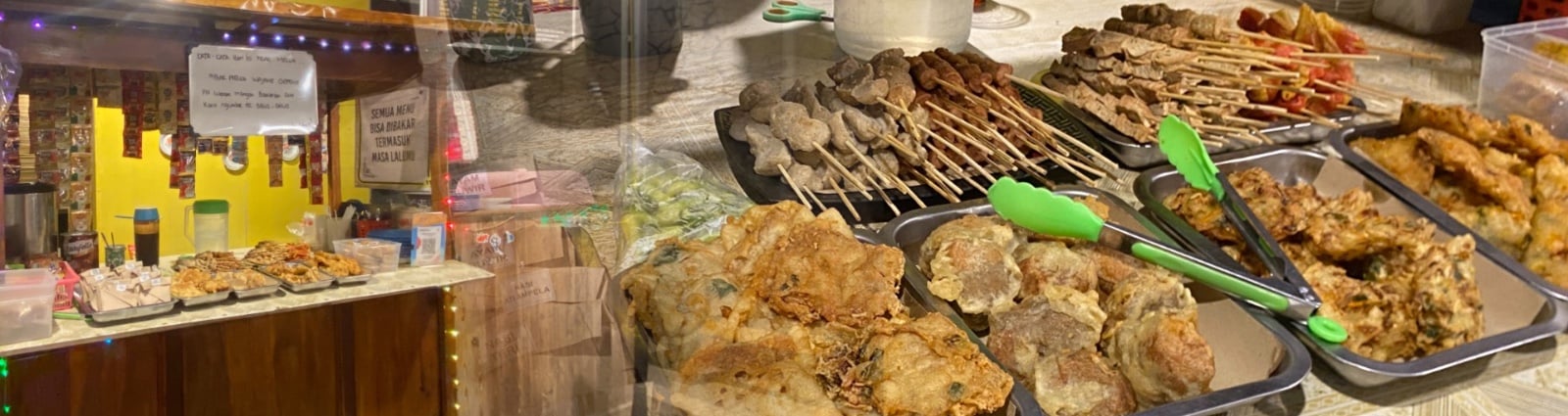
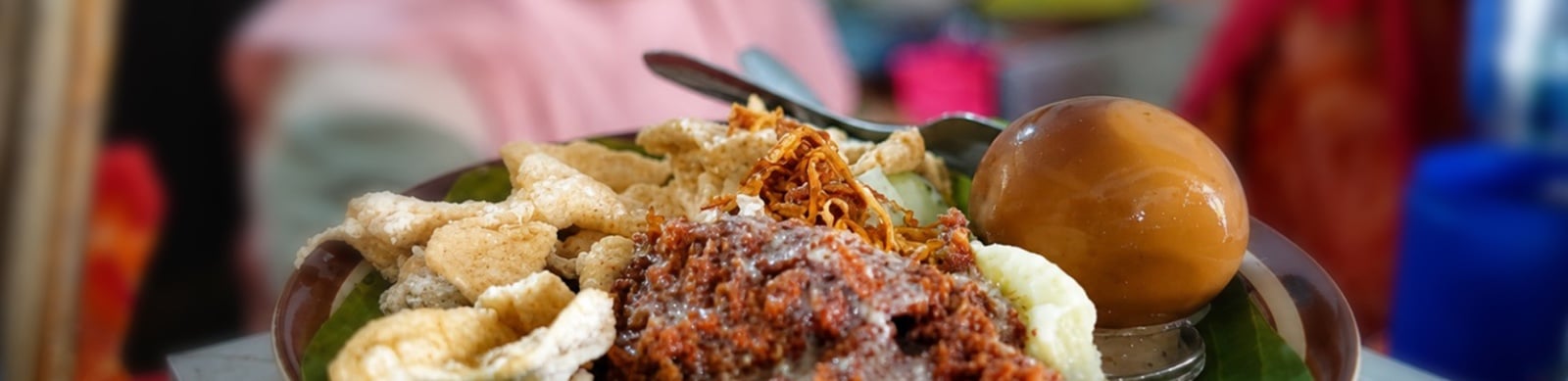
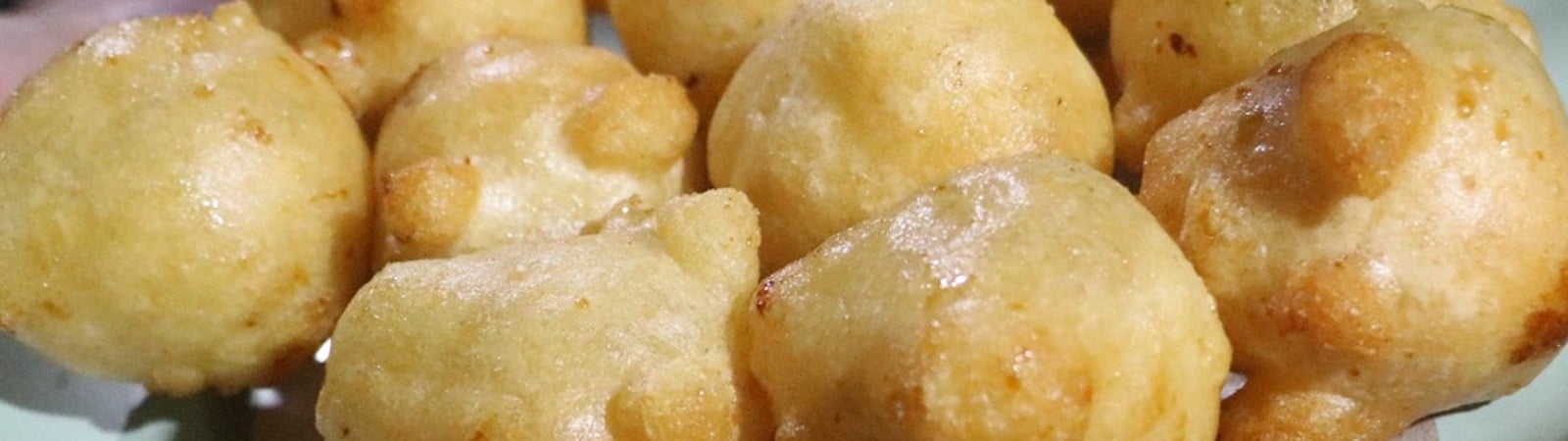
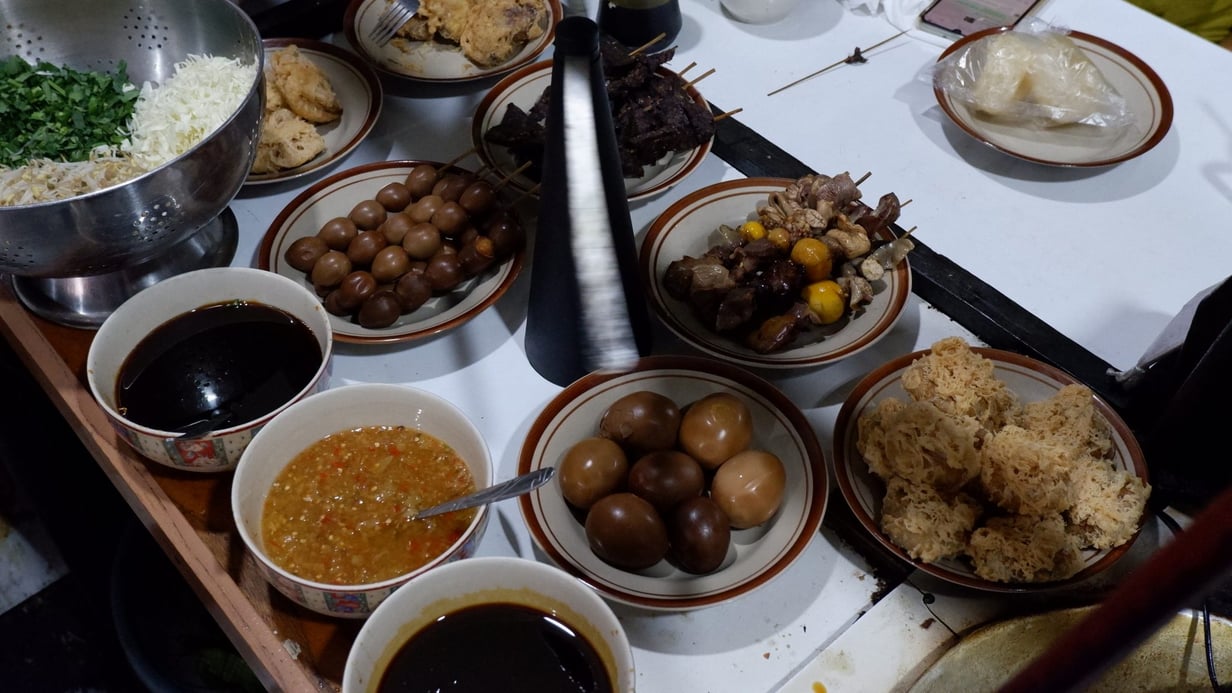
Open daily from 7:15 a.m. to 8:00 p.m. Western Indonesian Time, the shop offers nasi pindang, as well as chicken and buffalo soto, for 20,000 IDR per portion. Diners can also choose from side dishes such as potato fritters, pindang eggs, intestine skewers, lung skewers, liver-gizzard skewers, and crackers.
For Ina, maintaining nasi pindang means both upholding a time-honored family recipe and introducing the dish to new audiences.
As tastes evolve and fusion food becomes more prevalent, there is a pressing need to introduce traditional cuisine to younger generations. She believes this awareness is essential to ensure the public remains familiar with the authentic flavors and characteristics of traditional Kudus dishes.
“It is important to introduce traditional Kudus cuisine. Nowadays, many menus are mixed. People need to know what the authentic version tastes like,” she said.
At Warung Sego Pindang H. Sulichan, this preservation occurs through daily practice. The spices are prepared according to traditional methods, buffalo meat remains a staple, and longtime customers continue to visit with their families.
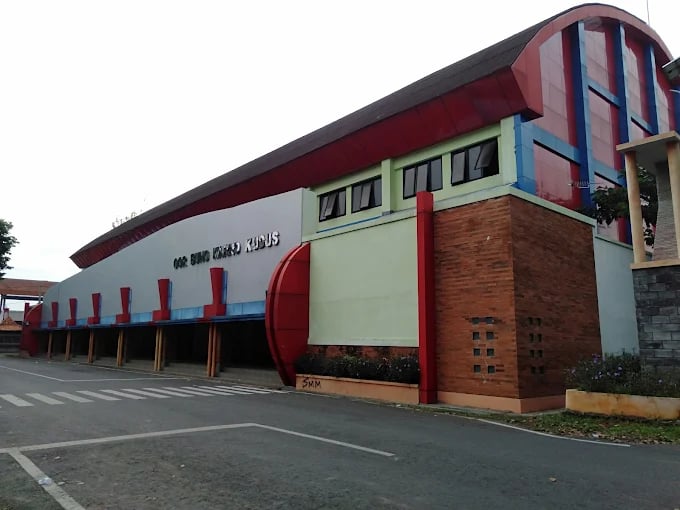
Visitors from outside the region arrive with various stories. Some discover nasi pindang through word-of-mouth recommendations, while others are introduced by relatives or stop in Kudus while traveling. The influx of visitors increases during local sporting events. Groups traveling for matches or sports agendas not only require lodging but also seek out local food during their stay. Many take the opportunity to sample nasi pindang, allowing the stall to reach a broader customer base. For Warung Sego Pindang H. Sulichan, these visitors are vital to maintaining the business’s momentum.
Ultimately, discovering Kudus does not always begin with tourist attractions or historic landmarks. A bowl of nasi pindang can serve as an entry point to understanding the food, customs, and family stories embedded in the local community. From a recipe handed down since 1968 to patrons who bring along the next generation, H. Sulichan’s nasi pindang remains an enduring chapter in the ongoing culinary journey of Kudus. (DN/mainkekudus)