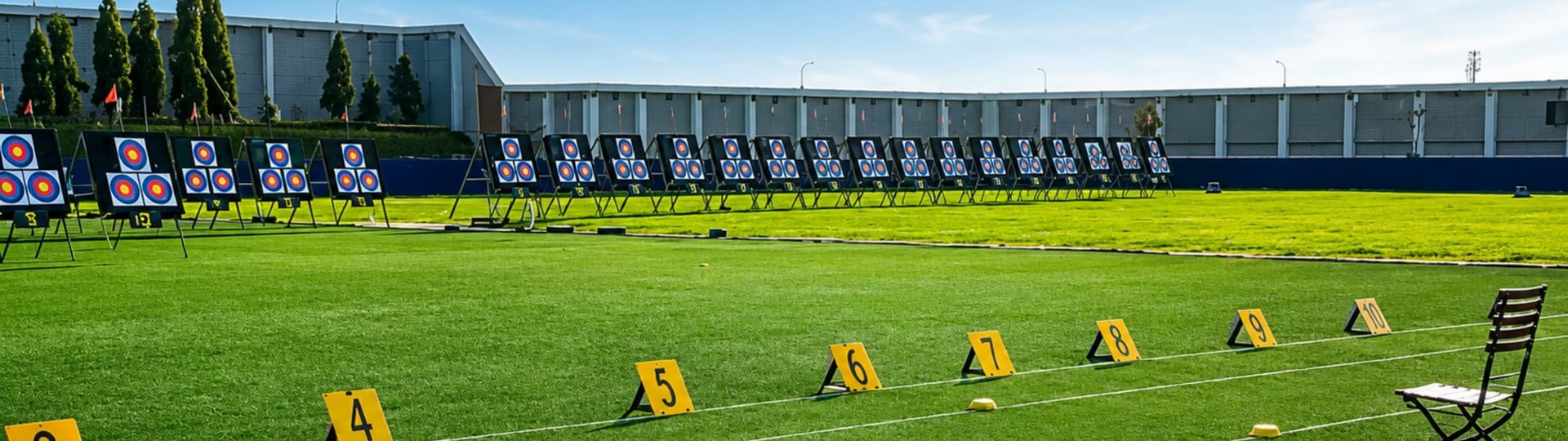

KUDUS – At the Supersoccer Arena archery field in Kudus, the sound of arrows striking targets has become a weekly ritual. Behind every shot lies a rigorous process for dozens of young children. They come not only to learn archery but to develop discipline, patience, and self-control.
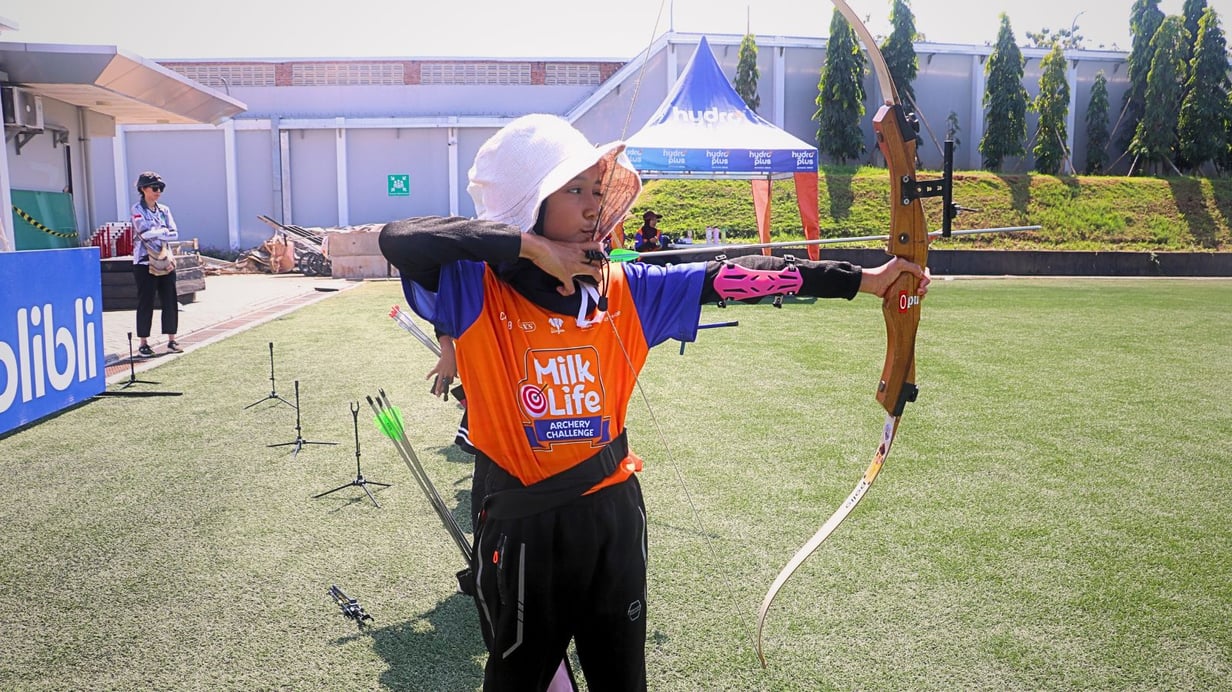
Many of the students arrive for training still wearing their elementary school uniforms. While some were introduced to archery through extracurricular programs, others joined at the encouragement of their parents. Regardless, everyone begins at the same starting point. There are no shortcuts to success, as each child must progress through structured training levels.
This process forms the foundation of the Kudus Archery School. Under the auspices of the Indonesian Archery Association (Perpani) Kudus chapter, the club serves as a space for children to grow as both athletes and individuals. Here, the regeneration of archery talent is fostered through directed early-age training.
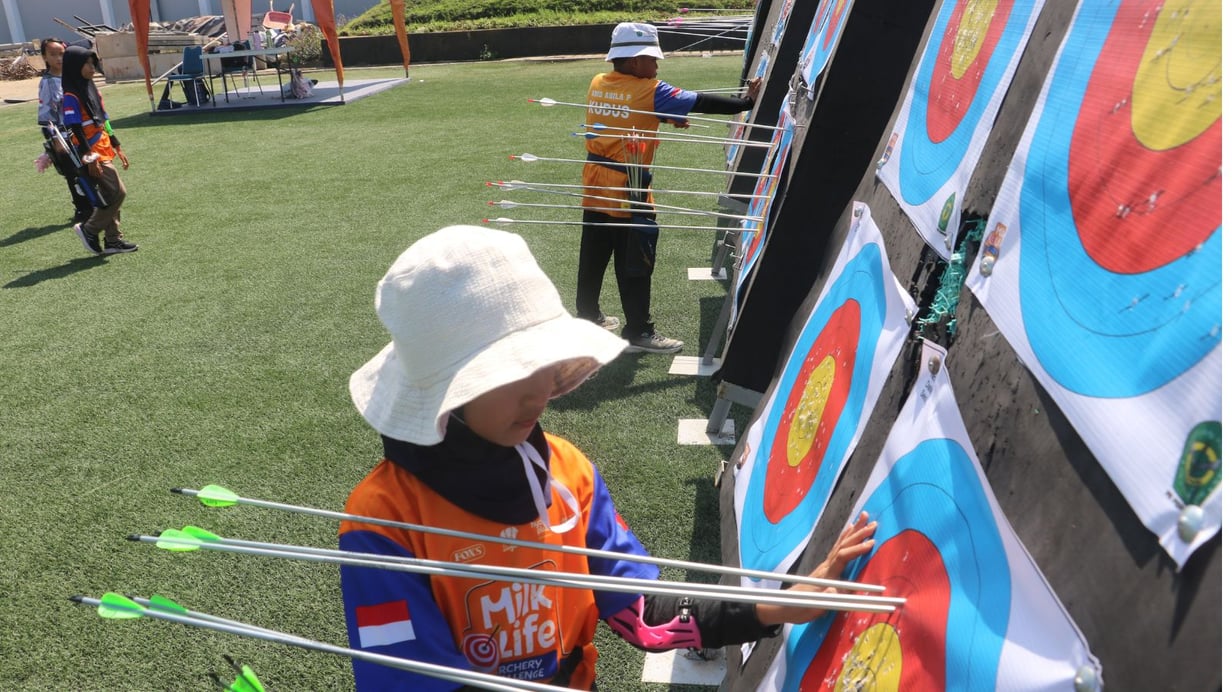
Kudus Archery School was established to provide an official training venue under Perpani Kudus. Managed with support from the Bakti Olahraga Djarum Foundation at the Super Soccer Arena in Kudus, the partnership ensures athletes have access to adequate facilities and a sustainable development system.
Vera Eka Wardhani, an administrator at Kudus Archery School, explained that all Perpani branches are required to host a club for athlete development. In Kudus, this requirement has been met through a collaboration that integrates top-tier training facilities with centralized club management.
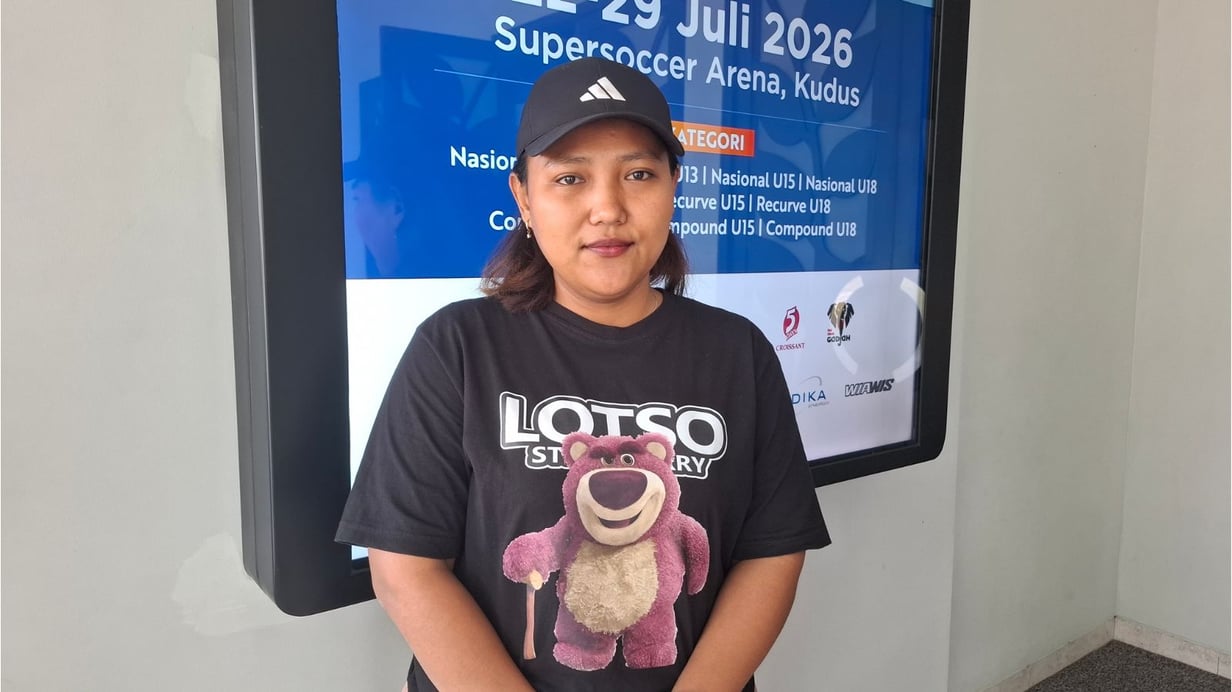
According to Vera, a club is more than just a gathering place for practice. Crucially, it serves as a center for continuous development, ensuring a sustainable pipeline of athletic talent. To this end, beyond routine training, the Kudus Archery School periodically hosts the Archery Challenge twice a year, providing young athletes a platform to test their skills in a competitive environment.
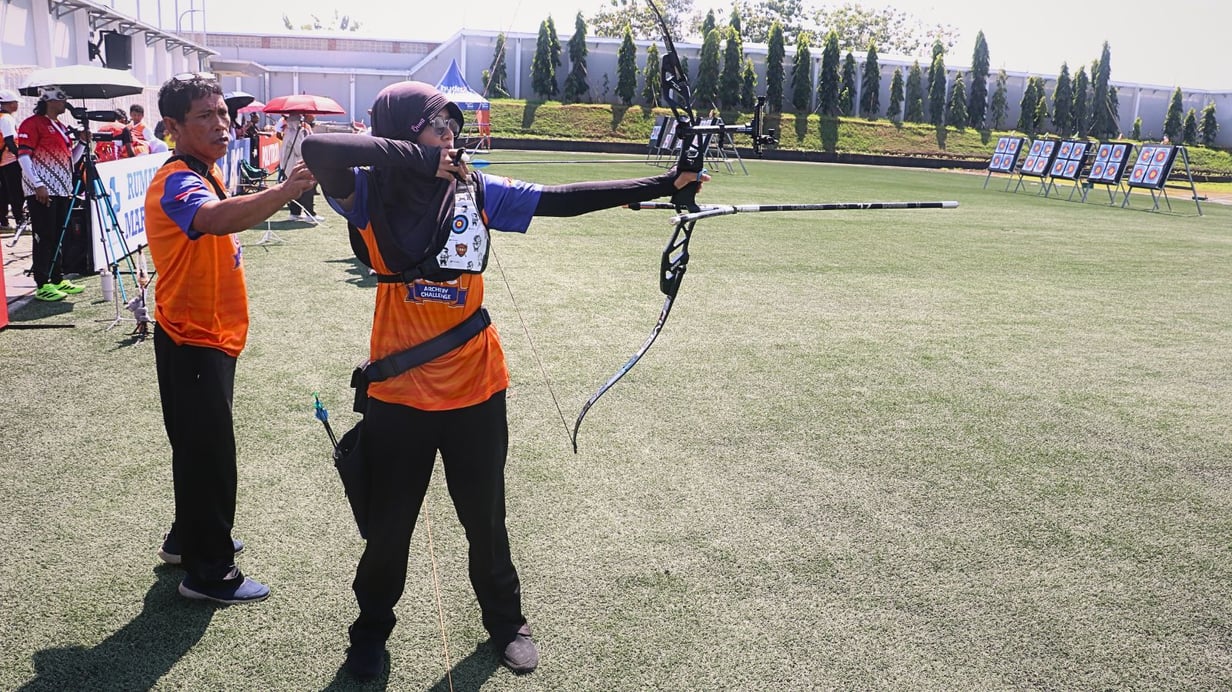
These competitions offer essential experience. Children learn to manage match pressure, face opponents from various regions, and understand the tangible goals of their training. Interest in both the events and membership at the Kudus Archery School has grown steadily year over year. This enthusiasm was clearly visible during the MilkLife Archery Challenge 2026 Junior National Championship, which drew young athletes from across the country.
For Vera, early-childhood development is a long-term investment. Sustaining a child's interest in sports requires a process that is both enjoyable and challenging. The goal is to cultivate athletes capable of advancing from local and provincial levels to representing Indonesia on the international stage.
However, the path to that level does not begin with handling a bow.
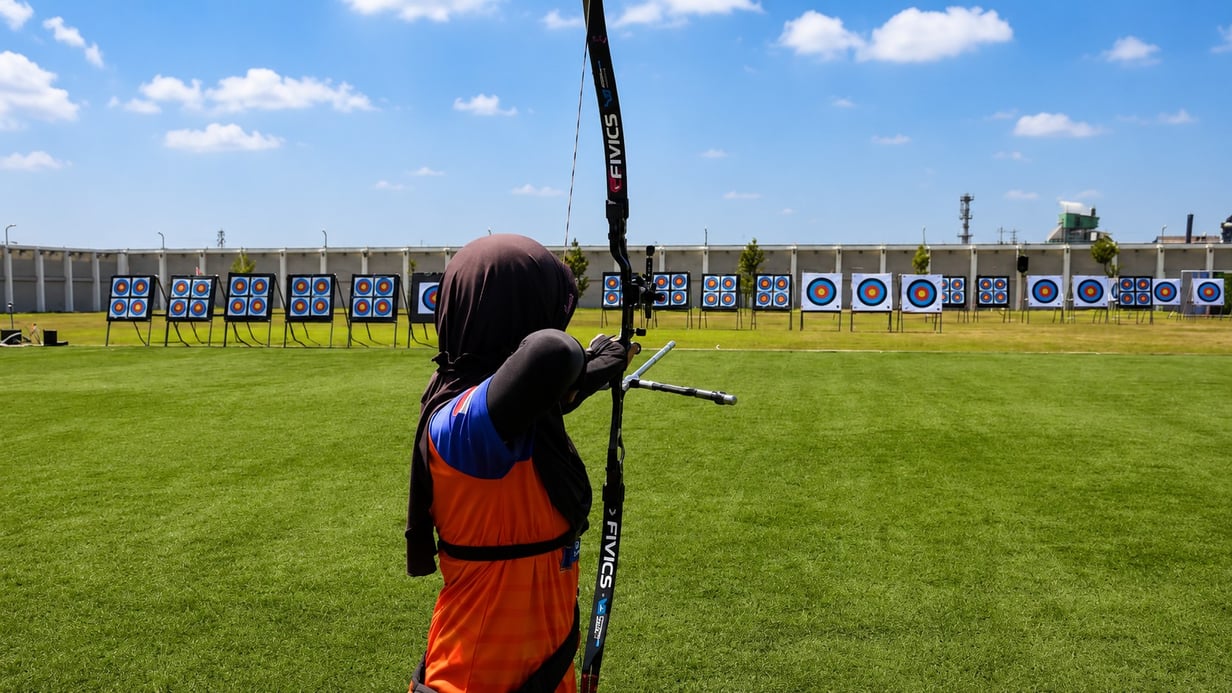
Kudus Archery School coach Rio Riswandha explained that new participants are first introduced to fundamental techniques without any archery equipment. They focus on body positioning, balance, motor coordination, and proper posture before they are permitted to use a bow and arrow.
Following a three-month introductory period, participants are grouped by skill level—beginner, intermediate, or advanced. Coaches use this phase to gauge each child's interest, helping determine whether they view archery as a casual hobby or a pursuit of competitive excellence.
Rio notes that the greatest challenge in coaching youth is not technical training, but cultivating focus. Children at this age are often guided by their moods, making it easy for them to lose concentration or become distracted by peers.
Consequently, training extends beyond physical conditioning to include focus drills through simple meditation. The objective is to foster patience, emotional regulation, and sustained concentration, rather than just technical precision on the target.
This holistic approach continues as athletes prepare for competition, with assessments extending well beyond scoreboard metrics.
Rio explains that athletes are only cleared for championship competition once technical proficiency aligns with mental readiness. High scores in practice do not guarantee readiness for competition, as athletes must also learn to manage the pressures of a tournament environment. Mental fortitude is a critical component of the development process, given that competition settings differ significantly from daily training.
This is the path currently taken by Deeva Earlyta Arsyfa.
A student from Purwosari Village, Kudus, Deeva began archery through an extracurricular program in the second grade. Her interest grew steadily, leading her to join the Kudus Archery School, where training has since become a staple of her routine.
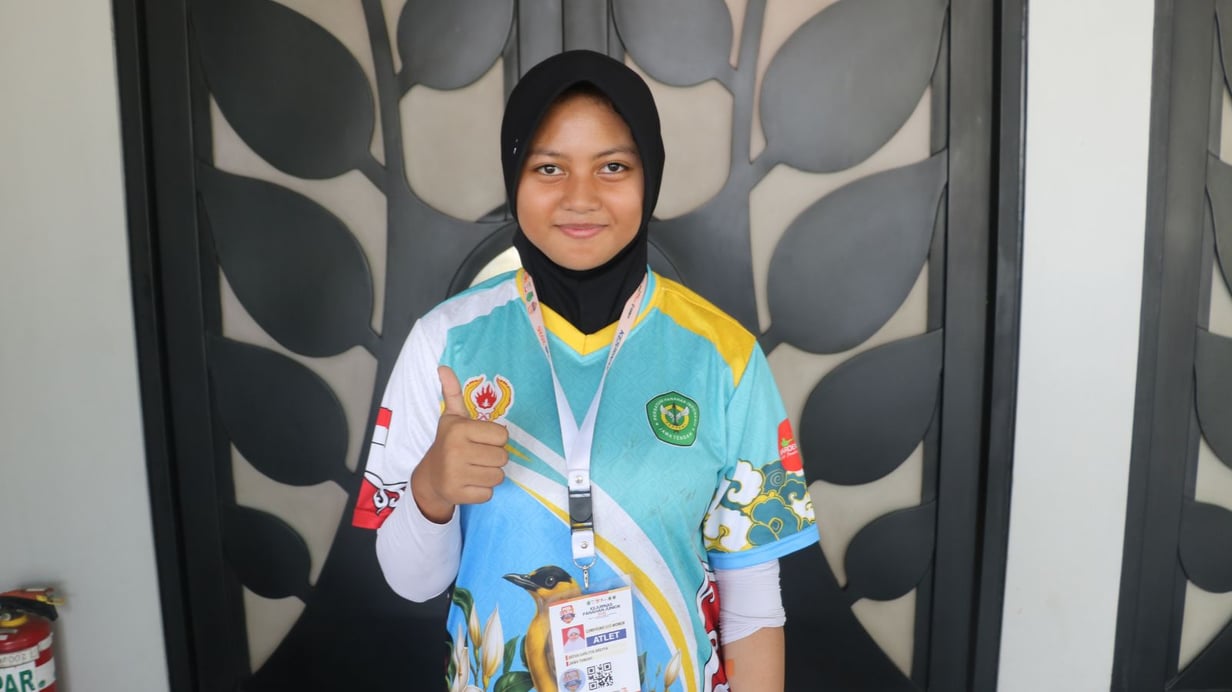
For Deeva, the greatest challenges are often uncontrollable variables, such as strong winds that force her to adjust her aim. These conditions reinforce the lesson that archery success relies as much on situational awareness as it does on technique.
Deeva's experience has expanded through regional and national competitions. At the 2026 MilkLife Archery Challenge Junior National Championship held at the Supersoccer Arena in Kudus, she represented the Central Java A contingent in the U-13 Compound division.
Though still in middle school, she has clear ambitions. Deeva hopes to eventually represent the Indonesian National Team, continuing to refine her skills through every competitive opportunity.
This journey is rarely a solitary one. Behind the weekly training sessions, families play a vital role in maintaining the pace of development. Parents manage academic schedules, ensure proper nutrition, provide equipment, and offer support throughout championship events.
This experience is shared by Prisca Rani Yusnita Dewi, Deeva’s mother. She noted that archery was not a sport she chose for her daughter; rather, the interest emerged after Deeva joined an extracurricular program at school. Seeing her daughter’s enthusiasm for the sport, the family sought a training center to further support her development.
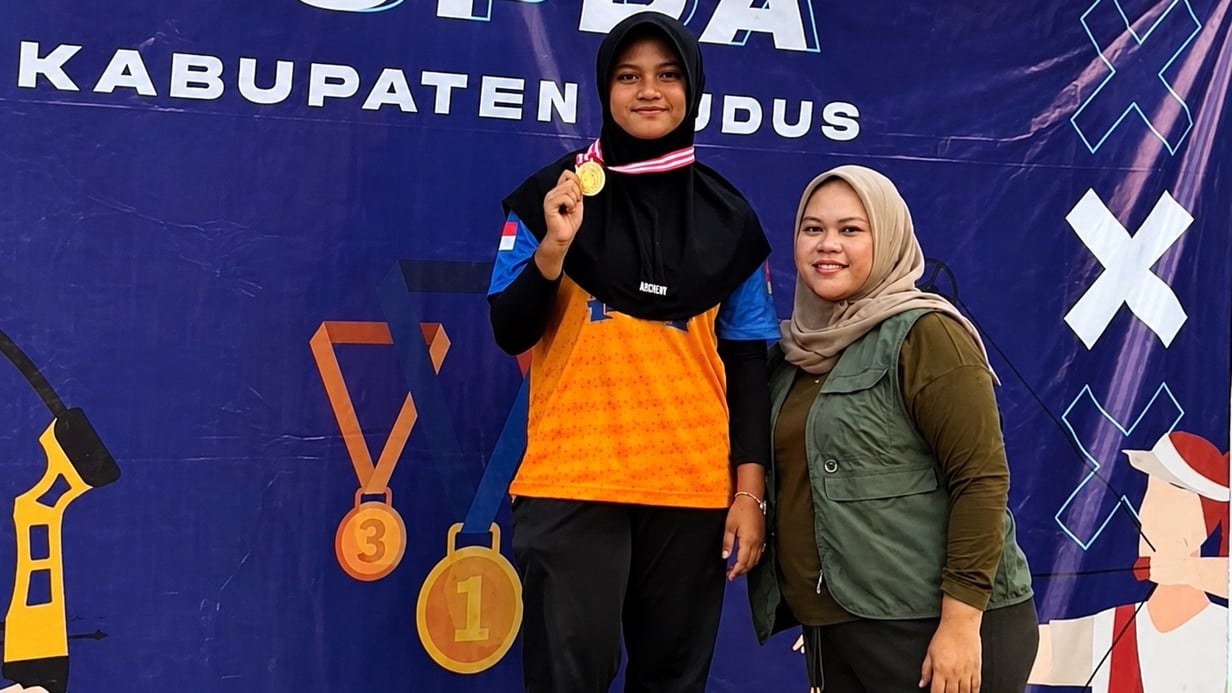
This path eventually led Deeva to join the Kudus Archery School when she was in second grade. After approximately six years of training, Rizka has observed changes that extend far beyond archery skills.
According to Rizka, Deeva has developed greater discipline in her daily activities and improved emotional control. Psychological guidance provided during competitions has helped the athletes manage pressure and adapt to new environments.
These positive impacts are also evident in her academic life. Deeva now shows a greater ability to maintain focus on tasks requiring intense concentration. For Rizka, these personal growth benefits are as significant as the medals won in competition.
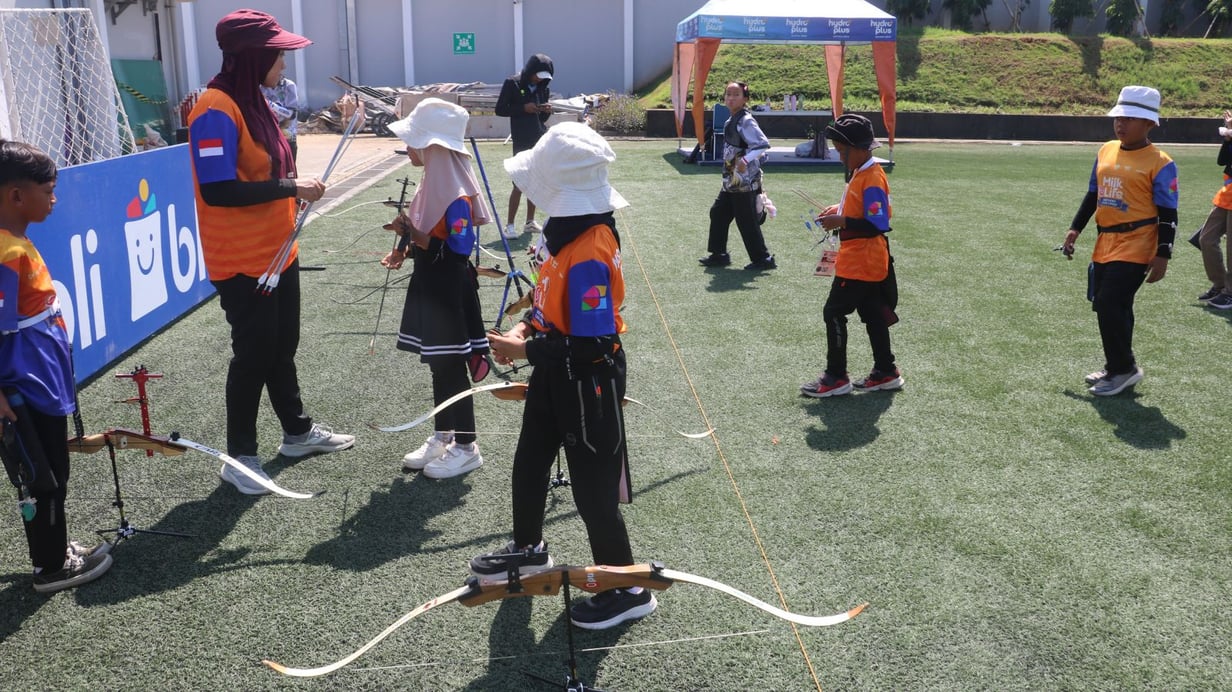
Training session at the Kudus Archery School at the Supersoccer Arena. (Photo: JMY/mainkekudus)