
KUDUS – PB Djarum has been based in Kudus since its founding on April 28, 1969. Initially established by a group of employees with a shared passion for badminton, the club evolved from informal gatherings into a professionally managed organization, eventually becoming a cornerstone of badminton development in Indonesia.
More than five decades later, PB Djarum operates a comprehensive athlete development system that encompasses talent scouting, rigorous training, education, character building, and performance monitoring. From its base in Kudus, the club focuses on providing young athletes with the opportunities needed to excel in national and international competition.

PB Djarum’s history is defined by the generations of athletes who have flourished under its guidance. Liem Swie King remains a landmark figure, securing three All England titles in 1978, 1979, and 1981, and serving as a key pillar for Indonesia’s Thomas Cup team. Following that era, Hariyanto Arbi—famed for his "100 Watt Smash"—emerged, along with 1992 Barcelona Olympic gold medalist Alan Budikusuma and 1997 men's doubles world champion Sigit Budiarto, who won alongside partner Candra Wijaya.
The cycle of success continued with subsequent generations. Tontowi Ahmad and Liliyana Natsir captured gold at the 2016 Rio de Janeiro Olympics, while Kevin Sanjaya Sukamuljo achieved numerous accolades with Marcus Fernaldi Gideon, including All England titles in 2017 and 2018. Mohammad Ahsan claimed men's doubles world championship titles in 2013, 2015, and 2019 alongside Hendra Setiawan. In mixed doubles, Praveen Jordan and Debby Susanto also secured the All England crown in 2016.
These achievements illustrate PB Djarum’s commitment to sustained intergenerational success. Athletes who graduate from the system leave behind impressive legacies, while the continuous search and development of young talent ensure the pipeline for future stars remains active.
For PB Djarum, this journey is vital to its regeneration process. Athletes arriving at the center are not only trained to win matches but are also prepared through a long-term development process before gaining the opportunity to compete at the highest levels.
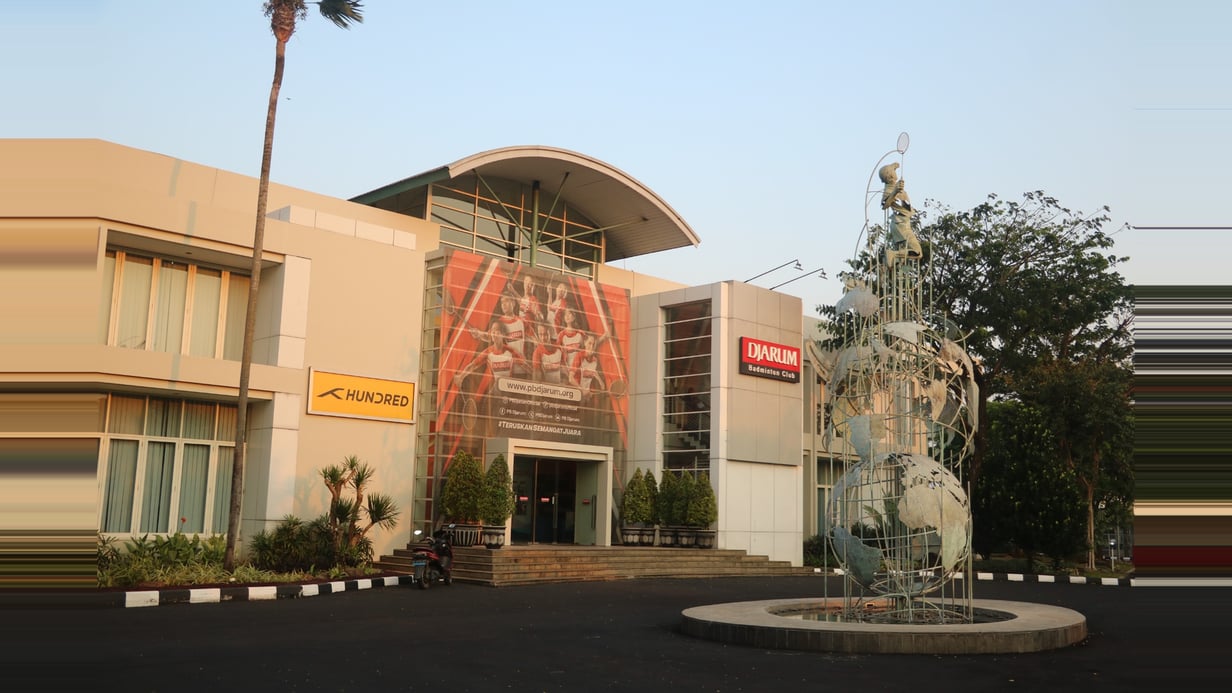
The history of PB Djarum began with modest roots. Established on April 28, 1969, the club grew from a group of employees who shared a passion for badminton. What began as a recreational activity eventually evolved into a professionally managed organization.
The club's growth mirrored the rise of its trained athletes, who achieved success in numerous competitions. Liem Swie King remains a pivotal figure in PB Djarum's history, with his signature King Smash marking a defining era for the club.
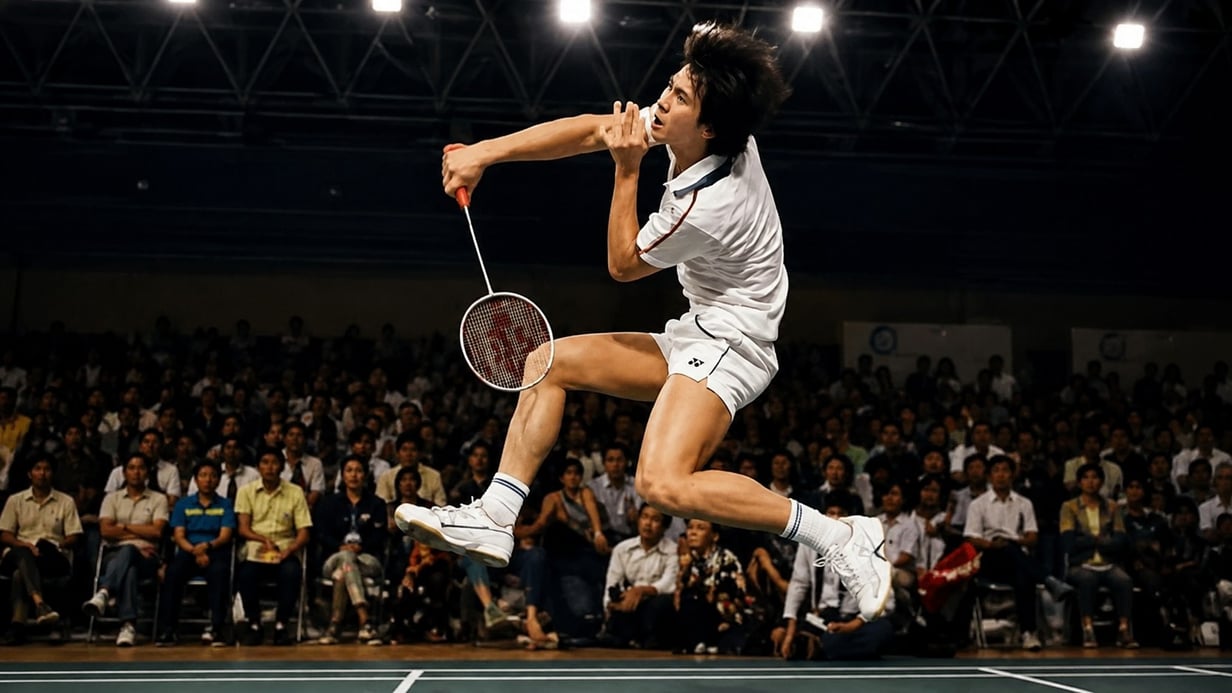
This momentum carried into the following generation. Hariyanto Arbi emerged as a standout PB Djarum athlete in the 1990s. The Indonesian men's singles legend became known as the "100-Watt Smash" for his powerful and precise shots.
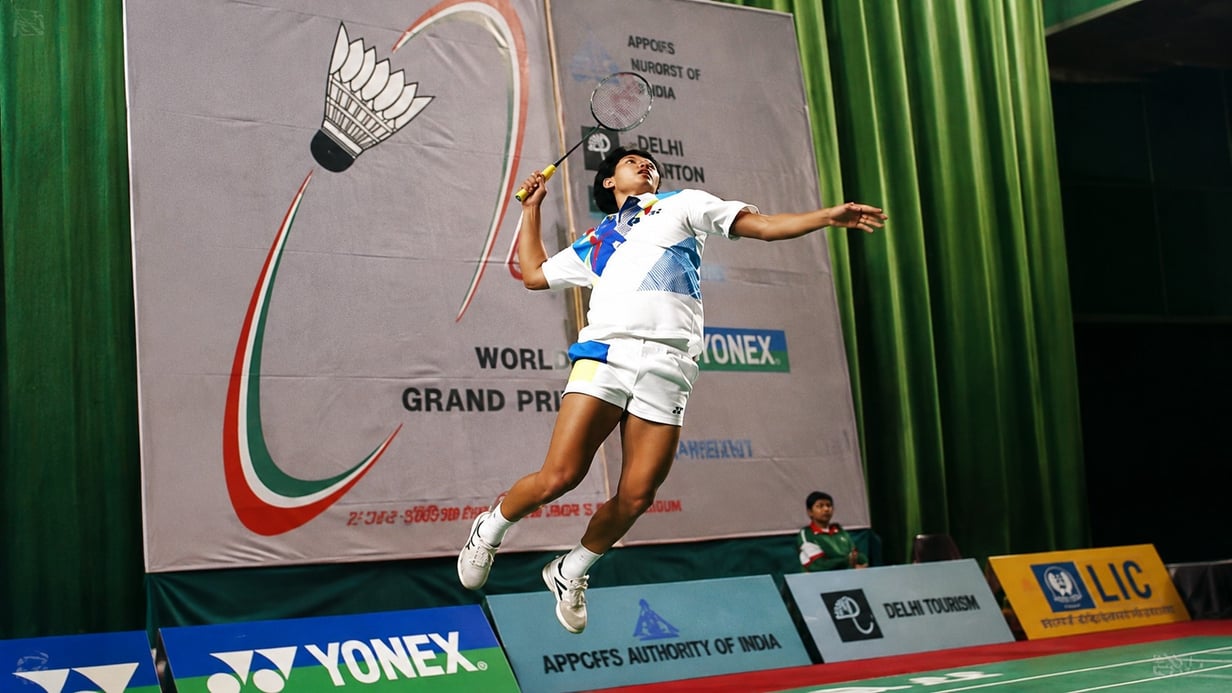
Beyond these icons, PB Djarum has developed numerous athletes who have achieved national and international success. Players including Alan Budikusuma, Sigit Budiarto, Tontowi Ahmad, Liliyana Natsir, Kevin Sanjaya Sukamuljo, Mohammad Ahsan, Praveen Jordan, and Debby Susanto are all part of this long tradition.
These athletes from various generations are integral to PB Djarum’s commitment to consistent development. Their achievements go hand-in-hand with an ongoing process of scouting and cultivating young talent.
This philosophy is encapsulated by the motto, "From Kudus to the World." While Kudus serves as the hub for training and education, the program is designed to provide athletes the opportunity to grow and compete at the highest national and international levels.
For PB Djarum, development extends beyond tournament results. The club places significant emphasis on an athlete's resilience and ability to handle pressure. Progress is monitored regularly through an internal ranking system for the U-13, U-15, and U-17 age groups.
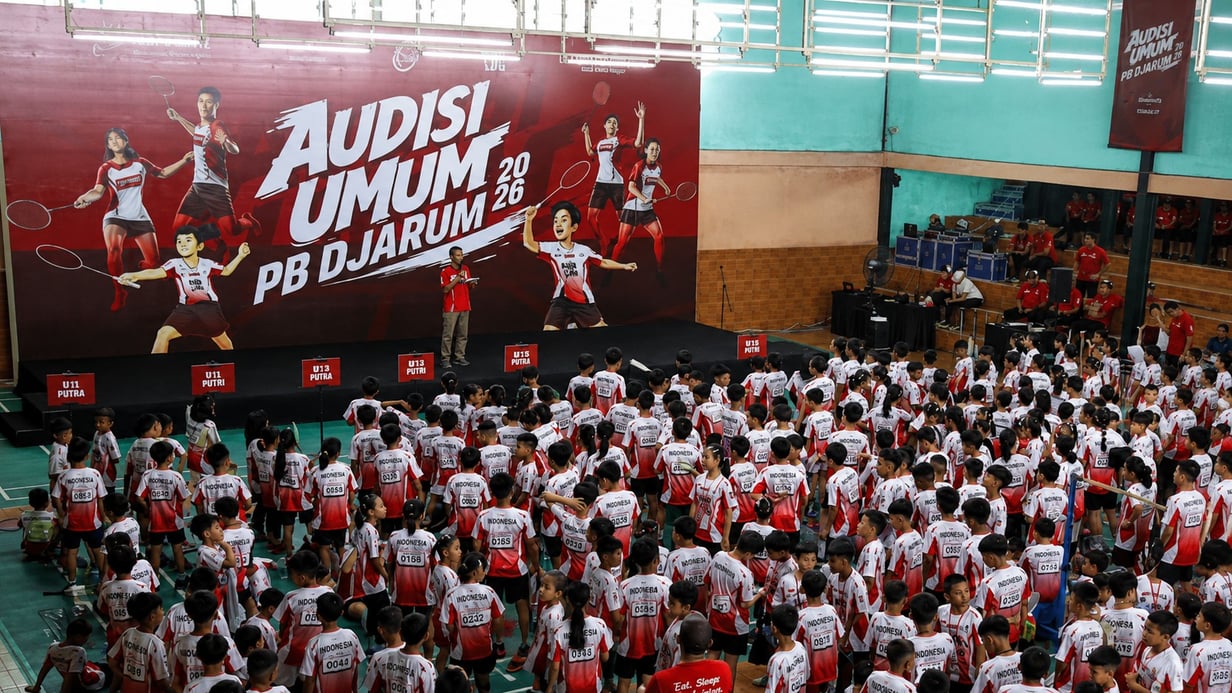
Regeneration is central to PB Djarum’s developmental mission. Through its General Audition, the club scouts young players across multiple regions to provide promising talent with a pathway into its training system. This approach ensures that athlete renewal is not limited to Kudus but actively engages young players from across Indonesia.
This scouting model has been employed for several cycles. In 2019, for instance, the PB Djarum General Audition was held in five cities across Java: Bandung, Purwokerto, Surabaya, Solo Raya, and Kudus. These events formed part of an extensive search for young athletes leading up to the final stage.
The audition process was suspended during the Covid-19 pandemic. Since resuming, the scouting reach has expanded beyond Kudus to include Pekanbaru and Makassar. This development reflects PB Djarum’s commitment to recruiting athletes from a broader range of regional backgrounds.
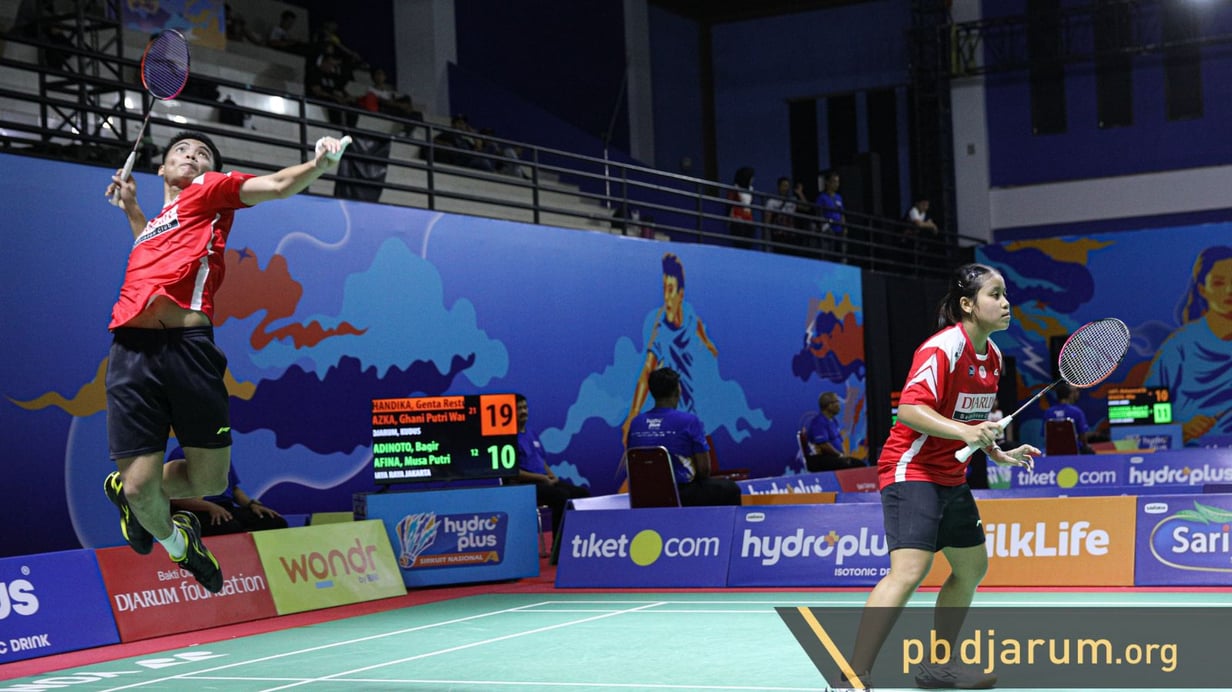
Beyond the General Audition, talent is identified through a scouting team and collaborations with local partner clubs. Prospective athletes are evaluated via internships and joint training sessions before advancing to formal development programs.
This strategy ensures the recruitment process does not rely solely on athletes traveling to Kudus. Instead, potential is assessed in the players' home regions before they are offered opportunities for advanced training.
Once inducted, athletes undergo training tailored to their specific sector and age group. As of April 24, 2025, PB Djarum supports 162 active athletes guided by 31 coaches. The doubles sector accounts for 101 athletes managed by 14 coaches, while the singles sector comprises 61 athletes supported by 17 coaches.
Development activities are centered at the GOR Djarum (Jati) and Djarum Arena (Kaliputu) in Kudus, with additional training facilities provided at GOR Djarum in Jakarta. This structural division allows for training regimens that match the developmental stages and specific needs of each athlete.
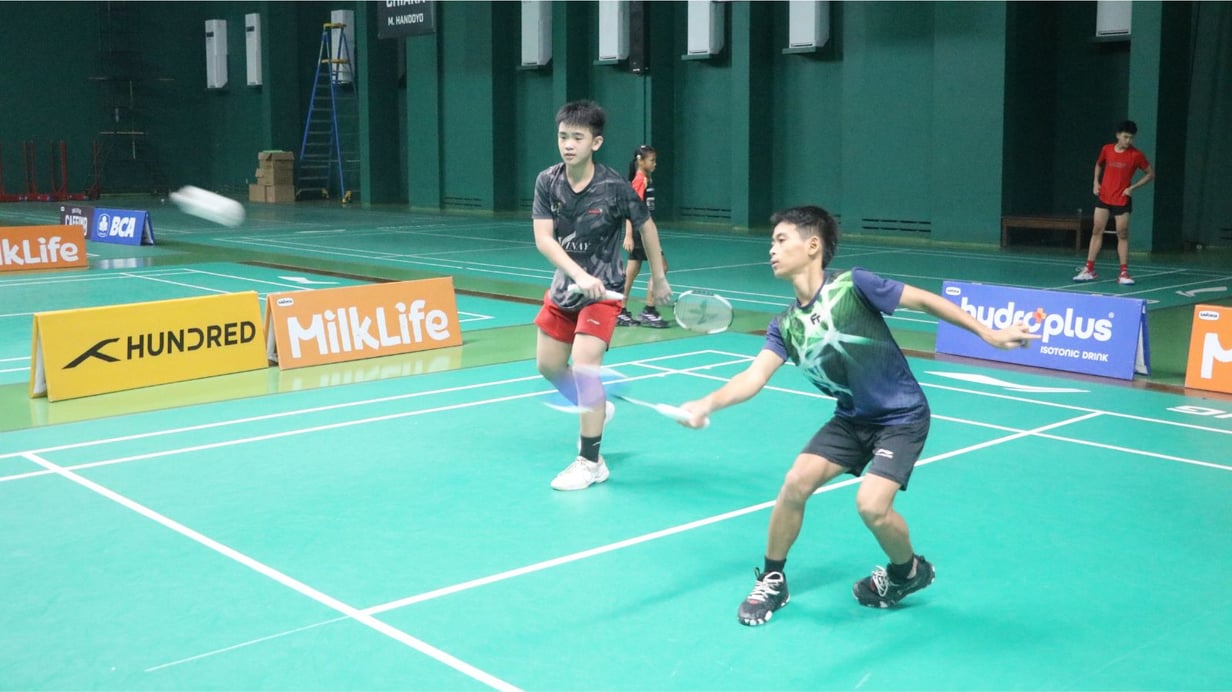
Once an athlete enters the development system, they begin a structured training regimen. Coaches monitor not only technical skills but also the athlete’s character and daily habits.
David Hedija Pohan, Head Coach for PB Djarum’s U-15 and U-17 divisions, explains that recruitment criteria include age, physical stature, technical proficiency, and playing style.
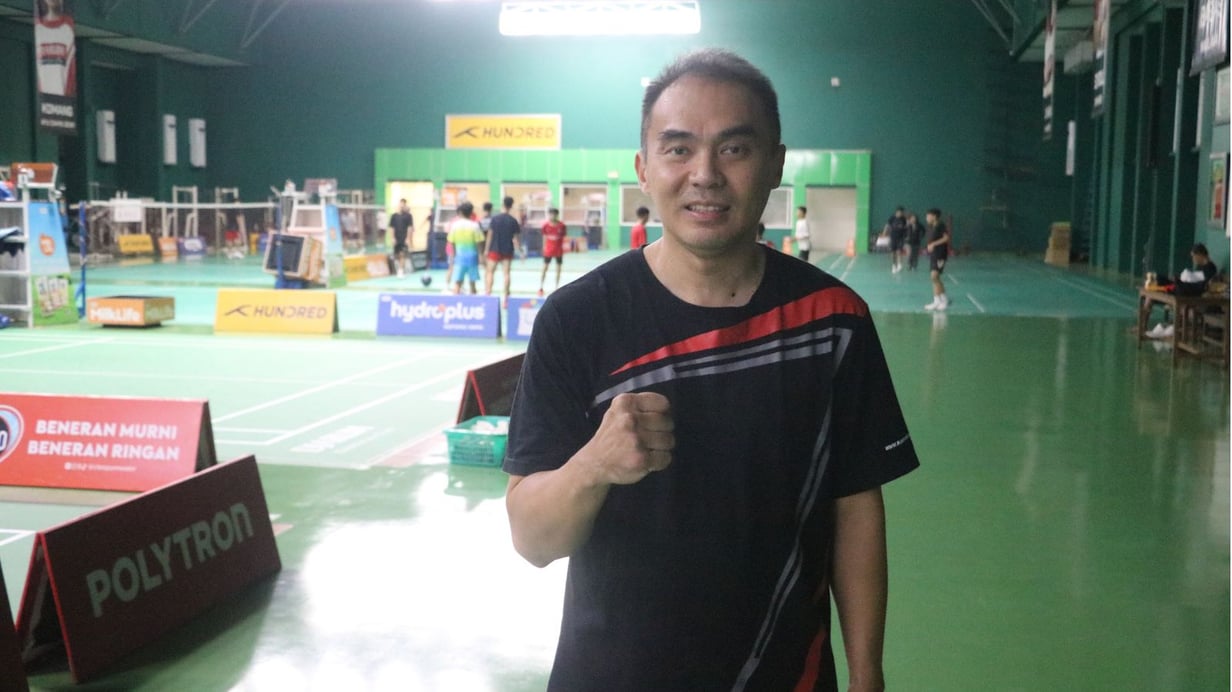
Technical skill is a fundamental requirement. Athletes are also judged on their tactical awareness, including their willingness to employ an aggressive style suitable for the modern game.
However, athletic ability is only one factor, as character development is integrated into daily training.
"We consistently teach core values, ranging from their attitude in the dorms and time management to their behavior on the court," David said.
Training sessions serve as a proving ground for resilience, where athletes learn to manage competitive pressure and physical fatigue to ensure they do not easily give up during difficult matches.
Developing today’s generation presents new challenges, particularly with the distraction of gadgets and social media. Athletes must maintain their focus, as the path to the professional level requires time, consistency, and sacrifice.
The program's decades-long development system has produced numerous international stars. Liem Swie King claimed All England titles in 1978, 1979, and 1981. Alan Budikusuma secured a gold medal at the 1992 Barcelona Olympics, while Sigit Budiarto won the men’s doubles world championship in 1997 alongside Candra Wijaya.
Subsequent generations saw Tontowi Ahmad and Liliyana Natsir take home gold at the 2016 Rio de Janeiro Olympics. Kevin Sanjaya Sukamuljo, Mohammad Ahsan, Praveen Jordan, and Debby Susanto have also earned prestigious international titles.
The success of the program’s athletes remains a hallmark of its legacy. On Sunday, August 2, 2026, men’s doubles pair Leo Rolly Carnando and Daniel Marthin captured the Taipei Open Super 300 title after defeating Malaysia's Aaron Chia and Aaron Tai in the final. Nationally, PB Djarum also claimed the overall title at the 2026 Kapolri National Circuit championships.
Beyond athletic achievements, the presence of training centers and tournament hosting in Kudus has turned the city into a hub for sporting activity. The GOR Djarum (Jati) and Djarum Arena (Kaliputu) serve as both developmental facilities and competitive venues.
Behind these accomplishments, a consistent regeneration process is underway. New athletes continue to arrive, undergoing selection, adapting to the training environment, and following a structured regimen of practice and education.
One athlete currently under development at PB Djarum is 14-year-old men's singles player Muhammad Rasya Adhyazka. Originally from Sampit, Central Kalimantan, he joined in 2024 via the Home Tournament track. This selection path was linked to the 2024 PB Djarum Partner Club Championships held at GOR Djarum, Kudus, in February 2024. This exclusive, invitation-only event brought together young athletes from PB Djarum's partner clubs to refine their competitive skills. For Rasya, participating in this tournament was a pivotal step in his journey to joining the PB Djarum development program.
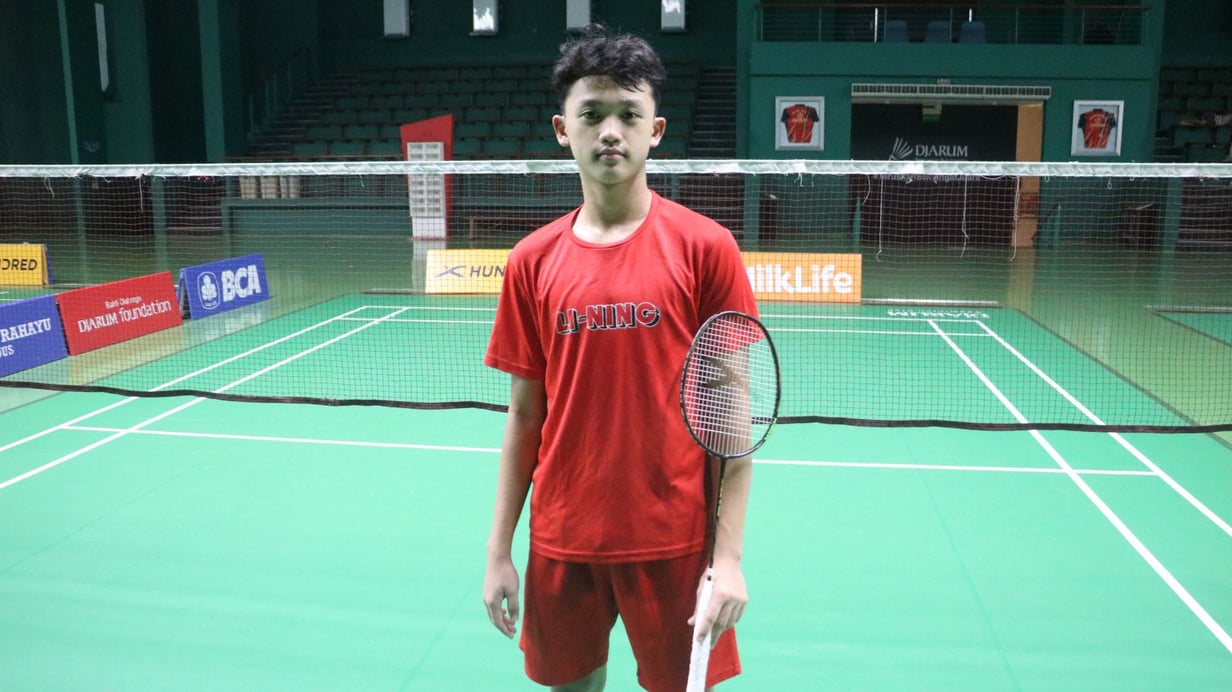
Prior to this opportunity, Rasya had participated in the General Auditions in 2022 and 2023. His journey illustrates how the talent scouting process often involves multiple stages before an athlete is fully integrated into the training system.
In Kudus, Rasya’s life follows a strict schedule balancing sports and academics. He wakes up at 5:00 a.m. for preparations. After breakfast in the dormitory at 5:30 a.m., he heads to the morning training session, which runs from 6:15 a.m. to 9:00 a.m.
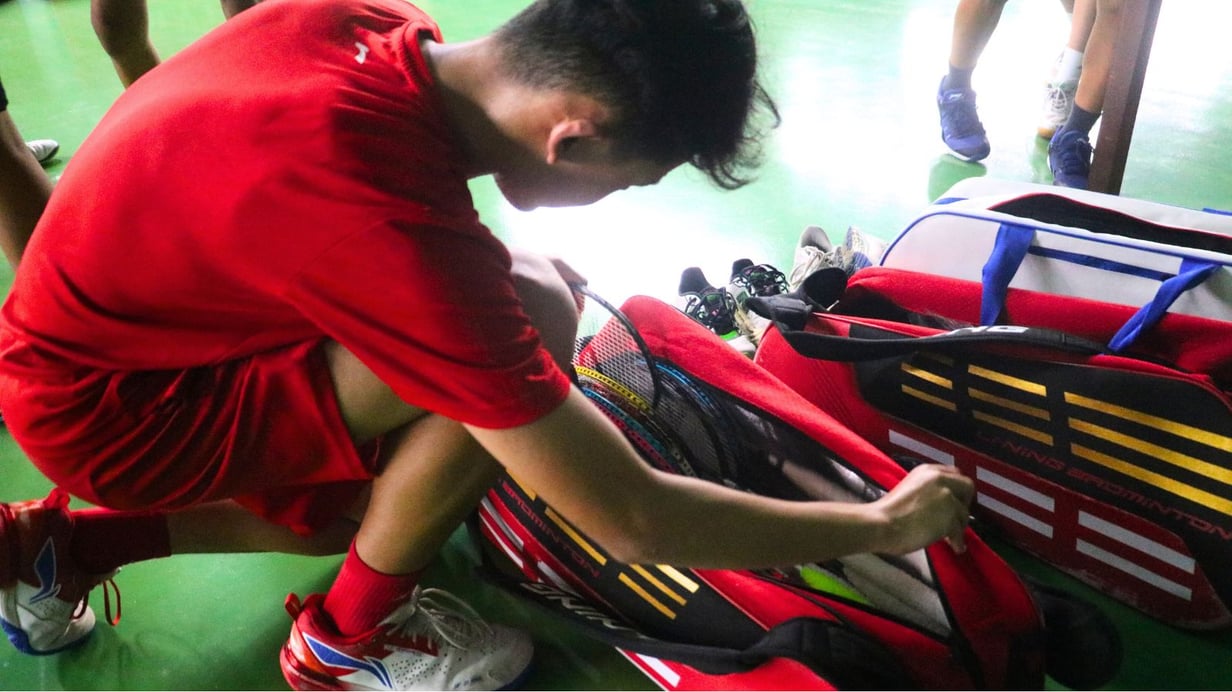
The morning session focuses on warm-ups, technical drills, and footwork. Afterward, Rasya has time for showering, resting, and attending his school lessons. In the afternoon, he returns to the court for physical conditioning and strategy sessions until approximately 7:00 p.m.
Rasya finds the physical training sessions particularly demanding, as he must regularly perform long-distance running and endurance drills. However, he notes that these efforts feel rewarding when they translate into match results, such as reaching a tournament final.
Rasya also benefits from the scholarship program, which he says eases the financial burden on his parents since essentials like meals and dormitory housing are provided as part of the development program.
Currently, his sights are set on higher-level competitions. He aims to make his mark at the national circuit (Sirnas) and Grand Prix events, and he hopes to earn a spot at the Badminton Asia Championships in China. Following that, he aspires to join the national training center (Pelatnas) and advance his career to the international stage.
Rasya's journey is far from over. He is merely a part of the ongoing regeneration process at PB Djarum, which has continued since 1969. Selection, training, education, character development, and competitive matches are all stages an athlete must endure before advancing to the next level. Within this framework, each generation is provided the opportunity to grow, while coaching efforts remain focused on discovering and molding future talent.
Rasya's story underscores that regeneration is not an overnight process. Athletes arrive from various regions, undergo selection, adapt to dormitory life, and commit to rigorous training routines. Through this systematic approach, PB Djarum ensures the continuity of its development program, from current trainees to those who will eventually compete on national and international stages.
Rasya’s advice to aspiring young athletes is simple: be disciplined, consistent, and maintain your passion. These values are not only meant for those hoping to follow in his footsteps but are central to his daily life. On the training courts in Kudus, the cycle of regeneration persists as young athletes learn and train to become the next generation of champions. (HNR/mainkekudus)