KUDUS – Morning activities in Tanjungkarang Village, Jati District, Kudus Regency, begin shortly after dawn. In an area renowned as a hub for lentog, residents gather for breakfast before heading to work. One popular destination for this local staple is the stall of Pak Di.
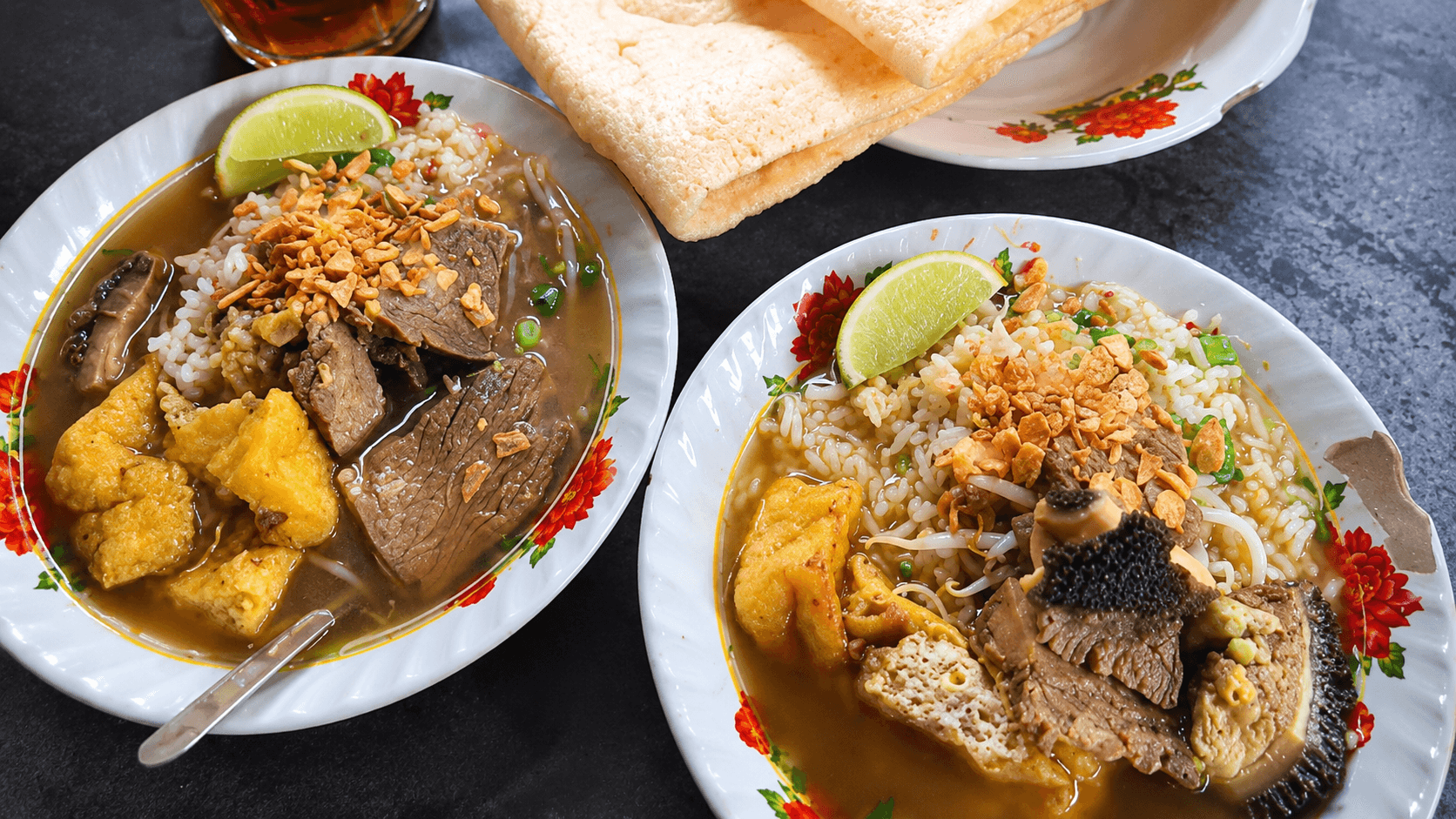
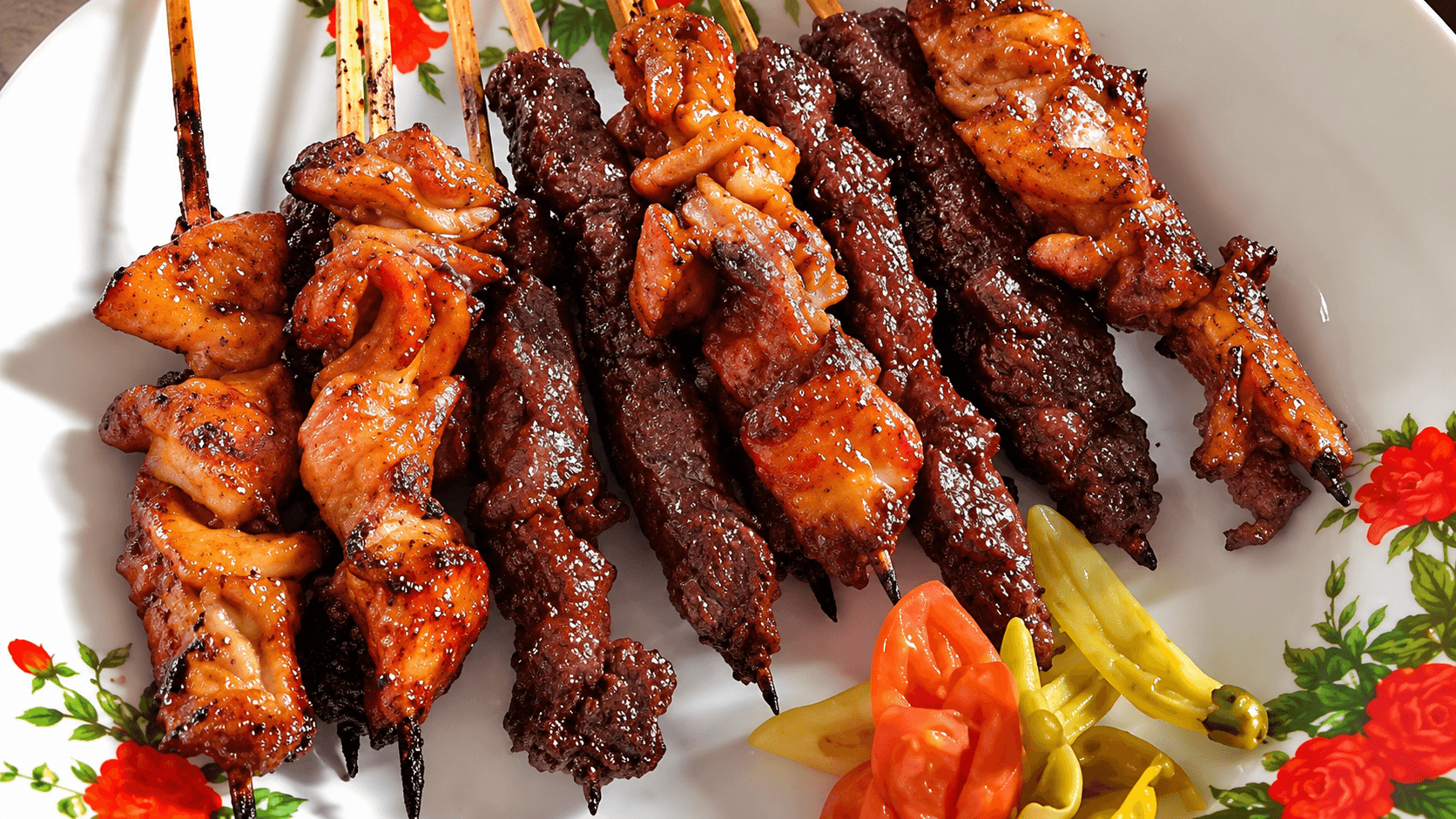
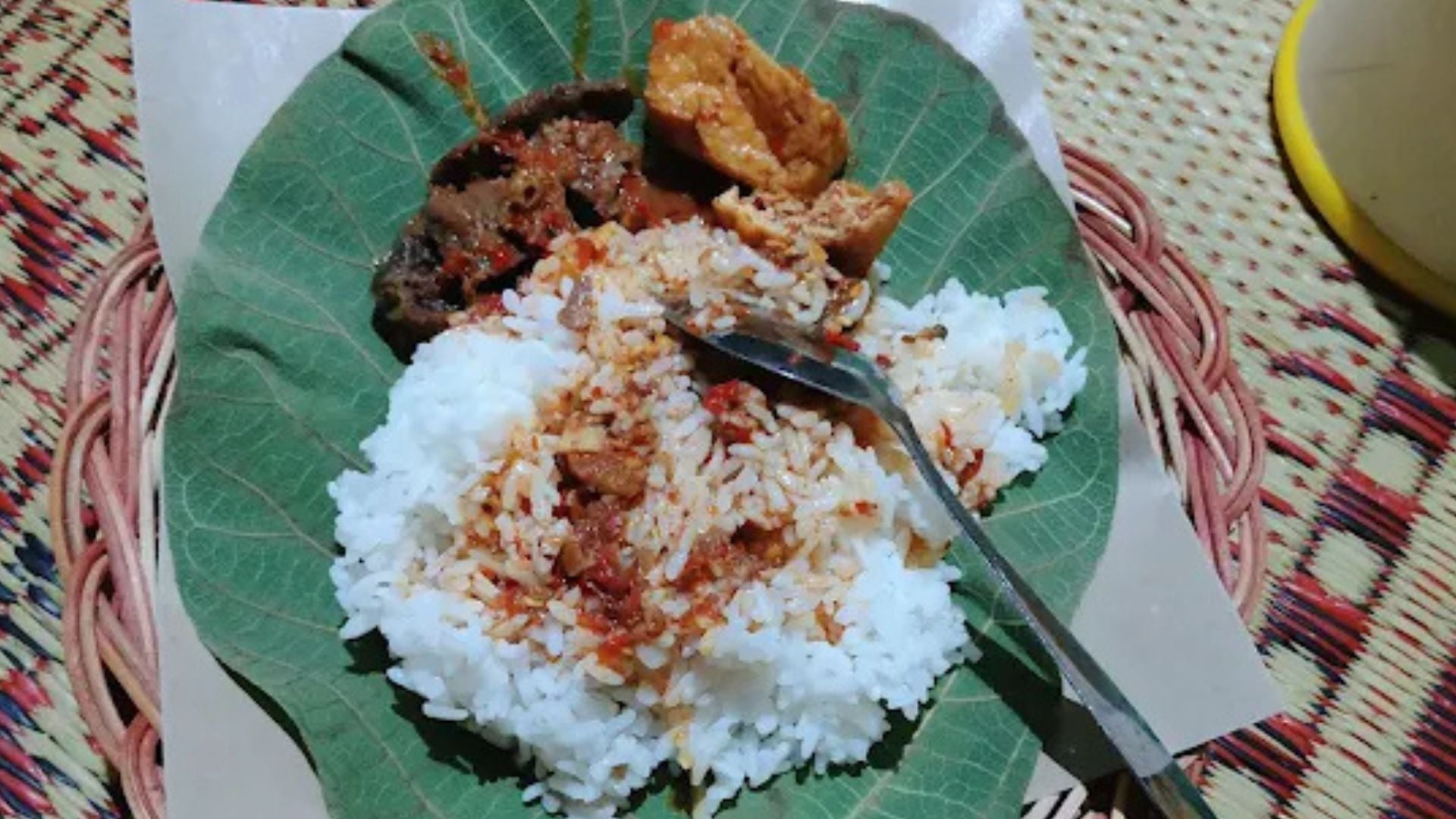
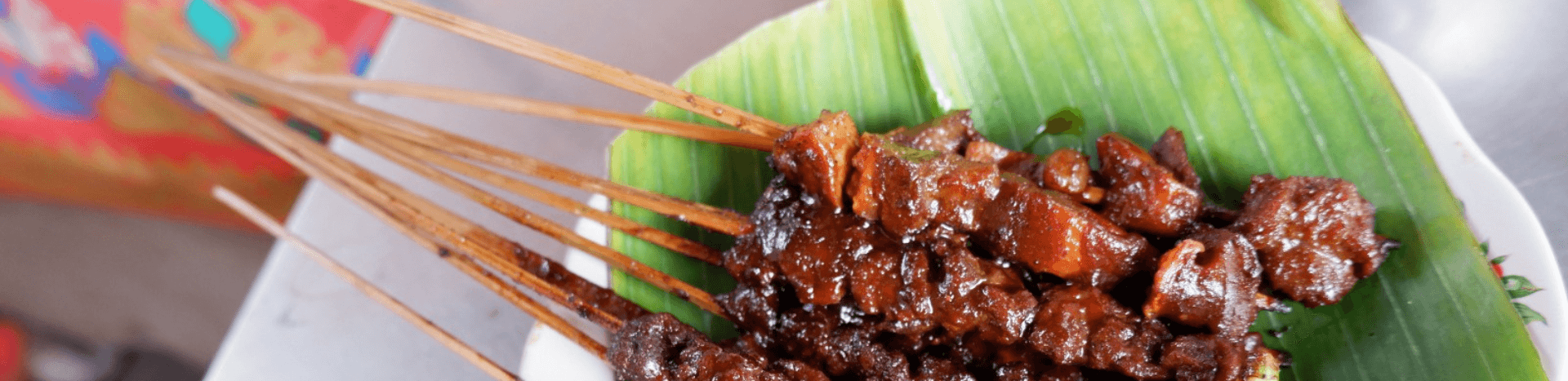
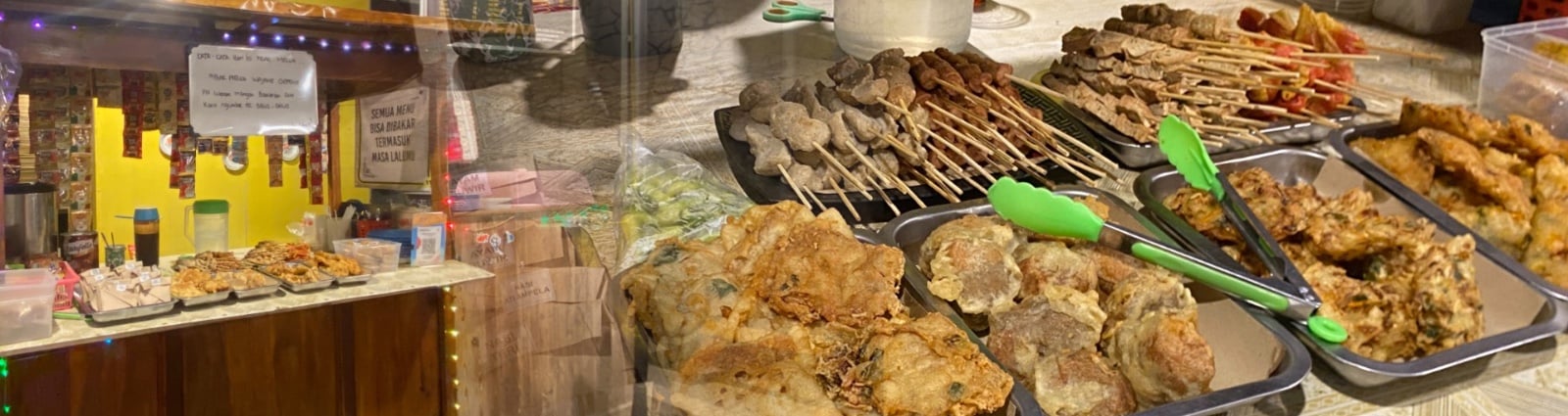
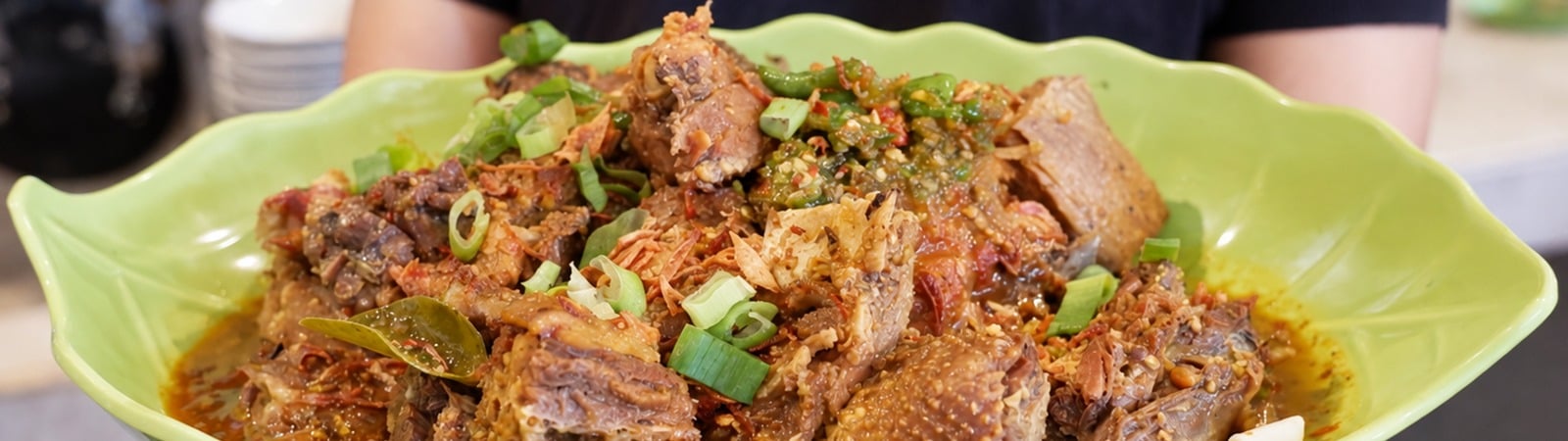
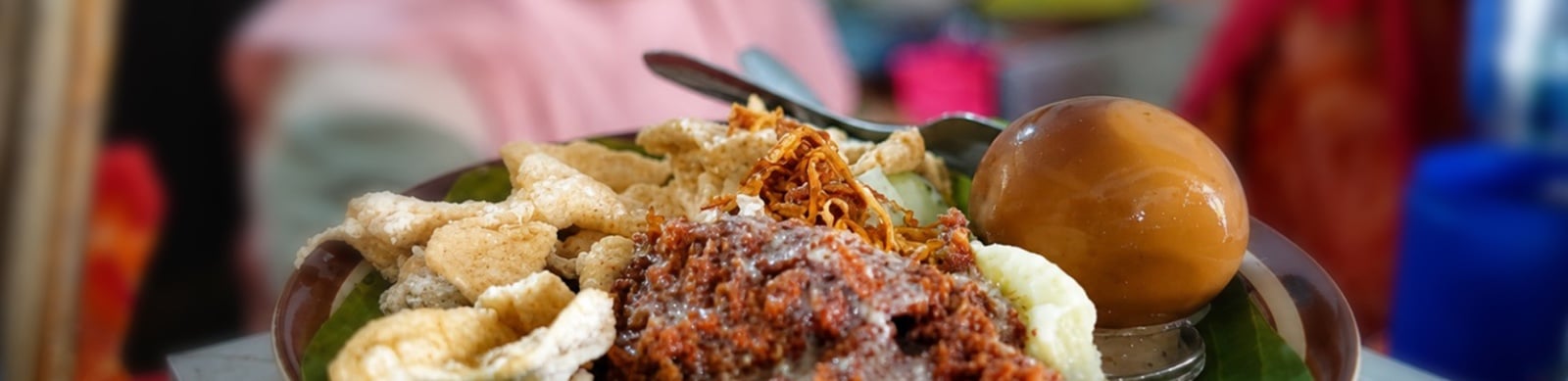
The stall begins serving customers around 4:30 a.m. As the morning progresses, diners arrive to choose lentog as their breakfast meal. Large slices of lontong (compressed rice cake) are served with a savory jackfruit or tewel curry and tofu. Customers may also add tempeh, braised eggs, and a variety of satay skewers.
For the people of Kudus, the tradition of eating lentog in the morning is a daily staple. The dish is not merely a tourist attraction but a reliable meal for residents before starting their workday.
Lentog tanjung possesses a distinct profile compared to other breakfast offerings. The primary ingredient is rice, processed into large, substantial lontong. These rolls are then sliced into smaller pieces and topped with the signature tewel curry and tofu.
The preparation of the lontong is time-consuming, requiring six to eight hours of cooking to achieve a soft, delicate texture. Once ready, the lontong is sliced and plated before being garnished with the curry and accompaniments.
The tewel curry provides a balanced sweet and savory flavor that defines the character of lentog tanjung. Its soft texture makes it a light and easy-to-digest choice for an early morning meal.
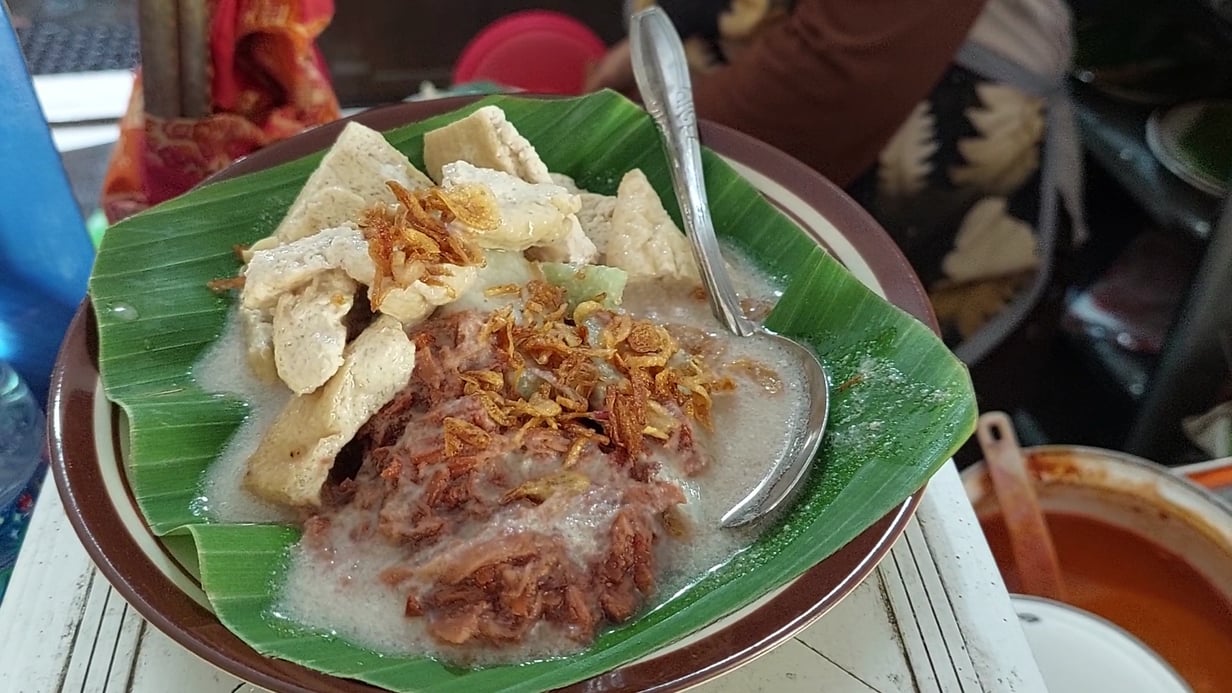
A single portion of lentog is priced at Rp 8,000. Add-ons are available at varying costs, such as liver satay for Rp 5,000, chicken intestine satay for Rp 4,000, and eggs for Rp 5,000, allowing customers to tailor their breakfast to their preference.
5R6M+HFC, Jl. Purwodadi - Kudus, Klentengan, Jetis Kapuan, Kec. Jati, Kabupaten Kudus, Jawa Tengah 59349, Indonesia
Nur Hadi, a Kudus resident, is a frequent customer. He typically visits three to four times a week to enjoy the dish before heading to work.

“When I crave lentog, I come straight here. It is convenient and practical. With the tofu, jackfruit curry, and the taste, it’s excellent,” he said.
After finishing his breakfast, Nur Hadi resumes his daily routine. For him, there is no need for a special occasion to enjoy the meal; when he wants a familiar breakfast, he simply heads to the lentog center.
Such habits demonstrate that lentog remains an integral part of daily life in Kudus. This traditional food is a routine staple rather than merely a dish introduced to visitors.
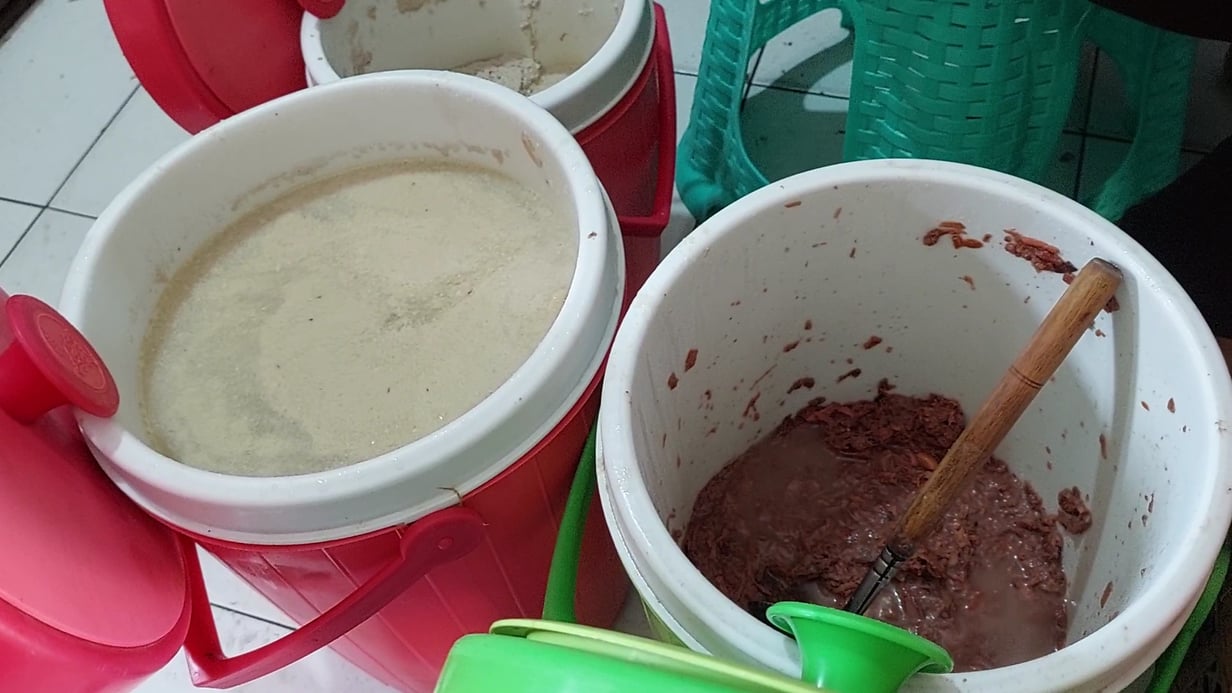
The existence of lentog tanjung is deeply linked to the family traditions of its vendors. Because the business is operated across generations, the specific preparation techniques have survived despite shifting local dietary habits.
Historically, lentog tanjung vendors did not always operate from stationary kiosks. Some previously sold the dish by carrying it on shoulder poles, while others set up simple stalls, sometimes even under the shade of trees.
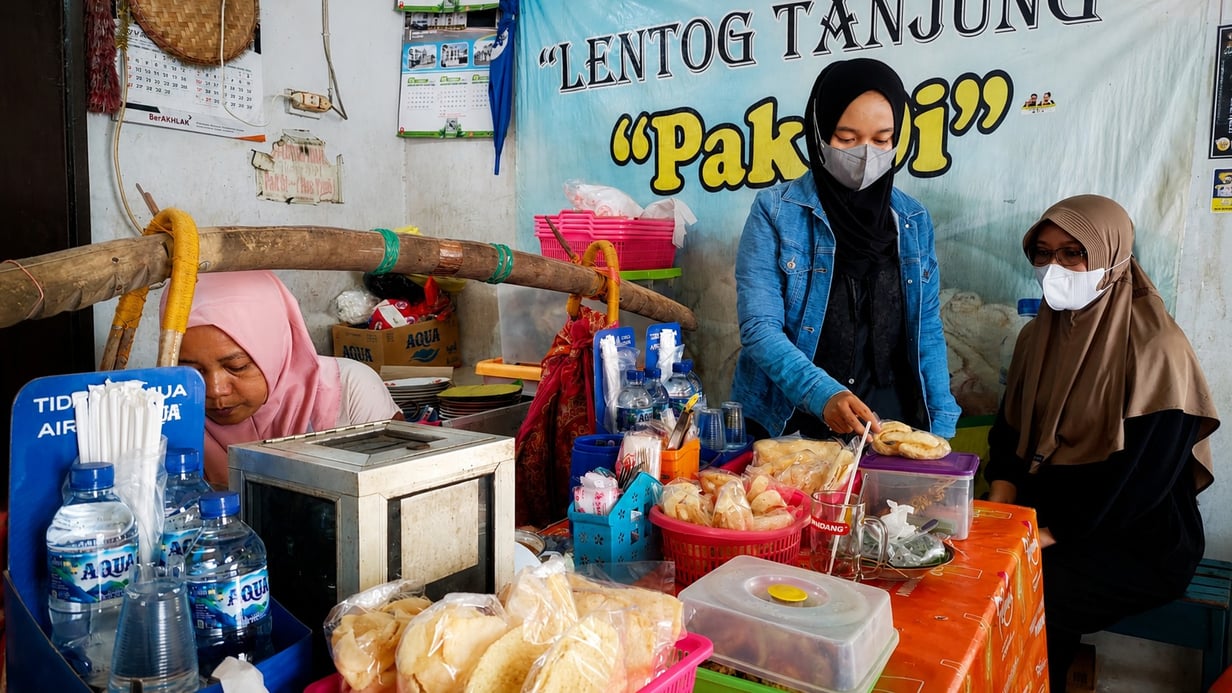
This evolution helped establish the Tanjungkarang area as a destination for lentog, with many local vendors still linked by kinship.
For Pak Di, a local lentog tanjung operator, maintaining the business involves more than just daily sales. It requires a rigorous process starting in the early hours of the morning, from ingredient preparation to ensuring the rice cakes and savory broth are ready for customers.
Quality control remains a priority. Returning long-time customers serve as a barometer for whether the dish retains the authentic flavor they have known for years.
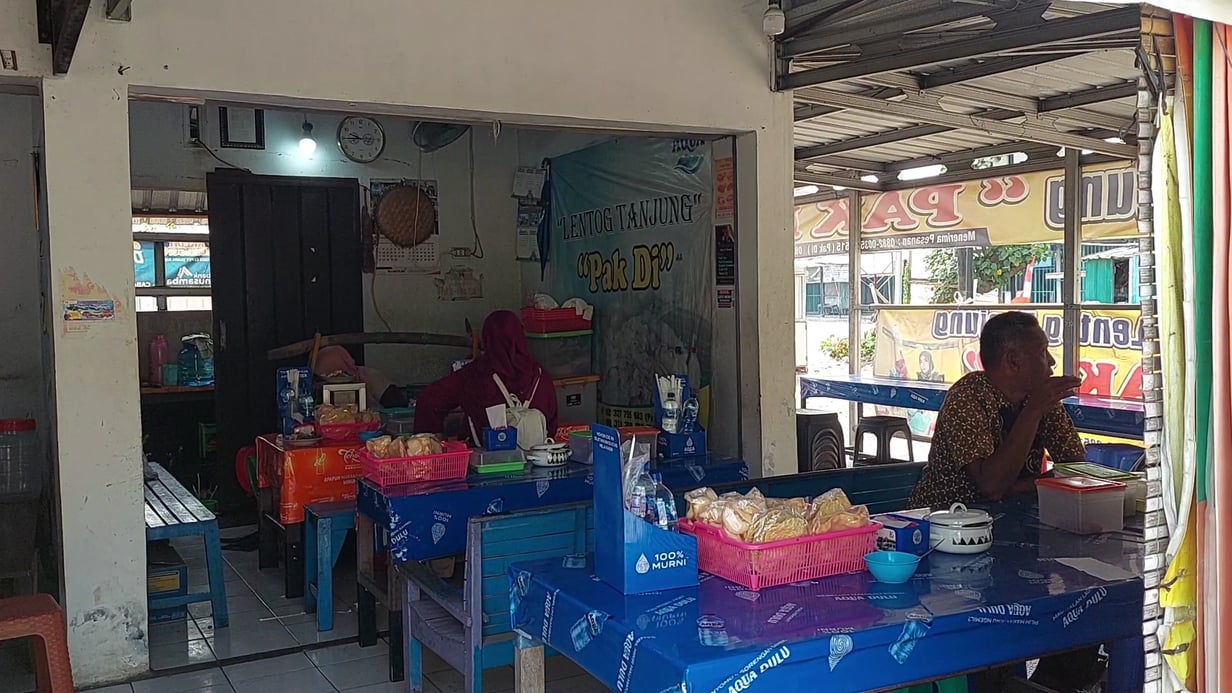
According to the management, these veteran customers often note that the flavor remains unchanged. For a business that has operated for decades, such feedback is a testament to an enduring culinary legacy.
Business is typically busiest between 6:30 a.m. and 10:00 a.m. Afterward, the number of customers gradually declines, and the stalls close around 1:00 p.m.
On slower days, vendors sell about 50 portions, but demand can surge to 100 or more when business picks up.
On weekdays, most customers are locals stopping for breakfast before heading to work or daily activities. However, the scene shifts on weekends, during long holidays, and on Lebaran, as visitors from outside the region arrive.
Amalia Rizki, a Jepara resident who works in Kudus, is a regular patron of lentog tanjung. She notes that the dish offers a unique flavor profile distinct from the food in her hometown.

"The portion size is just right, and it has a delicious, distinct flavor. It is savory and sweet, and the lentog has a tender texture," Amalia said.
She maintains that lentog tanjung possesses a culinary character she has yet to find in Jepara.
"You can't find lentog with this unique flavor in Jepara," she added.
For Amalia, lentog tanjung is more than just a breakfast option; it is a quintessential dish to introduce to visitors in Kudus. Travelers can sample it to gain a better understanding of the local culinary culture.
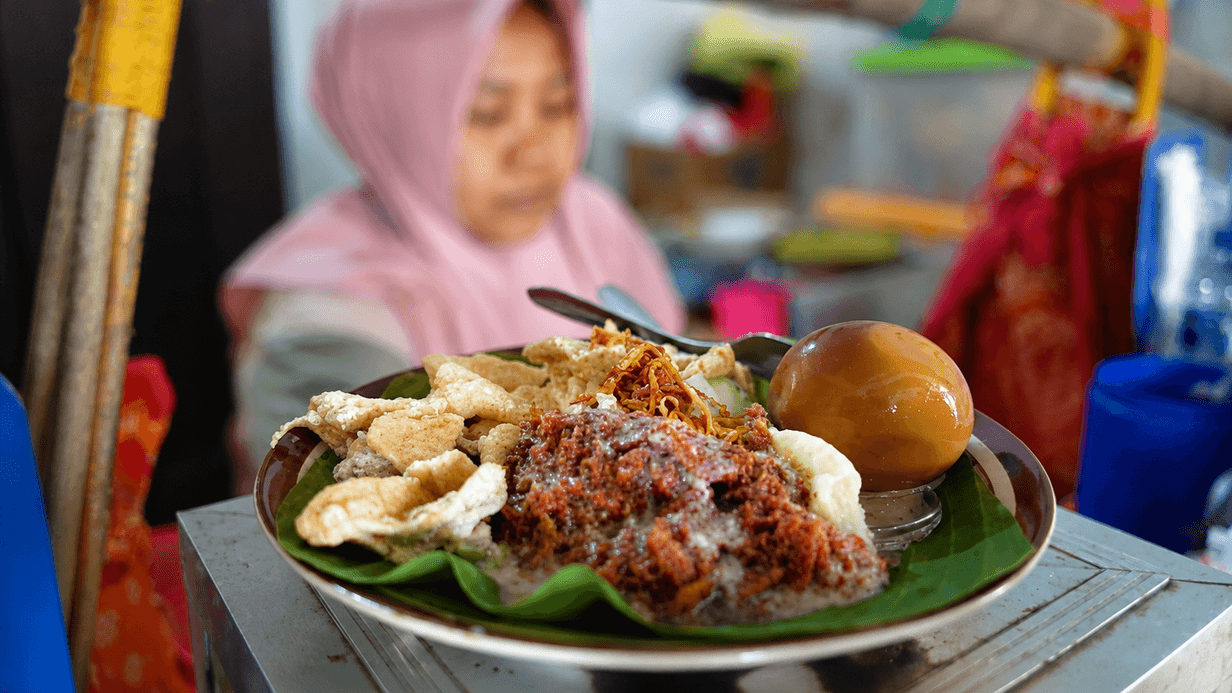
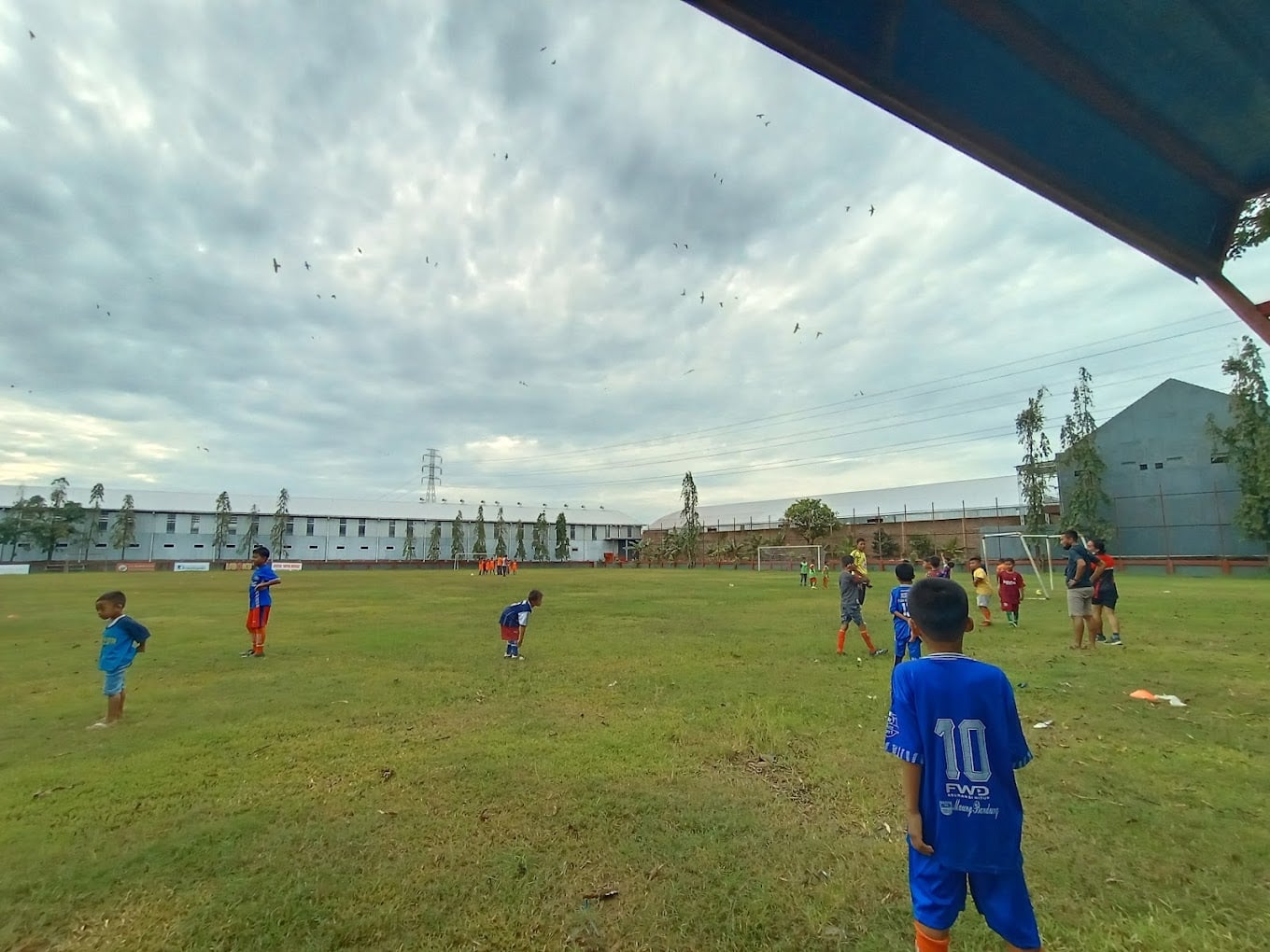
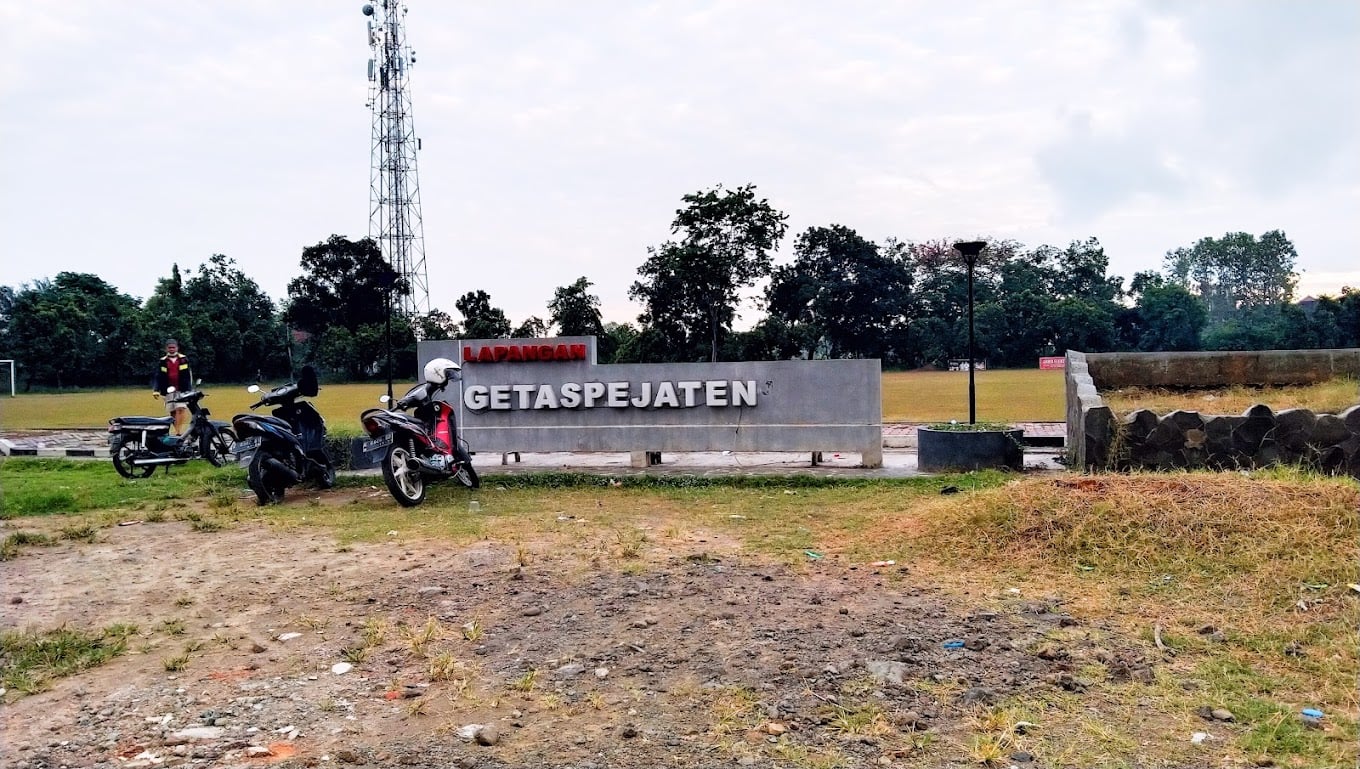
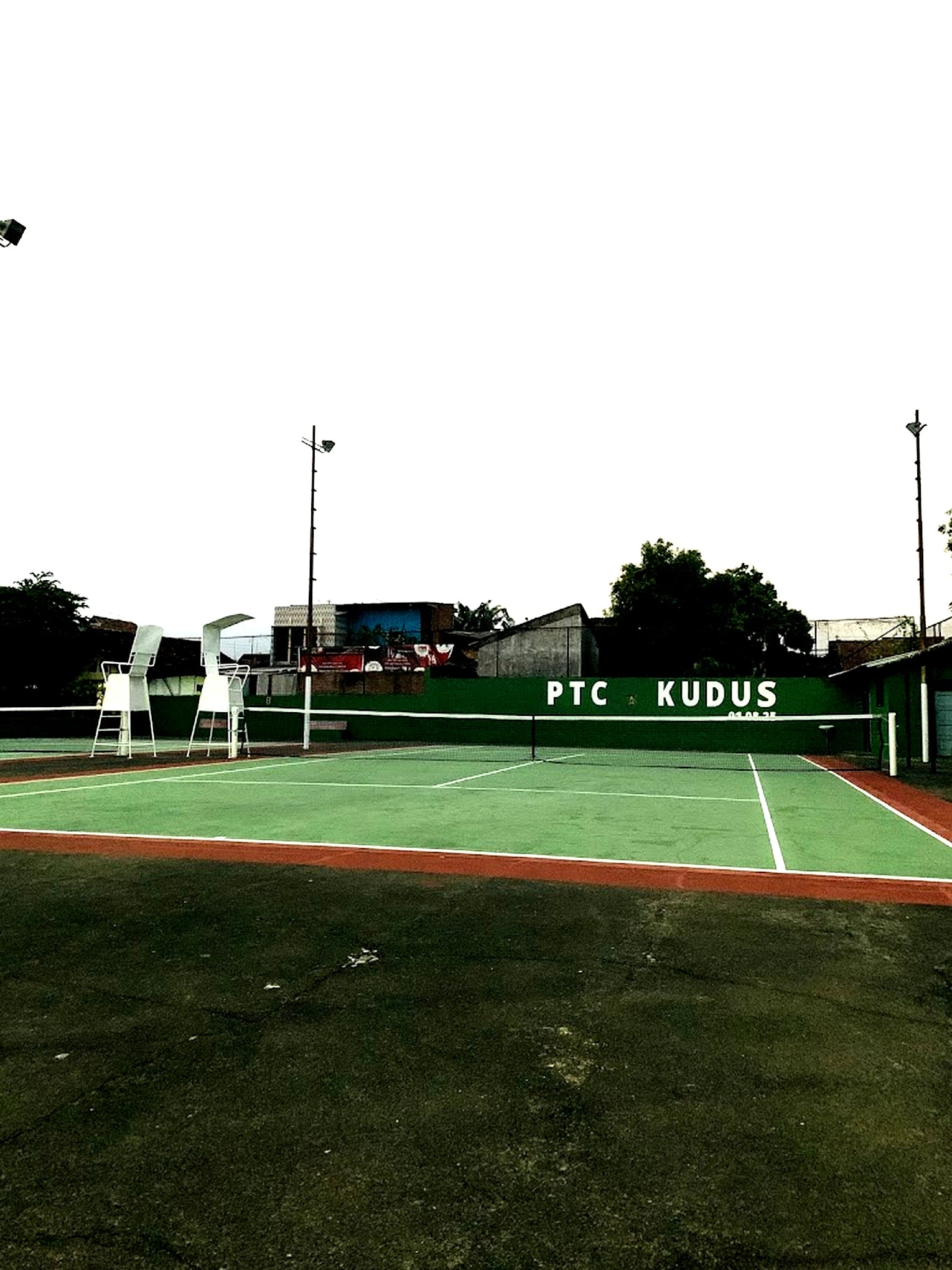
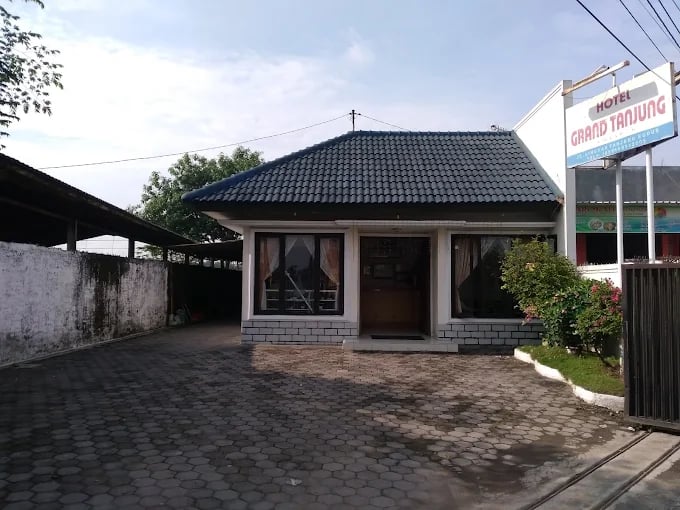
The growth of sports tourism in Kudus extends beyond the arenas. The arrival of athletes, officials, families, and spectators from various regions provides opportunities for them to experience local life, including the culinary scene.
Lentog Tanjung has emerged as a popular choice. This dish, featuring lontong, jackfruit curry, tofu, and other traditional side dishes, is typically eaten in the morning. Visitors can enjoy it at local stalls, which often serve as community hubs where residents gather for breakfast before the day begins.
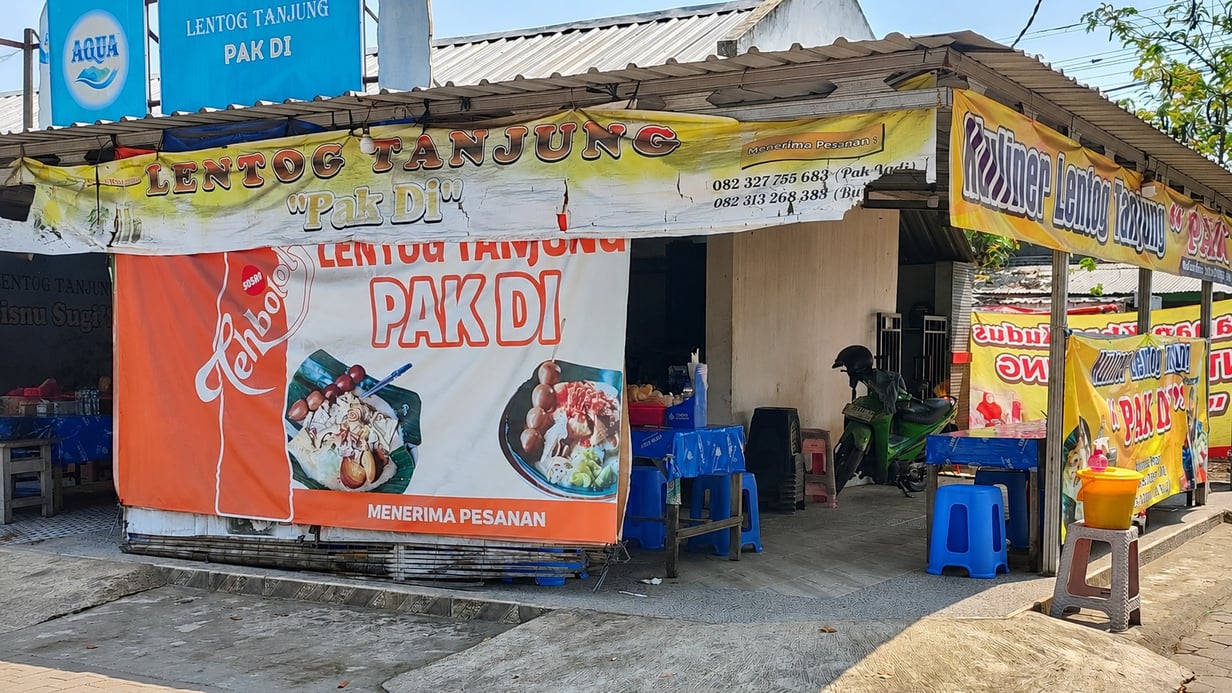
One such local favorite is Lentog Tanjung Pak Di. From the early hours of the morning, staff prepare the lontong, jackfruit curry, tofu, and other side dishes, as customers begin to arrive for breakfast.
This daily routine highlights how traditional cuisine remains an integral part of life for residents. For out-of-town visitors, dining at a local stall offers an authentic taste of the food enjoyed by the people of Kudus.
Culinary exploration also complements the sports tourism experience. After watching a match, supporting athletes, or attending events at a venue, visitors have the opportunity to explore local flavors beyond the arena.
For Narsih, who manages Lentog Tanjung Pak Di, the arrival of visitors from other regions is a valuable opportunity to showcase her long-standing menu. She hopes that lentog will gain wider recognition and become a preferred culinary choice for tourists visiting Kudus.
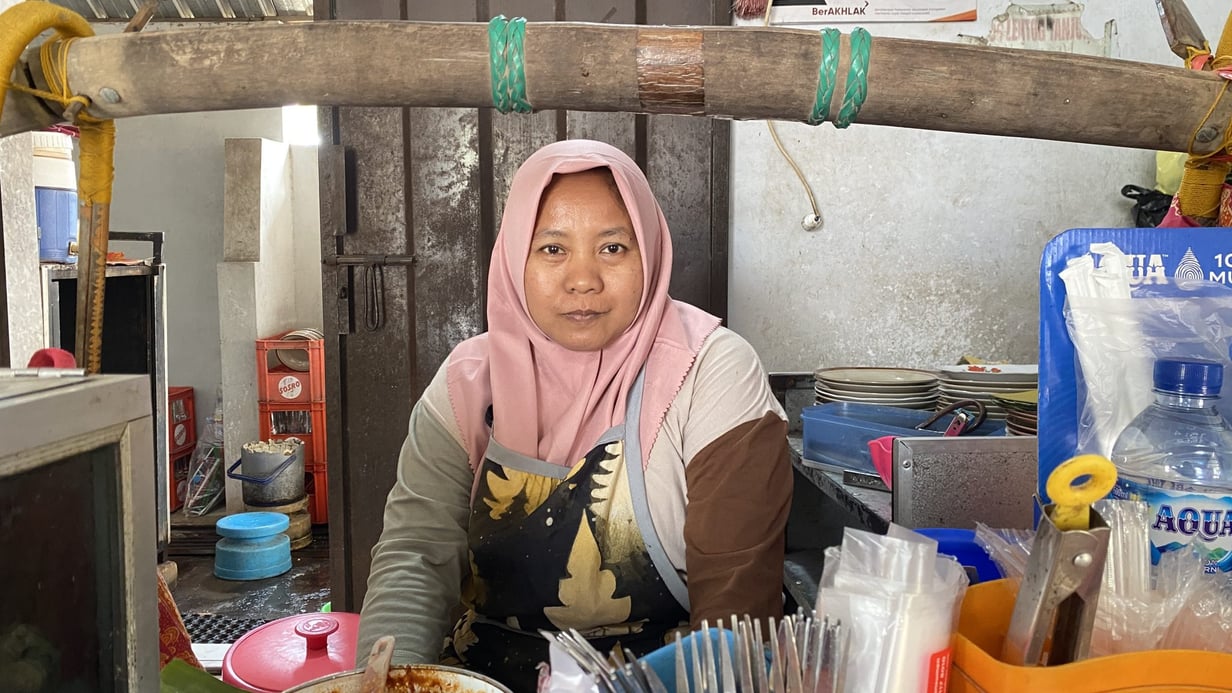
"I hope lentog continues to grow in popularity so that it becomes a priority for tourists and gains broader recognition," said Narsih.
Lentog Tanjung serves as a prime example of the link between sports tourism and the local economy. Sports tournaments attract visitors, while the culinary sector provides them with a deeper connection to Kudus beyond the sporting venues.
While lentog remains a breakfast staple for locals, it offers out-of-town visitors a unique and memorable part of their Kudus experience. (DN/mainkekudus)