KUDUS – The aroma of smoked fish, fresh chili sambal, and spiced ginger tea defines the charm of a modest eatery located in Gang Guyub, Tumpang Krasak Village, Jati District, Kudus Regency.
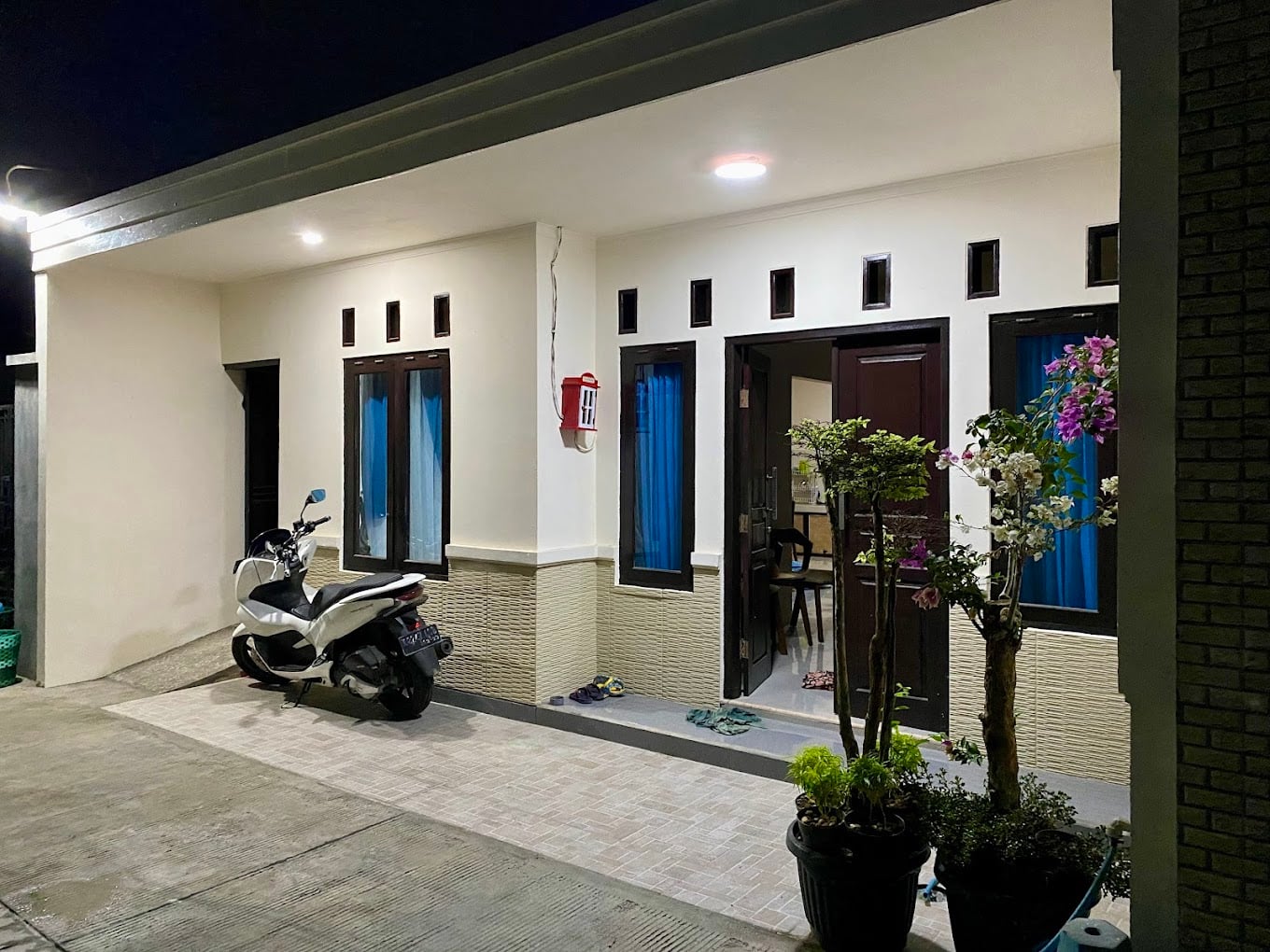
The restaurant, named Ikan Asap dan Jahe Rempah Mbok Tie, operates out of a house situated in a residential neighborhood. Despite being tucked away about 100 meters from the main road, it has become a popular destination for visitors seeking smoked fish served in a cozy, home-style environment.
The fish is sourced from Demak already smoked. However, before reaching the customer's table, it undergoes further preparation in Mbok Tie's kitchen to achieve the desired texture.
Beyond its varied fish menu, the eatery continues to feature the signature spiced ginger beverage that launched the business for owners Supardi and Nur Siti.
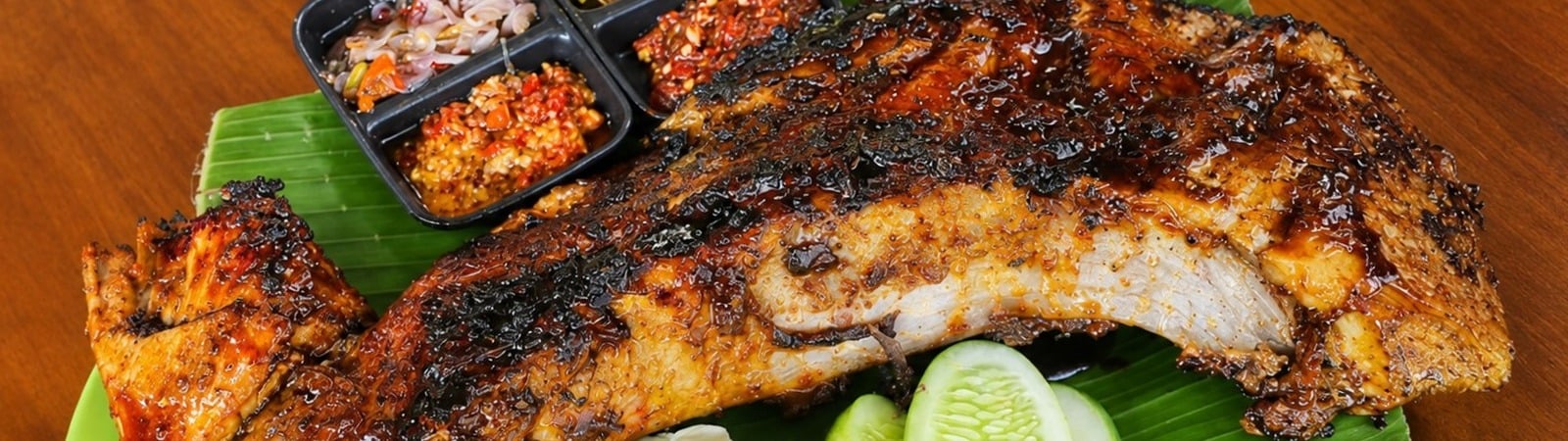
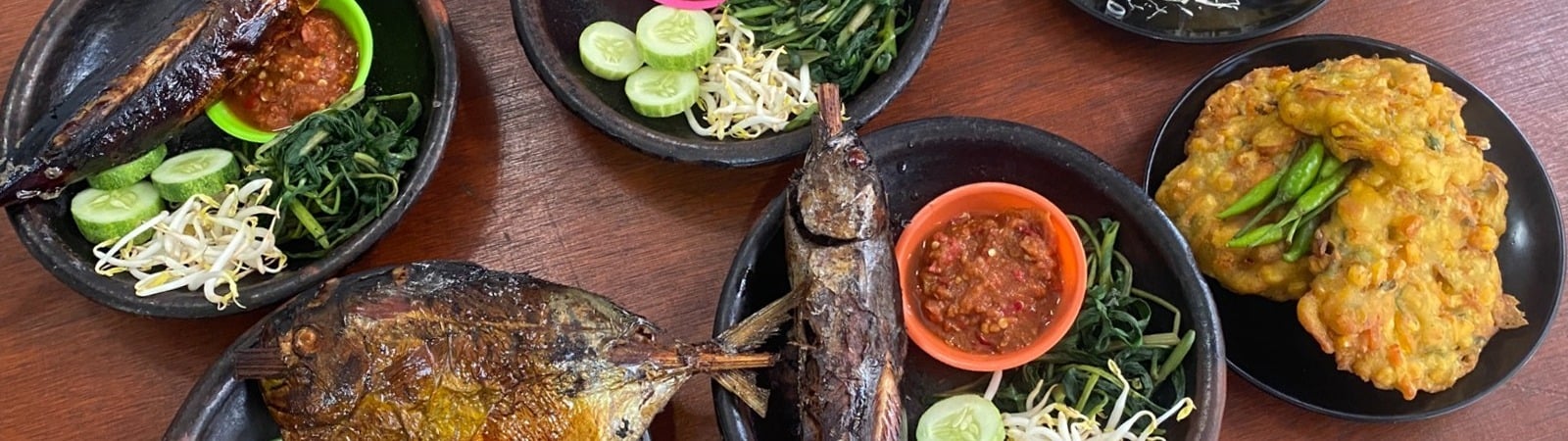
Smoked fish is the centerpiece of Mbok Tie's menu. Patrons can choose from at least seven varieties, including semar, tuna, salmon, bigeye, kapasan, catfish, and tilapia.
Each variety offers distinct sizes and meat textures. Diners can select their preference, from medium to jumbo sizes suitable for family dining.
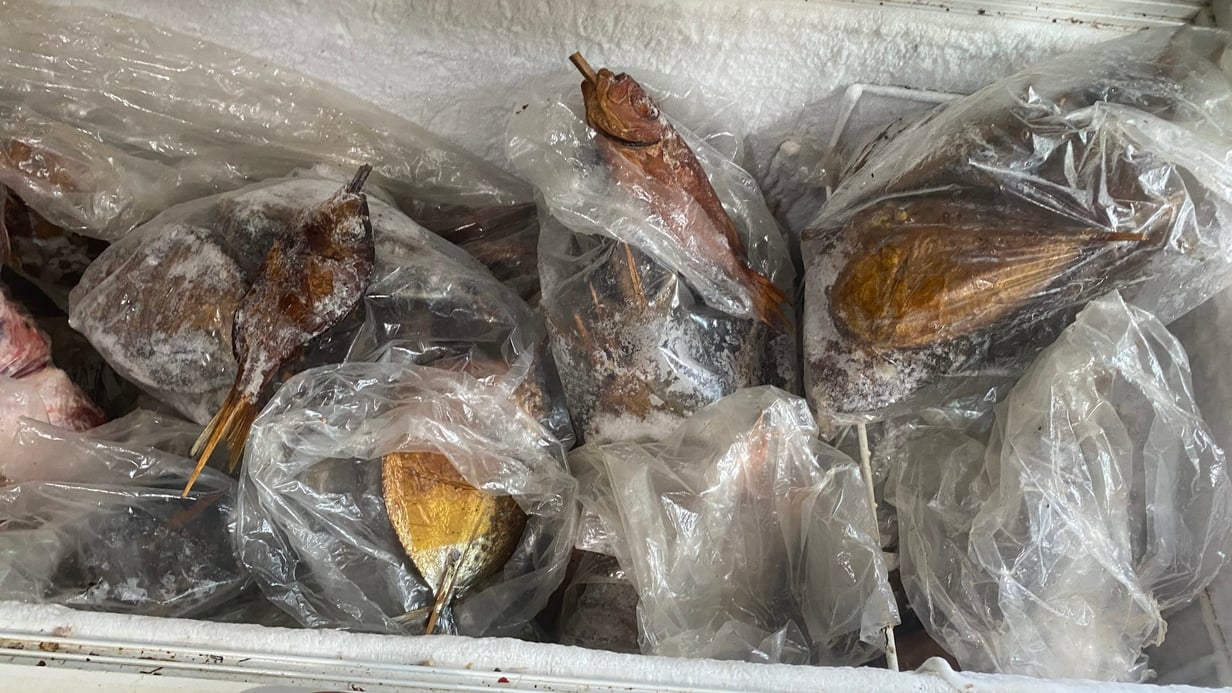
The raw materials are supplied from Demak, where the smoking process is completed. This technique results in cooked fish with a distinct aroma and flavor, while also extending its shelf life.
Upon arrival in Tumpang Krasak, the fish is not immediately served. Nur Siti, the owner and head cook affectionately known as Mbok Tie, keeps it in a freezer to maintain inventory.
The fish is pulled and processed only upon order. This method allows the management to offer a wide variety of protein options without needing to perform the smoking process on-site.
Gg. Guyub, Tumpangkrasak, Kec. Jati, Kabupaten Kudus, Jawa Tengah 59381, Indonesia
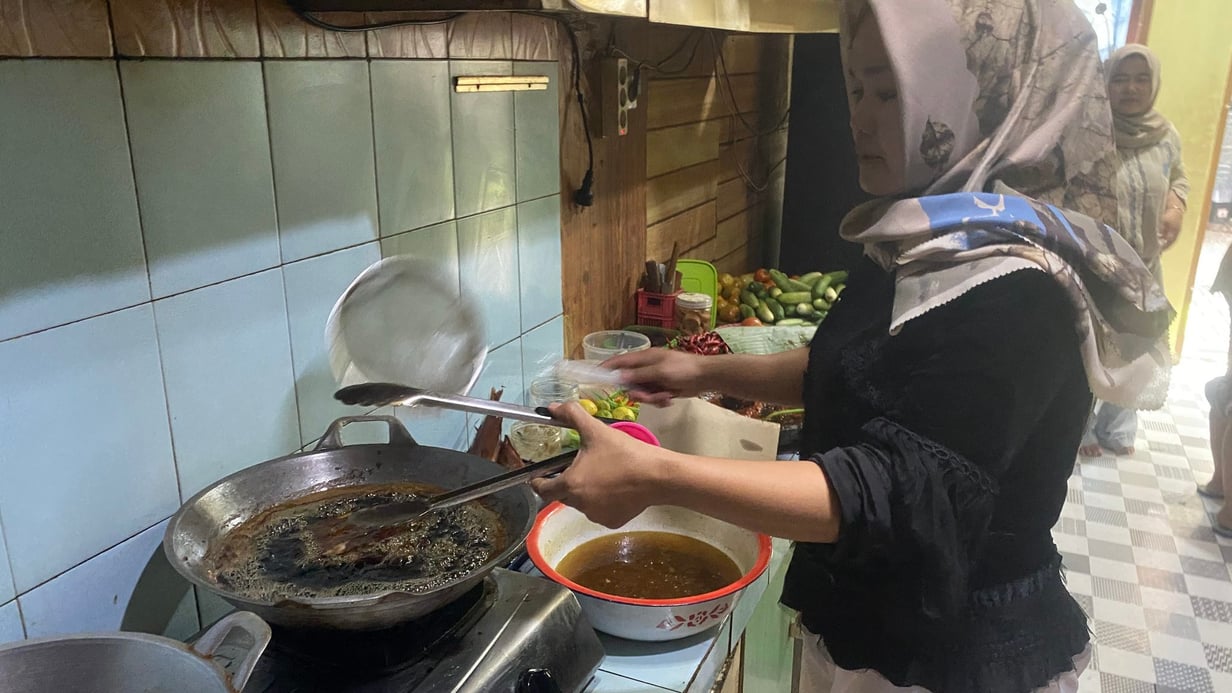
A key aspect of the preparation at Mbok Tie's kitchen is the final frying stage. Although the fish is pre-cooked through smoking, it is deep-fried for about 20 minutes before service.
According to Nur Siti, this process ensures the meat achieves a texture that is both firm and tender, depending on the specific fish variety.
"The taste depends on the fish. We have tuna, semar, salmon, and bigeye. We take them from the freezer already smoked from Demak, but we fry them again for about 20 minutes so the texture becomes firm and tender," said Nur Siti.
The distinct characteristics of each fish variety are a key consideration in the cooking process. Because every type possesses a unique texture, the results from frying them are not always uniform.
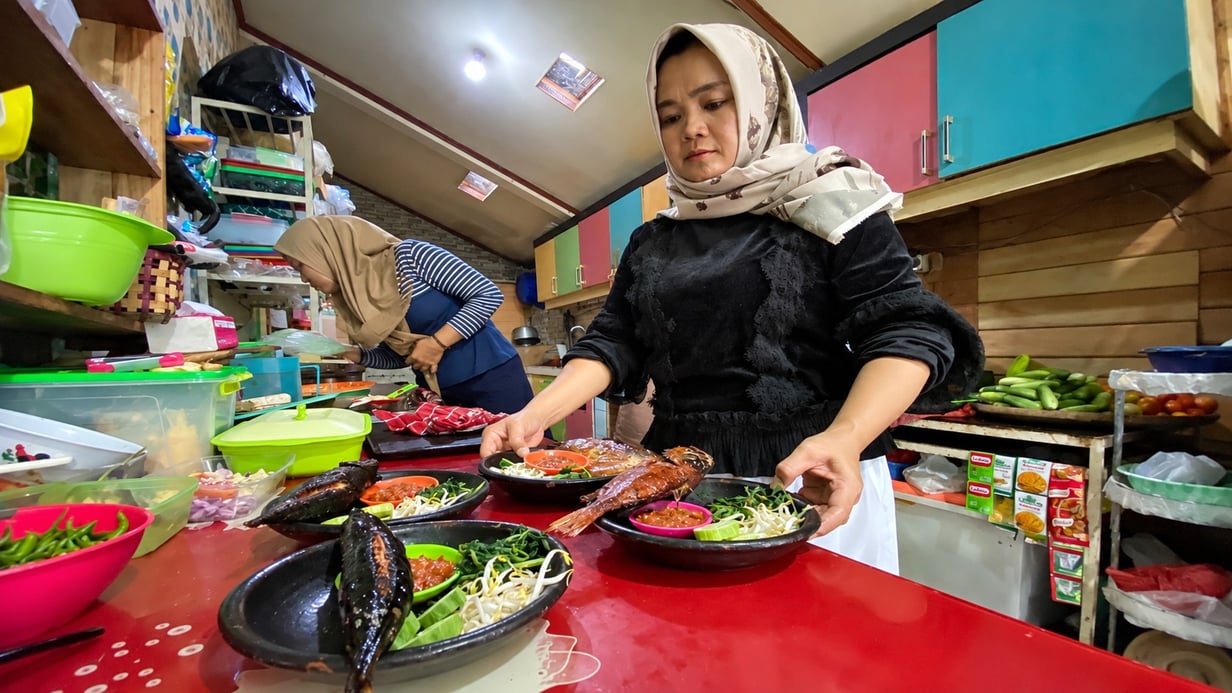
This process distinguishes the smoked fish at Mbok Tie from fish served immediately after smoking. Additional preparation is carried out in the restaurant's kitchen before the fish is paired with rice, chili sauce, and fresh vegetables.
For Nur Siti, this cooking method is part of her effort to serve fish with the desired texture while maintaining the integrity of the raw ingredients.
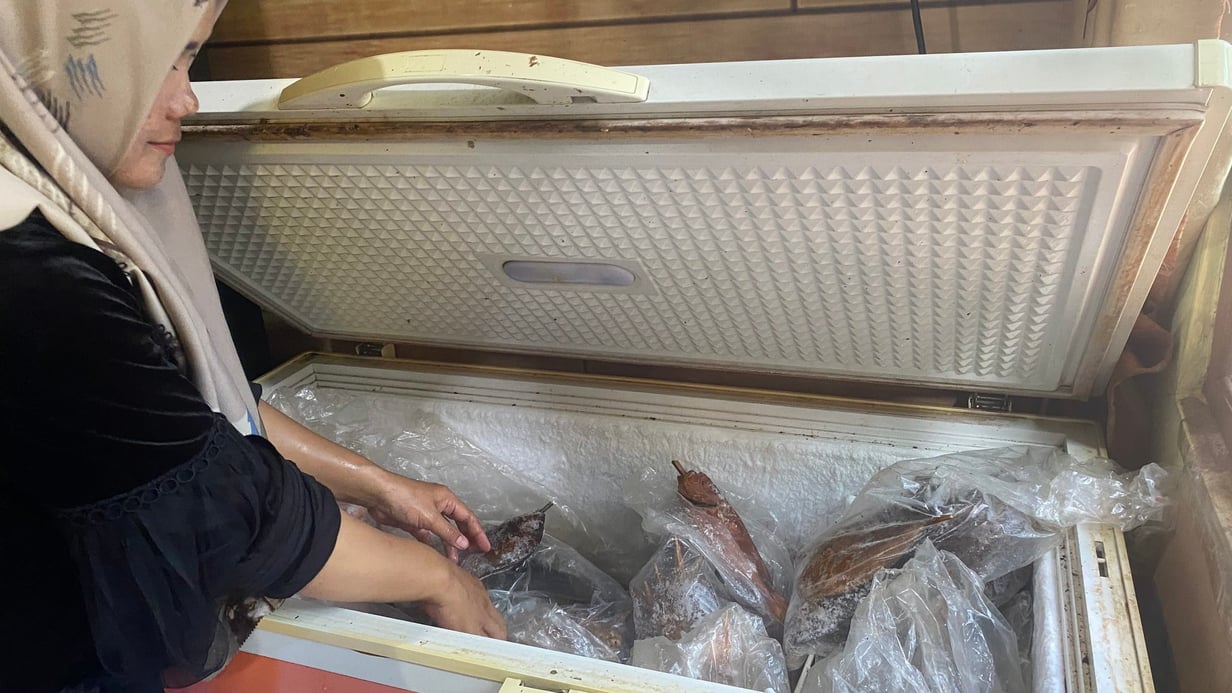
Offering seven varieties of fish makes the availability of raw materials a priority for management. Mbok Tie relies on suppliers from Demak to meet the demands of its kitchen.
Under normal conditions, the restaurant orders approximately 30 kilograms of fish every four to five days, with the quantity adjusted based on sales performance and inventory needs.
During periods of high customer volume, supplies can be depleted more quickly, requiring management to source additional fish from Demak to ensure the menu remains available.
This situation impacts the variety of dishes available to customers. Not all types of fish are always stocked in the same amounts, as supply fluctuates based on demand.
Diners seeking a wider selection of fish are encouraged to arrive early, especially during peak business hours.
The reliance on Demak suppliers highlights the interconnectedness of local home-style culinary businesses in Kudus with surrounding production regions. Fish smoked in the supplying area undergoes further preparation before being sold as ready-to-eat meals.
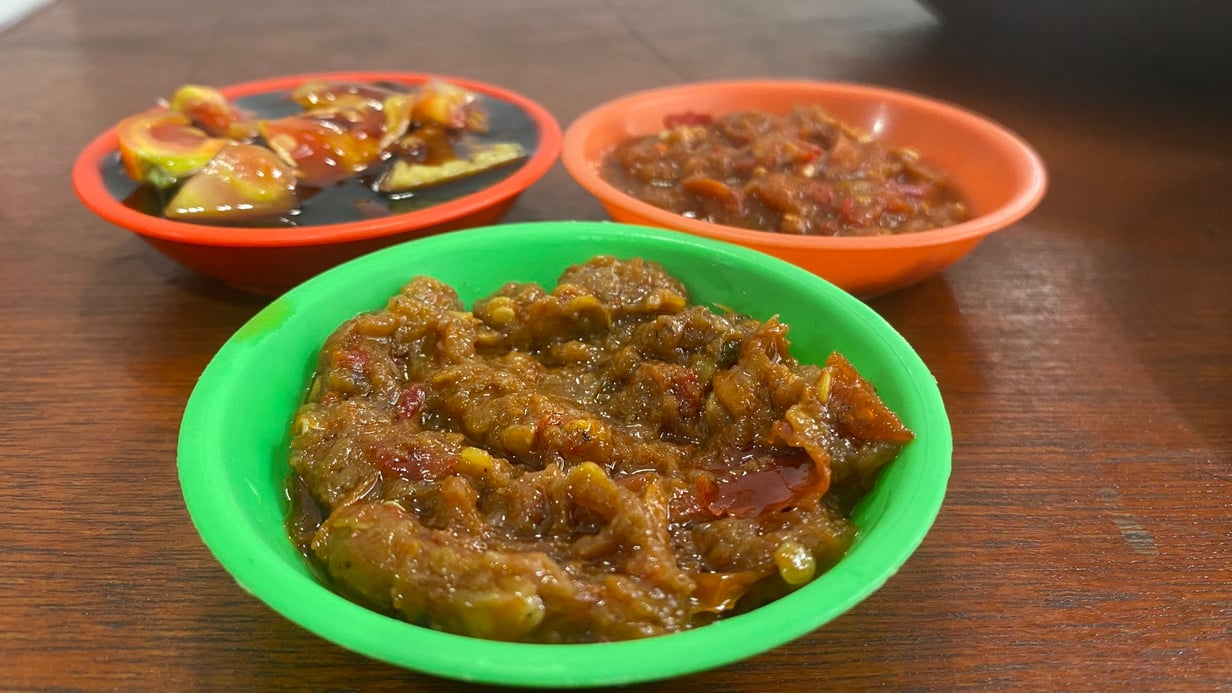
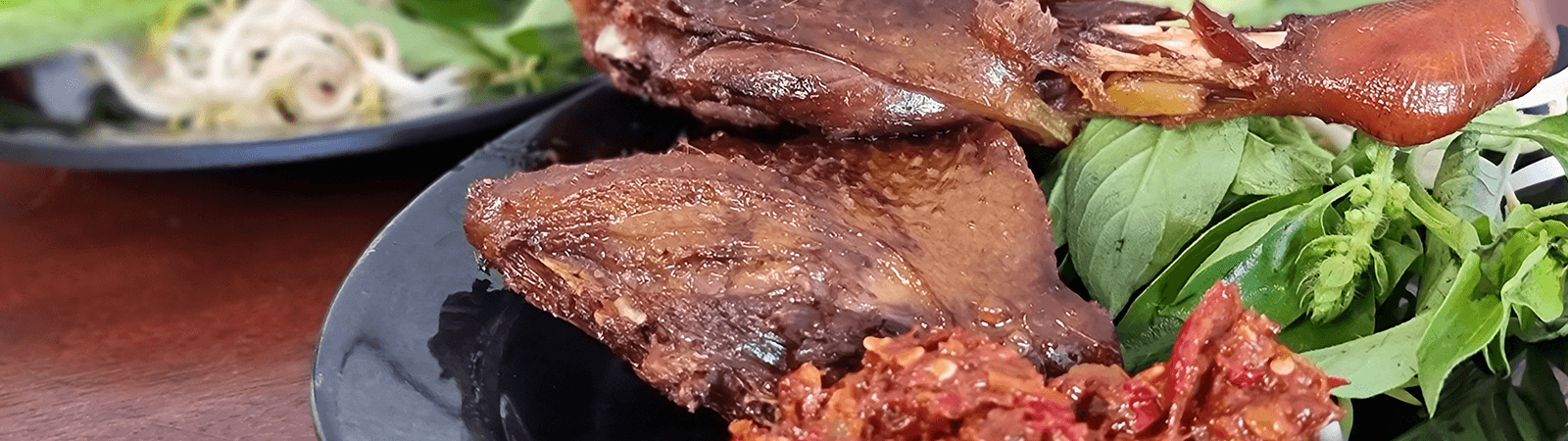
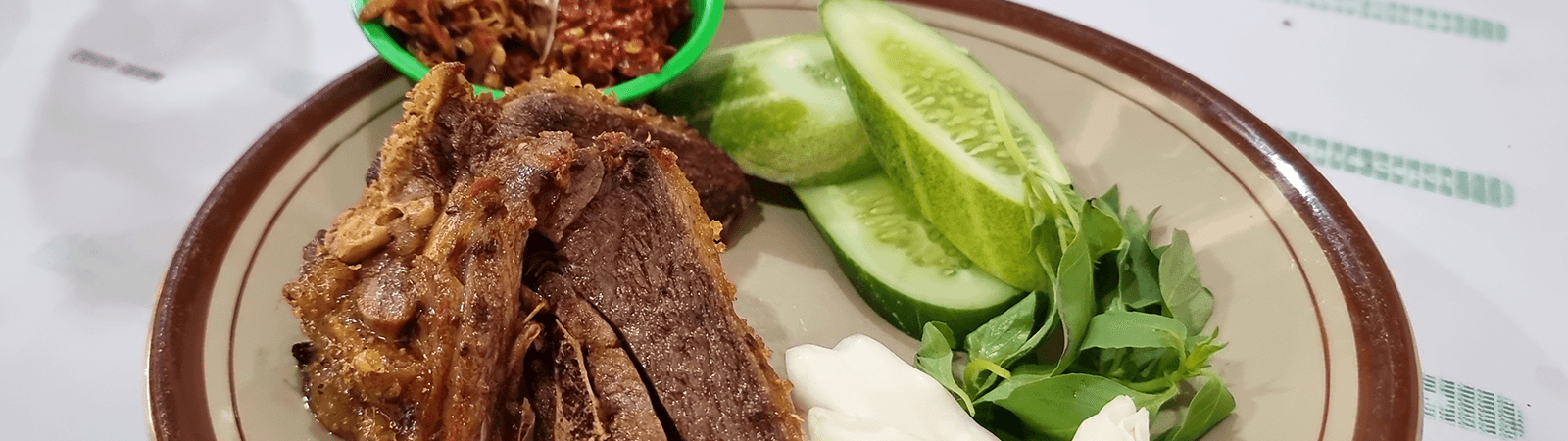
Mbok Tie’s smoked fish is served with a home-style approach. Diners can enjoy it accompanied by rice, chili sauce, and fresh vegetables, without any elaborate presentation.
Three types of chili sauce are available: sambal matah (raw shallot and chili relish), sambal matang (cooked chili sauce), and sambal kecap (soy-based chili sauce). Each is prepared in-house to complement the chosen main course.
For those who prefer heat, the sambal matah or sambal matang are ideal choices. Alternatively, the sambal kecap provides a flavor profile for guests seeking a different accompaniment.
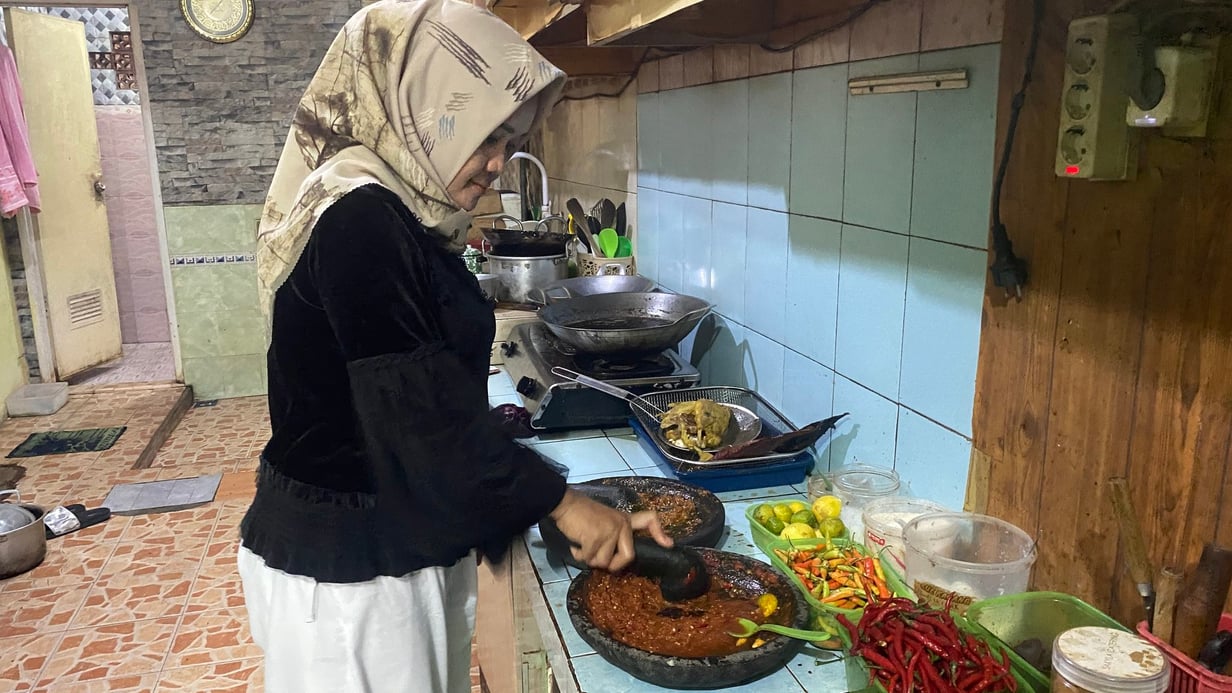
Fresh raw vegetables (lalapan) are also served, offering a crisp balance to the rich aroma of the smoked fish and chili sauce.
Diners are free to mix and match their fish and sauce preferences. This flexibility allows parties at a single table to enjoy a variety of fish dishes without being restricted to pre-set meal packages.
This concept upholds the simple, home-style dining experience that defines the establishment.
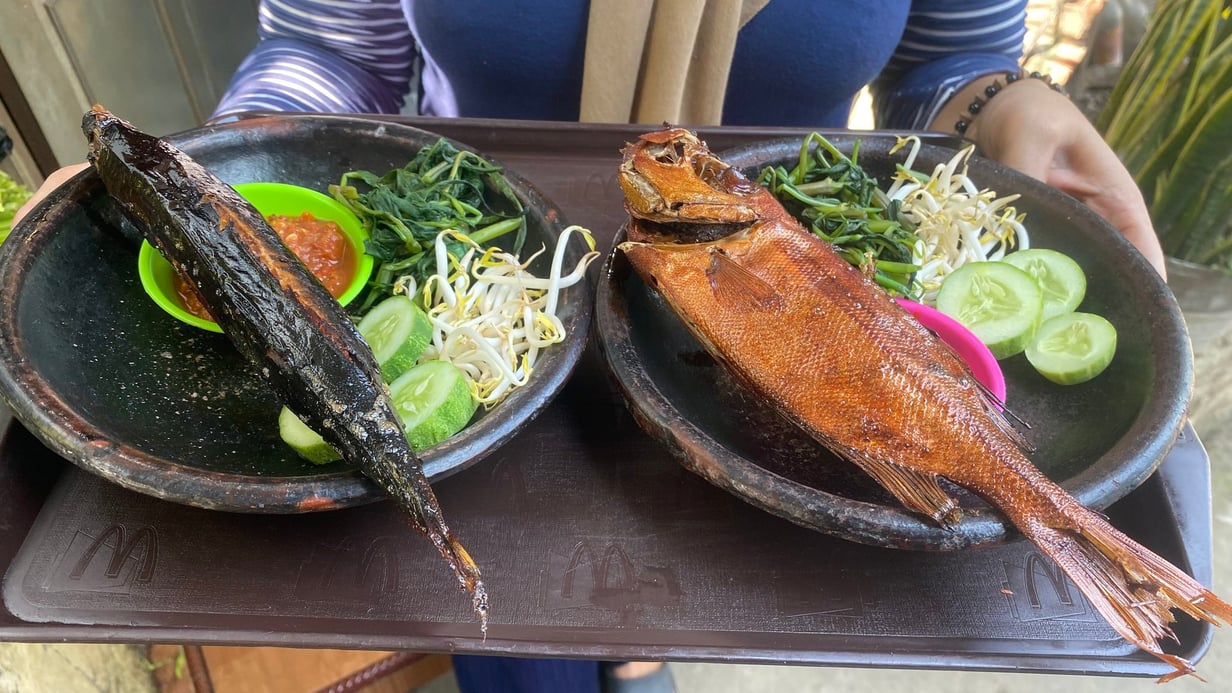
Beyond the variety of fish, the range of sizes is another key draw. The jumbo kapasan is available for Rp30,000.
For those preferring smaller portions, options include moto ombo, skipjack tuna, Spanish mackerel, and smoked catfish, each priced at Rp15,000.
Meanwhile, semar and tilapia are sold for Rp18,500.
Rice is sold separately for Rp5,000. Guests are welcome to serve themselves, allowing them to adjust portion sizes according to their appetite.
With fish starting at Rp15,000 and a portion of rice, patrons can enjoy a meal starting from Rp20,000, excluding additional sides.
This variety caters to both solo diners and families, who can order multiple types of fish to share or select individual portions based on their needs.
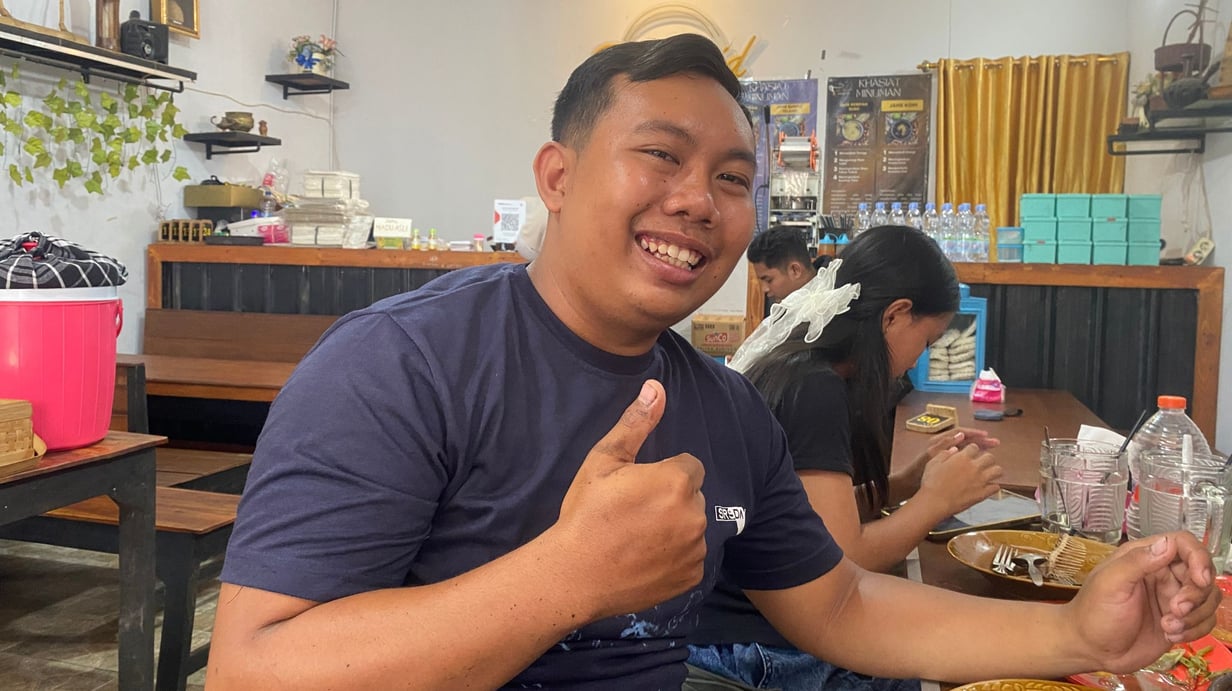
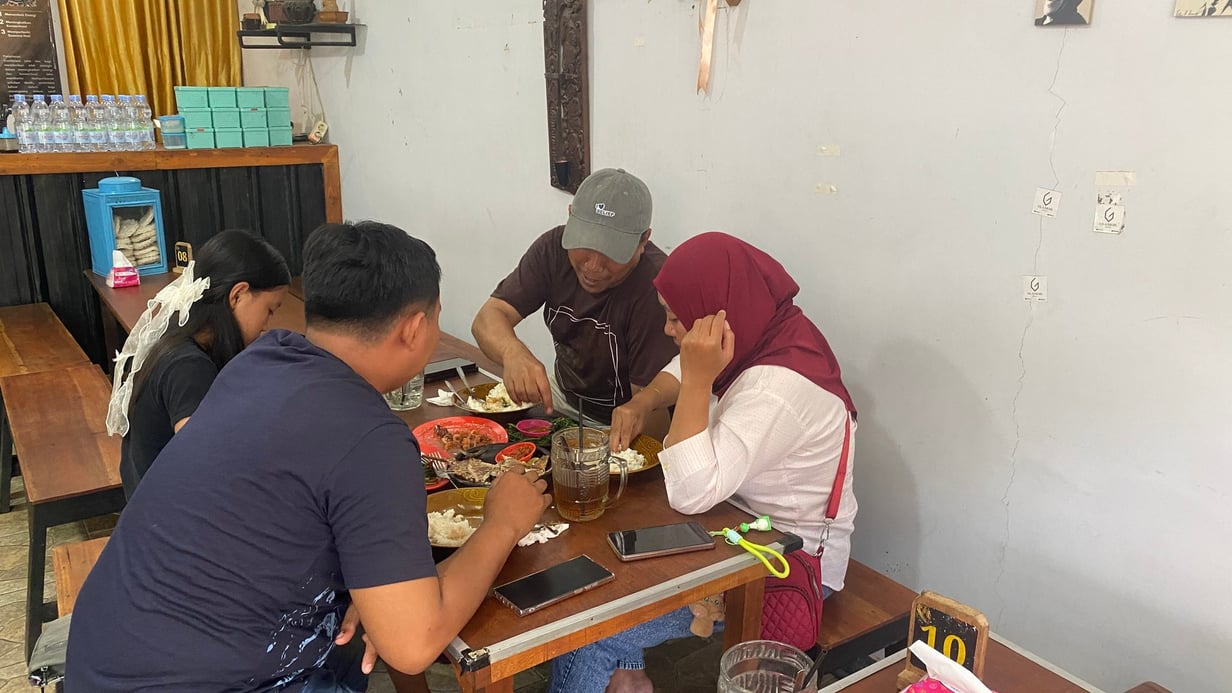
Fausta Davin, a customer from Jati, Kudus, visited with family after discovering the restaurant on social media.
He opted for medium-sized smoked semar and skipjack tuna, despite larger fish options being available.
Fausta’s visit illustrates how culinary information shared on social media helps connect potential customers with home-based businesses located in residential neighborhoods.
Supardi and Nur Siti’s business did not begin with smoked fish. The couple first started selling spiced ginger drinks in 2024.
Before operating from home, they sold their products at Kliwon Market in Kudus, offering customers various ginger-based and spiced beverages.
The business evolved after Supardi was inspired to introduce food items, an idea prompted by his experience tasting smoked fish elsewhere.
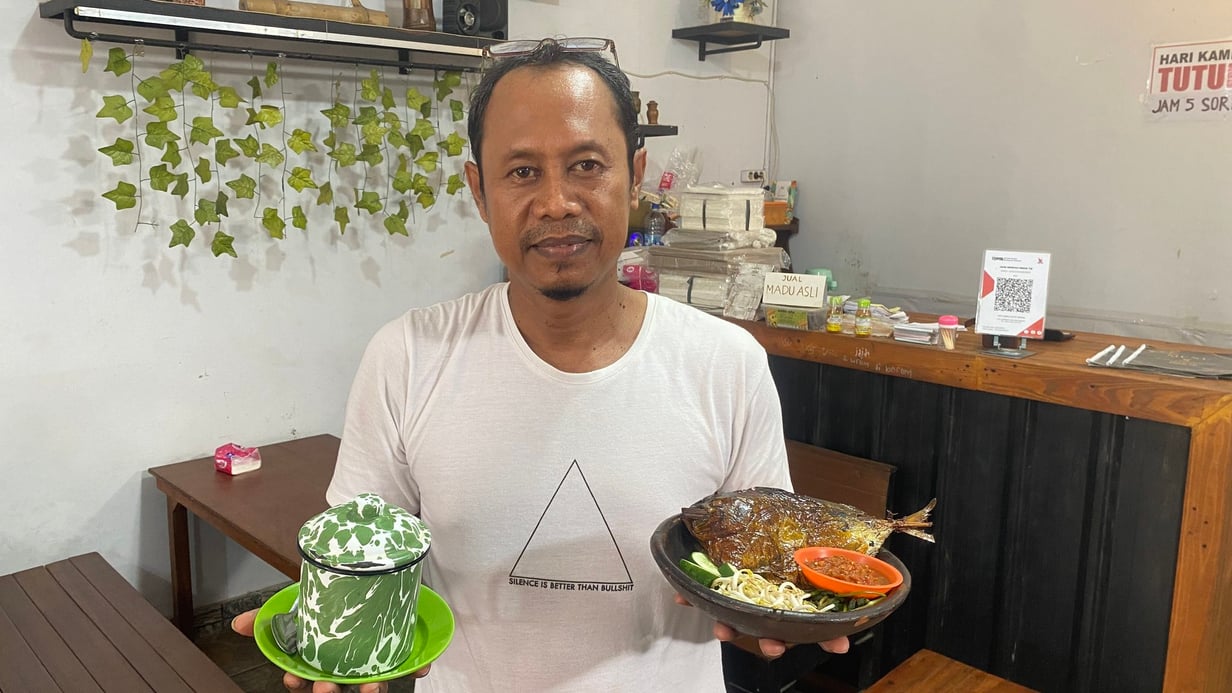
Following that experience, Supardi saw an opportunity to offer similar dishes in Kudus. He decided to use their home as a business venue while expanding their menu beyond beverages.
Around October 2025, the Ikan Asap dan Jahe Rempah Mbok Tie business began operations.
Smoked fish became the signature dish, while the spiced ginger drinks were retained, with both products complementing each other in their culinary venture.
Transitioning from a drink stand to a food stall changed their business management; Supardi and Nur Siti must now handle raw fish inventory, storage logistics, and customer order preparation.
Despite these shifts, the couple has not abandoned their original product. Spiced ginger remains available, serving as a staple of the establishment’s identity.
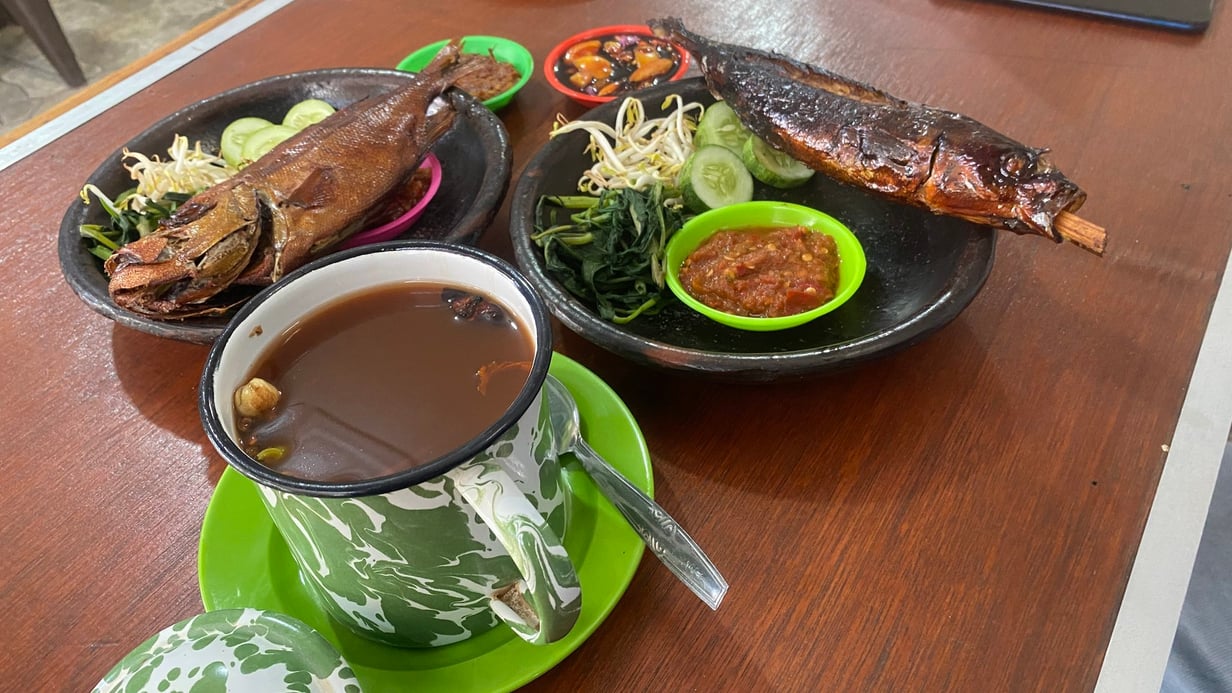
While smoked fish has become the centerpiece of the menu, traditional ginger drinks remain a staple offering.
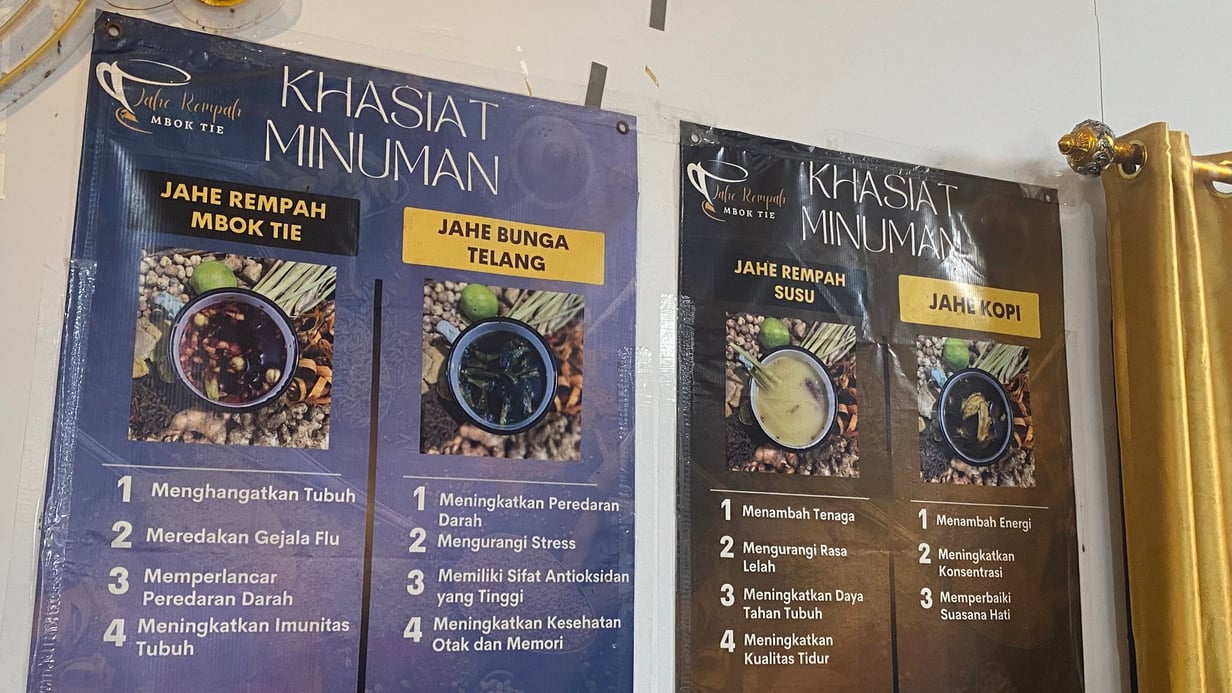
Patrons can choose from original ginger, secang ginger, or spiced ginger. Each blend incorporates a variety of ingredients, including cloves, sappanwood, cinnamon, and other aromatics.
This combination provides a warming beverage option to enjoy after finishing a meal of smoked fish.
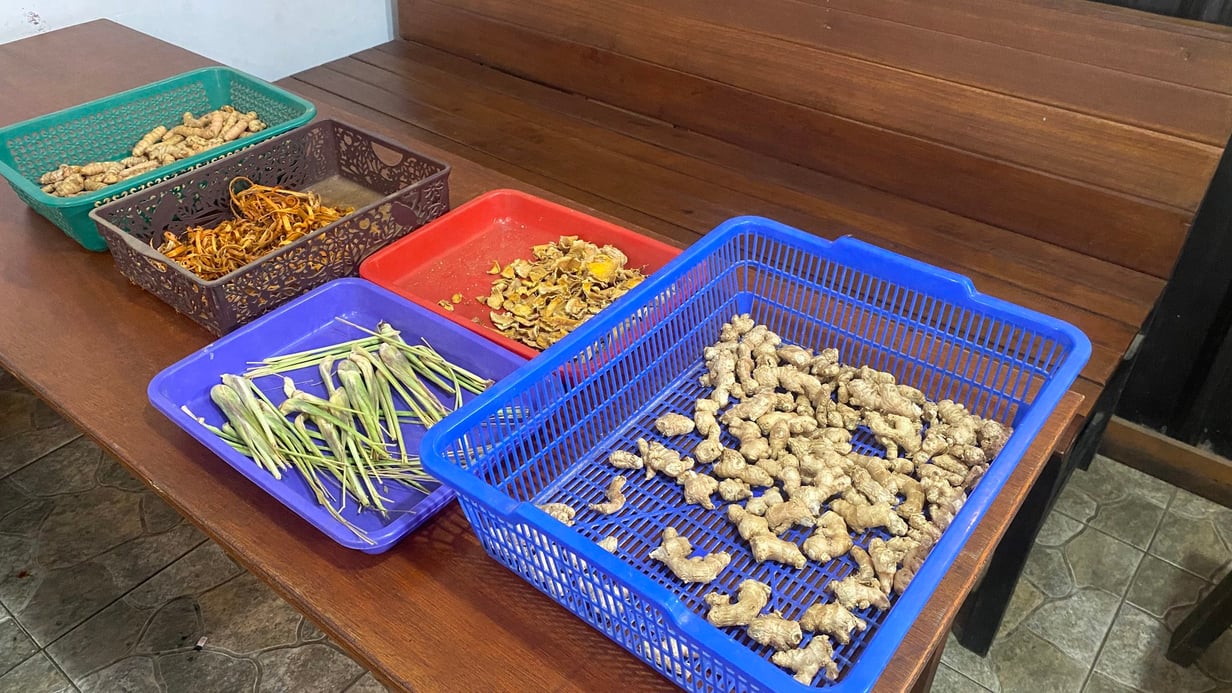
Supardi noted that the spiced ginger drink remains a signature accompaniment, serving as a reminder of the business's origins before the expansion into main courses.
"Usually, when customers are finished eating, the ginger drink is the go-to choice for refreshment and warmth," said Supardi.
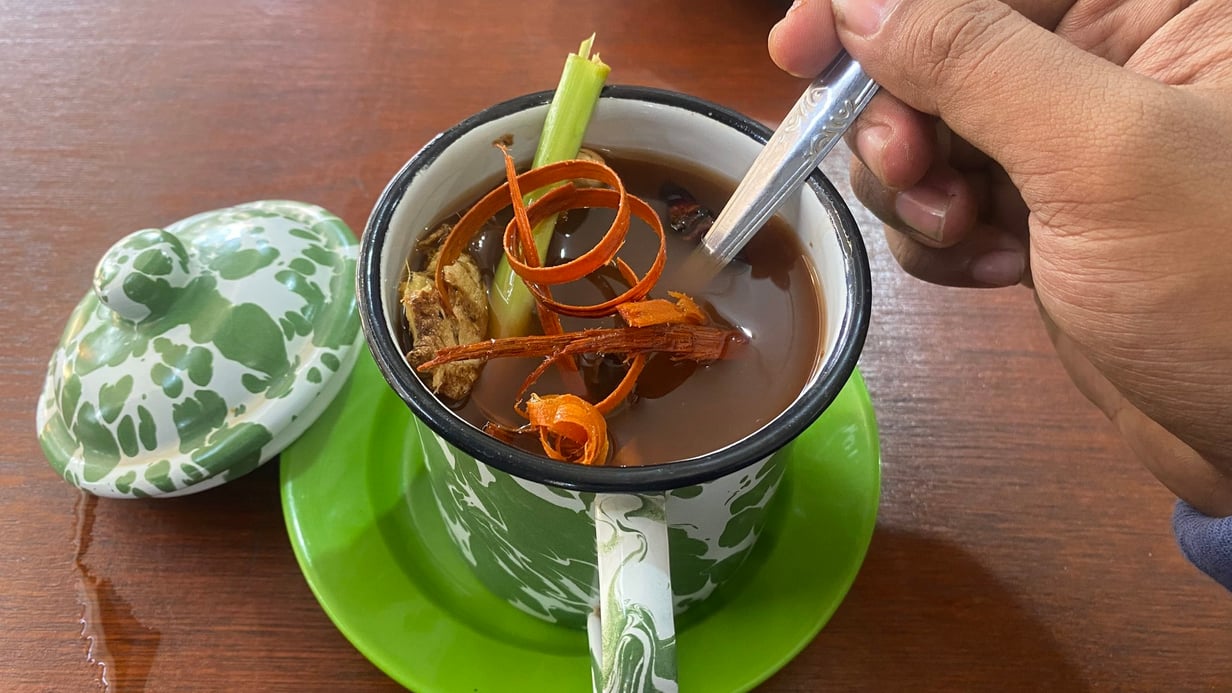
The availability of these drinks provides patrons with a secondary option beyond the primary smoked fish menu, allowing them to round off their meal with a warm, customized cup of ginger tea.
For Supardi and Nur Siti, preserving the ginger drink is about more than just menu variety; it is an enduring tribute to the business they built from the ground up.
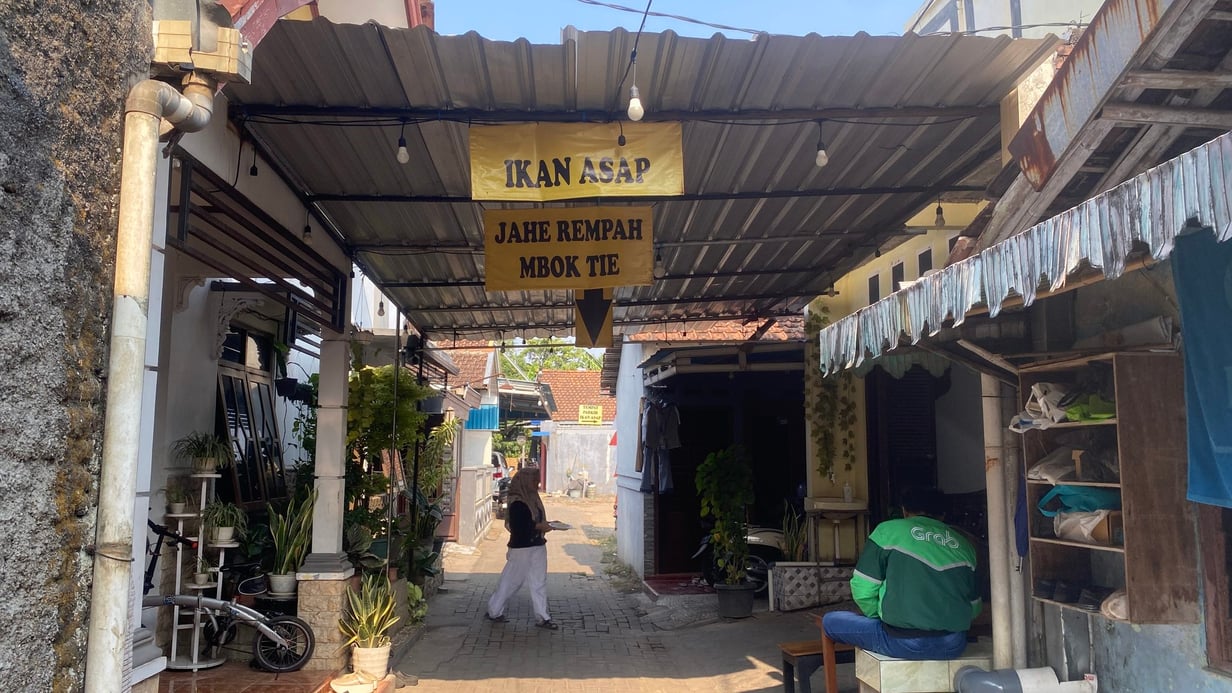
Ikan Asap dan Jahe Rempah Mbok Tie is located on Gang Guyub, Tumpang Krasak Village, Jati District, Kudus Regency.
Visitors can use the Tumpang Krasak Indomaret as a reference point to find the entrance to the eatery.
From the east, the alley entrance is on the left before the Indomaret. Conversely, those arriving from the west should pass the Indomaret before crossing over to the alley.
After traveling approximately 100 meters, visitors will spot a sign for Ikan Asap Mbok Tie. From that point, turn left to reach the location.
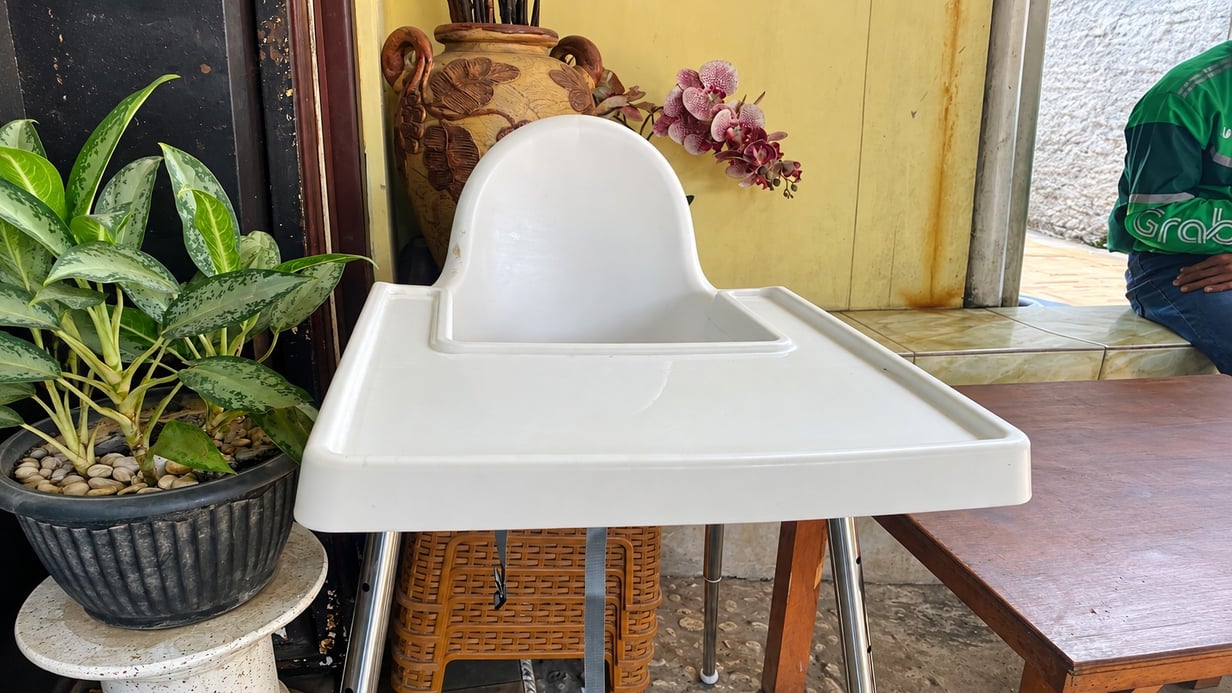
Although situated in a residential area, the site is accessible by both motorcycle and car.
The dining atmosphere is modest, utilizing the home's space. For families, the management can provide floor mats in the front area, and high chairs are available for guests with toddlers.
The establishment is open daily from 10:00 a.m. to 10:00 p.m. WIB. On Thursdays, operating hours are shorter, closing around 5:00 p.m. WIB.
Because of its location within a residential alley, clear signage is essential for first-time visitors, with local markers assisting in locating the restaurant.
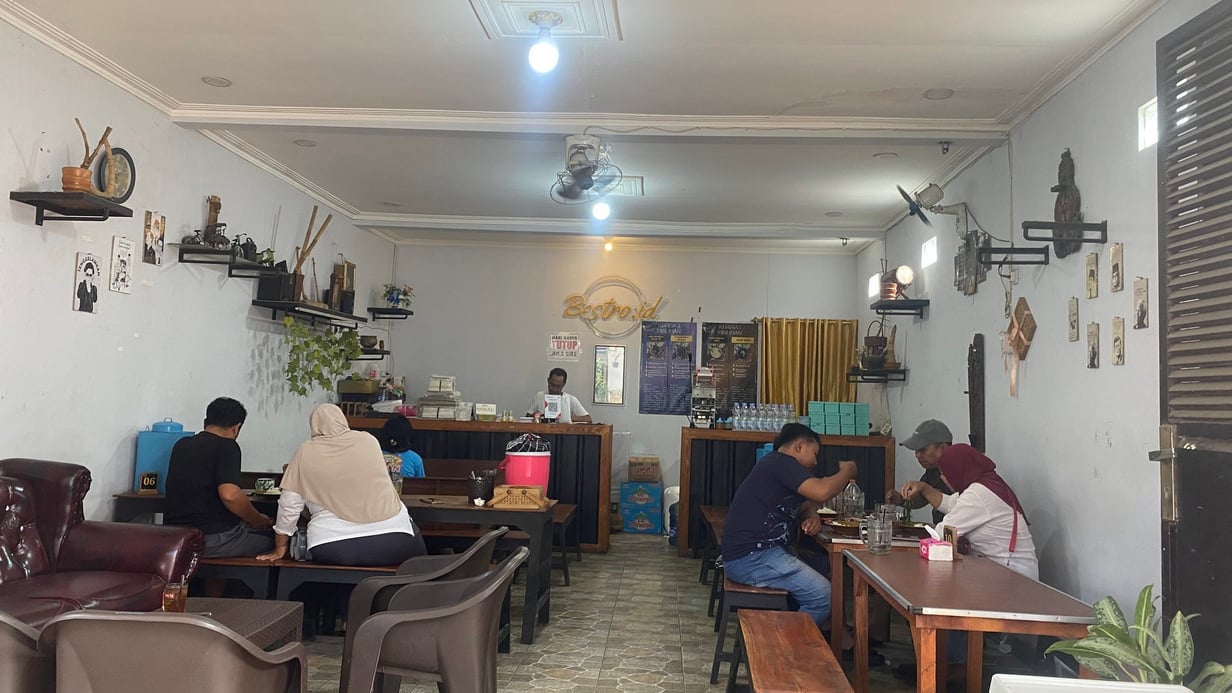
Beginning as a spiced ginger drink business in 2024, Supardi and Nur Siti have since expanded their home into an eatery offering a variety of smoked fish dishes. The venture has evolved without abandoning the beverage that launched their journey.
On Gang Guyub, guests can enjoy smoked fish served with rice, sambal, and fresh vegetables in a homey environment, finishing their meal with a warm cup of ginger drink.
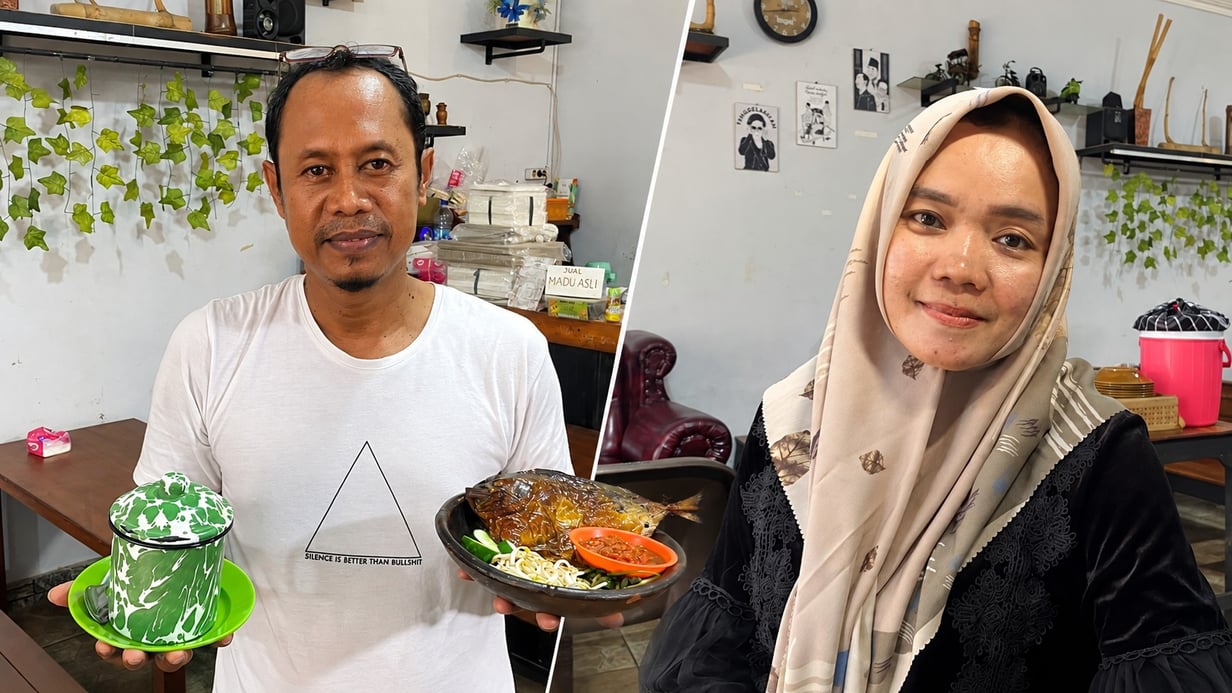
Located in the heart of the Tumpang Krasak residential area, the couple's business serves as a new culinary destination for both residents and visitors exploring Kudus. (ITN/mainkekudus)