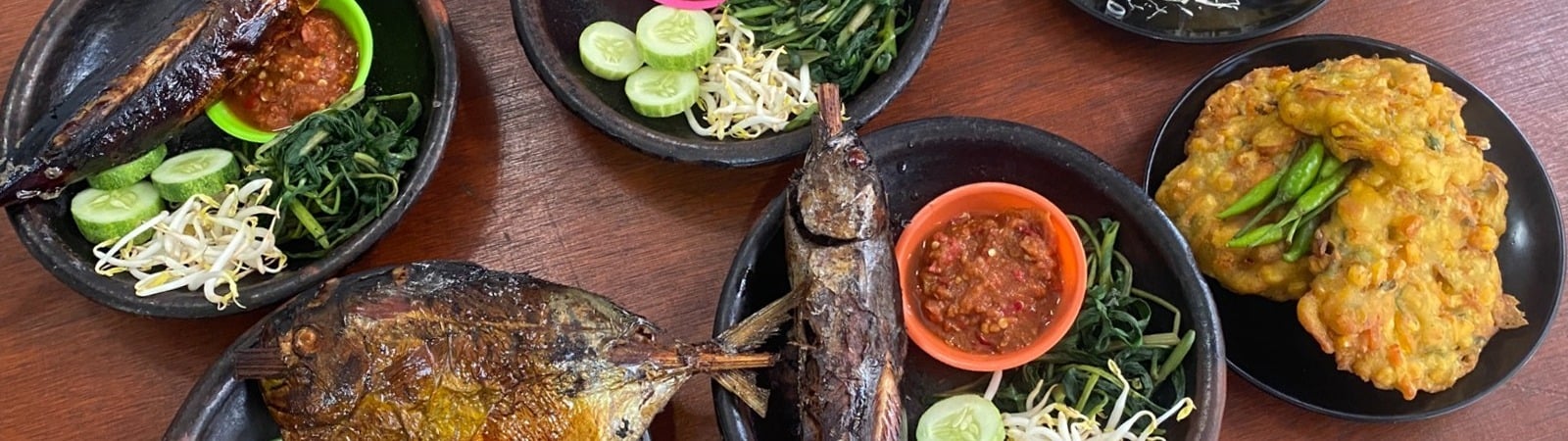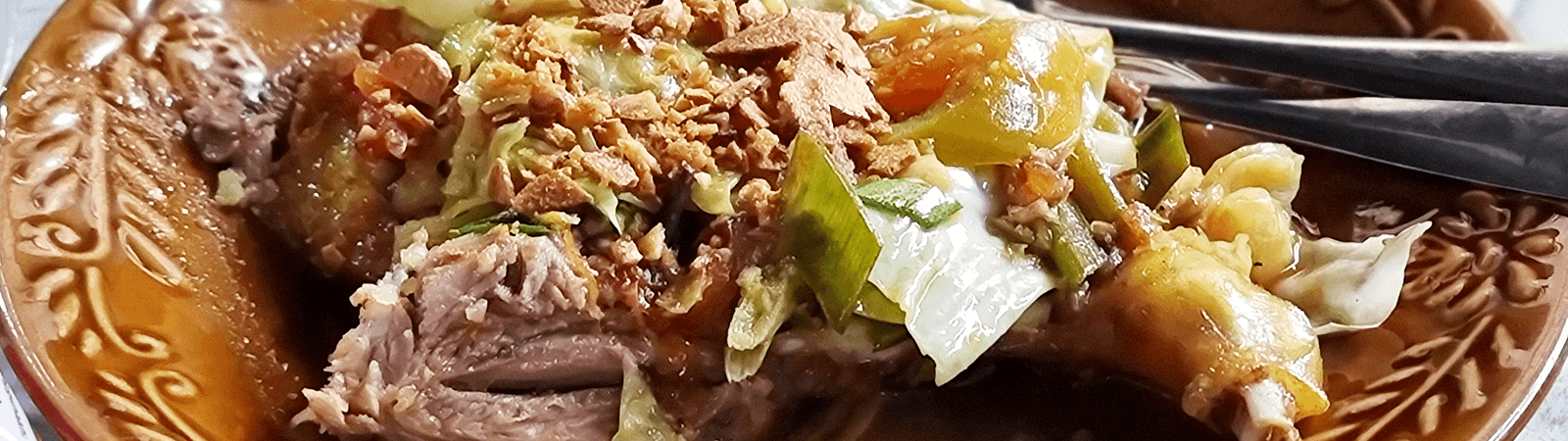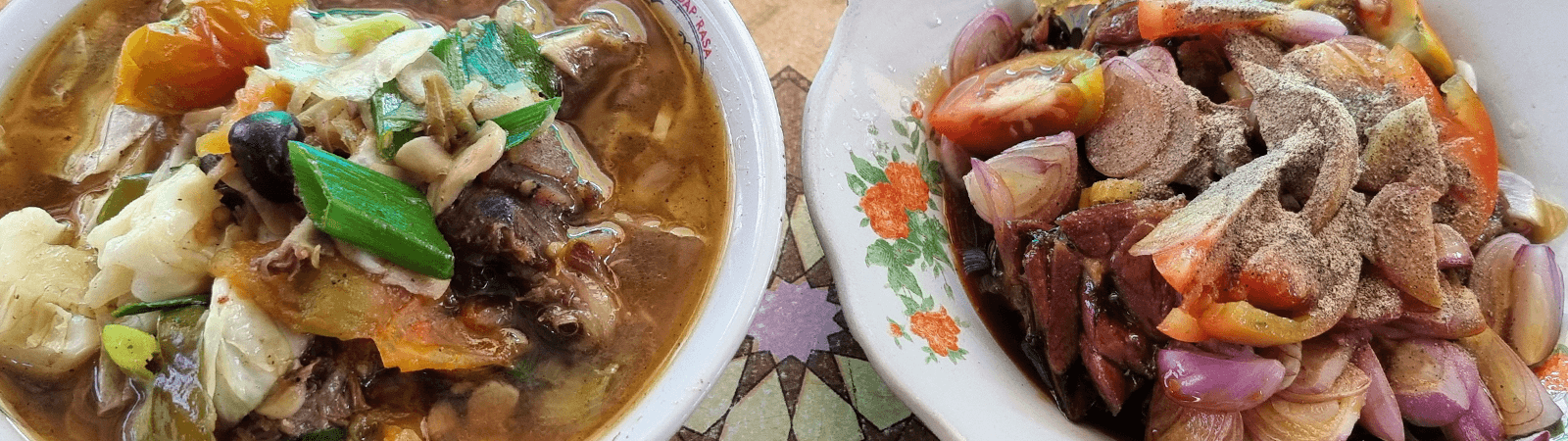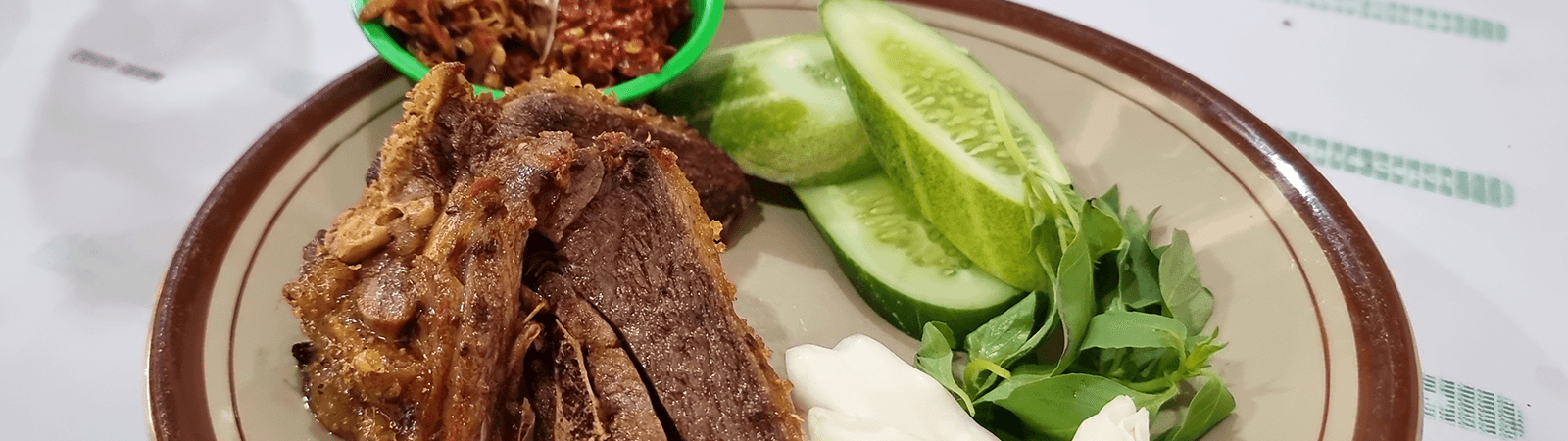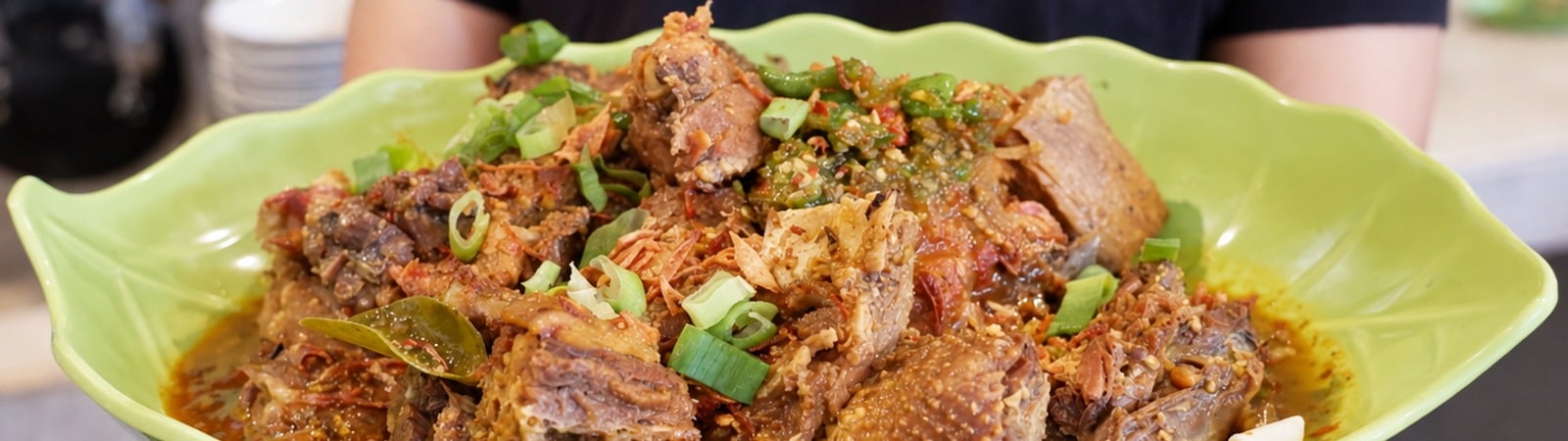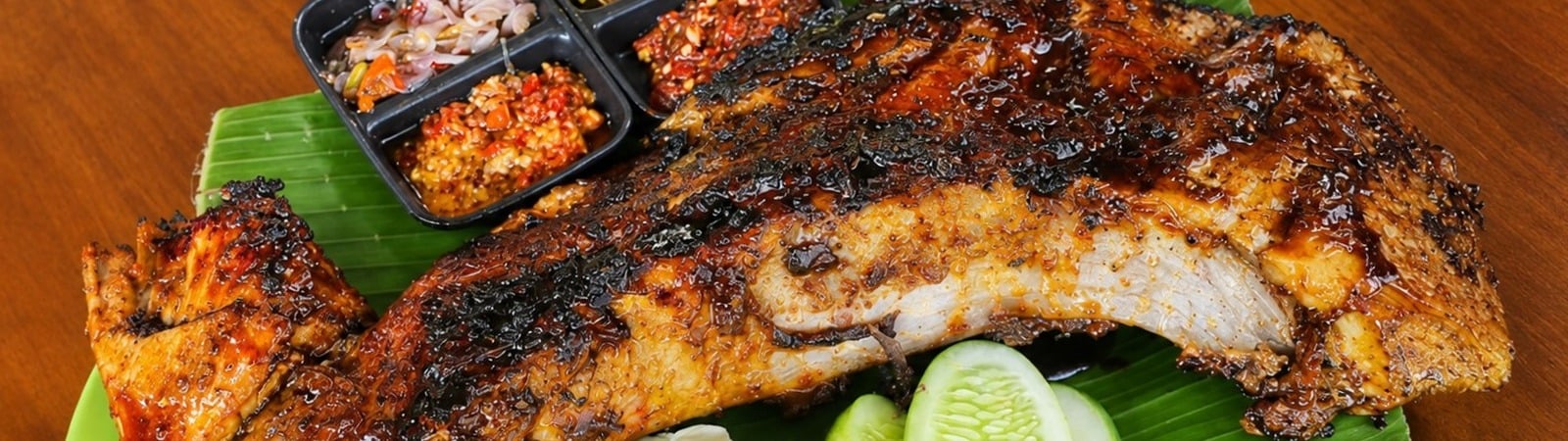
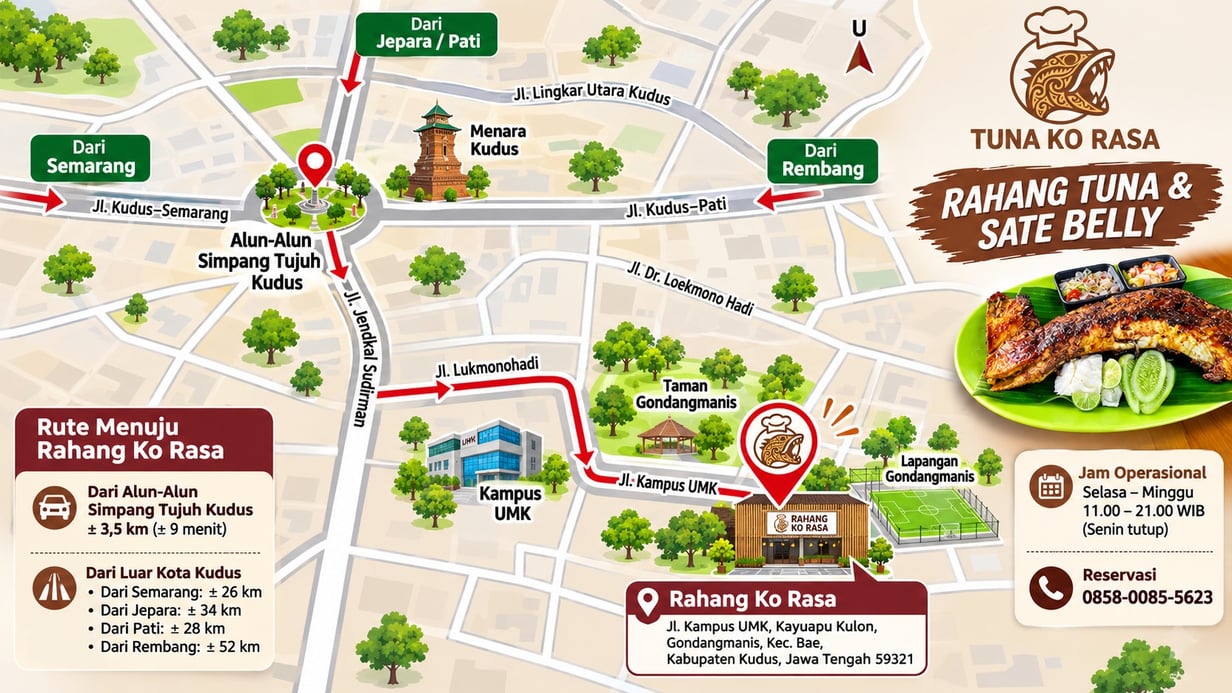
KUDUS – Smoke rises from the grill at Rahang Tuna Ko Rasa on Jalan Kampus UMK, Dersalam Village, Bae District, Kudus Regency. Large tuna jaws are grilled over hot coals, basted periodically with spices and soy sauce. Once cooked, the fish is served with a choice of four distinct sambals.
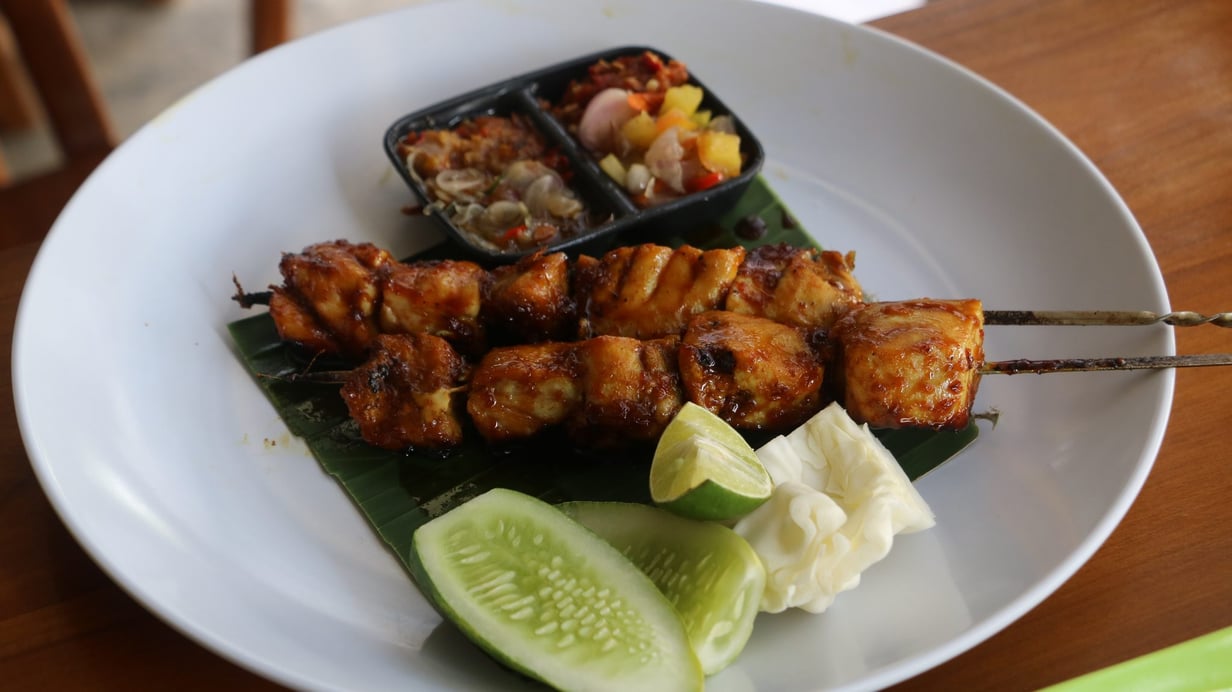
This culinary destination offers tuna preparations inspired by the culinary traditions of Eastern Indonesia. The jaw, a cut rarely found in daily fare, serves as the signature menu item, complemented by tuna belly served as satay.
For owner Redi Joko Prasetyo, the idea to bring these dishes to Kudus stemmed from his personal experience tasting grilled tuna jaws while visiting Eastern Indonesia. That experience inspired him to introduce these unique seafood preparations to the residents of the "City of Kretek."
Redi identified an opportunity to introduce seafood-based cuisine to the local Kudus market. He aimed to provide a novel culinary alternative while enriching the local dining scene, which shares a historical connection with coastal regions.
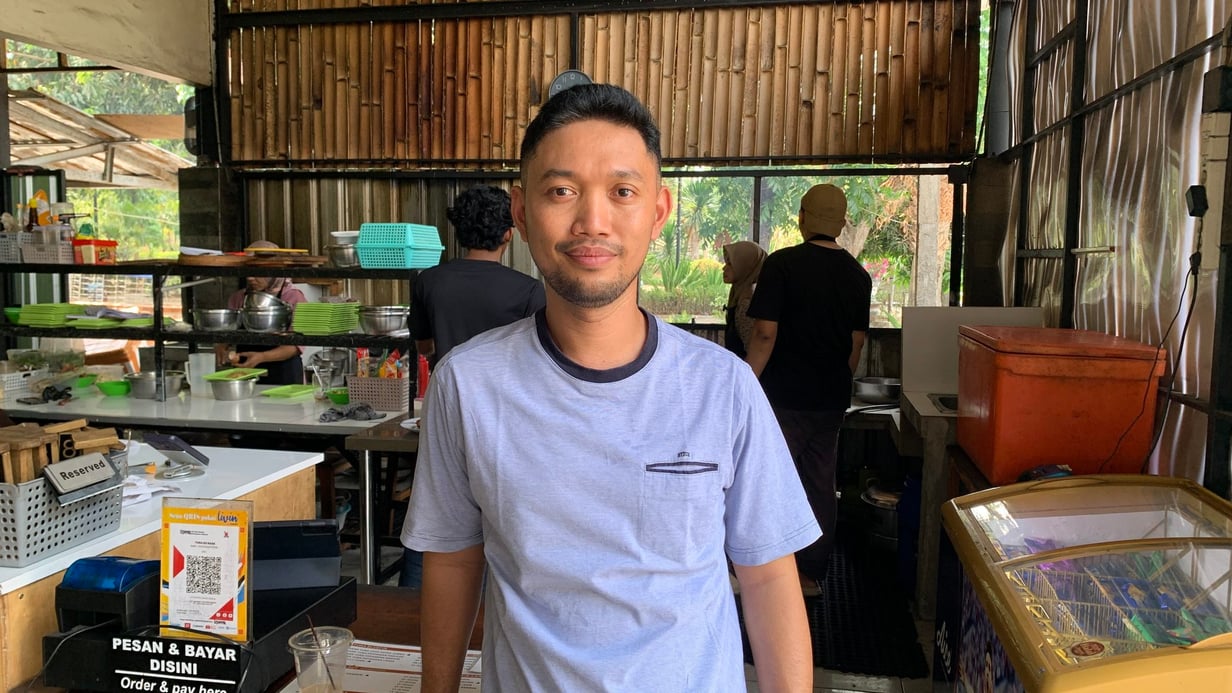
"Drawing from my experience eating tuna jaws in Eastern Indonesia, I wondered why I couldn't bring this culinary style to Kudus. My hope is that the culinary scene in Kudus becomes more diverse, offering residents more options," Redi said.
This concept was realized through Tuna Ko Rasa, which began operations on October 16, 2025.
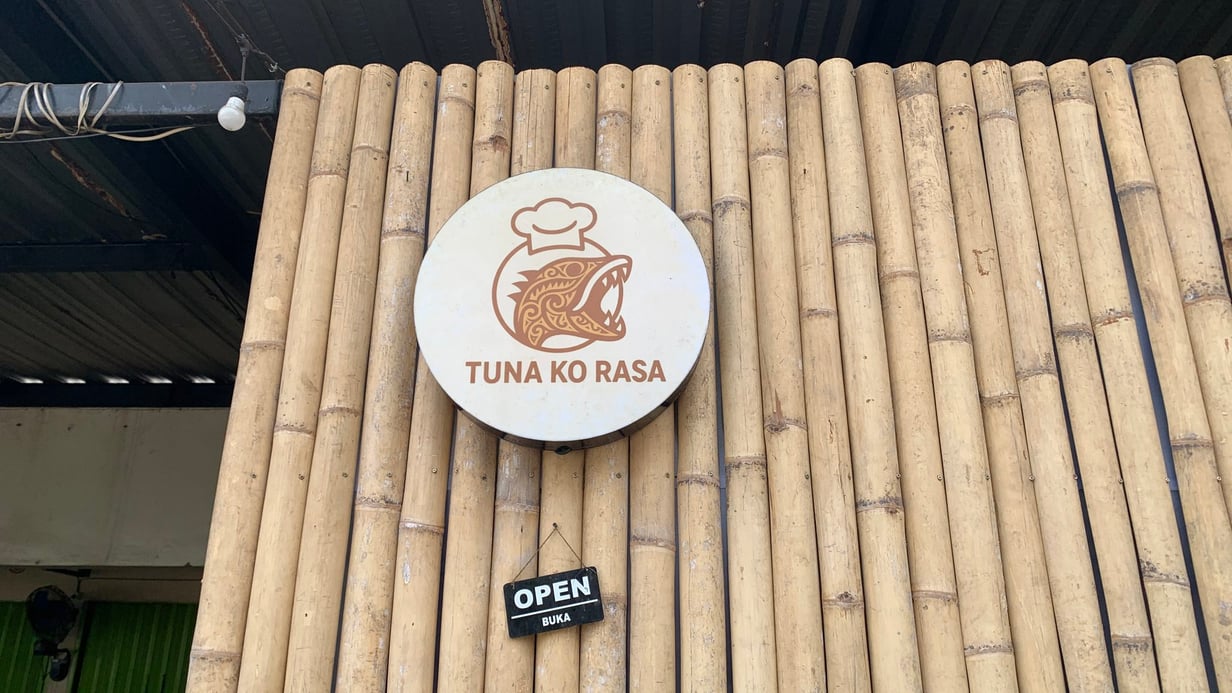
The name Tuna Ko Rasa carries specific meaning. The word ko in the dialects of Eastern Indonesia, particularly Sulawesi, means "you." Meanwhile, rasa refers to the act of tasting or savoring. Together, the name serves as an invitation for customers to enjoy the tuna dishes on offer.
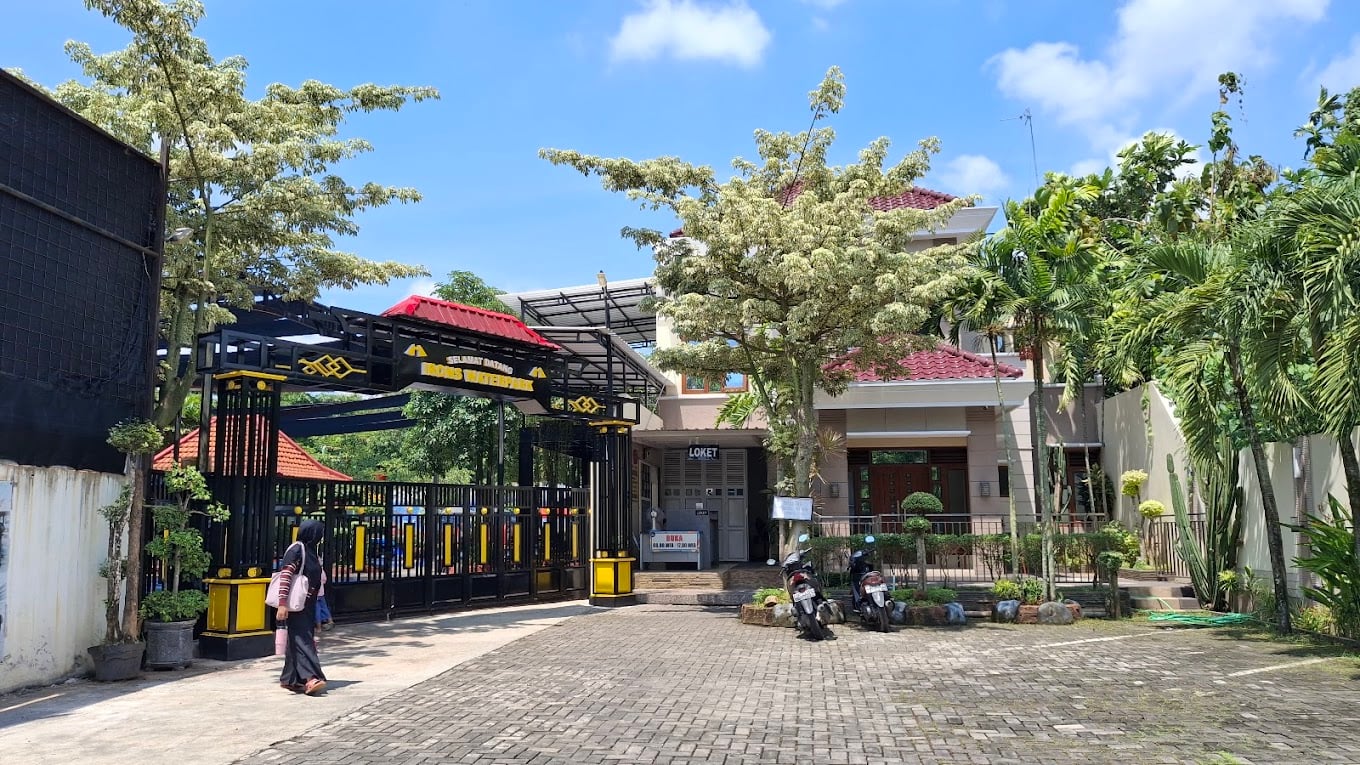
Jl. Kampus UMK, Kayuapu Kulon, Gondangmanis, Kec. Bae, Kabupaten Kudus, Jawa Tengah 59321, Indonesia
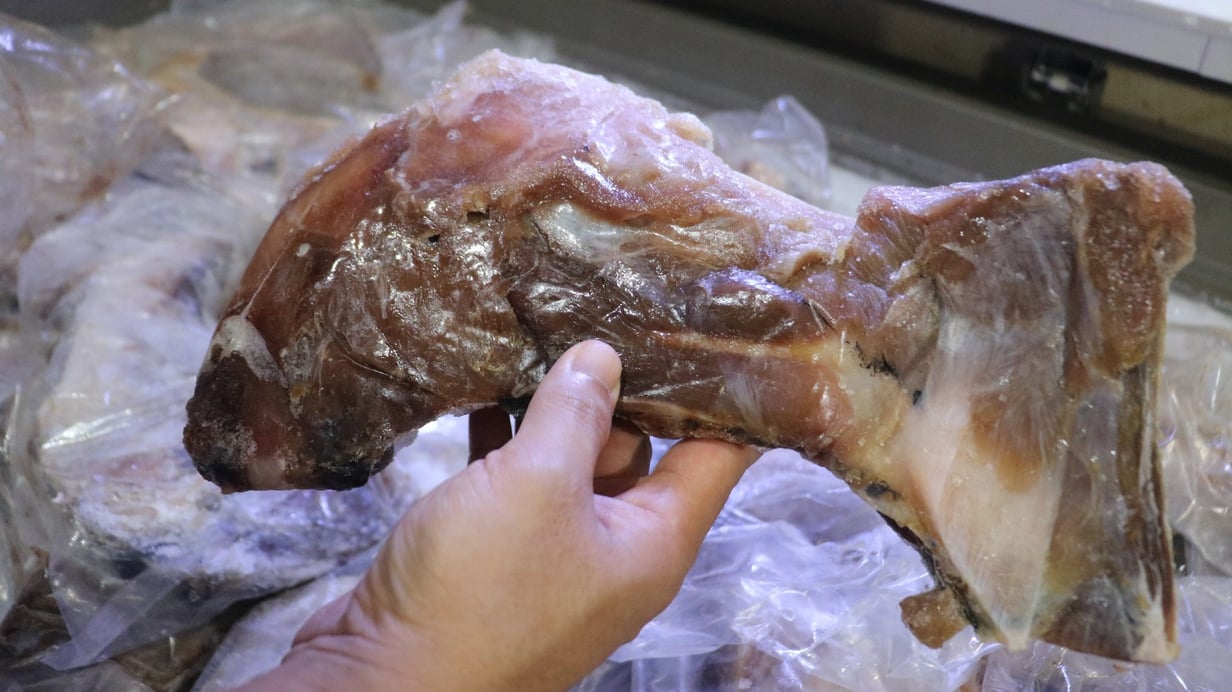
A hallmark of the dishes served at Tuna Ko Rasa is the specific cut of fish used. While most tuna establishments prioritize the loin, this culinary spot specializes in utilizing the jaw and belly of the tuna.
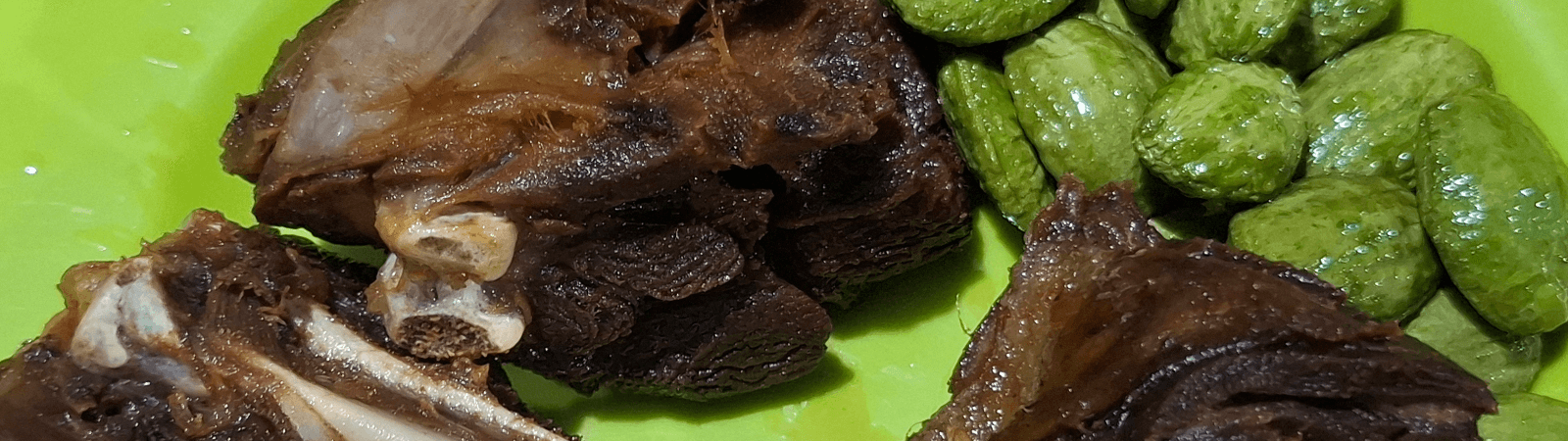
Because these two cuts possess distinct textural characteristics, the preparation methods are tailored accordingly. The tuna jaw serves as the primary ingredient for grilled menu items, while the belly is prepared as satay.
To meet demand, the tuna jaws and bellies are sourced from Bali. The fish, caught in the waters of Eastern Indonesia, are shipped using refrigerated transport to ensure freshness upon arrival in Kudus.
According to Redi, sourcing raw materials presents a significant operational challenge. Factors such as shipping distance, seasonal catches, and the size of the fish all impact the consistency of supply.
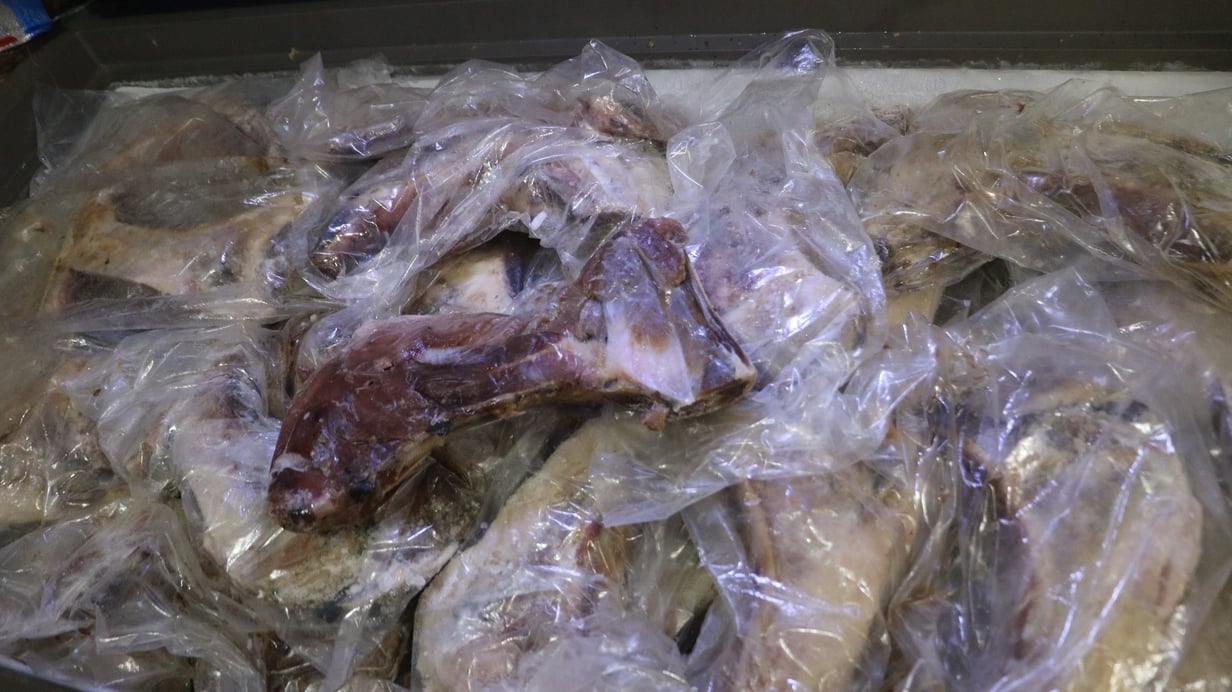
“Once caught, the fish must be chilled immediately. It is then cut while cold and shipped to our location under controlled temperatures. We maintain rigorous standards for ingredient intake to ensure optimal quality,” he explained.
Each shipment undergoes a specific process before cooking. The fish is first thawed, then cleaned of any mucus or residual blood.
The fish is then marinated in a spice blend before undergoing a steaming process. Steaming helps tenderize the meat before it is placed on the grill.
Muhammad Fajar, head chef at Tuna Ko Rasa, noted that preparing tuna jaw requires precision, particularly with larger cuts. The meat must be handled carefully to prevent it from breaking apart during grilling while ensuring it cooks evenly throughout.
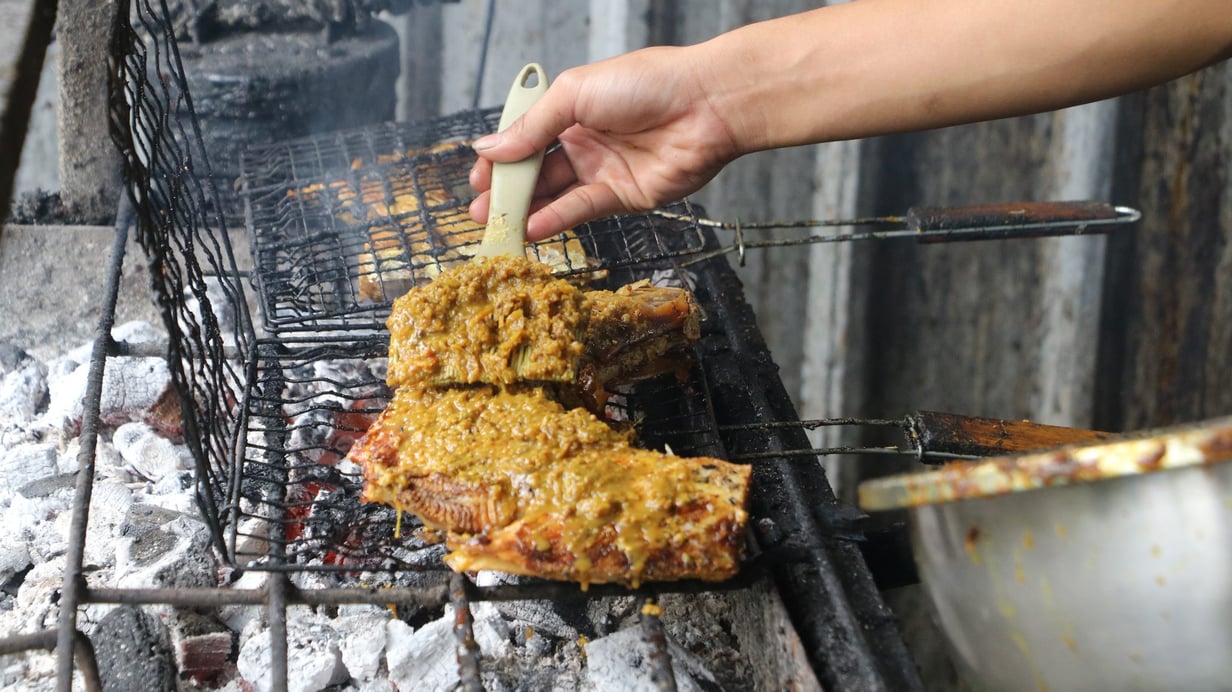
The marinade features a mix of spices, including turmeric, galangal, ginger, shallots, and garlic. During the grilling phase, the spice mixture is applied incrementally, with soy sauce added twice to achieve a sweet flavor profile.
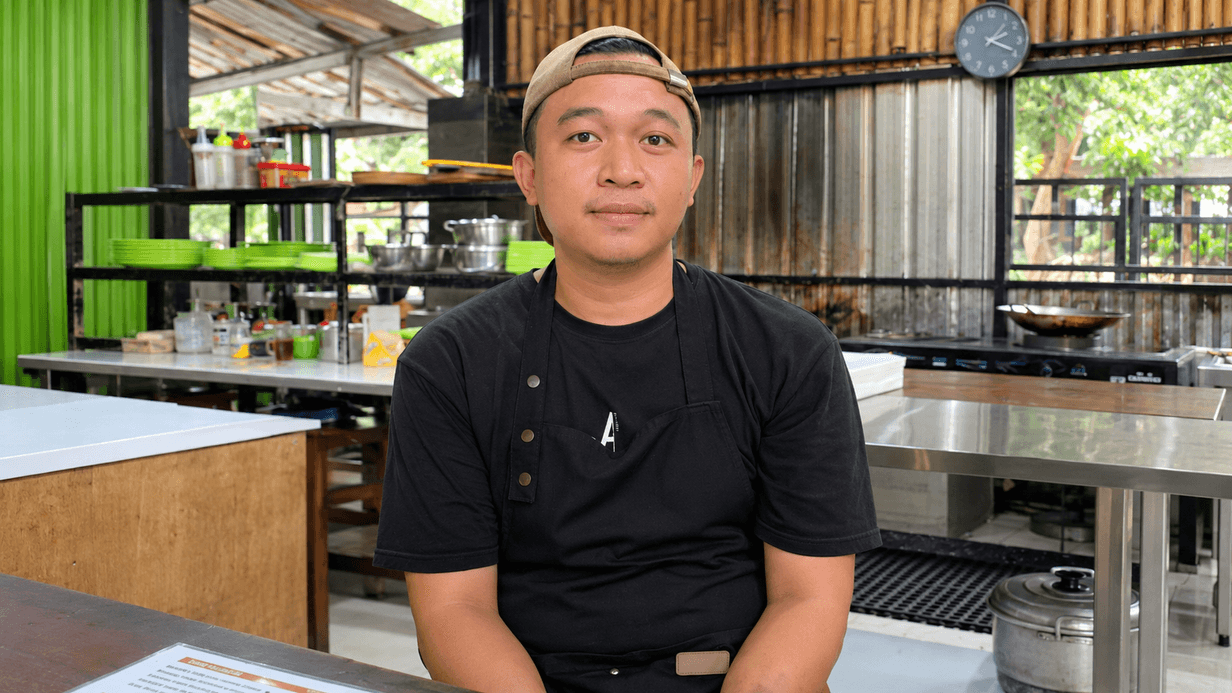
"The marination process removes the fishy odor, while steaming ensures the meat remains tender. Grilling the fish gives the exterior a dry texture and allows the seasoning to provide a sweet finish," explained Fajar.
Beyond preparation techniques, the restaurant offers a variety of sambals. Diners can choose from four types: dabu-dabu, matah, terasi (shrimp paste), and sambal bawang (onion chili sauce).
Dabu-dabu is a staple of Sulawesi cuisine, while sambal matah is synonymous with Balinese dishes. The other two options, terasi and onion chili sauce, are more familiar to local palates.
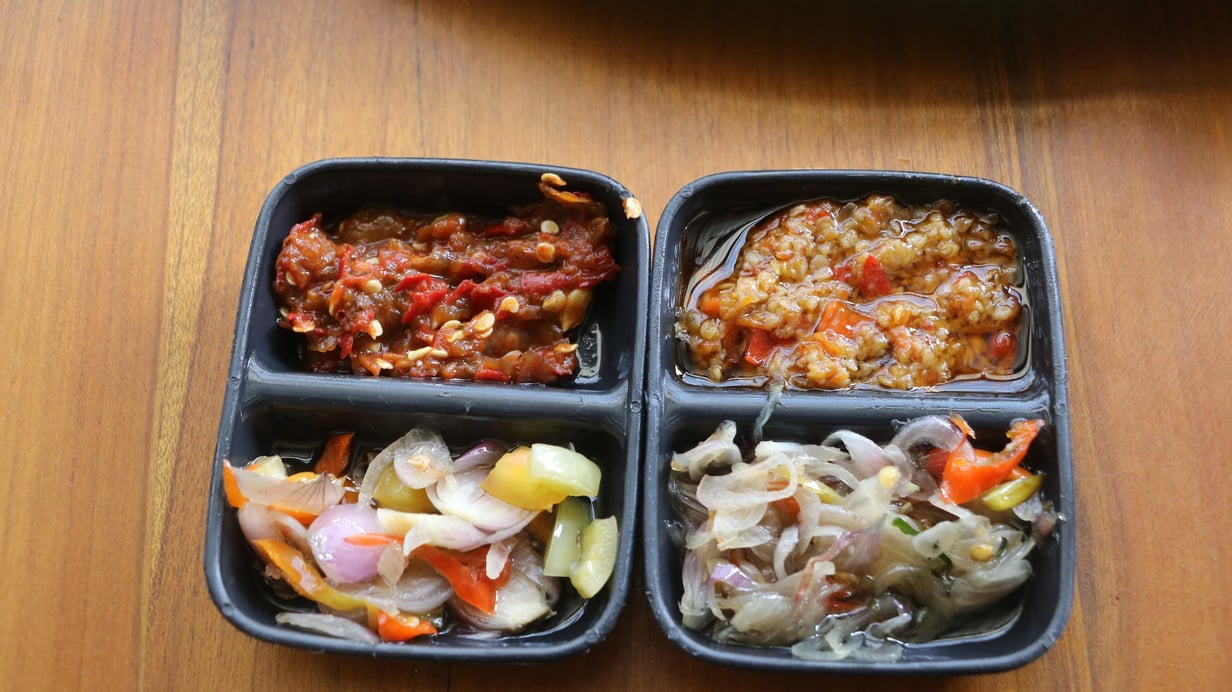
According to Fajar, matah and dabu-dabu are among the most popular choices. He recommends the onion chili sauce for tuna belly satay, while the shrimp paste sambal is ideal for other seafood dishes.
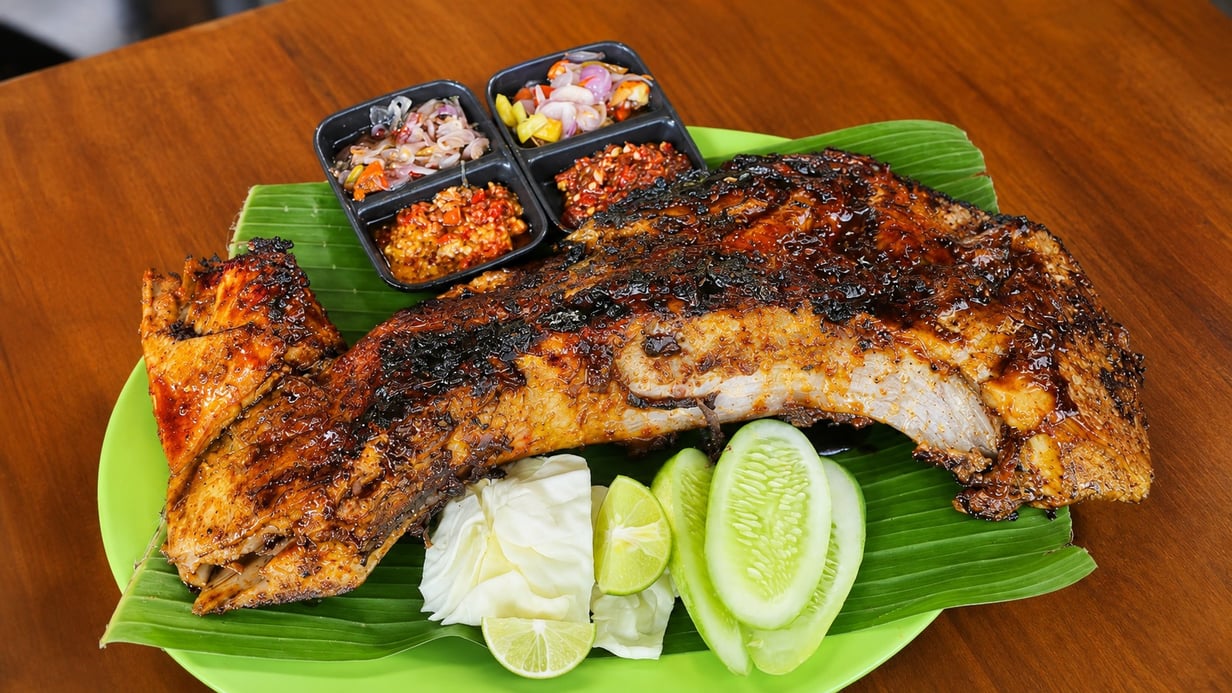
The grilled tuna jaw is available in regular, medium, large, and super-jumbo sizes. Prices start at Rp38,000 for a regular portion, while the super-jumbo size is priced at Rp13,000 per ounce. Tuna belly satay is also available for Rp28,000 per serving.
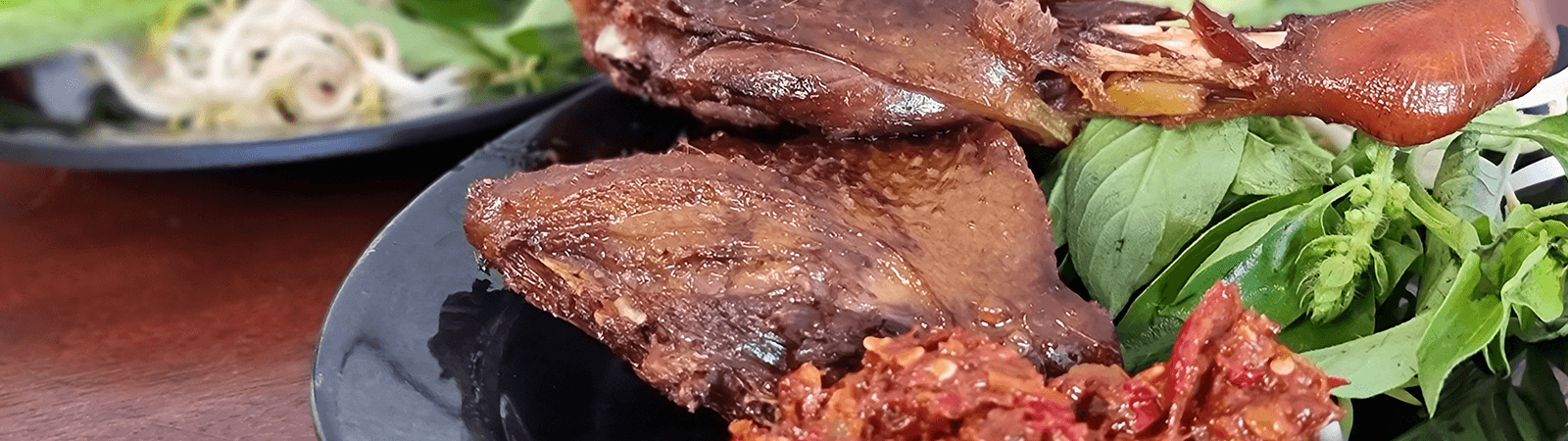
Additional menu items include grouper and pomfret fish. For diners who prefer non-seafood options, grilled chicken and grilled eggs are also available.
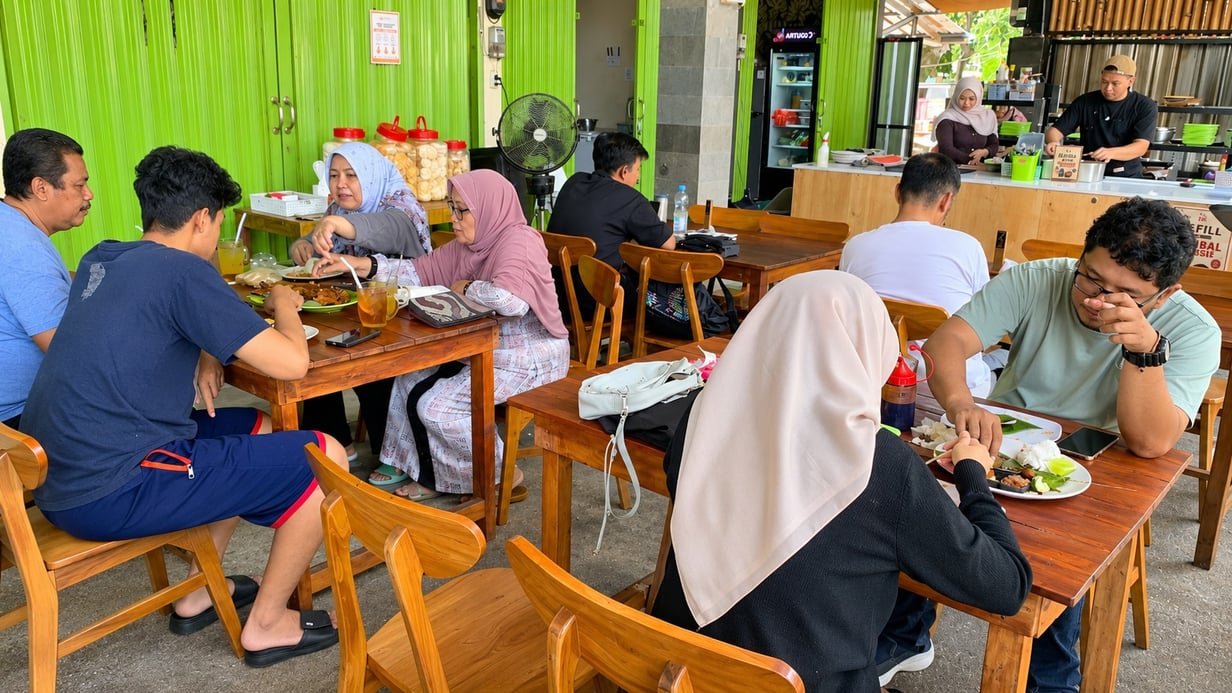
Suwandono, a customer from Pati Regency, visited the restaurant with his family after discovering Tuna Ko Rasa on social media. He specifically sought out the jumbo-sized tuna jaw to share with his family.
He noted that the tuna has a tender texture, with the marinade infused deep into the meat. The variety of sambal options also allows diners to customize the flavor to their personal preference.
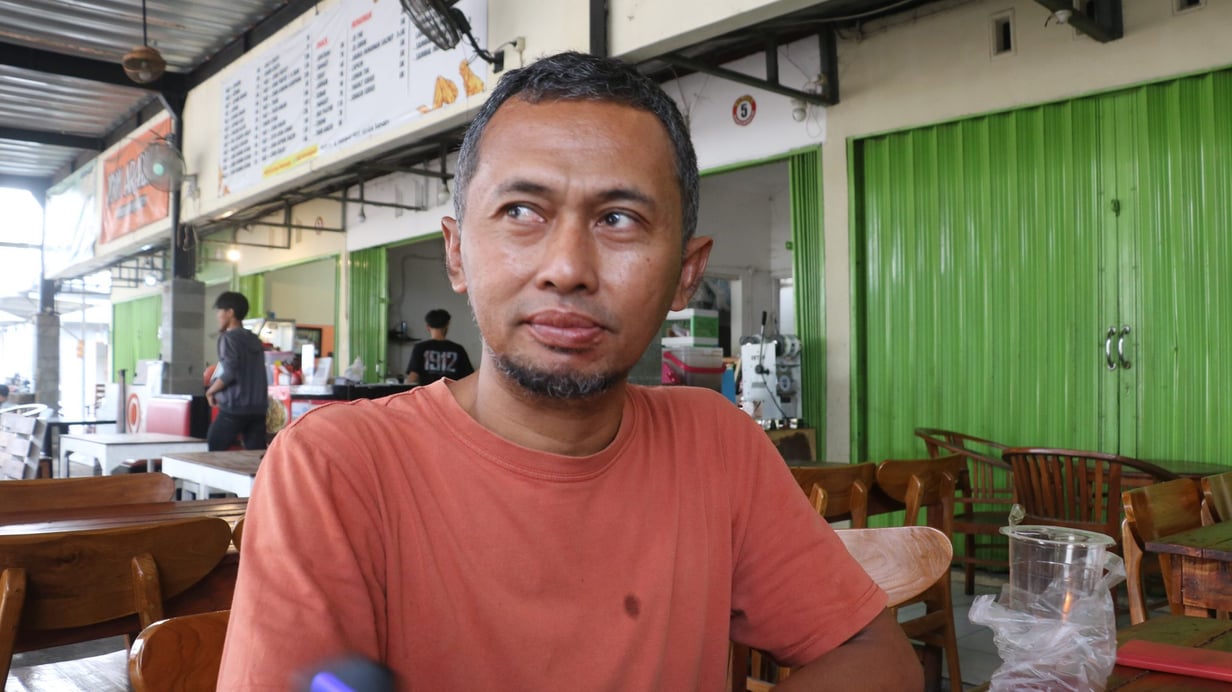
“The taste is truly appealing. The meat is tender and the seasoning penetrates all the way through. We ordered the jumbo size so we could enjoy a large portion of tuna with the family,” he said.
For Suwandono, the dish offers a unique culinary experience, as eateries specializing in tuna jaw are rarely found.
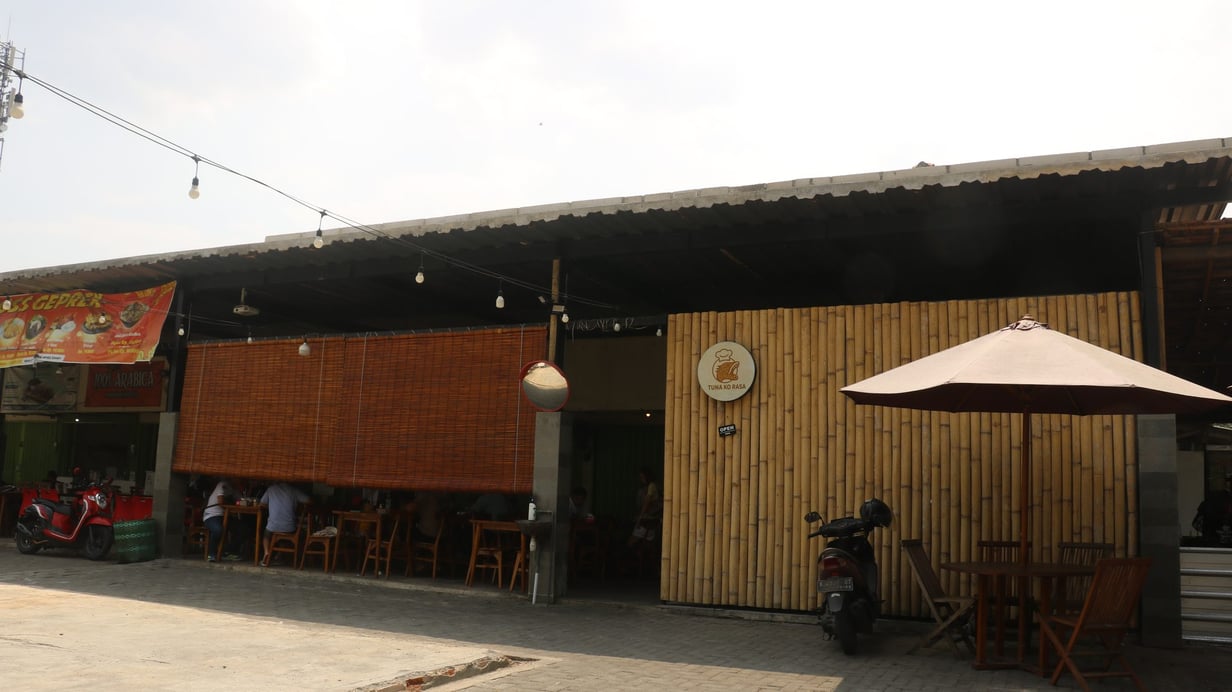
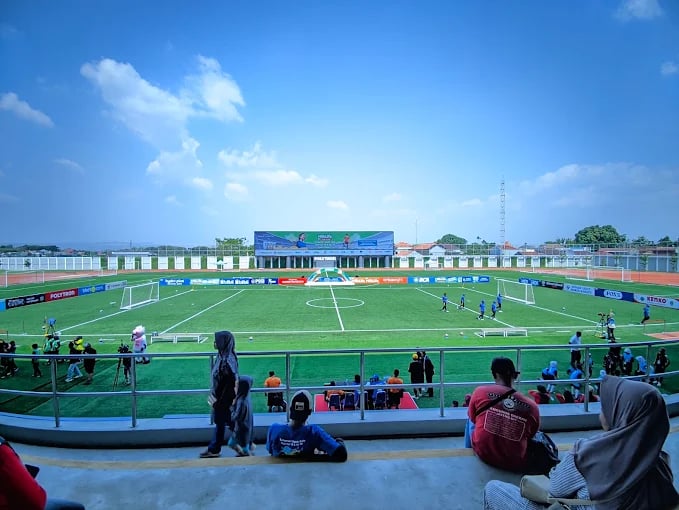
Beyond customers from Kudus and surrounding areas, Tuna Ko Rasa also attracts out-of-town guests visiting for sports events held in Kudus.
Redi experienced this firsthand when Kudus hosted the Martial Arts PON. At that time, three minibuses arrived almost simultaneously, bringing groups of visitors to his establishment.
The sudden surge in customers briefly overwhelmed the staff, leading management to temporarily stop accepting orders to manage the influx.
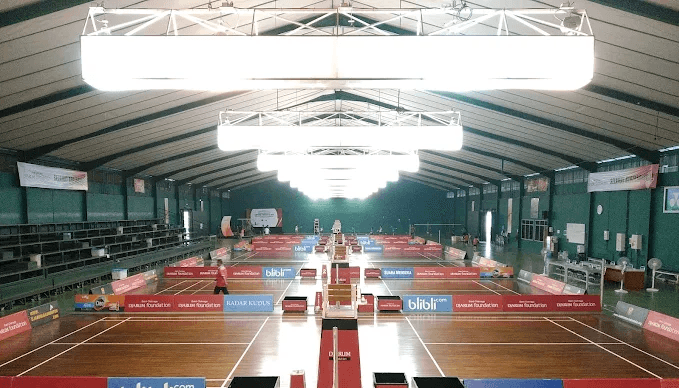
Another notable instance occurred during the Polytron Kudus Indonesia Masters 2026 badminton tournament, when Tuna Ko Rasa hosted several visitors from Malaysia who returned multiple times to enjoy the food.
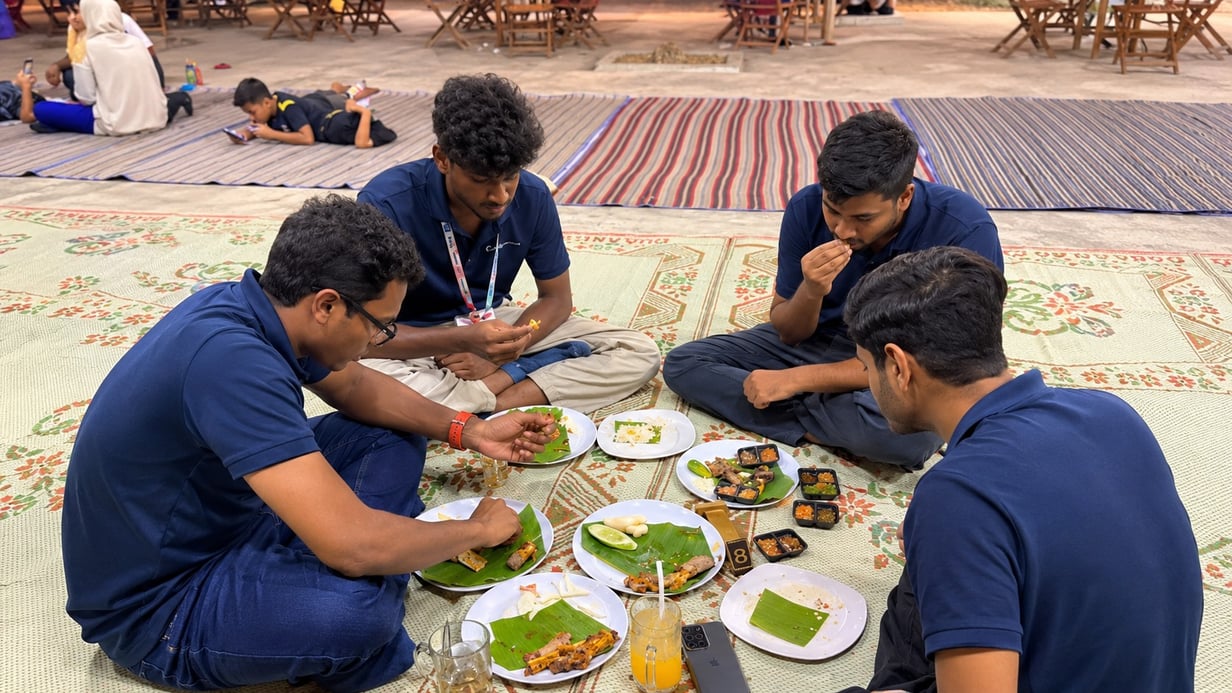
The guests even suggested that Redi open a branch in Kuala Lumpur. However, for now, he prefers to focus on developing his business in Kudus.
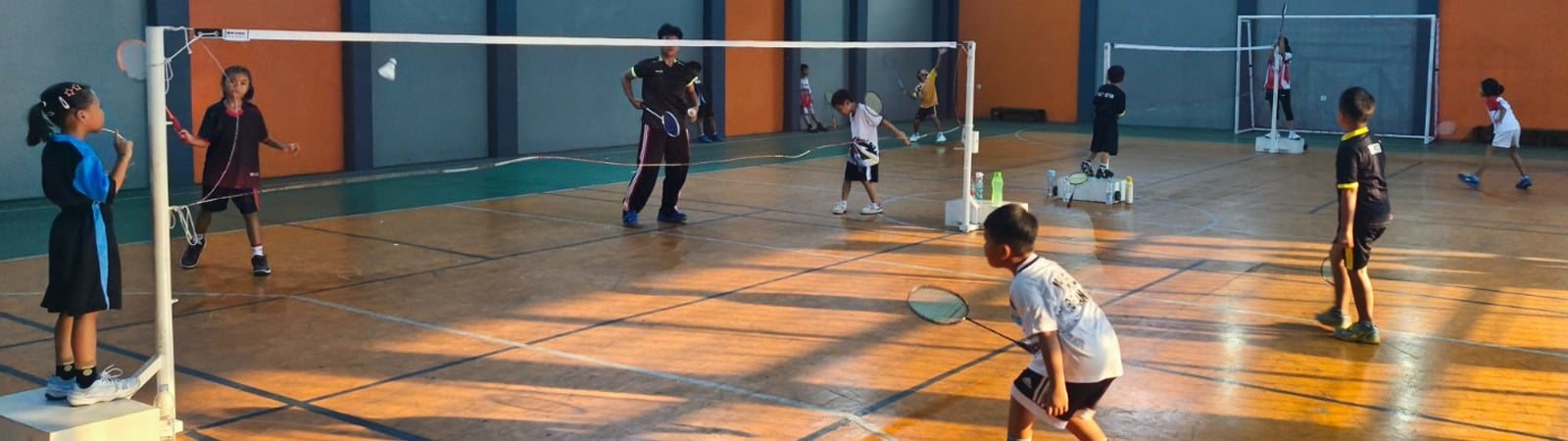
A similar opportunity arose during the MilkLife Superliga Junior 2026, held from November 2–8, 2026. During the event, Tuna Ko Rasa hosted a delegation from Poland, which included badminton athletes and coaching staff.
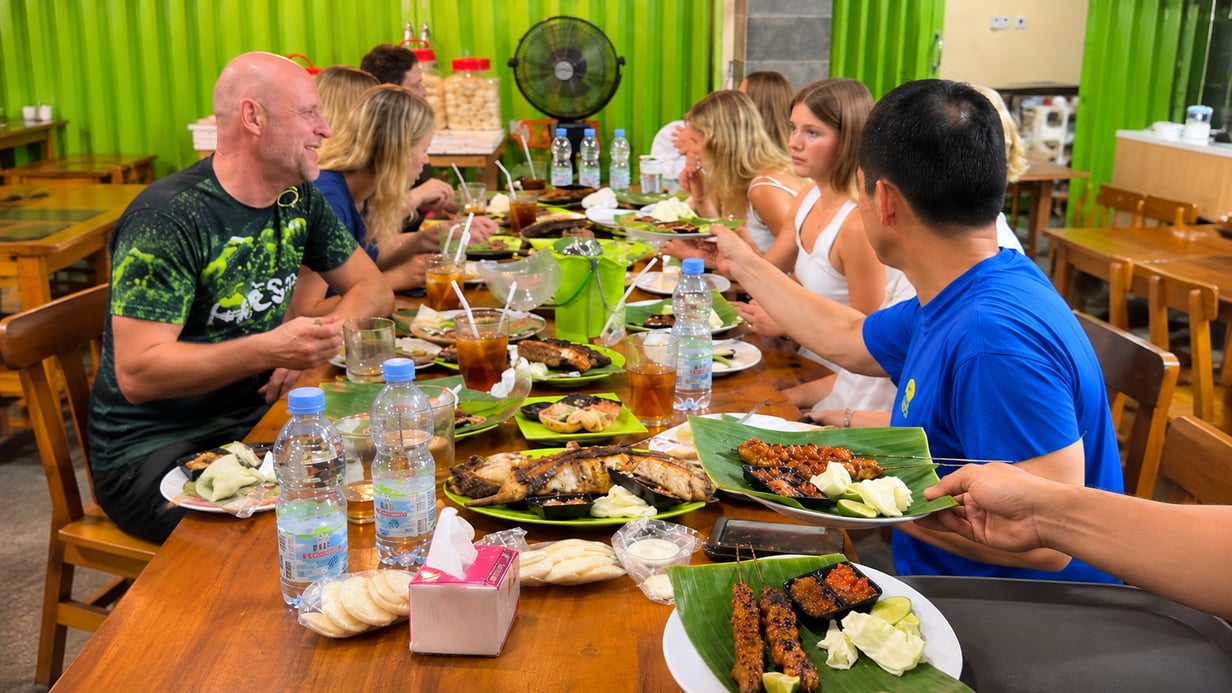
Redi noted that the guests responded positively to the food. Some chose the grilled tuna jaw, while others sampled the tuna belly satay. Some guests were so impressed that they ordered additional portions of satay.
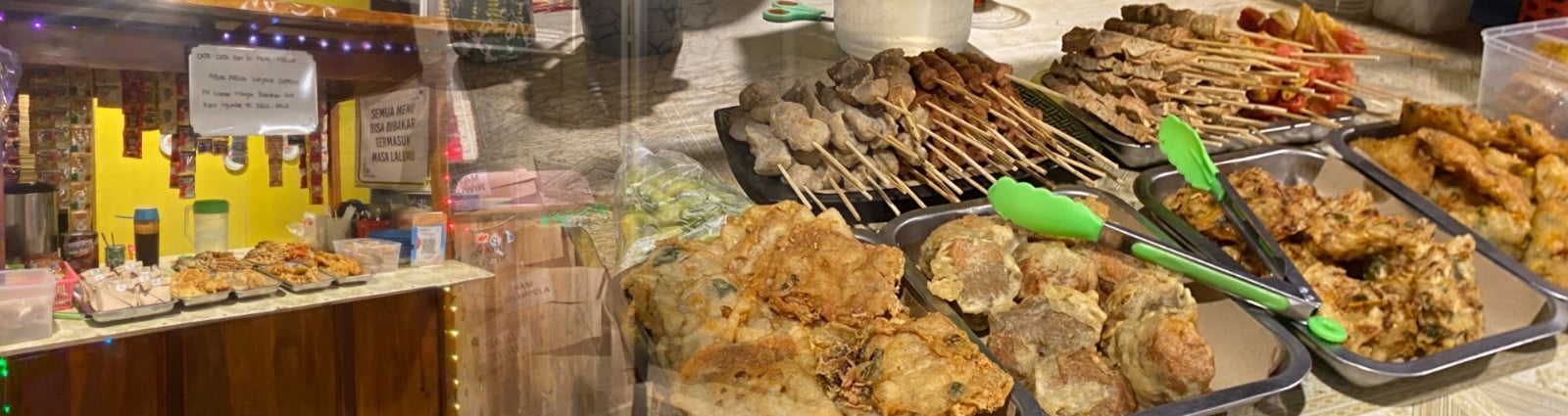
Assorted fried snacks, such as corn and vegetable fritters, were also well-received, with the group describing the food as "the best."
For Redi, hosting international visitors is a unique opportunity to introduce local fish-based cuisine to outsiders. He believes that sporting events in Kudus provide broader economic benefits, including for the local culinary industry.
"As more sporting events take place, more visitors come to Kudus. The impact is felt not only by the event organizers but also by the hospitality and culinary sectors," he said.
The arrival of athletes, officials, family members, and spectators offers local dining establishments in Kudus a chance to reach new customers. This experience highlights that the needs of visitors during sporting events extend beyond accommodation and match-day activities to include diverse dining options.
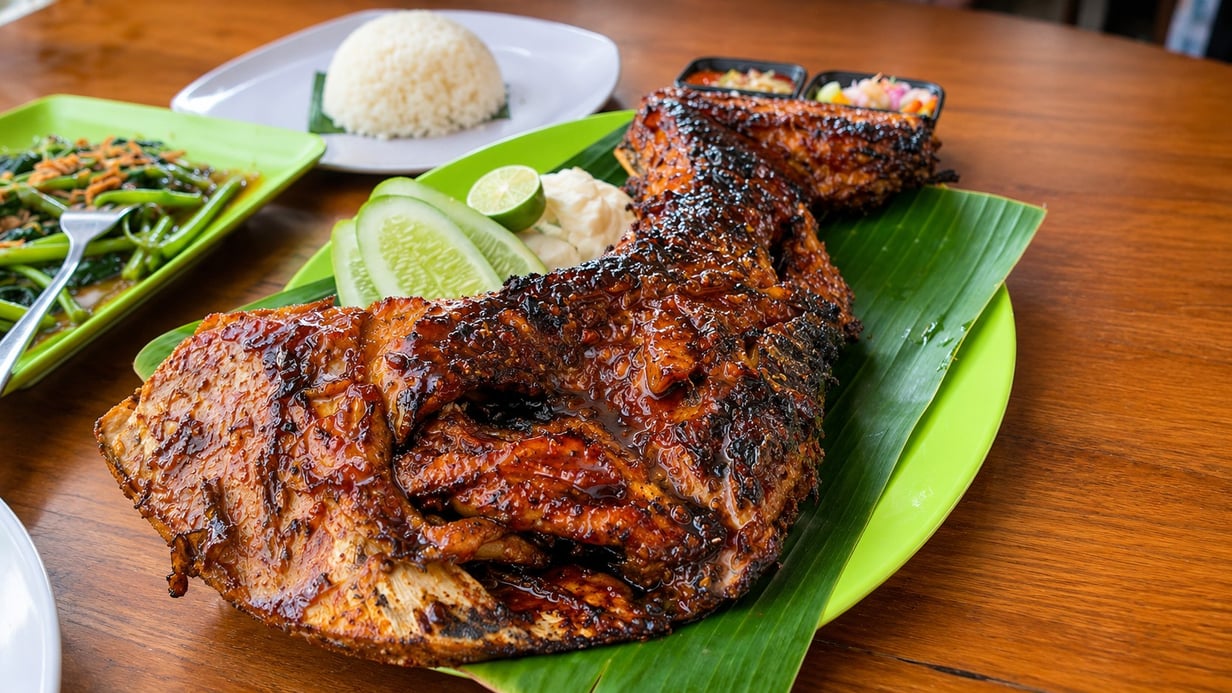
Since launching in October 2025, Tuna Ko Rasa has introduced its products incrementally via social media. Curiosity has been a primary driver for new patrons, while word-of-mouth recommendations from early diners have further expanded its reach within the broader community.
Tuna Ko Rasa operates Tuesday through Sunday, from 11:00 a.m. to 9:00 p.m. WIB. Owner Redi remains focused on refining food quality, service, and the overall dining experience.
He hopes that visitors from outside the region will share their culinary experiences in Kudus with others.
“We aim to provide more than just great food; we are building a customer experience. We hope that when patrons return home, they share stories of finding delicious cuisine and exceptional service here in Kudus,” he said.
Inspired by the flavors of Eastern Indonesia, Redi is now introducing tuna jaw and belly dishes to the Kudus community and traveling visitors. Through these offerings, he hopes to increase awareness of the diverse culinary options available in the 'City of Kretek.' (DN/YSR/mainkekudus)